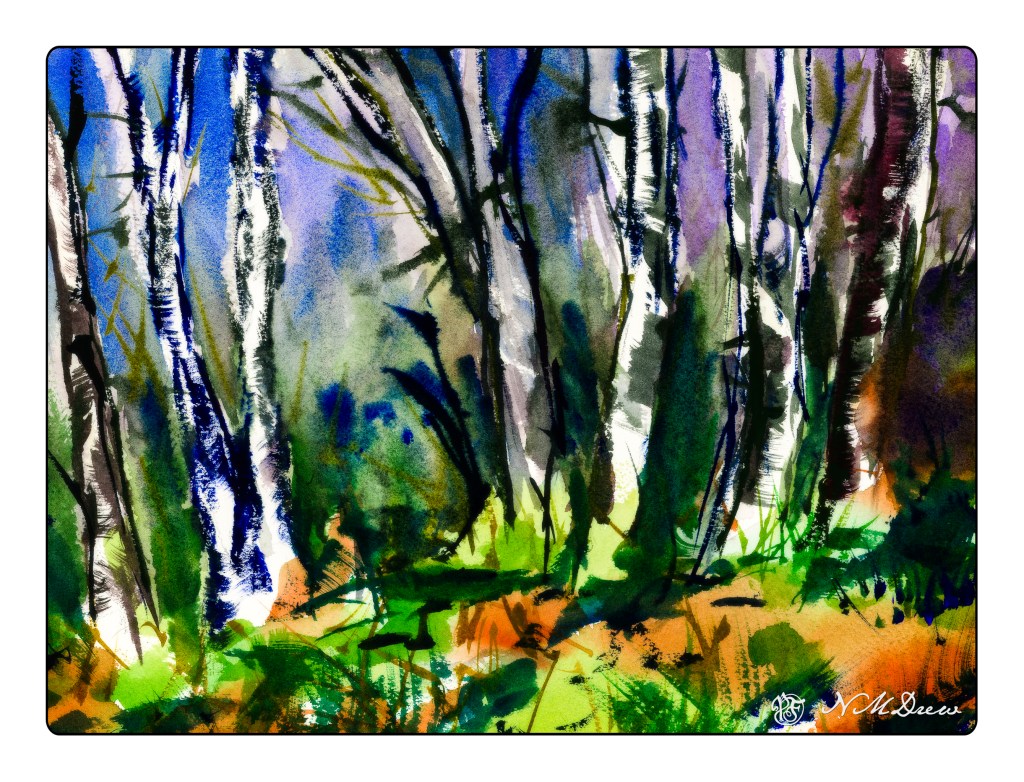
I have been trying to work with thin washes to lay in color, moving into negative painting – such as around the birch trees – and building the painting from there. I used different color mixtures to suggest the birch’s black areas on the trunk, and then used the darkest color I could mix to create some outlines for the trunks.
Watercolor is such an unpredictable, but somewhat predictable, medium that it can drive you crazy and fill you with delight.
Nothing like a line of trees with a grassy lawn between – wonderful in summer’s heat, to watch shadows, and just watch a day move by with a good book to read.
The same painting, scanned with an Epson V600 and merged. However, two different software were used to merge. One was Microsoft Ice. The other was the photo merge bit of Lightroom. It’s hard to really tell which software impacted the final image more as both were manipulated a bit in post. However, the difference was that the LR version had dark paper around the edge and was rather muddy. The MS Ice was lighter and more clean in overall appearance.
This is the image merged in Lightroom. .
This is the one merged in MS Ice.
It’s hard to see the difference in some ways, but I think either is fine to my eye.
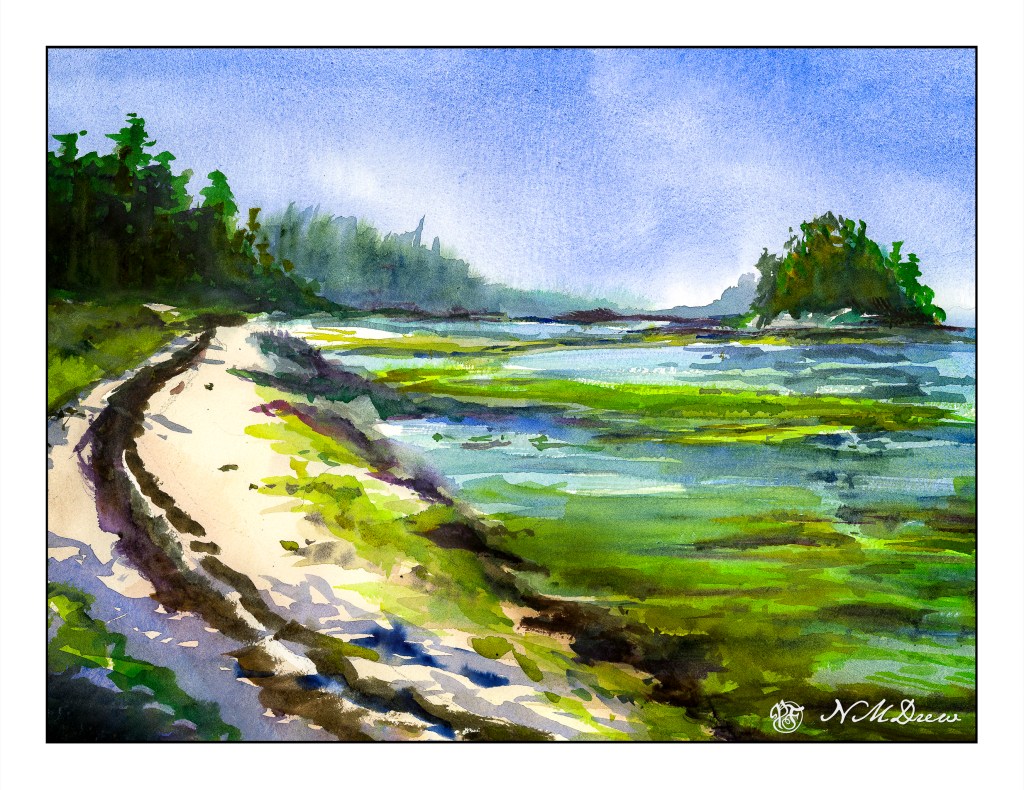
Anyway, I am rather pleased with the result here. I think I got the depth of field properly done for once. Perspective doesn’t seem off. The sandy berm really pleases me because sand is hard to do! I mixed together ochre, alizarin, and cobalt blue and then added a gallon of water to make the wash. The shadows are ultramarine with a bit of carbazole violet.
Another thing I like is the murky, seaweed filled foreground on the right that fills the shallow water. And, too, I did some justice to the reflections of the island in the right background. In the end, I applied a light glaze to the foreground water on the right and to the grasses to the left of the sandy shore in the middle left background. Painted on 300# Kilimanjaro from Cheap Joe’s.
I have few other WIPs, but they need a bit more consideration at present.
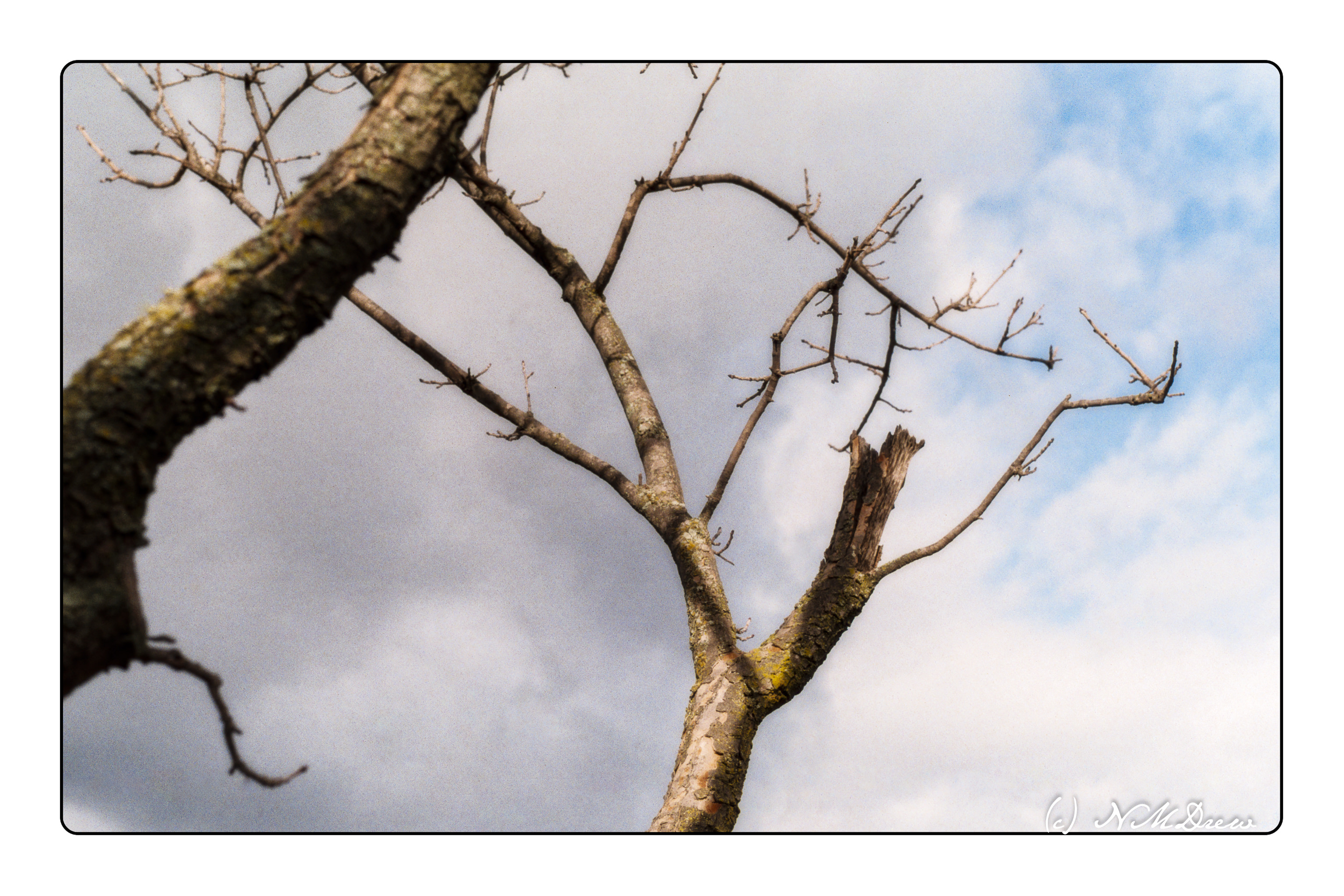
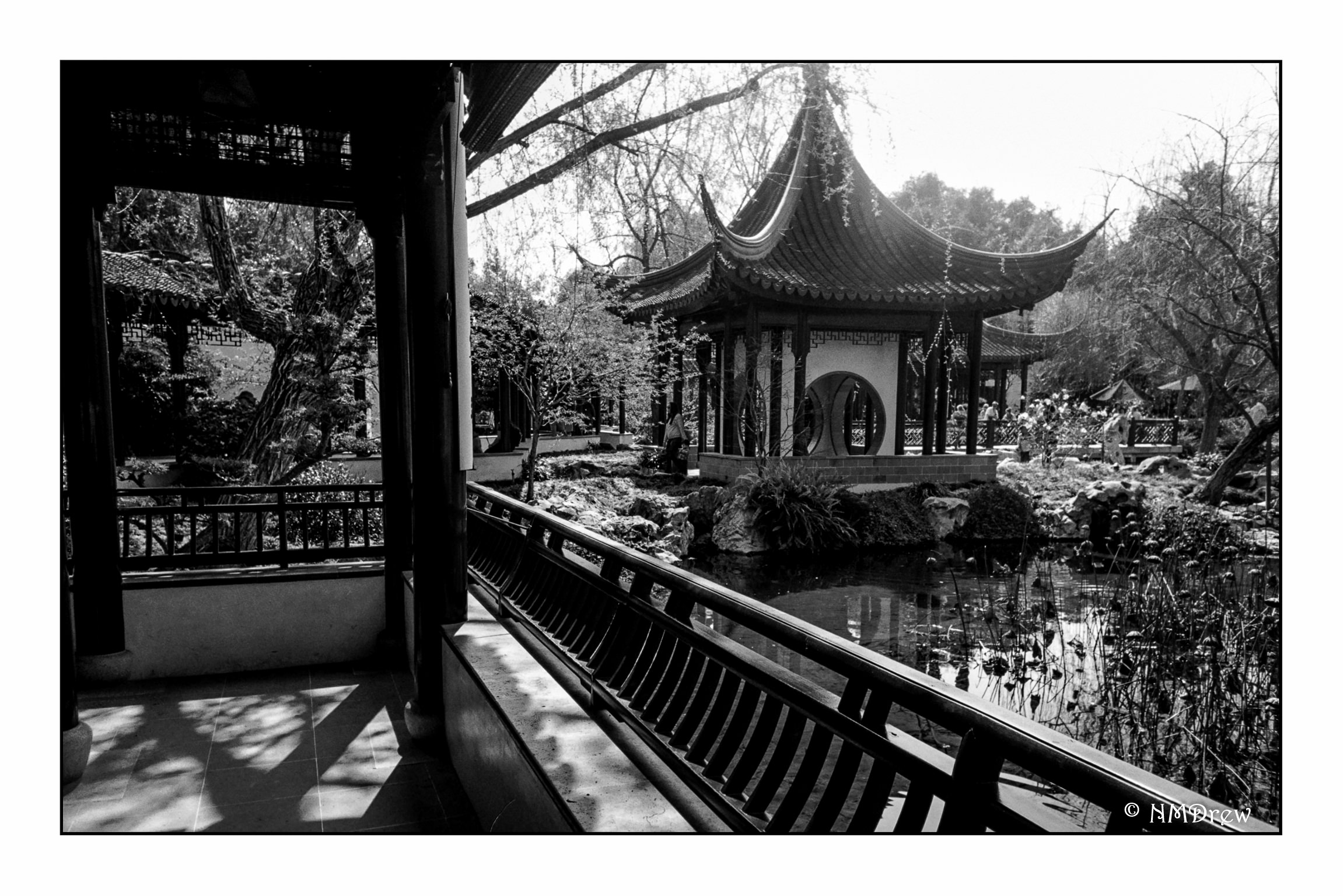
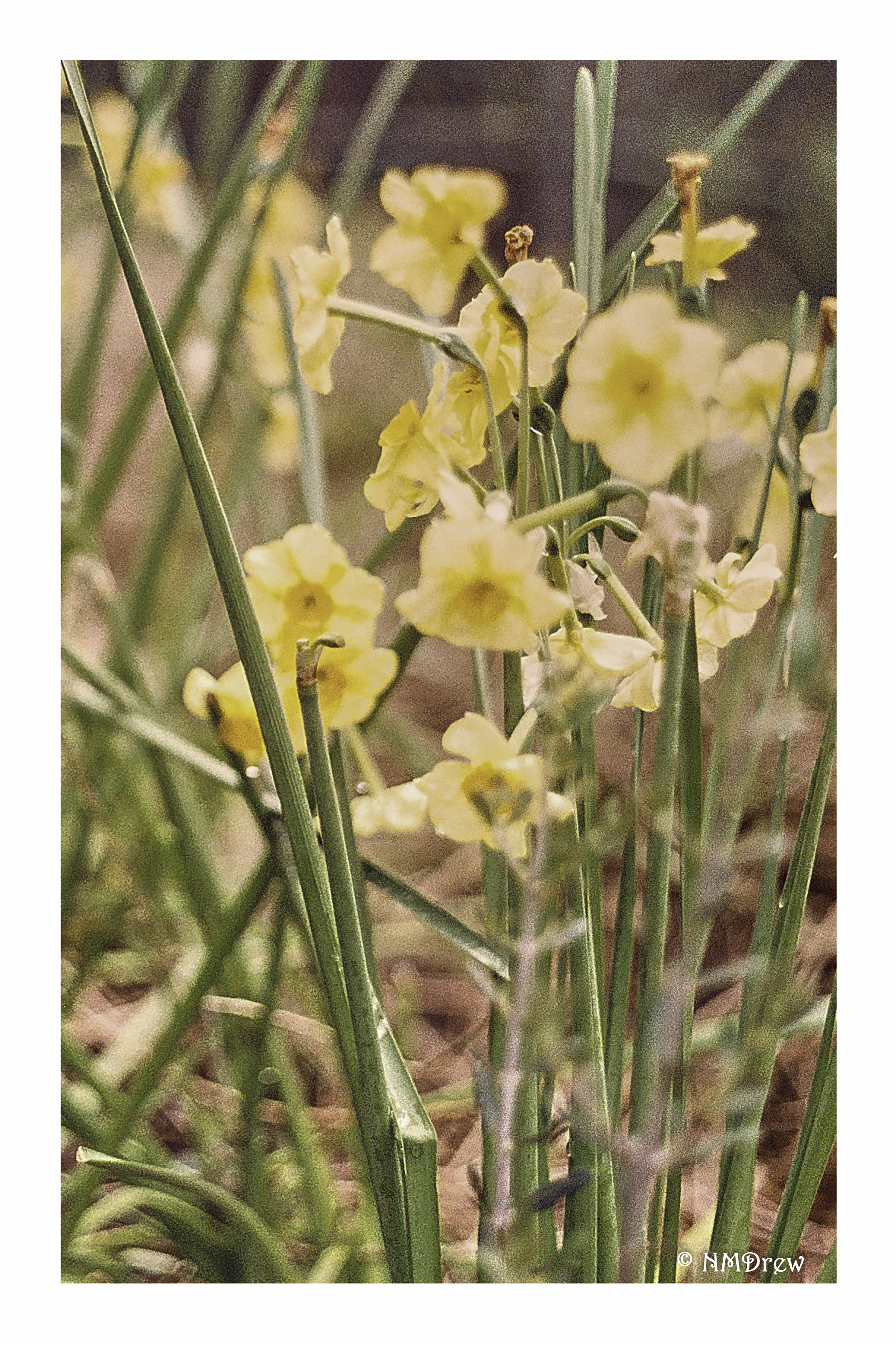
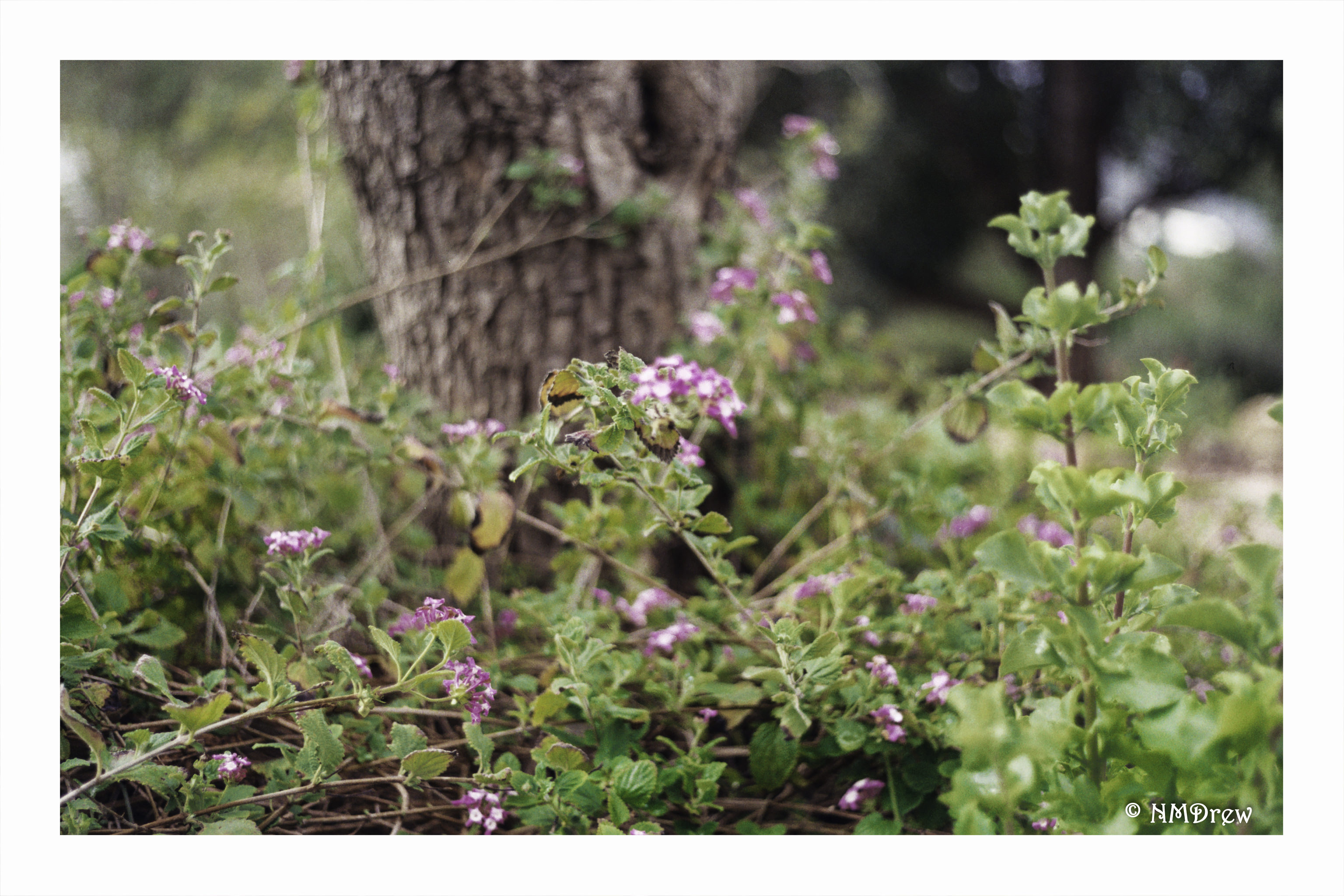
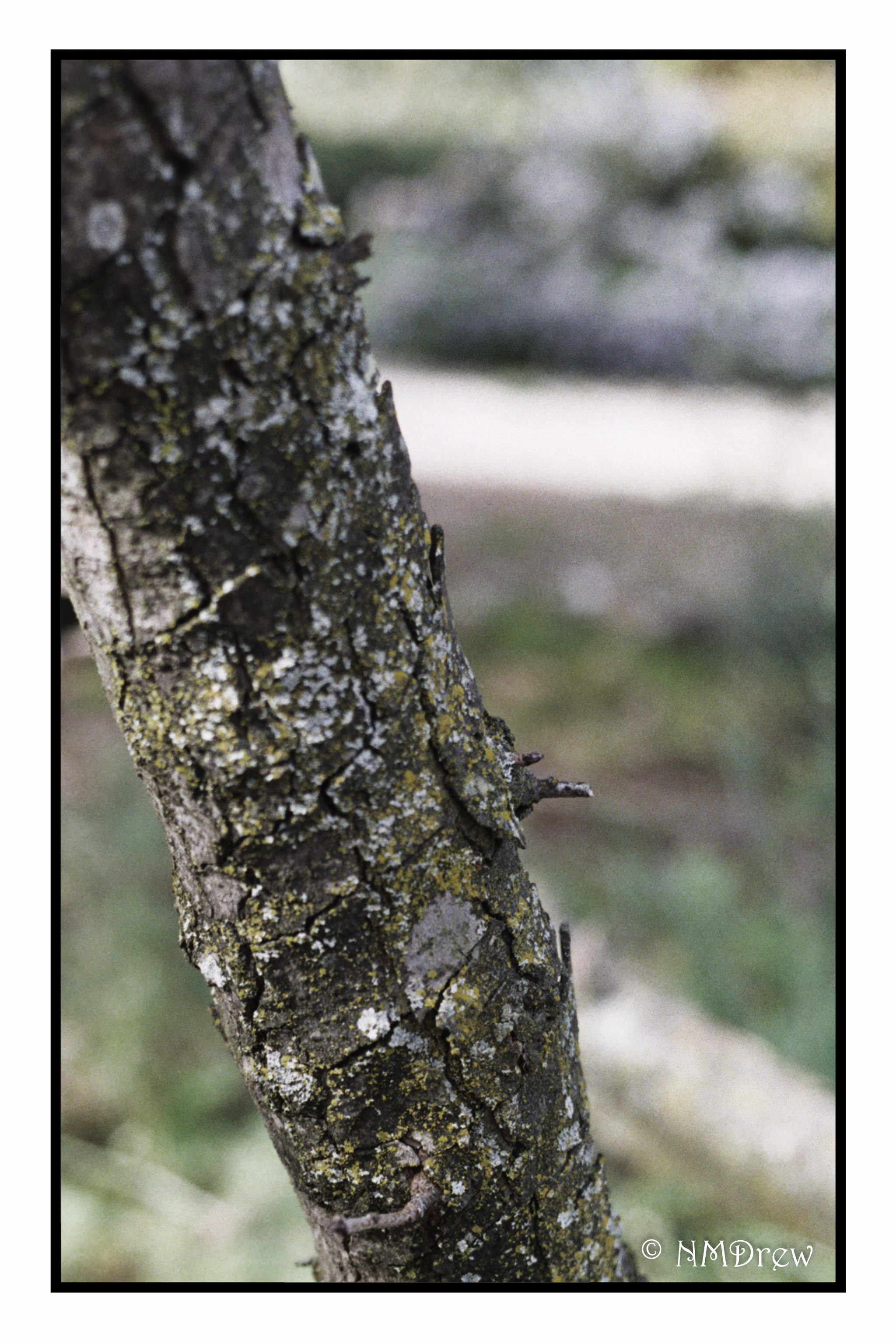
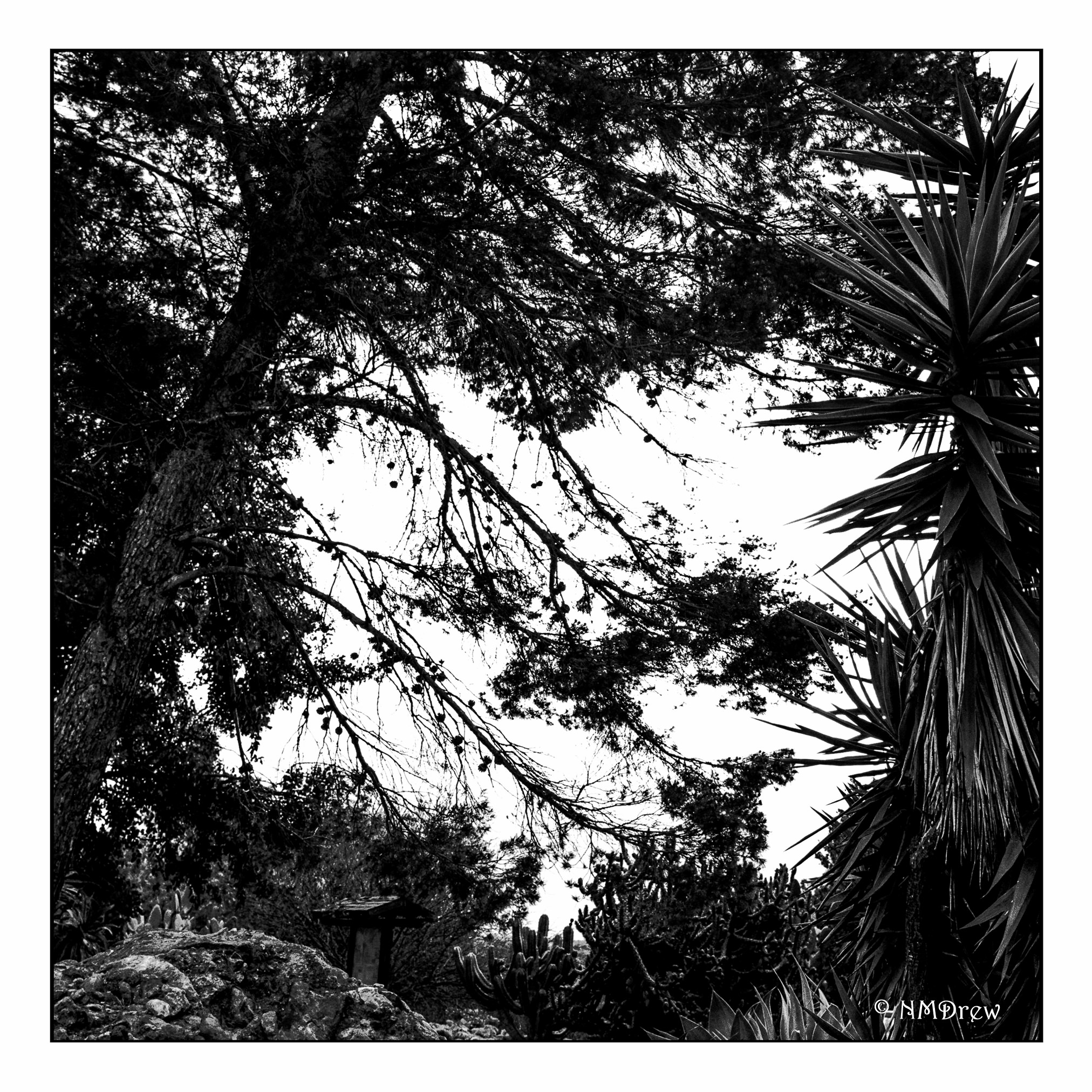
Besides acquiring a bit of old glass, I have also, as said before, been wandering through my digital archives. Here, a photo taken in March 2017 using the Retina IIIc with the Xenon 50mm f2 lens and Agfa Vista 200. Some images I desaturated to B&W because I thought they looked better that way. Digitalizing film can be quite a good thing!
When I first used this camera, I found it rather trying. It has an EV metering system which made absolutely no sense to me, even after reading the manual. Yes, I do RTFM! However, YouTube came to the rescue once again, and there are several good videos about the Kodak Retinas from the 1950s. Many consider these to be some of the finest Kodak cameras ever produced. I won’t disagree. Nearly every American in my age group has used Kodak cameras, and many were rather cheap and produced rather poor pictures. But, for a kid, they were just perfect!
This camera came to me about 4-5 years ago from Chris Sherlock at Retina Rescue, across the sea in Australia. He’s great. You can find his videos on YouTube. Playing with it again, and having more experience with older cameras. I really appreciate this camera far more than I did before. I think I am going to throw some film in the camera and see what this puppy can do yet again.
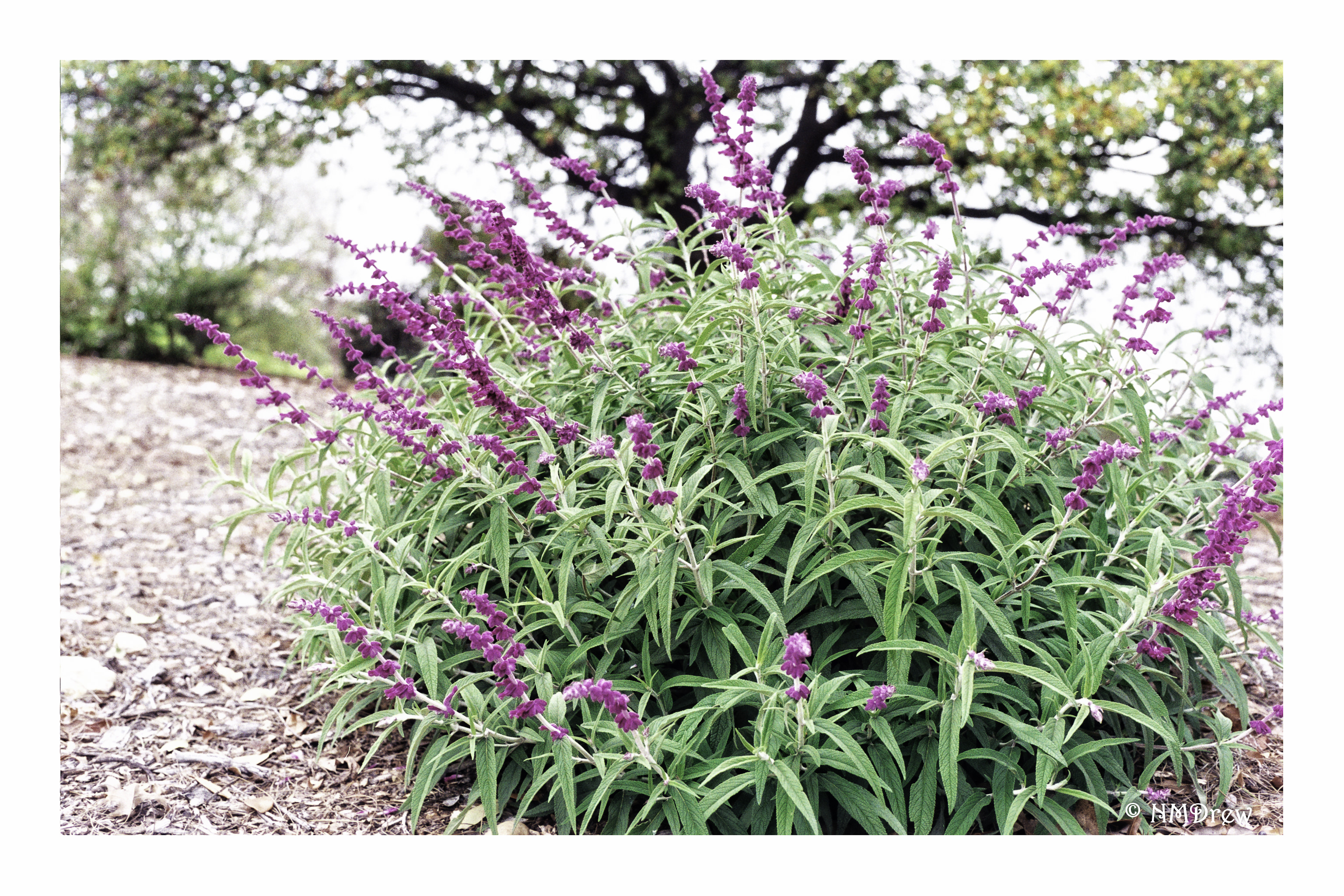
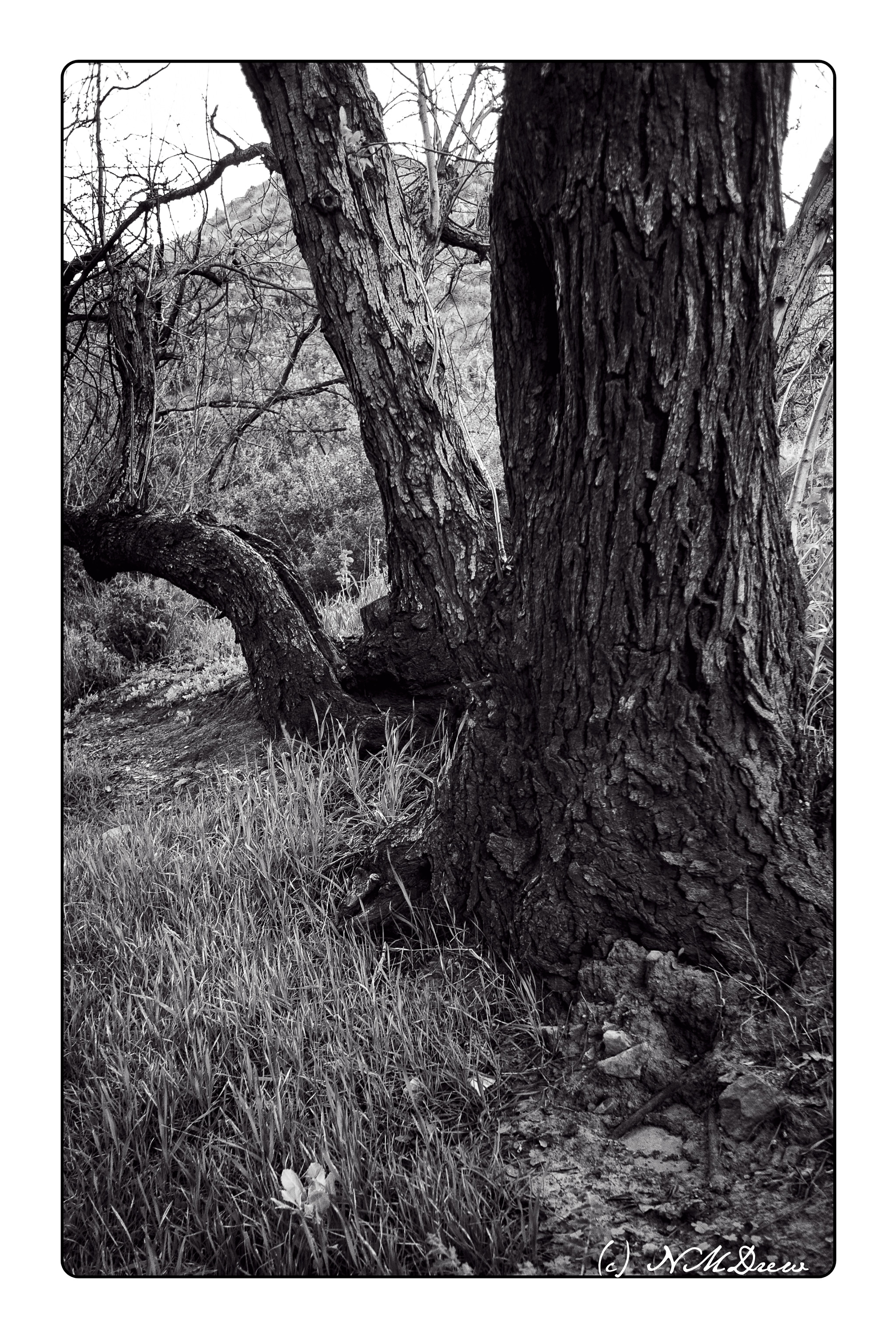
Several years ago a friend took me to a park tucked into the hills and canyons of Los Angeles County. We were there on a photo shoot, to enjoy one another’s company, as well as to enjoy the beauty of back country. Oaks predominated the scene with sycamores and other native plants. There is such beauty in oak trees! They always fill me with a joy that cannot be expressed, but perhaps a photo can help in that expression.