Under a Rain of Acorns

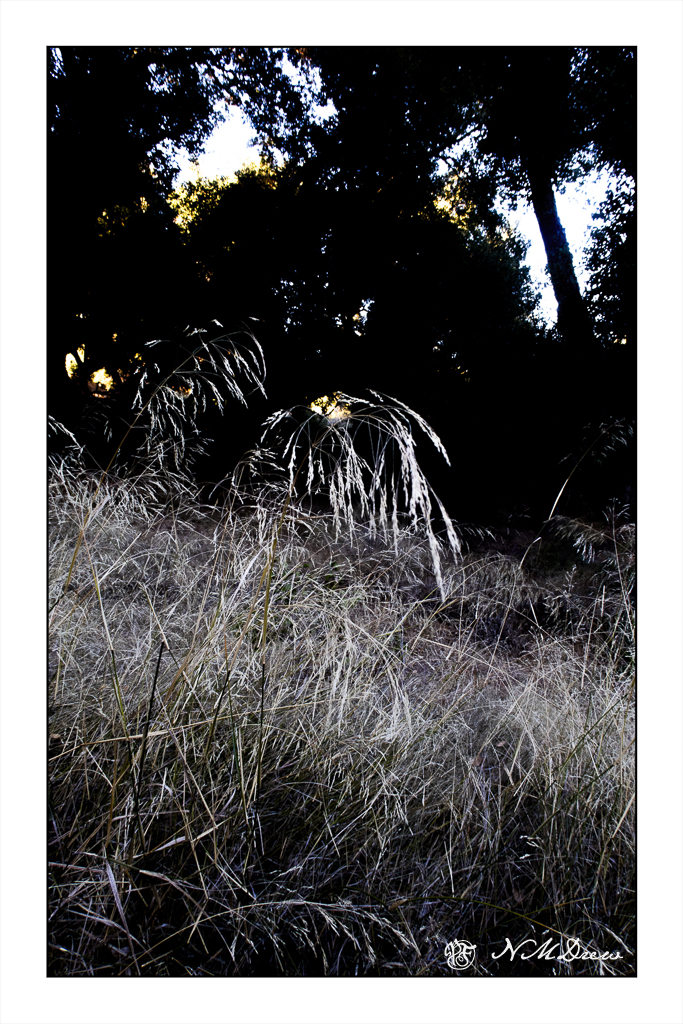
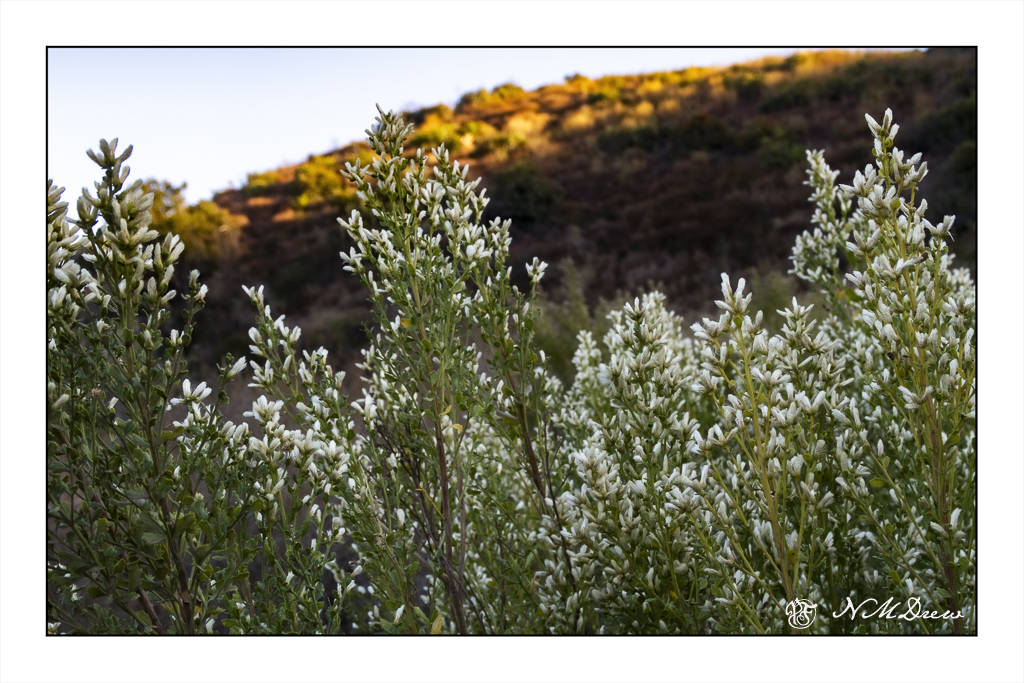
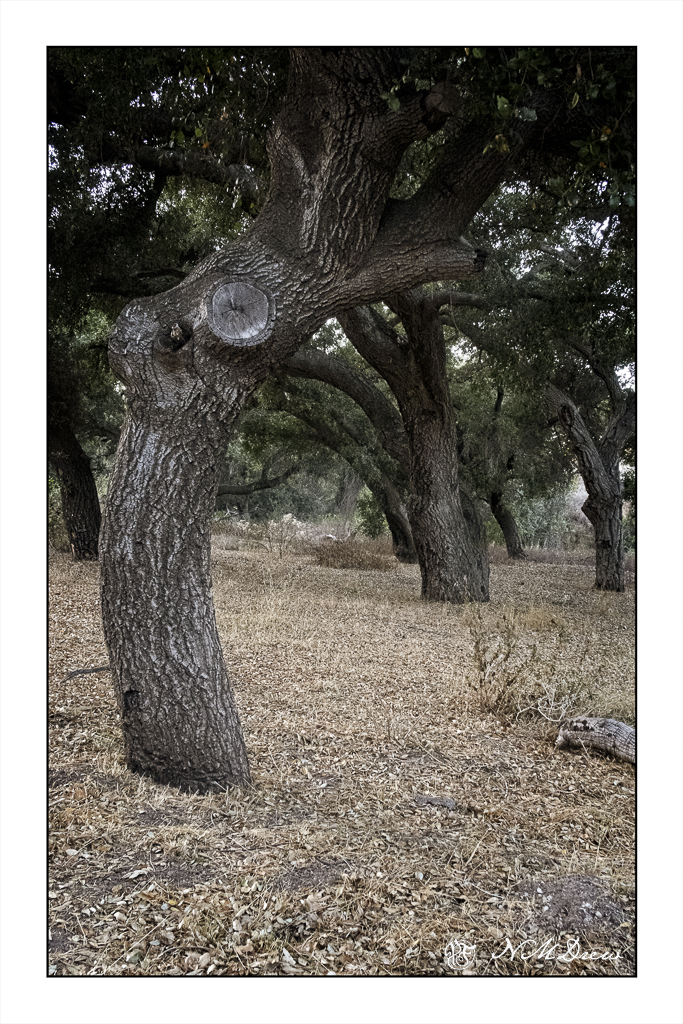
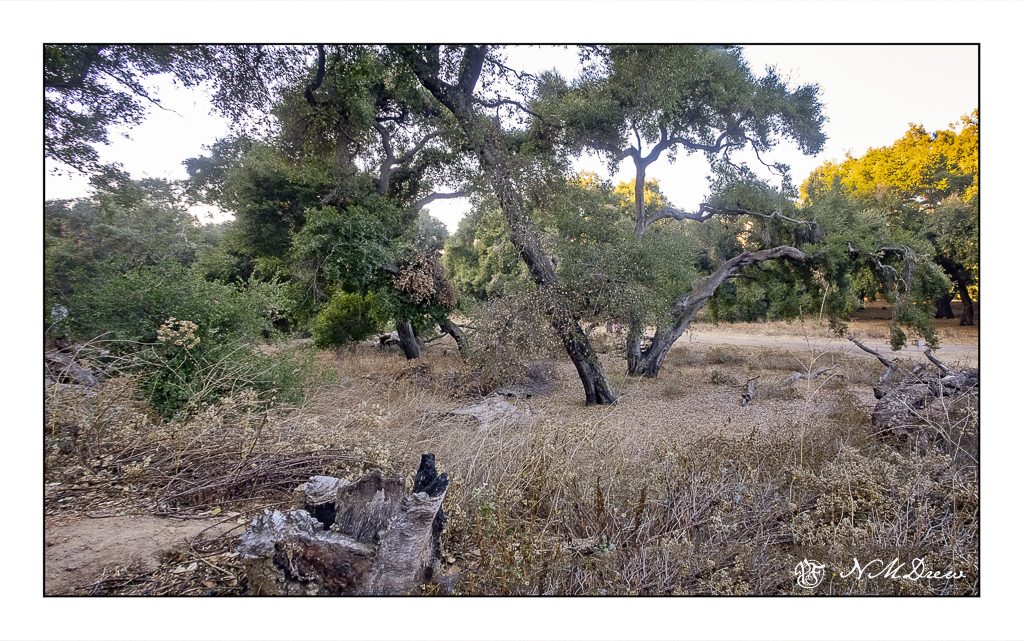
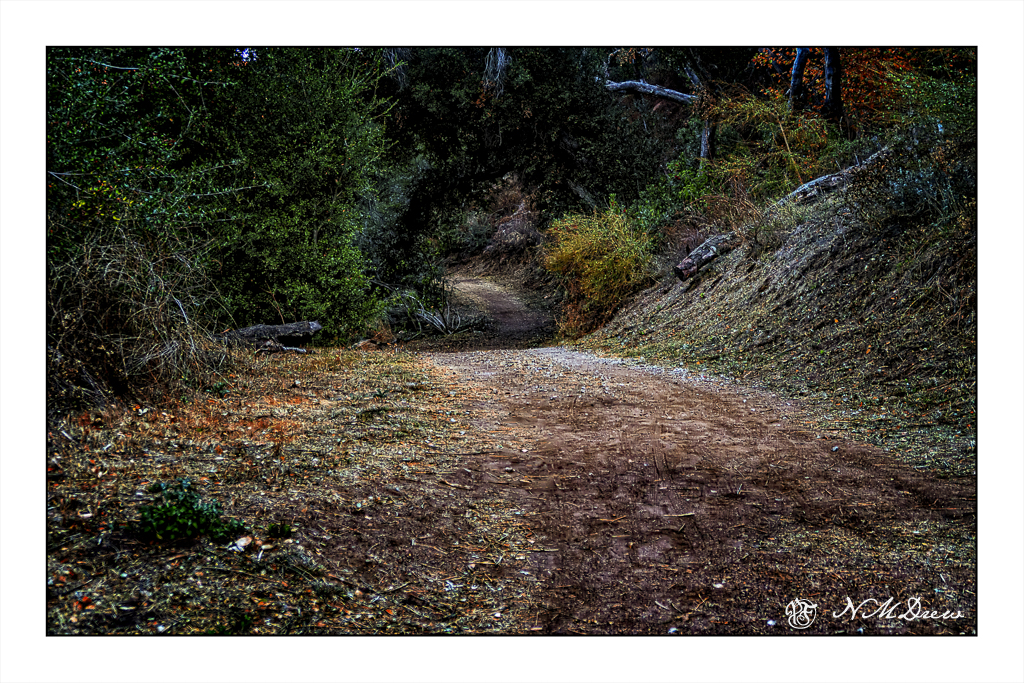
Yesterday I decided to finally go on a bit of a hike by myself. With a bit of trepidation, I told people where I was going, had my phone, and watched where I put my tootsies. The result was a slow meander, camera in hand, down the Chumash Trail. Housed within the area of this park is the Chumash History Museum, closed weekdays, but worth a visit.
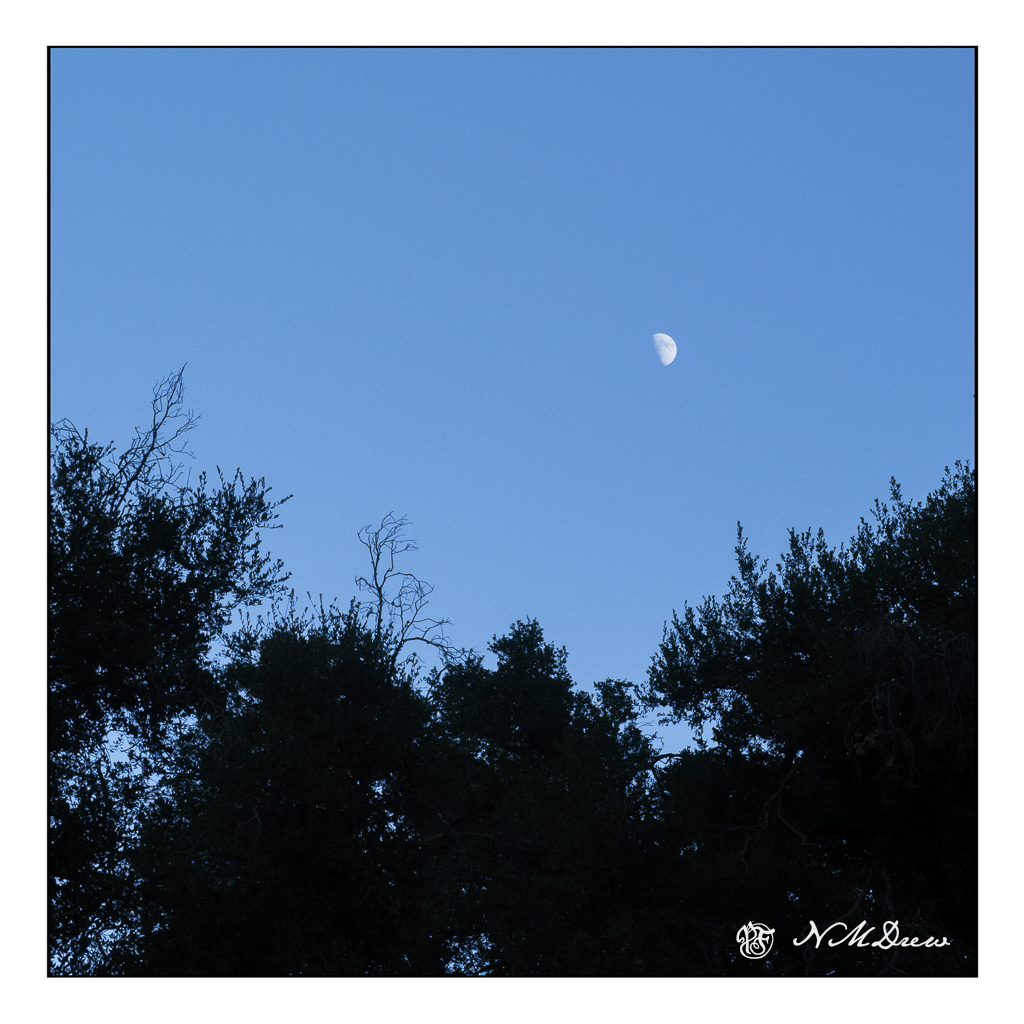
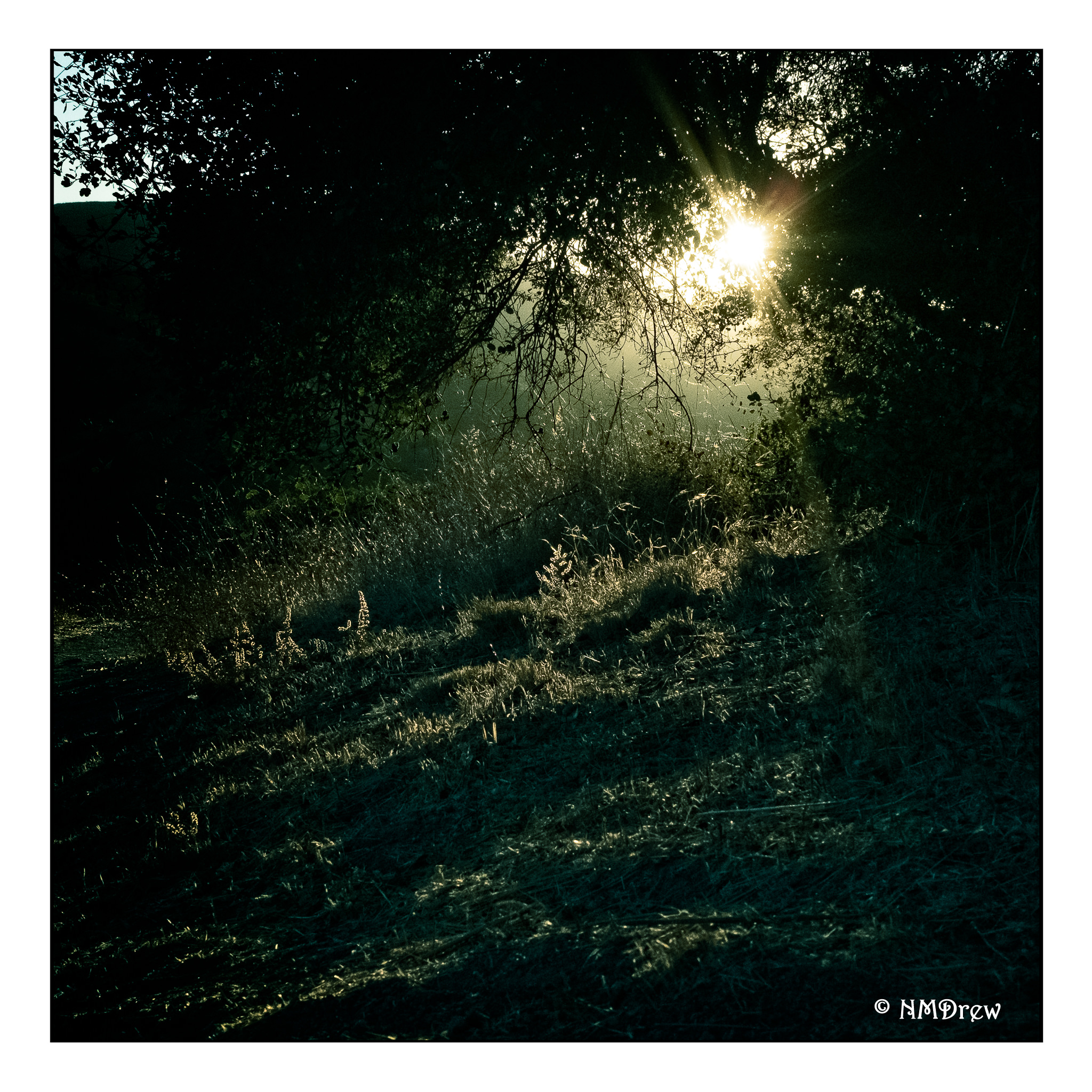
Overhead, the half moon could be seen above the trees and glimpses of the mountainous ridges above. The pathway beneath the trees was dark and shadowy.
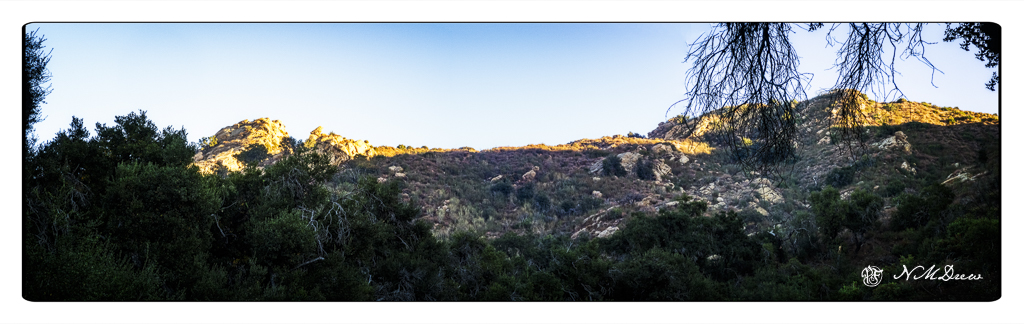
Though it is just weeks away from winter, here in SoCal we are experiencing dry weather, sometimes warm, sometimes cold. This morning I woke to the news that Malibu is, once again, in flames. An ironic bit as I thought I should walk down the Chumash before it burns again as I knew the east winds were on their way.
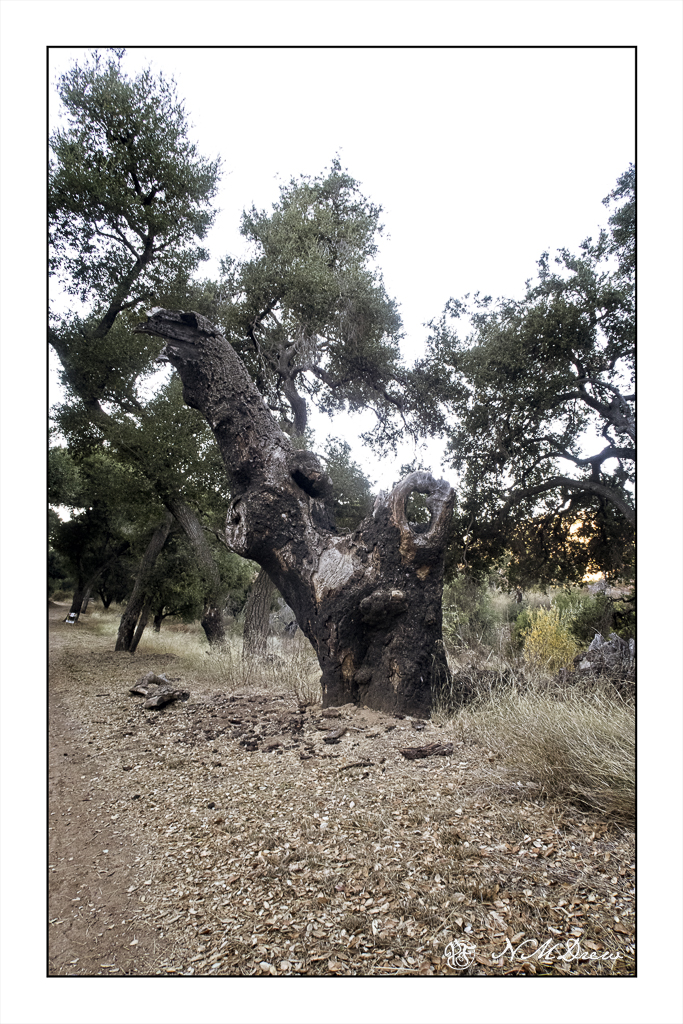
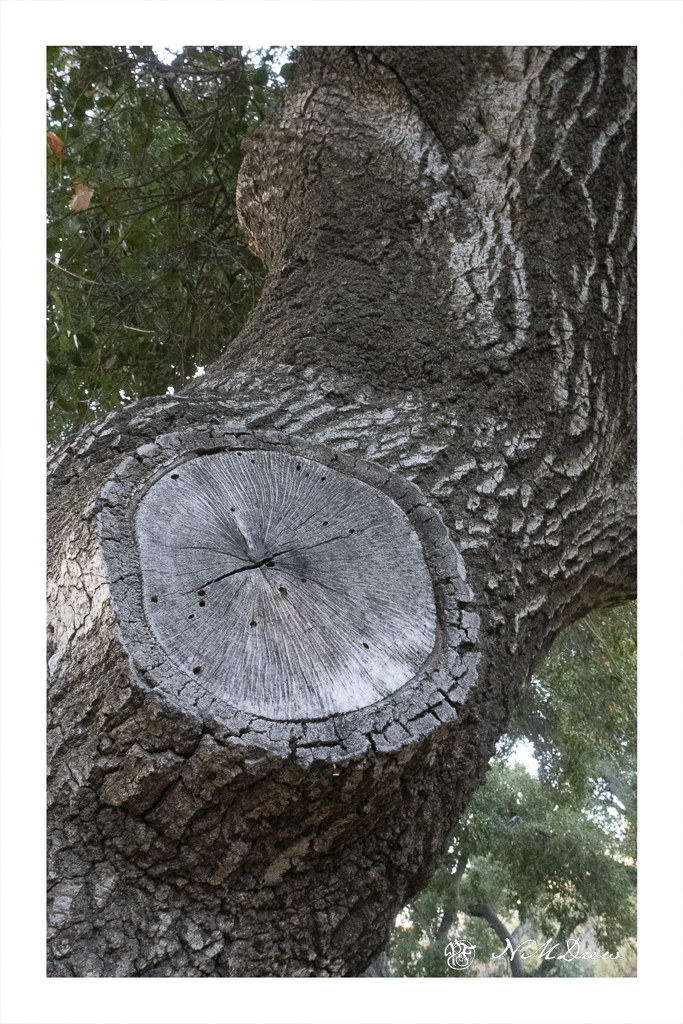
My favorite old, old tree is gone, with only a reminder of its former grandeur and an empty sky overhead.
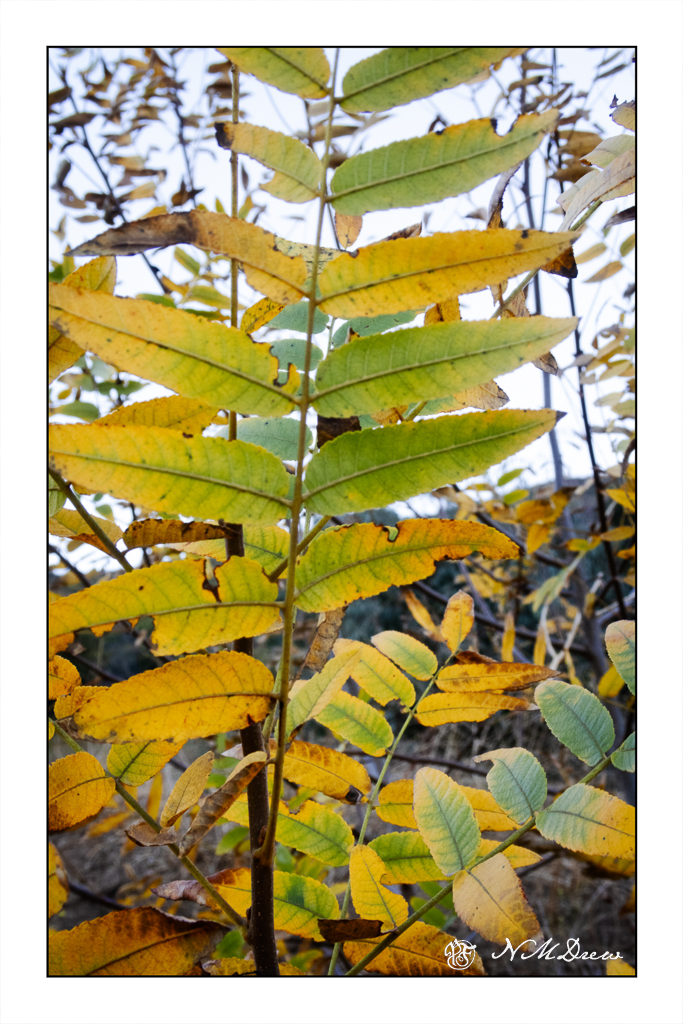
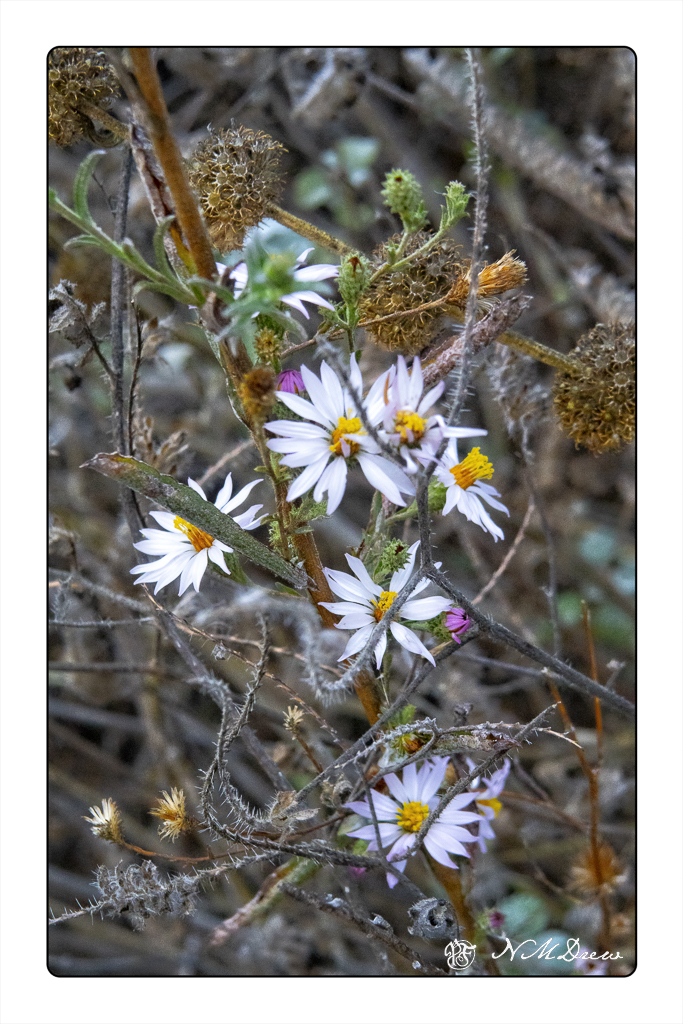
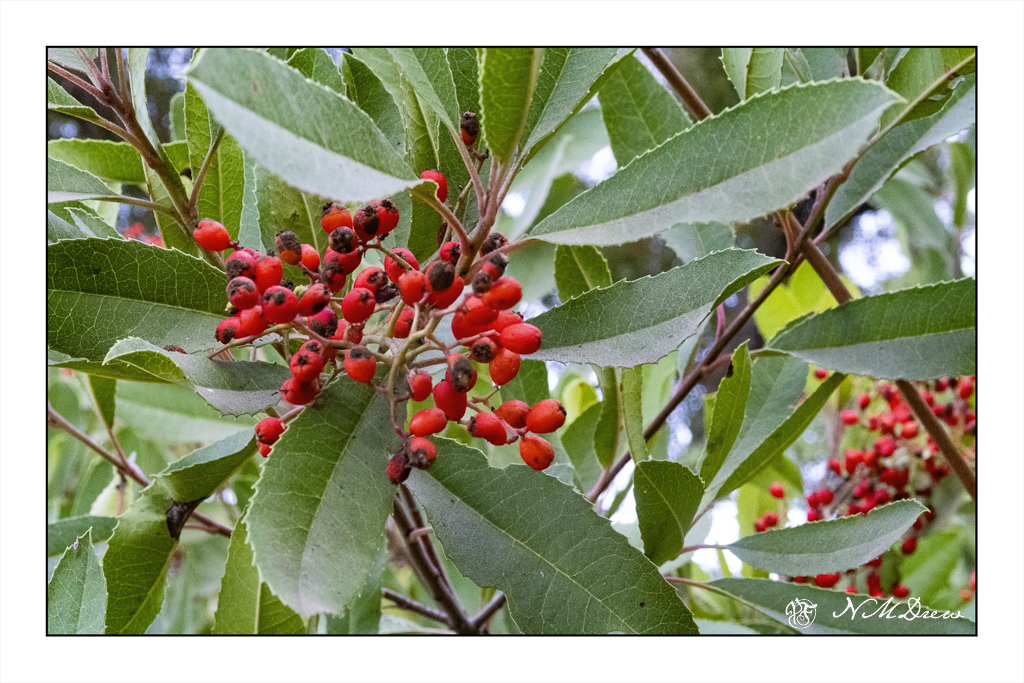
Grasses, flowers, poison oak, toyon were present, too – some plants I could name, others I could not, but it was just a pleasure to be out, looking for deer and squirrels – listening to the birds – canyon wrens mostly, an occasional crow – and to the patter, patter of the acorns.
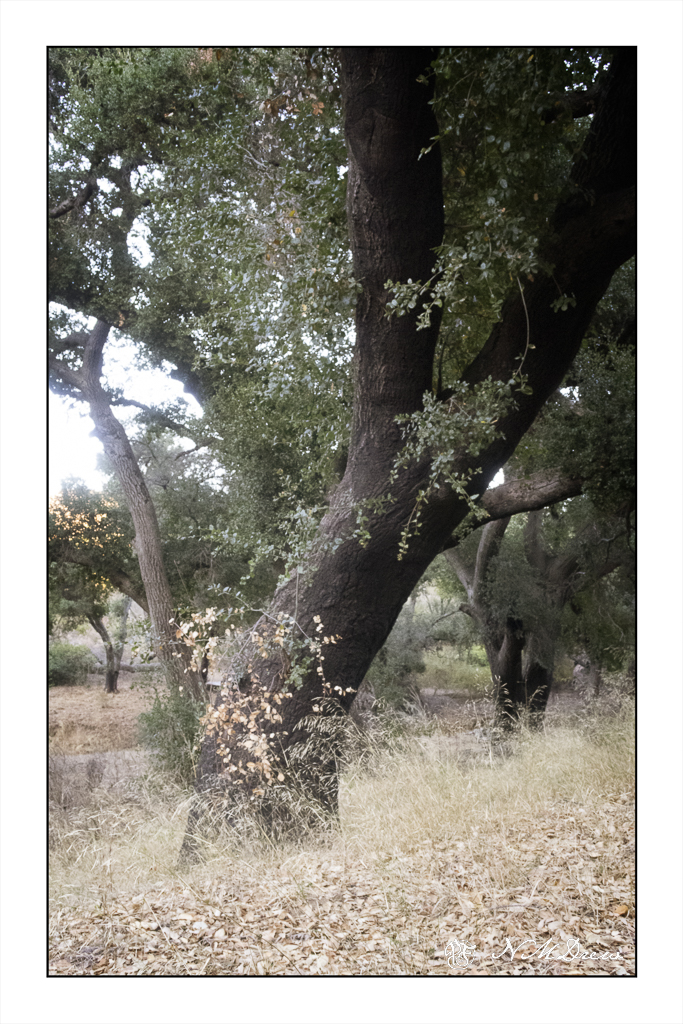
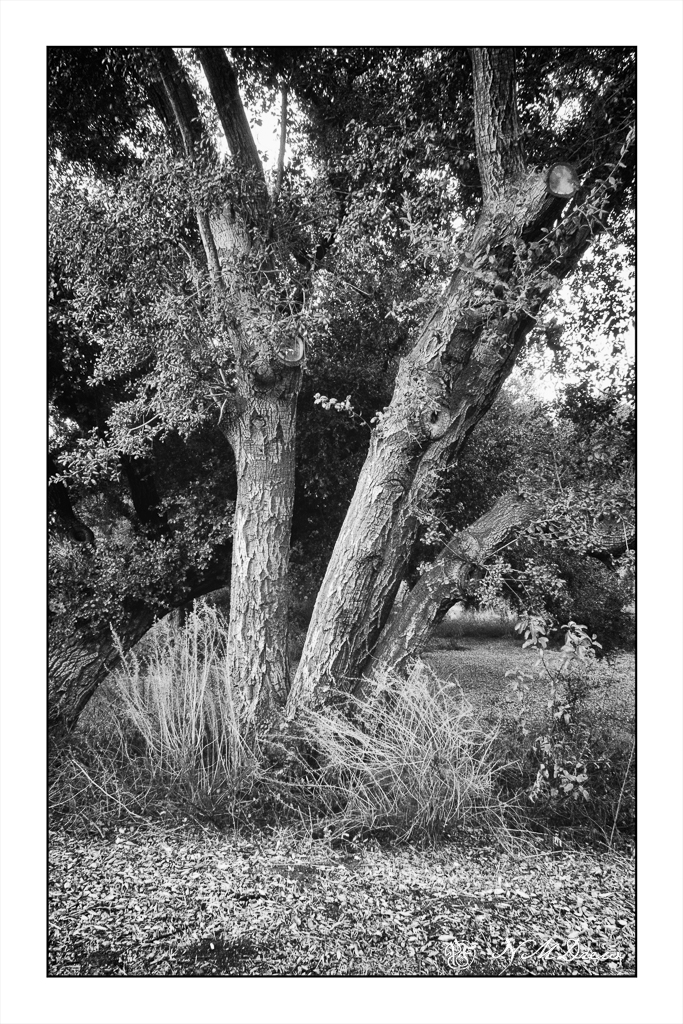
And, of course, everywhere are oak trees! Some scorched, some fallen, some cut down and left to return to the earth after the fire. Each tree has its own lovely and crazy shape and form, like dancers bending and arching. The Chumash Trail is a magical place and one which soothes the soul as only a walk under the trees can . . .

Winter Creek

First, I am not at all sure where I found the photograph upon which this painting is based – public domain? If not, and it is yours, I am sorry I cannot give you credit. Let me know, ok?

Oil paints on Canson Oil/Acrylic paper.

Initially I started out with a brush and soon realized that whatever I tried to paint was just not working. The grasses were not clear and sharp and the clouds were blobby. In the end, and out of frustration, I took a palette knife and used it to smear color into the painting – and all of a sudden I found out what painting in oils with a palette knife is capable of doing.

I am prejudiced against heavy impasto just because I don’t find it interesting to look at. First in my mind is how much dust it could collect and what a pain heavy impasto paintings could be to clean. Much impasto is done with a knife – though brushes also do the job, as seen in the work of van Gogh. So, I have avoided it to date.

Smearing paint around with a knife gives some dimension (3D) on a flat surface, but the way the paint moves is so interesting! I also used the knife tip to scratch away in the colors for the grasses, and that was both doing what I wanted to do, as well as somehow felt deliciously rebellious against my conformist self.

The snow, though, and the river, are done with brush. Brushwork was laid down first pretty much throughout the painting, and my aggravation then brought out the knife. Learning experience. And, I don’t think I could have rendered either sky or grasses anywhere to my liking with a brush of any size.

Live and learn.

11×14, knife and brush, on paper.

Tribute

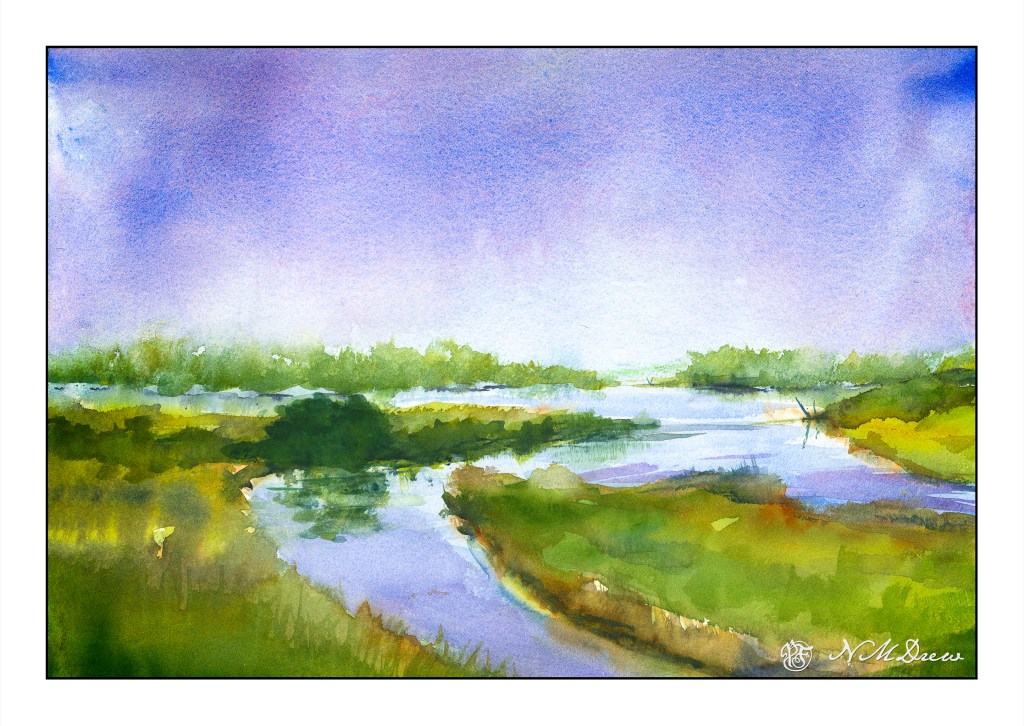
This wet-in-wet is drawn from imagination and inspiration by the Dutch watercolorist Edo Hannema. I just love his mastery of water and color and wet paper! There is a peaceful quality to his paintings of the Dutch landscape.

Painting like this demands thought and deliberation and patience. Timing is also critical. Painting wet-in-wet requires risks and experience. Too wet, everything just blurs. Paint wet paint which is wetter than the still damp colors result in blooms which can destroy a painting in now time. The rule is drier paint into wet paint – that on your brush must be drier than the stuff on the paper. Blot your brush if in doubt.

Oops! Just noticed that the horizon is dead center . . . compositional error! And that big green blob is also a mistake – tried to fix it – but since this is time for true confessions, I may as well own up. 😉

This is one of my more successful wet-in-wet paintings. Usually there is a big cauliflower bloom somewhere – sometimes I can hide it, but it feels really good not to have one this time! Remembering the trick of drier onto wetter was a good thing.

For the first time, I am painting on 300# paper. This is Kilimanjaro CP from Cheap Joe’s. With such a heavy paper, lots of water can be used. 140# warps but this stayed virtually flat. I like this paper a lot – certainly will be getting more of it.

Under the Summer Sky

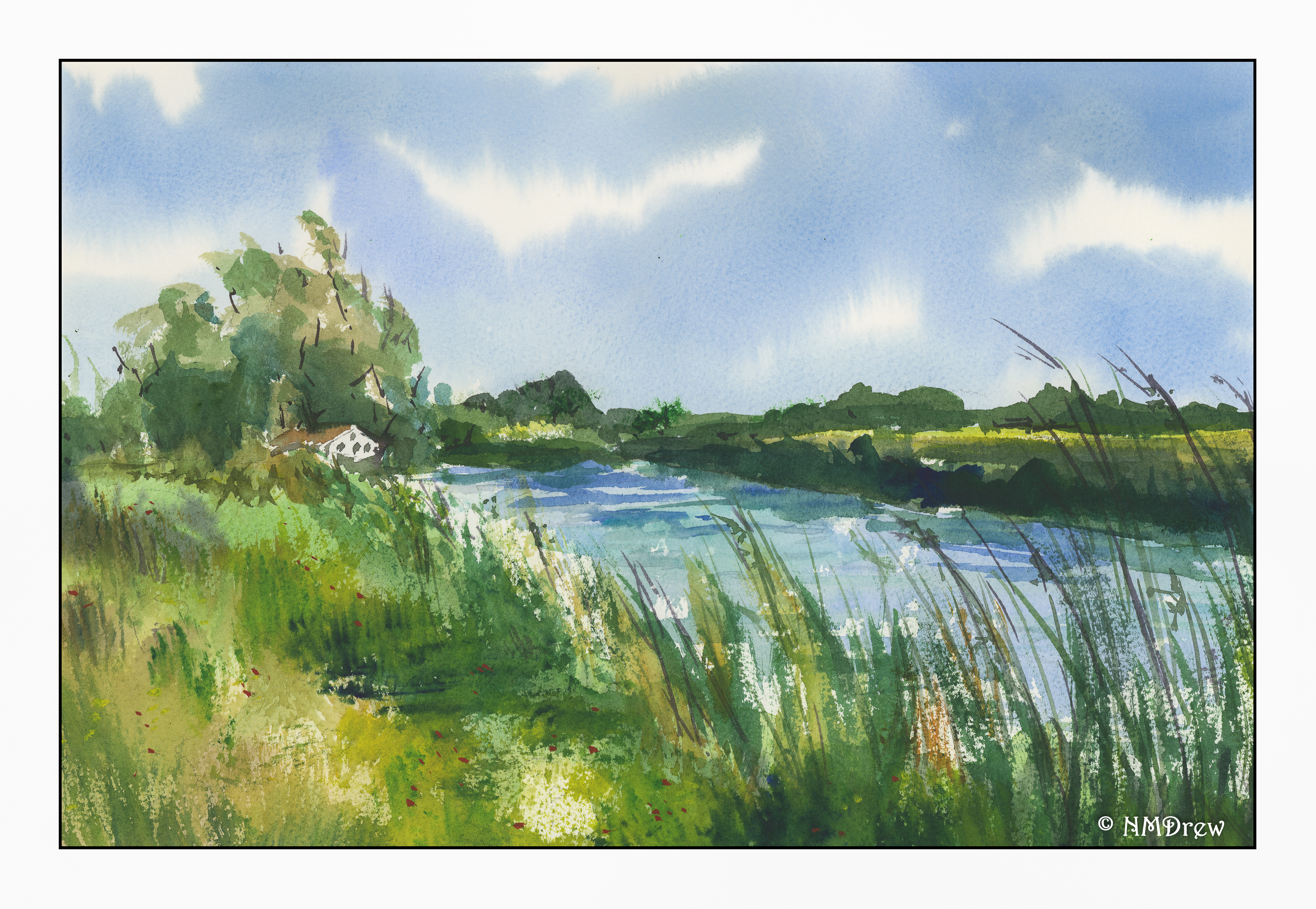
As summer fades away, the fires are burning along the west coast, and the clarity of the air has gone murky. This is when I dream of being somewhere along a river, with sun, blue skies, flowers and birds. I’m a country girl at heart, stuck in suburbia! (But there are advantages of the ‘burbs, too.)

I used Arches Rough 12×16 140# paper. The texture is not as smooth as what CP or HP provide. There is a lot more “tooth” which is great for dry brush and texture, such as in the foreground grasses and middle ground trees. I used one of my hake brushes for the general grass shapes, and a larger, harder brush for the sky. Before I painted any large area, I used the hake brush with clear water, letting it soak in a bit to help the paint to spread more easily on this rough paper.

In general, I am pleased with this painting. DOF works fairly well. I put in a building, too! For me, the most flawed area is the squared-off top of a tree to the left of the building – maybe I will go in later to correct it, but for now, I’ll let it be, cuz it’s time for a nap!