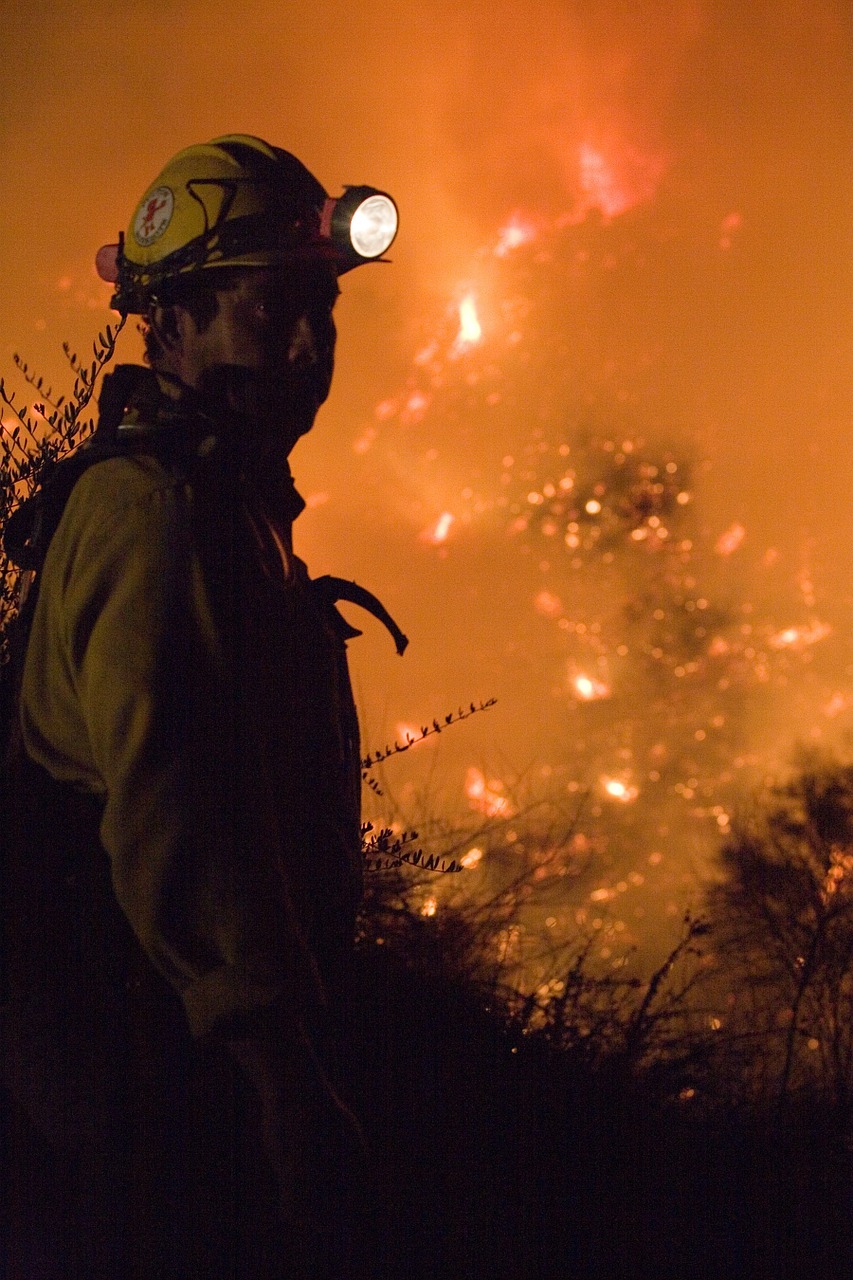
Wind & Fire

Today I have to head over to Simi Valley, where the fire I wrote about yesterday is still burning. Because I have to go there to get a crown fitted, I just checked out the situation online.

It’s called the Sandy Fire, and while still uncontained, a number of back fires have been lit to help do so. The fire is moving south of Simi, into the hilly country of the mountains on the southern edge of the city itself. There are homes here, but because of the nature of the place, it is difficult to build as well as remote. Unfortunately, though, some structures have been lost. Damage to wildlife is not to be dismissed, either, as the hills are home to many critters.

Thomas Fire from the Reagan Library
2017 Thomas Fire taken from the Reagan Library

Above is a photo I took years ago. The fire spread from the mountains to about 20+ miles west to the sea. My in-laws were evacuated from Ventura in the middle of the night. No one thought the fire so far away could spread as fast and fiercely as it did, and in so short of time.

The wind is what is often the most devastating element involved in the fires of Southern California. We get what we call variously “sundowners” and “east winds” and “Santa Ana winds” and “Santanas” – sundowners because as the evening sets in, the cool air from the ocean draws the heated air from inland. East winds because the land is east, the ocean is west. And there are a lot of other reasons for these winds of which I know nothing!

At times, these winds can be over 50 mph. Yesterday’s winds in my area were only 15 mph, but enough to make me uneasy. I always have my nose sniffing out smoke and my ears pricked for sirens. The rugged terrain means chasing fires is very difficult to impossible on foot. Helicopters with fire retardant and water help, but when the wind blows embers ahead of the fire, from mountain top to the next across an arroyo or canyon, the chase is on. It is this element – the embers – which can lead to large and devastating fires and damage.

Ironically, much of California and the west are environments which depend on cycles of fire. Native Americans often used fire to control the fertility of the landscape, and only recently has the Forestry Service begun to use their knowledge. Plants flourish in the burnt land, and many depend on fires for propagation of the next generation of plants. Human settlement disrupts this cycle. Thus, years of dried debris and overgrowth provide fuel. Wet winters giving way to dry summers do this as well.

Today, the winds are down from yesterday. Usually, a light steady prevails in my area, but even that can have its effects. I’ve lived in California most of my life, but I never get used to fires as a normal part of life. I loved the wind until I came fear its effects. Today the Sandy Fire is likely to be contained, but there are fires elsewhere that need attending, and more to come. Fortunately, family and friends offer us places to stay should we need to evacuate, as we have offered them.
Under a Rain of Acorns

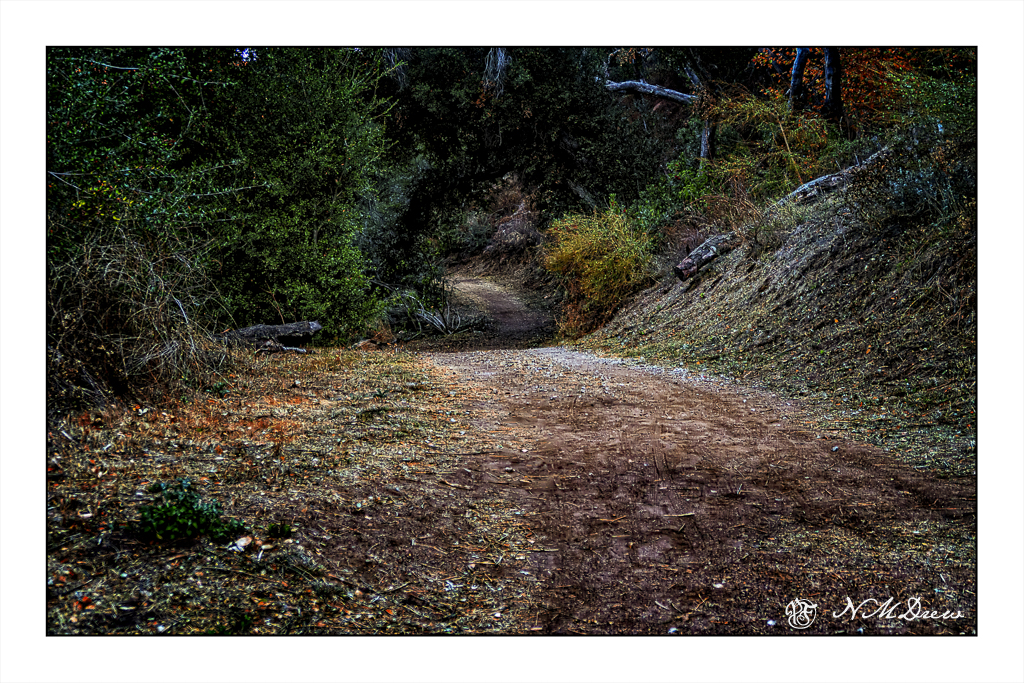
Yesterday I decided to finally go on a bit of a hike by myself. With a bit of trepidation, I told people where I was going, had my phone, and watched where I put my tootsies. The result was a slow meander, camera in hand, down the Chumash Trail. Housed within the area of this park is the Chumash History Museum, closed weekdays, but worth a visit.

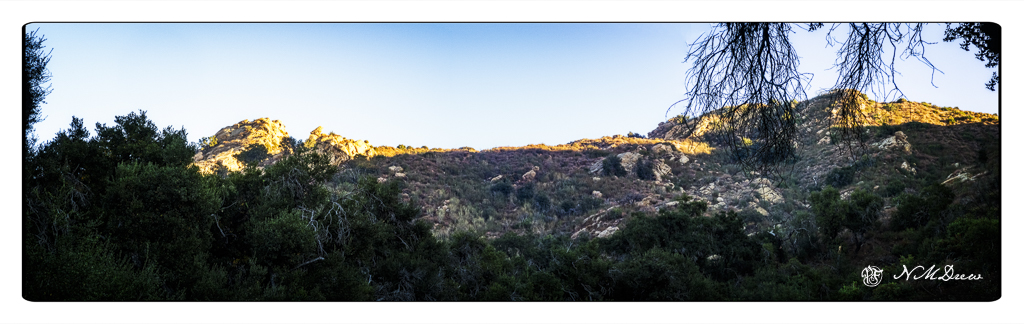
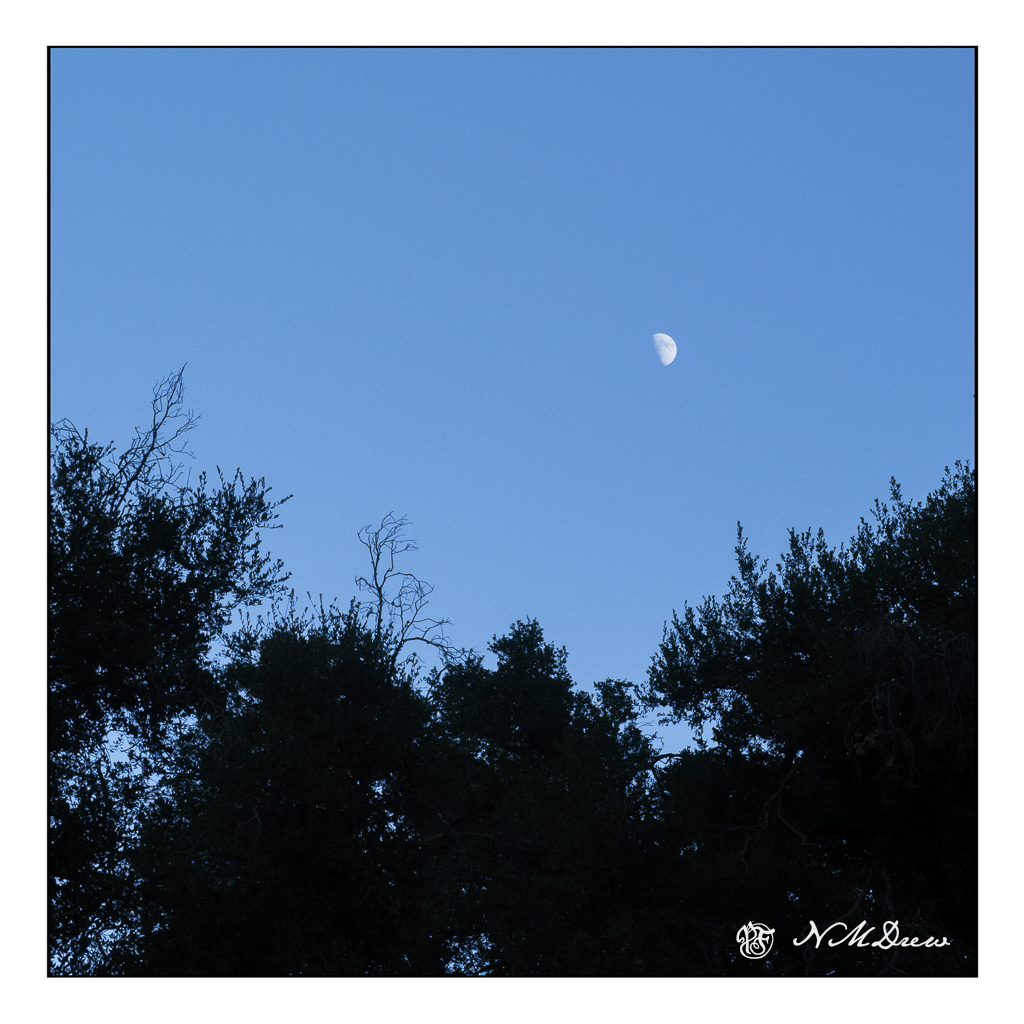
Overhead, the half moon could be seen above the trees and glimpses of the mountainous ridges above. The pathway beneath the trees was dark and shadowy.

Though it is just weeks away from winter, here in SoCal we are experiencing dry weather, sometimes warm, sometimes cold. This morning I woke to the news that Malibu is, once again, in flames. An ironic bit as I thought I should walk down the Chumash before it burns again as I knew the east winds were on their way.

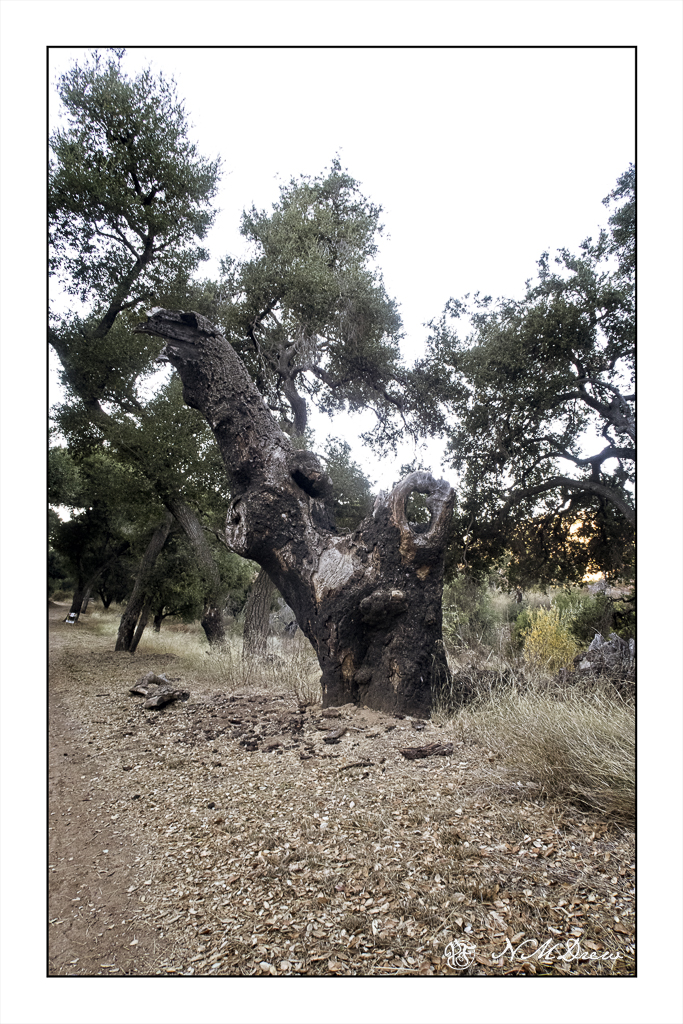
My favorite old, old tree is gone, with only a reminder of its former grandeur and an empty sky overhead.

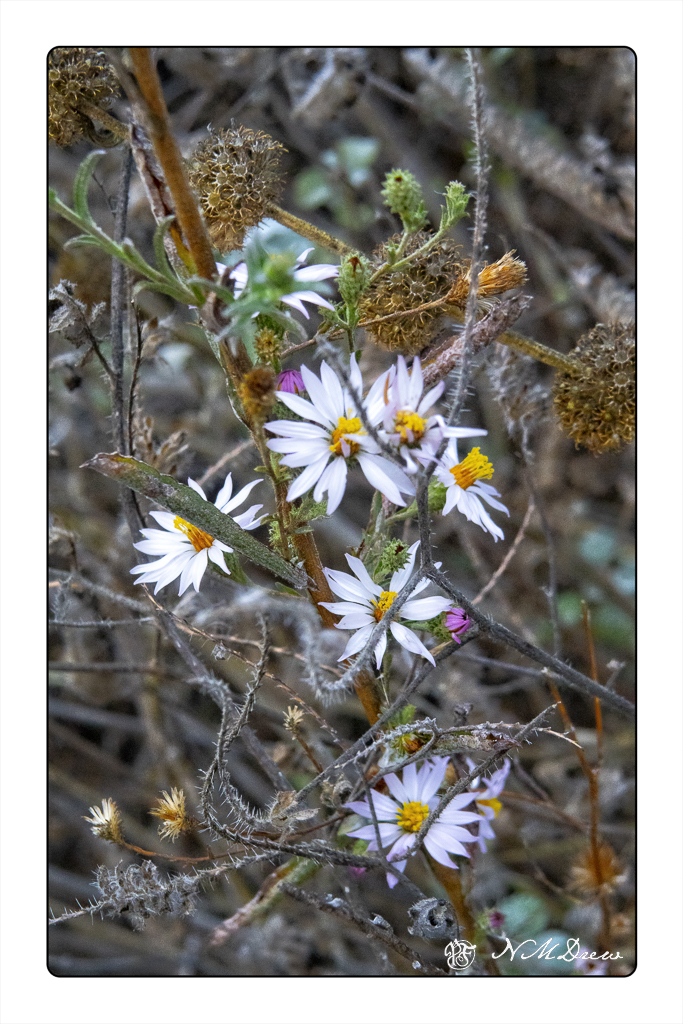
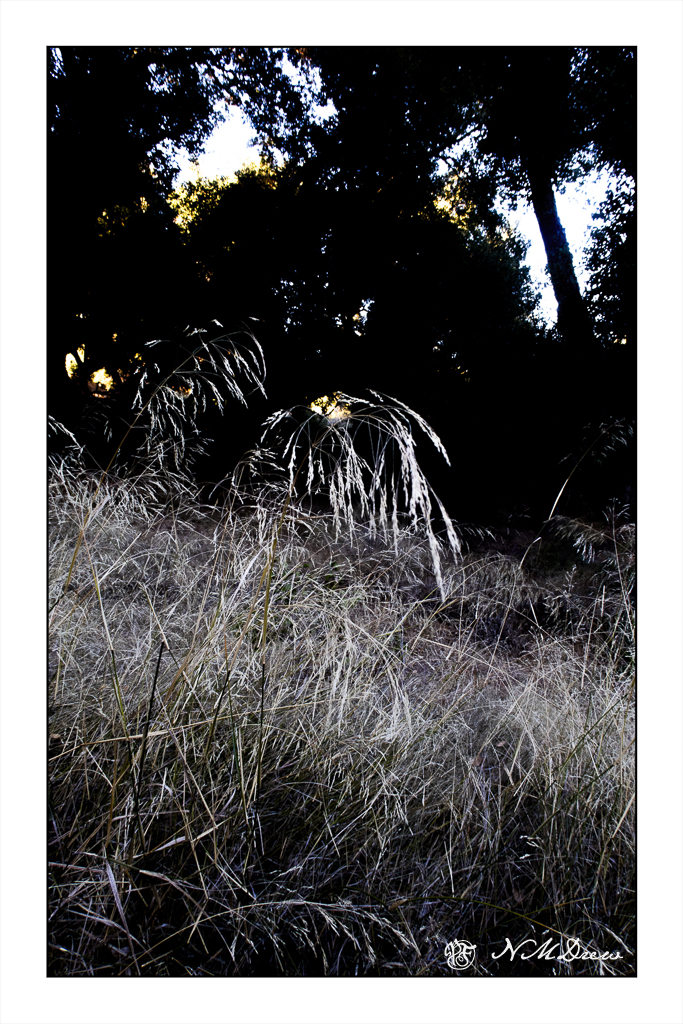
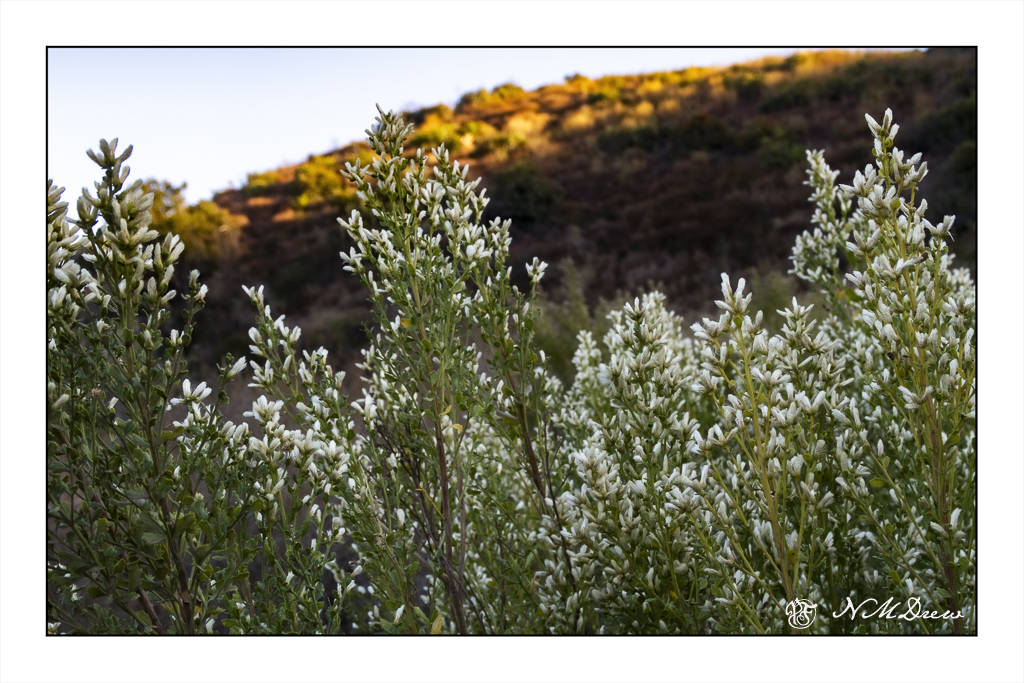
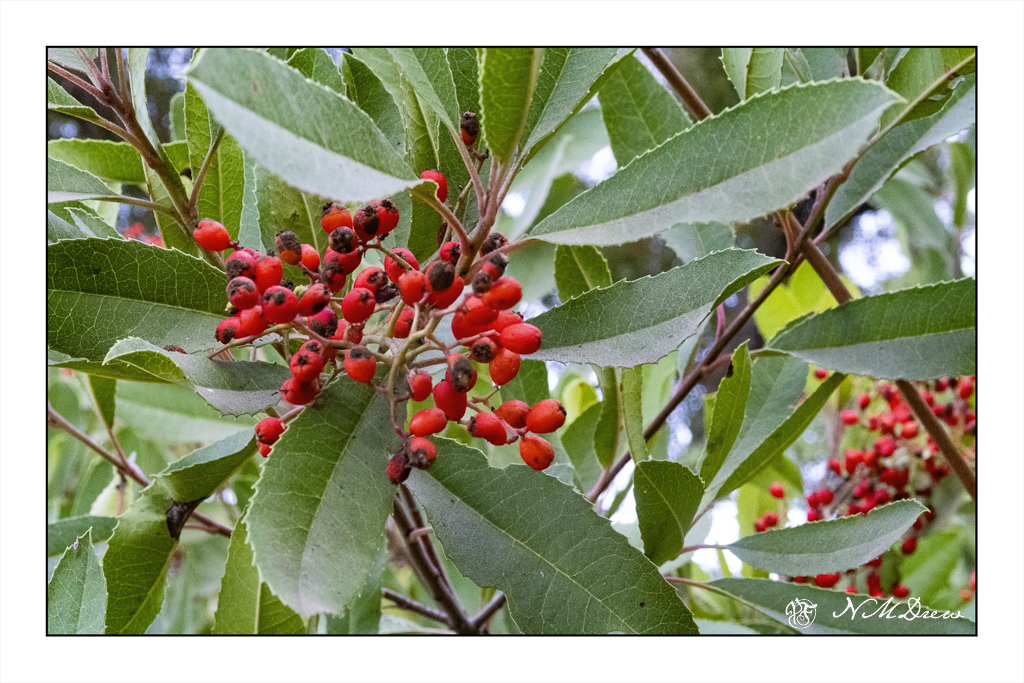
Grasses, flowers, poison oak, toyon were present, too – some plants I could name, others I could not, but it was just a pleasure to be out, looking for deer and squirrels – listening to the birds – canyon wrens mostly, an occasional crow – and to the patter, patter of the acorns.

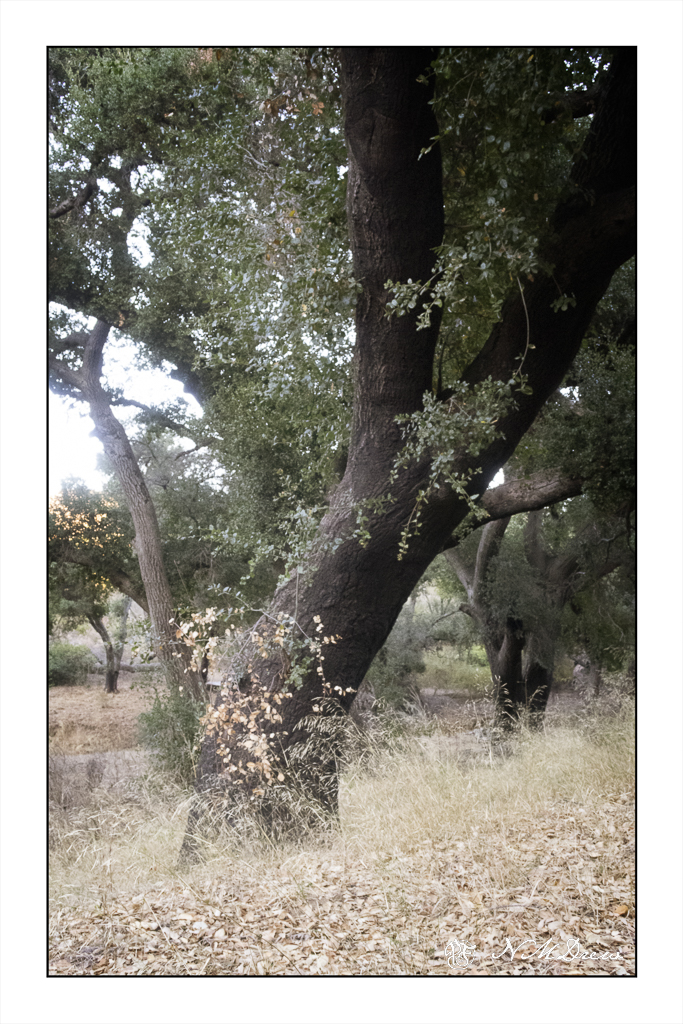
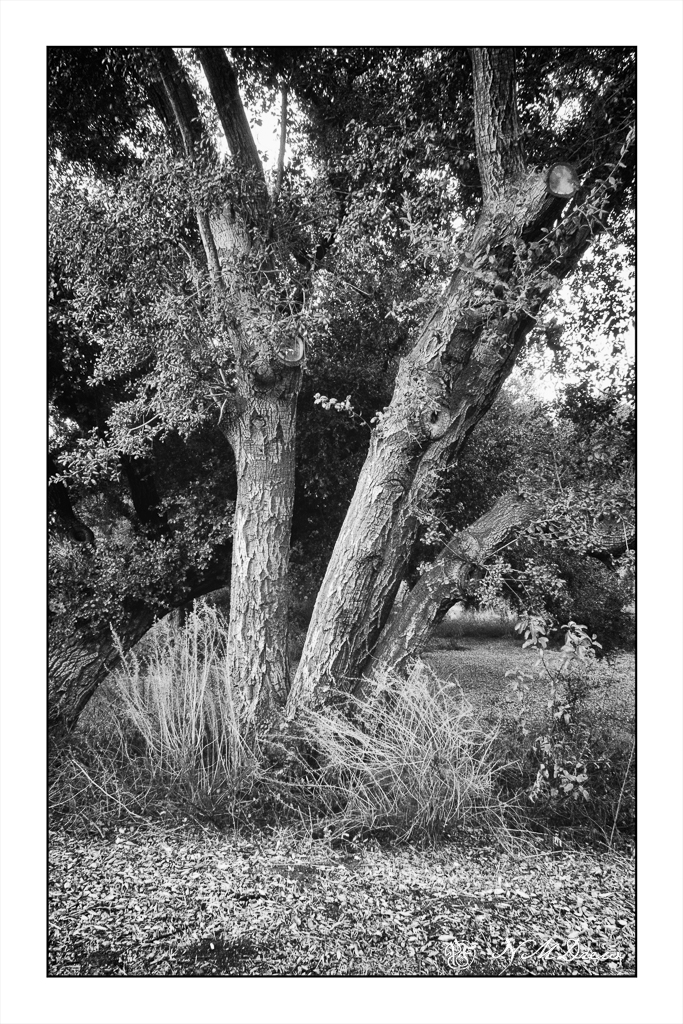
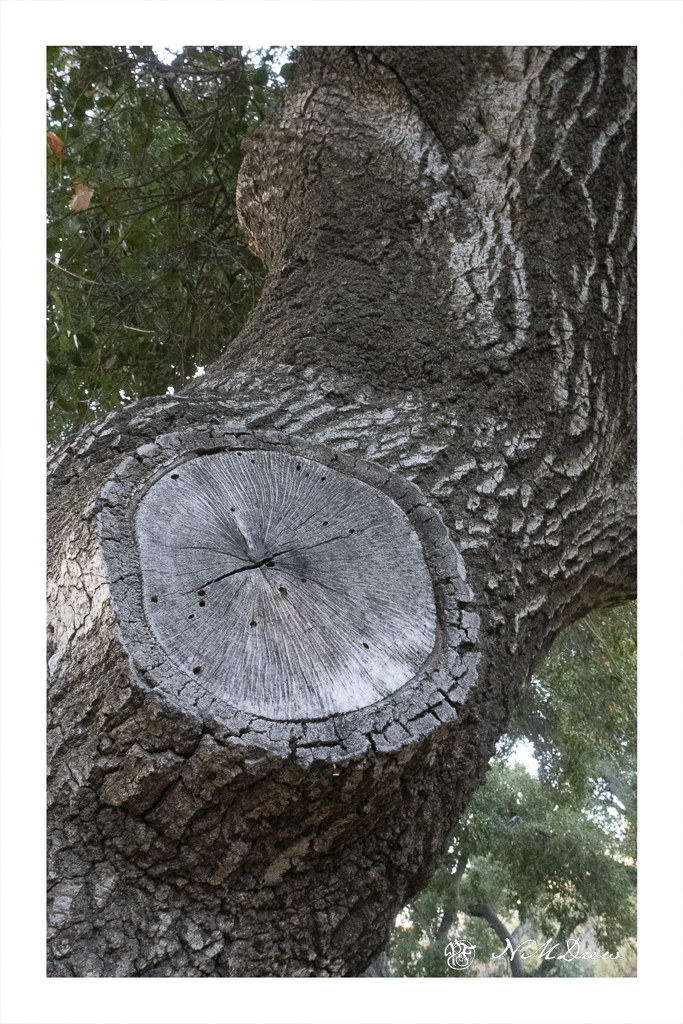
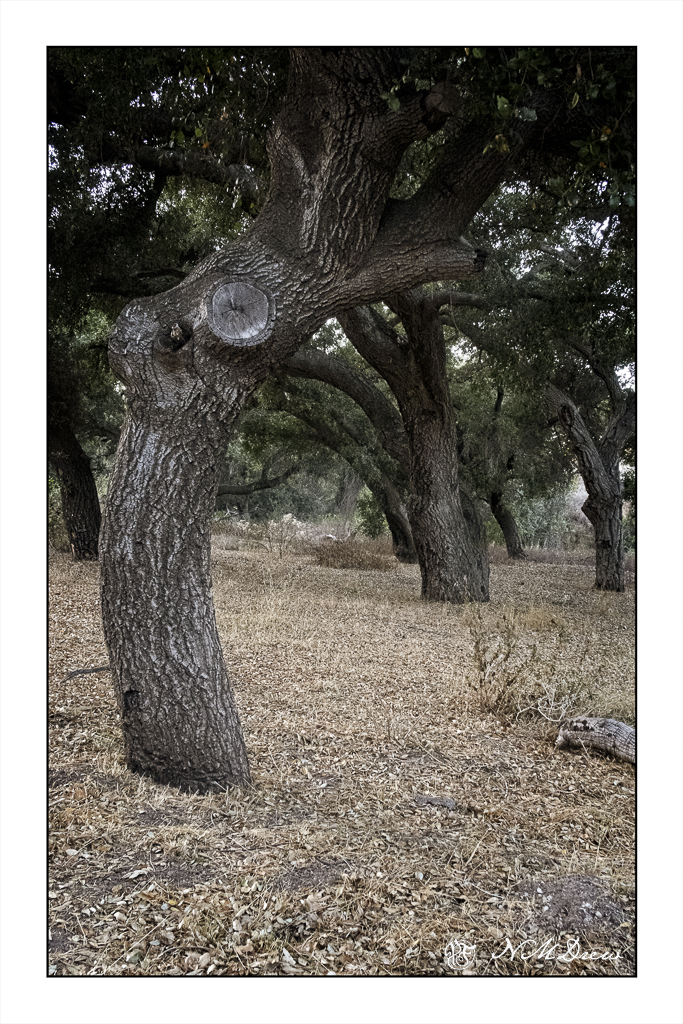
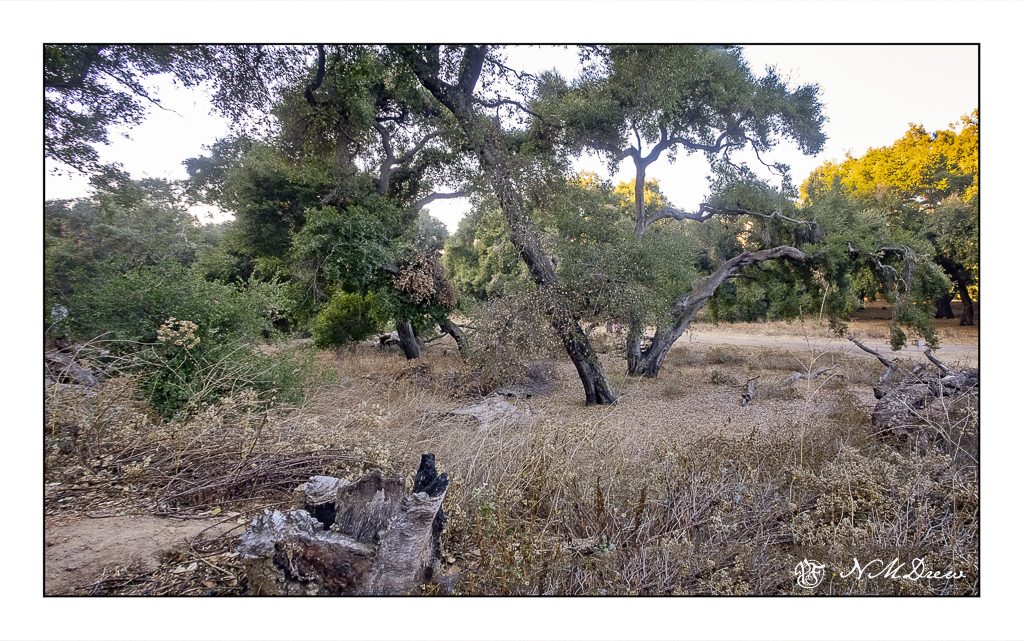
And, of course, everywhere are oak trees! Some scorched, some fallen, some cut down and left to return to the earth after the fire. Each tree has its own lovely and crazy shape and form, like dancers bending and arching. The Chumash Trail is a magical place and one which soothes the soul as only a walk under the trees can . . .

Strange Week

Altogether, this has been a strange week.  The air is filled with ash and smoke throughout the area surrounding me, but we are a small oasis which is (currently) not hit by the voracious wildfires burning throughout Southern California and air filled with ash and particulate matter.  We have had our share, but nothing like most of our locale.

I live in Ventura County, and the Thomas Fire forced my in-laws to flee, with very little and a lot to lose, in the middle of the night.  That was last Monday when they showed up on our doorstep at 1:00 a.m.  Today they left after driving to their home town, lucky to find their house standing, the evacuation order rescinded, and ash covering everything.  The ongoing winds have moved the soot and ash, along with the fires, further east and west and out to sea.  Others have not been so lucky.  Blocks of houses are no longer there.  While the Santa Ana winds have moved out the sooty air, they are still roaring around, sometimes up to 60-80 miles per hour.  Not pleasant, I assure you, in either cold or hot weather (today we had 80F  – fake news – there is no global warming).

We are so glad to have been able to take in my in-laws.   They were gracious and pleasant, and we actually had a lot of fun, even if their sleeping conditions were air mattresses on the floor and an old twin bed in the office my husband works from.  I guess it is sort of like a hurricane party – clustering together for comfort and safety and riding out the storm outside.  At some point, we may have to call upon them if our area goes up in smoke, because almost all of California has been suffering from a massive years-long drought.  We have too many trees on our property, but it costs thousands to take them all out at once, so we are sort of stuck – maybe take a few out at a time.  Having visitors is a bit disruptive of daily life patterns but reminds us of how important family and friends and community are.