In Search of the “Perfect” Buttonhole, Part I

I don’t know about you, but sewing a good-looking buttonhole, without a mistake, seems to be a nearly impossible task.  There are attachments for machines.  Some machines have 4-to-6 step built-in buttonholes.  Sew a buttonhole by hand?  Hmmm.  I’ve been tempted and then reconsider:  it’s not worth the stress (even though there are some great YouTube tutorials I have watched!).

In each of these, something can go wrong.  A perfect buttonhole can be destroyed with a slip of the seam ripper when making the final slash.  Birds nests of thread can collect under what looks like a beauty of a buttonhole.  Stitches can be skipped.

I have a small (compared to some people) collection of sewing machines, ranging from a treadle with a long bobbin (The Free #5), two old Singer handcranks (a back-clamping Lotus 66 and a 99), a Featherweight 222K, a Necchi hiding out in the garage in a horrid French Provincial table), some Kenmores (158.1030, 158.1400, 158 904, 158.19802), a Bernina or two (801S and 930), a Janome 6500, and a Pfaff Passport 3.0 (which I may trade in as it seems to have a few too many quirks).  I also have a Viking 19e, fixed at long last, which was my mother’s machine, and the one I used throughout my school years.  I also have attachments for the treadle, Singers, Kenmores, Berninas, and Janome – anything to make life easier.  Or purportedly easier.  Buttonhole attachments are included in the mix.  And as adjuncts, a coverstitch machine and a serger.

Not all attachments fit all machines.  Most are proprietary.  For instance, did you know that Singers of yore come with rounded corners and Kenmores are squared?  Round pegs – or rounded corners – do not fit in square holes – or squared holes.  And in reverse.  Thus, Singer attachments are not likely to work on a Kenmore, and Kenmores might not work on a Singer or a Bernina – but they might.

For awhile, Singer made slant-needle machines, and must have slant-needle attachments.  Kenmore machines range from low-shank, to high-shank, to super-high-shank.  These might require specific buttonhole attachments or shank adapters.

Let’s not talk about Kenmore buttonholers of some variety – many are proprietary to given machine models, and are not clearly identified.  Did you ever look at all the models than Kenmore made?  Maybe even more models than Singer.

I have 4 Singer buttonholers (gotten cheap off eBay – some for a couple of bucks) and a generic, low-shank one I bought 20 years ago at a local sewing machine store.  That last buttonholer is the easiest to use of all of them, but the old Singers are a lot of fun and do a pretty good job.

A good or great buttonhole attachment or machine function is a gift from the gods.  Imagine making clothes at home on a straight-stitch machine in a few hours – or several – and then spending the same amount of time (I would think) sewing in 12 buttonholes on a shirt or a blouse or a dress. Even if funky and weird, a buttonholer is up there with a washing machine and a paperclip and a safety pin as far as being this side of miraculous.

Whoever invented the automated buttonholer, thank you, thank you, thank you!

Stay tuned for Part II!

The Rest of Inktober 2018

I’ve been really running around like a nut of late, going hither and thither, but I haven’t really had time to sit down and do much other than a quick post here or there.  It’s hard to believe we are nearly through with November!  And, Inktober ended 2 weeks ago.  I did a lot of the sketches for Inktober, and it was really fun.  It also helped me focus – given subjects – and improve on some of my old skills.  So, here are the rest of the sketches I did for Inktober 2018, not in any particular order.

Muddy – Inktober #23
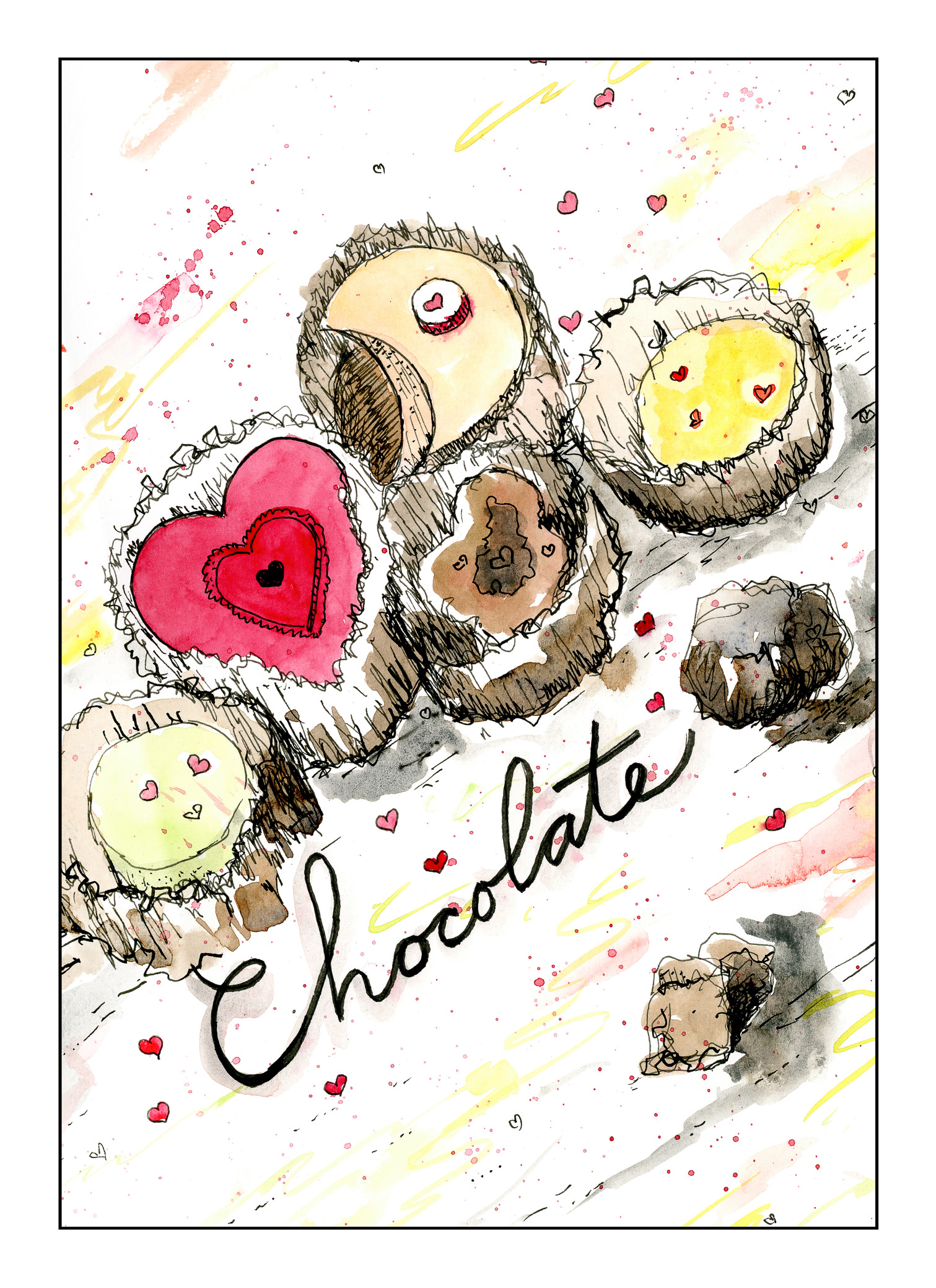
Slice – Inktober #31
Thunder – Inktober #27
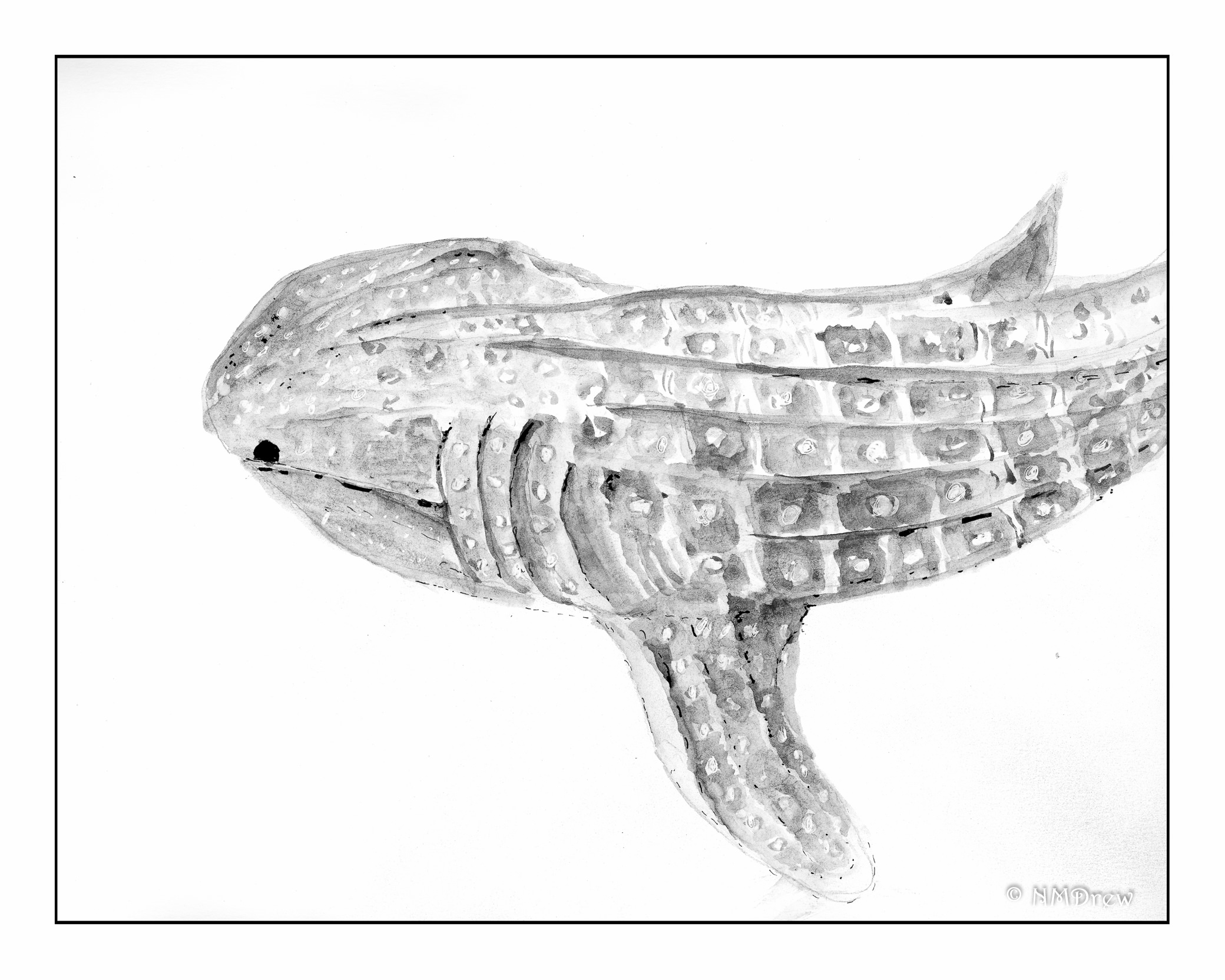
Whale (Shark) – Inktober #12
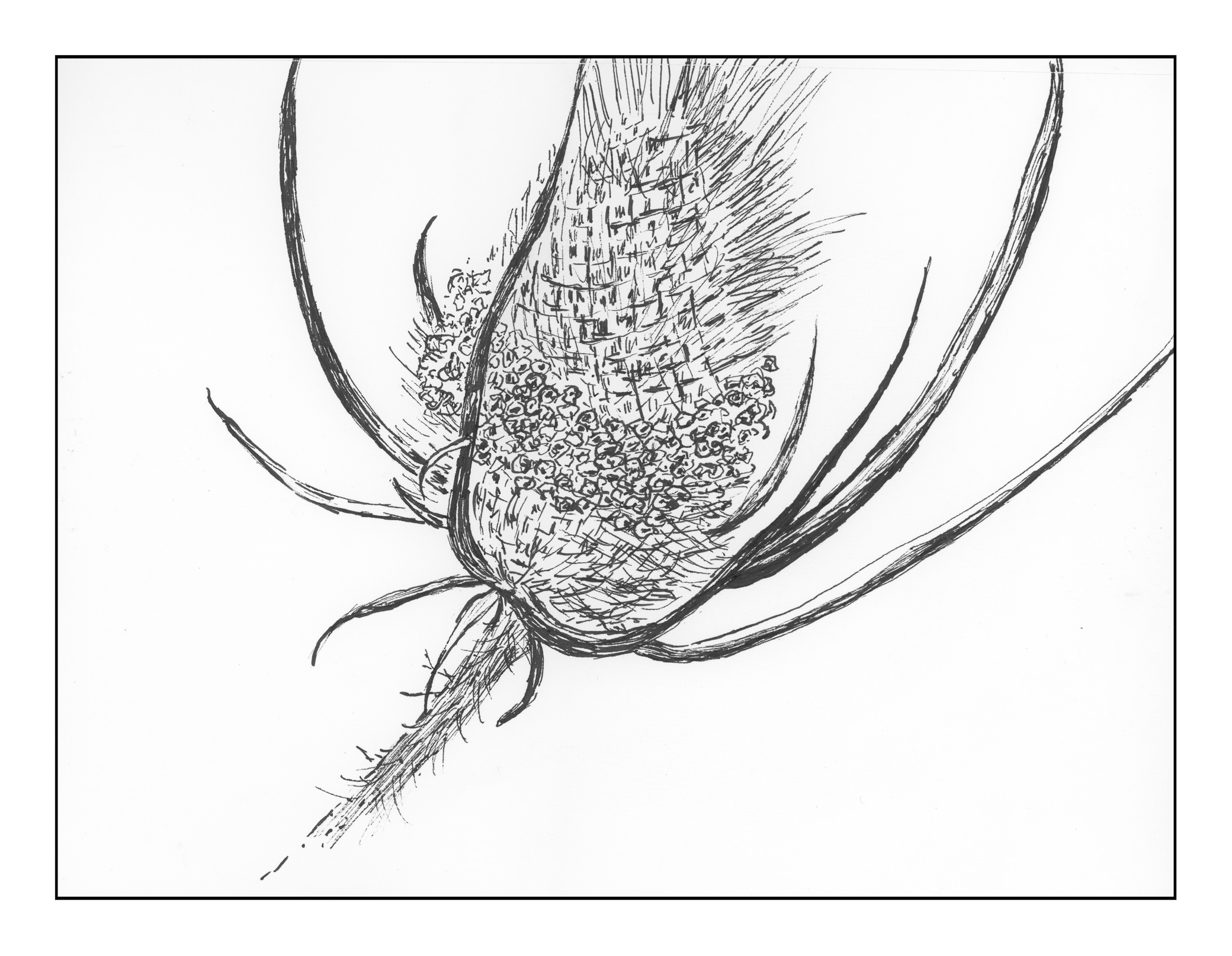
Prickly – Inktober #25
Weak – Inktober #15
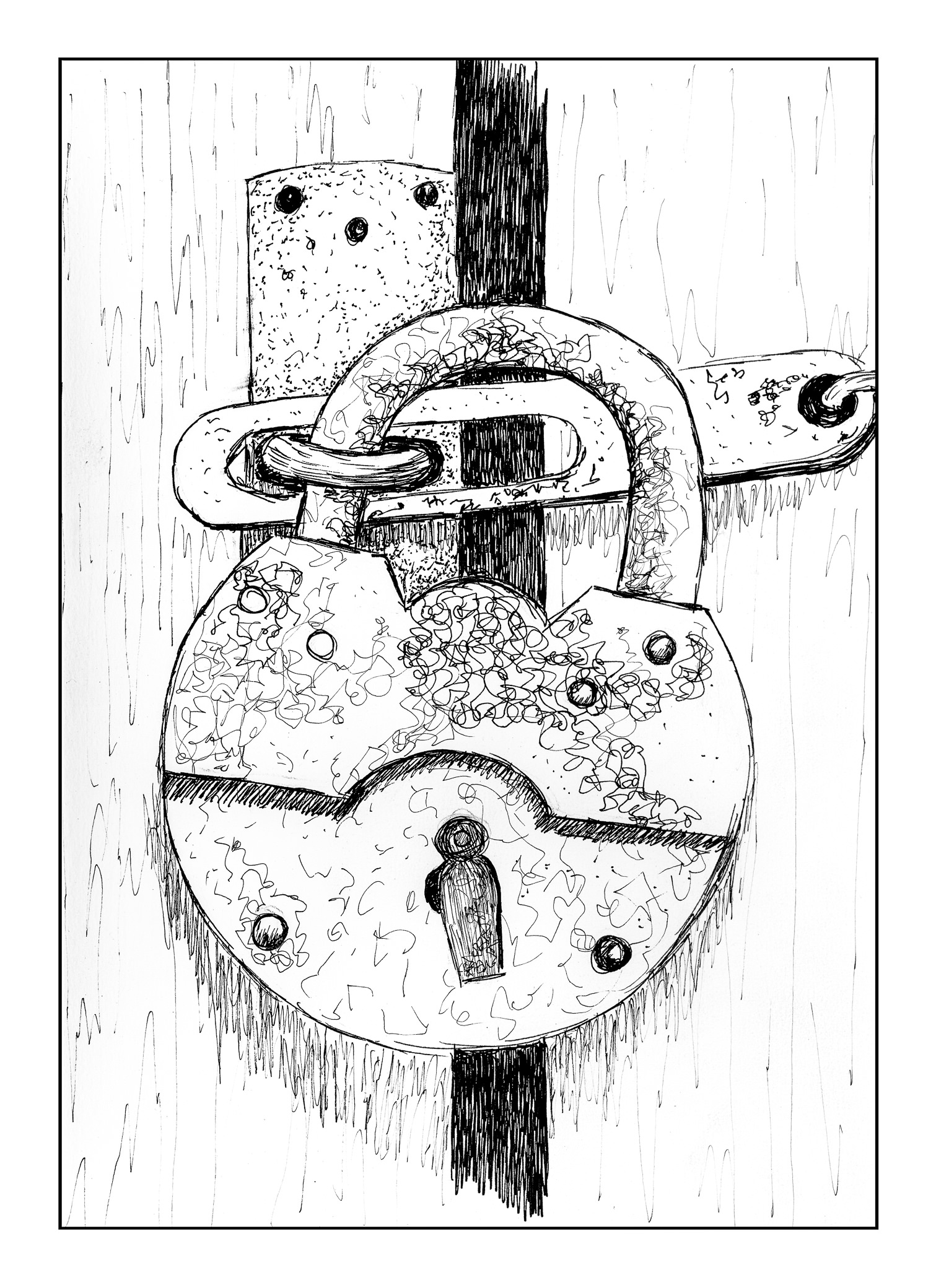
Guarded – Inktober #13
Expensive – Inktober #22
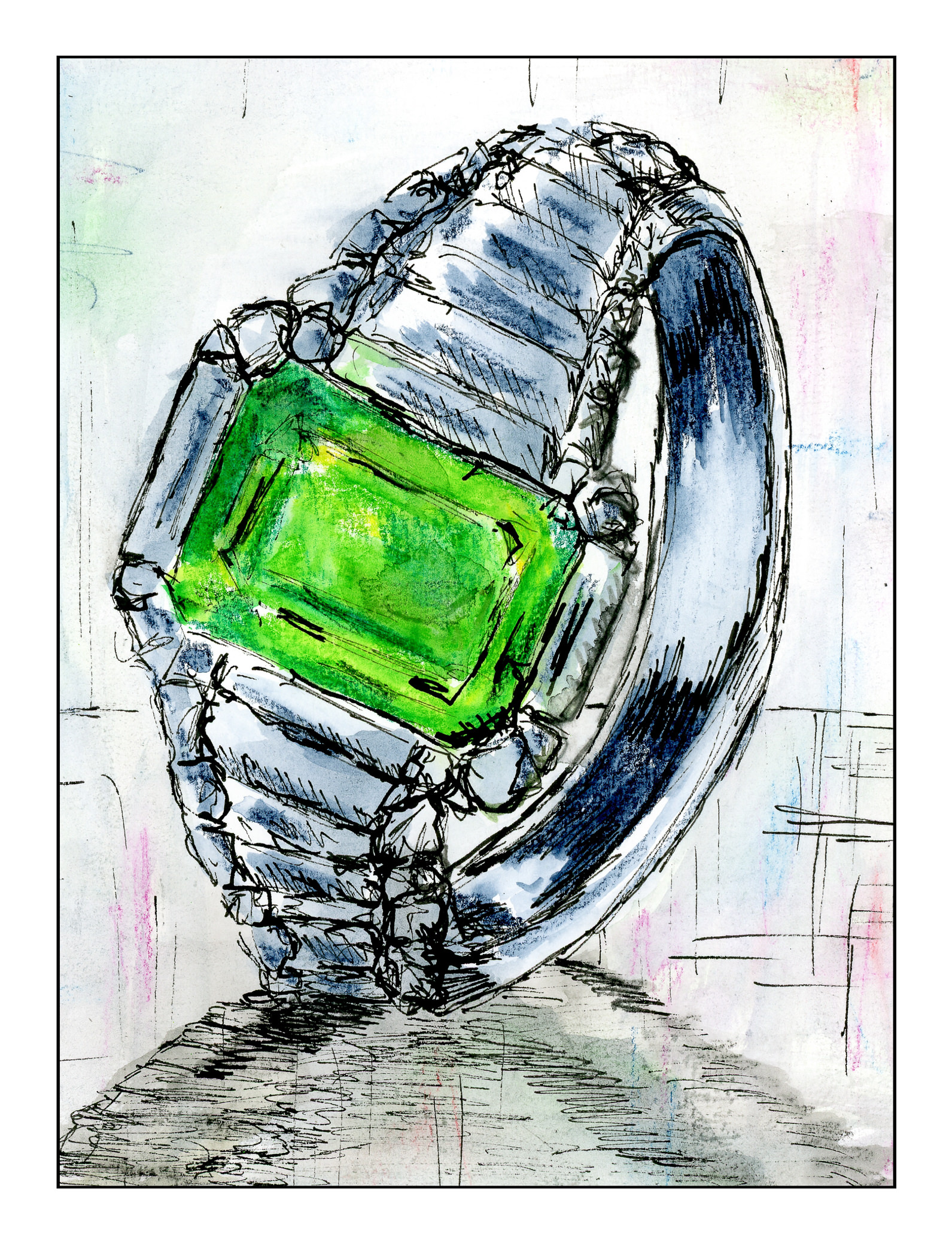
Clock – Inktober #14

Another Bag – The Rockport Tote

Between Inktober 2018, watercolors, tasks and errands, I have been working on another bag.  This one is in need of massive trimming of threads – so is the Boxy Tote – before it is done.  Then, it will be shipped off to a friend of 45 years “just because”!  It’s not perfect, but then nothing I ever do is, so that’s life, eh?

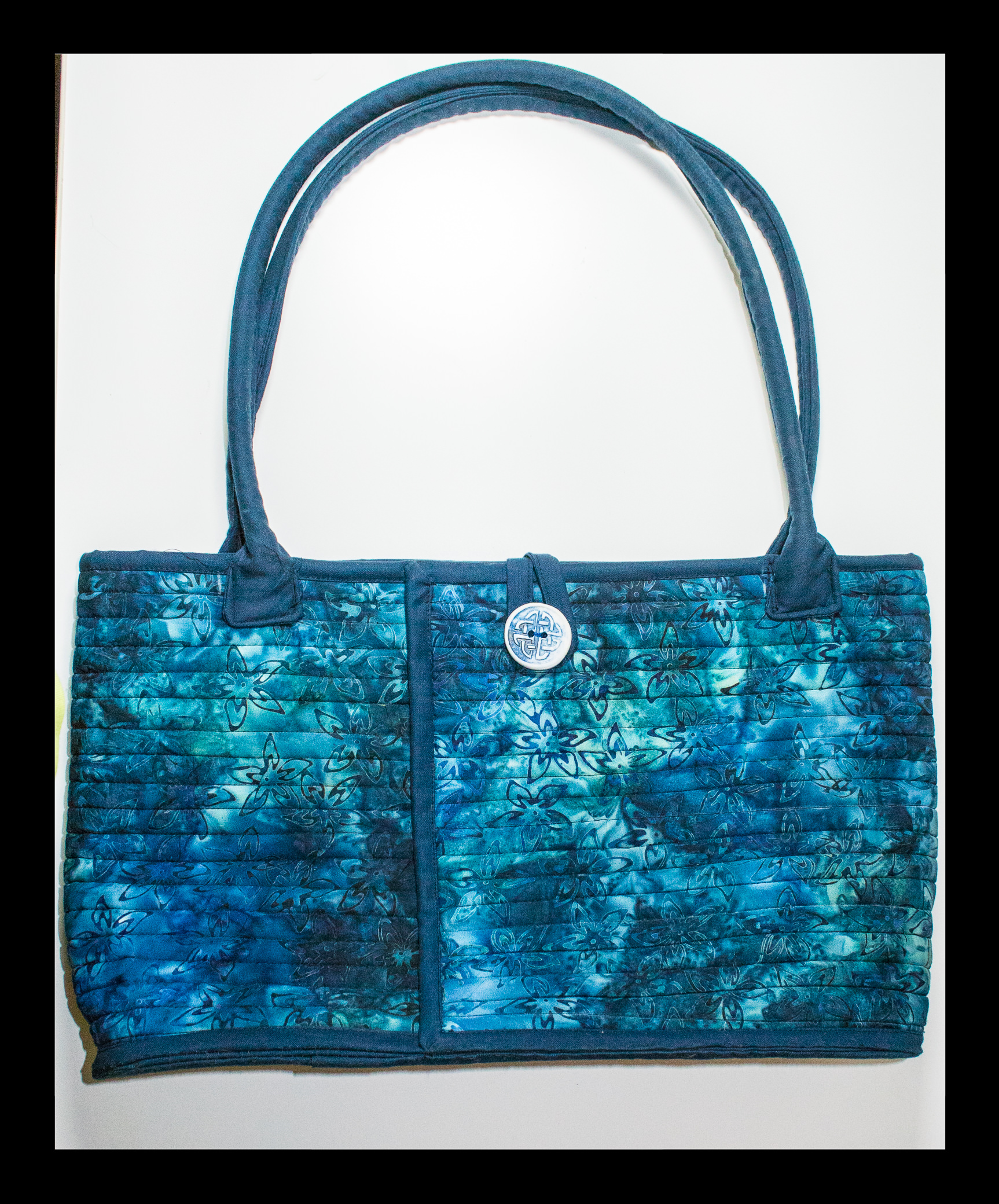
This bag is done with one piece of material and quilted every half inch on the body.  It’s called the “Rockport Tote” from Aunties Two.  The pattern is clearly written, and even better, there are videos to accompany it.  If you are interested, follow the preceding links and you will find them.  This project took me awhile to do – it spanned about 3 weeks, and in between a lot of stuff, I was champing at the bit to finish it.  I’m going to start another one next week – bags are in the works for Christmas presents.

The bag comes in three sizes – small, medium, large.  The small is tiny, perfect for little gifts and using up scraps of fabric.  I made the medium size.  The large is a bit bigger, but this one is a nice size to carry around.  Also, I was really happy to find this ceramic Celtic knot work button in my button box – it seems perfect for the bag.


One thing I am enjoying with my time off is the actual ability to have time.  If I was still working, I would be rushing and feeling pressed to finish this bag, and I think the whole project would have become a point of aggravation.  Slowing down requires having time, and in the time I have, I am finding I am enjoying working on things that would otherwise become frustrations.  My sewing skill is far from good, and my own rather casual approach to things doesn’t help.  Still, I do have time to do handwork (hand sewing) and picking apart seams or other bits that might not please me.  I have time to think about what I want to do, and time to set aside a project with the time to return to it.  All of a sudden the rush-rush-rush of my former daily life is gone.

And thus, another project completed.  I start a 5-week introduction to quilting class at Quilty Pleasures and another 2-day class to make another Rockport Tote.  Yes, you read that last right – I figure I would make one Rockport, and then make another, learning from my own experience, as well as that from Betsy, who taught the Boxy Tote class I took last month.  And, though I profess to dislike quilting, my thought is that learning how to cut and sew precisely, as needed for a good quilt, won’t hurt me or my sewing skills.  I can only improve.  And I know I will have a lot of fun in the process (and probably some frustrations, too.)

Creating My Own Watercolor Palette

Books abound about colors to use and to choose and why and wherefore.  The fact is that to understand them you have to use them.  Years ago, my palette was filled with the traditional cadmiums and earth tones and blues and such, and I am very comfortable with them.  I still love those colors as they are old friends with history and familiarity.

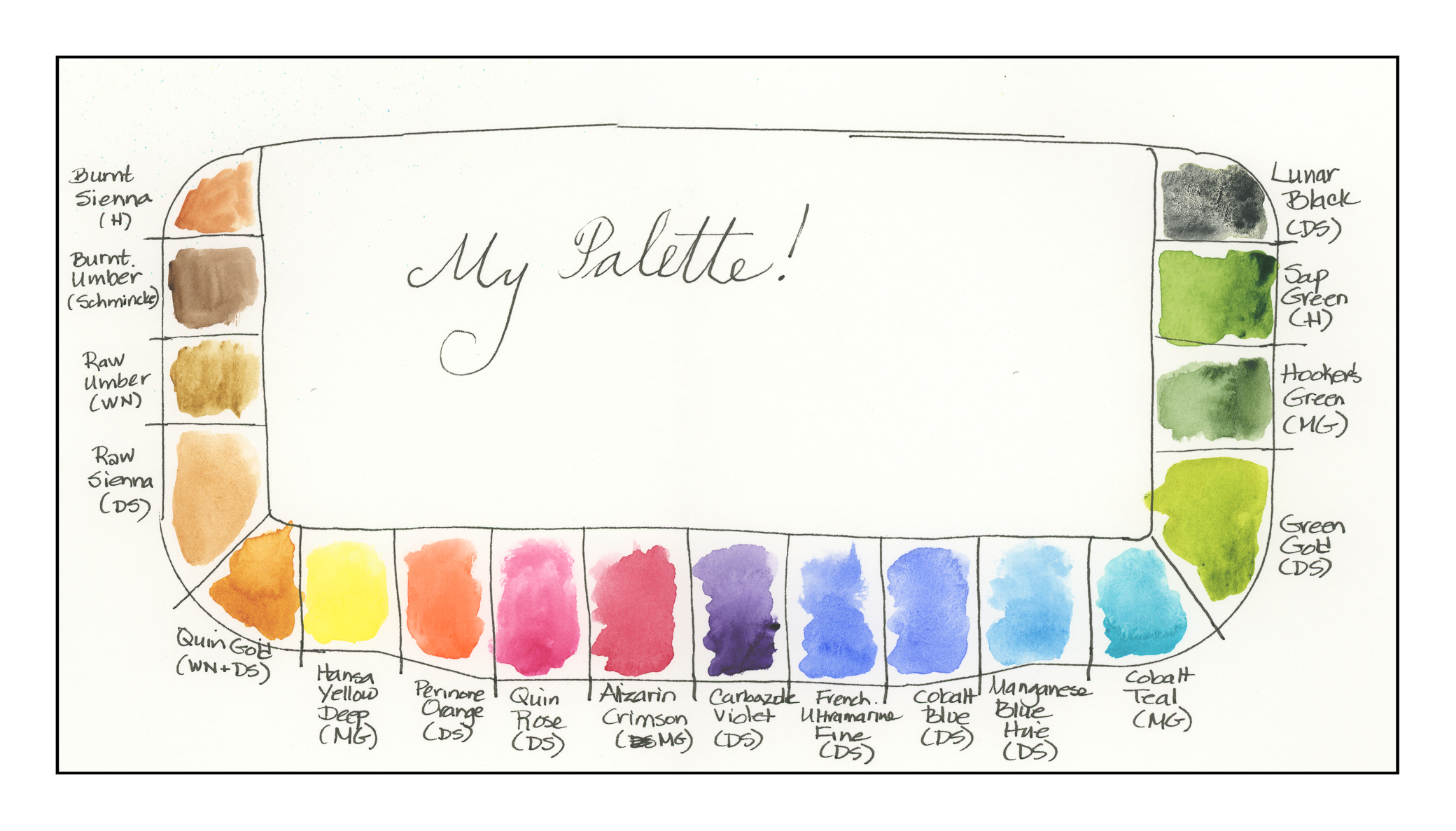
Today I decided to choose 18 colors.  Some are new-to-me (like quinacridones) in the past year, and some are old buddies, like the earth tones.  Here they are, as arranged on the palette:

  1. Burnt Sienna (Holbein)
  2. Burnt Umber (Schmincke)
  3. Raw Umber (Winsor & Newton)
  4. Raw Sienna (Daniel Smith)
  5. Quinacridone Gold (Winsor & Newton – last bit, along with Daniel Smith)
  6. Hansa Yellow Deep (M. Graham)
  7. Perinone Orange (Daniel Smith)
  8. Quinacridone Rose (Daniel Smith)
  9. Alizarin Crimson (M. Graham)
  10. Carbazole Violet (Daniel Smith)
  11. French Ultramarine Blue Fine (Daniel Smith)
  12. Cobalt Blue (Daniel Smith)
  13. Manganese Blue Hue (Daniel Smith)
  14. Colbalt Teal (M. Graham)
  15. Green Gold (Daniel Smith)
  16. Hooker’s Green (M. Graham)
  17. Sap Green (Holbein)
  18. Lunar Black (Daniel Smith)

Some of these paints are old and little is left in the tubes.  I took a chance and mixed two different brands of Quin Gold together – it might be interesting to see their differences when I use them on paper.

All of these colors sit really nicely in the wells except the Cobalt Teal, which is very runny and puddles.  I want to use it up and try a different brand – I have a tube of DS sitting in the wings – but it produces an extraordinarily beautiful green when mixed with Quin Gold.  Having used neither color in the past, that was a fun surprise.

Other new colors include Green Gold, Perinone Orange, and Carbazole Violet.  I’ve never had a violet on my palette until this past year!

When you think about it, modern chemistry and color chemistry affect us everywhere we are, from the colors of our clothes, to neon signs (replaced now with LEDs), to food, to who knows what!  Thus, it makes sense to use modern colors in a more modern watercolor palette.  Additionally, many of the colors made today are much more lightfast, which means less if any fading, compared to the more traditional colors.  A watercolor of 100 years ago was probably far more vibrant then than it is today.

Old friends include Burnt Sienna, Burnt Umber, Raw Umber, Raw Sienna, Alizarin Crimson, French Ultramarine Blue, Cobalt Blue, Manganese Blue (now a hue)), Hooker’s Green, Sap Green, and Lunar Black.

It was really difficult to choose these colors – like a lot of painters, I read about or see a color and go off to buy a tube.  There are some that are incredibly beautiful – but for a travel palette, even 18 colors may be a bit much.  For myself, I prefer to have a stable of greens rather than mixing them a lot.  I haven’t really taken the time to do it as the Sap and Hooker’s have been in the color stable for a long time.  Green Gold is totally new to me this year, so I thought I would include it.  This forced me to narrow down my blues and reds to a degree, as well as the addition of the Perinone Orange and Carbazole Violet.

Over the next several days I plan to use these colors, perhaps make some swatches and grids to see how they react to each other.  A “good” artist is inclined to do that . . . me, I get antsy unless I make it a goal!

Saturday Morning Sides

I’ve been on a Mediterranean food kick of late.

This morning I was in the mood to put together some foods to have on hand over the next few days.  Since I am off work, it makes sense to do something – particularly when I want to do something!  So, I put together a couple of sides, one which we like to have on hand, and another we had in a restaurant the other night.

First side was to make some tzatziki.  This is so easy it’s ridiculous, and really worth the bit of time to make it from scratch, because scratch is always better.

Tzatziki

2 c. Greek yogurt (I used homemade!)
1 large English cucumber
5-7 cloves garlic
1 T. fresh dill
juice of 2 lemons
salt
pepper
olive oil

Grate the cucumber. Place in strainer, mix with about a tsp. of salt. Place where the liquid from the cucumber can drain while you do the rest of the prep. Let the cucumbers sit for about 30 minutes.

Finely mince the garlic – we use a microplane. Juice the lemons. Chop the dill. Stir in the yogurt.

Rinse the cucumbers. Squeeze out as much liquid as you can. If you like, put the cucumbers onto a towel, or paper toweling, and squeeze and press out as much liquid as you can. Turn into yogurt-lemon-garlic-dill mixture. Pour in a tablespoon or two of olive oil. Mix well. Taste. Add salt as you wish, and pepper.

Refrigerate in container. Stir before using.

The next thing I did was throw together a sort of tapenade, mixed up from what I had on hand.

Sun-Dried Tomato, Anchovy, and Olive Tapenade

8 oz. / 1 c. sun-dried tomatoes in oil – use all of it
1 small can of anchovy fillets
2-3 T. capers
20 kalamata olives, pitted (if already pitted, slice them where the seeds might be – you don’t want them messing up your food processor!)
2-3 cloves garlic
1-2 finely chopped cayenne peppers (optional)
2 T. balsamic vinegar
salt and pepper to taste; olive oil to thin to your liking

In a mini-blender, put in tomatoes, anchovies, capers, garlic, olives, peppers, and vinegar. Whir together into a chunky paste. Taste. Add seasoning as you wish, and to thin, you may add some of the oil from the anchovies or a bit of olive oil on the side. Refrigerate for a few hours to meld flavors. Store in closed container for up to a week. Good on crackers or bread or straight out of the jar.

And there you have it – Saturday morning sides when you have nothing better to do!