Hiatus from Focus, or A Return to Chaos

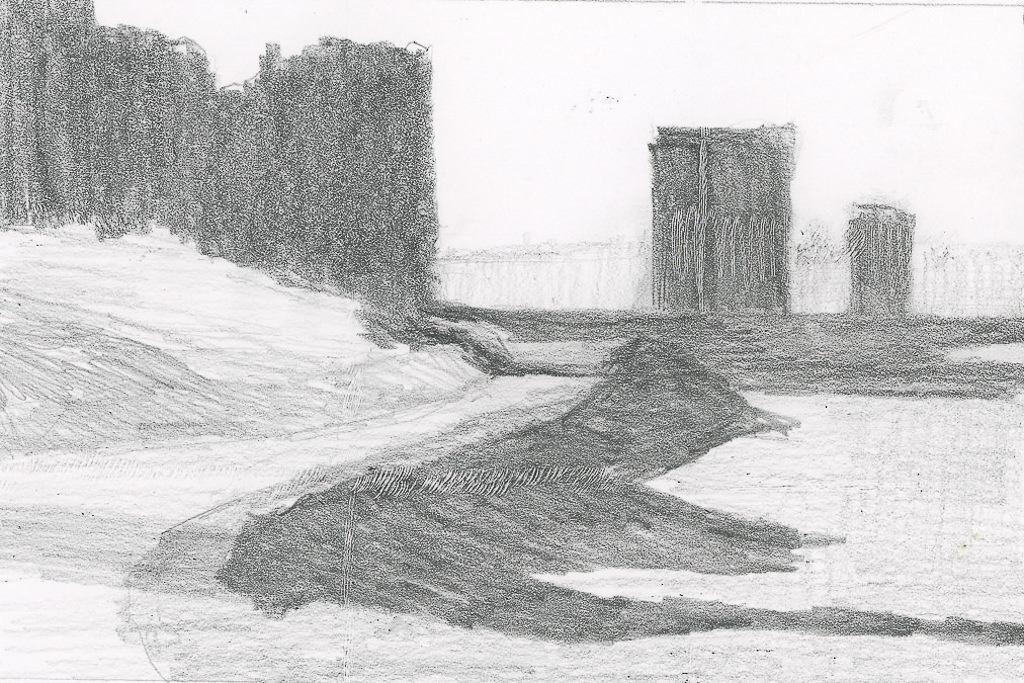
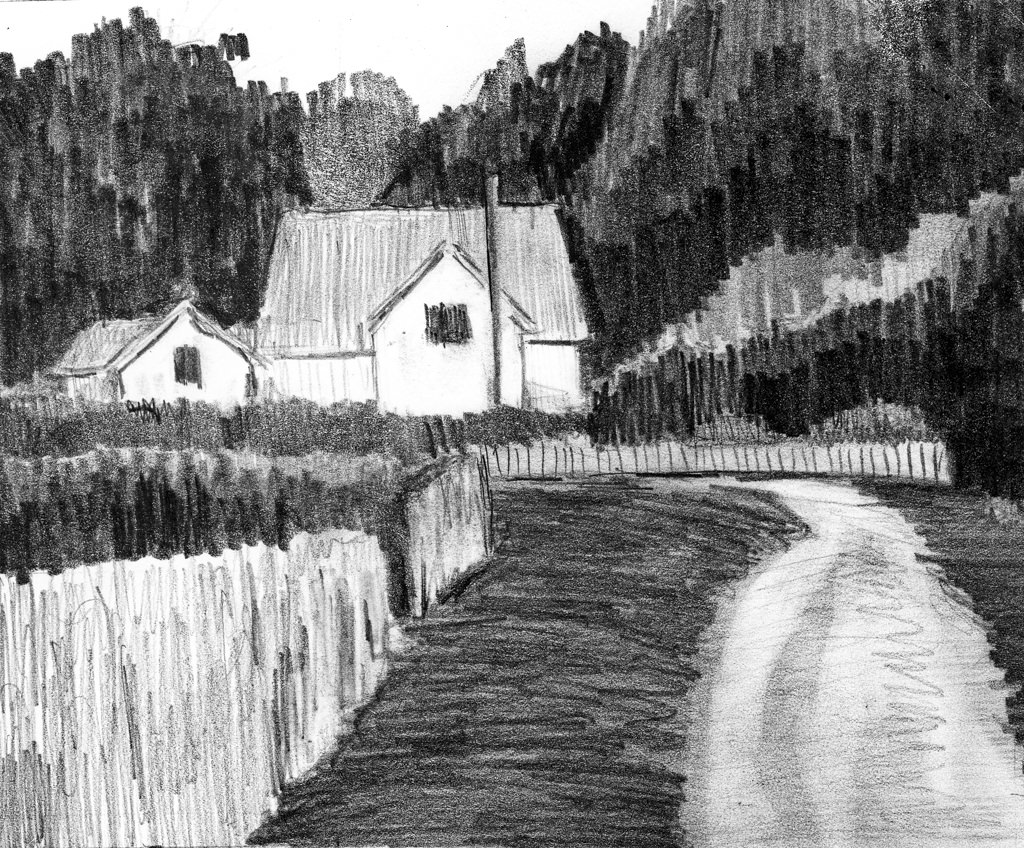
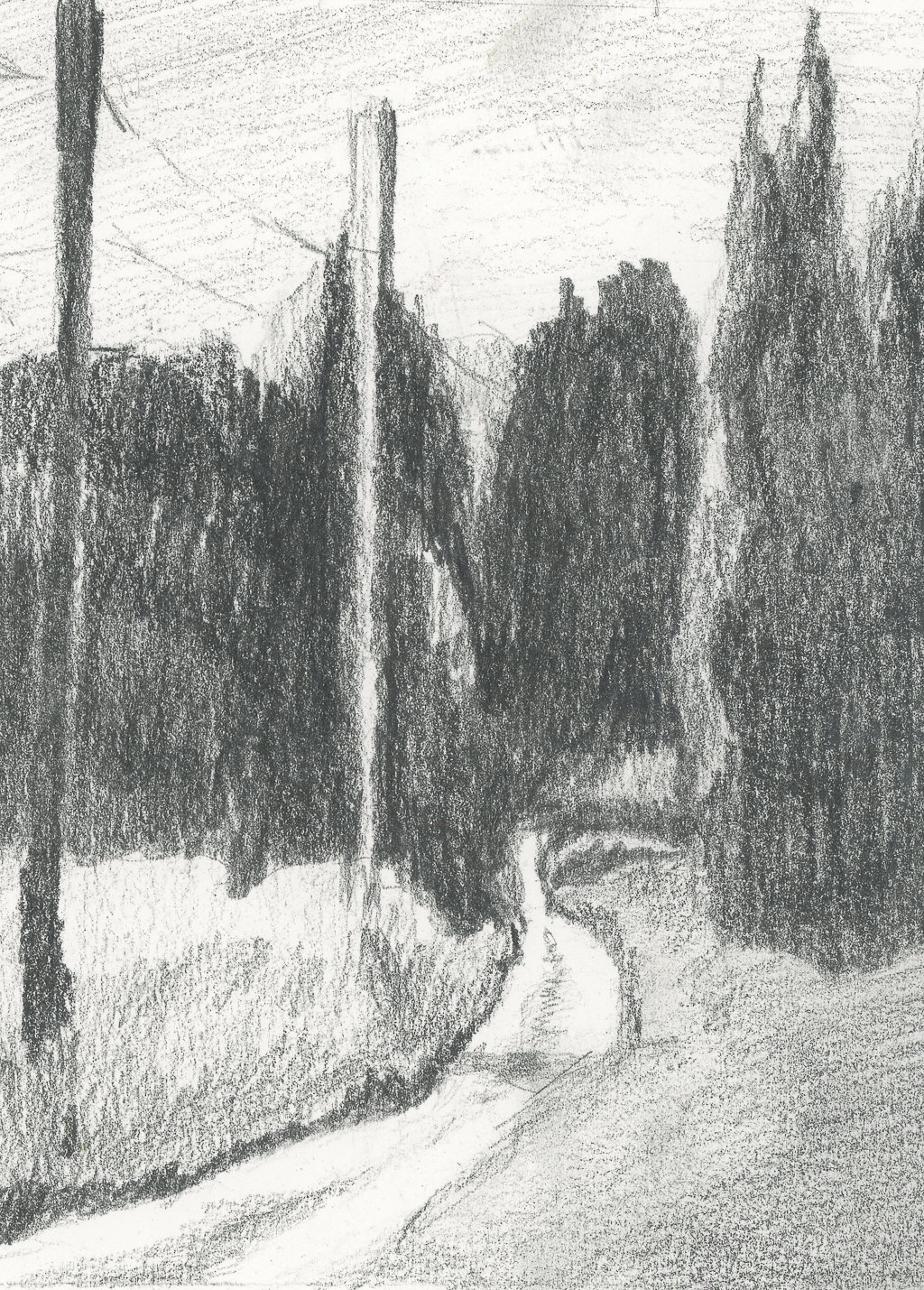
These past 8 weeks or so have been very, very busy. I have been taking an art class online which is very demanding and equally fulfilling. A sewing class, too, which is also demanding and fulfilling. At times I have had to make choices between the two, and the art class won out, as it always does.
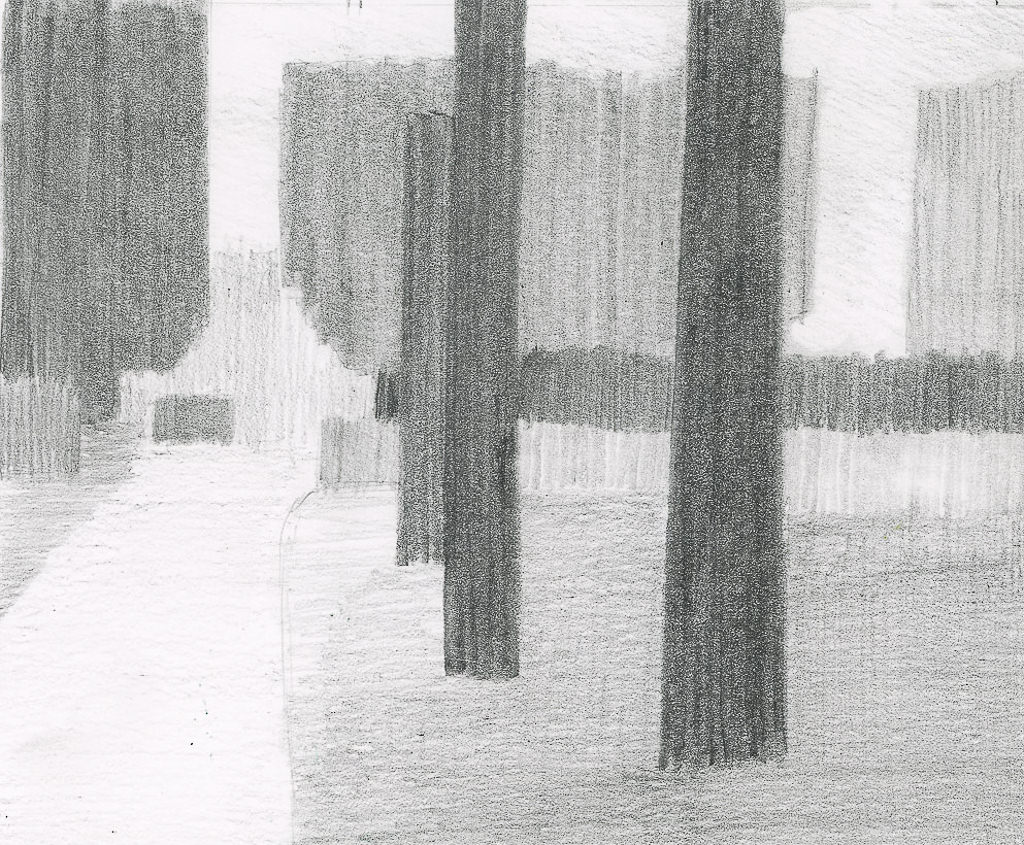
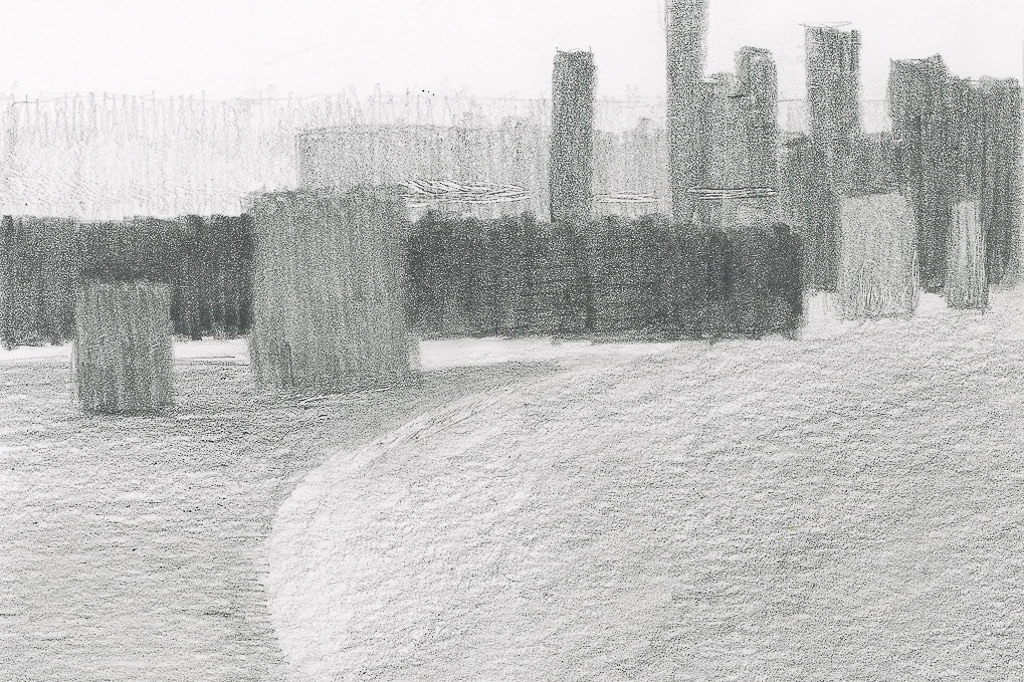
I don’t know about you, but for me focusing on one thing for a long period of time becomes overwhelming and I feel trapped. It’s not like I spend an hour or two doing something, but sometimes a whole day just doing one thing. When this happens, it is really hard to get back to a normal perspective of life. That is when everything has to simply stop and a determined moving toward other activities has to be done.

One way I do this is to get out and move. Going for a walk, watching a movie, gardening, cooking, socializing. Getting out of the house, away from the studio or fabric, pulls me out of the singular focus of the moment. Being singularly focused gets a lot done, but the feeling of being trapped is not a good feeling. It is suffocating and in many ways crippling. Anything beyond the focal point becomes unimportant.

Obviously, that doesn’t work too well!

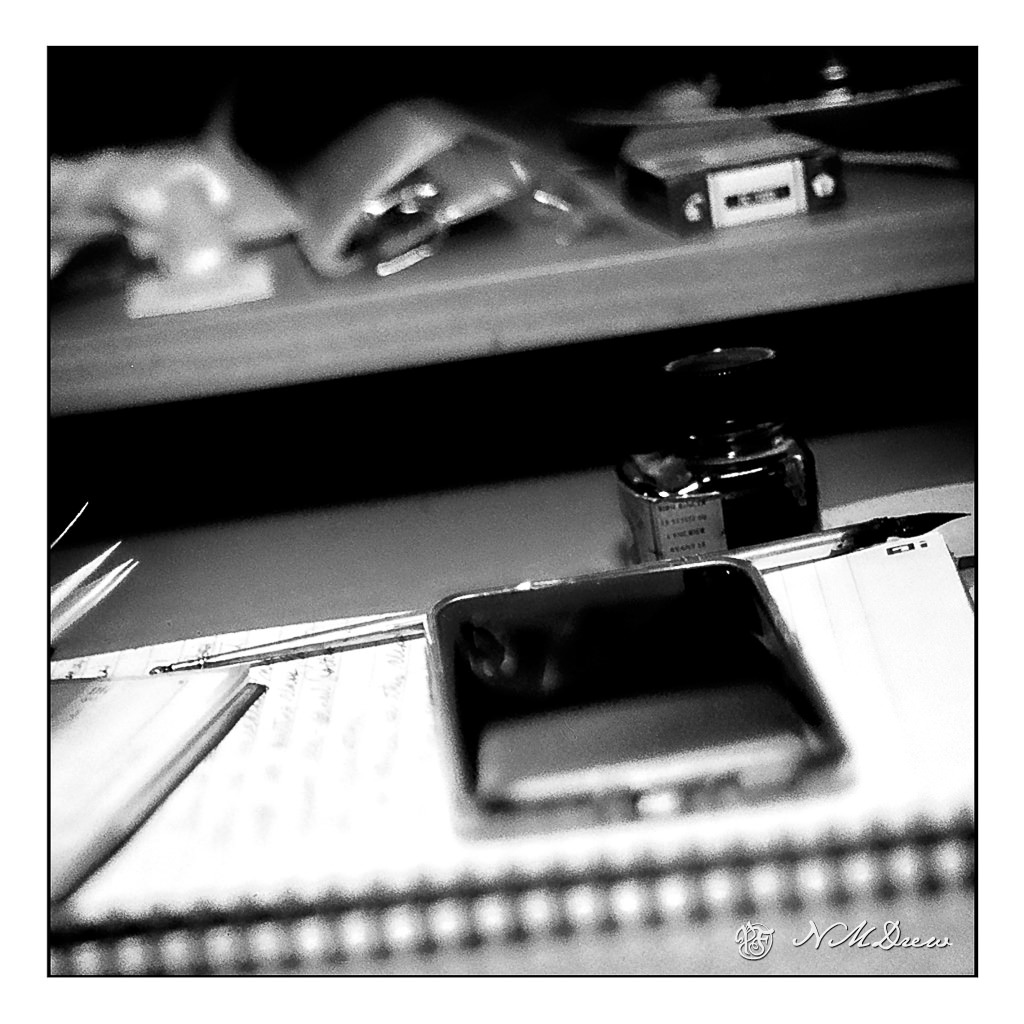
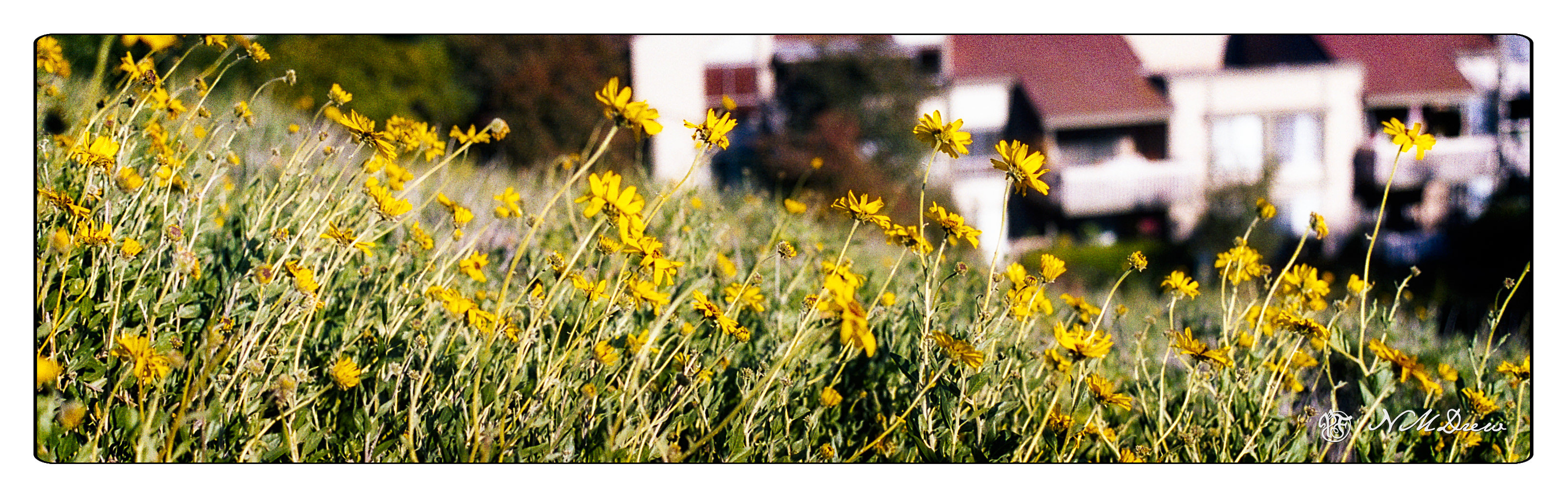
The other day, I decided to take a camera I had loaded up with film out and take a long, long walk. Up hills and down, near creeks and on rather scary heights. I went alone. I took my phone for safety, and I let my husband know where I was. I just needed solitude and movement and being out in a world welcoming spring. And then I played with the post processing, sometimes with color, sometimes with silly extremes, and sometimes just to enhance a pretty place.
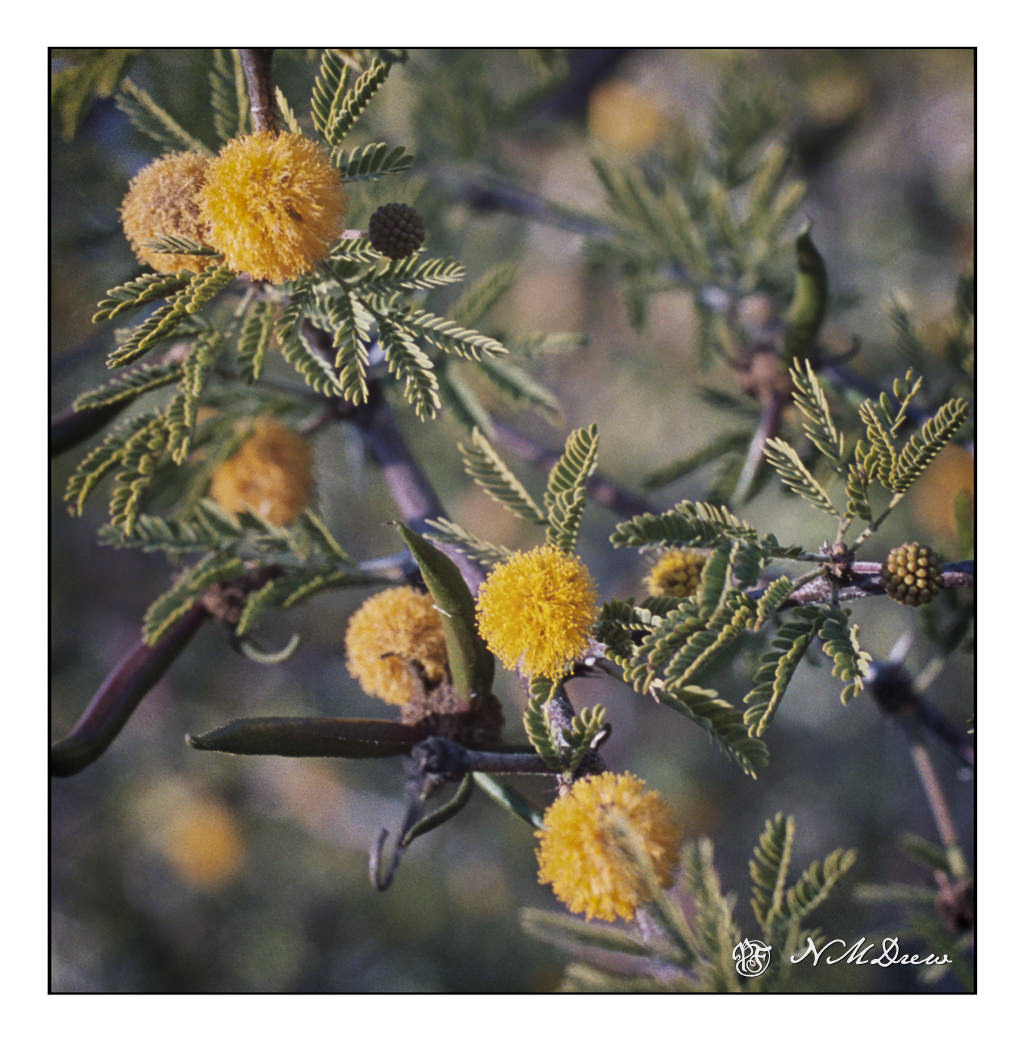
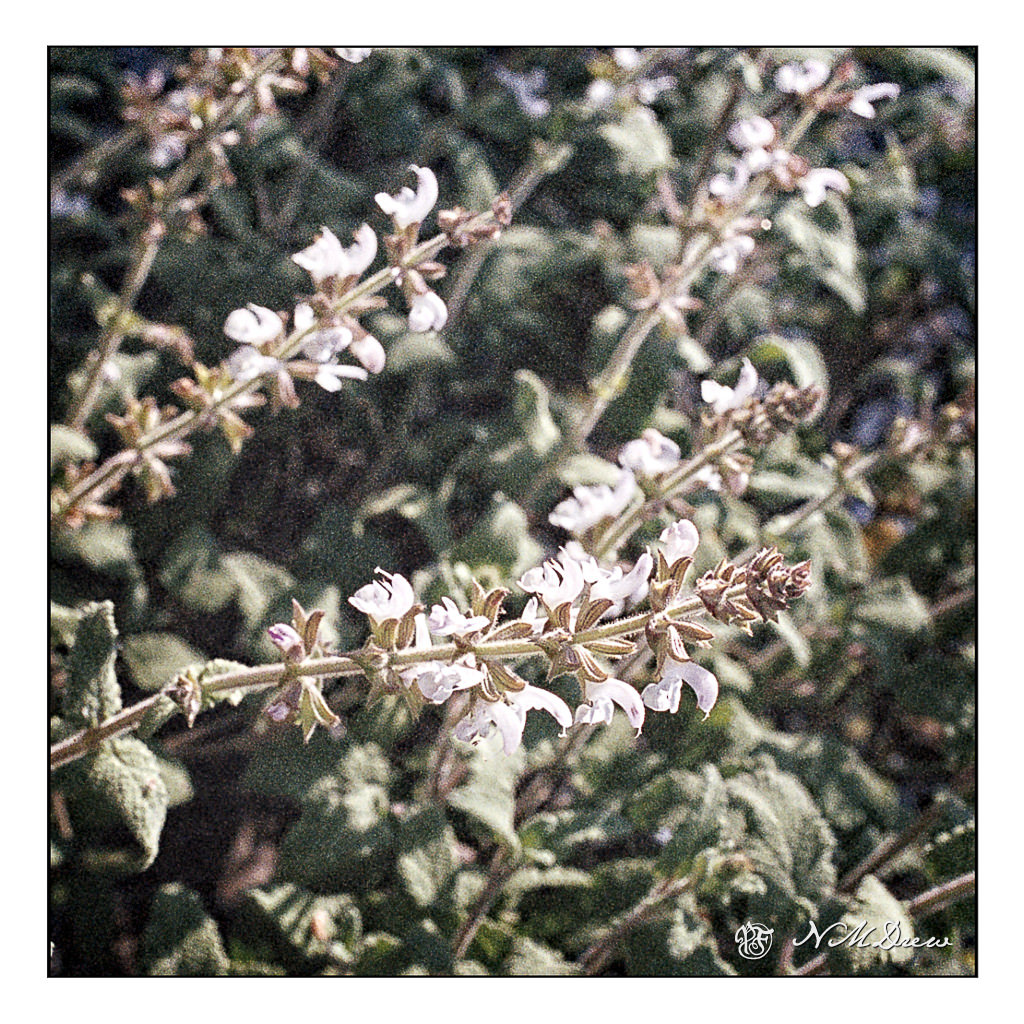
The world feels a bit more normal now! And given the current craziness, it is something to be cherished and appreciated. Nature gives us something far beyond our comprehension.
Trying, Keeping, Discarding

I’ve returned to watercolor in the past year, trying a lot of things, and realizing that some things are just not “me” and others are “me.”  This means there are styles of painting I just don’t care for – and ones I do – and what to do?

First, I think it is important to try something.  This way you gain a working knowledge.  This means repeat the situation a few times to learn the subtleties.  The brain works on an unconscious level and incorporates that knowledge.  Whether or not you continue down that path, you learn something and it is stored away somewhere in the mystery of the brain.

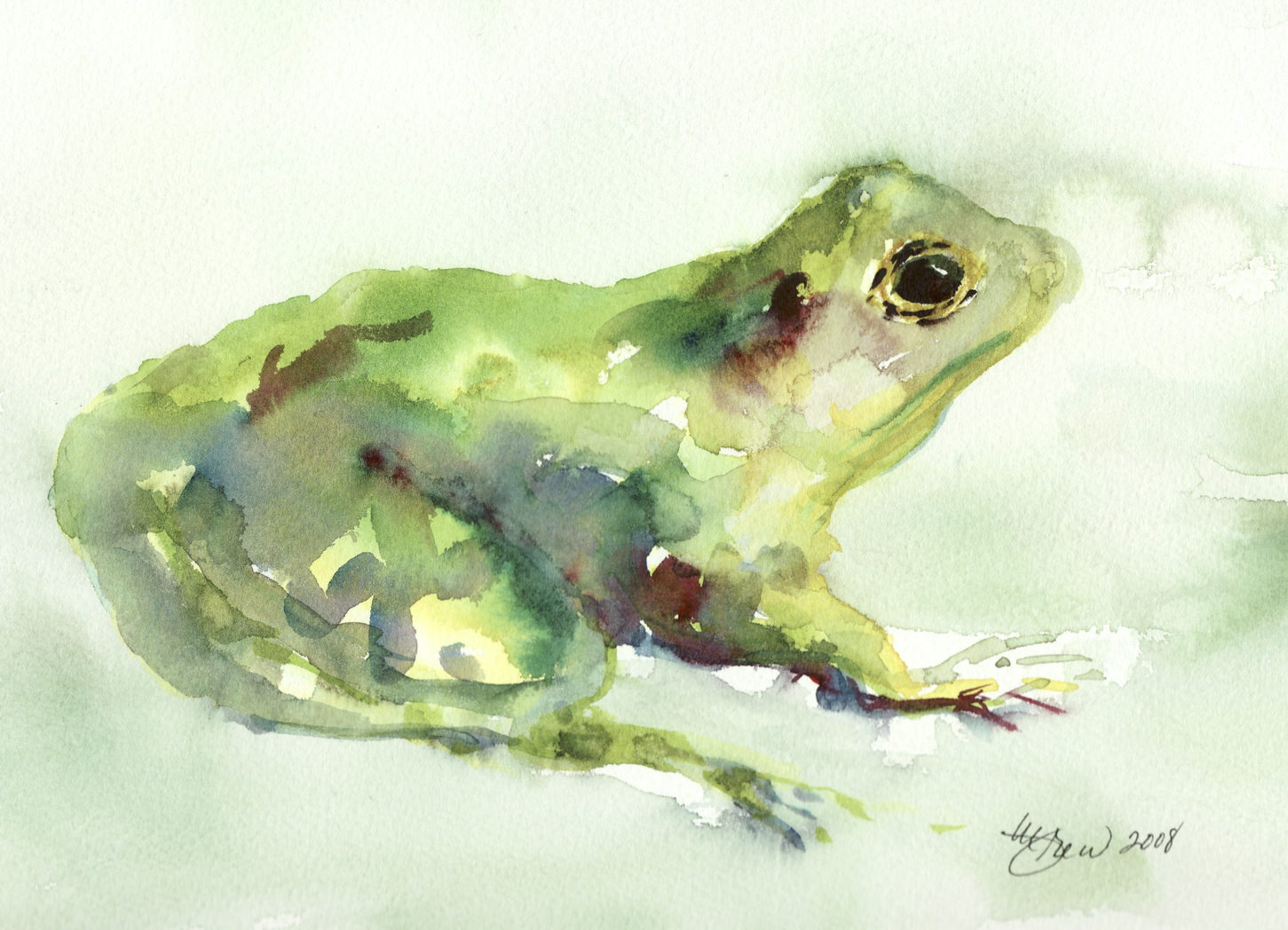
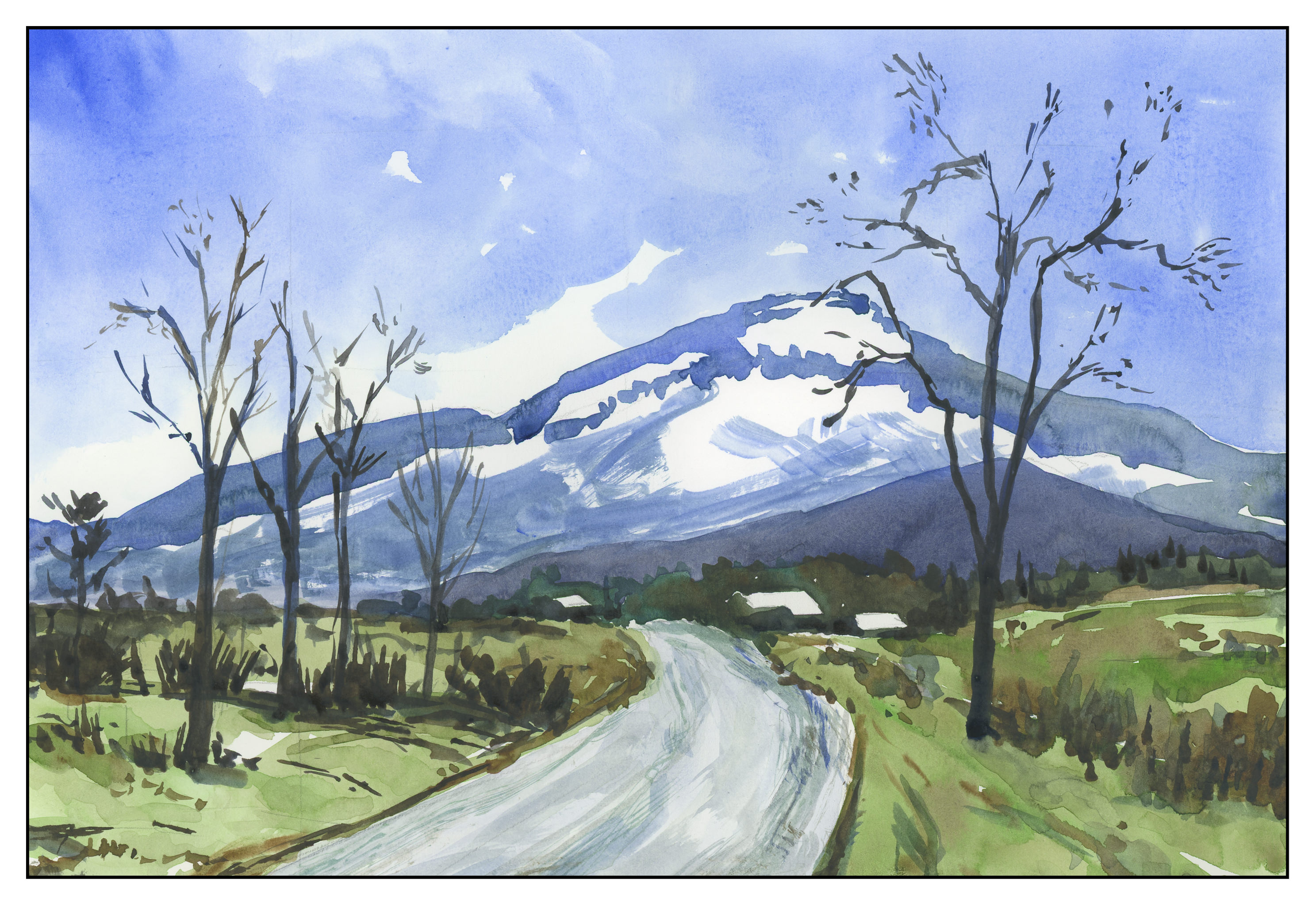
The painting above is a study I did out of Ted Kautzky’s classical work, Ways with Watercolor, which I bought when I was 16 with babysitting money.  Three colors only, and the variety of colors is amazing.  Restraint, self-control, forethought, execution, results, experience and knowledge.

And then, think about the experience.  Worthwhile?  Did you like it?  Were you a klutz?  Did you hate it?  Did you like it?  Do you want to move on?  My philosophy about work comes into play here:  learn what you hate about your job and what you love – then decide if you want to continue.  That applies to painting and art in general.  I like certain things and find other things not to my liking.

What I don’t like is a sense of constraint.  I like painting to be an experience – but to get good at something, you have to work.  So, I like free-flowing painterly watercolors.  To get there requires practice and experience.

When I was doing a lot of sumi-e, I hated the brushes and the paper – they had their own qualities which, one mistake, could ruin an attempt.  Eventually, though, I found some mastery over paper and ink and brush.  Part of that came from knowing my materials – which paper I liked, which brushes I liked, which ink and ink stone I liked.  Then I could begin mastery.  Poor quality brushes shed hairs; too-porous paper spread the ink to quickly.

The same is to be said for watercolor, which I have been drawn to since whenever.  However, I have scurried away from it, always annoyed with my style, with my lack of ability, with my lack of control.  I still deal with it today, but now that I am on the slippery slope of old age, such things seem like foolish wastes of my time.  Just do it!  Do it as often as possible!  To hell with the results – the experience itself leads to wherever it will lead.

Yes, I do know what I want to be able to produce.  I don’t want to rely on lines to contain a bad composition or execution of color.  If I do ink and watercolor, there will be a purpose for it – a reach for a particular style.  With watercolor, I may need to do (and will do) value studies and use a limited palette of colors to train my eye.  This is a form of restraint, but not an onerous one.

Copying the Master(s) and Stealing (Their) Secrets

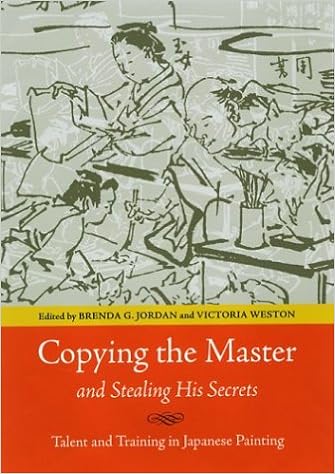
This book remains a favorite of mine, in part because of the history behind art apprenticeships, but also because it serves to remind that in all arts, a period of apprenticeship – with or without a teacher – is needed to gain mastery.  As I struggle with watercolor, I remember how I struggled when I was working with sumi ink.  In sumi-e, the brushes, ink, and paper are enough to make you scream.  Watercolor is perhaps worse!

What makes watercolor difficult?  For me, it is always a matter of less being more.  With colors, I am a magpie – all those colors!  I am hard-pressed to use only a few.  With sumi-e, you have one color:  black.  And shades of grey (50 if you want).  Another struggle is to not create mud.  I seem to be moving away from that.  And finally, lines.  I like lines.  However, I want to paint without lines . . . sort of like giving up training wheels on a bicycle.

At some point, I expect I will be able to master watercolor far more than I am now, but it is a long, hard haul.  And, I admit, one I am not very happy doing.  I wasn’t happy with the struggles with sumi-e, either.

Finding a master is not something easily done in this day and age.  Rather than being apprenticed to learn a skill or craft from a master, many of us go to school.  I am way past spending 4 years or more in college – I am an old workhorse – so I learn by observation.  This means finding an artist I admire and trying to copy his / her work, as well as subscribing to numerous YouTube videos.  I also have to learn by doing, which is the most challenging part.  A part of me expects to be perfect, and my temper flares when I feel frustrated.  That is when it is time for the proverbial deep breath, retreat, regroup, refocus, retry.  Patience is also taught with such apprenticeships!

Thus, in cruising the internet, yes, I do “steal” from the master.  In “stealing,” I learn about color and composition, light and dark, contrast.  I do not ever intend to pass someone’s work off as my own – that is not right.  But, if you go to a museum, you will find people sketching the work of a master.  Why?  To learn.  The best learning is by doing.

Various painters come to mind whose work I enjoy; when I find someone whose work I admire, I like to look at their paintings and try to figure out how they did it, the order it was done, and the colors used.  By copying I learn about color mixing and how to create an image that (might) work.  Every artist is unique, and each has something to offer.  There is a lot to learn from out there, and I am humbled by the talent I see.  And I learn when I copy from the masters.

Project a la Hockney

I have been playing rather seriously with photography for about ten years now, starting with digital, and then moving into film.  However, for me, there is always something missing in photography, and that simply is working with my hands.  I get rather bored, to tell the truth, of photography.  I would rather do something with it, make something with it.

Coming home from Mammoth in August, seeing the desert, made me recall two things.  One was David Hockney.  The other was his photo collage – montage – joining – whatever – of the Pear Blossom Highway.  There is just something about it I have always enjoyed.

Last weekend I decided to do something about it.  I went out to the local botanical garden and took a whole series of images, all digital, to create something similar to Hockney’s Pear Blossom Highway.  Altogether, I took enough photos for about a dozen panoramas, ranging from about 20 images to 70.  It took a few days to process the images in post, and then to create a panorama, too, just to get an idea of what the final pictures could be.

I chose three that I liked.  The pictures above are one of the three I sent to the Costco photo lab to print as 4×6 inch glossy prints.  I have no idea if Costco will stick to my colors or not – no idea!  That is part of sending them to an inexpensive photo lab.  For 112 images, I am paying less than $20.00, so that’s a pretty cheap thrill.  And, they will be ready in a couple of hours, so the fun can begin soon enough.

From all the images above, the one below is the merged pano, done in CS6, to give me a bit of a road map – like cheating on a puzzle??

cactus-collage-2

Once I get the collage done with the prints, it will be interesting to see how it actually looks, compared to a computer-merged panorama.

Changing Perspectives

One thing I admire is craftsmanship – the ability to create something beautiful and / or useful – and that mastery of tools to create that item.  By making the decision to understand the photographic software I am using in greater depth, the computer and programs are shifting from just things to play with to make a photograph look better to creative tools in the creative process.  Granted, the physical task is not the same as working in a darkroom – and not as fun. But by plumbing the depths of different software, I am finding a creative outlet I haven’t had before.  Really strange this new mindset . . .

To learn anything, to master anything, to go beyond mastery into artistry, takes time, talent, inspiration, patience, accidents, tangents.  I can honestly say that this change in perspectives occurred when I took the picture below further than I ever conceived possible . . .

Fern Leaf  - Original

I chose this photo because I like the shadows cast by the fern. I thought initially it would be good in black and white, which I think is something I will eventually do, but I just grabbed it at random to use as a photo in a follow-along of an OnOne Perfect Photo Suite video lesson.

I have never used textures to process an image, but a post by Brian Matiash featuring a picture I really liked, tweaked my interest to the point I looked up this video.  Step by step, I followed Liz, choosing the ferns, importing some textures, working with her as she moved along.  I really didn’t think too much about making a picture I liked, I thought about learning more about Perfect Photo Suite.  Well . . . I did learn more about the program, but I also learned that I really could get something I liked that was not horrifically ugly.

Fern Leaf

I had fun, and better, discovered that I could find a sense of creative satisfaction sitting at a computer working on a photo.

Oh, here it is in black and white . . .

Fern Leaf  - B&W