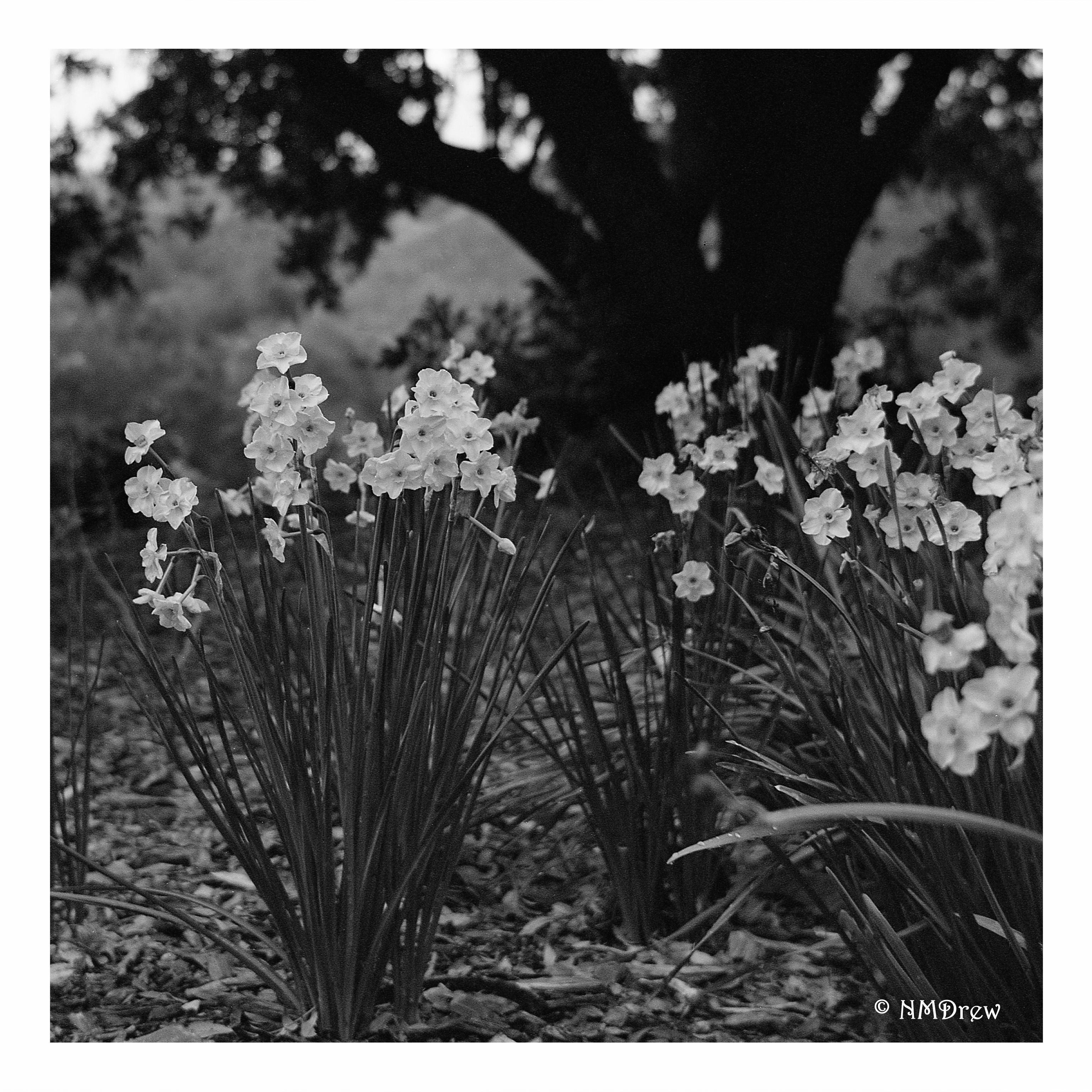
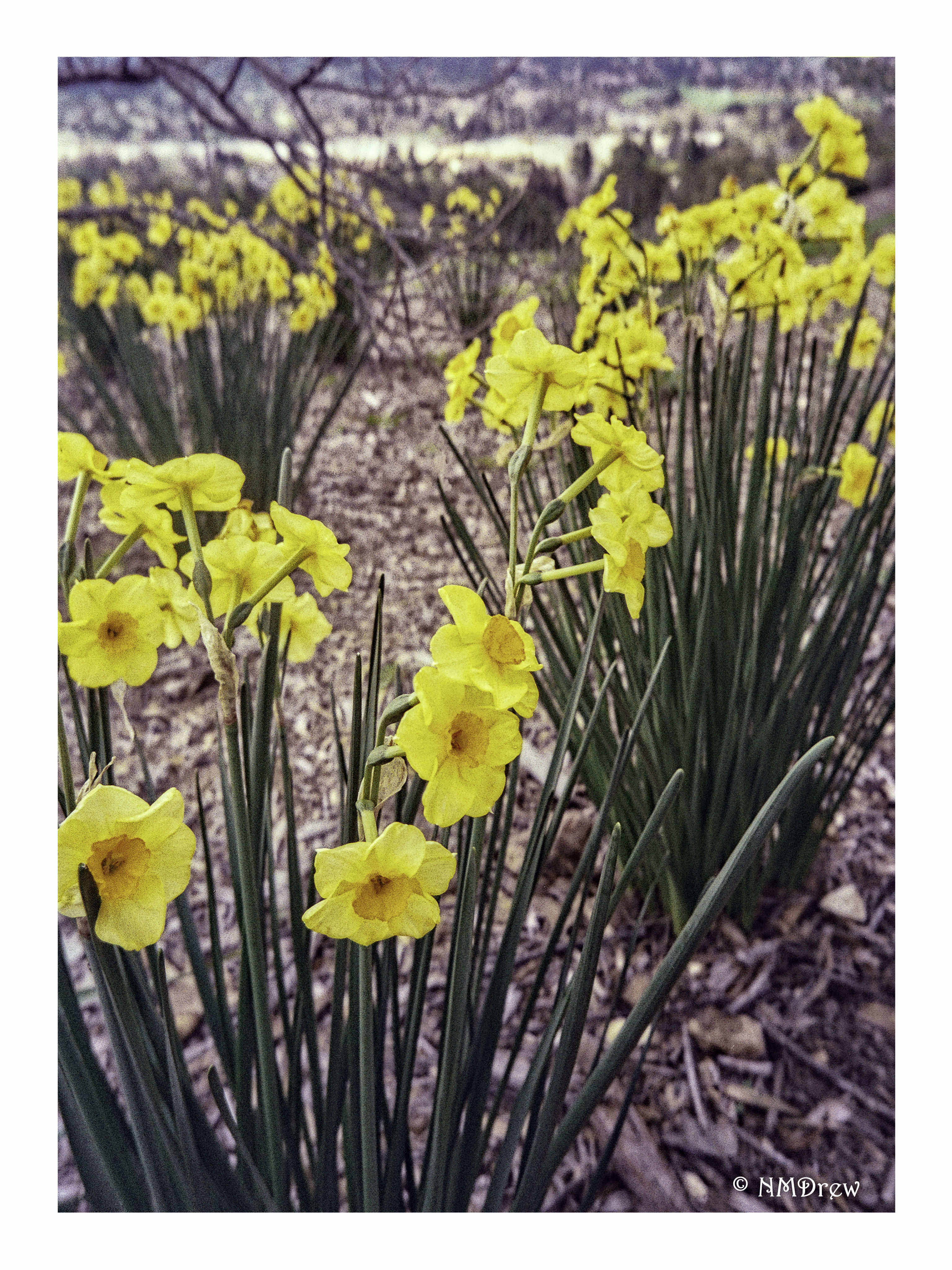
I felt like a tourist when I headed out to the botanical garden a few weeks ago. Â I had my Olympus XA4, my Kodak Retina IIIc for its maiden voyage, and the Perkeo II loaded with Fuji Neopan 400. Â I am so impressed with this film – the blacks are black, and the whites are white. Â I didn’t have an orange or red filter with me, so some pictures were not what I would have liked to see; still, the detail and beauty of the film is seen here (and the Perkeo is no slouch, either). Â Sadly, Neopan in this form is no longer made – the C-41 form – although Acros is available.
Author: -N-
Penstalgia
So many people these days cannot write cursive, much less read it, thanks to the insistence on “new technology” in classrooms. Â Keyboarding takes place of learning how to write using a pencil or pen. Â Printing seems to be the only thing taught, and mastering it is not even encouraged. Â It’s funny to think that the hours I spent in the classroom learning to print, to write cursive, and to touch type are now returning to being recognized as skills more valuable than just being able to communicate. Â Eye-hand coordination, fine motor control, neurological benefits. Â I probably could do some research and list a thousand things. Â All this automation and such makes life easier – no doubt! Â I love my dishwasher! – but the satisfaction of working with your hands is completely lacking.
Cursive has become a foreign language to students born in the last 30 years. Â They cannot read it. Â It’s not just U.S. students who should learn cursive, but students coming in from other countries could also benefit from it. Â Other languages have other alphabets, and their beauty is certainly something to be appreciated. Â Good handwriting is really an unfancy form of calligraphy. Â The practicality of good cursive is just as it was advertised years ago – it is clear and readable.
I’m revisiting what I learned ages ago, and it is a lot of fun. Â I’m using a fountain pen, and I am using a dip pen. Â A dip pen is not so hard to master, once you learn how to hold it and adapt to holding it at the right angle and tilt. Â Once there, it is smooth sailing. Â Repeating letters and practicing strokes, curves, and circles is very soothing. Â Like coloring, there is something that simply refreshes, like a deep meditation.
Anyway, because I was blundering around on YouTube, I came upon the above video, which I totally enjoyed. Â It’s informative, classic, and if you like fountain pens, wait until the end – you will learn a few things you may not have known!
Pondering . . .

When I wrote that last entry, in January 2017, I was still on vacation and filled with the idea that, yes, I could do it all. Â But I couldn’t. Â And I can’t. Â Work sucks it out of me, and what little time there is requires things which require little time – snatches of time – to do anything.
Doing nothing is worse than doing a little. Â Little things add up.
And it is darn hard to realize this.
I’ve been reading a book called Essentialism by Greg McKeown.  While a lot of it is oriented toward business, it also talks about one’s personal life.  Up front, I don’t care about my job.  I do it because I need to, but it doesn’t thrill me.  It doesn’t leave me cold, either; I really enjoy a lot of it, but my personal, creative life suffers because of my work hours.
And so, part way through the book (I still am reading it), McKeown asks the question: Â What is the one thing you are really passionate about? Â Yes, the overwhelming question.
For days, I pondered this.  What do I really feel passionate about?  What is at the core of my being?  And what emerged is simply writing.  Writing about everything, physically writing with a pen on paper, at the computer, expressing my thoughts.  And with paper comes paint and ink and colors and words.  And history and stories and ideas and the world pre-PC.
Paper.
Little did I realize when I started this blog that Journey by Paper would be such an appropriate title.