Oak Trees – LInes, No Lines

Tired of being indoors, I pulled a bunch of stuff out to the side patio – paints, brushes, water, chrome book, water, palette, head phones, ink, pencil, pen.  I played a bit and mixed up some greens using yellows and blues, and phthalo green.  I don’t like having only phthalo green on my palette, but that is what I had.  I like sap green and Hooker’s.  I also like Payne’s Grey.

Being outdoors means being cramped on a really small table, so everything was jumbled up.  The goal was to just be outdoors and do something.  So, I used some photos of trees I have taken over the years.

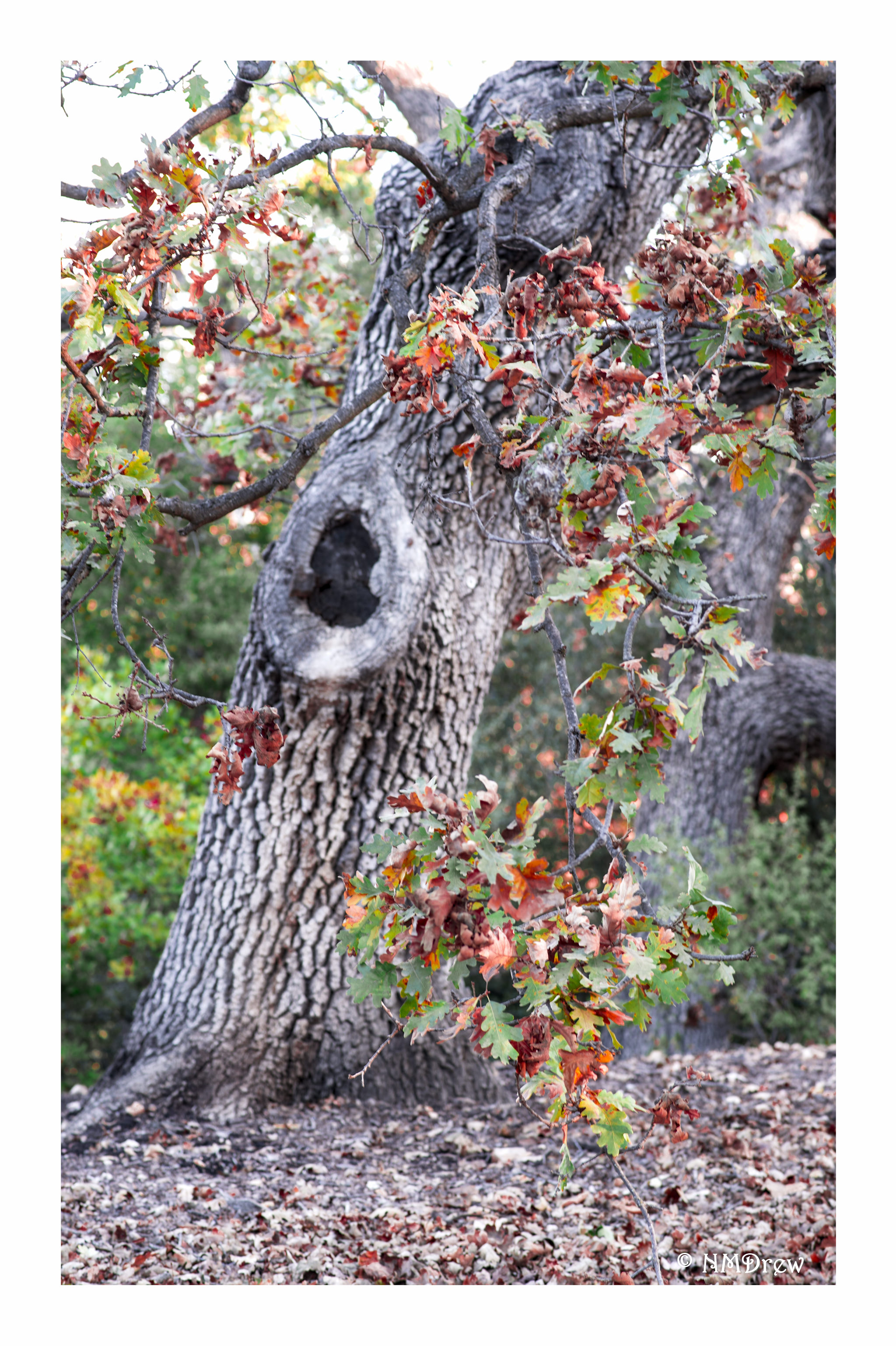
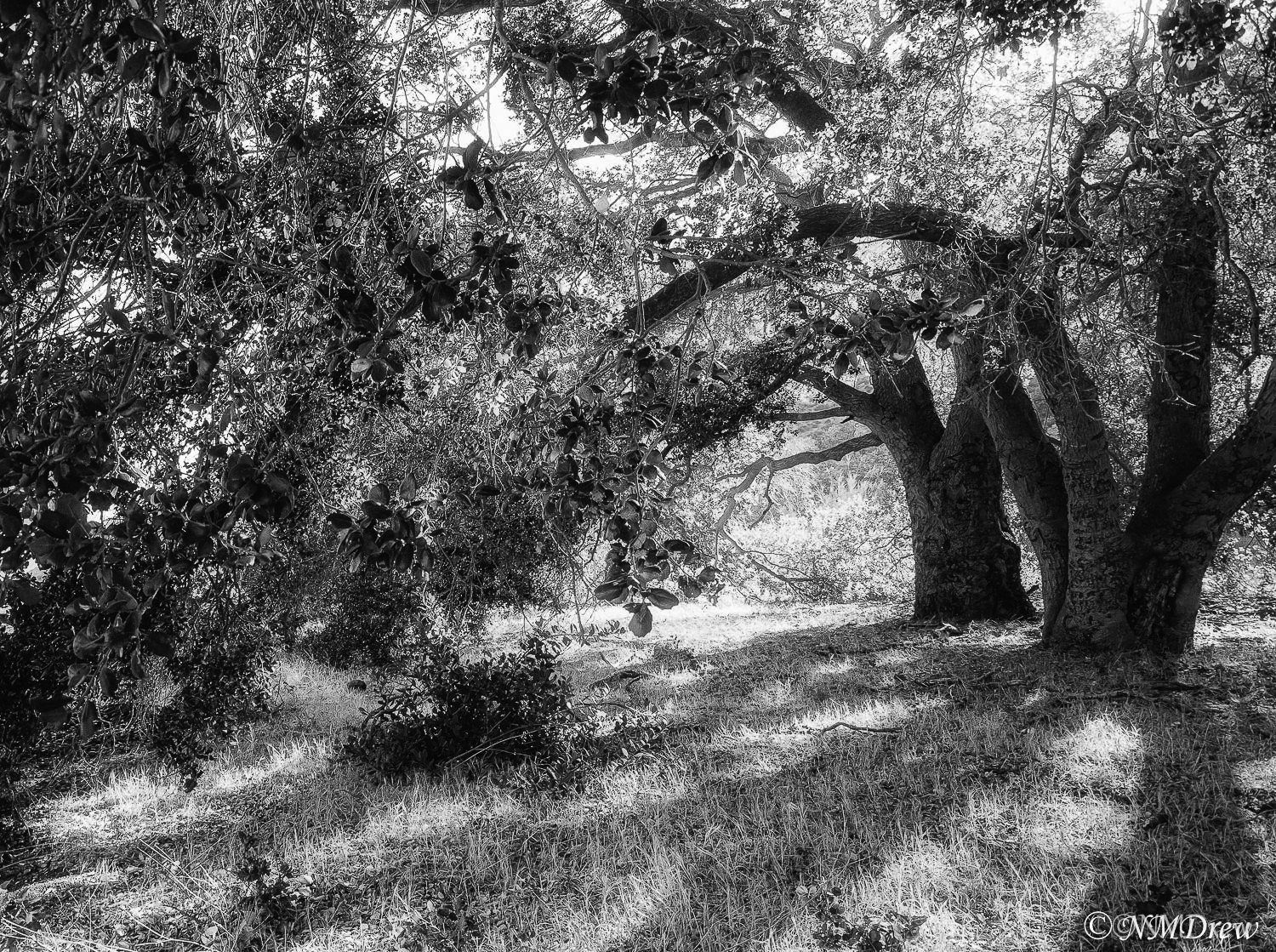
The first tree was one I took the other morning when out on a shoot with my friend Tom.  Here is the photo:

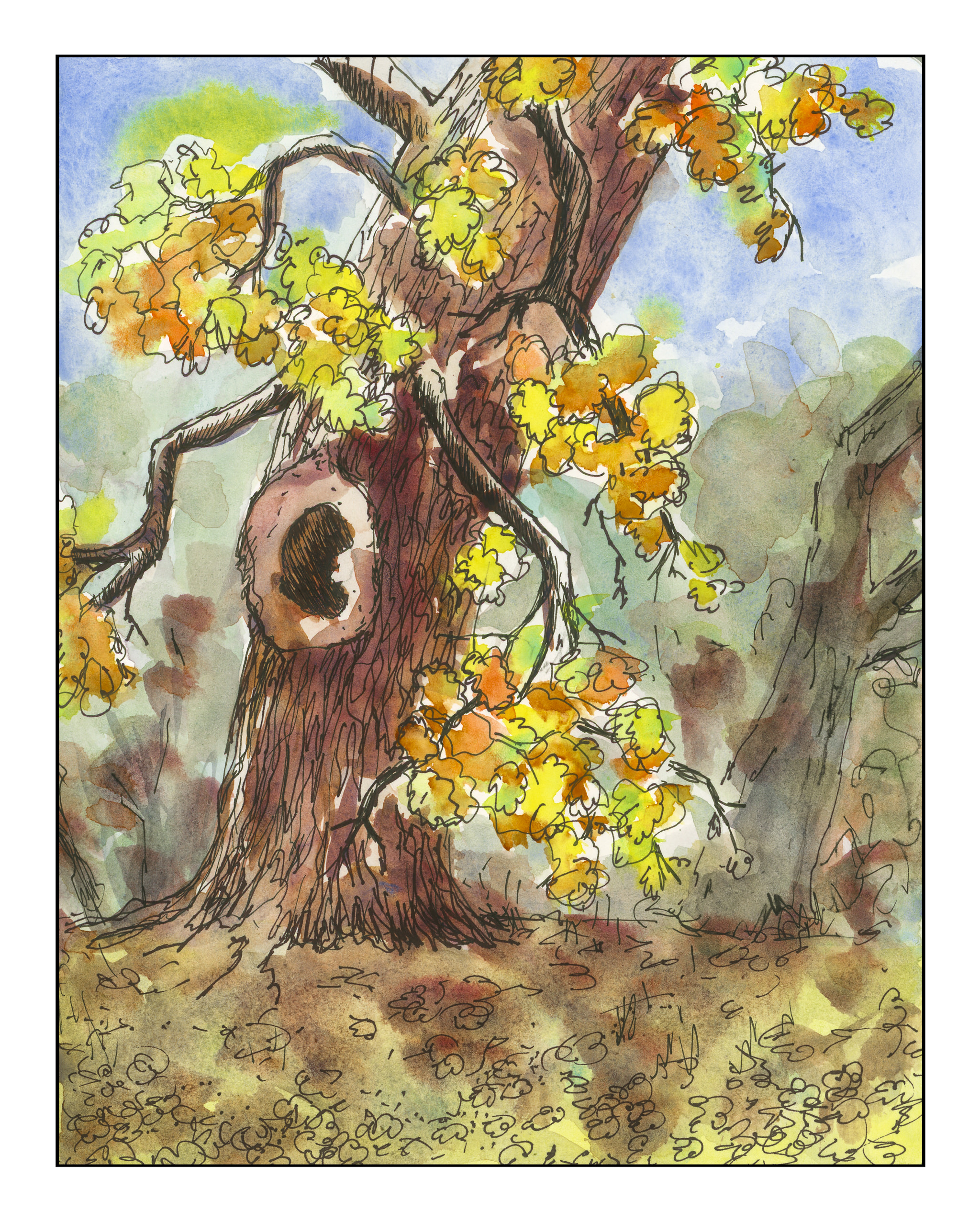
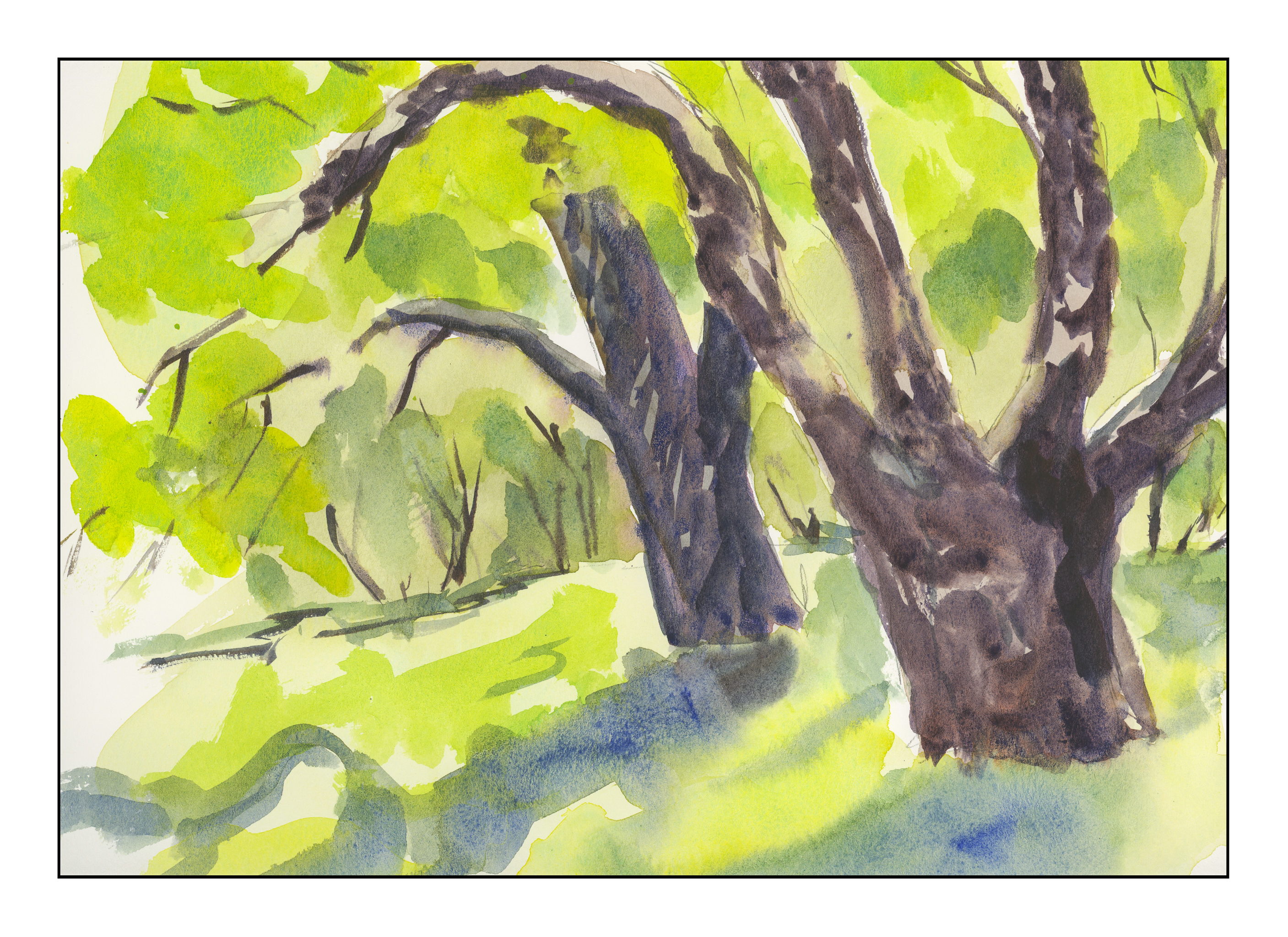
And here is my rendering in line and colors:

And then a photo from April 2015:

And the results – no lines, only the intention to paint light and dark, contrast, whatever:

I’ll tell ya, this last painting was painful!  I noticed that most of my colors tend to be pastel – a lot of water, not a lot of paint.  I felt like I was beating up my poor brushes trying to get deep colors with more pigment than water.  Wetting the colors a bit before might help.

In my opinion, neither painting is especially sophisticated or elegant.  I will say that despite its primitive quality, I am pleased with the lineless painting as I did accomplish something.

Does your head feel totally stirred up when you try something alien to your normal ways of doing things?  Mine always does and it takes awhile to return to orbit.

Village Windows

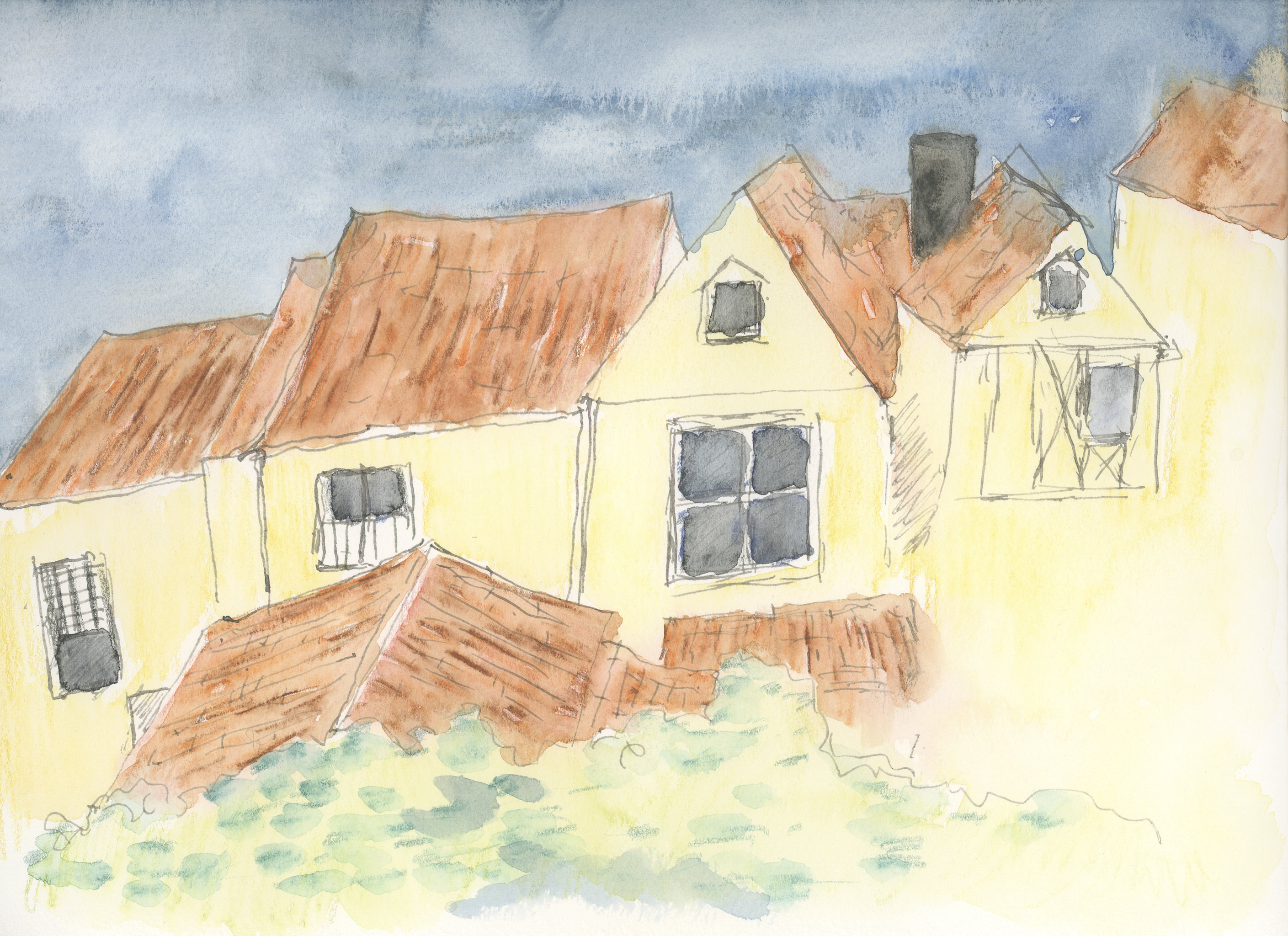
Here is yesterday’s first layer of watercolor pencil, now “watercolored”.  I tried to follow the lines of the pencil.

Here is the second layer of watercolor pencil, with a little bit more detail.  The sky was done with about 4 or 5 colors, layered down with a blue, some white, some grey.  The roofs are an orange and a brown and a black.

As you can see, I also colored in the windows and am trying to add texture to the tiled roofs.  Some green, too, for the foliage in front.  After this, I then added water.  Once more, I followed the lines, such in the roofs.  The space on the lower right is a bit of a problem.  I think it needs something, but have no idea at this point.  Maybe a cafe awning so we can a shot of espresso?

As I have never used watercolor pencils for any complete picture, my cunningly brilliant plan is to simply layer color, then use water.  As you can see, there is some bleeding.  Most interesting to me is the sky – in the center the little bleeds are rather interesting.  In the windows, I also did some lifting of color with a dry brush to lighten the glass, as a reflection or to enhance a shadow.  The iron gall ink is beginning to blur into the colors.

I have no idea how many layers I will end up with, but I am going to try to do glazes / layers to represent shadow and form.  No idea how successful this will be!

Negative Painting: Pink Daisies Gone Mad

Today has been a day of frustrations.  Nothing seems to be going right.  Everyone has those days, yeah, I know, but I rather other people have them, not me!  But, they do serve a purpose in that they do make you realize … something.

That said, let’s get on to the negative painting scene.  It is not easy.  I think to create a painting like this, practice and experience play an important part.  Practice is what I keep doing.  And then I reach a point where I am just irritated beyond measure, and need to break loose.  I’ll come back to practice, but by nature, I am a gaudy color lover, and having a monochrome study makes me feel trapped.  I wonder if others feel the same way.  So, pink daisies, a la the hydrangea, and I am ready to go nuts.  Here they are  – the first round.

And then the second one from this morning . . .

Some success.  And then I did the third layer . . . and had to just mess with it as I was ready to scream.  Part of it was just frustration in that I didn’t really like this process at all.  Maybe it’s not for me.  In the end, just playing with some colors on my palette, some which I just recently got.  It was a total color mess – so lines were added.  It’s sort of cheery, but it also reminds me of what I cannot do.

The good news, no mud.  It’s kind of fun.  But I also know what I want to accomplish, and doing this stuff is not going to get me there.  The colors are fun, and good practice, but I also know that my impatience and scatterbrained-ness don’t help me, either.  Ongoing practice will improve my skills, I hope.  So, I keep playing.

A part of me wonders if / when I reach my desired “look” if I will become extremely boring to myself.

Negative Painting & Glazing

This morning I decided to do a few things I haven’t been too fond of in the past.  One is negative painting.  The other is using glazes.  That’s what I did here.  The first layer was a warm yellowish wash, very thin.  From there, about 3 or 4 consecutive layers of blues and violets around the main trunks, and then over the ones to the sides, making them bluish.  I then used a rigger brush (for the first time) to create branches.

Overall, the picture works, but the areas I can say shouldn’t have happened are the branches in front of the central trunk.  The other thing I need to do is to create better contrast on the branches, in particular it seems on the right.  I would like to see more blue in there, in narrow strips using a flat brush.  I may do that later.

The idea behind this painting a sycamore tree in moonlight, with the above exercises to accomplish it.  I thought ahead more than I usually do, considering colors and such, as well as the approach to creating what I desired as an end product.

What is a “Personal Style”?

In painting, it is really possible to look at a picture and say, “Oh, that is by so-and-so.”  If you are familiar with a painter, you become familiar with his / her style.  You can tell by the light, by the brushwork, by the colors, by the subject.  It’s like your face in the mirror – you know it instinctively.  This knowledge of what someone’s style “looks like” makes me question myself:  What is my style?

The fact is, I don’t have a style, unless I were to call it messy and scribbly.  This occurs when I don’t think about a composition or what I want to do, but just do.  I cannot say this produces much which I like.  Once I am involved in working on a piece, I do seem to be able to deal with compositional elements, and can say when to finish, and say, oops!  shouldn’t have done that!

So, when does one’s own style emerge?  Is it a conscious choice?  Is it something which develops slowly?

This question came to me last night when I was putzing around, following another Peter Sheeler video and practicing his exercises.  There is an ethical question here:  is it acceptable to do this?  I think it is, as he is posting his videos online for people to learn from – and I have been learning, most certainly!  The lack of ethics would be to pass them off as my own.

The lesson from last night was using wet-in-wet to paint trees.  Mine are not as successful, mostly because my paper is not the same as he uses.  The lesson was good, though, as the focus was on the trees and the bloom of the colors on a wet surface.  The rest of the lesson was good as I watched him put in shadows which, left to my own imagination, would not have shown up.  The lesson there is to think about where the sun is coming from, imagine it, see it in the mind’s eye, and then paint it.  That’s a valuable lesson.

Thus:  Peter Sheeler’s video on wet-in-wet.

And my own painting.


I found it interesting to see myself adding the spatters and the shingles on the roof, which weren’t in Peter’s original drawing.  Is this the beginning of my own style?