Keep It Simple!

I have been so focused on buttonholes that I am getting a bit nutso.  Painting is a totally different experience, and was a welcome break yesterday and this morning from the analytics of buttonholes!  If I do anything with sewing today, it will be later on.  In a bit, we are headed out to collect our supplies for Thanksgiving dinner, and that will certainly be another pleasant break.  I don’t know about you, but too much of any one thing becomes almost an obsession with me – analyzing and studying whatever.  Painting does require a bit of analysis, but it also has an element of sheer doing that makes it very different.  It’s very relaxing, and because it just has a life of its own, watercolor is a challenge and a tease as well as a very creative experience.

Anyone who does watercolor or painting or drawing is well aware of the need to simplify details, especially in masses of color.  Every leaf does not need to be painted.  When we look, we see these details, and the effort to simplify them into areas of light and dark and midtones can be – and often is – very challenging.  Good artists make it look so easy!

The other day I was napping on the patio (I live in a warm part of the world).  When I woke up, I looked at the podocarpus trees along the back wall, and suddenly got the idea.  I saw the details of the leaves – each leaf – but I also saw the light and the dark areas.  That is when I realized I could do it – but it had never been in the front of my mind before.

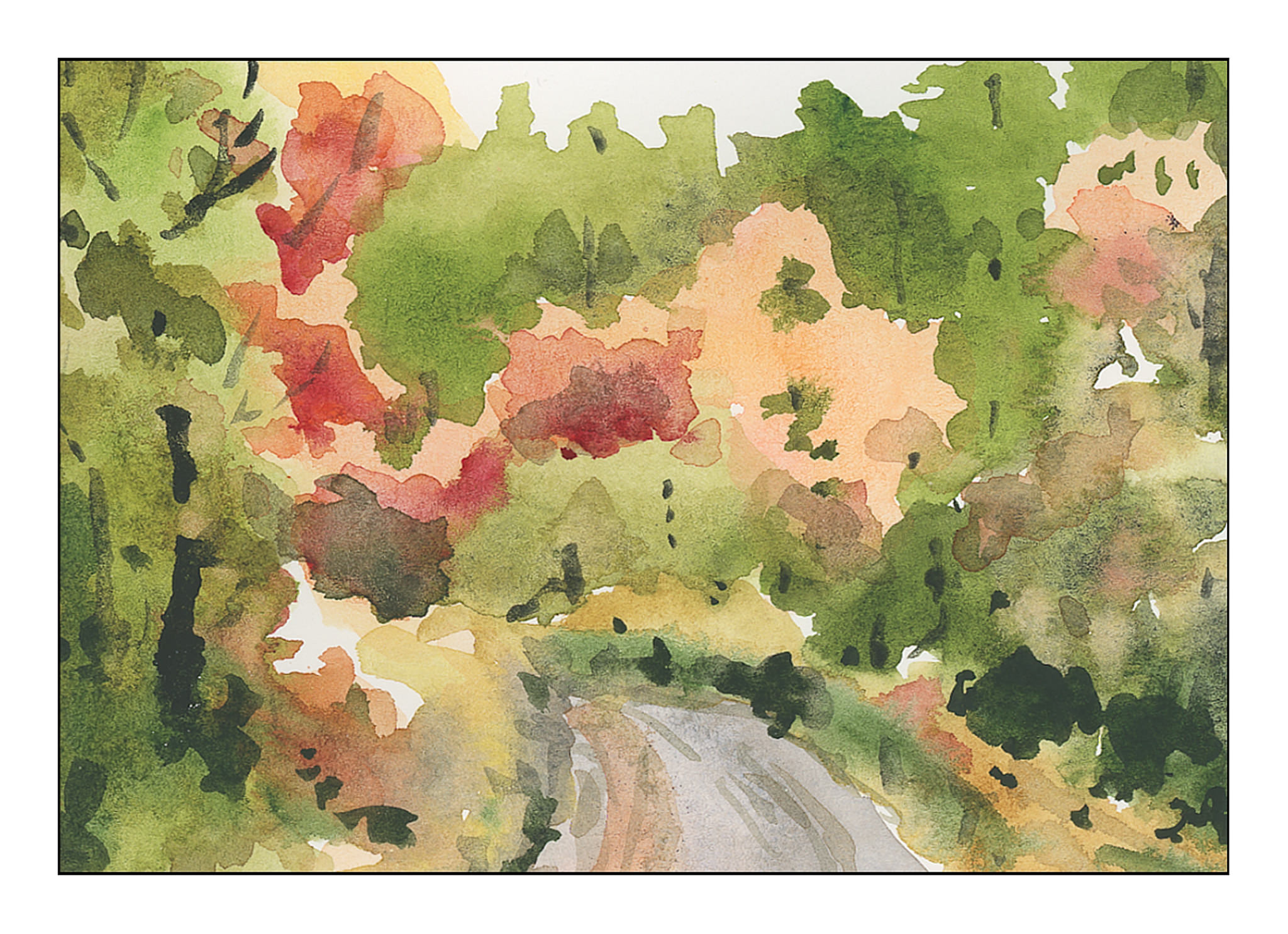
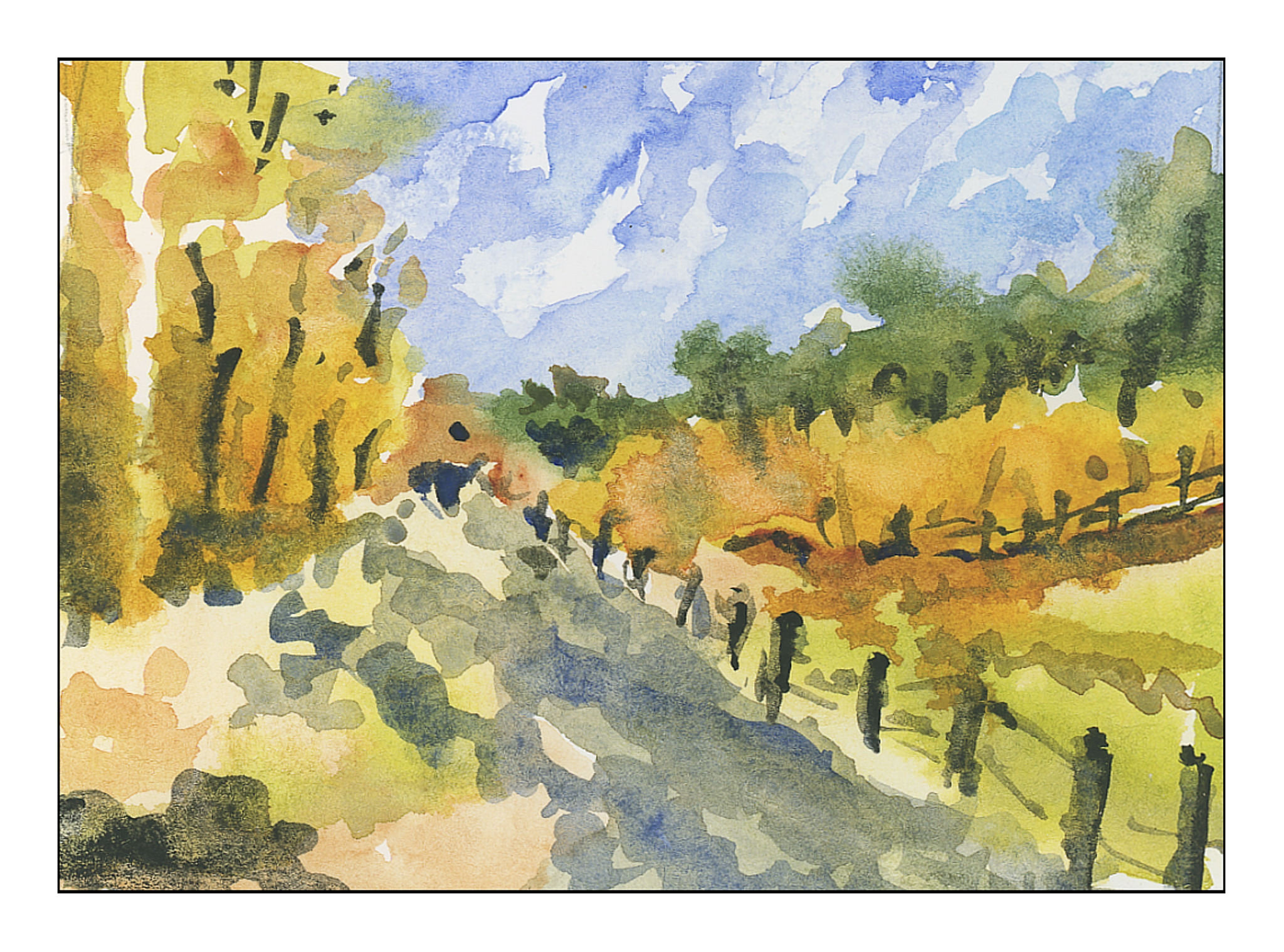
I went to work.  No outlines by pencil, just some reference photos labeled “foliage” in a search.  Varied pictures showed up, and here are my studies of simplified details.

These first three are thumbnails, about 3×4 inches in the order I painted them.
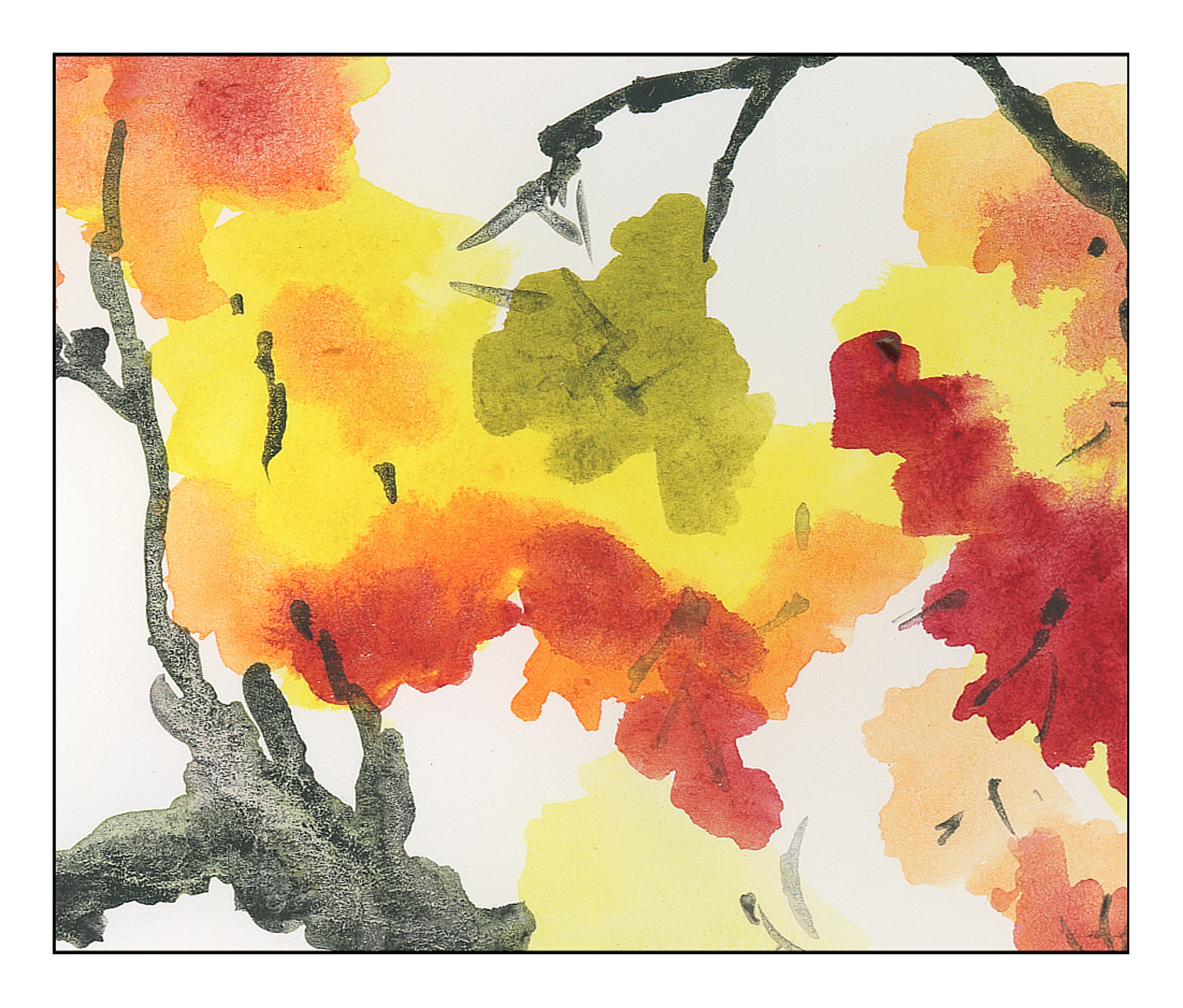
I did the above paintings yesterday.  This morning, applying the same tactic of no lines drawn, I used a 9×12 inch sheet of paper and painted out to the edges.  Again, the focus is on simplification of details into masses of color.
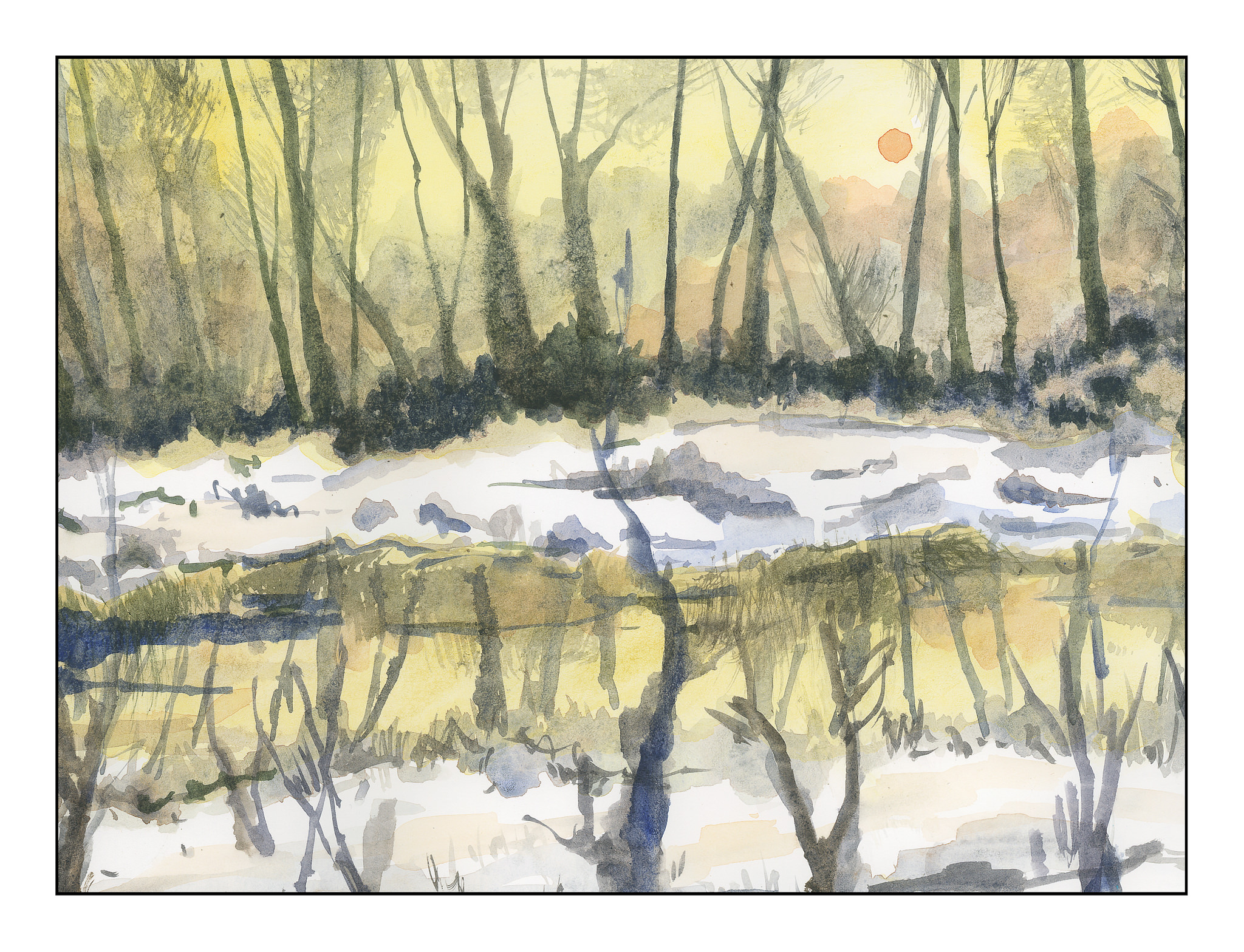
Success?  I don’t think any of the paintings are particularly good, but I do think I am getting that element of simplification I find so elusive in my own painting.

The Rest of Inktober 2018

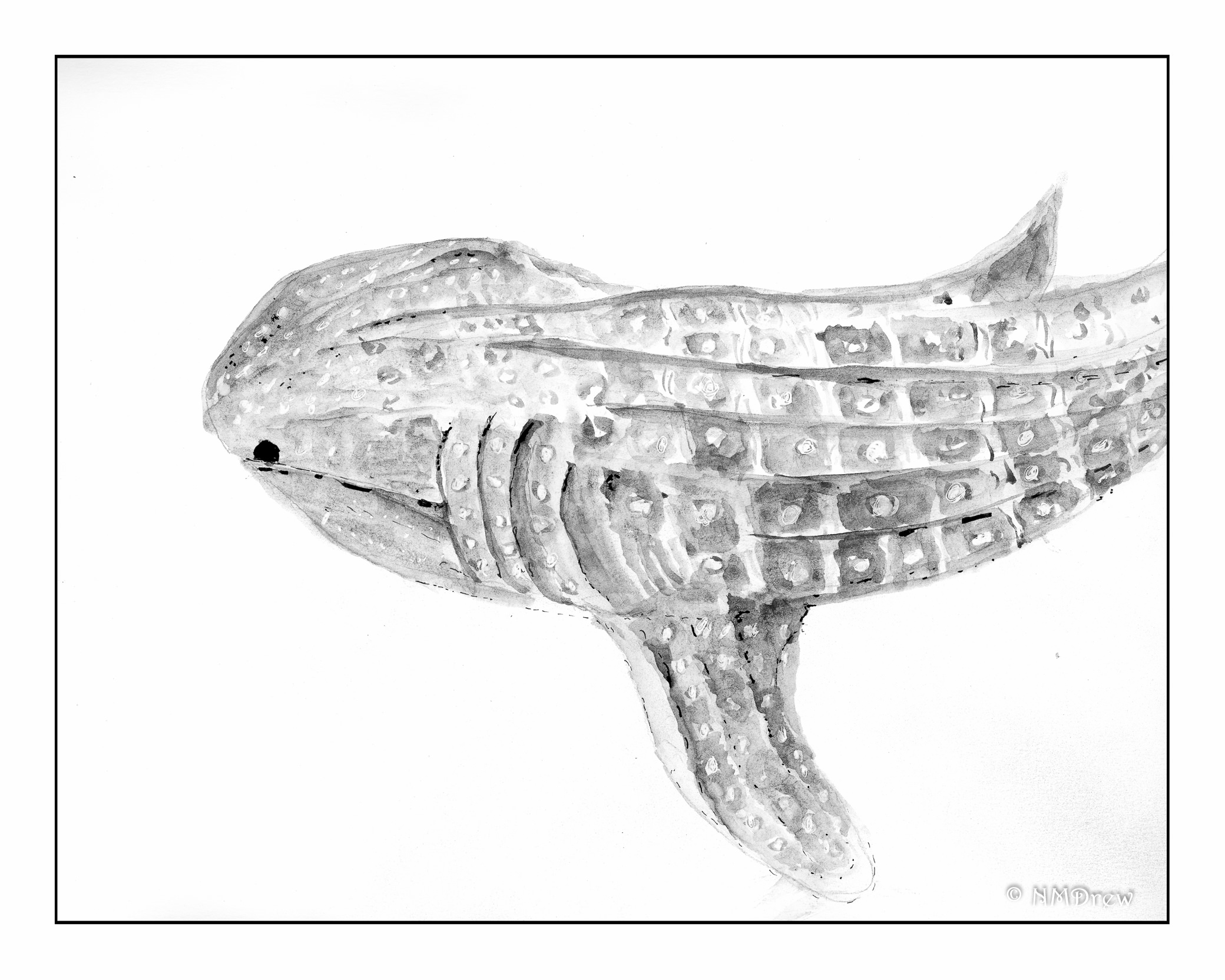
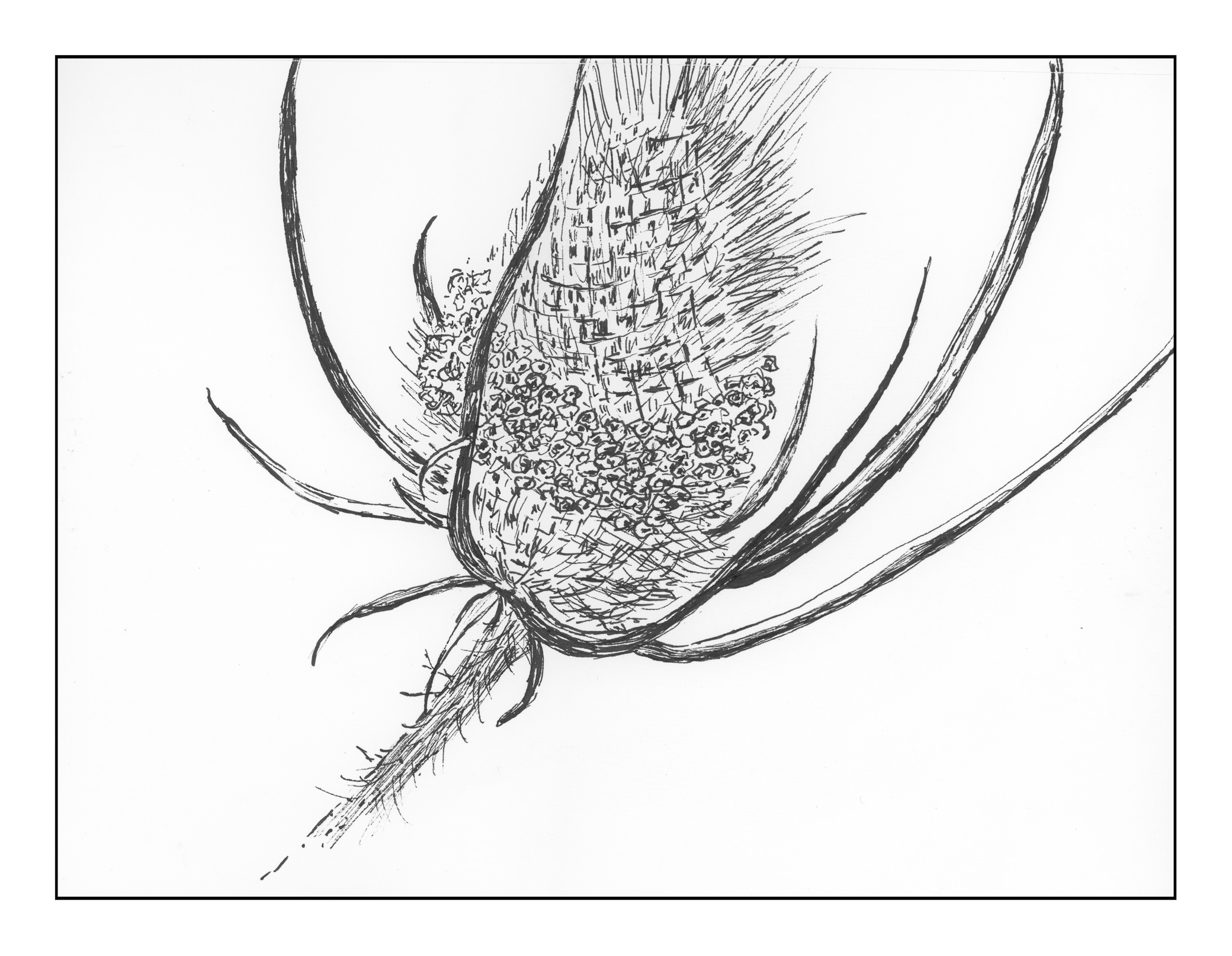
I’ve been really running around like a nut of late, going hither and thither, but I haven’t really had time to sit down and do much other than a quick post here or there.  It’s hard to believe we are nearly through with November!  And, Inktober ended 2 weeks ago.  I did a lot of the sketches for Inktober, and it was really fun.  It also helped me focus – given subjects – and improve on some of my old skills.  So, here are the rest of the sketches I did for Inktober 2018, not in any particular order.

Muddy – Inktober #23
Slice – Inktober #31
Thunder – Inktober #27
Whale (Shark) – Inktober #12
Prickly – Inktober #25
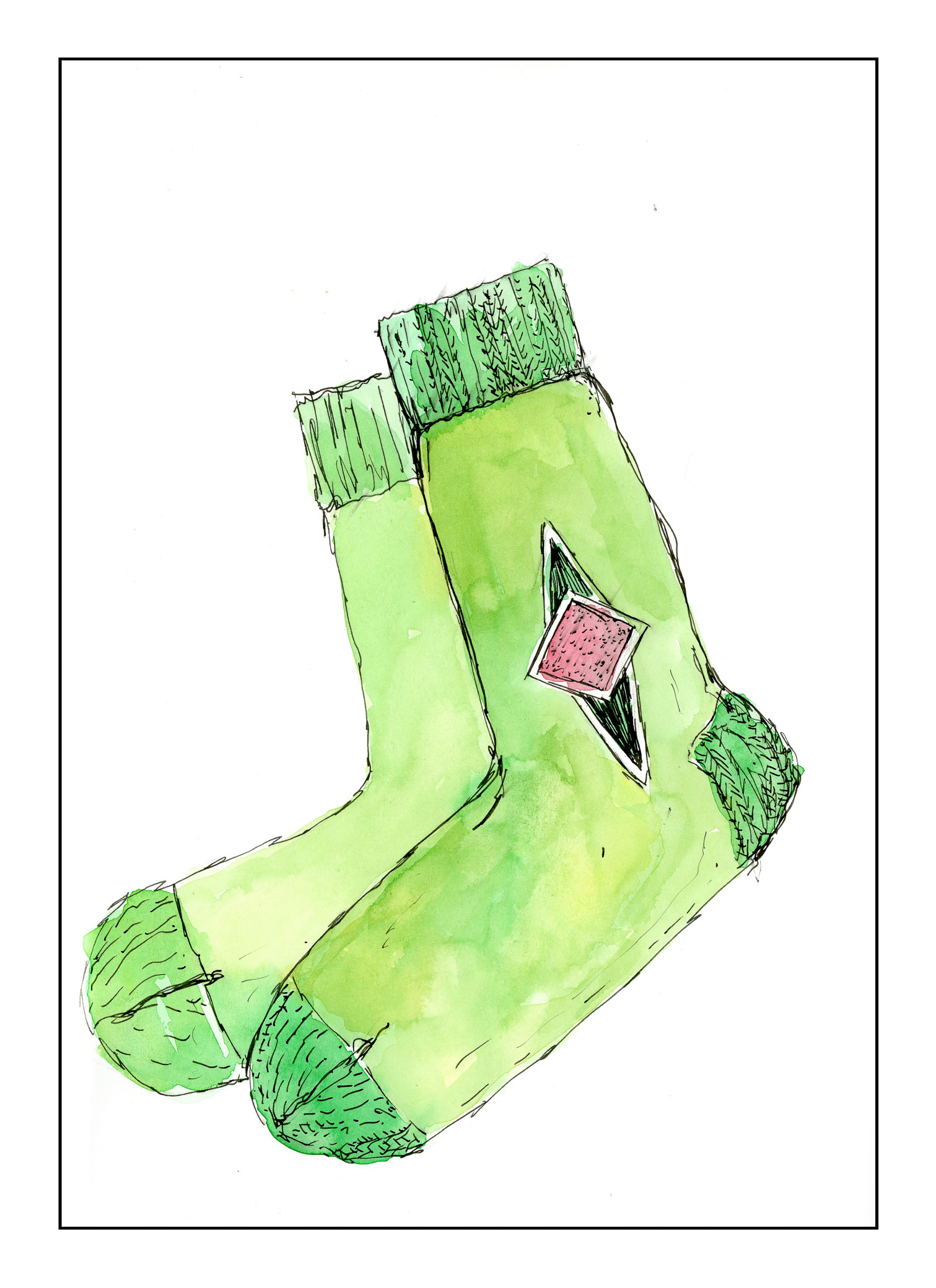
Weak – Inktober #15
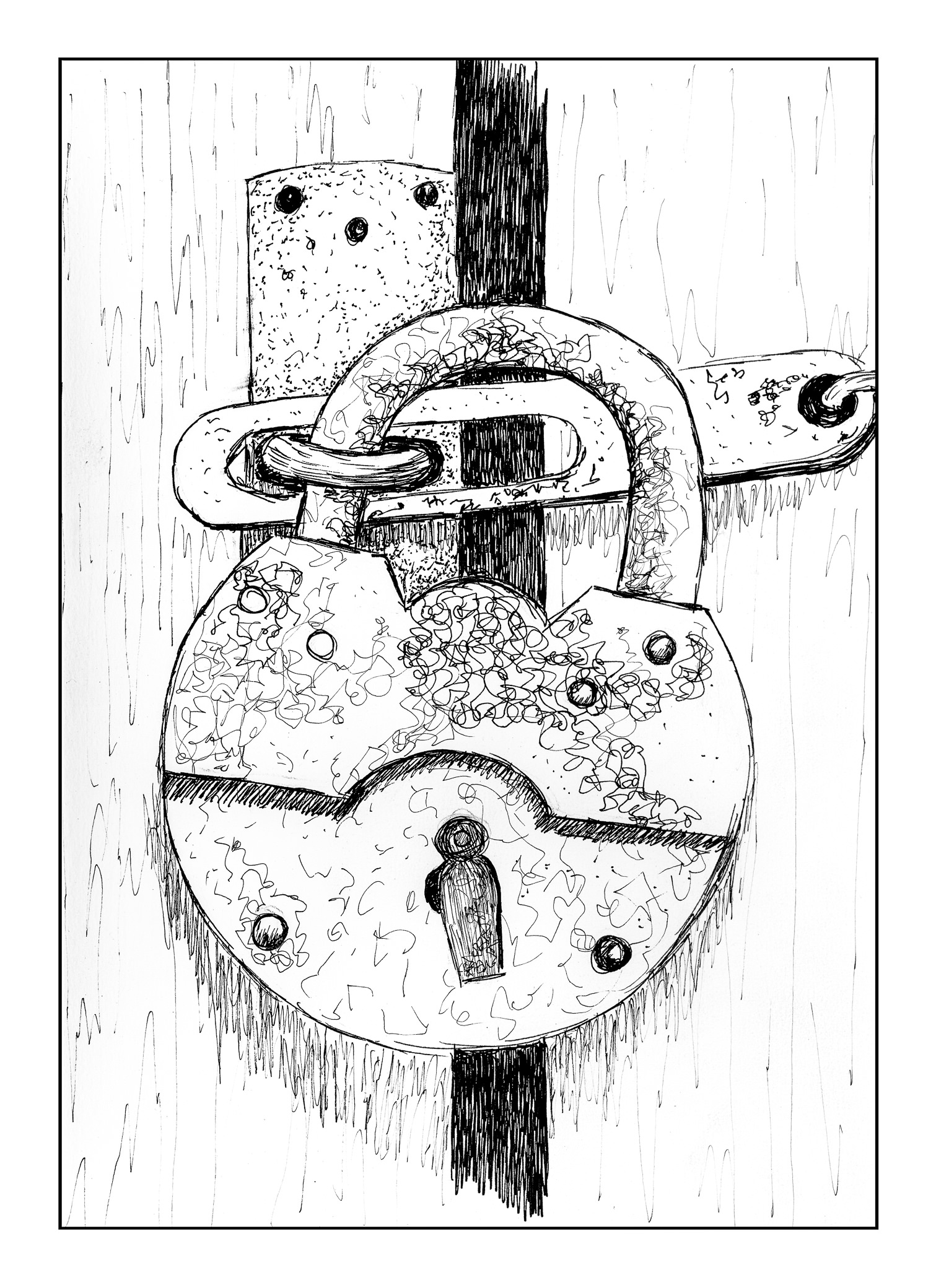
Guarded – Inktober #13
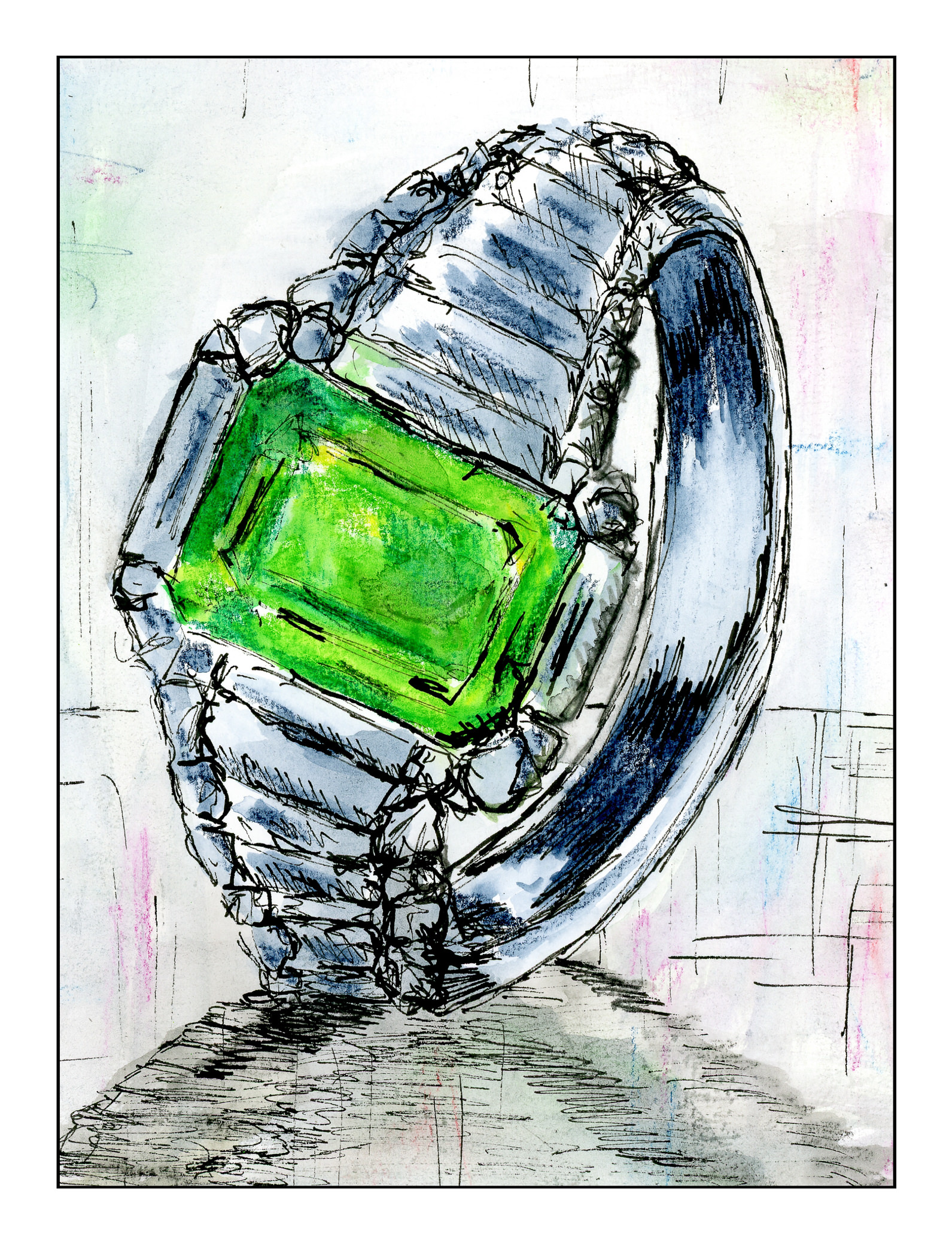
Expensive – Inktober #22
Clock – Inktober #14

Creating My Own Watercolor Palette

Books abound about colors to use and to choose and why and wherefore.  The fact is that to understand them you have to use them.  Years ago, my palette was filled with the traditional cadmiums and earth tones and blues and such, and I am very comfortable with them.  I still love those colors as they are old friends with history and familiarity.

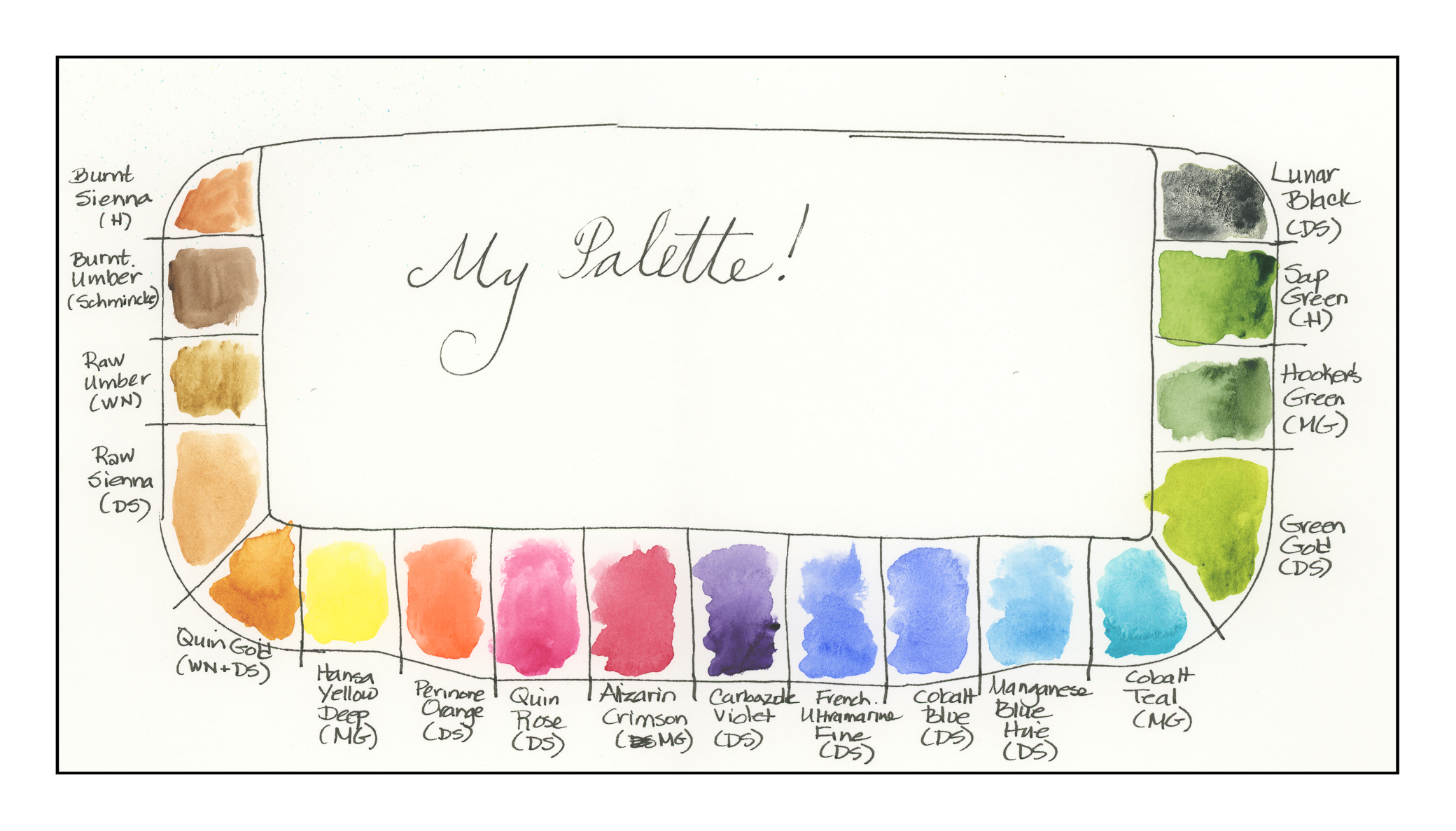
Today I decided to choose 18 colors.  Some are new-to-me (like quinacridones) in the past year, and some are old buddies, like the earth tones.  Here they are, as arranged on the palette:

  1. Burnt Sienna (Holbein)
  2. Burnt Umber (Schmincke)
  3. Raw Umber (Winsor & Newton)
  4. Raw Sienna (Daniel Smith)
  5. Quinacridone Gold (Winsor & Newton – last bit, along with Daniel Smith)
  6. Hansa Yellow Deep (M. Graham)
  7. Perinone Orange (Daniel Smith)
  8. Quinacridone Rose (Daniel Smith)
  9. Alizarin Crimson (M. Graham)
  10. Carbazole Violet (Daniel Smith)
  11. French Ultramarine Blue Fine (Daniel Smith)
  12. Cobalt Blue (Daniel Smith)
  13. Manganese Blue Hue (Daniel Smith)
  14. Colbalt Teal (M. Graham)
  15. Green Gold (Daniel Smith)
  16. Hooker’s Green (M. Graham)
  17. Sap Green (Holbein)
  18. Lunar Black (Daniel Smith)

Some of these paints are old and little is left in the tubes.  I took a chance and mixed two different brands of Quin Gold together – it might be interesting to see their differences when I use them on paper.

All of these colors sit really nicely in the wells except the Cobalt Teal, which is very runny and puddles.  I want to use it up and try a different brand – I have a tube of DS sitting in the wings – but it produces an extraordinarily beautiful green when mixed with Quin Gold.  Having used neither color in the past, that was a fun surprise.

Other new colors include Green Gold, Perinone Orange, and Carbazole Violet.  I’ve never had a violet on my palette until this past year!

When you think about it, modern chemistry and color chemistry affect us everywhere we are, from the colors of our clothes, to neon signs (replaced now with LEDs), to food, to who knows what!  Thus, it makes sense to use modern colors in a more modern watercolor palette.  Additionally, many of the colors made today are much more lightfast, which means less if any fading, compared to the more traditional colors.  A watercolor of 100 years ago was probably far more vibrant then than it is today.

Old friends include Burnt Sienna, Burnt Umber, Raw Umber, Raw Sienna, Alizarin Crimson, French Ultramarine Blue, Cobalt Blue, Manganese Blue (now a hue)), Hooker’s Green, Sap Green, and Lunar Black.

It was really difficult to choose these colors – like a lot of painters, I read about or see a color and go off to buy a tube.  There are some that are incredibly beautiful – but for a travel palette, even 18 colors may be a bit much.  For myself, I prefer to have a stable of greens rather than mixing them a lot.  I haven’t really taken the time to do it as the Sap and Hooker’s have been in the color stable for a long time.  Green Gold is totally new to me this year, so I thought I would include it.  This forced me to narrow down my blues and reds to a degree, as well as the addition of the Perinone Orange and Carbazole Violet.

Over the next several days I plan to use these colors, perhaps make some swatches and grids to see how they react to each other.  A “good” artist is inclined to do that . . . me, I get antsy unless I make it a goal!

Tomatoes Gouache

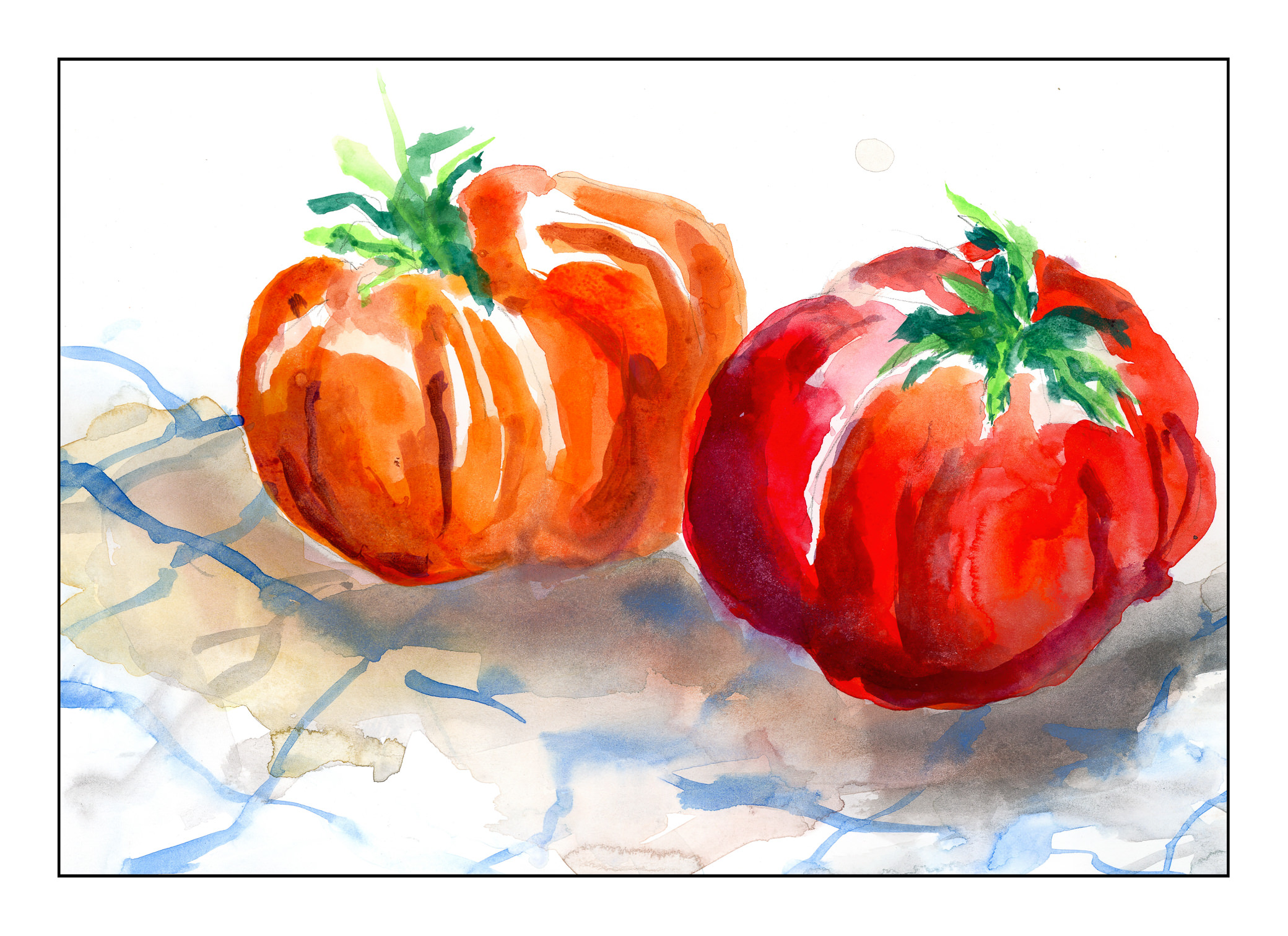
These last few days have been hectic – appointments, rushing around getting things done, cooking for a bunch of people.  As a result, Inktober has (hopefully) temporarily fallen to the wayside.  Despite the craziness, I wanted to do something, paint or draw something, and thus, some Tomatoes Gouache, recipe for which is quite simple:  tomatoes and gouache; to make, just paint.

I wouldn’t eat them as the fiber content is not quite the right kind.

Cheers!

Sunday Morning

This morning I had one goal in mind:  paint.  With a gloomy sky here on the California coast, the damp and cold penetrate you to the bone.  Once it leaves, it’s a great big sunny day ahead!  So, while waiting for the fog to dissipate, I took a few pictures of a bouquet I put together of chamomile flowers and small, red carnations in a rectangular glass base.  I didn’t do a value study because I wanted to look at the colors – light, dark, and so on – to see what I could produce.

I penciled in the basic drawing, took some notes of the colors and mixed this and that, testing them on a scrap of paper.  Looking at the vase, I saw the different shades of color through the glass with water and without water, as well as the water line and edges of the vase.  Chamomile leaves are multi-lobed and floppy; carnation leaves are rather spiky.  Chamomile flowers are happy, daisy-like flowers, and quite small.  Carnations are upright.  Both are really lovely!

Process was like my last two flower paintings – start with the large areas of color and move into details.  Overall, it worked here, until I started getting into the hodge-podge of leaves.  I think I should have simplified their masses of color, but I didn’t.  I like the negative painting I accomplished for the chamomile flowers, as well as the edges along the bouquet where the white flowers have to merge into something.  The carnations were far more difficult than I thought, and once more, I made something more complicated and tight than I would like to see as “my” style.

Nonetheless, I feel that this painting is a moderate success.  I was patient and let the washes dry, working from lighter to more dark, thinking about white space and negative painting.  And I still have a bouquet of flowers to enjoy!