Trying, Keeping, Discarding

I’ve returned to watercolor in the past year, trying a lot of things, and realizing that some things are just not “me” and others are “me.”  This means there are styles of painting I just don’t care for – and ones I do – and what to do?

First, I think it is important to try something.  This way you gain a working knowledge.  This means repeat the situation a few times to learn the subtleties.  The brain works on an unconscious level and incorporates that knowledge.  Whether or not you continue down that path, you learn something and it is stored away somewhere in the mystery of the brain.

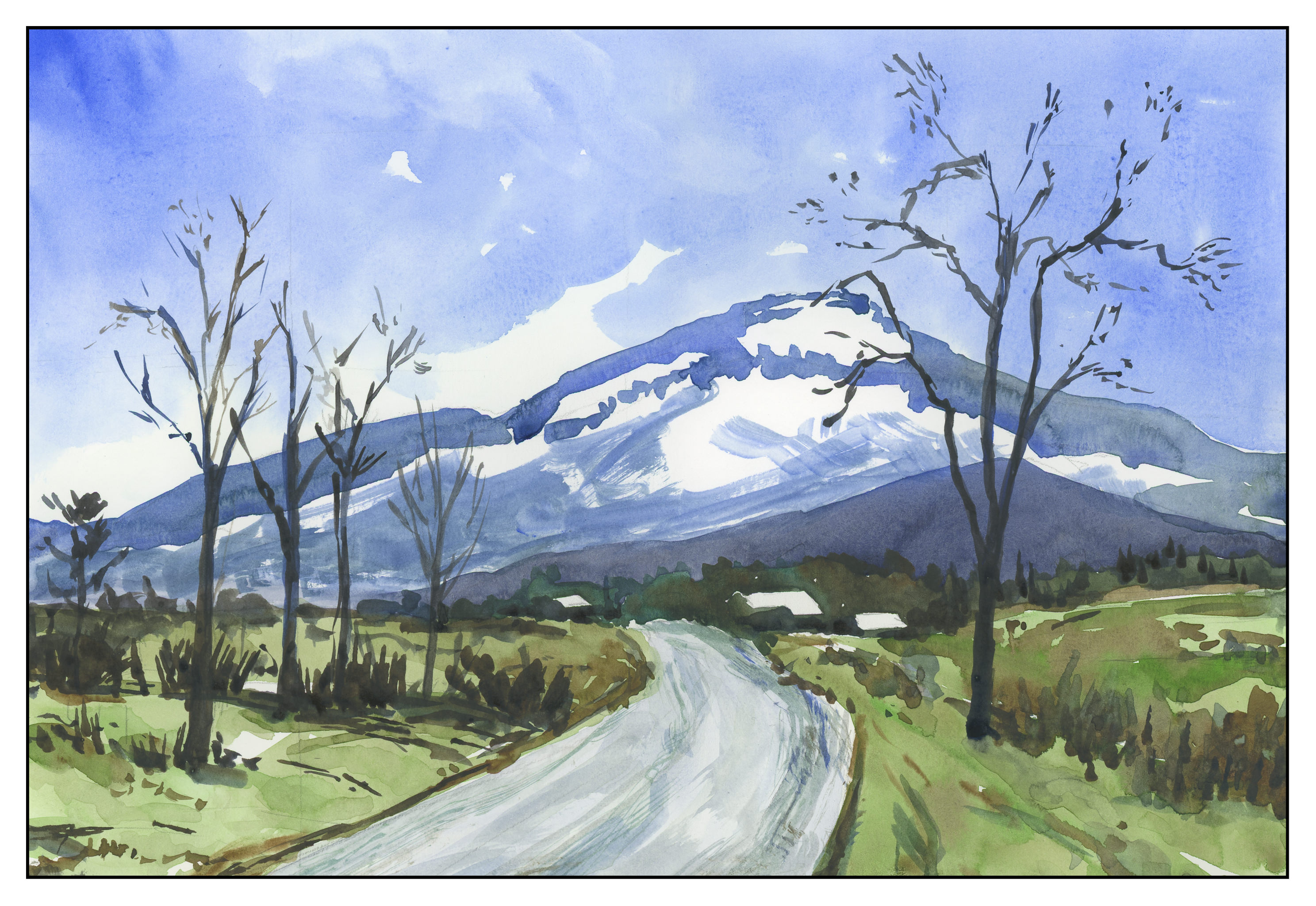
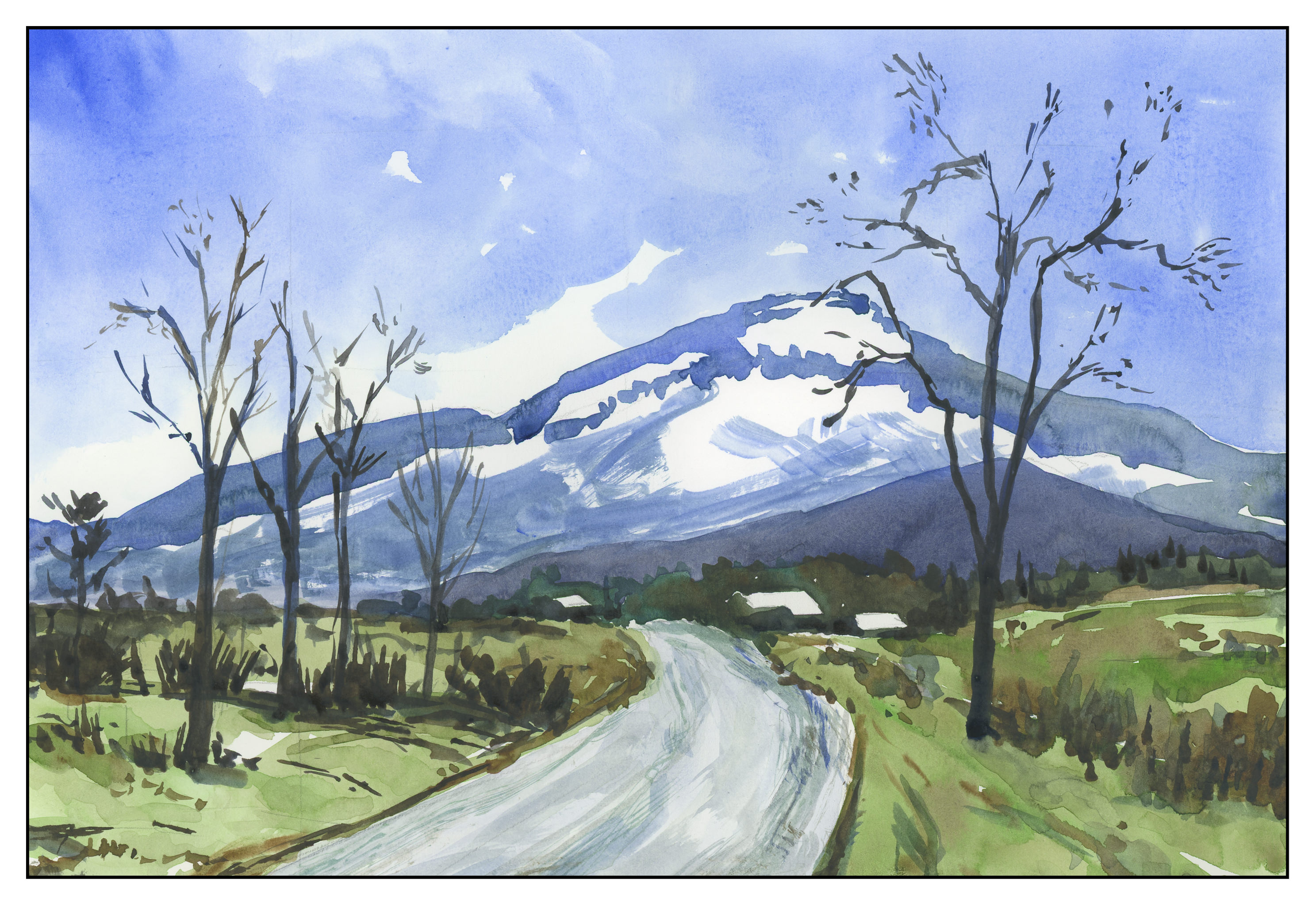
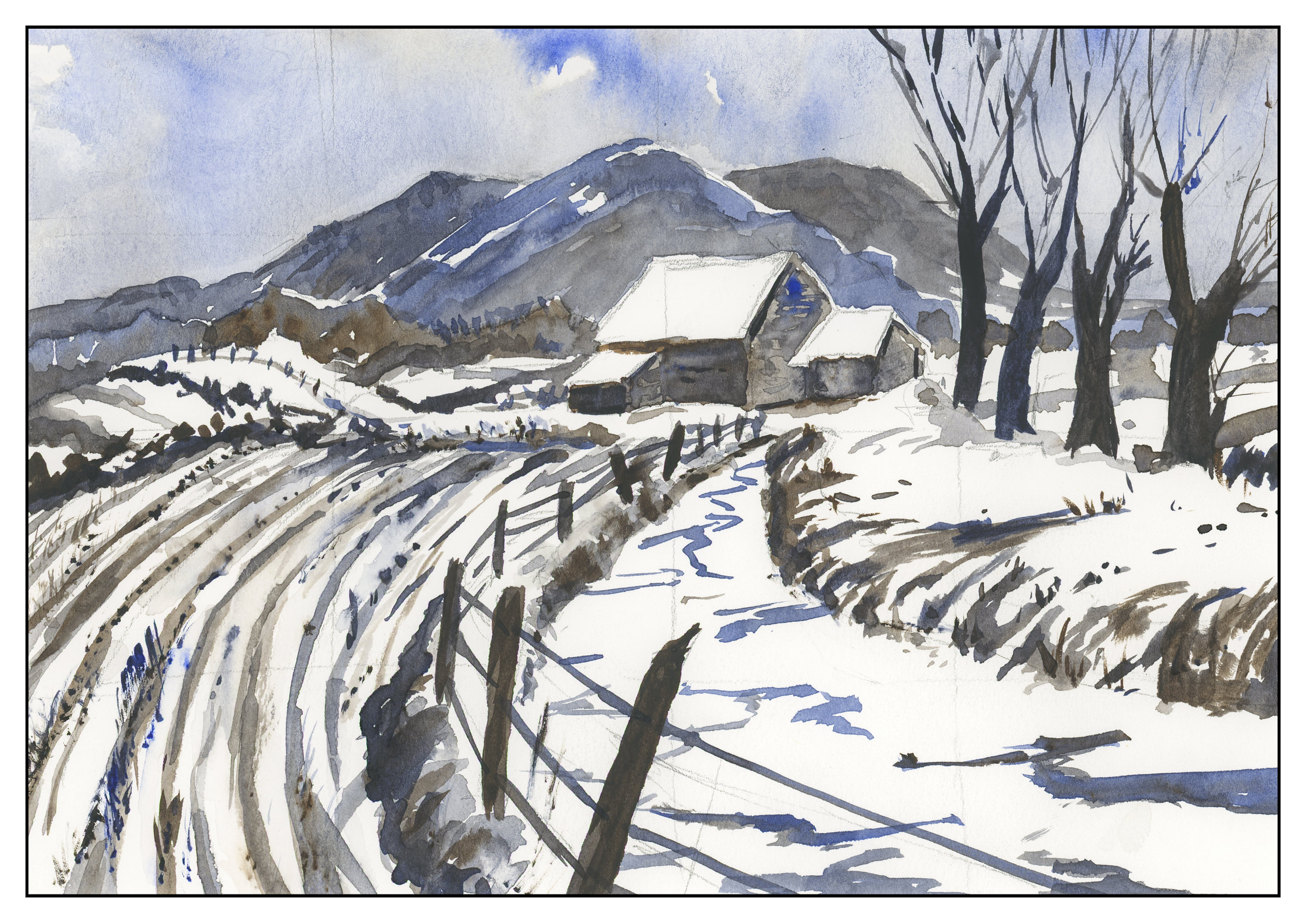
The painting above is a study I did out of Ted Kautzky’s classical work, Ways with Watercolor, which I bought when I was 16 with babysitting money.  Three colors only, and the variety of colors is amazing.  Restraint, self-control, forethought, execution, results, experience and knowledge.

And then, think about the experience.  Worthwhile?  Did you like it?  Were you a klutz?  Did you hate it?  Did you like it?  Do you want to move on?  My philosophy about work comes into play here:  learn what you hate about your job and what you love – then decide if you want to continue.  That applies to painting and art in general.  I like certain things and find other things not to my liking.

What I don’t like is a sense of constraint.  I like painting to be an experience – but to get good at something, you have to work.  So, I like free-flowing painterly watercolors.  To get there requires practice and experience.

When I was doing a lot of sumi-e, I hated the brushes and the paper – they had their own qualities which, one mistake, could ruin an attempt.  Eventually, though, I found some mastery over paper and ink and brush.  Part of that came from knowing my materials – which paper I liked, which brushes I liked, which ink and ink stone I liked.  Then I could begin mastery.  Poor quality brushes shed hairs; too-porous paper spread the ink to quickly.

The same is to be said for watercolor, which I have been drawn to since whenever.  However, I have scurried away from it, always annoyed with my style, with my lack of ability, with my lack of control.  I still deal with it today, but now that I am on the slippery slope of old age, such things seem like foolish wastes of my time.  Just do it!  Do it as often as possible!  To hell with the results – the experience itself leads to wherever it will lead.
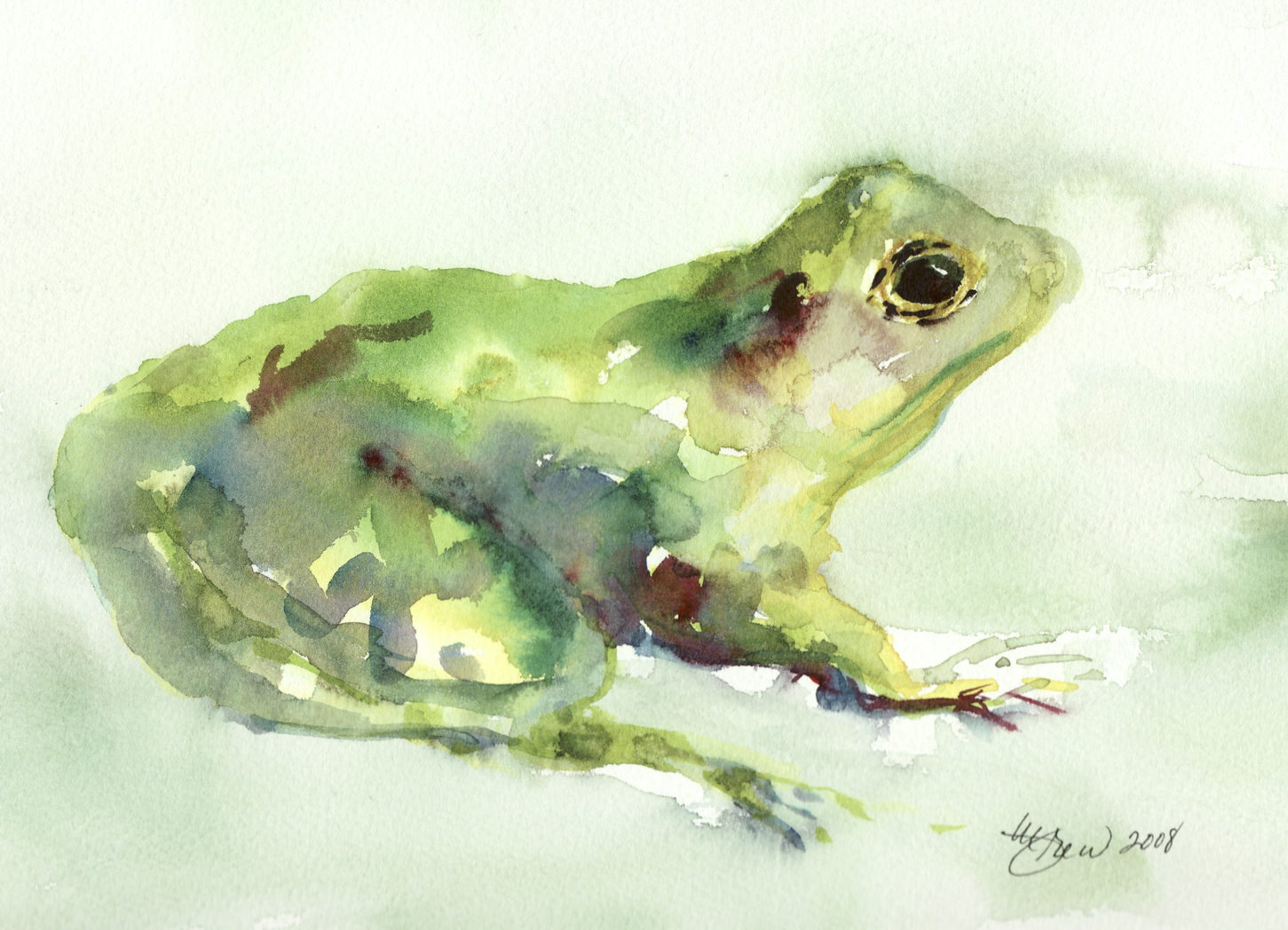
Yes, I do know what I want to be able to produce.  I don’t want to rely on lines to contain a bad composition or execution of color.  If I do ink and watercolor, there will be a purpose for it – a reach for a particular style.  With watercolor, I may need to do (and will do) value studies and use a limited palette of colors to train my eye.  This is a form of restraint, but not an onerous one.
Studies from Kautzky

After the disastrous lilies, I had a good think.  I really am not a decorative painter at heart.  What I love most are landscapes.  The outdoors is to me the most exciting thing . . . mountains, water, trees.  Thus, with this in mind, I pulled out the very first “how to” art book I ever bought, back when I was 16:  Ways with Watercolor by Ted Kautzky.  I still love this book and find his style and words soothing and thoughtful.  To ease my frustration, I did two of his exercises.  The first below is in 2 colors only, ultramarine blue and burnt umber.

The next one is in three colors:  burnt umber, ultramarine blue, and Hooker’s Green.

Kautzky’s palette of colors is one with which I am comfortable and familiar, so it was very reaffirming to feel somewhat skilled after the lilies fiasco.  That really upset my little apple cart!

Book Larnin’

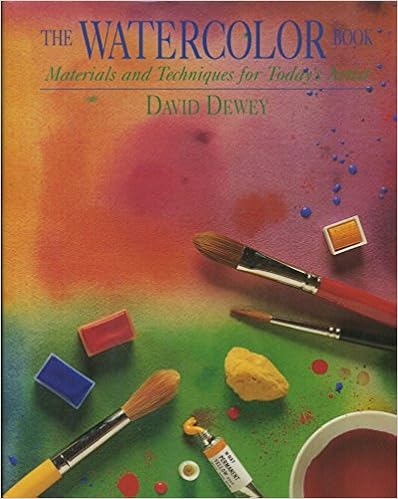
I did some watercolor studies, derived from David Dewey’s The Watercolor Book.  This is the edition my local library has – there is a newer edition, but I have no idea how much different it is from this one.

Dewey’s book came highly recommended from one of my favorite sites, www.handprint.com.  There are others, too, but this one is the one at the local library.  Packed full of text and pictures, demos and a plethora of information, at first it seems like a rather intimidating book.  It is.  There is a ton of information, and to me, it was hard to sit down to look and to read.  However, once I started, I decided my best approach is to begin with some exercises.  Other parts can be read for information – I wanted to get into actual painting!  What really draws my eye to Dewey’s work is the beauty of his washes – clean, simple, expressive.  You can see his more recent work on his website.  Given my usual propensity to messy, muddy stuff, his work is simply elegant – not splashy and spontaneous like Charles Reid, but serene and calm.

Okay, so here is what I did.  This is the first exercise I did.  I used glazes and mixed colors.  This was a drawing from one of Dewey’s exercises in warm and cool colors.

Not an especially inspiring image – and poor photography as well!  However, what I did learn was a bit about glazes and managed to leave some planned white, some bleeding, some patience, and how certain colors mixed.  I did an overall underglaze of Quin Gold.  The sky was laid in with a glaze of cerulean blue, while the ocean was a layer of ultramarine.  I mixed some alizarin and viridian (complementary colors to tone down the red of the alizarin), along with some burnt sienna to create the float of the shack.  The islands were my favorite part – carbazole violet and burnt sienna.  I’ve never used the violet, so it was a fun mish-mash.

Next, water studies, which I feel were more successful than the washes and glazes, but I was also warmed up.  These are also from demos in Dewey’s book.  Here, an underlying wash of ultramarine with a touch of cerulean.  Once dried, ripples in cerulean with a bit of permanent rose.  Finally, the greenish color is a combo of phthalo blue and burnt umber, a blend I’ve never done before.  I really like the colors!

This next image is done in essentially the same way with the same colors, only the ripples are circular.  The photo is crummy, but the results are rather clear.

Certainly no works of art, but successful exercises in a few areas.  First, getting reacquainted with watercolor is rather painful.  Glazing and washes take a bit of patience.  Finally, there is the real pleasure of learning new color blends, as well as having a sense of derived satisfaction with a study fairly well executed.

I am excited to be painting again.  During the week, it won’t likely happen because of work, but I hope that some drawing might occur.  Weekends are likely to be very much taken up with painting . . . yay!