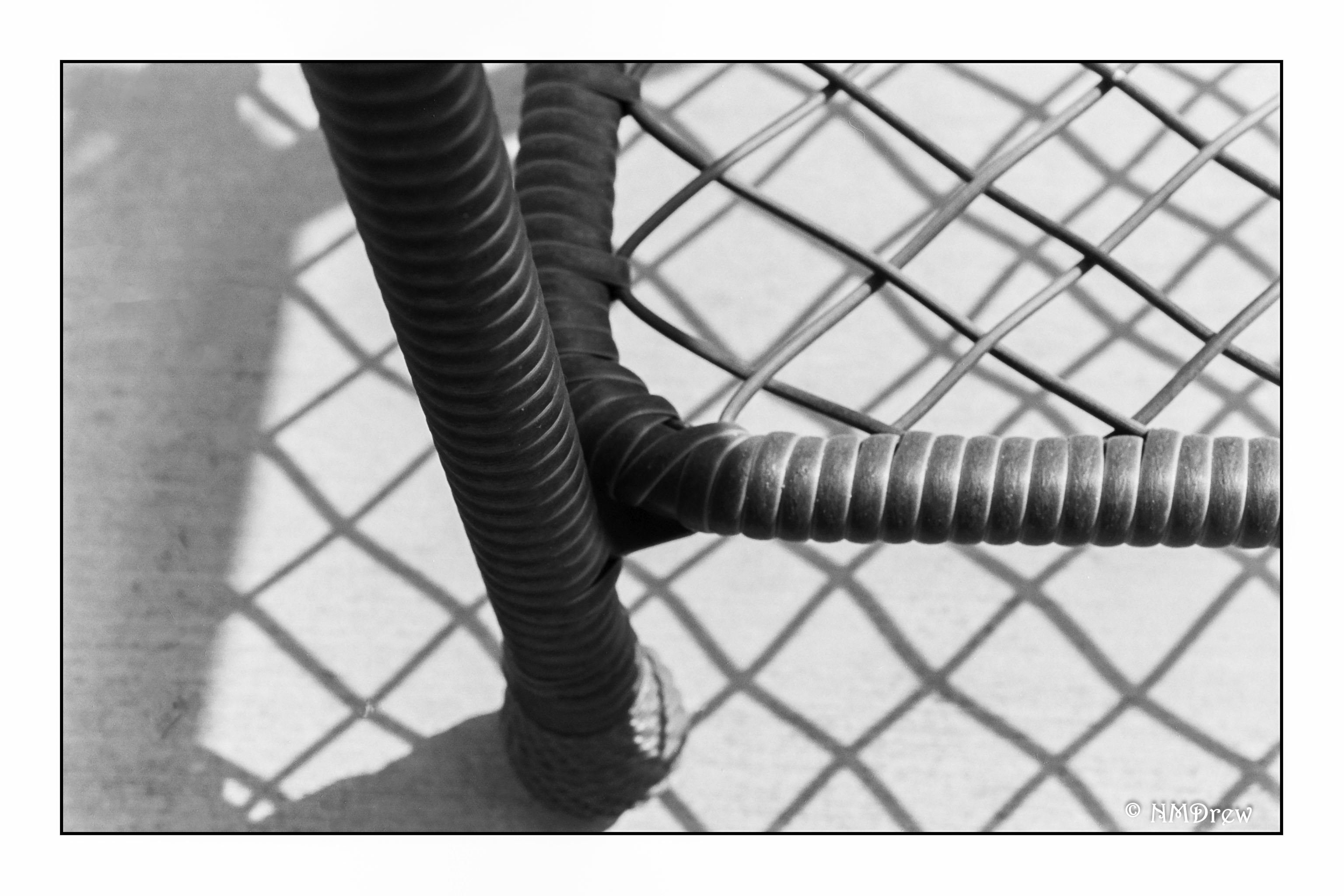
Elongated, shortened – cast shadows add so much to our visual worlds.

Elongated, shortened – cast shadows add so much to our visual worlds.
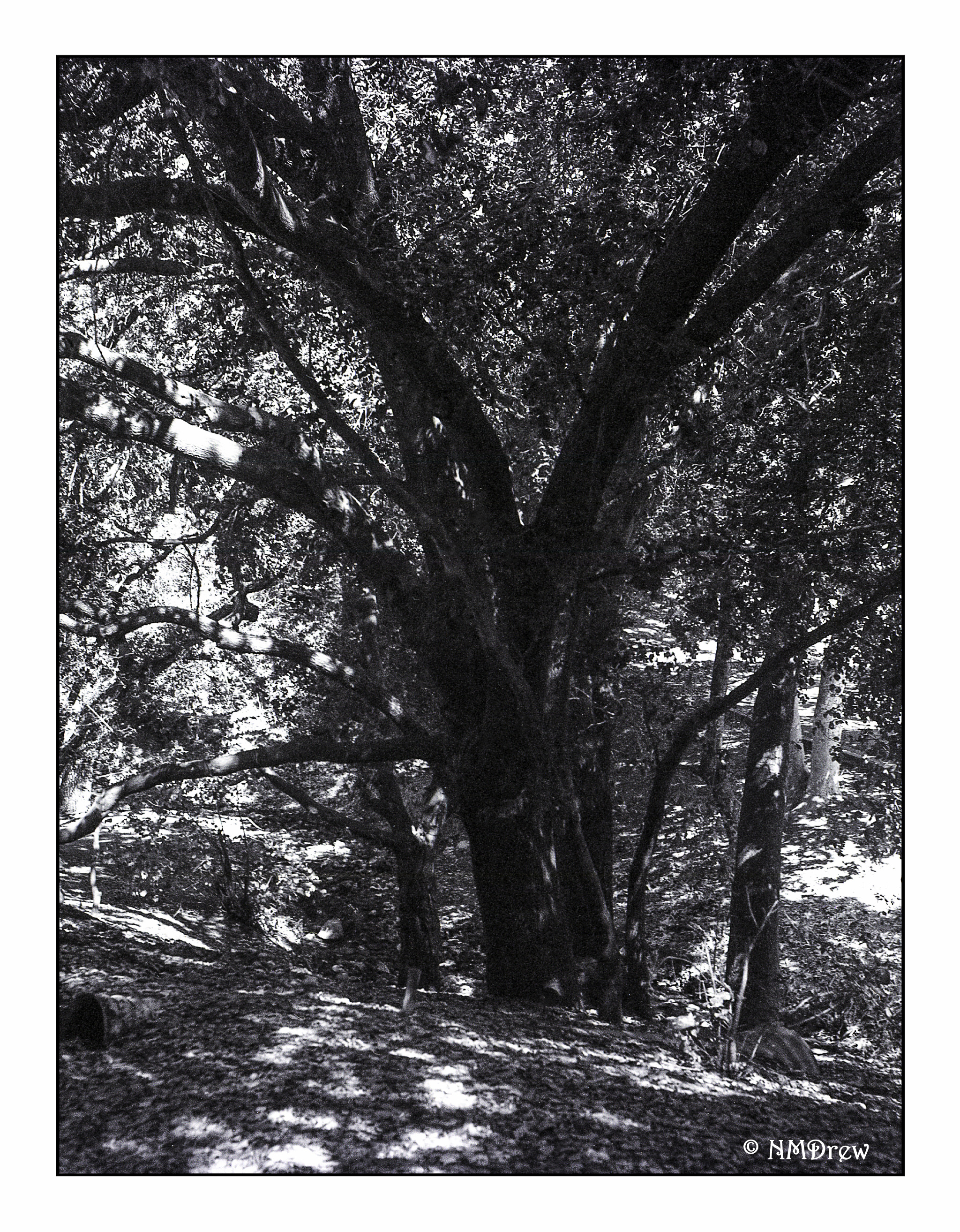
A tree, a sunny day, a canyon, a 1937 folding Welta Weltur camera, a colored filter, 120 film shot in6x4.5 film, Ilford film, a Schneider Kreuznach Xenar 2.8 80mm lens. Such a delight to get back from the lab (even if I have to do a bit of cleaning up in LR)!
If you look closely, you will see there is blur in the image. I finally figured out that the way I was pressing the exposure button was the fault. I did it too quickly, and the result was a sort of little jerk. Motion and blur. That is why some pictures from this roll are sharper and others softer. Interesting how you have to really think about things differently depending on the camera you are using.
Coffee cups are simple, right? Hmm. Circles. Ellipses. Straight lines. Shadows. Reflections.
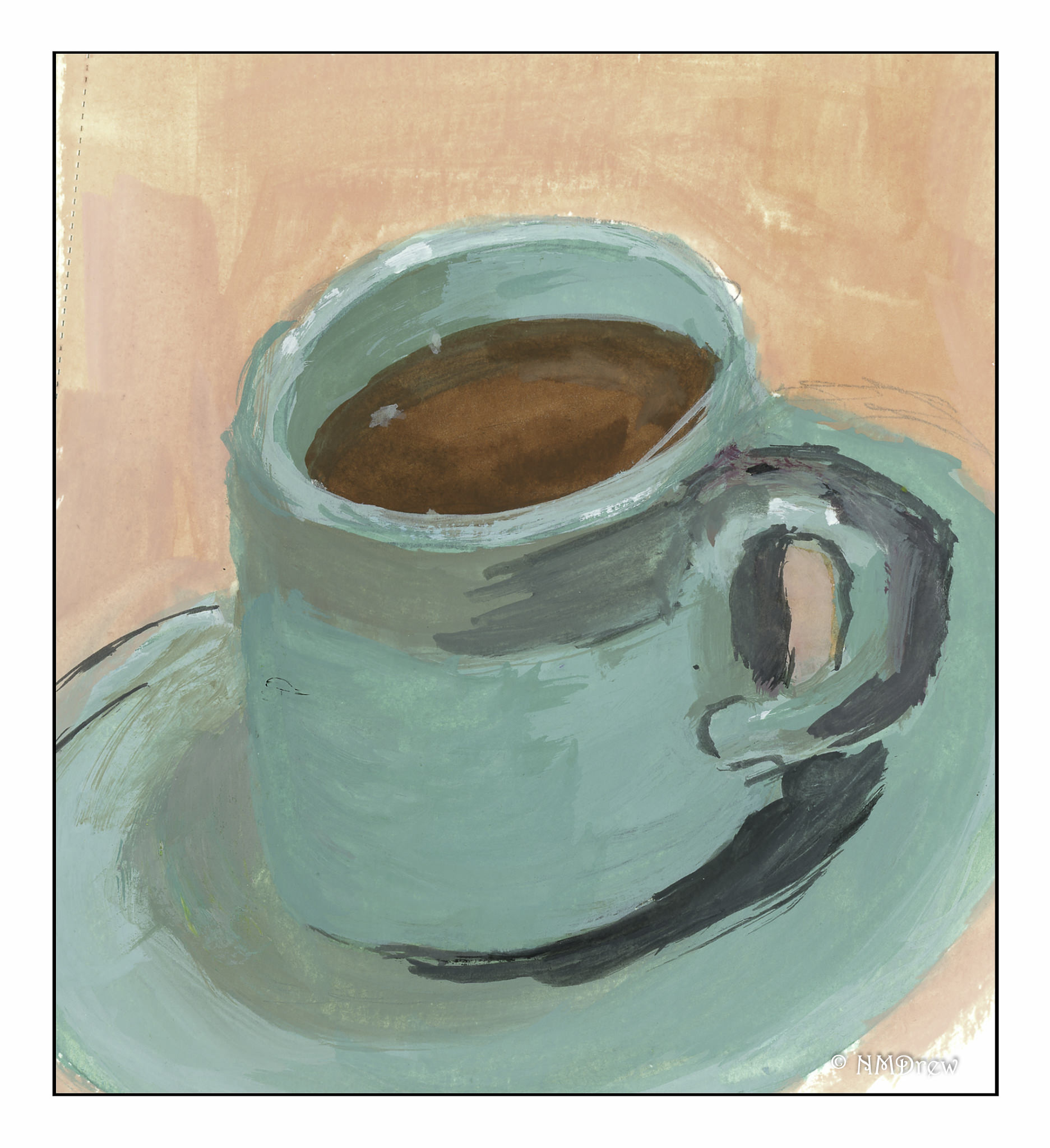
This one is tipping over!
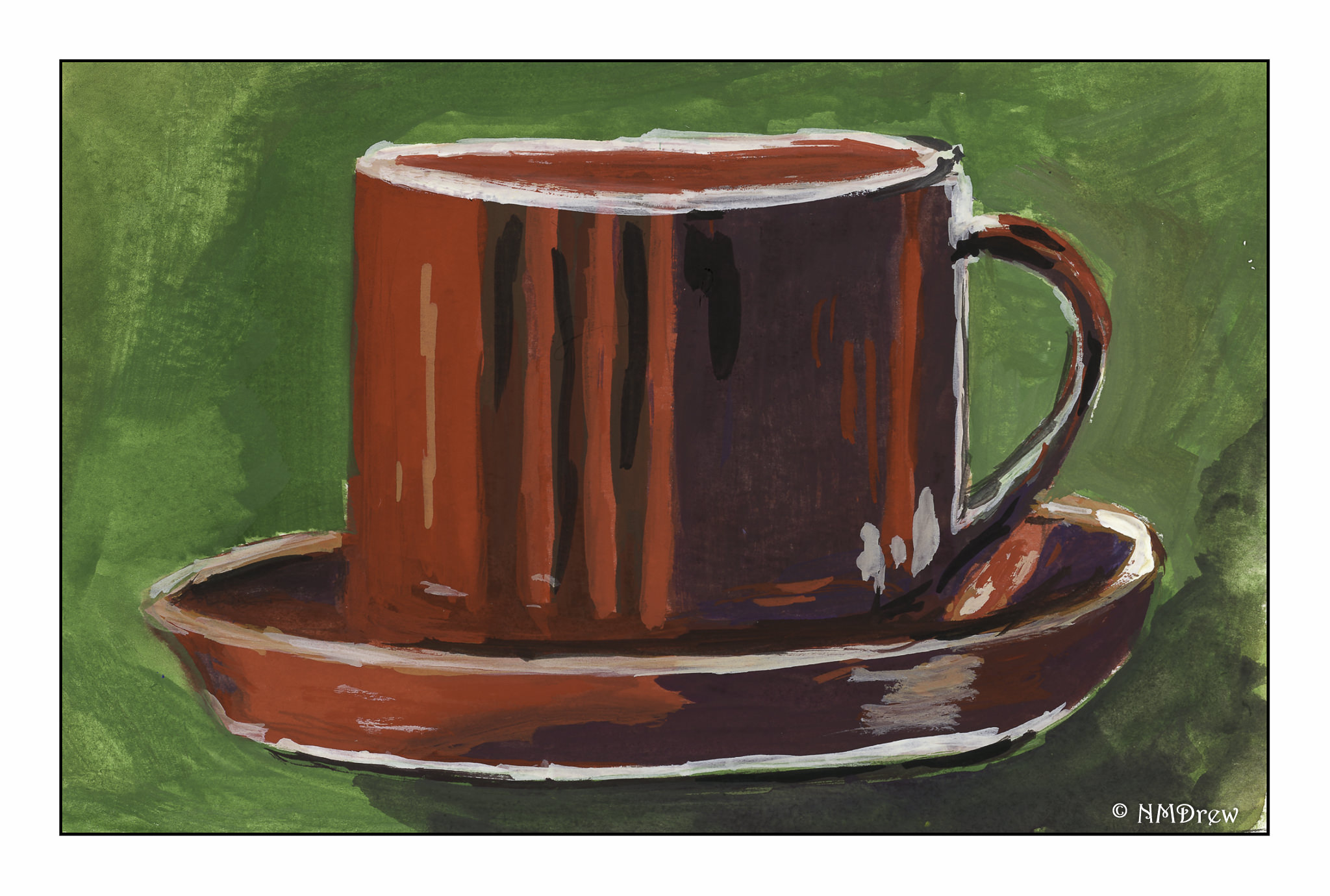
Even with a straight-on viewpoint, the cup is lopsided.

Parts of things are easier to paint because they lack the reference points of a complete coffee cup.
In all of these, I tried to use complementary colors, either as shadows and / or background color.
I really need to learn to draw better!

Today is another gouache, and I will say it is beginning to feel a bit “natural” to be painting in gouache.
Doing all the waves the other day got me in touch with that sensuous quality the paint has when it has a specific texture, as well as the dry brush effect when a bit of scrubbing is needed, and when the paint is very thin. Each requires different ways in which the paint is controlled, by how much water is added, what is below the layer of paint you are adding, and what you anticipate adding later.
One thing I did learn in today’s painting is the value of the hair dryer – I used it so much in this painting, nearly after each layer of paint. This got the paint as dry as it should be and it kept me from working more quickly than is appropriate for gouache. The result was much more pleasing in my opinion and a lot less frustrating.
In painting this window scene, I wanted to accomplish a couple of things. One was a more “painterly” style – a bit looser than say the butterfly of yesterday. The other was to see if I could express the varying light of the shadows as the flowers were buffeted in the breeze. If you think about how shadows move, they flutter, getting lighter at times, getting darker, as the breeze moves the flowers on the sill.

 Ink, Yarn & Beer