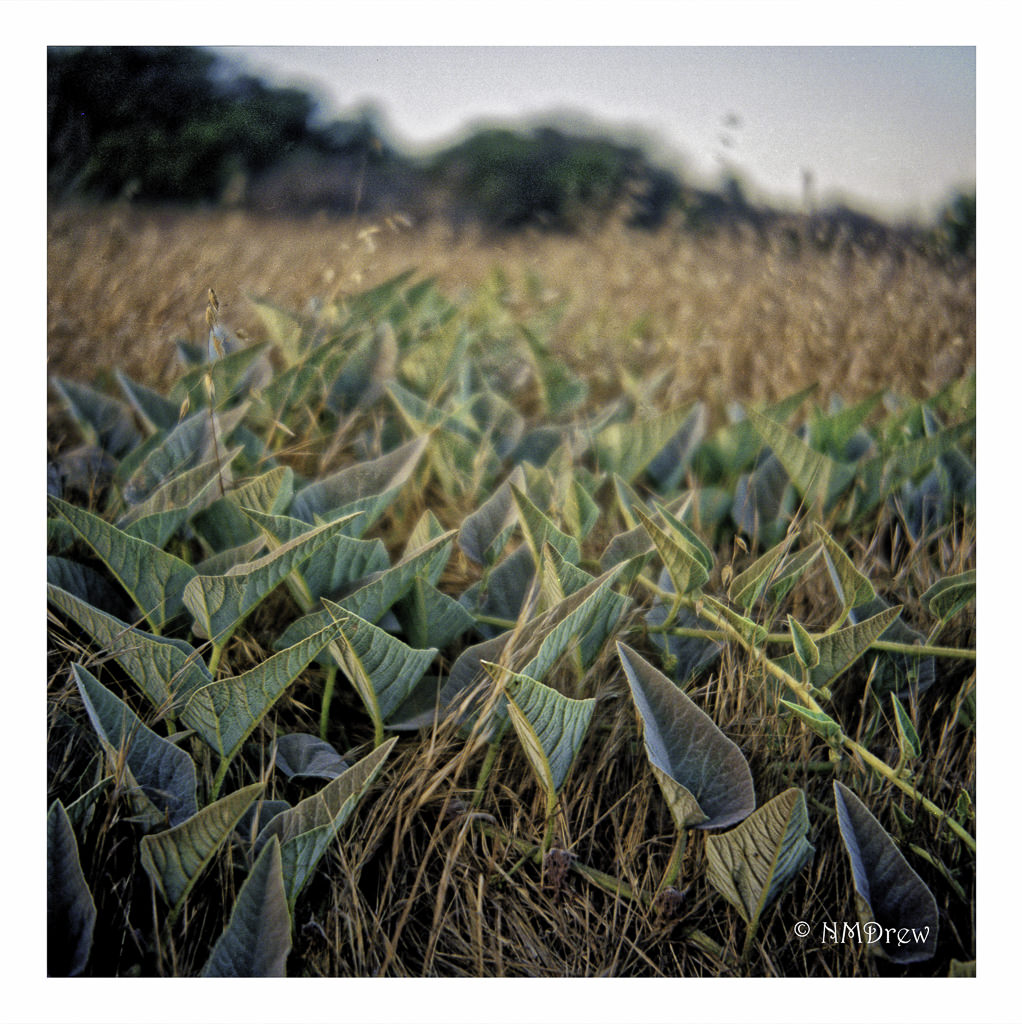
These leaves are soft and fuzzy, a spot of green in a patch of dried grasses. I rather liked the pattern these leaves made in the field.
These leaves are soft and fuzzy, a spot of green in a patch of dried grasses. I rather liked the pattern these leaves made in the field.
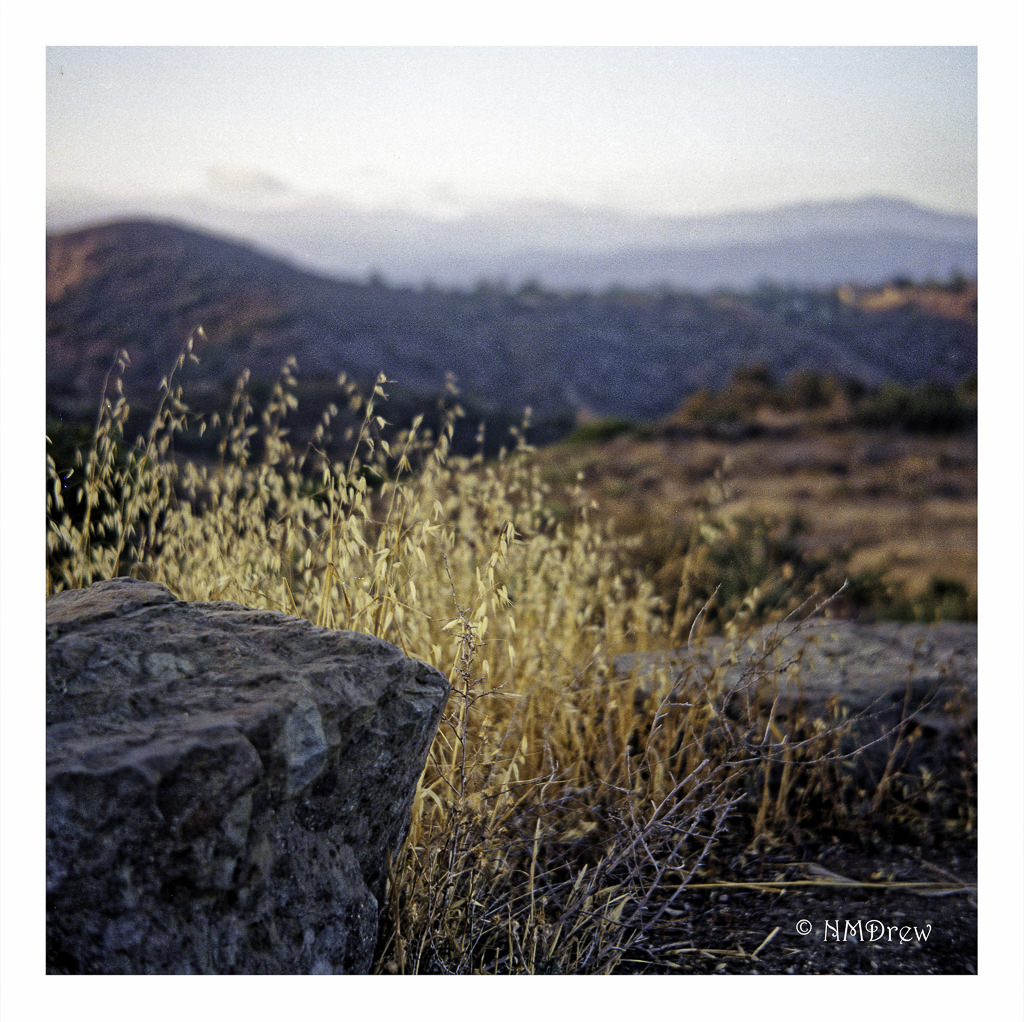
I thought I had put the kabosh on this blog. Cancelled the domain. Now I am having second thoughts. So, here is a recent photo, taken with a folding camera, the Perkeo II, ca. 1952, using Portra 400 120mm film.

With film disappearing – and reappearing – it seems the only new cameras for film are made of plastic and don’t cost too much or else are quite expensive. There is something to be said for both approaches, but the quality of pictures taken with a plastic camera are not as “good” to my eye as are ones made from better quality film cameras, whether old or new.


Of late, I have been enjoying the usage of old folding cameras, made from the 1930s and into the 1950s, which use both 35mm and 120mm film. Besides the folders, I do have some SLRs, but, those are for discussing another time. The folders are weird (compared to today’s digital) and definitely slower. I mean, you have to get the film developed, or do it yourself! The majority of folding cameras use 120mm film, but 35mm did make its debut in the 1930s, popularized by Leica.


When I become interested in something, I tend to end up with a small collection. That is what has happened with folding cameras. I have ones which range from 6×4.5 to 6×6 to 6×9, all in cm, not inches. They use 120 film, and the results can be great to deplorable, but always interesting. The 6×6 square format is perhaps the most challenging because the viewfinders are offset and the image – as is for all of these kinds of cameras (non-SLR) – but with a square format, the eye wants to move into the center.


So, here are some images. I plan on taking some of these cameras up to the Sierra Nevadas next week, along with a digital or two . . .

Meanwhile, I hope you enjoy all these square images, taken with an early 1950s Perkeo II by Voigtlander, sporting a 75mm Color Skopar f3.5 lens, and Portra 400 film by Kodak. Post in LR and other critters.


Yesterday was a nice day – trip into the San Fernando Valley and then to Glendale and Pasadena with a friend. We visited the Norton Simon museum. I haven’t been there in ages, and I think the last time I was there was sometime in the last century (doesn’t that sound great?)! Walking into the galleries was like meeting up with old friends. I caught up with Gauguin and Fragonard, to name a few, and met some new friends, too, like Georges Lacombe.

Others were out in the sculpture garden, Maillot and Moore. In between, a strong cup of coffee with pastries and conversation, topped off with dinner and home. I’ve forgotten how much of a wonderful experience a great museum can be! Oh, we took some photos, too.

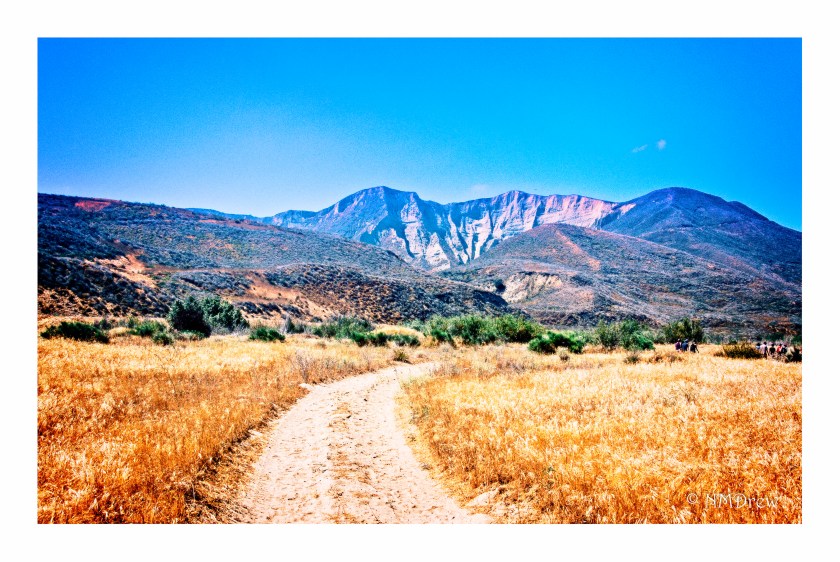
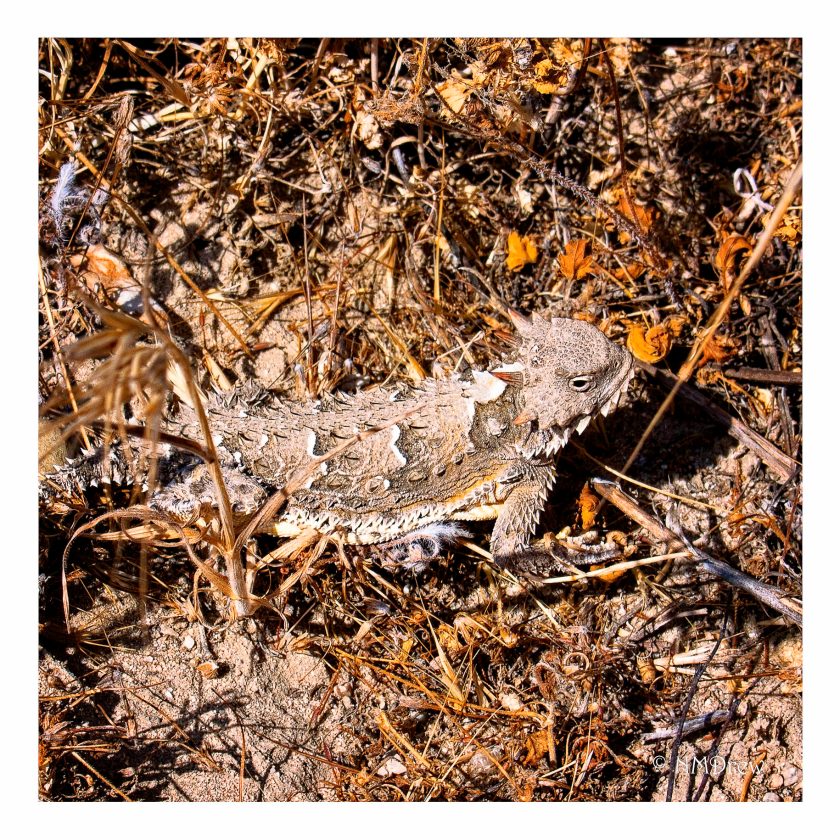
Meetup groups can be a great way to make connections, to do and learn about new things. Lately, I have been going on walks with the local Nature Conservancy group, and enjoying it immensely. I am amazed at what I see and what I learn. There are a lot of sharp eyes – the leaders spot things I wouldn’t notice, like horned lizards, and mountain lion tracks. Yesterday, we wandered over to Santa Paula, California, to explore the property the Nature Conservancy has there. It is up against the mountains and along the Santa Clara river, which is one of the last open rivers in Southern California – “unmolested” as Amy (the leader) says.
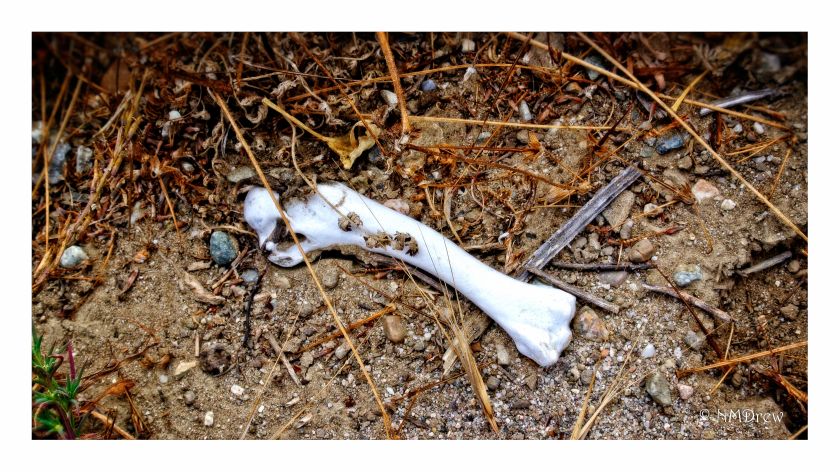
This hike consisted of a group of young men from a church in San Bernardino to a couple of young kids who found a horseshoe with the nails still in it and a feather from a red tail hawk. All told, there were about 15 of us. There were people I had met earlier – I expect they are regulars, as I am becoming – and newbies, too, who weren’t “new” to the world of nature, but just to me. Some had amazing knowledge of plants and animals and the ecosystems involved.
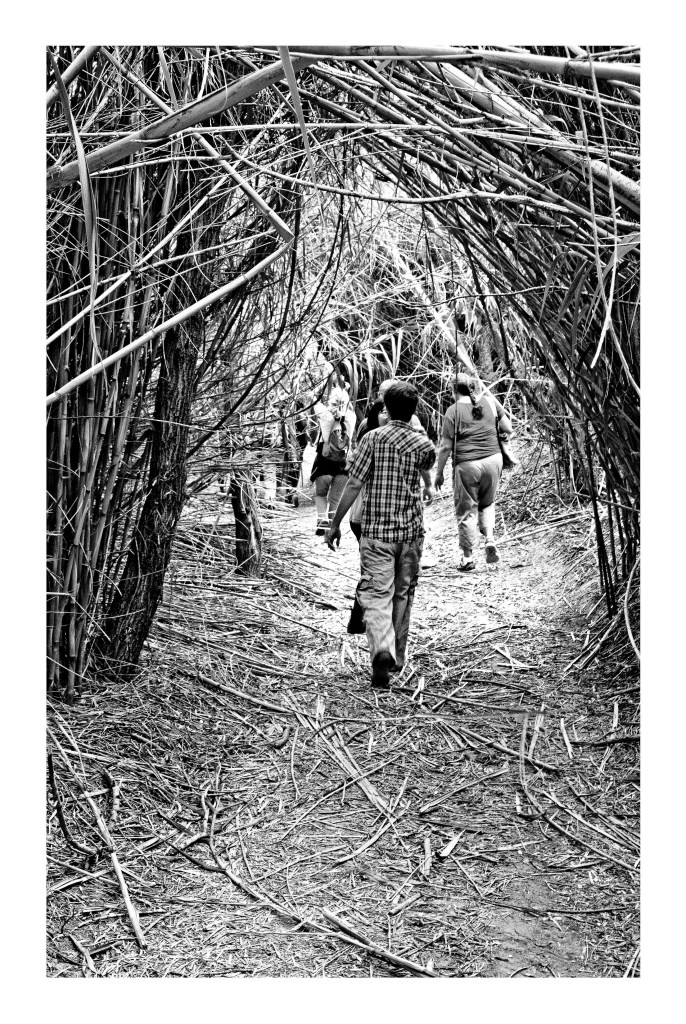
Probably the most interesting part of this hike, for me, was to learn about the invasive species here in California, and their negative impacts. These plants include arundo donax, black mustard, and fennel. They are everywhere. The arundo donax is an import from India and was used to control flooding along rivers. The problem is that it is very invasive and dense, crowding out native species. Black mustard was spread (supposedly) by the Spanish missionaries as the wended their way up from Mexico into California, using it as way to mark the trail from Mission to Mission. Finally, fennel (which has a taste similar to anise or licorice) is an import from the Mediterranean. Each of these plants are very familiar to the California landscape, but extremely, extremely difficult to eradicate. Each has changed the native landscape in its own way, not for the better.
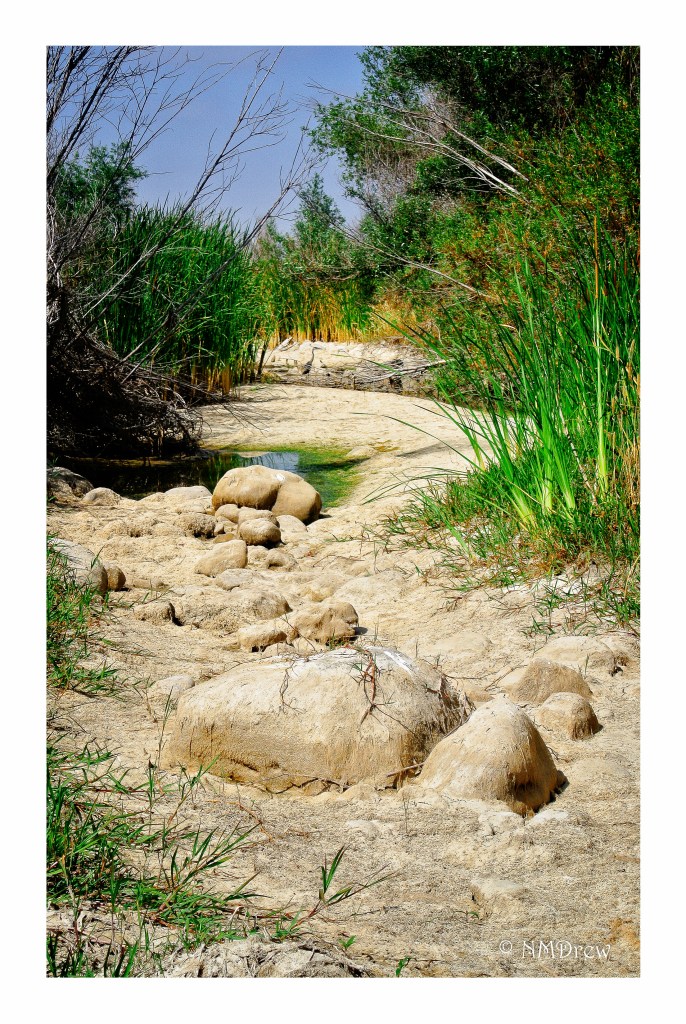
Native species along the Santa Clara river include mountain lions, badgers, egrets, herons, coyotes, pond turtles, yucca, buckwheat, cat tails, bull rushes, black walnut, red tail hawks, and a lot of other plants and animals adapted to the dry climate. The Santa Clara river itself is not a river as one might think – not like the Mississippi – but a seasonal one which varies depending on the rainy season. Some years we might see it wide and filled, other years a bit more than a trickle. Where we trekked there were scattered ponds, low areas surrounded by cat tails and clogged by the arundo.
Many people think that everything in So Cal is just a freeway . . . it’s not. There are a lot of open areas filled with life. You just have to get out to look for it! Below is a gallery of images.


