Foxglove & Milkweed

After all the stress of fire and fears of fire, no electricity, setting up a generator, yesterday was just a nice, normal, and pleasantly dull day. The usual daily chores got done, things were cleaned and straightened, the yard cleared of debris. My fig tree is also pruned and ready for its next crop – the first new tips are already pushing their way into the world and bulbs are sending up new growth. Little things like this make for a much better day.
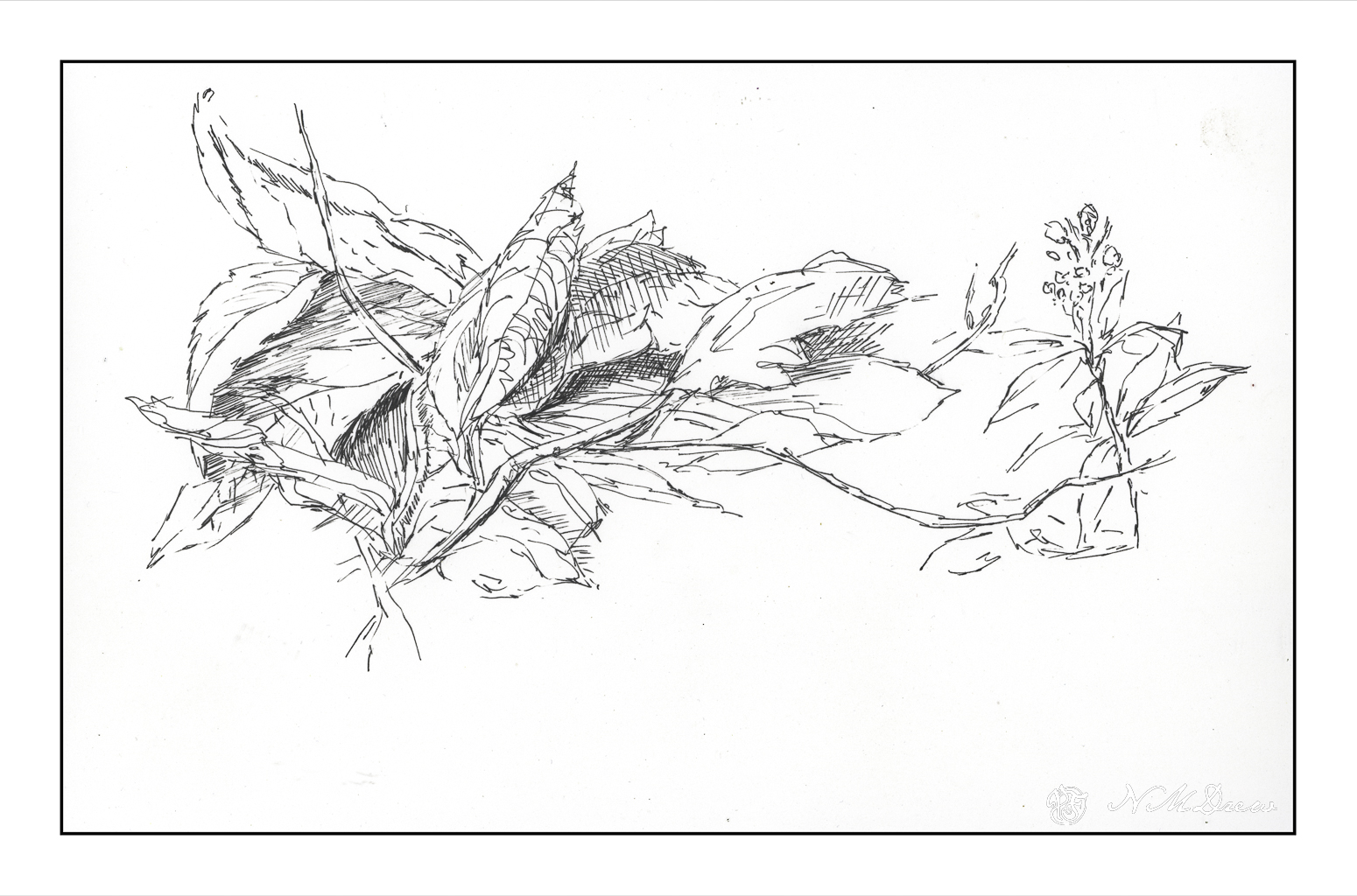
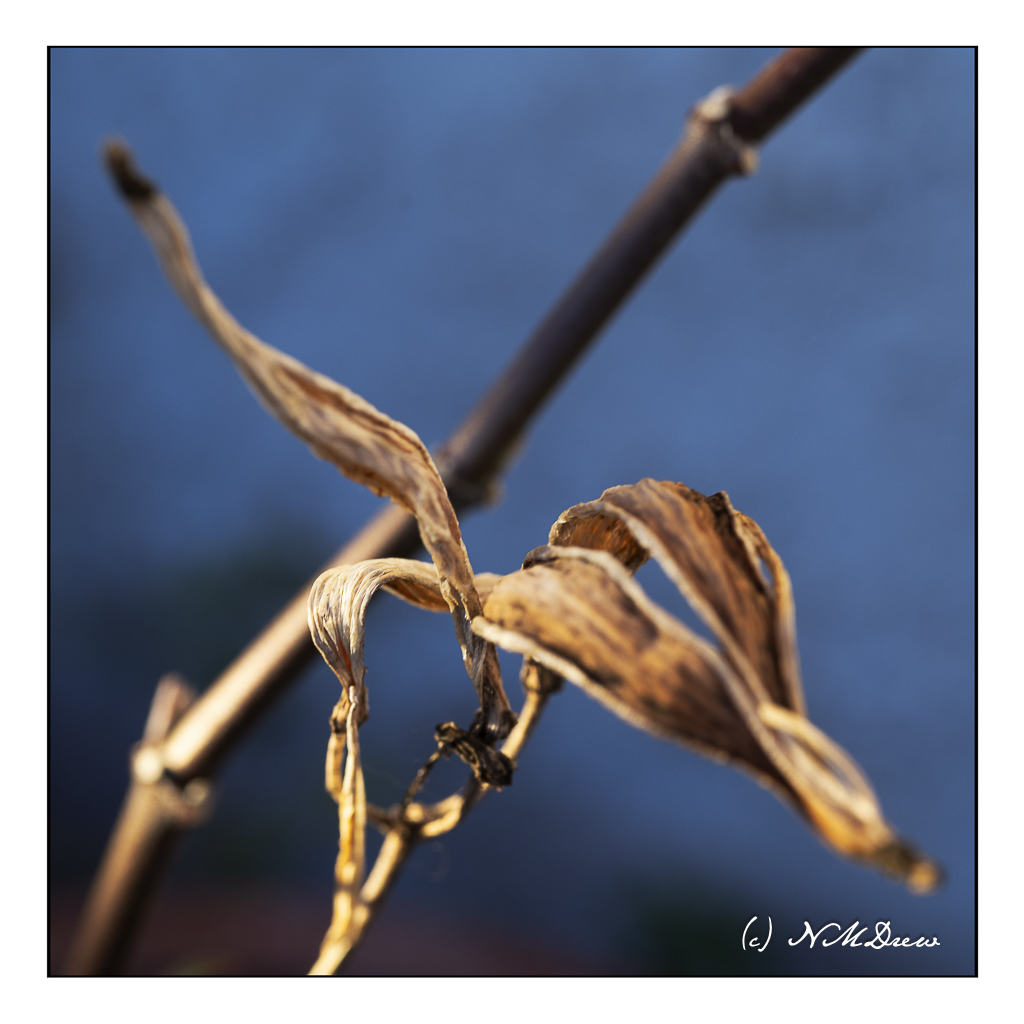
I got to see all this, and then settle onto a patio chair just to look around. With wind and cold, being outside was not much fun, and certainly not a place to sit with pen and ink. With it gone, I could settle and sit, enjoying the warmth of the day. And draw . . . above is a sketch of my dead foxgloves – the leaves are dried and flopping over the edge of the pot, under and over each other, and into the milkweed plants.

A friend gave me a wonderful pen, a cheapie from Amazon. The ink is waterproof, and the tip is fine. The paper I am drawing upon has a bit of tooth, and the result, for me, is wonderful. When lines are drawn more quickly, the ink breaks up and gives texture. The pen point is sharp enough to deliver beautiful dots. In between, the lines are steady and solid. All together, a great drawing experience.
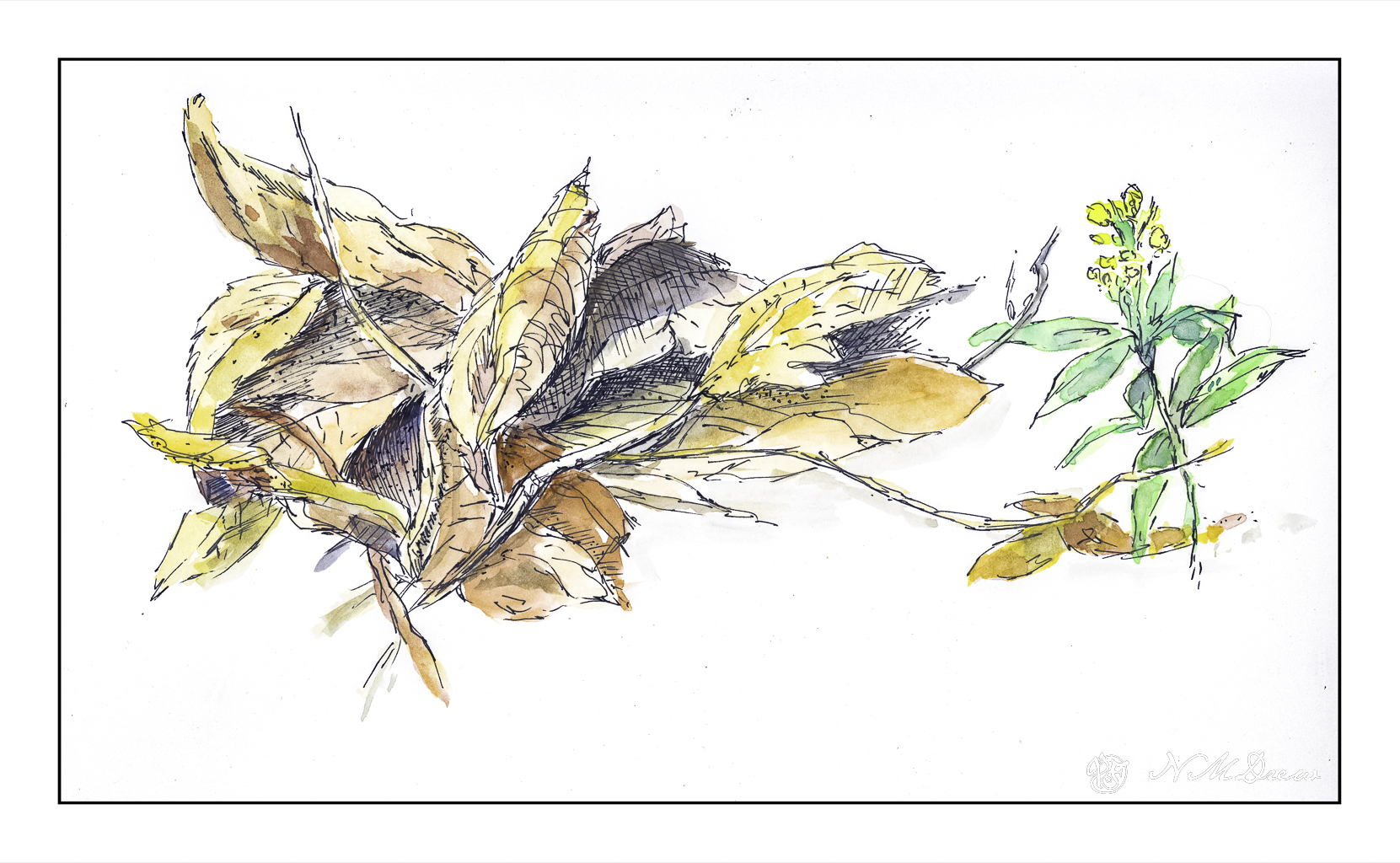
A few years ago, Josh and I spent a number of days in Decorah, Iowa, and there I found a lovely little stationary – art supply store. An inexpensive set of pan paints was available, and I have found it to be perfect for adding color to an ink drawing. The colors are intense but not overly so, and seem to be of a transparency many fine watercolors possess. I have been using it a lot for such pictures. The colors mix together well, and with a light touch with water and brush, these paints (with a bit of help from yours truly) work very well with delicate drawings.

Ink, pen, watercolor on multimedia paper. About 5 x 10 inches.
2024 Resolution: Schedule or Agenda?

Schedules are usually events fit into a time slot, like a dental appointment. An agenda is still something to do, but perhaps a bit more open ended. After working for years in a world regulated by bells and students and patients with exams, I really dislike – or don’t want – scheduling as a daily event. Agendas give a sense of potential – something to do, perhaps a vague something, perhaps a timed something, perhaps a definite something – but there is much less a sense of obligation.

I like agendas better than schedules!

As with most people, I make resolutions for the New Year, and this is one I struggle with quite often. I don’t think I need to schedule time to paint or sew or whatever. I just need time to do it. Thus, this year I have determined that 2024 is The Year of the Agenda. 

And what does this mean?

Simply every other day I will change my choice of something to do on alternate days. Visual Art one day and Fiber Art the next day.

Problem solved.

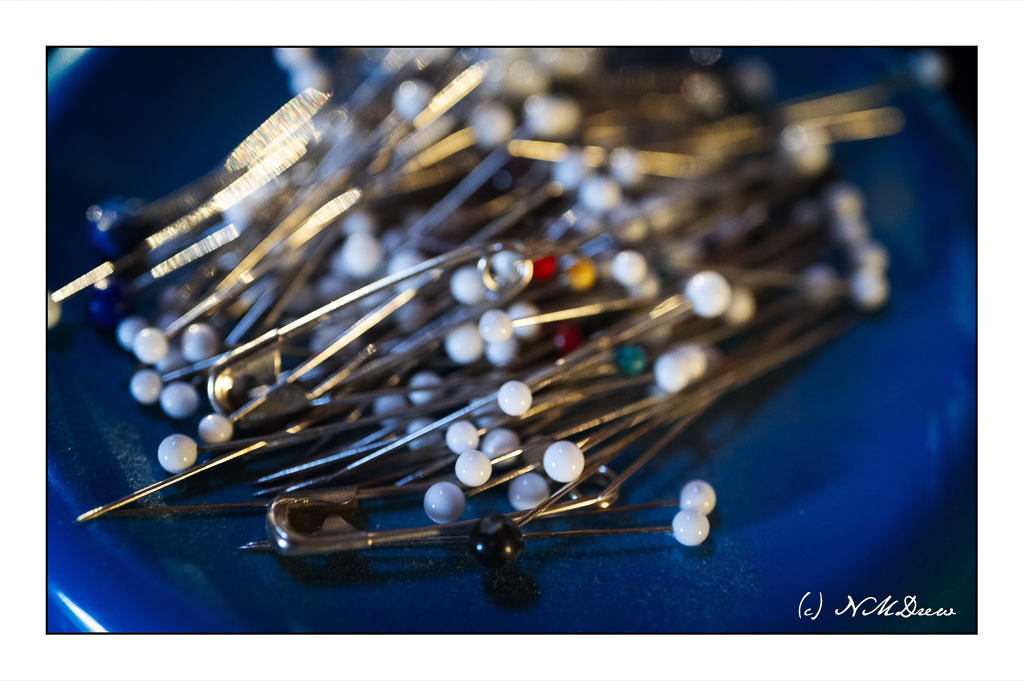
And so, below, some of today’s Visual Art . . . . taken with the Nikon Z 50mm f2.8 Macro lens.

Potted Flowers without the Pots

I wasn’t interested in the flower pots these potted flowers are in, so I left them out. Now they are unpotted for your perusal.

Above are what are supposed to be little daisies and some lobelia. More negative painting practice, which didn’t really work out, but I did try it, both around the daisies and then painting green onto green in the greenery.

Venery in the greenery anyone?

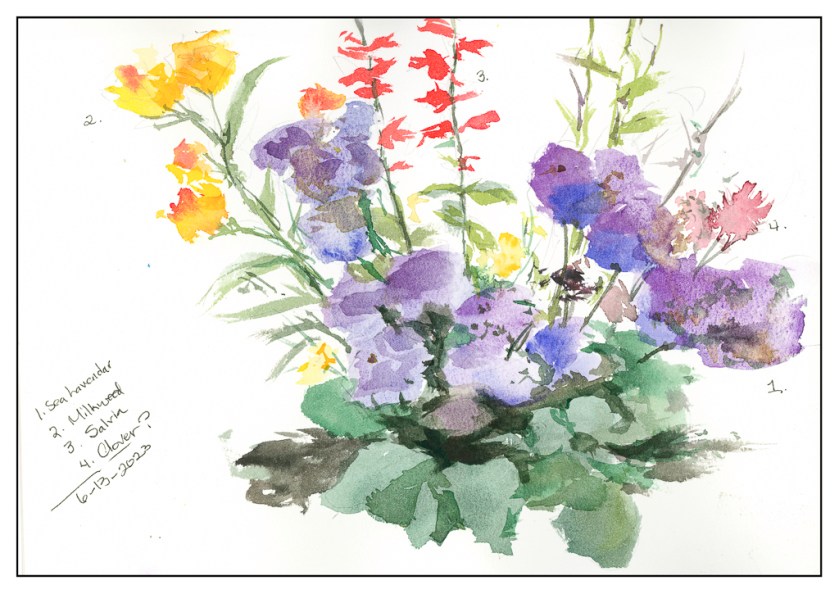
I am much happier with this painting than the first one. Some negative painting, such as in the leaves and in the lavenders of the sea lavenders. With both, but particularly the sea lavender, I also tried to merge colors in the wet washes. There was a cauliflower which occurred in the far right sea lavender, but too much working on it made it a bit more messy. My mind was on painting colors, not really on patience of waiting for things to dry a bit – hence the cauliflower.

I worked on these this morning, painting on the patio in a bit of a gloomy day, but it was certainly pleasant enough. Being outdoors while painting certainly is beginning to have its appeal; now I think I might take a handcrank sewing machine outside to enjoy more of this summery now sunny weather whilst I sew!

Butterfly in Waiting

The Very Hungry Caterpillar by Eric Carle is one of my all time favorites. Story is good, but for me, the illustrations make it!

We have a wild and wonderful gardener in our family, Am, who got several of us started on milkweed plants. As a kid, we had them in the midwest, but they were very different than the ones which are the dietary staple of the monarch butterfly. She hands out plants to whoever wants them!

This seems to be my butterfly nursery. This is only one of many fat caterpillars – hopefully they are forming cocoons and not getting snatched up by the local wildlife. Sad if they are, but hopefully not, but such is the cycle of life.

Milkweed

Milkweed is a plant the oozes a milky substance when injured, such as cutting it. This ooze is rather thick and can irritate some people. When I was a kid, the milkweed in our area produced big pods that split open, and all the seeds flew off in the wind. It was always a fun thing to see.

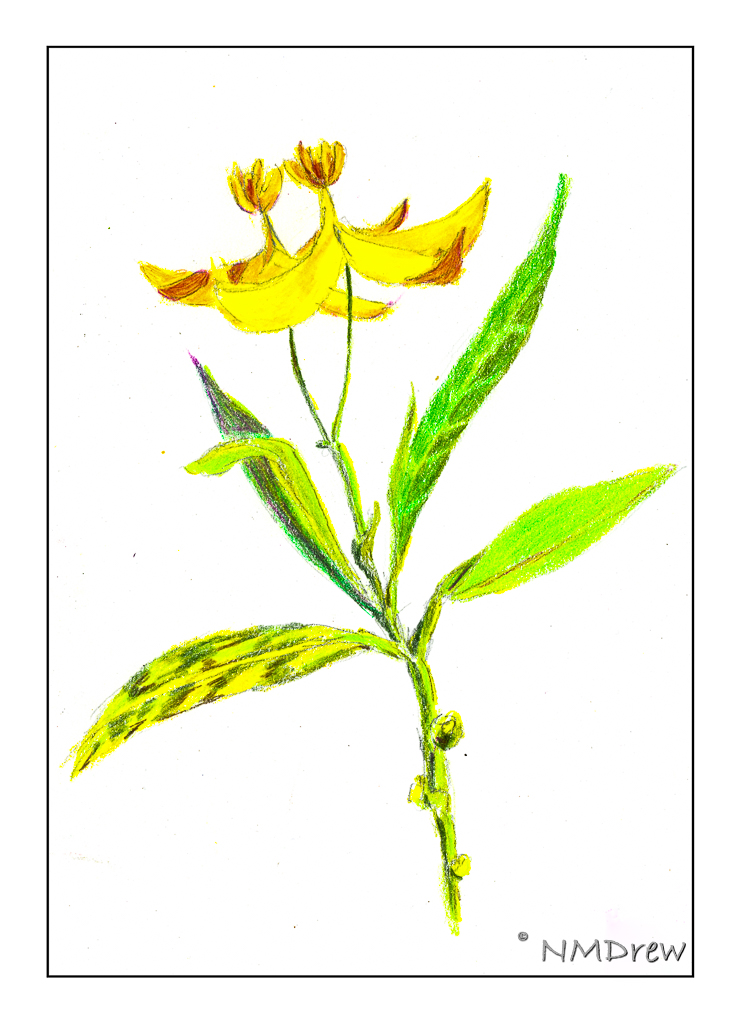
Here in California – and I expect much of the western US – there is a different type of milkweed. This one is vital for the health of Monarch butterflies, and sadly, its presence is diminishing. The result is fewer butterflies every year. There is a concerted effort by gardeners and conservationists to propagate the milkweed, as well as to preserve it in the wild. Like the plant of my childhood, this one oozes and has windborne seeds, but has flowers (don’t recall ever seeing milkweed flowers as a kid) that come in yellow and dark orange.

I have milkweed in my garden, thanks to Am, my lovely auntie! Last year I lost it all because of rats, along with my lilies, but this year, thanks to bait stations, it is surviving. So, yesterday, a bit restless, I took out some Polychromos pencils, a pad of paper, and got to work.