Got a Lomo LC-A (plastic variety) for a birthday present. And some film. This is the first roll developed – looks all scratchy and dusty. Do I like it? Hmmmmm.



Got a Lomo LC-A (plastic variety) for a birthday present. And some film. This is the first roll developed – looks all scratchy and dusty. Do I like it? Hmmmmm.
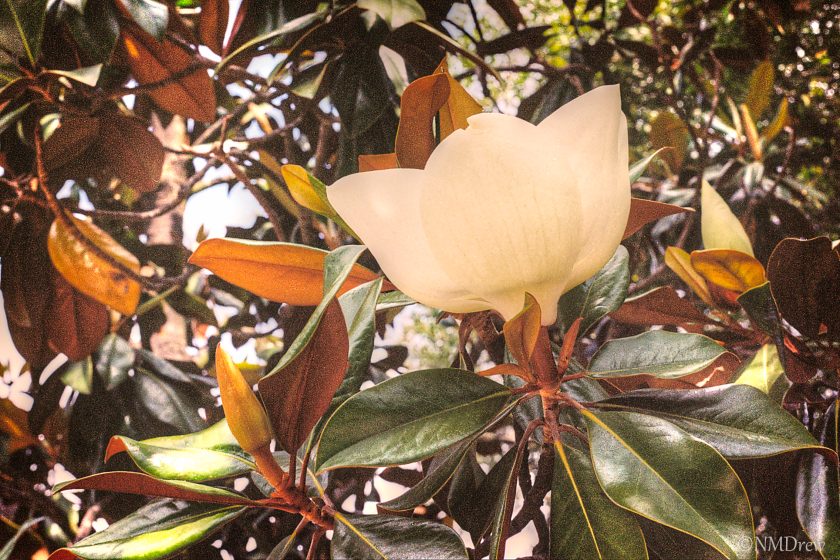
I am always amazed at how big magnolia blossoms are!
Yesterday I went out with two film cameras – the Canonet QL17 G-III rangefinder, and a new-to-me Nikon FM2N. The former I have used in the past, and know it is in overall good condition. The Nikon, though, came from eBay, and is a well-used camera. There is dust in the prism and mirror set up, but I didn’t know if there were any light leaks, so I needed to test it out before anything else. As a note, none of these pictures have any post-processing; they are as they came from the local pharmacy.
QL17
My past complaints with this little camera was my inability to really “get” the focusing. This time around, it was better. As with anything, practice helps. These pictures were for practice on focusing, and getting a feel of the exposures. The needle for the exposures no longer works except when the camera is on “A” – thus, out comes the light meter. The light meter did a great job. Subject content aside, here are some results of my practicing with this camera, indoors and out.
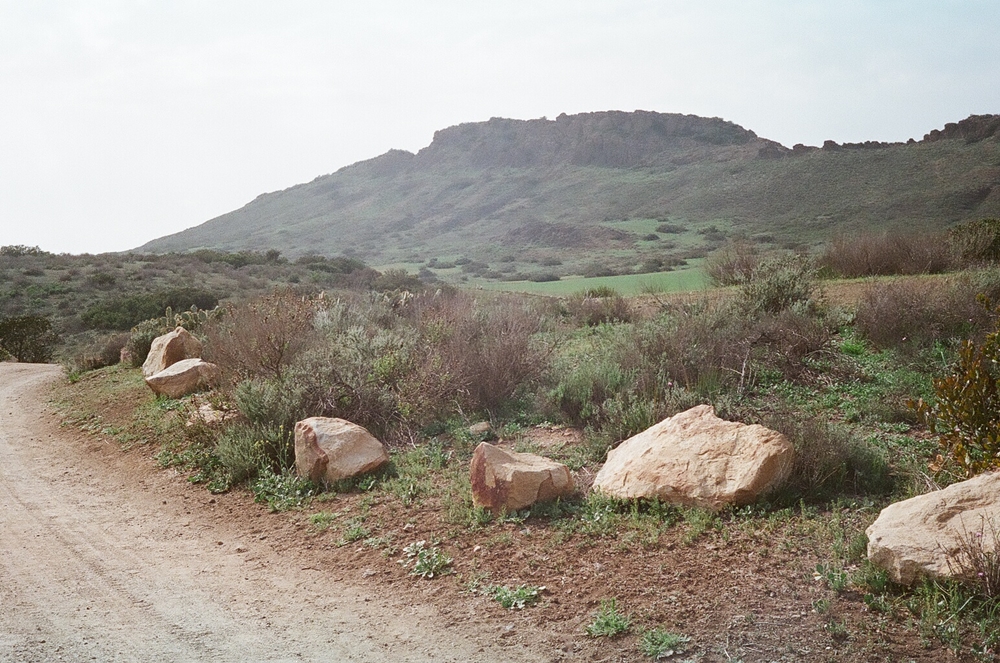
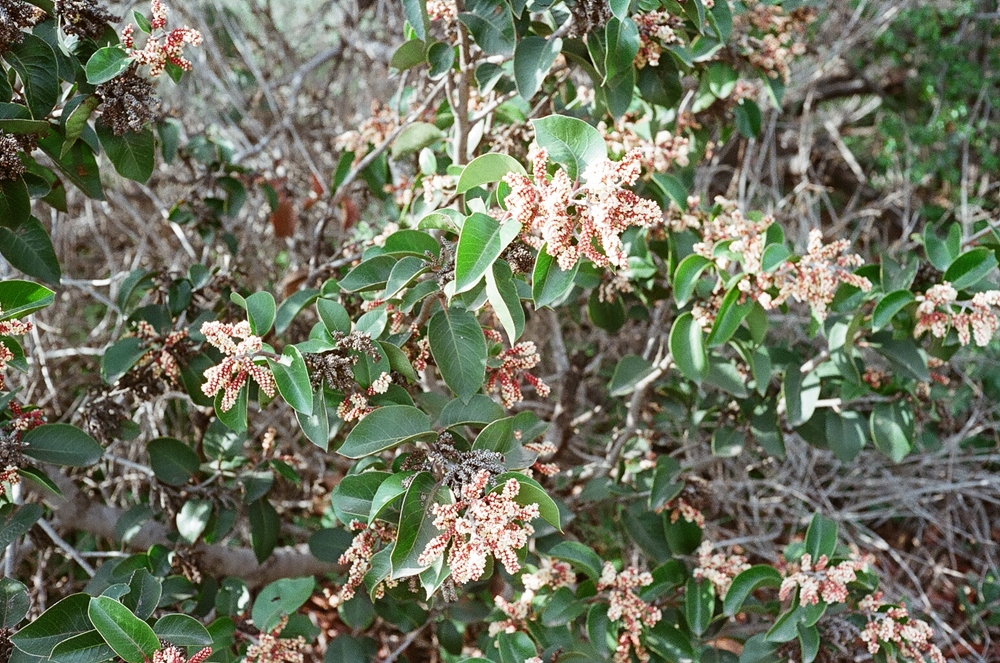
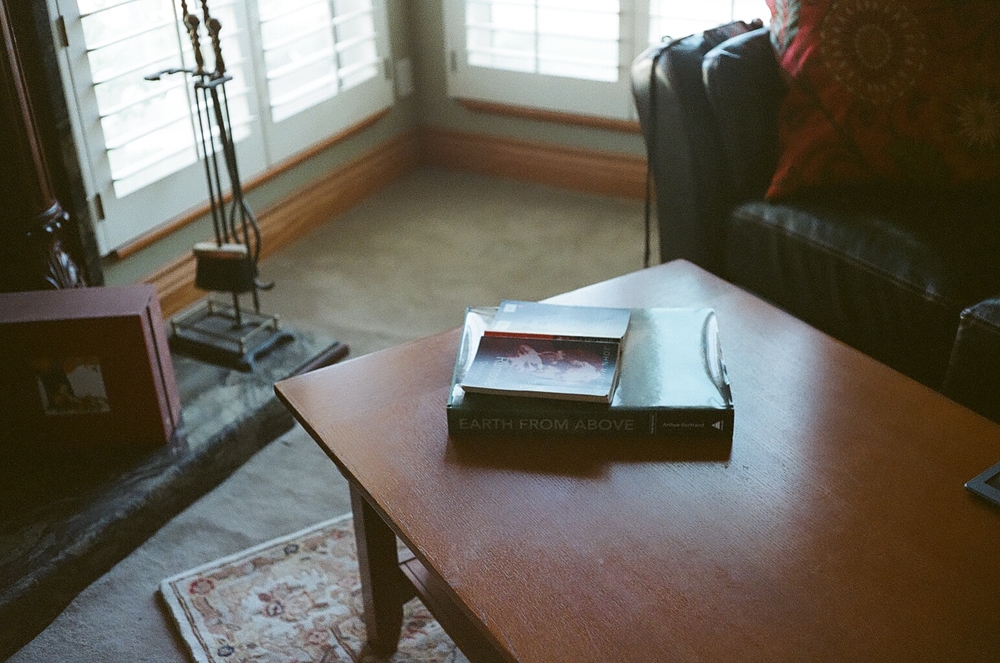
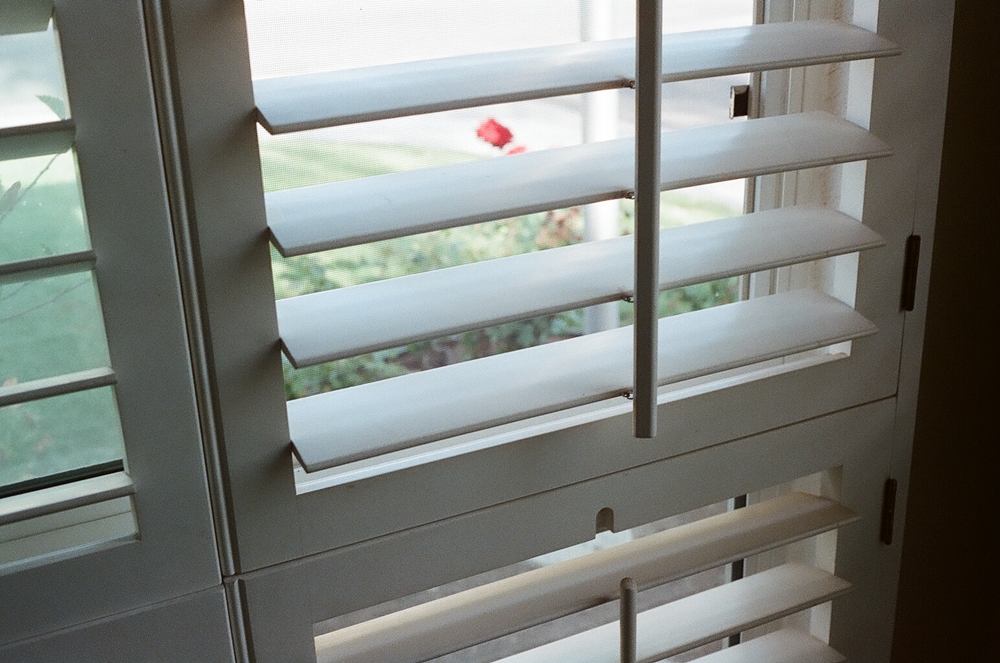
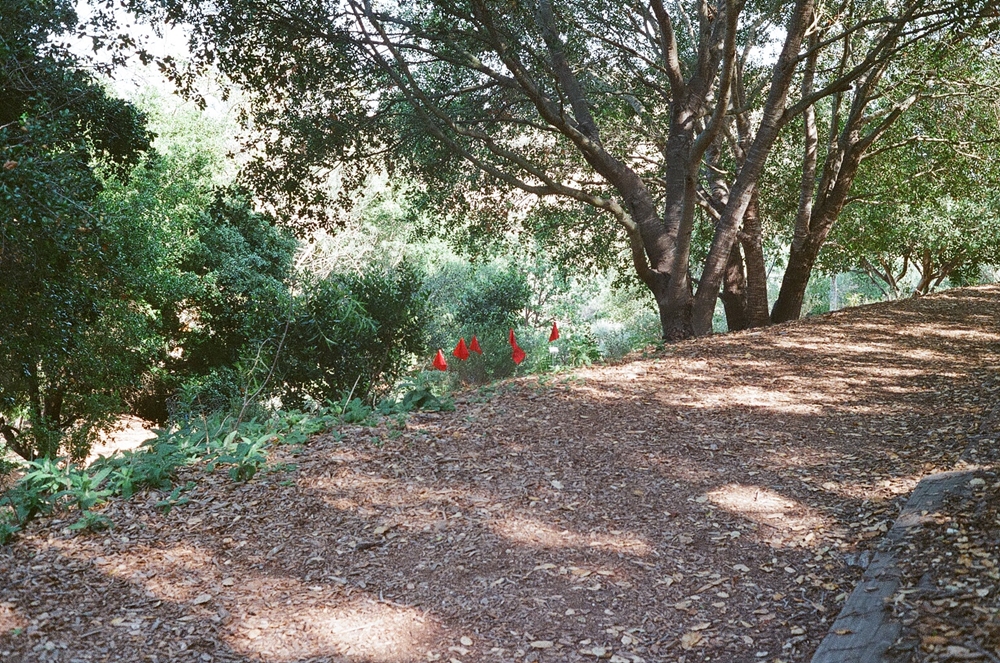
This had a Kodak film in it – and I forget which one! I do know that it has been in the camera for a few years. I like the colors. I also see I will need a polarizing filter on it to do justice to the skies, or else use an ND filter for brighter situations.
This little camera has a permanent lens, a 40mm 1.7 that has a good reputation. In general, I am pleased with the camera; now I have to work with it in different situations.
Nikon FM2N
This camera is a small one, and well-rated in general terms of build and quality. I got it because I can attach any of my Nikon F-mount lenses to it – a definite plus considering my digital camera is a Nikon! The ones which will not work on it are any of the G lenses, as they interface with digital cameras to focus – there are no focusing rings to use, as there are on the D lenses or earlier. It can take AI, and AIS, but not the non-AI lenses. I used a 28mm close-focusing Vivitar lens. Here are the examples I took, using film from the local drug store, Fuji Superia Xtra 400.
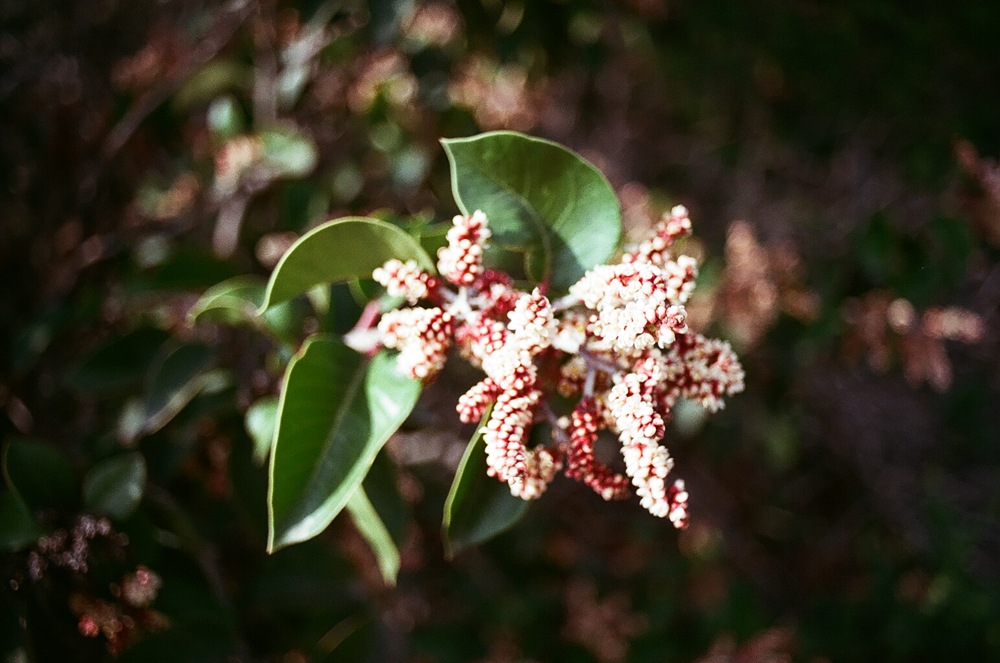
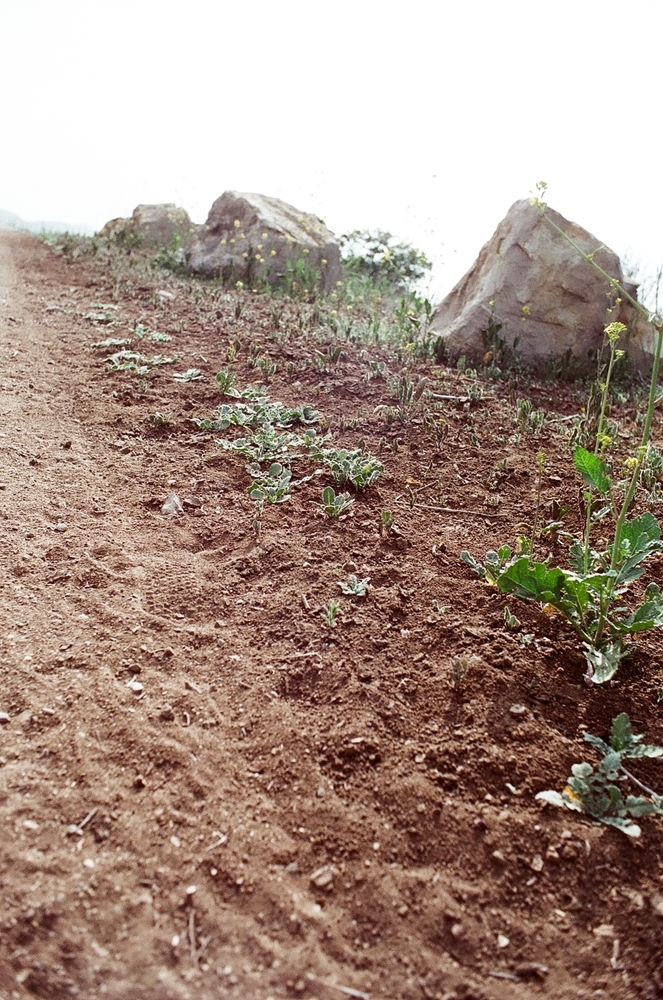
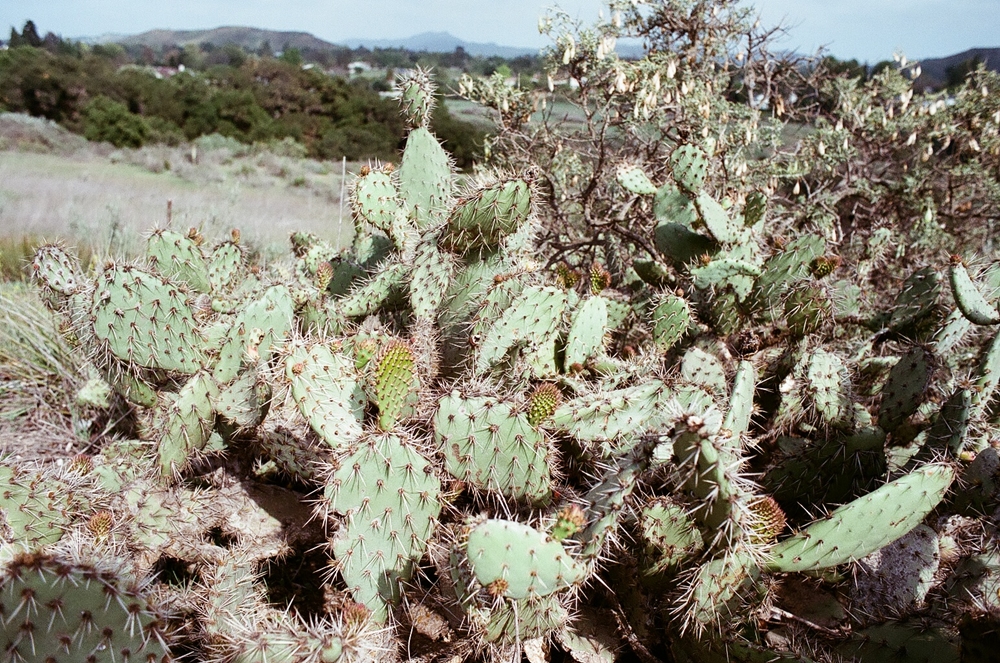
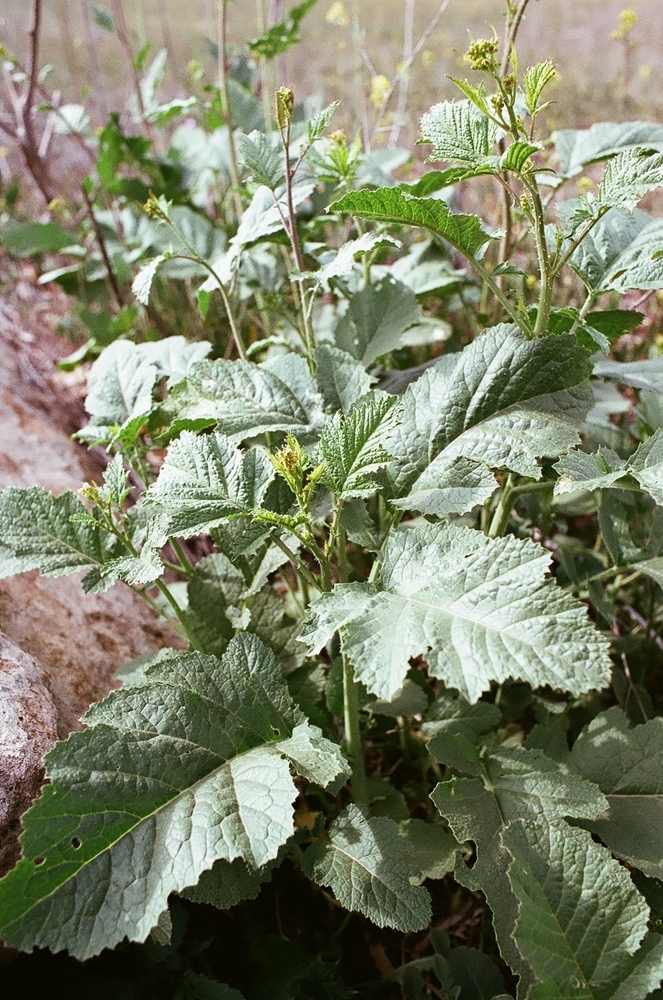
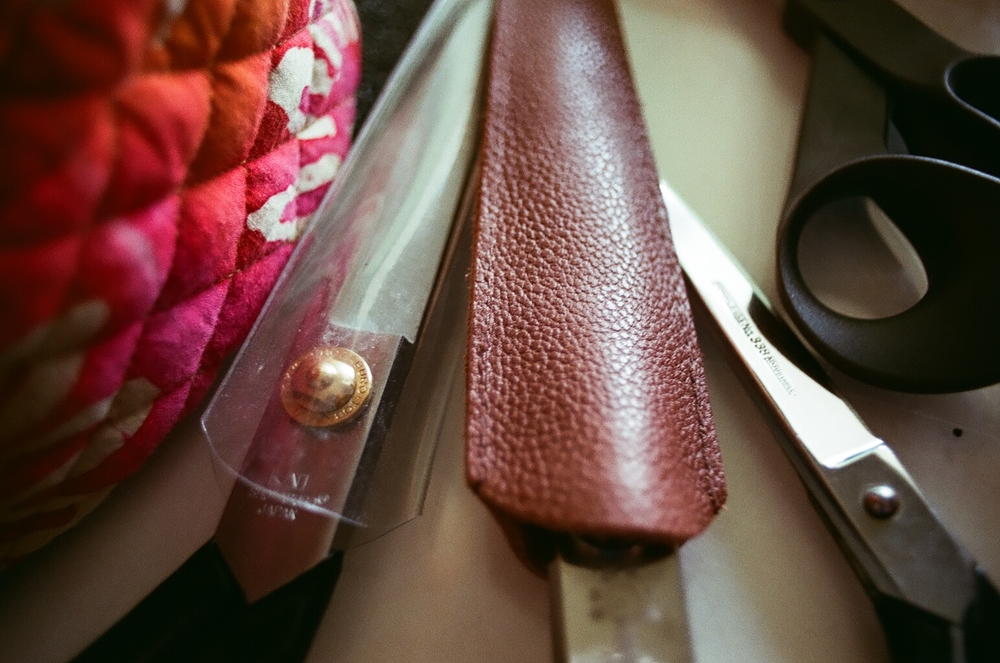
The Fuji film is a bit more punchy, perhaps, than the Kodak. Obviously, no light leaks. The metering system in the camera works, using +, 0, -, and a combinations thereof. It was nice to be able to use a different lens, and do some close-up work as permitted by the lens.
Conclusion
I like both cameras. I am indifferent about the quality of the pictures, and this makes me wonder about the quality of the films, but this might have no bearing on anything. I plan to head out to a place I photograph a lot, just to see what I can put together.
Another issue is the processing. Since my needs were pretty simple – light leak? no light leak? – my demands were not high. However, I am not too pleased with the size of the jpgs I got back from the local fast photo – few over 1 meg. Way too small to edit. However, now I can play with some of my resizing software to see what the results might be, and perhaps I won’t be too disappointed.

There are a lot of “try before you buy” video editors out there. Some allow you to publish a video without blurbs on the final product which tell the whole world who they are. Others do it, which is annoying, but they can be removed with some editing. Some programs are fairly intuitive – which is important if you don’t know a dang thing about video editing – and others come with decent tutorials and help sections. Some are slow to load, hard to see, confusing, but full of cool devices. Others are not, but have online resources which you can use to create your own what-is-needed, like a title or template. To get what I want I have been swapping between a number of programs, but expect I will eventually settle on one. I really appreciate 30-day windows to try out stuff! I’ve been rather confused and frustrated, but am beginning to understand a bit about them. One thing I do know is that over-processing the videos is occurring, and a lot of quality is lost. As long as you don’t watch them in full-screen mode, the quality is okay.
Sunflower Sunday
As always, my weekends are far too busy, but I do make time to have fun. This weekend I was determined to try out a different set-up for the Zi8. When I work inside in my studio (office, spare room, whatever!), the camera cannot be easily placed where I usually work. My painting area is part of an L-shaped computer table, and the camera really is best placed to my left. Unfortunately, the computer area is also to the left. I have tried all sorts of gyrations, but nothing was especially great. Practice will eventually create the perfect set-up.
So, I decided to try it out on the patio, and it worked out pretty well. I could get the camera over to the left of the chair and angle it so I could film as if the viewer were looking over my left shoulder. The key was to place the feet of the tripod perpendicular to the table – this way I could scoot the chair back to stay out of the picture, but not knock over everything if I moved. All this worry creates a very stressful painting situation, but this time I actually felt fairly comfortable, and ended up painting and filming – turning the camera on and off with the remote – for quite some time.
The result was a 15-minute video on painting sunflowers. YouTube has both a size and time limit, but I decided to try it anyhow. No dice. I tried to compress the video into a 10-minute segment, and all I ended up seeing was a black screen. Thus, I had to divide the video into segments, which was not easy until I got into another software package. I was able to edit out sections with pauses, and divide the sections into different videos with different titles. The final result is two videos!
Painting Sunflowers in Sumi-e: Part One and Part Two
Here they are! YouTube also allows you to do “audioswap” and add a free (to the video-maker) music track to the video, with the caveat some advertising may appear. I did it for the Painting Wild Orchids in Sumi-e video, and for the two sunflower ones, which you can see below. Hopefully the music will add to the proverbial “viewing pleasure” and the advertisements won’t distract.
 Ink, Yarn & Beer