Study at Pt. Lobos

You could spend your life exploring and drawing and painting Pt. Lobos in the Monterey area. Here is a quick study in pastels. This was a particularly difficult one to do because of the nature of the medium – messy and full of fine dust!

The distant cliffs across the waters are seen through the trees. Unlike gouache, you cannot paint over layers as successfully in pastels. More layers mean less success, even when you use a workable fixative. In watercolor masking can help as well as the fact you work from light to dark, so darker watercolor can obscure lighter washes.

In the end, the sky was a messy mush up weirdness – the white scribbles were my solution to the problem, but oddly, it did help out in the end. The sky was a flat grey, and here it gives the same flatness of color that morning.

Field of Flowers

I did a painting in pastels yesterday.  Out of practice!  Plus, I had to contend with curling paper, new pastels that are softer than what I am used to, a new fixative, and the fact that one of my boxes of 90 colors fell to the floor.  You can imagine that mess.  A day later, and the pastels are out, still jumbled, along with the curling paper, etc.

Antidote needed!

Flowers are always cheerful subjects, particularly those in a field.  Walking through the field, hearing the birds and hum of insects, feeling the itch of the grasses, is something I love and wanted to capture.  I think I did.  Such happiness!

Another Tale of 3 Paintings: Tanglewood

Yesterday was Painting Disaster Day. I suppose it had to happen after a couple of good rounds. It was also nearly 100F, and even with the air conditioning on, I was hot and cranky, and that doesn’t make for good focus. Anyway!
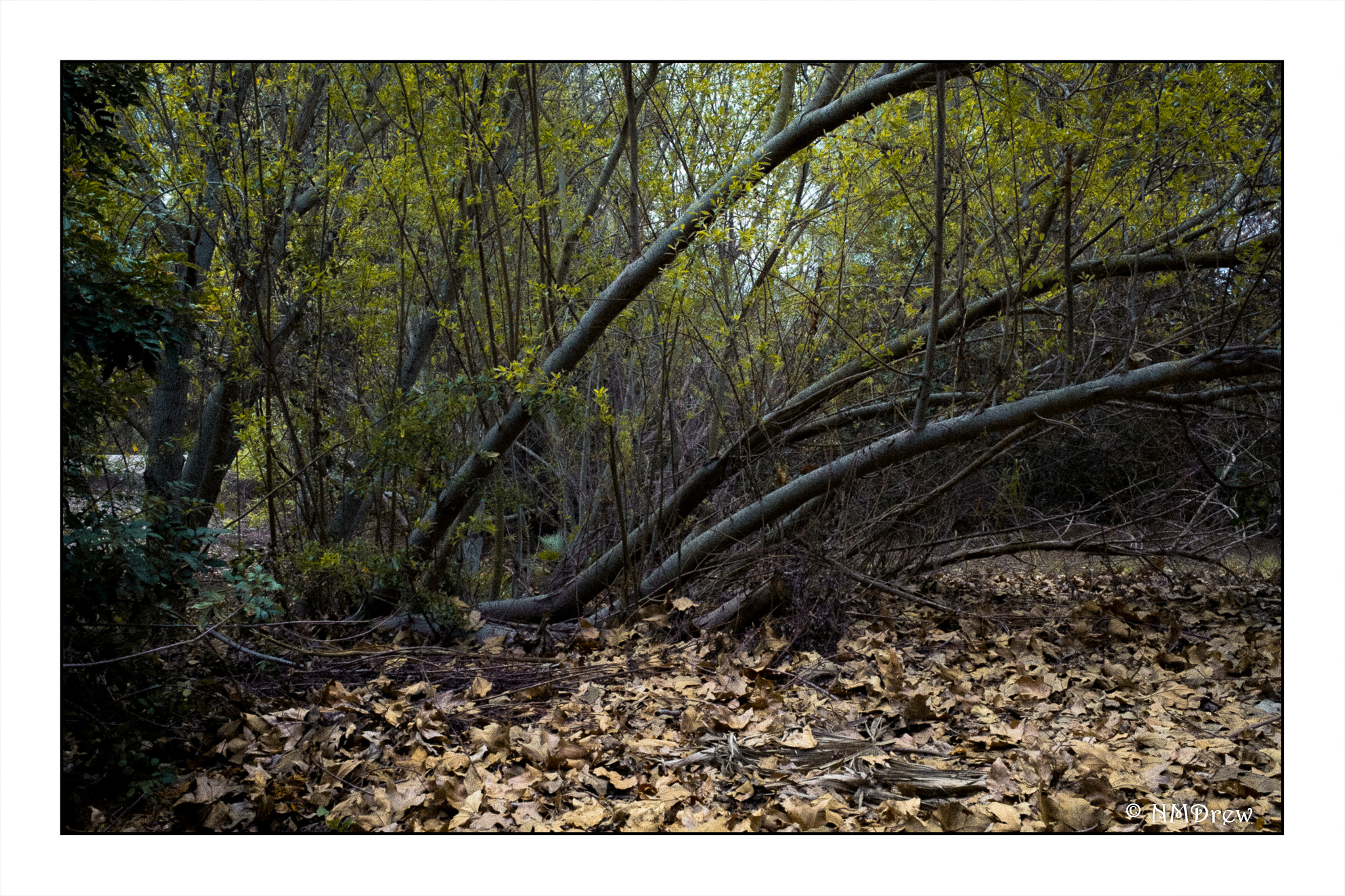
I took this photo last month, and rather like its moodiness. The dead leaves and bright new leaves create interesting colors while the trunks create interesting lines. The first attempt to reproduce this painting in some form or another began with pastels, then gouache, and finally watercolor.
This pastel painting is rather clumsy, but I have found in doing these kinds of series that usually the first one, in whatever medium I am using, is always the starting point. I learn more about the picture as I paint it. 9×12 on Mi Teintes paper.This is the second in the series – a small 6×8. What I did differently here than my usual gouache is I used Arches hot pressed paper and worked to keep my gouache paints thin (cream consistency) and moist while I painted. The smooth paper and smoother paints made painting a lot easier. It turned out pretty good!
Finally the watercolor. This is on the reverse side of another painting, on 16×20 Arches cold press watercolor paper. As both pastels and gouache allow for opaque overpainting of other colors, by this time I had a pretty good idea where light and dark were and could plan ahead. I used frisket on the tree trunks and in areas where the leaves are hit by the sun. Keeping these areas masked off let me apply broad washes across the paper without losing the shites.

Altogether, I am pleased with this series. I think I may redo the pastel painting as I have some new pastels to try out! Meanwhile, I am looking for some buildings for my next triad (or “try-at”) of paintings.

Tanglewood (Pastels)

Another series of three to emerge from this Land of Pandemica, where house arrest prevails and imagination runs wild!

I took this picture about a month ago, just as the shelter-in-mandate order came down from on high.  I really like this picture because of its moodiness and the brightness of the leaves.  It looks pretty mysterious, but in reality that is an effect of the editing.  Still, I like it enough to give it an attempt for a number of reasons!  There is a rhythm in the trees and their curves.  The leaves on the ground lie fairly horizontally, while the green leaves are vertical.  All these conspire to challenge me . . . So, without further ado, below is the first attempt, in pastels as today is dedicated to pastels!

As you can see, I moved the leaves from vertical to a bit more diagonal.  I also added some “stuff” to the lower left corner as the original photo was pretty dark and lacking in detail.  The floor of last year’s leaves are more orange than beige.  I tried to pay attention to my marks – the stroke of the pastel stick – as well as to doing some negative painting to help the lighter areas stand out.

I am a fairly pleased with this painting.  Pastels are more forgiving than either gouache or watercolor – especially watercolor! – and because of this, I can think about contrast and structure a bit as I go along.  It may make the final one (watercolor) easier to do after the next one, which will be in gouache.