Collecting Little Things

I have been sewing prototype pockets for the kit car being made by Uncle Ed. It is the same one that Josh is making – the 818s. Ed is further along than Josh – retirement has its advantages – and is ready for some storage in the form of a side pocket for the car doors. Details are not necessary, but I plan to make another one today, slightly different, before going down to the Valley to visit him and Auntie Am tomorrow. I’ll maybe post something about the pocketses later.
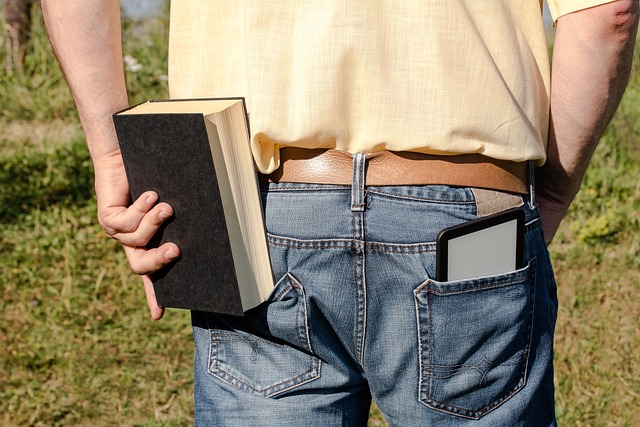
All this has been a good break from my very unhappy watercolor painting of rocks. Frustration deserves a diversion from the frustrating thingies, so sewing was good. As well, I am really beginning to sort out stuff to take on our voyage, and one thing I am determined to bring is as little as possible, but plenty to keep me from wanting to scream with boredom and nothing to do with my hands. This means setting up a small watercolor kit with pan paints, brush(es), smallish watercolor sketchbook, and ink.
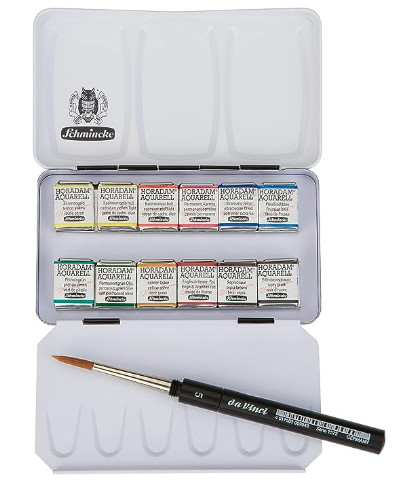
I finally decided on this small half-pan set from Schmincke – it includes a small travel brush, colors I am likely to use, and to which I could add more if I want, I think. I like Schmincke’s pan paints a lot as they are designed specifically for being in a pan, and this way, too, I don’t need to bring tubes with me. I will keep them wrapped up until I begin my voyage – no idea what crazy laws might prevent me from bringing them along.
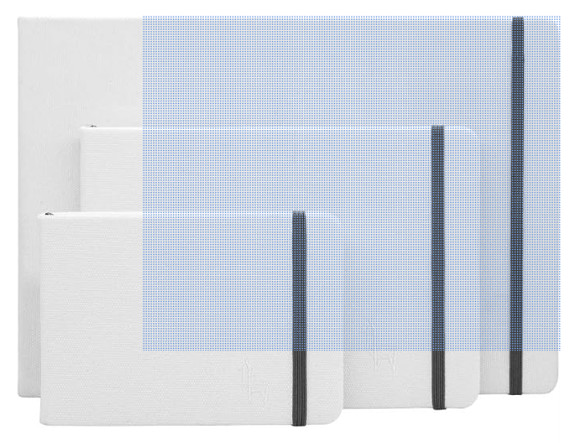
Awhile ago I ordered these Etchr watercolor sketchbooks, and currently am using the largest for my adventures. I like these a lot, and so I am bringing the middle-sized one along with me. The paper handles both ink and watery colors well, is about 5×8 inches (A5?), and can easily be brought along.
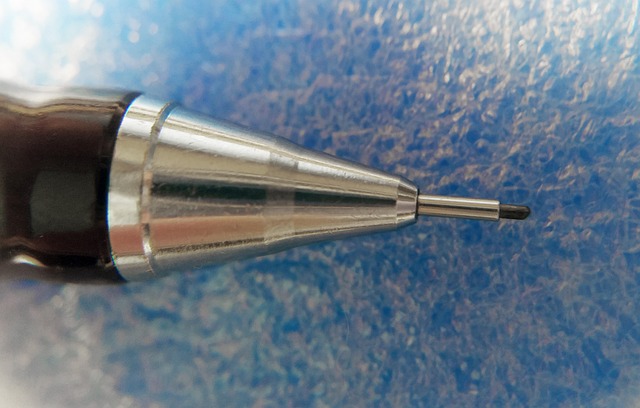
A good mechanical pencil with extra lead is also a requirement, along with a kneaded eraser, some Pitt or Micron pens with permanent ink, a collapsible water cup, and plastic eye dropper or two for wetting the paints. I will most likely stuff them all in a large waterproof zip baggie or something like that, as should anything leak, some things may be spared. I expect I will be doing inked sketches with watercolor, like below, during the trip.
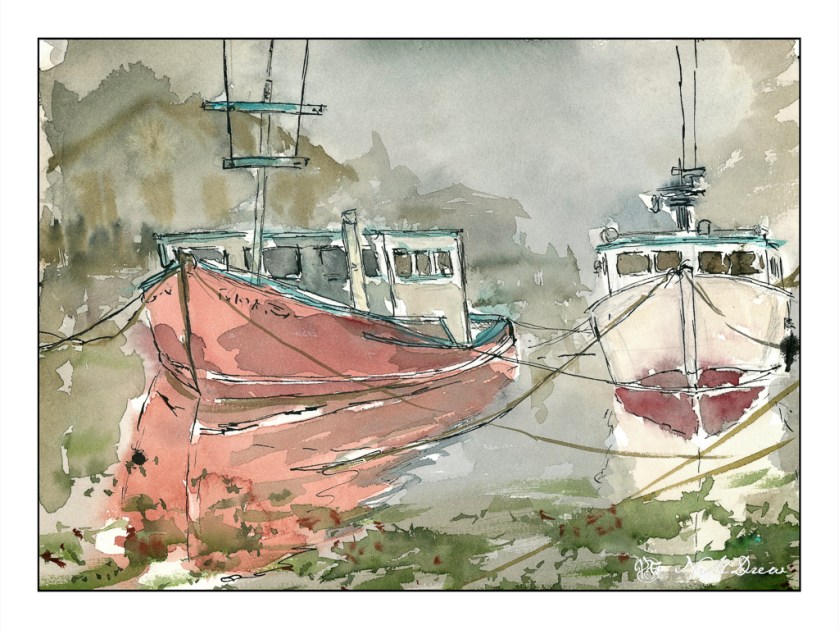
These kinds of sketches are easy enough to do, nothing to get too frustrated about, and bring back memories – as well as give my little hands something to avoid the devil’s attraction.

Packing for a trip is not easy for me – I am always worried about boredom, a lack of clean underwear, sweaty-smelling clothing, uncomfortable shoes. This trip is a real challenge for me as I am trying to be minimalist, yet still have enough for comfort, both mental and physical. Choosing what to bring is not easy – and trying to keep things small and convenient and useful and practical all at once is a huge challenge! I am collecting little things, bit by bit, surrendering to the need for saving space and weight, and rather enjoying the challenge.

Stone Buildings – And What Photos Don’t Show

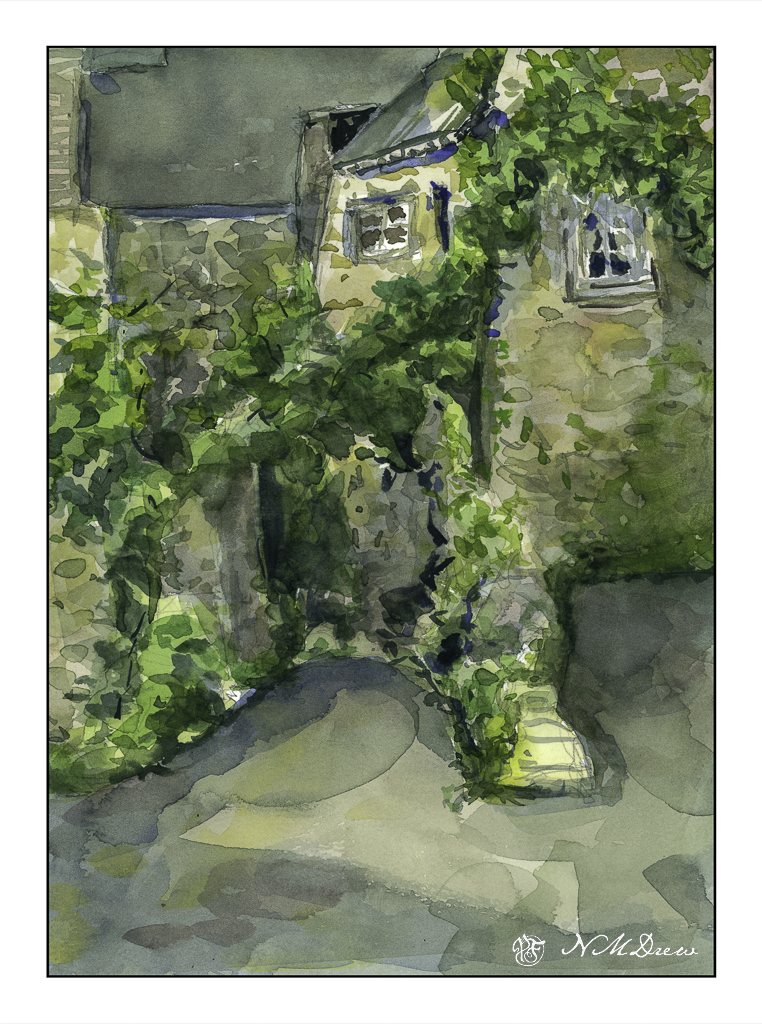
Anyone who paints from real life and then references a photo of the same knows that photos do not get all the information. This is even more evident when you paint from a photograph of something or someplace totally unfamiliar. Such is the case here – stone buildings from somewhere in Brittany, downloaded from a royalty-free site for the primary purpose of trying to render stone buildings in a painterly fashion, not a nit-pickingly detailed fashion.

First round – colors applied to a pencil sketch in a very wet and general way. As color and paper dried, some details added and attempts at creating contrast done. It took awhile as I didn’t use my trusty hair dryer to speed things up.

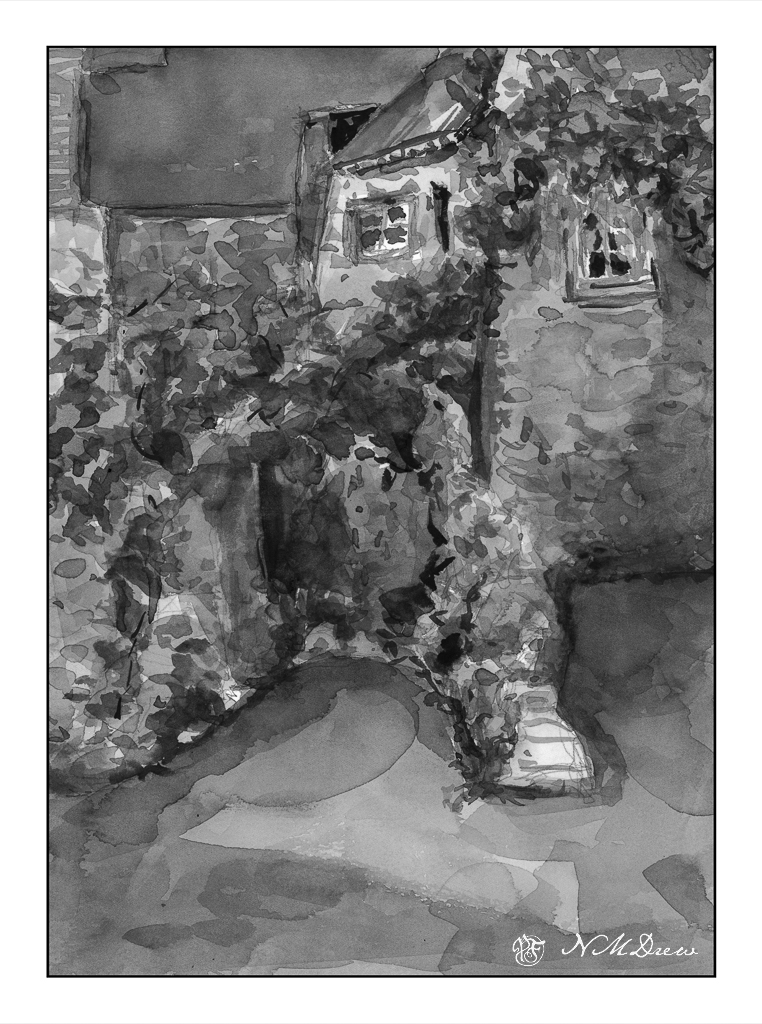
I like to desaturate my color scans to see how the picture I am painting works with contrast. IMHO, not too bad, but still in need of stronger contrast. I used my brush in LR to get an idea of where to make things darker, and using that as a reference worked on the arching greenery in the middle and other areas, as well as choosing a source of light – the sun – from the left somewhere.

As I looked at the reference photo, I noticed a window I had not seen in the tunnel below the arching greenery, as well as shapes and areas of light and dark. Was there space without greenery beyond that arch? Was there a turn to the left at the end of the tunnel? How did all these buildings all interconnect? The fact is – I don’t know! So, artistic license as you will, reality is also important as I would like to figure out what I am dealing with, especially when painting the challenging and unfamiliar – old, stone buildings.

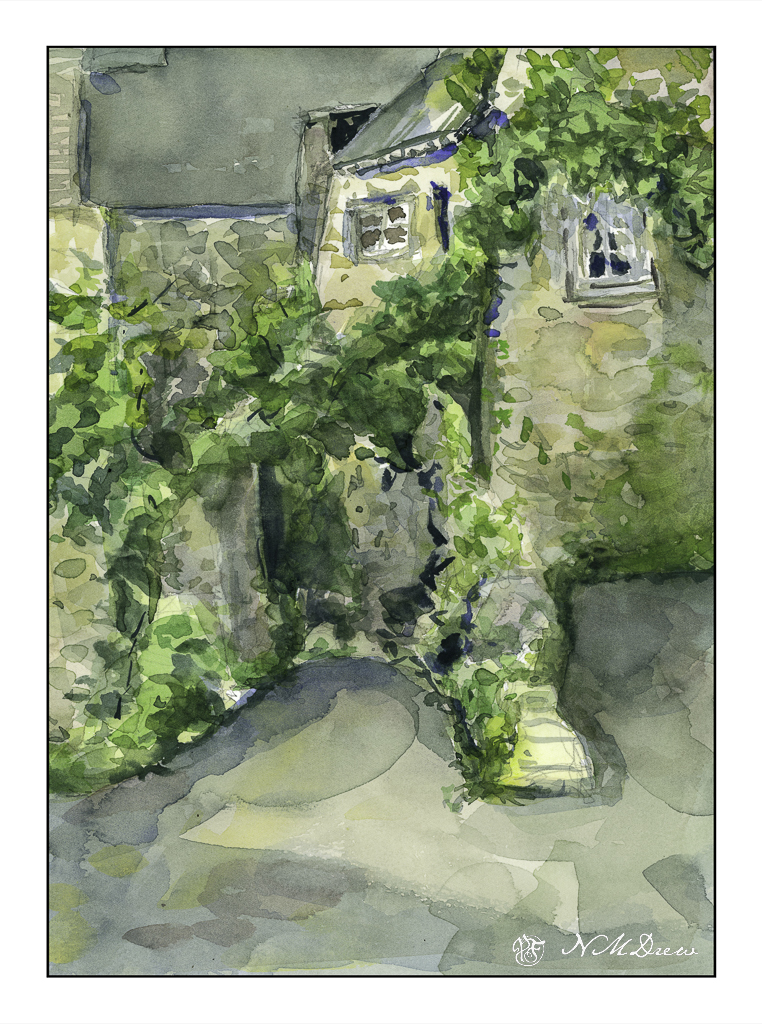
Wonky perspective, inappropriate contrast, but I rather like the stone buildings and interplay of shadows, such as in the foreground. The shadows lead the eye (good question where!) and add some interest to an otherwise dull foreground. The light in the reference photo was very flat, so I made up my shadows. As the focus was on the buildings and rendering them in a way I liked (which I do to a degree) I was not especially concerned with the plants.

Looking at the paintings, I am rather pleased with them, but think that perhaps the center upper roof might need some horizontal texture, or do I need to use some ink to define some of the shapes better?

Your thoughts would be appreciated . . . .

Anne said she liked the first one better – it is lighter. In LR I increased the exposure a little bit.

Sashiko #6 – Second Color

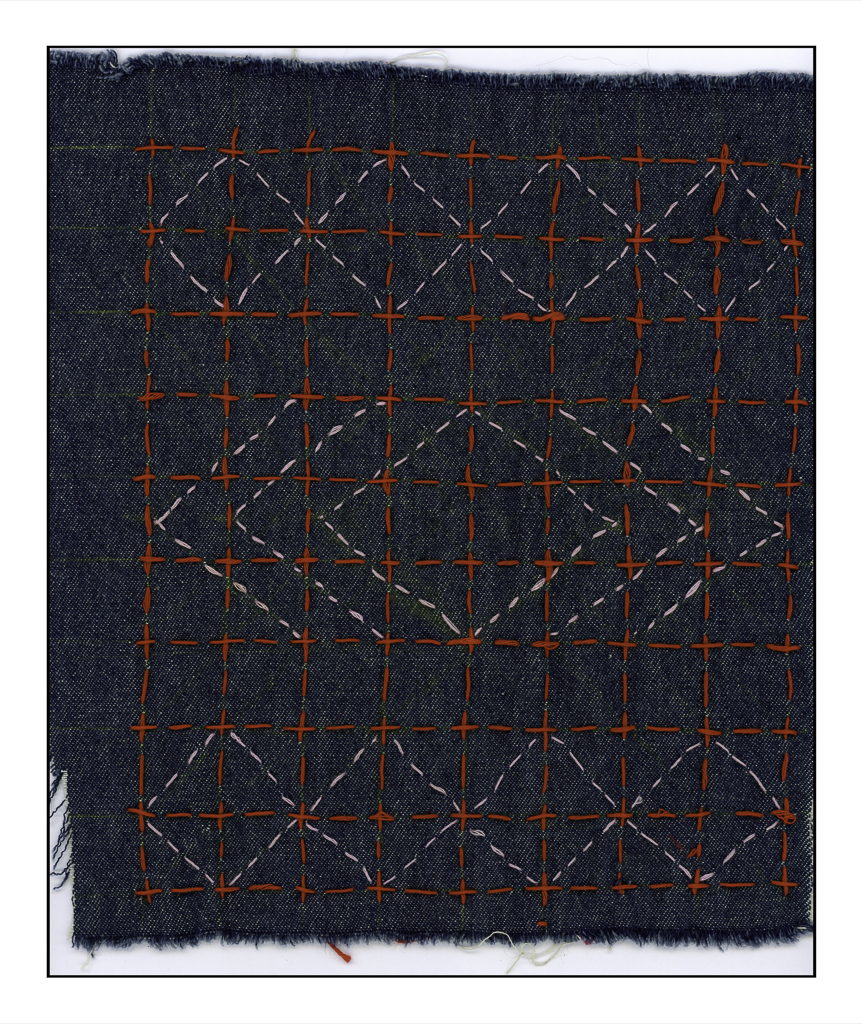
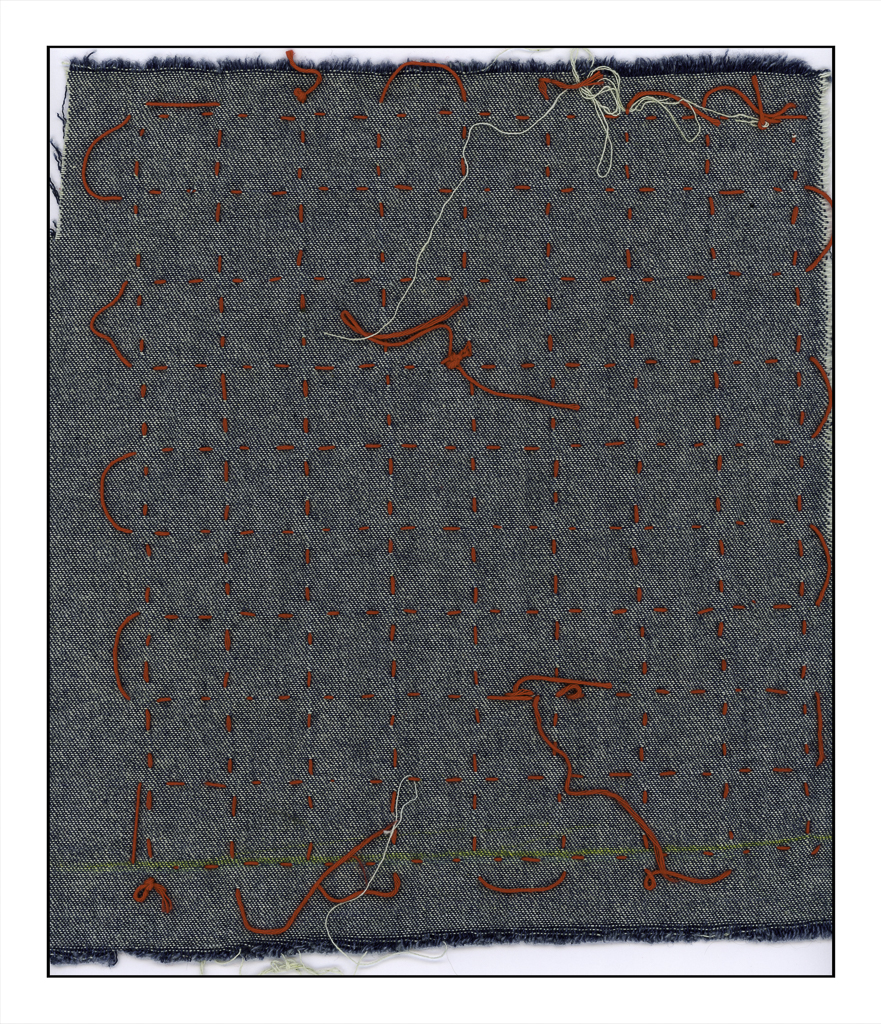
Although it doesn’t look especially bright or pink, the second thread I added was a carnation pink. However, I did not have any “real” sashiko thread in pink, so I decided to use a pink DMC embroidery floss.

Initially I sewed the floss as it was – 6 strands of thread – but found it to be really challenging and far more difficult than the sashiko thread in red with which I began. The sashiko thread I have is thinner than the 6-strand floss, so a fatter thread means more work! I picked out what had done. Then I separated a strand of the DMC into two 3-thread strands. These made for thinner thread, and I used it for the top and bottom designs of the swatch above.

However, I felt the 3-strands were just not quite right. So, for the middle design, I used a 4-thread bit of thread, pulling apart the floss into a 2 and 4 strand bit. The 4-strand is thicker and, I think, looks better. However, I never liked separating floss into thinner strands as it tangles up on itself as it is separated. Being lazy I have decided that traditional sashiko thread is more to my liking, and I will leave it at that!

A couple of thoughts . . . the denim is fairly loosely woven, but the floss is heavier than I would like to deal with – I really had to pull to get it through the fabric. For a more loosely woven fabric, I think the floss would be perfect. Sashiko thread seems to come in both thick and thin weights, and I have been using the thin on the denim. Would it be too thick on a more densely woven fabric? If I used thin sashiko thread, would it be too thick and need to be separated, much as the floss needed to be? I guess we shall see on future projects with different fabric.

Sashiko #6 – First Color

This heat is really getting to me – and it is not as hot as in Texas or Florida, and we certainly don’t get the humidity, either. But, I have been staying inside or going to places I know with air conditioning – heat has always not been my best of friends.

Given that there is only so much you can do lounging around a house, it can be good to just watch a movie or show and do something a bit creative. As the sashiko has been ignored, I figured today would be a good time to do some. The same denim as Sashiko #1-5 was ironed and starched, and a grid laid out.

If you look, you will see that the intersections are little + signs, and then there is one stitch in between each plus sign. I am not sure where I am going to go next, but I have a few ideas. The other question is what color thread or threads? I am not quite sure what I have – maybe a pink or bright green against the denim? Not sure.

Anyway, below is the reverse side, just because it is so interesting. Oh, I was going to do the stitching on the reverse, but with the plus signs, my mind was not cooperating, so that will be for a simpler project.

The Wreck of the Madeleine

No, not the Good Ship Madeleine, nor sister to the HMS Pinafore, but the Delicious Cookie Madeleine.

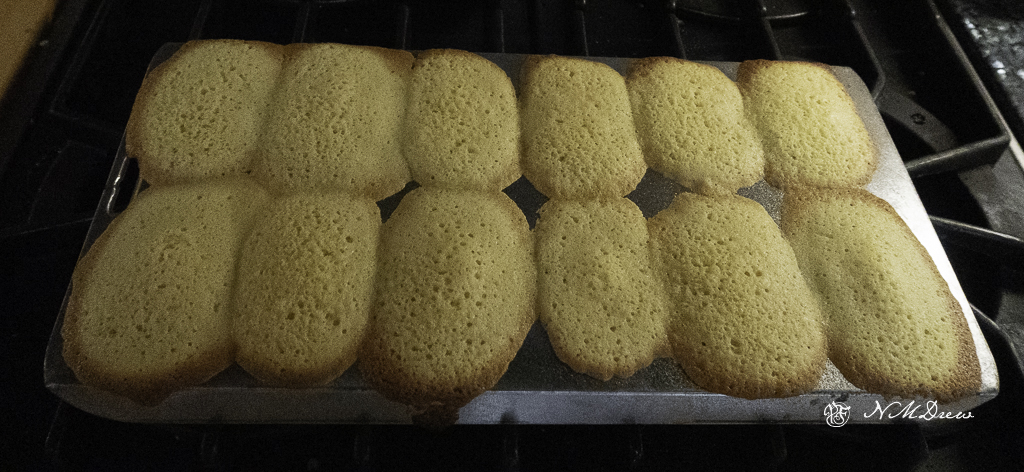
A madeleine is a French cake-like cookie, essentially a genoise, known for its shell-like shape from the pan side and a blump on the reverse. A good recipe is to be had at Preppy Kitchen – it produces a lovely, light, delicate cookie with a subtle hint of lemon. However, a couple of things – bake at 350F, and use a pan which makes smaller madeleines than mine does! I have one pan and I filled the madeleine molds full, like really full, and the batter runnethed over the tops of the molds and the cookies flowethed unto each other.

As you can see, my madeleines are robust and hardly delicate to look at. They are baked blobs of blobs of batter.

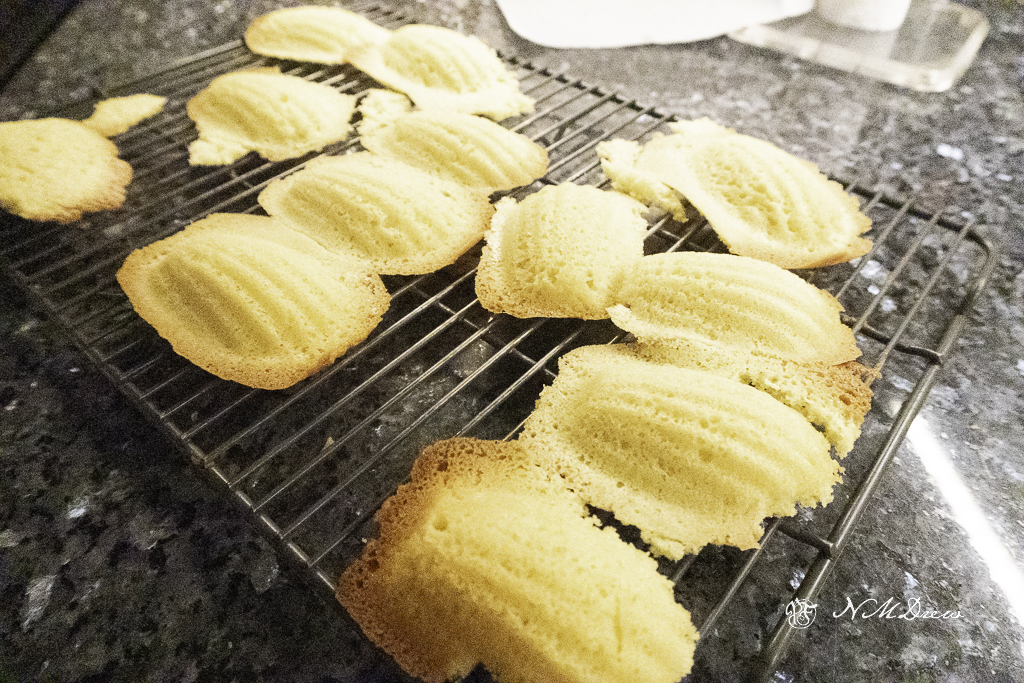
And, how to get them out of the pan? Well, I had thought of trimming their edges, but then the brown around the sides would disappear, and that little bit gives a crunch to the otherwise soft, airy cookie. And, if they sit in the pan, they get soggy. So, what to do with a hot pan and a cookie mess? Simple – dump them all out on the wire rack. This way, too, I could see if the cooking spray I used to grease the madeleine shapes would work.

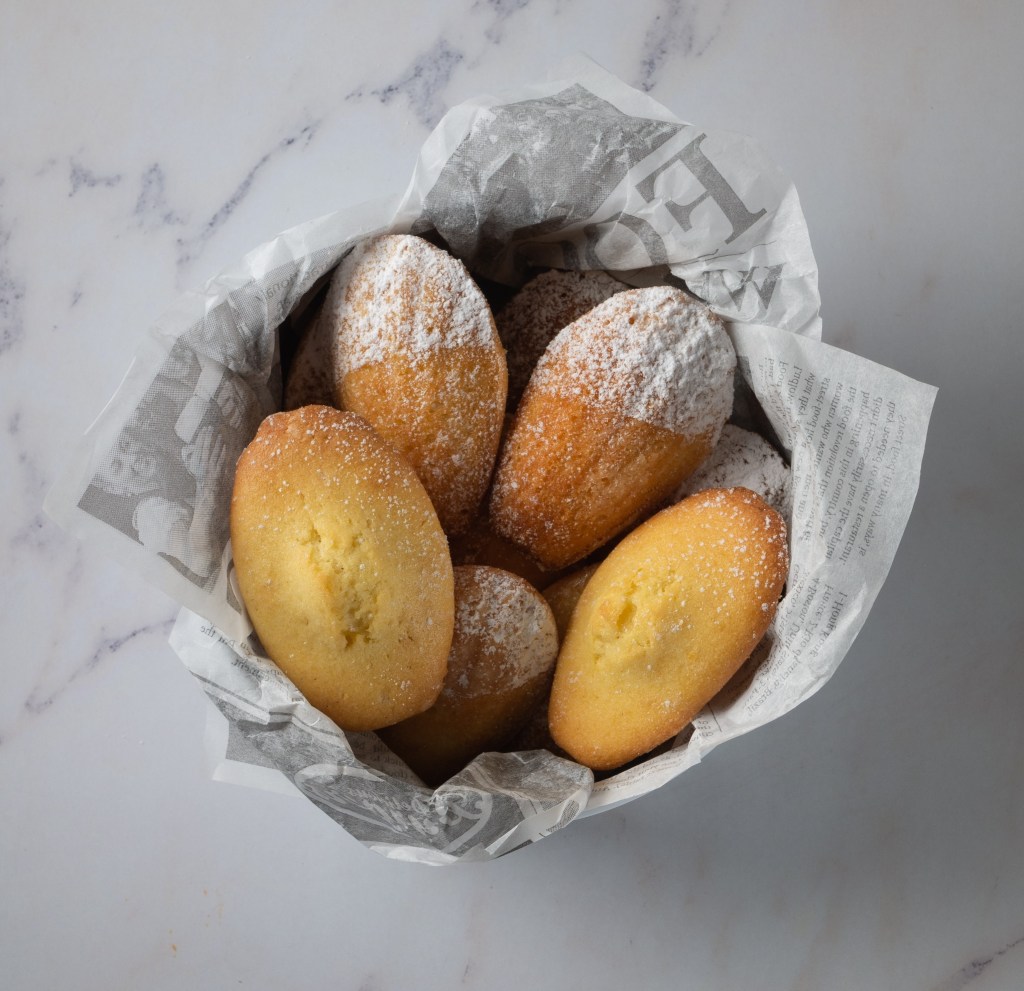
And the spray worked beautifully. Now, I have a pile of weird-looking cookies that don’t look especially appetizing – certainly not as lovely as our very first photo, which is a royalty-free one off the internet. However, be not dismayed! They are delicious! Good dunked in coffee, and most likely tea, and if you are familiar with M. Proust, you know of which I write.

Make yourself some madeleines, at least once in your lifetime. Make a test cookie or two in your pan – don’t overfill, but don’t underfill, either. I used a heaping tablespoon of batter for my pans, and it was too much. Here is the recipe below – refer to the link above, too, to get some good info that is not included here, and below is the recipe from a devilishly good and delicious website:

Madeleine Cookie Recipe

Ingredients
  • 7 tbsp unsalted butter (100g)
  • 2 large eggs at room temperature
  • 1/2 cup granulated sugar (100g)
  • 1 teaspoon lemon zest
  • 1 teaspoon pure vanilla extract
  • 3/4 cup all-purpose flour plus 1 tbsp (100g sifted)
  • 1/4 teaspoon baking powder
  • 1 pinch salt
Instructions
  • Melt the butter either in your microwave or in a small pot over medium heat. Browning the butter will add a lovely depth or flavor to the cakes but is of course optional. Once melted or browned pour the butter into a bowl and allow to cool.
  • Sift the flour, salt, and baking powder into a bowl then whisk together and set aside.
  • Add the eggs and sugar to the bowl or your stand mixer fitted with a whisk attachment or a large bowl if using an electric hand mixer. Beat on high until the mixture is a light yellow color with a thick silky texture, about 8-9 minutes. You’ll see the beater leave trails when it’s ready. Mix in the vanilla and lemon zest toward the end.
  • Fold the dry ingredients into the egg mixture and mix until just combined. You can sift the flour mixture into the eggs while you fold to avoid getting lumps or over-mixing the delicate batter.
  • Drizzle the butter into the batter and gently mix until just combined.
  • Cover and chill the batter as well as the buttered tins for 1 hour then scoop one tablespoon of batter into each scallop-shaped well. Bake at 350F 8-10 minutes.
  • Serve with a light dusting of powdered sugar.

Notes from the Baker

Making these cookies needs a light touch. If you can, weigh your ingredients within a gram or two. Make sure you whisk your dry ingredients together and then sieve or sift the dry ingredients into the egg-sugar mixture. Fold it in with a light touch.

After you drizzle the butter over this, again, use a light touch. Turn your bowl as you fold. The butter will eventually work into the batter, but do it carefully.

Be sure to refrigerate the pan and the batter – I had mine in about 90 minutes. This stiffens the batter a bit and preserves the air beaten into the egg-sugar mix.

The recipe says to bake 8 minutes – which I did – but when I saw how big they were, I did another five, touched the center for a springy firmness, removed the pan from the oven. After letting the pan sit for a minute, contemplating what to do, I just turned the entire pan over and watched the cookies peel away from the pan, helping some as needed.

Make some batter. Make some test cookies. Enjoy no matter how homely they may look.