The Mountain

Yesterday was a watercolor day!  I warmed up with a copy of Wesson’s painting, and then moved on to more water.  I am not intimidated by water in the form of lakes or streams, but do need to learn how to do oceans and waves and white caps.  I am trying to get a grip on reflections and how water and reflections interact.  I think reflections appear longer when the sun is behind you rather than in front of you, like shadows.

Here, a mountain and a lake, with some very deep shadows.  The distant mountain is quite bland to my eyes and would like to liven it up with deeper greens and richer browns.  I didn’t.  I tried to keep it more simple than the actual photo.  I did to a point.

I think most painters will always find faults as they know, as they paint, what challenged them while they painted and what their vision was, versus what they put down.  My life.

Through the Window

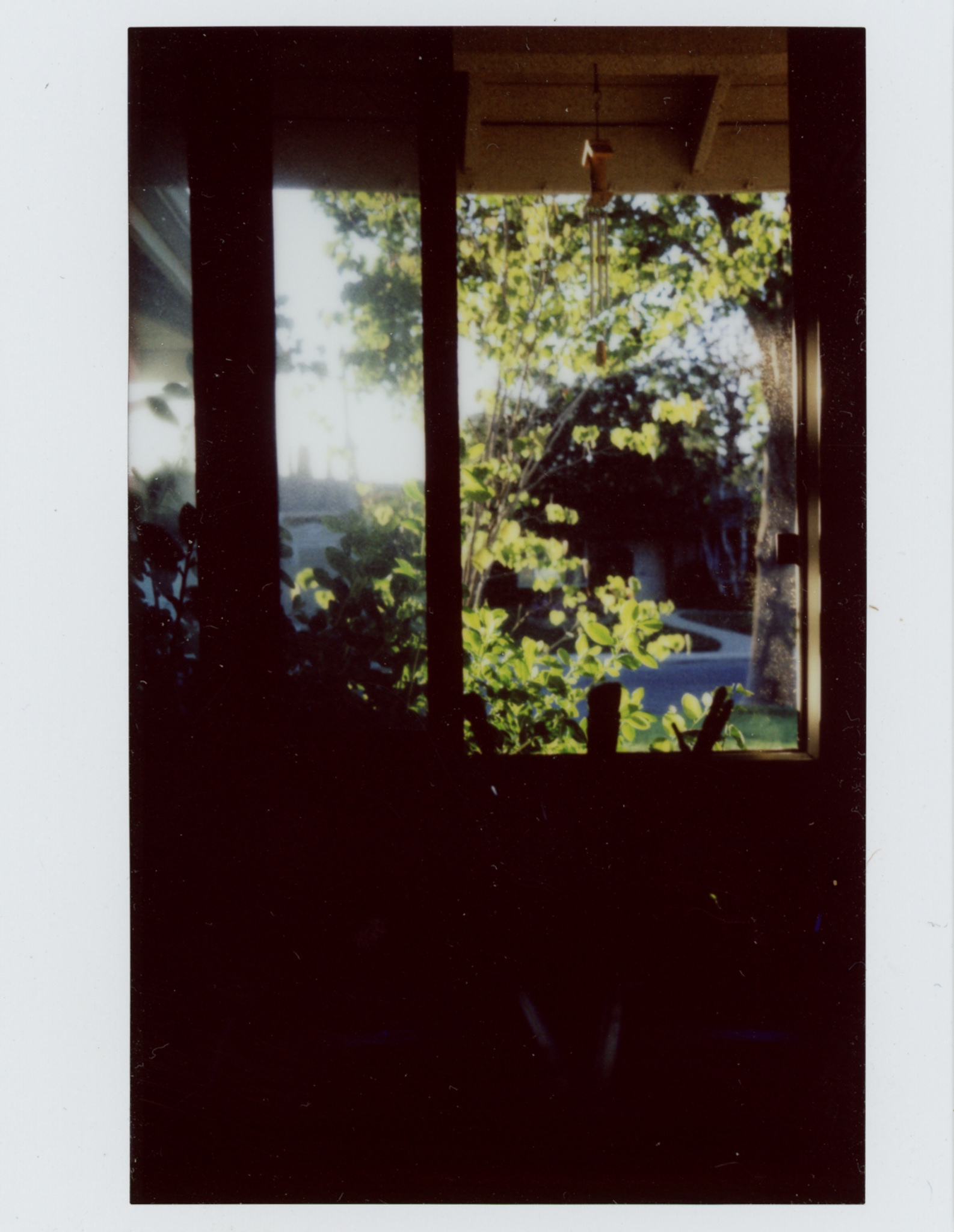
Before I got the idea of having the DH print a flash cover for the Instax Wide 300, I took a picture of the studio. With flash, everything in the foreground was visible and the picture was rubbish. It had that classic flash-look so common in photos of yore. So, I covered the flash with my hand as I took the picture. The evidence of not needing the flash all the time is evident here.

Someone sez I should get the Lomo wide . . . 😉

A Study After Edward Wesson

Edward Wesson was a master English watercolorist.  He is renown for the simplicity of his work – clear color masses, defined work.  It is his economy of color and shape that are attractive to many painters as he says a lot with very little.

I, on the other hand, am prone to overdo and use rather bright colors.  My perspective is often wonky.  To counter this, I look for painters, such as Wesson or Seago or Hannema or Kautzky whose work I admire for its elegant use of colors or lines or both.  Copying another artist is good intellectually, as it requires thinking about what the artist did, and how.  Great practice!  Today, I chose Wesson.  Below is my interpretation.

My mountain in the distance is more detailed than Wesson’s.  I chose to make the trees on the shore in the midground lighter than in his painting as I think he meant to do it, but had laid in the dark of the hill on the left already.  My beach comes nowhere as beautiful as his – too much detail.

My husband remarked that this is definitely something he would define as NOT “my” style.  I agree.  I was looking to create something a bit spare, and to a degree I did, but I had to blot the sky (too dark) and re-wet the mountain.  I like the middle ground green hills, and the reflections on the water.  My beach sucks!  All in an afternoon’s work.

Late Afternoon

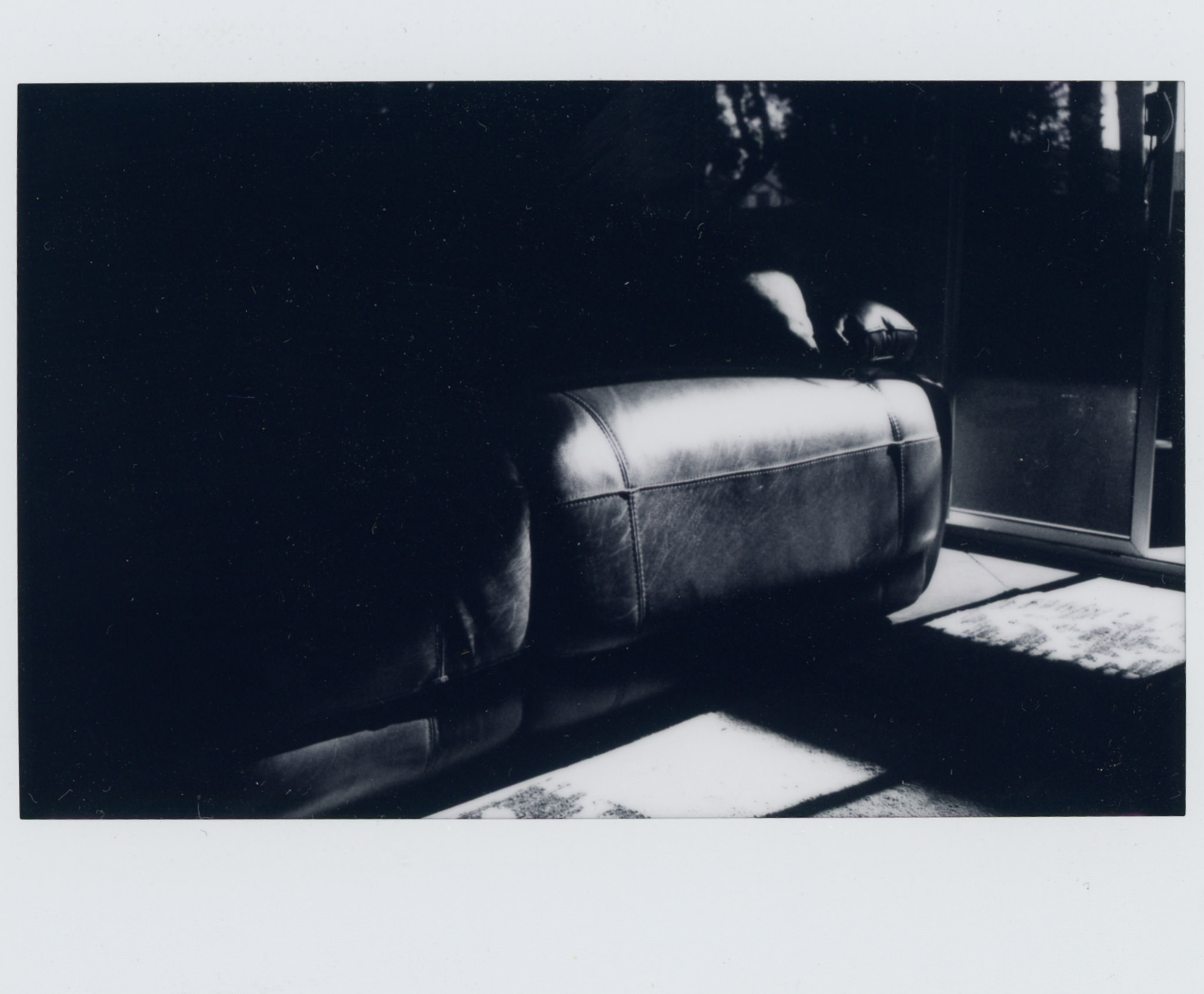
Another instant photo taken with the Instax Wide 300.  More monochrome film (why don’t they just say “black and white”?).  No flash, and no flash cover.  Instead I judiciously placed the center of the lens – there is a circle you can use to set up your image – on the bright left corner of the couch.  Here it is, straight from the camera’s whatever.  This one I like.

Thingiverse Flash Cover for the Instax Wide 300

If you use the Instax Wide 300 by Fuji, you know that it has a flash that won’t be turned off.  As a result, flash goes off when you don’t want it and can over expose your picture and waste film.  Instax film doesn’t cost an arm and a leg like the Polaroid film does, but it still is annoying to not have control over that darned flash.

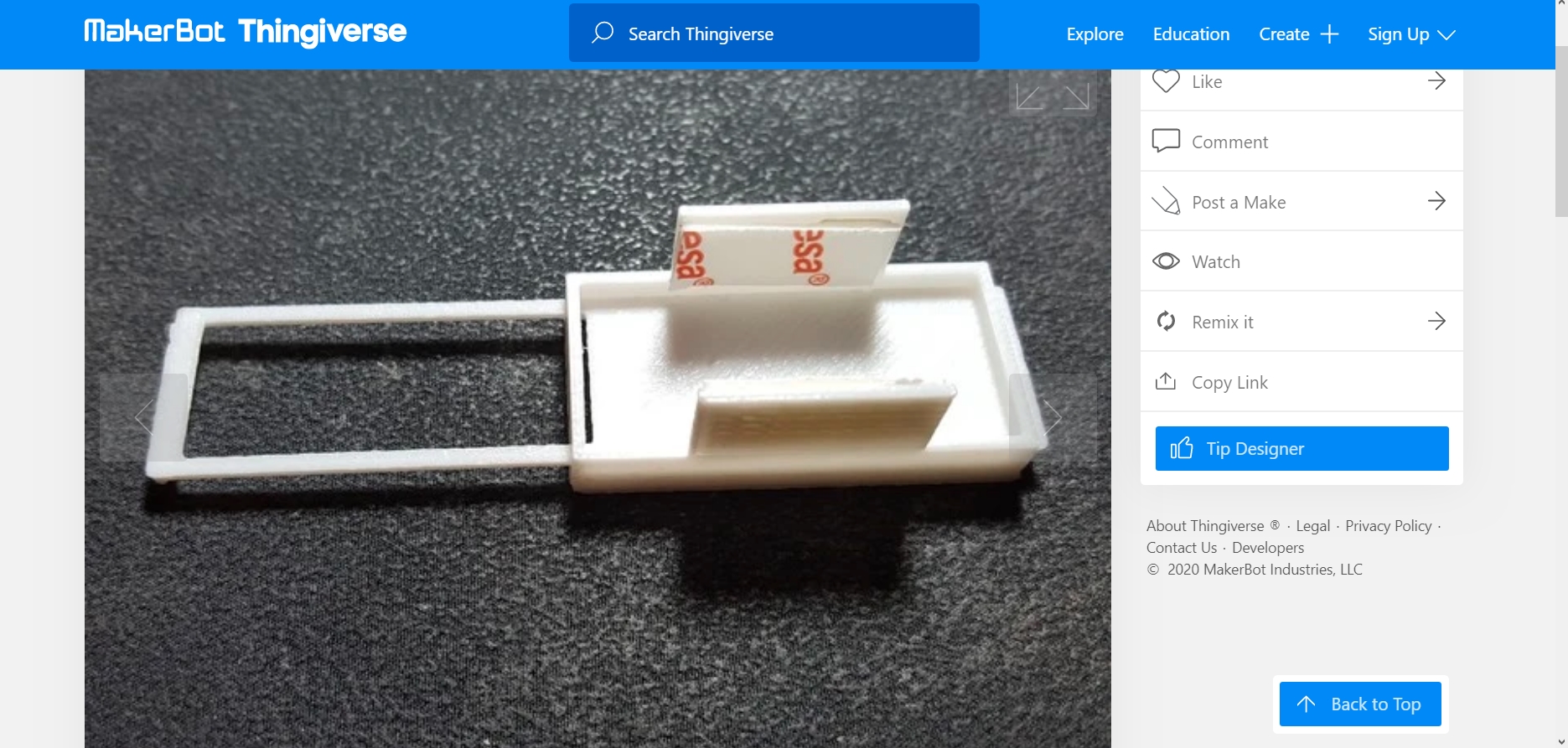
Enter Thingiverse, the world of free patterns for 3D printers.  My husband has one and makes some really cool things.  I looked, sought, and found a cover for the 300 Wide’s flash.  You can find it here:  https://www.thingiverse.com/thing:2788611 – and it works really well!  From the site, this is what things look like – screen dump of the cover.  Notice it has sticky foam tape or something to help keep it on the camera itself.  It helps to keep the cover from sliding away from the flash as you move the camera.  I don’t have any foam tape, but made sure the flash was covered, and it worked out nicely, as you will see below.

This is how it looks on the camera itself – again, pictures are from the Thingiverse site – click on the picture to enlarge it.

Notes from the Thingiverse site for the flash cover mention that if you make one in black, it shuts out a lot of light; a white one works more as a diffuser. My husband had hot pink set up on his printer, I had black and white film in the Instax, and I think the pink could have acted as a sort of red filter. Dunno. As we have a lot of different colors for the 3D printer, guess who is going to try them all out once they are printed?

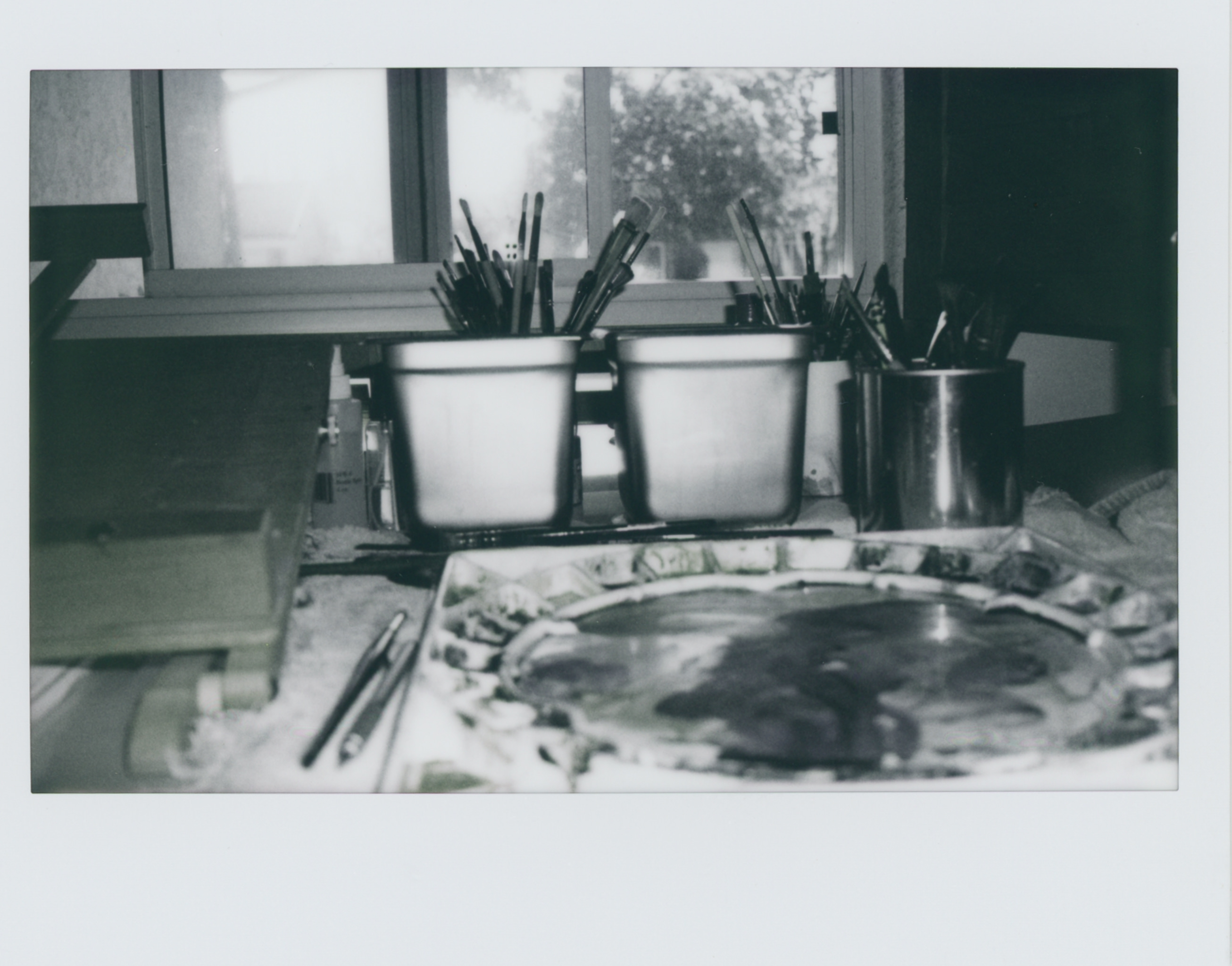
Here are the two pictures taken a couple of minutes apart to check out the flash cover. The first one is without the flash cover. I shot this out the studio window around 8:30 this morning, facing east, where the sun comes up. (I always have to say to myself, “And the sun sank slowly in the west” to remember which direction it rises – oh, well!) Pow! The flash went off.
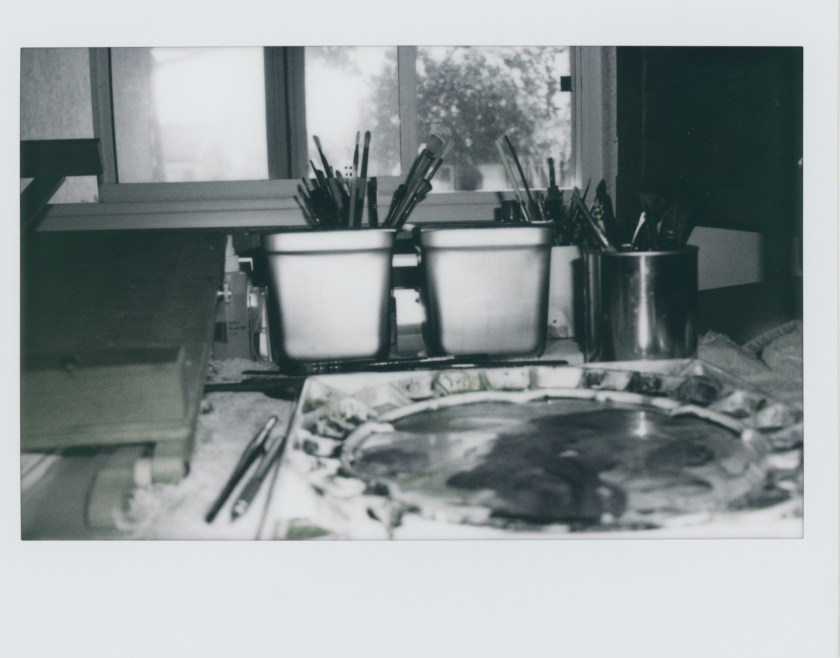
And now, with my hot pink, newly printed flash cover, here is approximately the same image with the diffuser on.
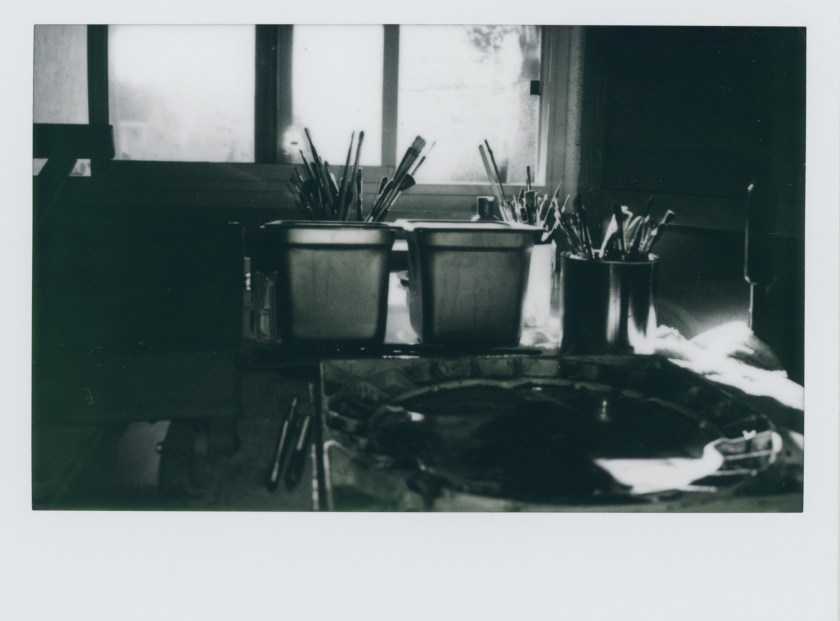
Once more, the flash flashed, but was not flashing all over things. And it produced a rather pleasantly darker picture. Because the film is black and white, I expect the picture is not picking up the finer gradations of color it could. The window is blown out. But does it matter? I don’t think so. I am curious to see what will happen with color film, which I will load up when I finish this black and white.

I cannot say enough good things about Thingiverse. If you have a 3D printer or know someone who will print for you, not only can you find this flash cover, but also other cool photography stuff, like film uptake spools, pinhole cameras for 35mm and 120 (I have one yet to be tested out), 35-to-120 adapters, and who knows what else. Totally cool stuff if you like to play around, which I do, and certainly does Mr. D.

Toys! Toys! Toys!