Winter Sky (and then some more!)

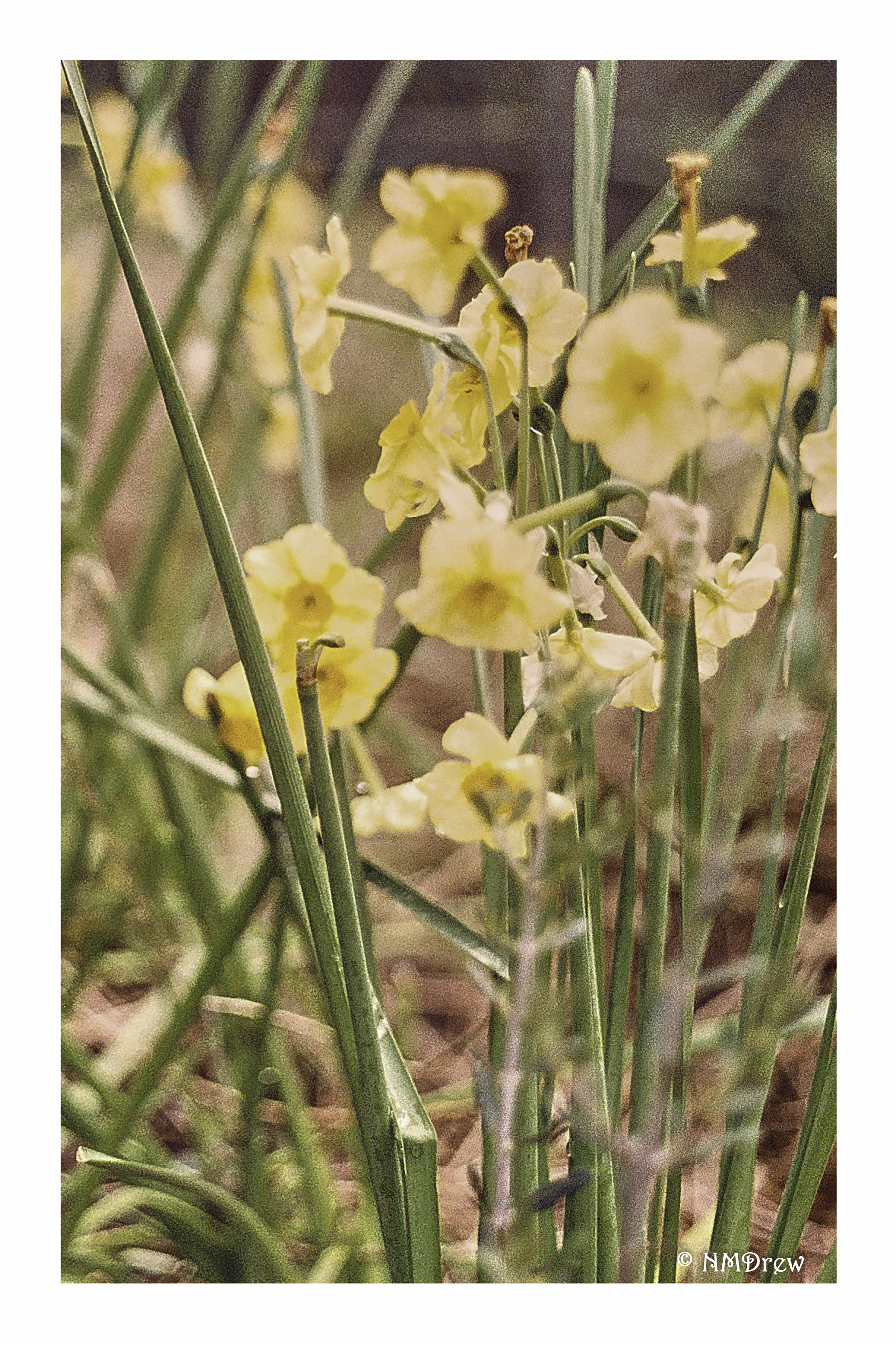
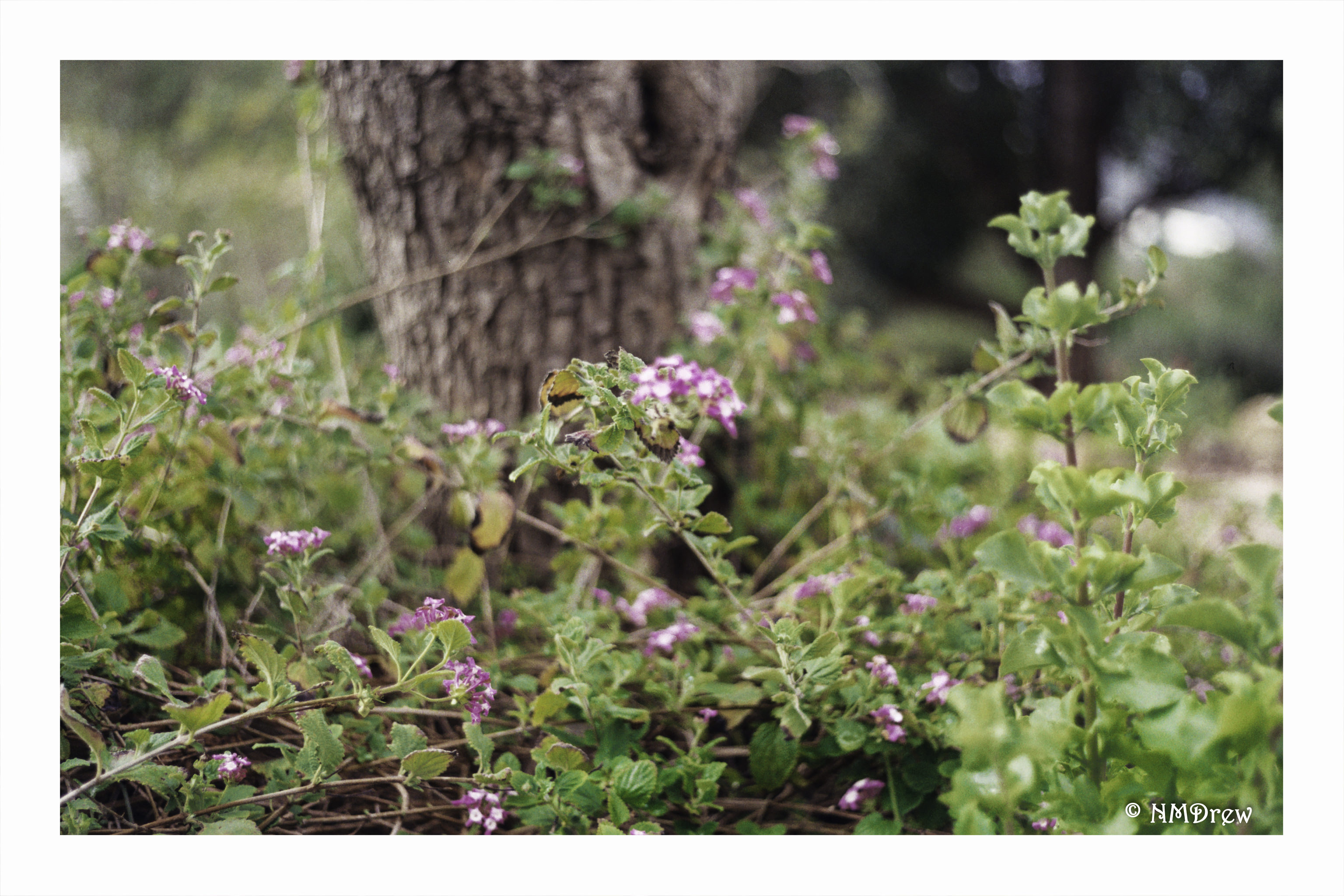
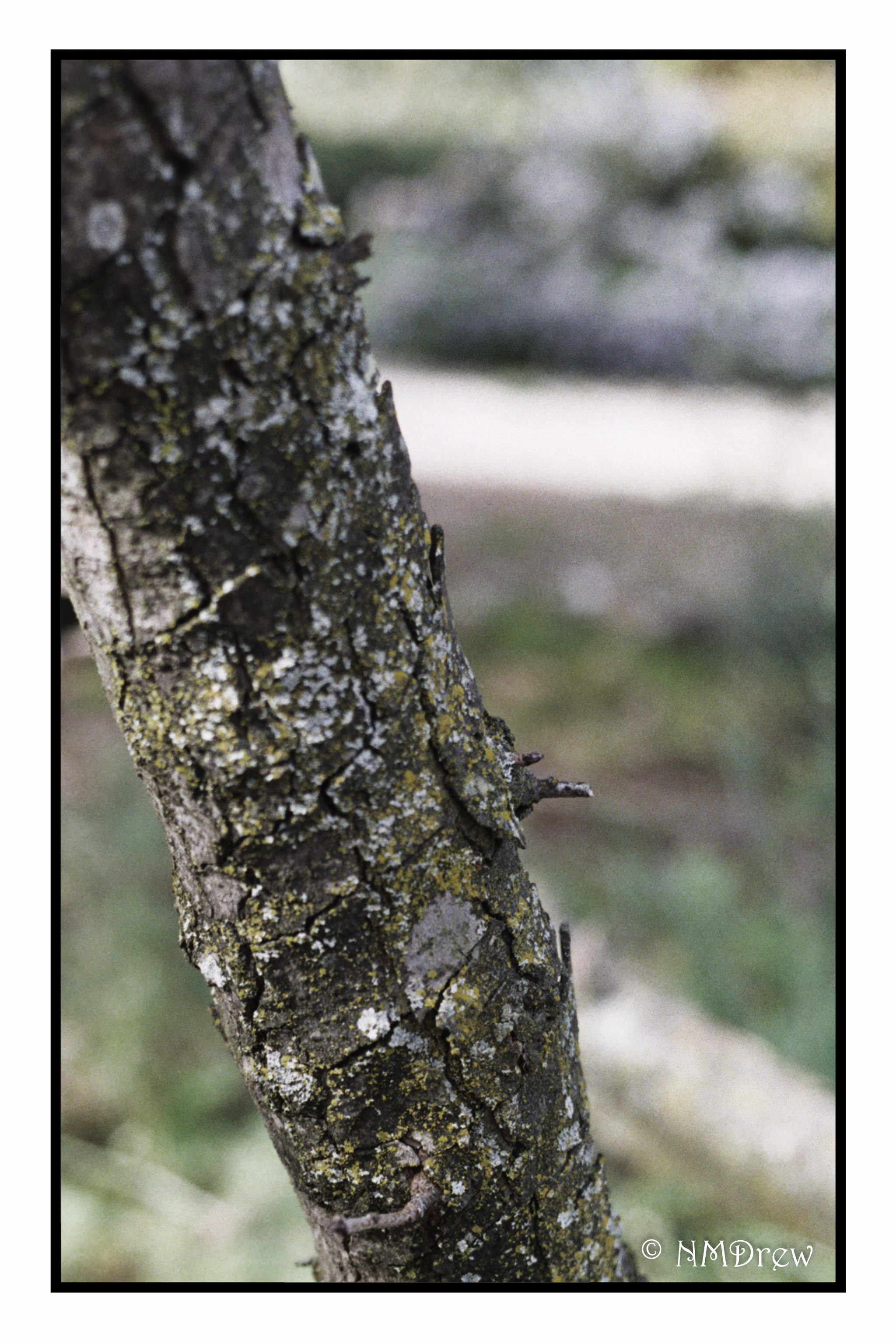
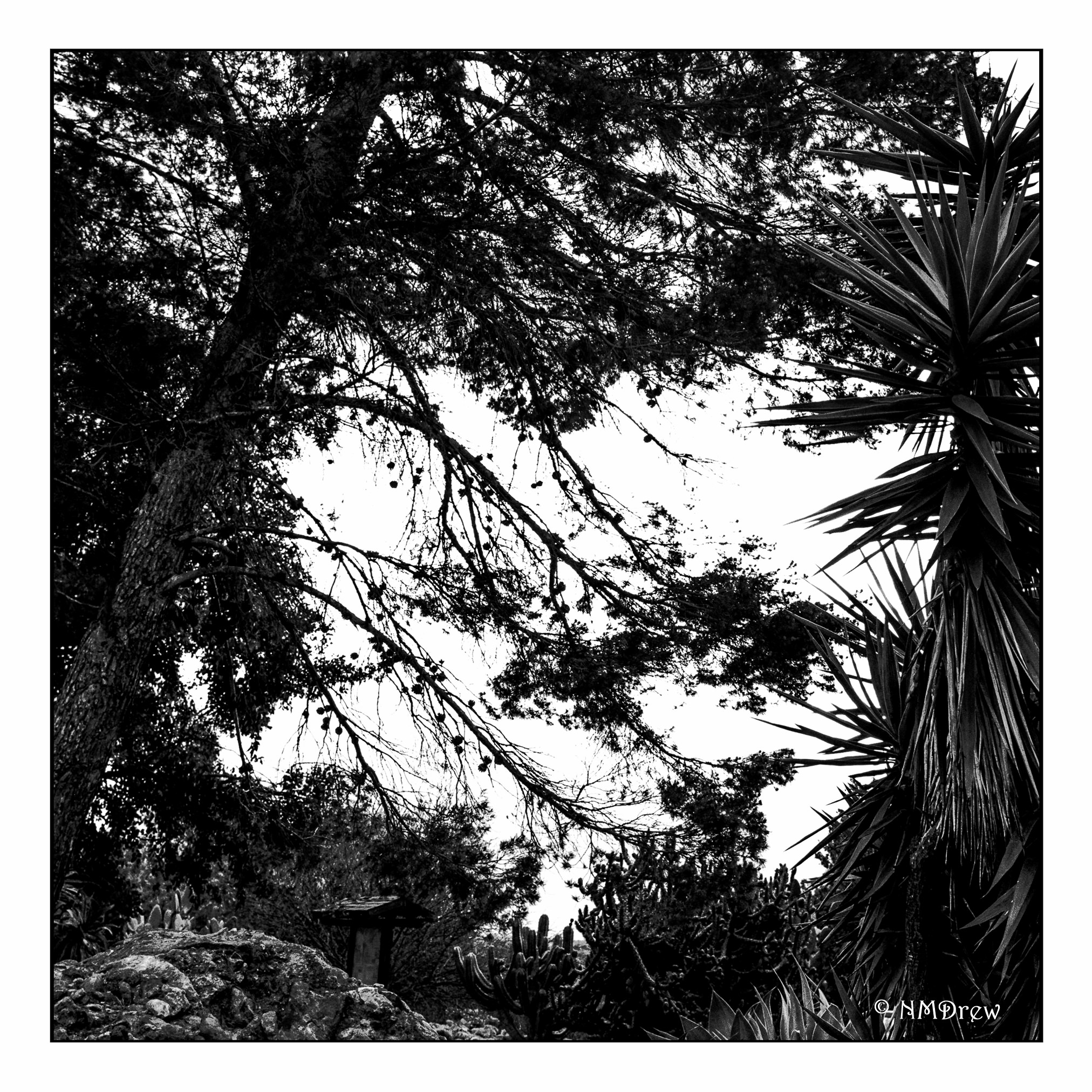
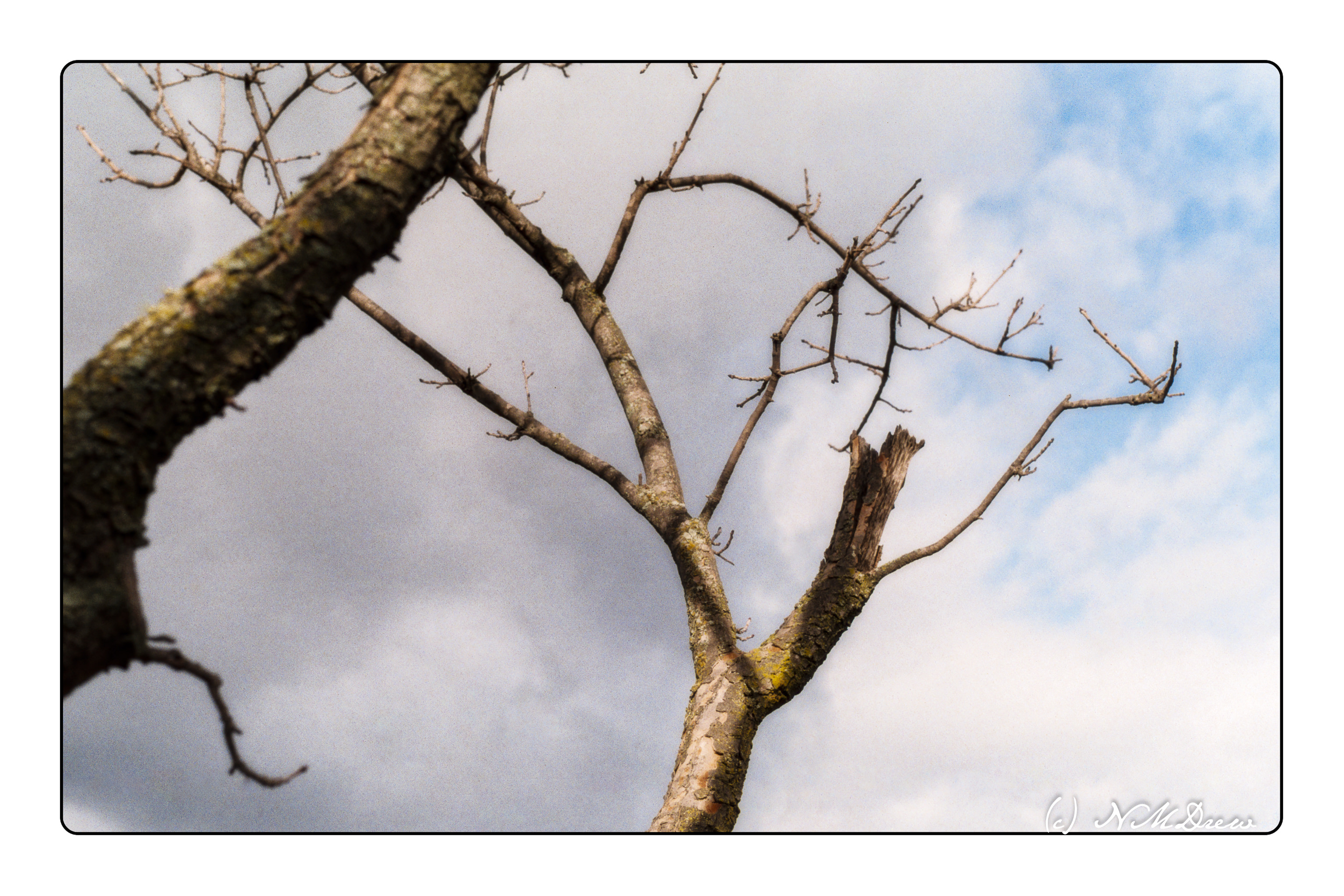
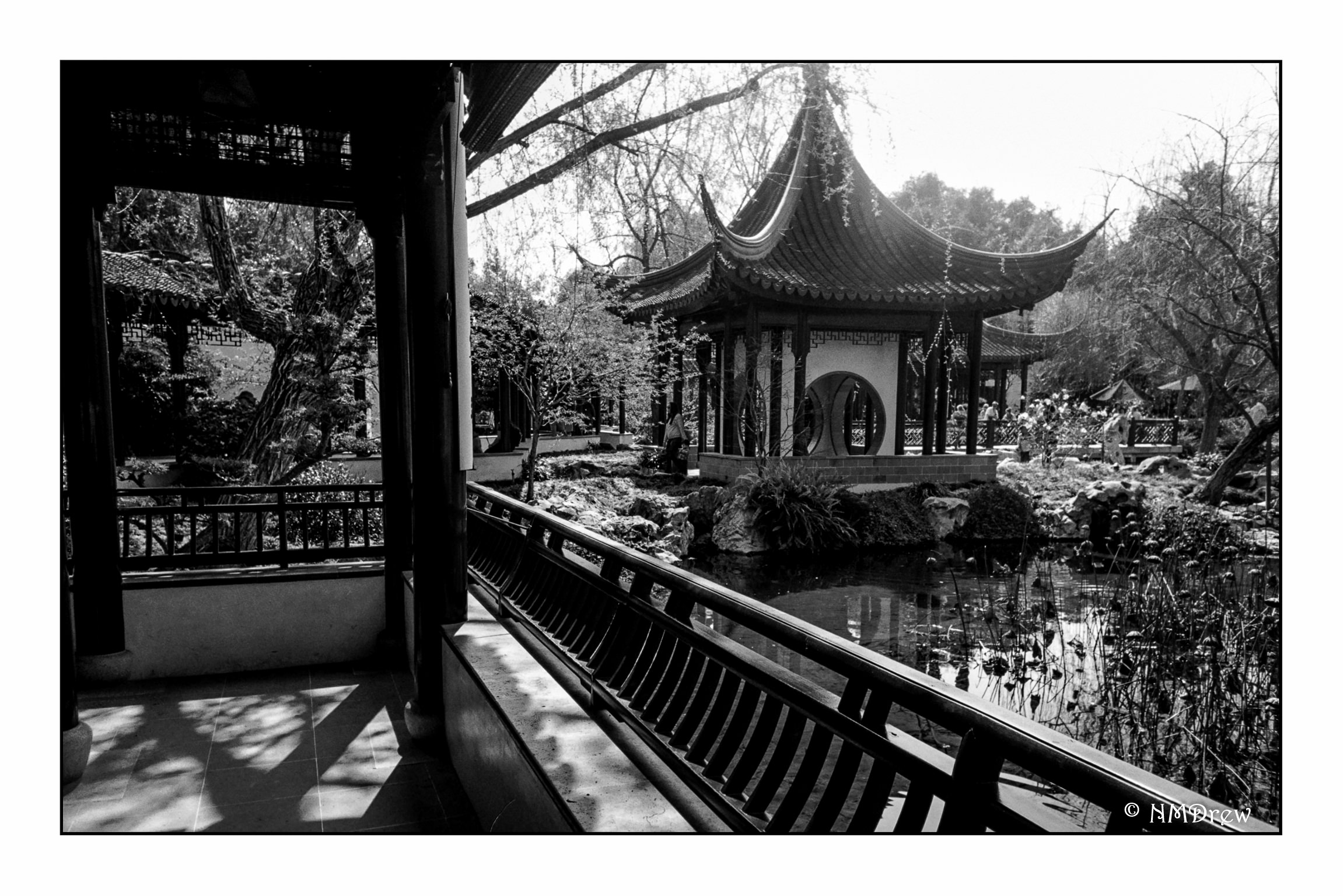
Besides acquiring a bit of old glass, I have also, as said before, been wandering through my digital archives. Here, a photo taken in March 2017 using the Retina IIIc with the Xenon 50mm f2 lens and Agfa Vista 200. Some images I desaturated to B&W because I thought they looked better that way. Digitalizing film can be quite a good thing!

When I first used this camera, I found it rather trying. It has an EV metering system which made absolutely no sense to me, even after reading the manual. Yes, I do RTFM! However, YouTube came to the rescue once again, and there are several good videos about the Kodak Retinas from the 1950s. Many consider these to be some of the finest Kodak cameras ever produced. I won’t disagree. Nearly every American in my age group has used Kodak cameras, and many were rather cheap and produced rather poor pictures. But, for a kid, they were just perfect!

This camera came to me about 4-5 years ago from Chris Sherlock at Retina Rescue, across the sea in Australia. He’s great. You can find his videos on YouTube. Playing with it again, and having more experience with older cameras. I really appreciate this camera far more than I did before. I think I am going to throw some film in the camera and see what this puppy can do yet again.
The Mighty

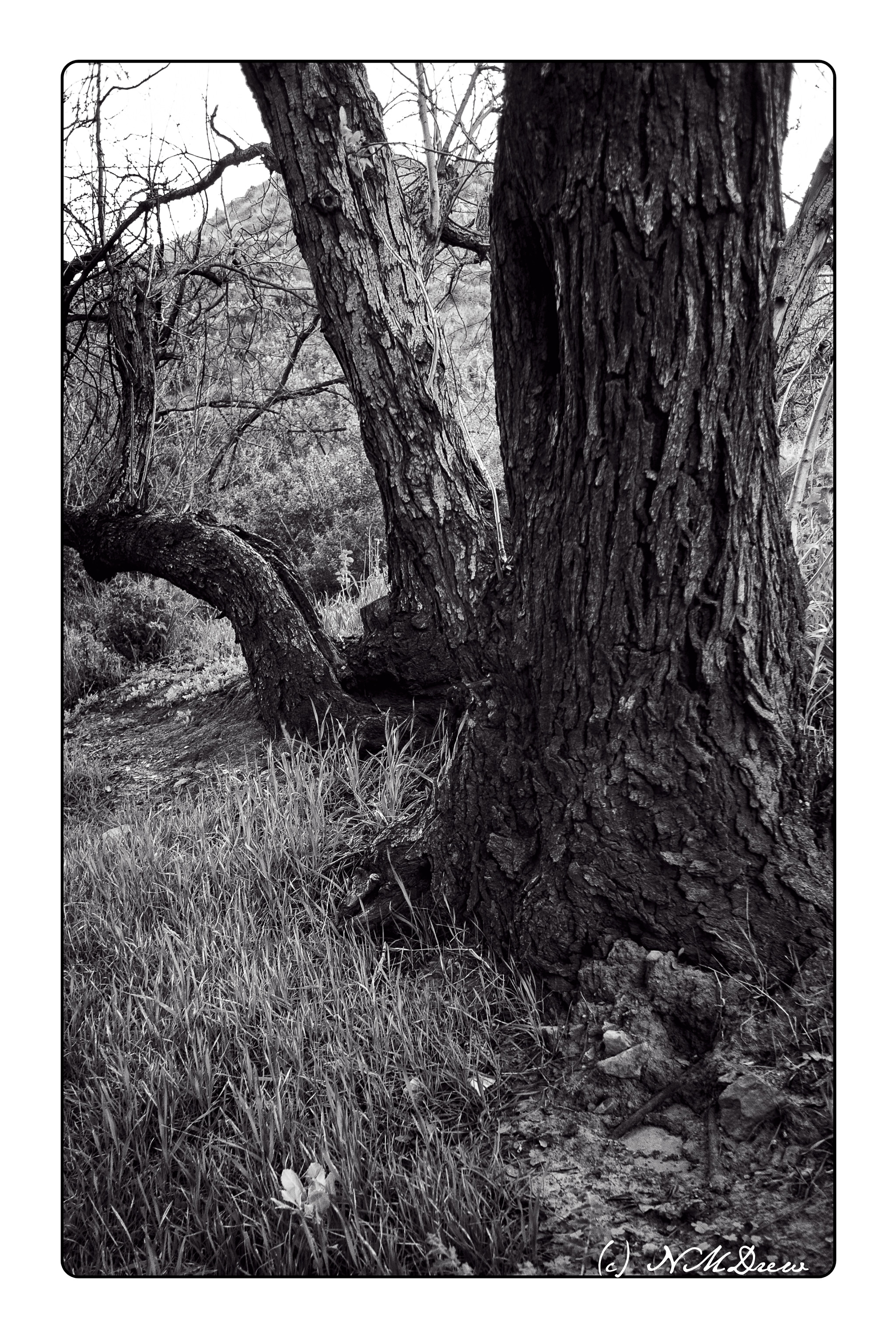
Several years ago a friend took me to a park tucked into the hills and canyons of Los Angeles County. We were there on a photo shoot, to enjoy one another’s company, as well as to enjoy the beauty of back country. Oaks predominated the scene with sycamores and other native plants. There is such beauty in oak trees! They always fill me with a joy that cannot be expressed, but perhaps a photo can help in that expression.

Across the Dunes

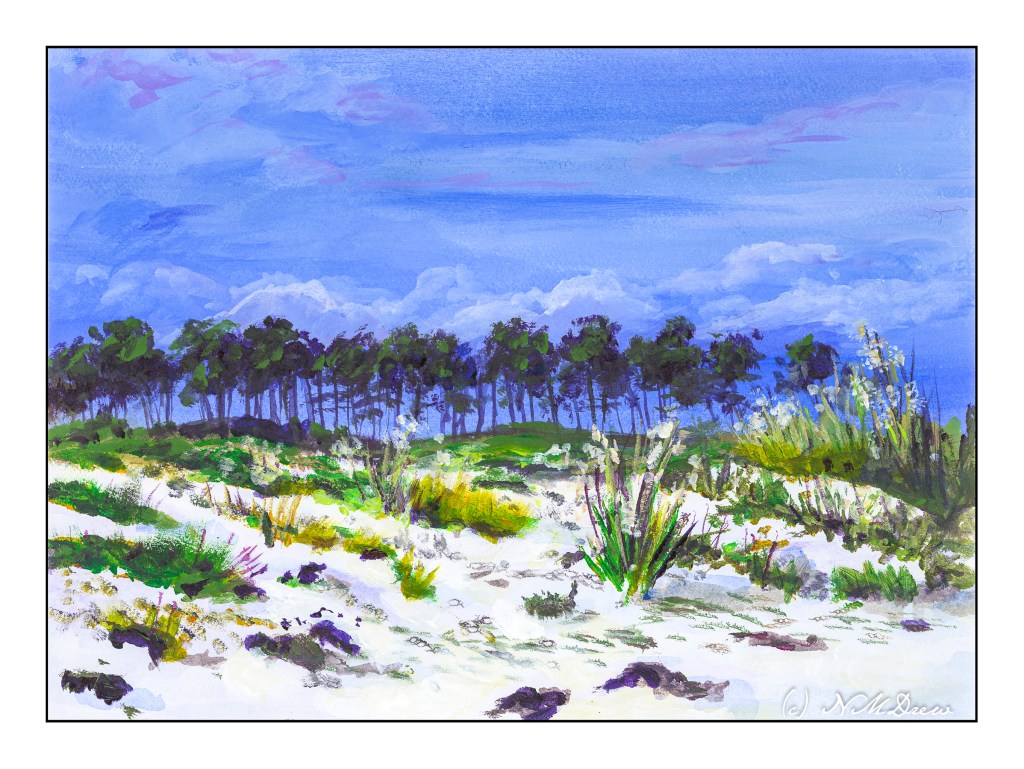
I enjoy gouache a lot because you can rework places and easily blur edges to soften them. That is a lot harder in acrylics. I decided to give it a shot. It worked rather well for the sky, but like gouache, the whites in the clouds darkened more than I thought they would. On the other hand, I did work on the sand a bit, using very thin water glazes for the shadows. That worked out pretty well.

I realize the key to “getting” acrylic painting is to just keep doing it, experimenting, trying. Each painting, successful or not, is a lesson.

Acrylic paint on unprimed Arches 140# CP. 9×12.

Wetlands

Another wet-into-wet painting, but this time with more challenges and a longer painting period. As before, 140# Arches CP paper.

The goal of this painting was to get away from trees and aim for seeing how using a very wet piece of paper could be worked for skies and water along with plant life, from rushes and grasses to distant trees. The style itself lends itself more to softness in general, but with judicious brushwork and glazes, more defined areas were achieved. I also used white gouache to represent a tasseled top to the tall reeds (or whatever) in the middle right of the painting; I realized I might have achieved an airier effect by splattering some frisket in the areas I wanted white.

I painted the majority of the picture last night, working glazes over areas more defined to blend them in more harmoniously. Dry brush was used for the the foreground and in areas where a rough edge was needed to show plants.

I don’t think this painting is as good as the one I did previously. The contrast is not good enough to convey distance – too strong of colors were used to paint the reeds and trees in the horizon. I do like the colors and softness, though. Another point of focus was to create a point of focus! I tried to use birds, warm colors in the center of the painting, a bit of a vignette around the edges, and other visual tricks to lead the eye somewhere. Again, I don’t think I had much success. As well, the sky and land do not seem to match.

I did accomplish a few things I set out to do – wet-into-wet with some control for sky and plants and water. Doing it is a lesson in itself, and each painting teaches something. I worked on the painting last night and then refined it this morning. I had more patience than I usually demonstrate when painting in watercolor. Why is that? Is it because watercolor is wet and watery and seems to demand a bit of speed?

Anyway, more to come, more to learn.

Early Morning

Another wet, wet painting in watercolor.

Here, I wet the paper, and then began putting in areas of color, beginning with the sky in the central part of the painting, and then blobbing down the foliage in the foreground and the distance. The line of the slope was separated from the horizon beyond. As things dried, I blobbed on more colors, and continued to work wet-into-wet as the paper dried. In the end, I was able to draw the trunks of the distant trees without their blurring using diluted colors of the darker tree trunks.

It’s really hard to describe how to do a painting like this. In doing these kinds of paintings I am finding it is necessary to have a sense of the composition itself – lights, darks, soft shapes, hard edges. It is also necessary to think about negative and positive space while painting, as well as the overall effect desired. I worked light to dark, and strove to keep the earliest colors as separate as possible from others. In the end, I used glazes to unify areas with color as well as worked with thick paint and a very dry brush for some detail.

140# CP Arches, 16×20. It took about 3 hours to work on, using time in between to dry the paper with a blow dryer or let the water get absorbed into the paper so softer edges could be achieved.

Of the 3 “splish splash” paintings I have done, this one is my favorite. This technique works very well for areas with a lot of foliage, but what about ocean scenes, skies, and so on? That is next on my agenda for this method.

This was a lot of fun – I hope you like it!