New Growth

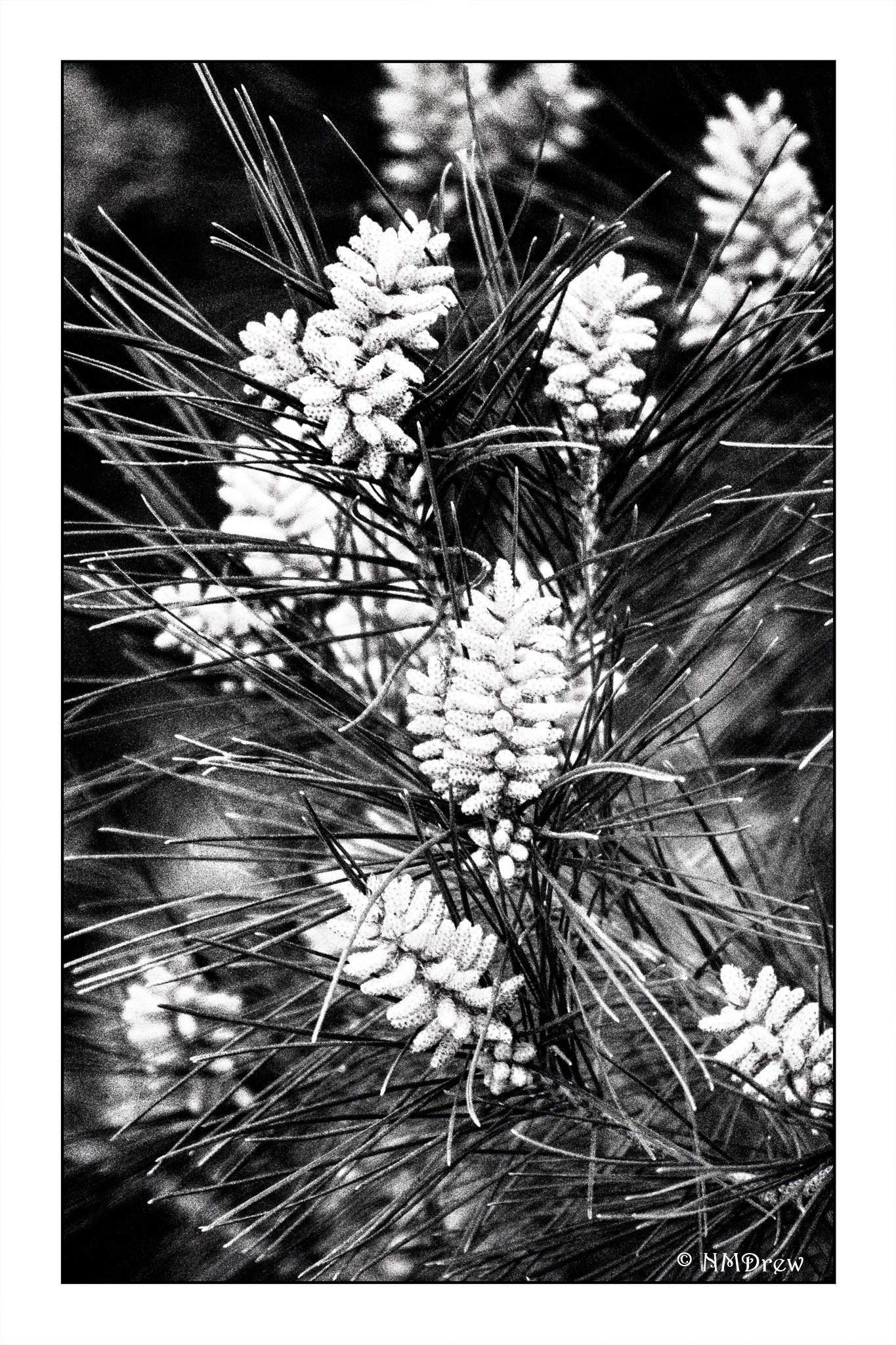
Yesterday it was over 80F. Today it is a cool 69F. Little rain. Still, life continues. New growth on a pine at the local garden, where flowers are in bloom everywhere. A walk in the open space nearby found mockingbirds singing away, looking for wives, and staking out their territory. It’s a stunning time of year.

Ceanothus

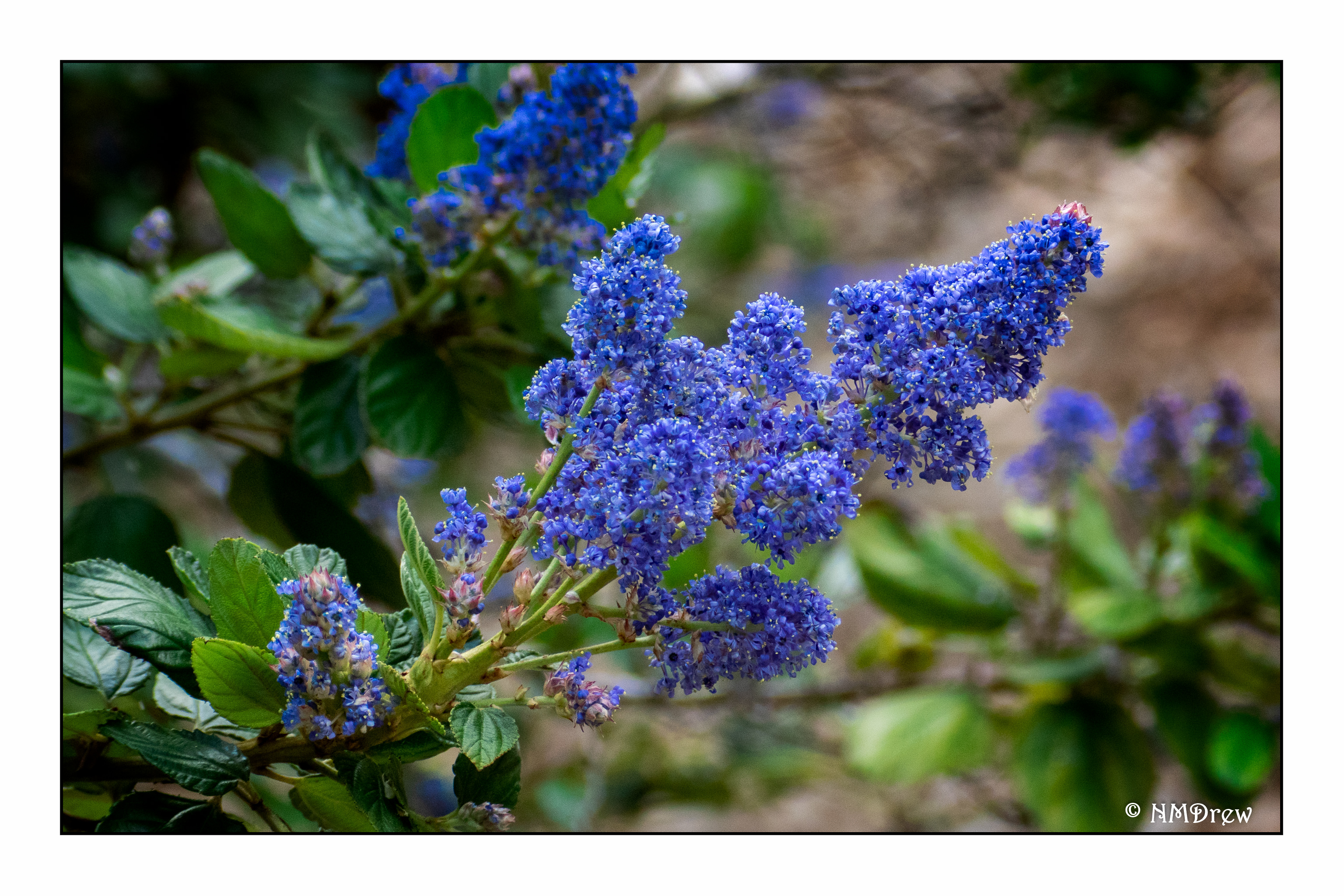
Ceanothus is also known as California Lilac. it is a shrub with glossy green leaves (as you can see in the photo!). It comes in other colors, too, but the blue is the original color. To me, it is always the sign that spring is on the way – and today I found it, along with a lot of other plants in bloom. I was as busy as a bee!

I used my Nikon V3 and 70-300mm lens, which, with a 2.8 crop factor, makes the 300mm closer to 810mm. It allows for great shots and I totally forget, until I use it, what a wonderful system it is.

View from the Hills

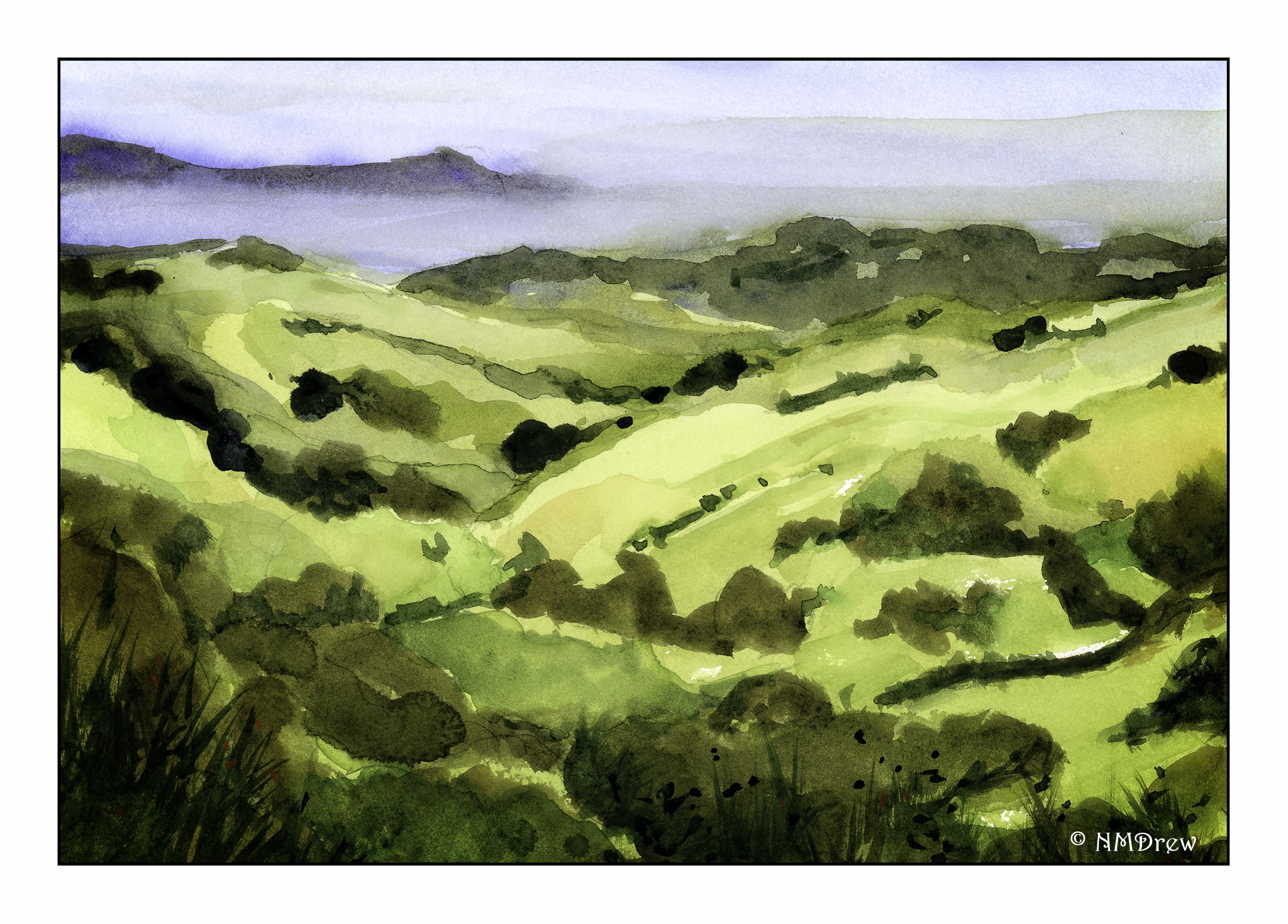
The miracle of green always happens in the last of the year and the first of the next when the rains come and new growth begins to emerge in the hills of California.  After months of dry weather and fading landscapes. color erupts almost overnight.  Soon, wildflowers will begin to tinge the hills from green to orange and purple and yellow.  Here, a view from the hills toward the Pacific, with the Channel Islands in view, lost in the coastal fog.

California Back Country

Even though summer is moving through July, soon into August, the rains we had over the spring are still leaving waves of color in the hills of the California back country.  Usually at this time of year beige is the predominant color, and in really dry years, a dark dirty brown.  This summer is a delight of colors – pale compared to spring – with wildflowers still hidden amongst the grasses.

Under the Oaks

This past spring in California has been one of the most stunning I can recall.  A long period of rain, extending deep into May, produced a situation in which flowers bloomed, and bloomed, and bloomed.  There are still traces of colors – golds and yellows mostly – on the hills when normally the color is beige and dead.  The richness of the wildflowers made the landscape, whether on the hills or under the trees, in the meadows or alongside the freeway, a wonderland of color.  I am still sorting out photos and memories as sources for paintings.

This is an underpainting for the gouache painting I did today.  Wildflowers under the oak trees along a local trial – lupines, wild cucumber, white and yellow flowers of known and unknown species.  Here, a la James Gurney, I decided to do an underpainting using casein paints.  He suggests casein as the underpainting as it cannot be picked up, as can an underpainting of gouache, once it dries.  It primes the paper, too.  While the smell is rather gross, the substrate it creates is stable and I rather liked using it, not just for what it did for the paper, but to lay in some values as well.

From there, I moved into remembering – thin layers to thick in gouache, building to lighter colors and thicker layers as you move along.  I’ve watched a number of videos on YouTube to get a sense of the process.  In particular, I have enjoyed the videos on gouache by Sarah Burns.  It’s rather strange to me, but it worked out.  Below is a painting of blue-eyed grass and white flowers under the oak trees in this stunning California spring.