Maggie Shirt and Magyar Sleeves

The current project is a baggy shirt, with a front placket, back yoke and pleat, and “Magyar sleeves.”  Never heard of Magyar sleeves, but a trip to Wikipedia gave lots of info.  The pattern is from StyleArc, and is called The Maggie Shirt.  Clicking on the StyleArc link will bring you to the pattern itself.

In addition to making a placket with a slash for the first time (see the front of the shirt), I will be sewing with gauze.  I may be nuts to do it but it will be an adventure in and of itself.  The placket may need a fusible interfacing for it, as you do with the collar, but I will cover that territory as I move along.

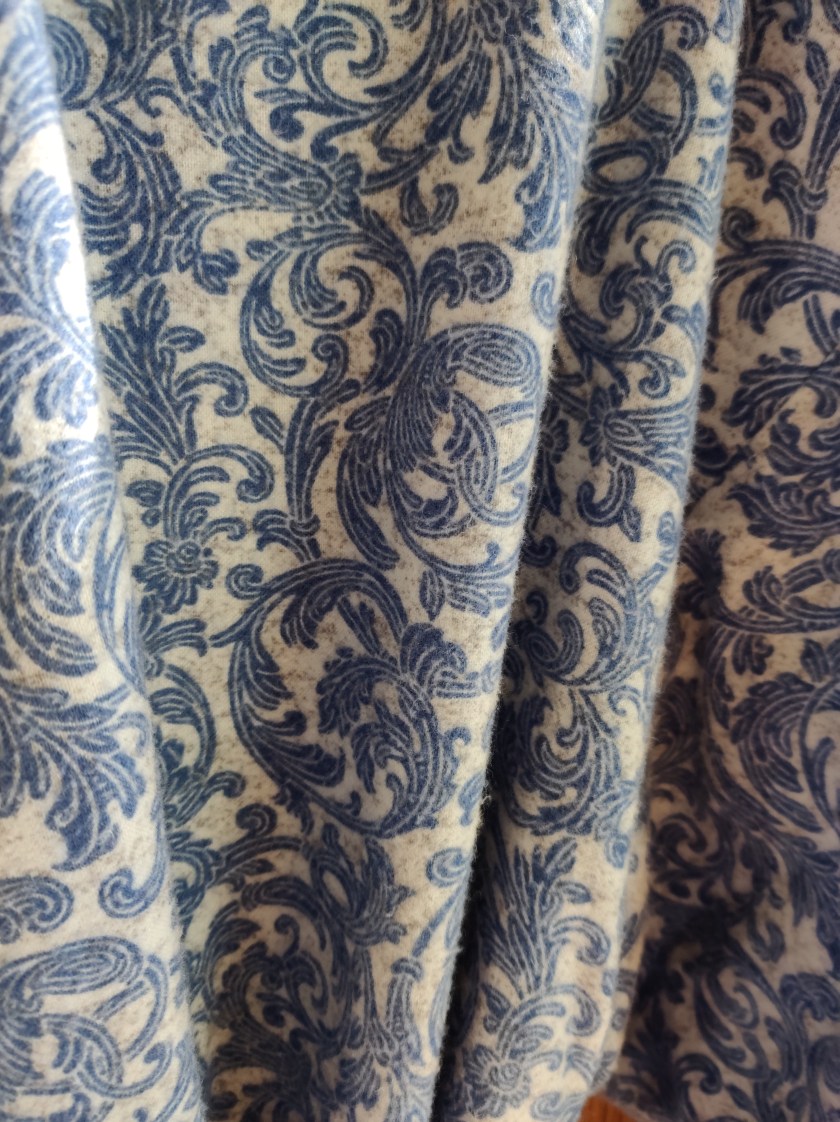
Here is a picture of the gauze.  I wonder if it is the “double gauze” I kept reading about as I searched for information on sewing gauze and cutting out patterns with gauze fabric.  Suggestions include not ironing the gauze, but washing it on hot to let it shrink, and letting it dry flat or on a line.  I put mine in the dryer, but didn’t iron it as it will stretch a lot.

When I laid out the pattern, I flattened the material, not trying to smooth it out too much, but getting rid of any folds and letting the material lie as it wanted.  Of course, the pattern has a grainline line in it, but I just eyeballed it because how could I find the grain other than measuring it from the selvedge (which I did the best I could).

You can see how sheer the fabric is as the blue lines of the cutting board show through a single layer, and for this hot weather, it will be a comfortable top to wear – and hopefully relatively modest, as I don’t like my underwear to be too apparent.

The pattern is pretty straightforward, but I am not too sure about the directions and markings.  They are not like the ones found in the 4 big pattern companies here in the US.  I need to read a bit, as well as rely on my own knowledge of sewing.

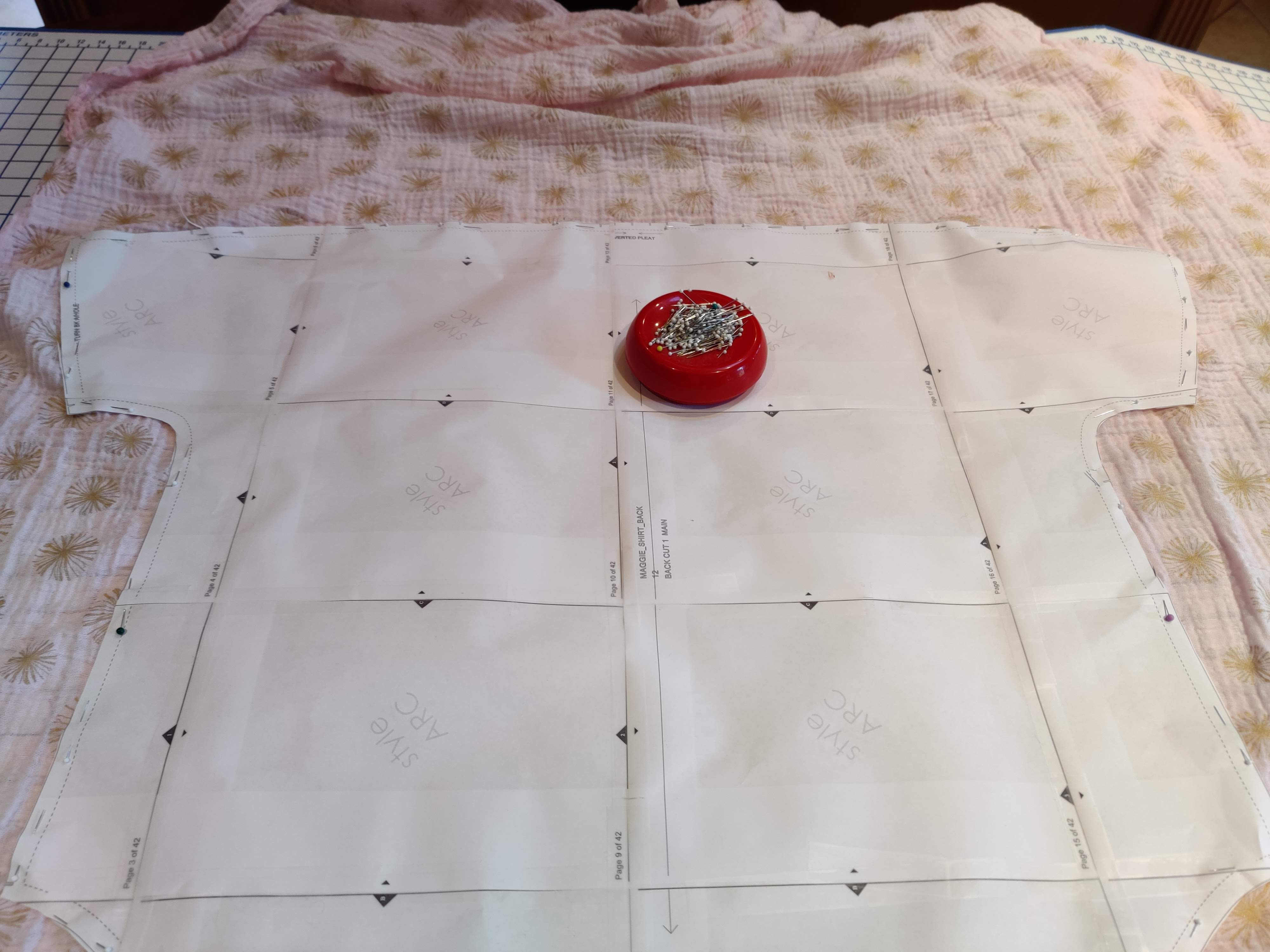
The picture above is of the back of the pattern before I cut it out.  The pattern was printed on 8×11 paper, and then taped together front and back.  Some layers of paper are 3 deep – and a real pain to pin down.  I think I will need to rethink the taping process – pulling out layers as I cut to create only one layer thickness of paper.  Didn’t think about this until the pinning and cutting of the pieces began!  It’s really tough to pin through 3 pieces of 20# bond!

And here are the pieces, ready to be sewn.  That begins tomorrow or Sunday.  I also plan to finish the edges of each piece before I sew, and probably stay stitch all the curves at a minimum.  The long narrow piece is the collar, so I will also fuse it to a lightweight interfacing.

Before any sewing begins, though, I plan to practice sewing and finishing the edges on the gauze to get a sense of how it handles.  I may end up hand basting a lot of it, too, because that may prove to be easier than pinning.  As well, I need to check out my presser foot pressure (lighter pressure for lighter fabrics) and stitch length – longer or shorter for loose weaves?

Now, time to go stretch as bending over a table is hard on the old lower back . . .

Time, Paper, and Tape

The sewing bug has bit me again!  Now that I have time to sit down and think, I also have time to sew.  I just finished a flannel robe in the past couple of weeks, as well as hemmed a couple of pairs of jeans for Josh.  Now the plan is for a new blouse out of some gauzy material with gold printing on it.  Yeah, sounds bizarre, or gaudy, but it really is rather pretty.

I have any number of patterns, but none seemed especially suited for my very first foray into sewing with gauze.  Looking around on the internet, I came across some patterns by StyleArc, an indie pattern company out of Australia.  They get good reviews, so I decided this blouse would be perfect.  A bit of a challenge, but simple enough . . . .

When you buy online patterns, often they are downloadable as a PDF file that you print out at 100% (to make sure you get the right size).  From there you tape everything together to create your pattern pieces, and then cut.  And then tape some more, front and back.  After that, you get to sewing!

Sewing with Flannel

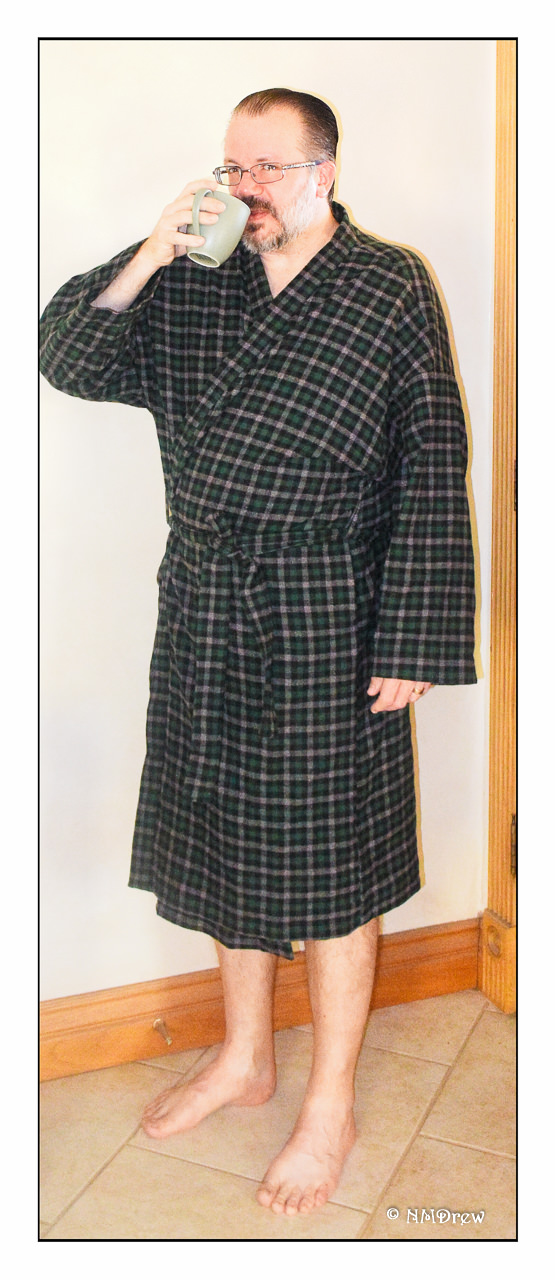
Last Christmas I made my husband a flannel robe.  I had never sewn with flannel before, and having found a really soft, lofty, excellent flannel at the local fabric store, on sale no less for 50% off, I had to try it.  His current robe was a flimsy one made of cheap flannel, too short, and not very warm.  So, off to work I went, and you can read more about it here.  As with all washable fabrics, I washed it on the hottest setting and dried it on the hottest setting – cotton shrinks, flannel is linty, and the sizing and such makes a fabric deceptive.

I figured I knew enough about sewing and fabric that I didn’t need much more than my accumulated knowledge.  However, as I proceeded to cut out the robe, I became aware of just how much flannel stretches!  The robe was really lopsided, even though I cut out each piece separately to match the plaid weave.  I was soooooo careful!  I attributed the mismatched plaid to my own casual approach to sewing – I do it for fun, enjoyment, and not to make myself nutso with idealized perfection – but soon realized the fabric itself had its own personality.

Fast forward to the past week.  I made myself a robe out of the same pattern for the same reasons I made my husband a new robe.  My summer robe was too short, had crappy flannel, the waist set too high.  I bought a lighter weight flannel than the plaid for my husband, figuring it would be more tightly woven and thus have fewer problems.  As usual, I pre-washed the flannel in super hot water and dried it on super hot.  Since this flannel is printed, I didn’t worry about it too much after that . . . but I still found that, even though was picky about my cutting, when I went to sew it, some pieces were warped, even with stay stitching.

Hmmmm.  What is going on here?

Research revealed some things I didn’t know, but had learned by experience.  Viewing YouTube videos on sewing with flannel came up with some suggestions, paralleling many of my own ideas after sewing two robes and having more flannel projects in the sewing wings.  Let’s begin . . .

Before Sewing

  • Determine the yardage for your garment based on the nap layout.  Flannel is a napster!
  • Buy 20% more fabric than you need as flannel shrinks a lot!
  • Buy at least 1 yard more if you need to match plaids, or even more if the plaid is a large one.
  • Pre-wash in super hot water and dry.  Repeat if necessary.
  • Use a starch or sizing spray on the reverse side of your fabric when you iron it prior to cutting out your pattern
  • Iron by the press-and-lift method – don’t iron back and forth or in a circular manner as this will cause the fabric to warp

Cutting Out Your Pattern

  • Flannel has nap.  Determine the direction in which you wish to lay out your pattern.
  • Lay out all pieces in one direction because of the nap.
  • Cut out pieces individually if you have a plaid so that you can match up the weave if you wish.
  • Mark all notches and dots – this will help keep your pattern in line when you sew – remember it is gonna stretch!

Getting Ready to Sew

  • Stay stitch where directed by your pattern.
    • I plan to stay stitch around each piece before sewing – this might help with stretching issues, it may not, even though I zigzag all my pieces prior to sewing.
  • Finish all the edges of a piece before you sew – this will cut down on fraying (and flannel wants to fray) as you sew, even if you have to trim seams later on.
  • Use a walking foot / quilting foot if you have one.  The differential feed helps reduce the stretching of the flannel as you sew.  If you don’t have a walking foot or differential feed on your machine, roll the fabric up and support it so that the upper layer especially is not weighted down.  This helps a bit.
  • Use a new needle.  For heavier flannels, use a 16/90 sharp or universal; lighter weights use a 14/80.
  • Increase your stitch length.  Most modern machines default to 2.5mm – try 3.0 to 3.5 depending on the fabric.
  • Use polyester thread as it is a bit stretchy and can work with the natural tendency of the flannel to stretch.  Cotton thread is always my thread of choice, but it doesn’t stretch.
  • Decrease your upper thread tension if you can.  Less pressure on the fabric means less stretching as you sew.
  • Pin, pin, and pin some more!  This helps keep the fabric from slithering around as you sew.  Or, if you like, hand baste each piece.  This might actually help when matching up plaids more so than pins.
    • For my next robe, for my husband’s brother, which is made out of the same fabric as his, this is what I plan to do.

Sewing the Garment

  • Take your time.  I slow down my sewing considerably when I sew flannel.  This helps me keep the fabric under more control than if I am zipping along at maximum speed.
  • Remove pins just before they slide under the presser foot.  If you snap a pin, you might find it is difficult to locate later on.
  • Think about how you want to prevent the fraying so inherent in flannel.  How are you going to control it?  Consider
    • serging the seams
    • overcast stitching the seams if your machine has such
    • zigzagging the seams
    • flat felled seams
    • French seams

After the Garment is Sewn

  • Hang the item up for a couple of days if it has a hem to be put in.  The fabric will stretch out and relax a bit.  This will allow for a better hemming experience I think (just what I think).
  • Hand sew hems and facings into place.  As flannel is stretchy, you can then slightly gather in excess fabric as you stitch.  The nap in the flannel allows for slightly larger stitches – more than one thread of the warp or weft can be picked up.  The stitch will be buried in the nap.
As you can see, this flannel is considerably less heavy than the one in Josh’s robe. It is very soft and fuzzy, which makes for a comfortable robe. Over time, we will see how good the quality of the fabric is through washing it. Now that it is shrunk, there is no need to wash it on super hot nor dry it the same way.

As you can see, this robe is baggy and loose. Wearing it is very comfortable. The off-the-shoulder sleeves, while perhaps not the most flattering, certainly are roomy. I made the small robe for myself and the large for Josh. The front overlap is good, covering more than enough in both sizes.

I had a few issues with the sewing sequence. I didn’t like the fact that the sleeves were sewn on and then the front bands. I personally would do front, back, front bands. From there I would add the pockets and loops to hold the belt. Afterward, shoulder seams. I also think that perhaps sewing the side seams and easing the top of the sleeve might make for a better match of the hems at the bottom of the sleeve. I also cut two belt loop pieces instead of one, using the other for a loop at the inner neckline to hang on the hook behind the bathroom door.

I didn’t spend 2 hours sewing this robe either! My time was about 10-12 hours. I really took my time, and spent a couple of hours for about a week sewing, ironing, finishing seams, hand sewing hems and front bands. The final product is pretty nice and looks professionally made. I am not sure if the fabric caused some of the pieces to stretch in weird ways, but it was not something that caused issues in the end. On the front of the robe, even though I matched notches and dots, one band was shorter than the robe front and the other was a bit longer. Hemming took care of such discrepancies.

In the end, I like this robe pattern, but for a woman, perhaps one sized for a female build would be a better choice. Unisex patterns are, in my experience, sized for men. Big shoulders, narrower hips. I look a bit different than that!

Enough, and More Than Enough

Many people, myself included, as they age start to get rid of the possession’s they have accumulated throughout their lives.  I am no exception, sort of.

To begin with, I am of the thought that to learn about something, you need to experience it.  This can be done in a lot of ways, such as projecting ideas and thinking about ways in which people could respond, by reading, and so on.  I like to learn things by doing.  As a result, I have a lot of stuff.  I have too many sewing machines, too many cameras, too many brushes, too many tubes of paint.  I used to have too many spinning wheels, too many pairs of shoes, too much yarn.  I’ve paired those last areas down quite a bit, but still wonder about other things.

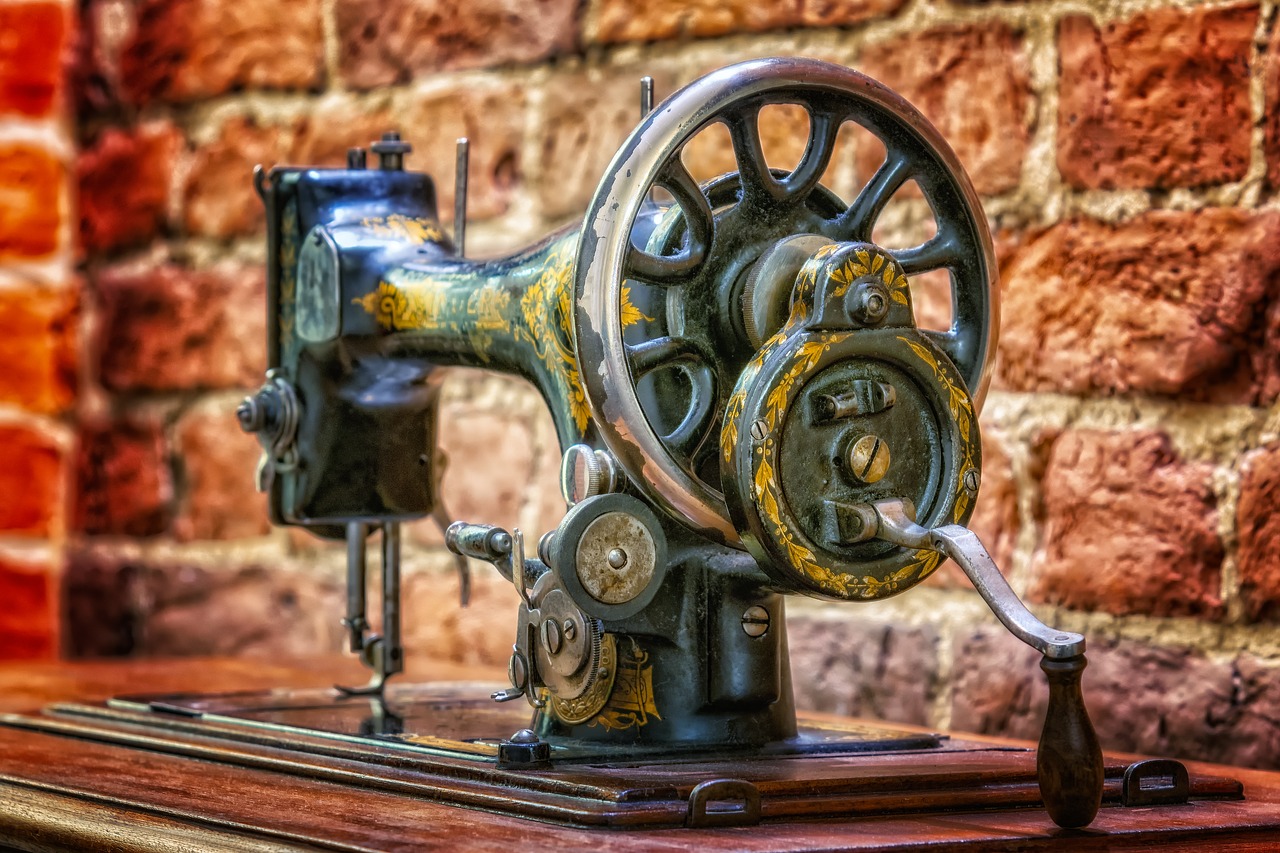
Let’s begin with sewing machines.  Why do I have so many – or “sew many” as one might pun.  Good question.  The answer is simple:  curiosity.  I have a treadle machine with a vibrating shuttle and long bobbins.  I still need to master it.  There is a YouTube video I have tagged to watch.  I have a Singer 99 handcrank I bought for buttonholes.  I have a Kenmore 1030 that was a present from an old beau.  I have a Featherweight 222K that I got because it was cute, little, and diverged from the 221 in that the feed dogs drop and the free arm is tiny, making it excellent for sleeves.  I have a Janome 6500, a computerized machine that is a workhorse and big.  I have a Presto II, also computerized, and lightweight for taking to classes, and using in a sewing table.  There are others, too, that have cams and other features that simply make them interesting and different from others in the collection.  I also have an non-working one that belonged to my mother – sentiment keeps it around.

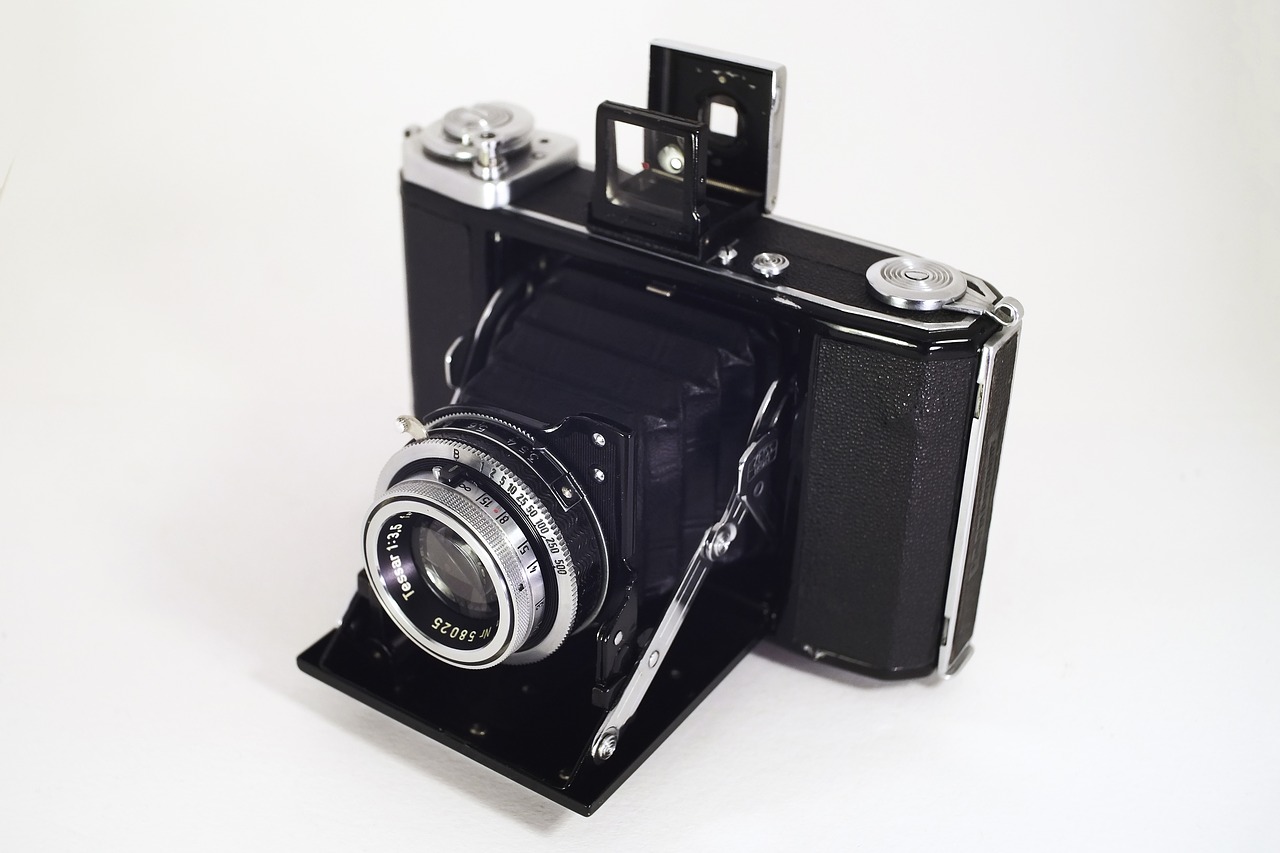
Next, photography.  Over 10 years ago a very good friend loaned me his Nikon D70 so I could learn about photography without using film.  It opened the door to enjoying and understanding photography as an art form.  It cost me nothing to use except buying a card for the images.  I had it for a year.  In that year, I learned a lot and finally felt that film could be an adventure.  I have a few digital cameras – Nikons all – a Df, D7000, V1, V3.  I also have a lot of lenses, some autofocusing, some manual.  I also have bought some dirt cheap film cameras, the FM2n, F3, F100, F90s.  I also have some folding cameras from the 30s, in both 35mm and 120mm format, and a Yashica TLR.  I have a rangefinder, which I am not at all crazy about.  I have some Olympus cameras, too; an OM-1, OM-2, OM-4Ti, a Trip 35, and XA4.  All of these cameras provide for different experiences.  Lately I have acquired some 50s Agfas, such as the Silette, and these “newer” vintage cameras have their own charms and experiential value.

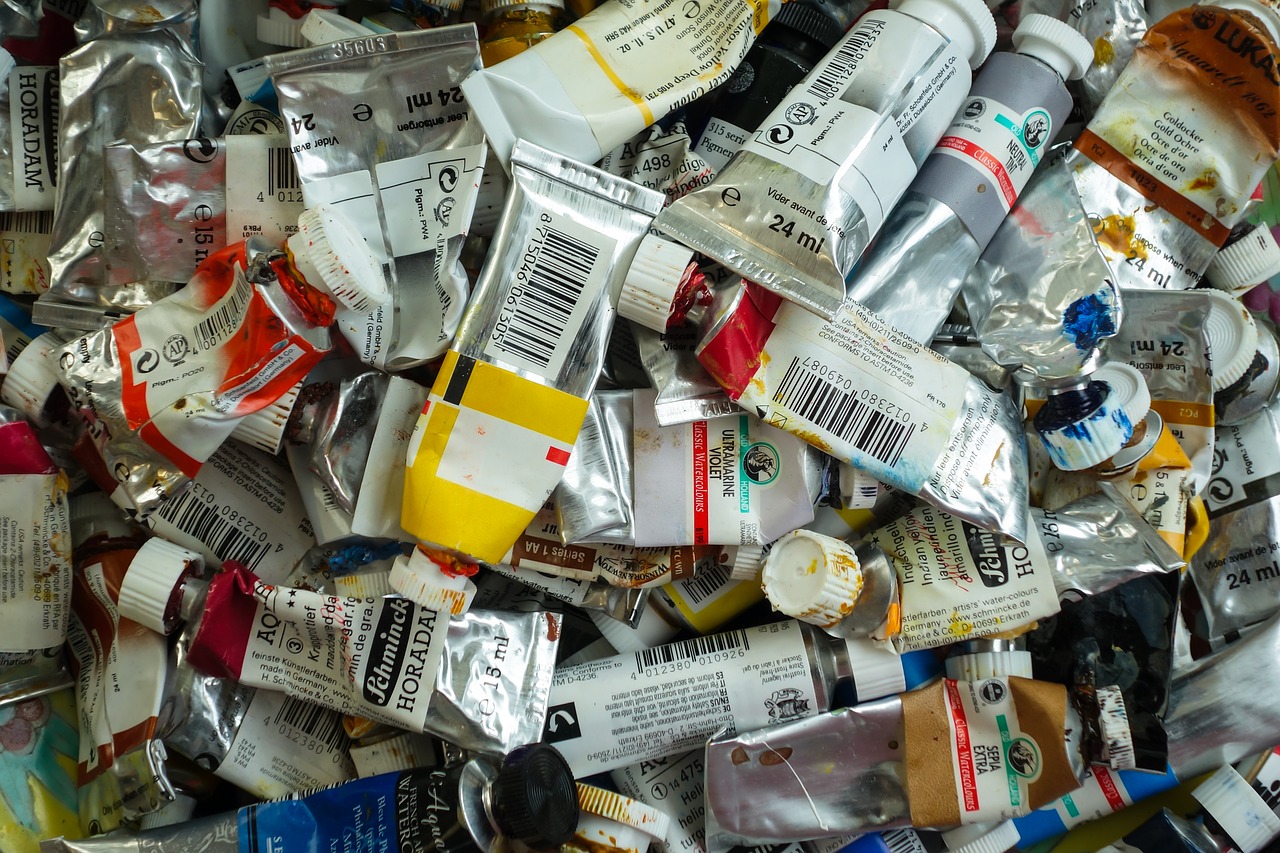
Finally, paint supplies.  This really was the central point of this post!  Many people say to work with a limited palette of colors – but color, for me and many others, are a siren’s song.  There are so many luscious colors out there.  The same color by this manufacturer is different than that manufacturer.  How can anyone who loves to paint and loves color resist?  I know I can’t!  But, I do know, that if I don’t experience the color first hand, how can I determine its value in my palette?

On that note, I leave you.  To me, all of the above have provided experiences that I could not have had otherwise.  Yes, I have enough, and more than enough in many instances.  However, the historical value of sewing machines and cameras is something I enjoy.  The range of colors I have helps me to learn what I like and don’t like.  All of them draw me at different times, and to experience them, today or a week later, or even months, is a joy.  So, enough?  Or, too much?

WWM 2019: Days 20-26

#WorldWatercolorMonth2019 is flying by!  It has been a lot of fun, in the doing, pondering interpreting the prompts, and in the progress made from just daily painting.  I have some really awful paintings, and some of which I am rather proud.  So, with no further ado, the prompts and the paintings!

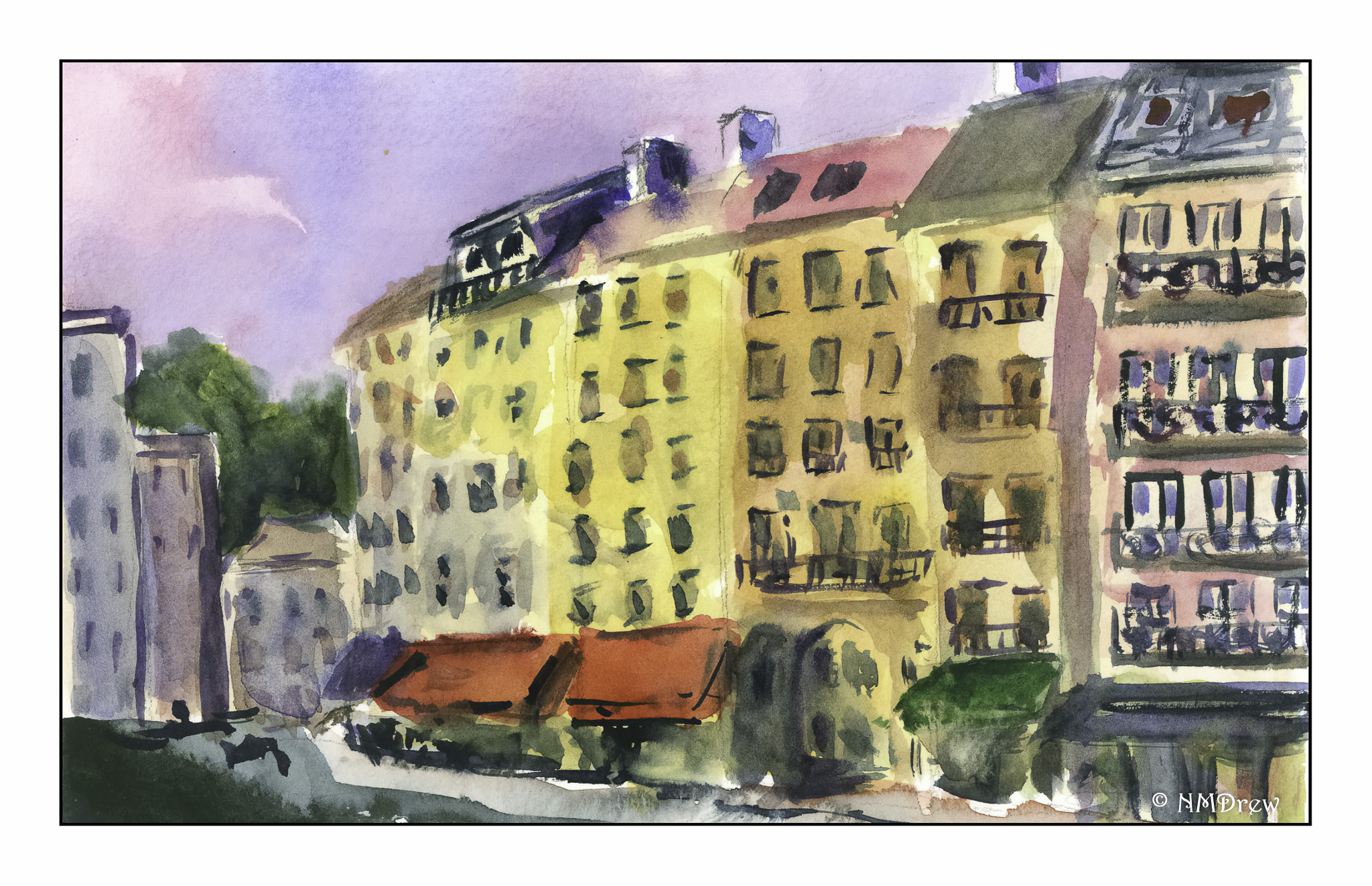
WWM #20:  Buildings

Here, some old buildings in Paris at sunset.  I am rather pleased about this watercolor for a few reasons.  Perspective works, with decreasing detail, lines, and atmosphere.  The sky is pretty killer, too!

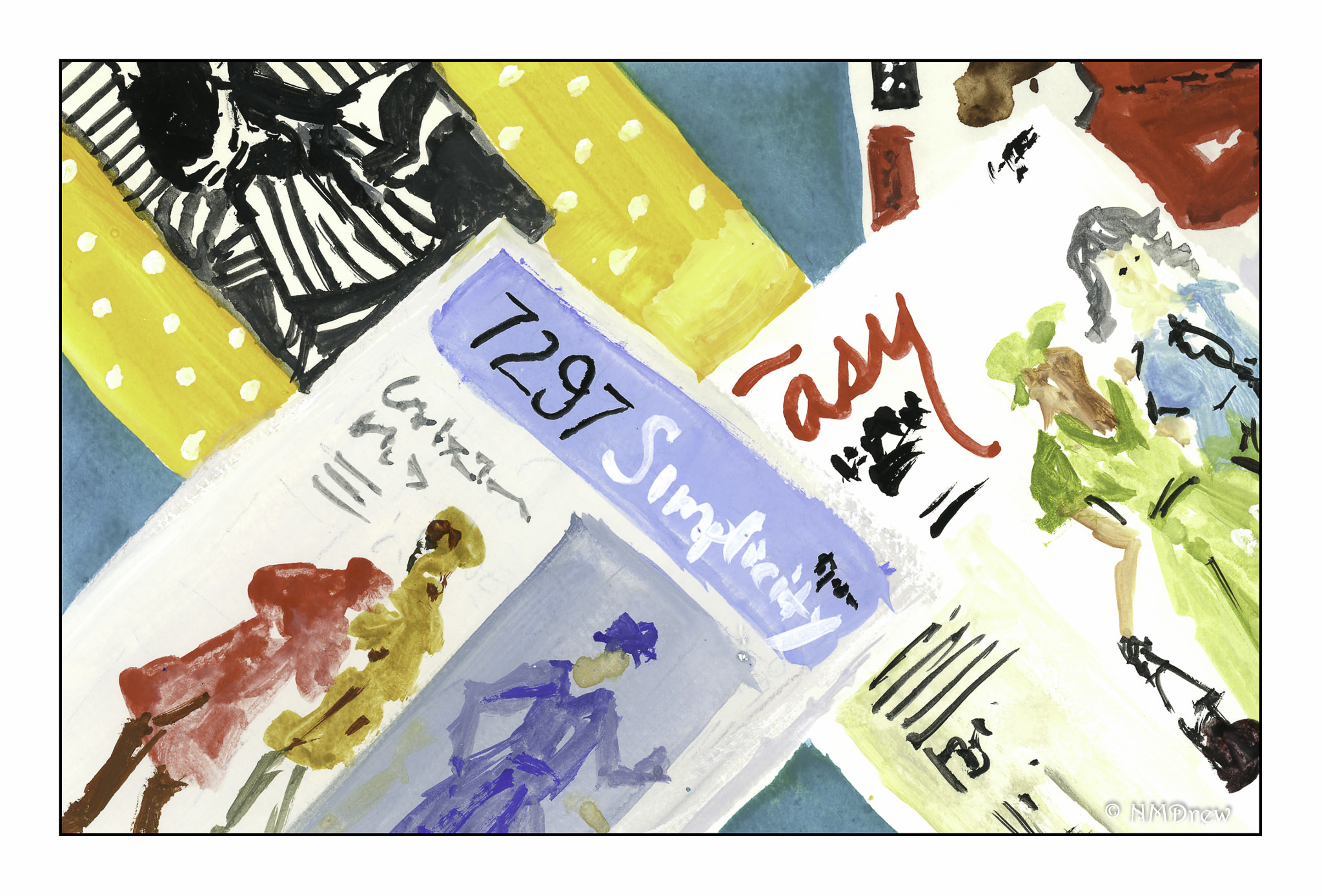
WWM #21:  Patterns

I was pondering this one – I thought of all sorts of patterny things, but in reality, nothing grabbed me.  As my studio – particularly the sewing area – is in total disarray, sewing patterns suddenly seemed perfectly obvious.

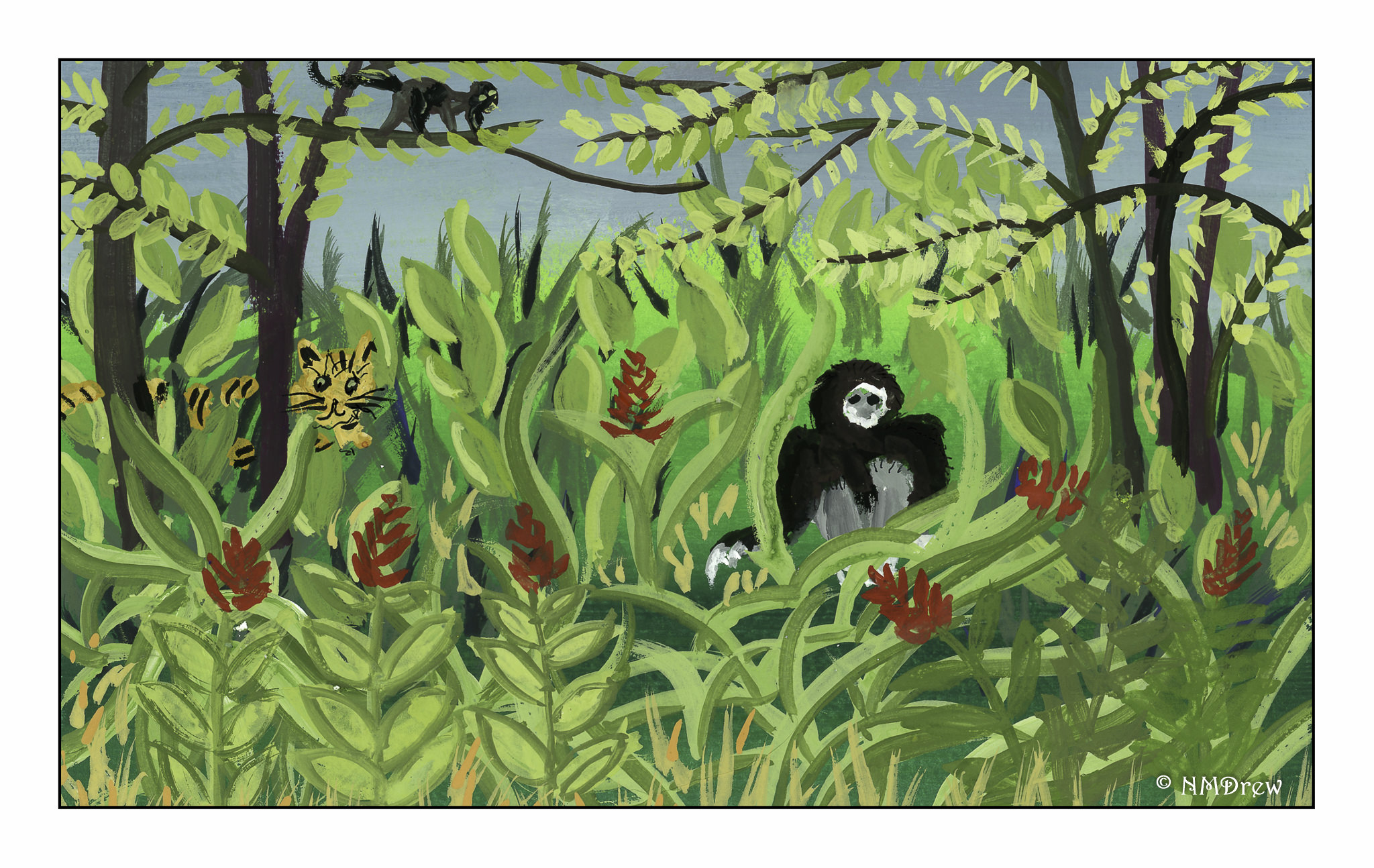
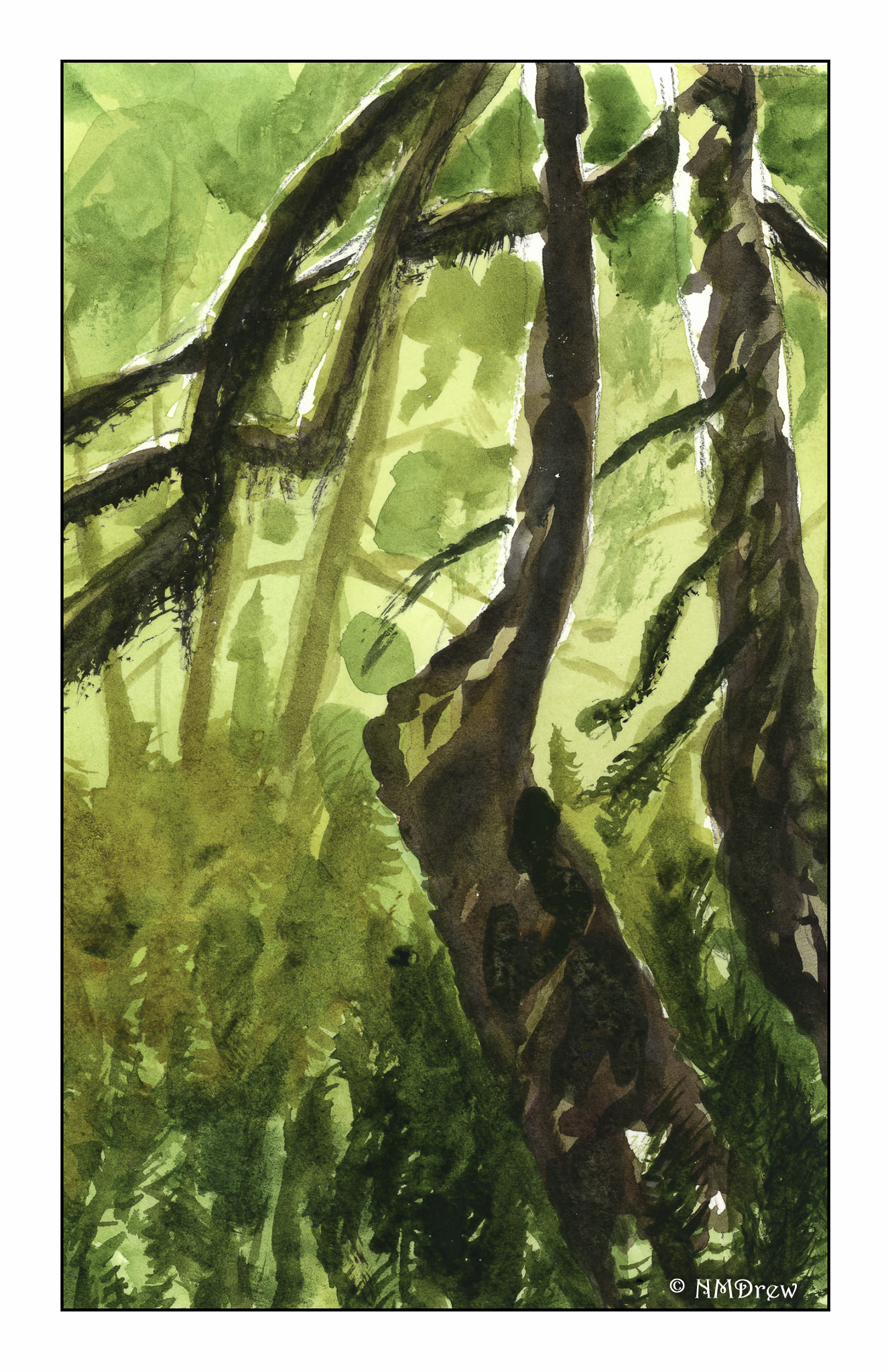
WWM #22:  Rain Forest

I always imagine a rain forest as the French primitive painter Henri Rousseau showed it. The above is a rather poor homage to his great imaginings.

Here, from some photos and memories of our trip to the Hoh Rain Forest in Washington State. Paths wander beneath ancient cedar trees covered with moss, a green canopy, and little if any sky visible.

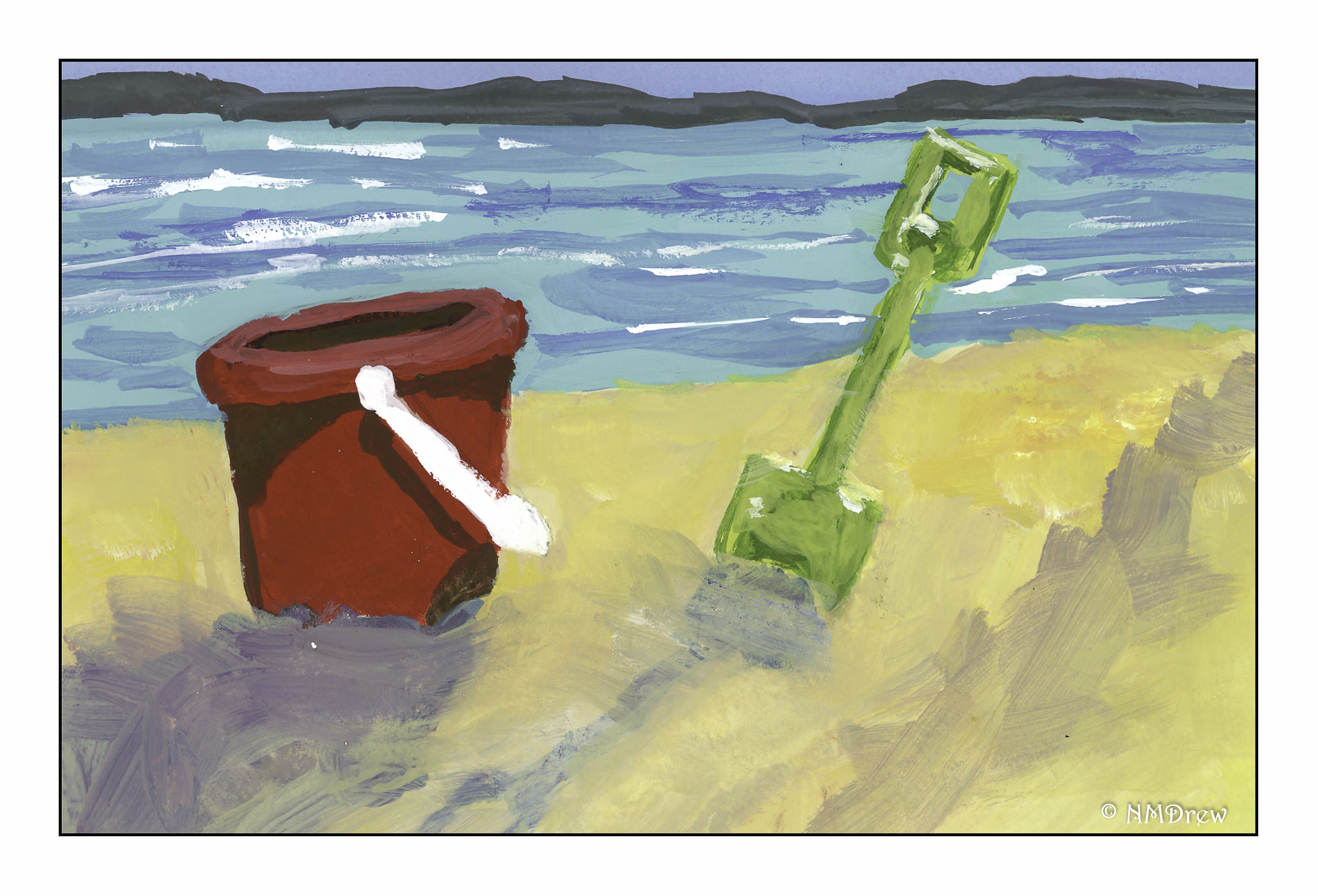
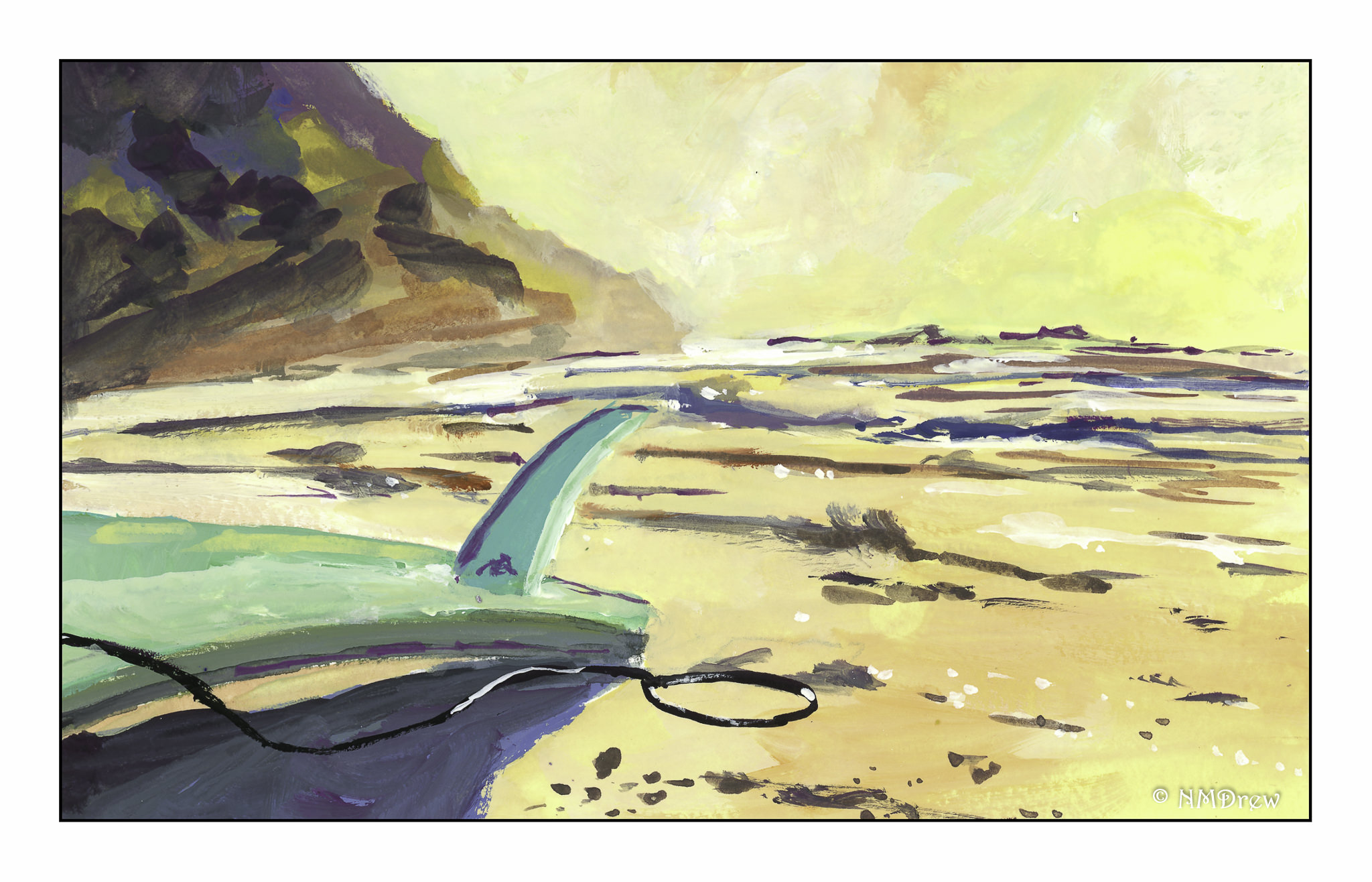
WWM #23:  Beach Fun

Pales, buckets, and surfing at sunset – all great fun at the beach!

WWM #24:  Treats

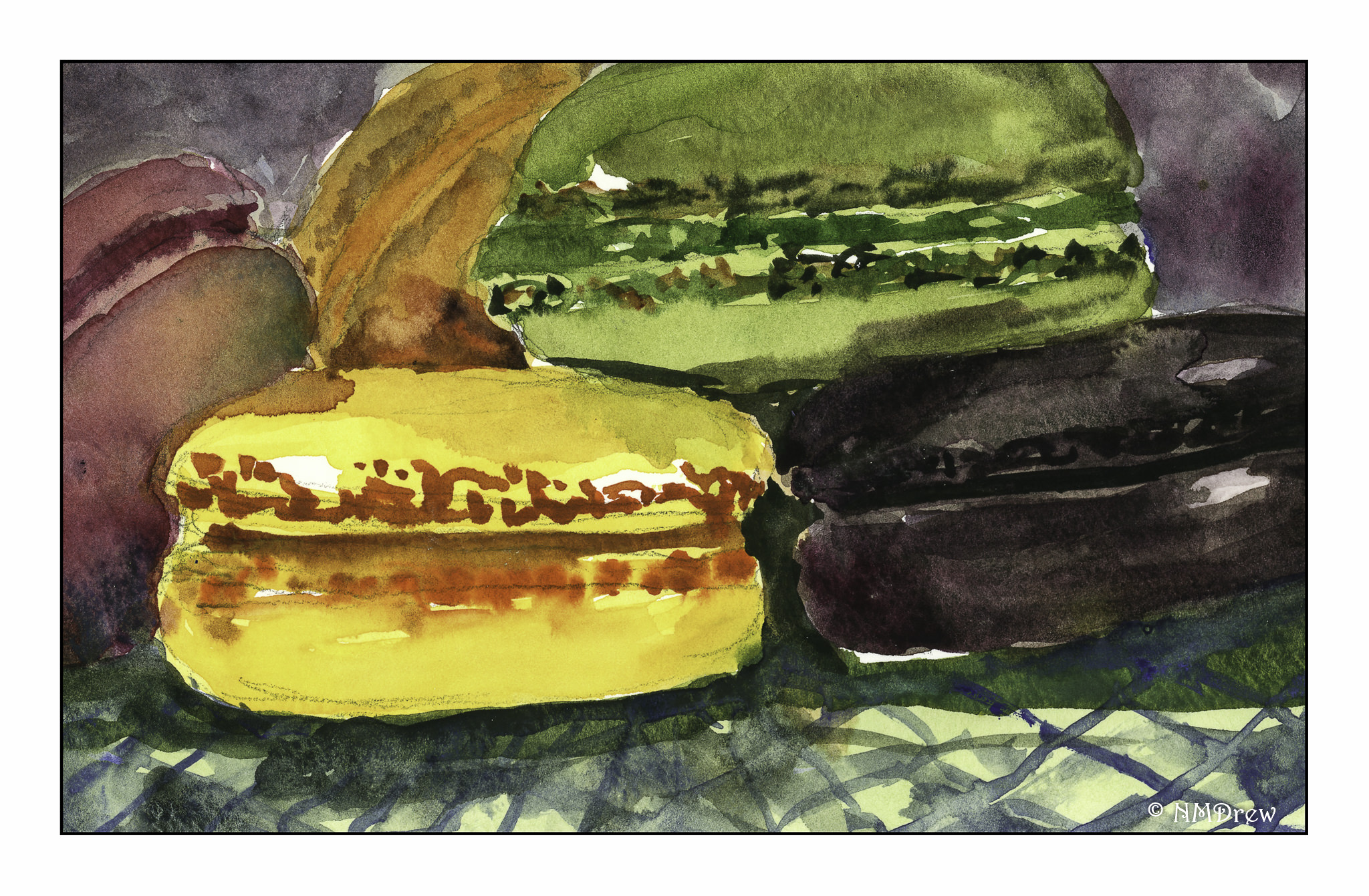
Cookies!  I really love cookies (but like pie better, I admit), and for elegance and color and delightful flavor, macarons!  Here, lemon, mocha, pistachio, orange, and raspberry.

WWM #25:  Shades of Pink

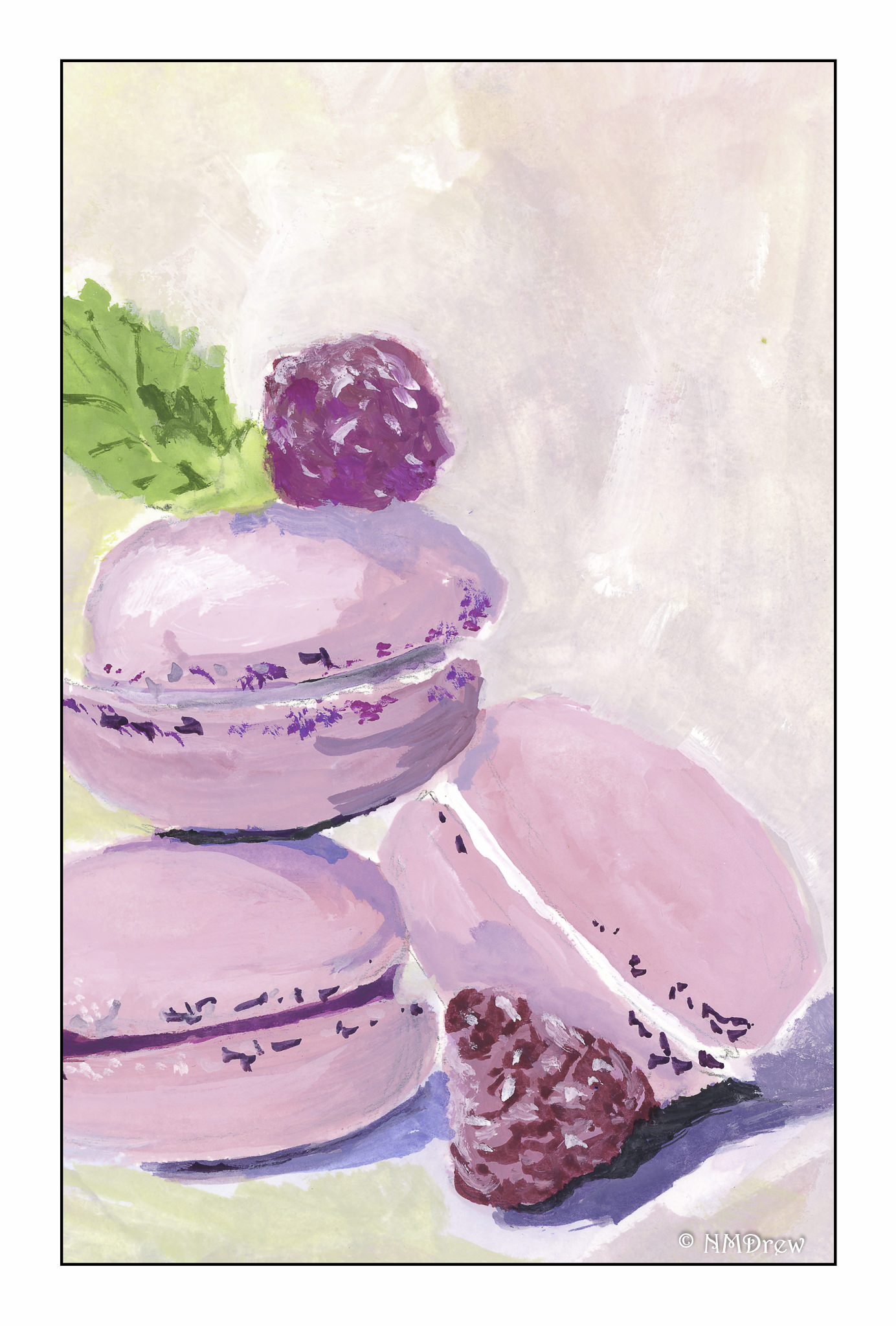
I have to say, I like these raspberry macarons a lot!

WWM #26:  Natural Wonders

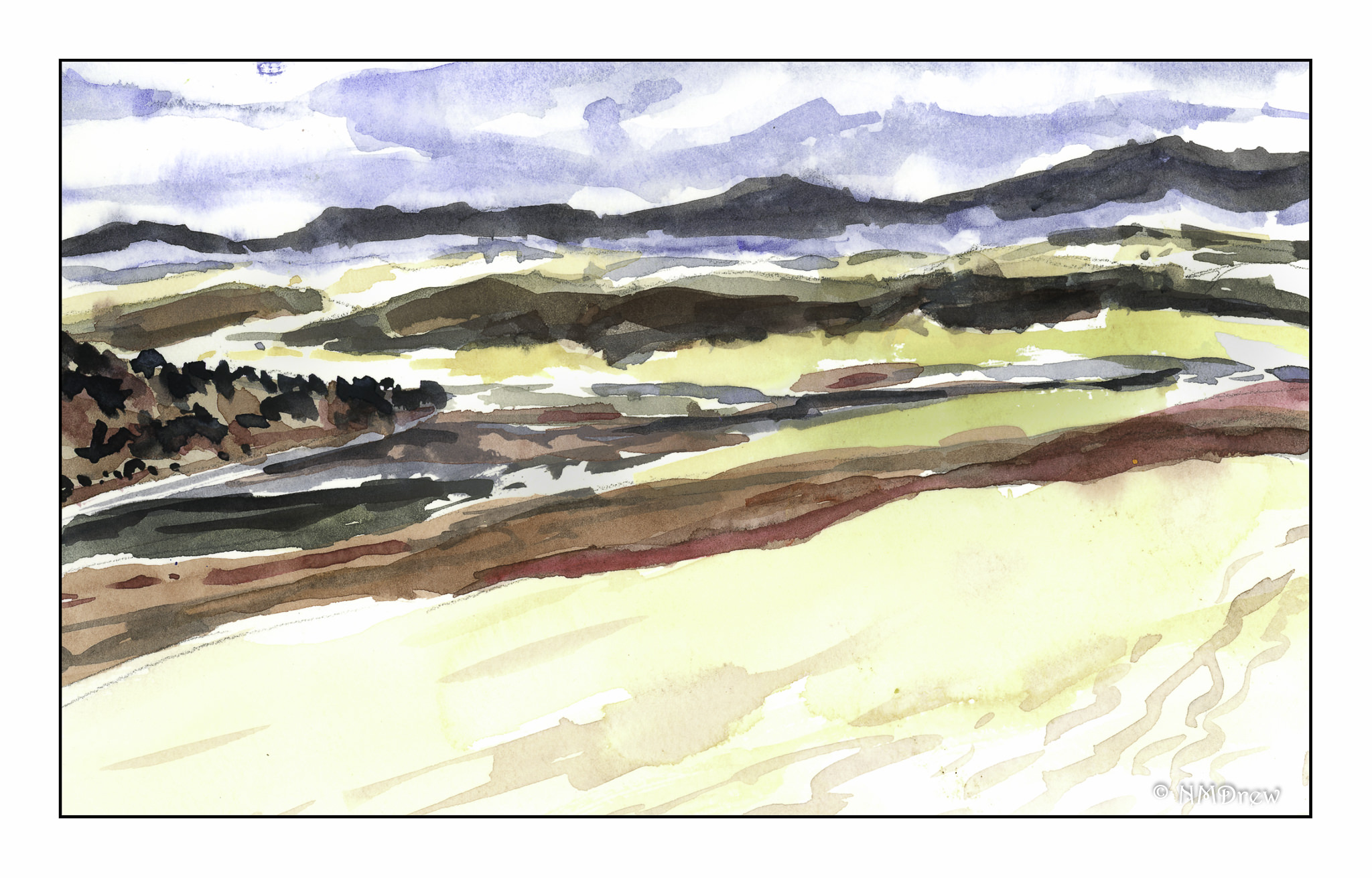
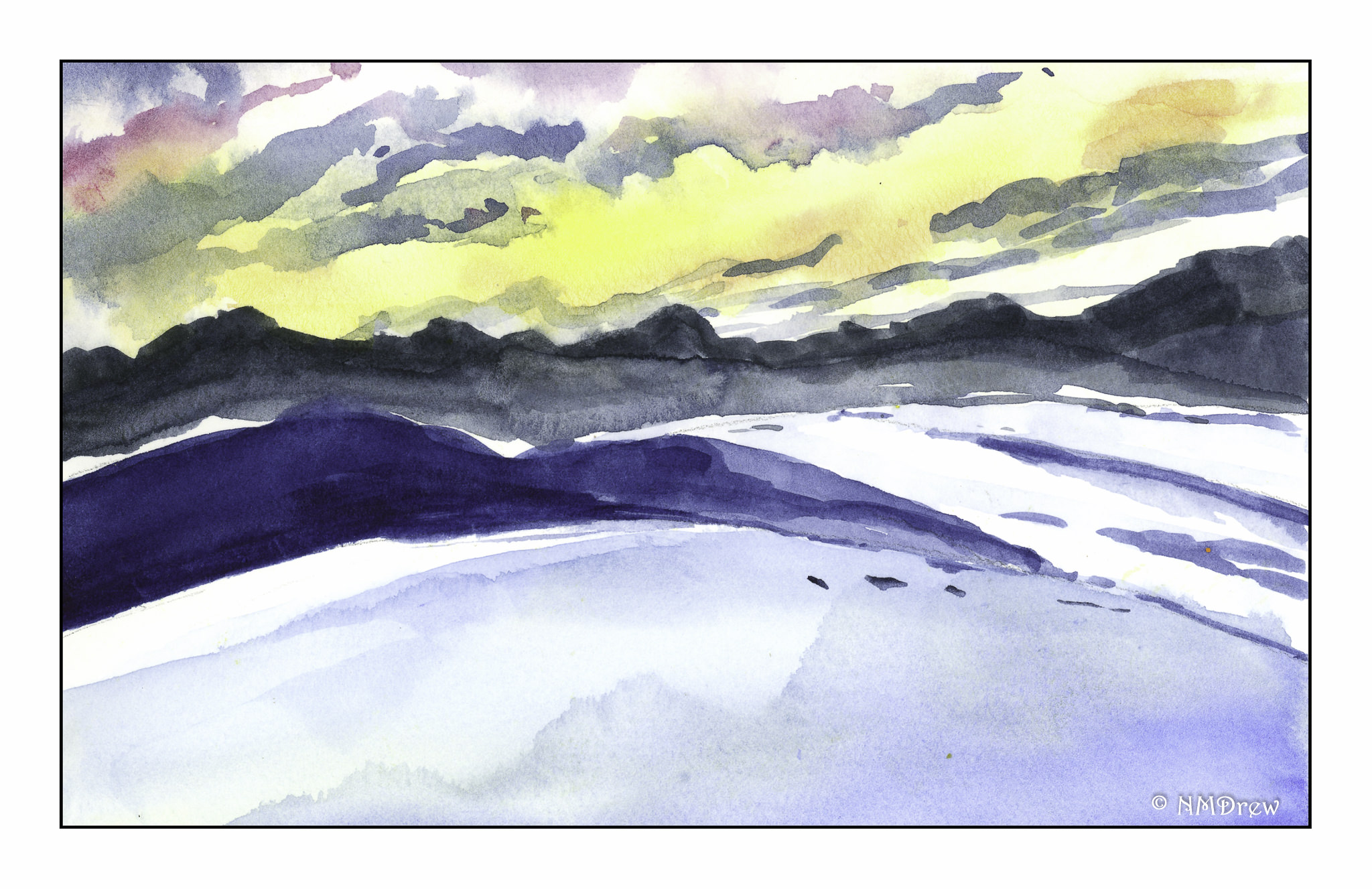
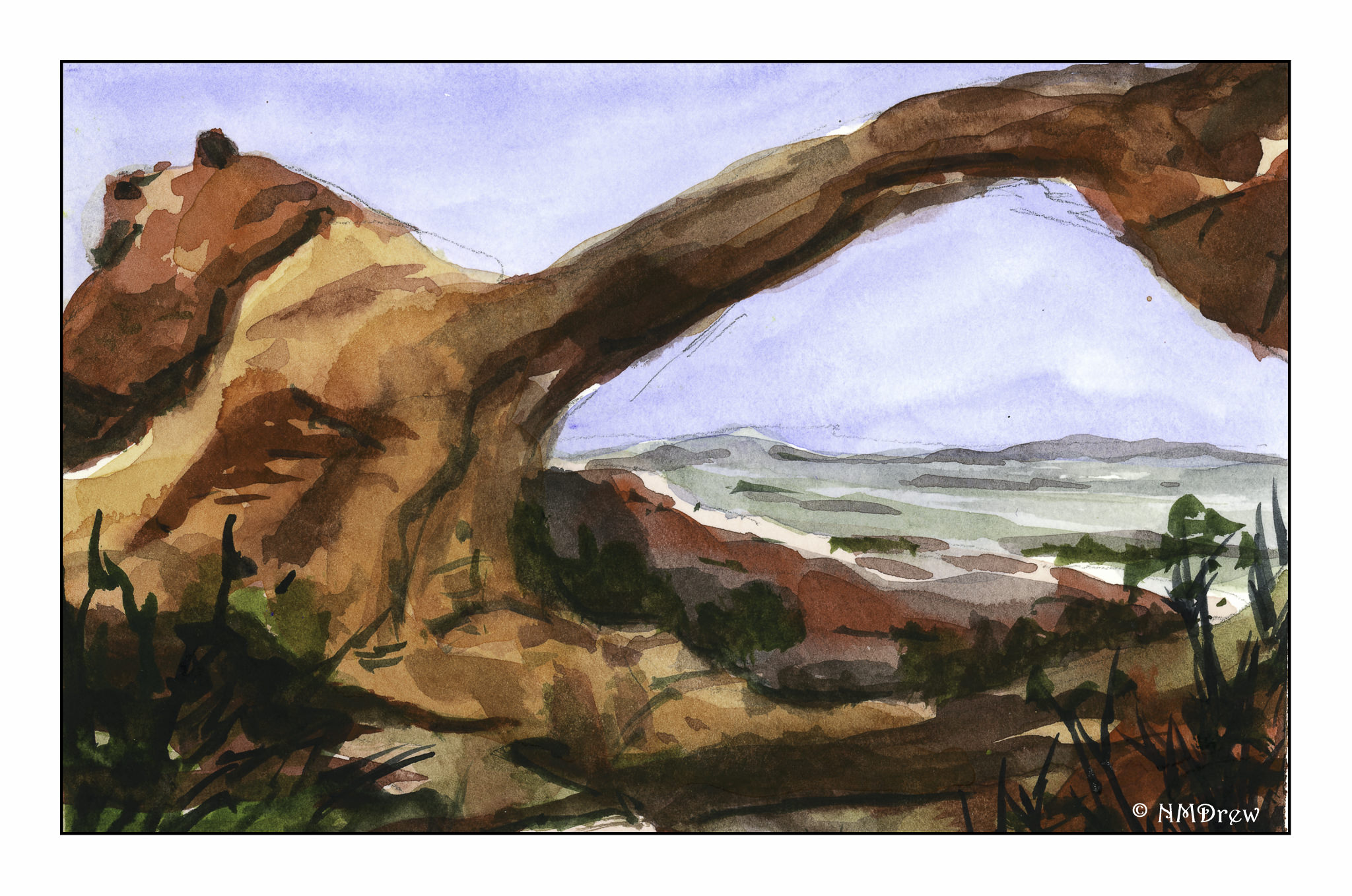
The White Sands National Monument in New Mexico is an amazing place – white sand dunes in the middle of a desert, scant plant life, dramatic skies and mountains all around.  It was also incredibly difficult to paint the whiteness of the sand . . . nothing particular awesome about my paintings.

On the other hand, the Arches National Monument has some amazing things to offer – arches being one.  The sandstone, eroded by wind and rain, has left some amazing geological remnants behind.  This watercolor really pleased me . . . again, perspective and distance issues, as well as my usual problems with conveying depth.  To do so, I simplified the background hills with a few lines of color.  I put more detail into the middle ground, which was the arch and the red sandstone behind the arch, and in front of it.  Plants on the lower corners and border became the foreground.  To aid more in the depth, I did a light blue-grey glaze over the mountains, and applied a warmer glaze a couple of times in different areas of the arch and sandstone.

To be continued!