Sometimes things just drop by the wayside, and photography has been one of them. I’ve been too busy being lazy, painting, blobbing, and sewing. A few other things, too. We all get there. The photo mojo just vanished but I decided I had to get out of my rut and think about the photography side of my life. I rather wish I was up for challenges, as I think it could be a boon, but lately the idea of obligations – as a challenge could be – might be more than I want to deal with. However, I have come up with an idea to try for a few weeks . . .
Awhile back I got a Fuji Instax Square Printer, and it is a sweet little item. It connects with my phone via an app as well as the Fuji X100V. Instant prints. It works quite well. And that is my challenge – a picture or two every day for a bit. No time frame, just a daily picture.
Above is my first photo for this challenge. I like old writing implements and tools. This is my inkwell, ca. 1810-1840. I am inclined to think it may be from the time quills were in use as there are 4 holes on the top. Quills need to dry out between uses, so if you are writing a lot, a number of quills need to be available. You switch between them to keep a good nib. The inkwell to hold the ink is under the hinged lid, and in it I have my own homemade iron gall ink. And a quill – a realio, trulio quill – cut in the traditional manner so that it actually works. I used both to write my sister a letter, and sent her this print and a few others.
It is very satisfying to get out the pen and ink and write! My cursive is pretty good, and I have a light touch, as needed, to use a quill pen. No blobs of ink sullied my letter. My paper, too, was excellent, because there was no feathering of the ink nor bleeding through the paper. I did my research and am pleased to see it paid off – modern papers can be hell to use with wet ink. I am also learning English “Secretary Hand” from ca. 1600. It’s not at all like Italic, which I think later replaced it, but it is interesting to do as it is somewhere between Gothic and Italic. The benefit to learning it will be able to read documents &tc from the time period, as well as stay out of trouble.
While we wait for the ink to ferment, along with kimchi (more later!) and the current batch of beer, I have taken some quills to begin to re-learn how to cut them. What an adventure it has already proven to be.
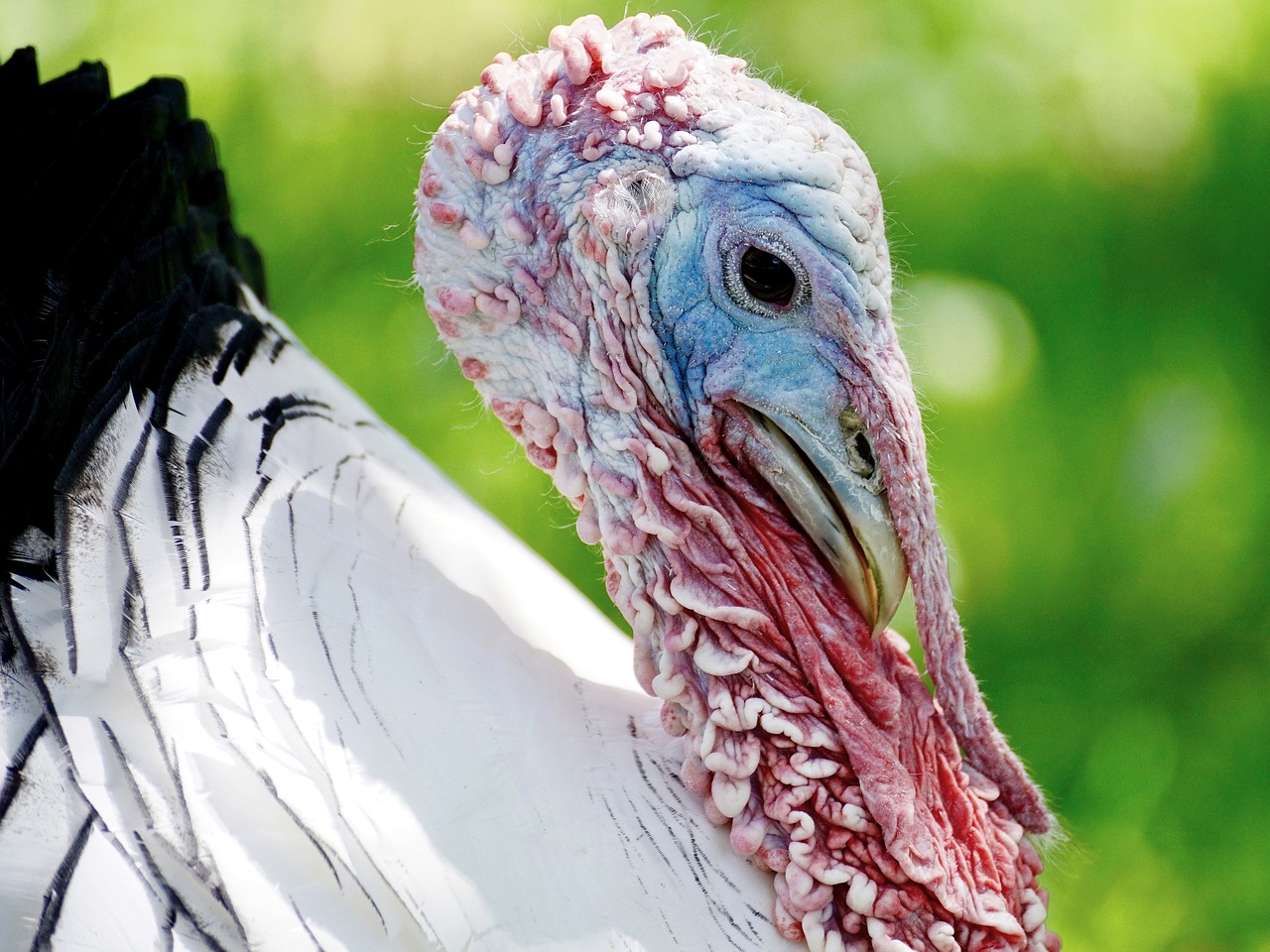
To begin with, I bought a quarter pound of white turkey feathers from a local feather company. They are white, and what I was able to do was to look at the diameter and width of the quill part – not the feathers, as they are not important – but the thickness and length of the lower end of the feather, the part to create the nib of a quill pen.
Yesterday, I stuck the quills in a glass of water to soak overnight. I made sure there was enough water to cover the lower end of the quill up to where the first barbs begin. One feather had its tip intact, but the remaining four had been cut away or removed. According to varying sites, the end should be cut away prior to soaking. After soaking the quills, I attempted to do the following, in this order:
Scrape out the membrane within the quill. I used a variety of things, some of which were more satisfactory than others – in particular, I used a couple of threading hooks for my spinning wheels. They weren’t especially good. Nor was a bent paper clip or seam ripper. I have seen scraping tools fashioned out of bicycle spokes and mounted in a handle – I will try to devise one over the next few days. The soak in the water gave the feathers a rather fowl (yes, deliberate pun!) smell – light and rather disgusting. Perhaps they soaked too long. The next round of quills, I will try to remove the membrane without soaking them overnight, and then move into heating them, as in Step 2 below.
Scissors for cutting; tools for scraping out the inner membrane.
Feathers ready for membrane removal. Note that only one does not have its tip removed.
All feathers with tips trimmed to remove membrane from shaft of feather.
After scraping out the membranes – none really seem to become clear as suggested by varying videos on YouTube – I hardened the quills in hot sand. I put some fine sand into a sauce pan on the stove and heated it up. I heard you can spit on the sand (or sprinkle some water drops if you are disinclined to spit) and if you hear a hiss, the sand is hot enough to harden the quills. I measured the temperature of mine, aiming for 350 F, and ended up with a bit more. From there, I moved the pot onto a trivet on the patio, and inserted sand into the quill tips and left each quill to clarify (what it is supposed to do) for about a minute. I cycled through the quills. At times I could hear the quills hissing in the sand – water evaporating or the sound of scorching from touching the bottom of the pan? Three quills were scorched, and two were not.
Hot sand!
Hardening / clarifying feather shafts.
Scorched and distorted!
After the hardening / clarifying process I looked at my quills. They looked kind of sad and did not smell delightful. After choosing a scorched quill, I watched this video by Dennis Ruud, a master quill cutter.
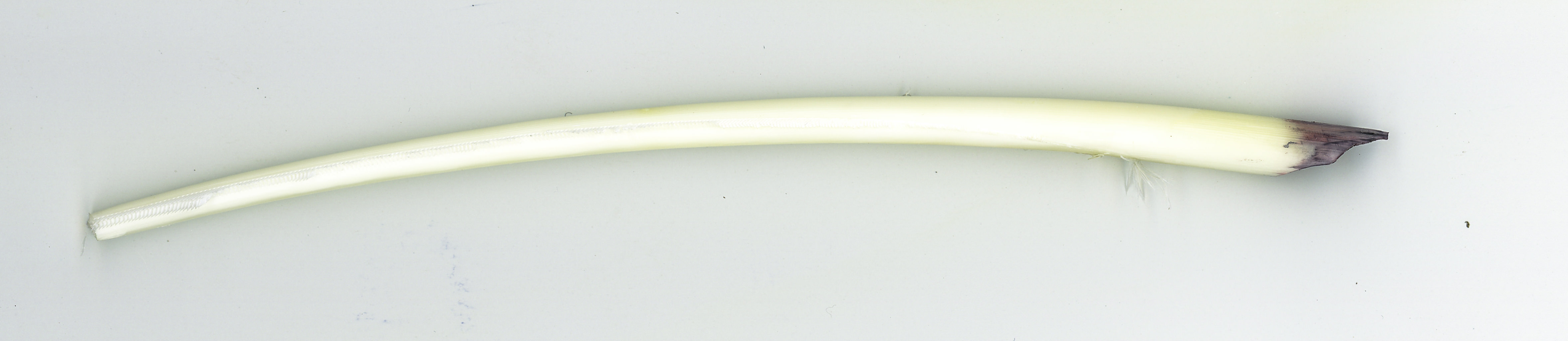
While I did not follow all his steps, I did attempt to create a quill as he did – with some success. My first quill was not at all clarified, nor was it especially good. Still, the process of learning was most important. The fact the quill was rather scorched and deformed meant I had to cut off a lot of the area that would become the nib. Wah! Still, I made the attempt – and was really rather pleased with the result. I used different Xacto blades for the final product.
Finally, I stripped away all the feathers using slices from the Xacto knife as well as trimming them with scissors. Ultimately, all I was left with was the shaft and a nib, total length about 8 inches / 20 cm.
And then I practiced writing . . .
The quill nib was broader than I would have preferred, but the pen held up well despite all the flaws. The paper itself is very smooth, and having a hard finish, not especially absorbent. As a result of both the hard finish on the paper and the broad nib, it took a bit of time for the ink to dry. I tried script and printing using the quill turned to about 35-45 degrees to create a thick-thin element. Still, for my very first quill in ages and ages, I was pretty darned pleased with it!
I have always enjoyed ink and writing with pens. Years ago – back in the days of my being just out of university – I fell in with a group of evil re-enactors. Making things from scratch was the trend, and in that time period I learned to weave and spin and dye – the last two I still do – as well as to cut quills and the rudiments of calligraphy. My Italic is still acceptable, and I can do a good Spencerian and Roundhand and a few others when pushed. For some reason, it crossed my mind that I should re-learn how to cut feather quills, to write with a la Jane Austen, and from there it evolved into making oak gall ink.
And so, it has begun. Supplies are in hand. I have quills (turkey, not goose, but they are pinion feathers it appears) and the makings for ink: oak galls, ferrous sulfate, and gum arabic. Now, time to find instructions on how to cut quills (which I have) and recipes for ink. Oak gall ink is very acidic, and thus not especially archival over the centuries – but who will give much thought to my musings in 300 years if they are still around? Luckily, not too far from me is a feather wholesaler, and of course there are some excellent online resources; I also have a good supply of pen nibs from the last few centuries and nib holders, ranging from repousse silver to student plastic and wooden.
The fact is, I love making things and creating from scratch. Quill cutting is an art, and one I was only beginning to master years ago. I have never made ink, and am looking forward to it, using both “quick” methods, and “slower” ones wherein the oak galls ferment for a few to several weeks. Meanwhile, I will look up inky recipes and begin my adventures into the 18th century . . .
Here, ink usually means sumi ink. Ink sticks. Painting in ink. Surprise! Ink also comes in bottles, for dip pens and fountain pens, and anything else you may wish to do with it. I’ve a small collection of vintage fountain pens, dip pens and nibs, and ink in cartridges and bottles. A lot of pleasure may be had in using fine writing tools.
Cave Painting from Lascaux
Colors
For thousands of years, we have sought colors for painting, drawing, and writing. People painted the rock walls at Lascaux, using earth pigments such as red and yellow ochre, umber, and carbon blacks from wood smoke or burnt bones. White came from grinding up chalks. Cave and rock paintings can be found throughout the world, such as those at the Painted Cave in Santa Barbara. These pigments were applied with the hand, with some form of brush, and by filling the mouth with the colors and then blowing them onto the rock – people left their handprints behind using this method.
Painted Cave in Santa Barbara - by the Chumash Indians
Frescoes are attributed to the Minoans on Crete. The art of the fresco has been used for centuries, and continues to be done today. Pigments are mixed with water, and applied to wet, fresh plaster. As the plaster dries, the painting becomes a permanent part of the structure. Egyptian and Indian antiquities are filled with frescoes. European churches have frescoes which span the millenia. Mexican artists, such as Diego Rivera, created murals using the fresco. Locally, Gordon Grant painted the murals in the downtown Ventura post office in 1936-1937.
En El Arsenal by Diego Rivera, 1928Mural in Downtown Ventura Post Office by Gordon Grant, 1936-1937
Today if we want color, it is readily available in clothing, paper, ink, paint. With technology and the advent of chemically-derived colors, we do not give much thought to the labor involved in earlier times to get colors. Just dyeing in cochineal and indigo is a time-intensive project; if thought is given to collecting the bugs or growing the plants and the transport and processing of these materials, a sense of the work needed to get colors can be gained. Earlier times meant searching out pigments, carting them home (like carrying rocks on your back!), grinding them up, purifying, whatever. And then, what about all the creative ways explored to move that color to walls or cloth? These techniques became closely guarded secrets to ensure a livelihood to those in the know.
Writing
Writing was also done on many of these frescoes, but writing itself began earlier and throughout the world. Early Chinese wrote with pictograms; cuneiform developed in the Middle East; hieroglyphics were used by the Egyptians. Alphabets developed and simplified the writing process as letters represented sounds – thousands of images did not need to be learned. Different alphabets may be found throughout the world – Arabic, Hebrew, Greek, Russian, hiragana, Roman. These may be modified to meet a local need.
Codex Zographensis in the Glagolitic Alphabet from Medieval Bulgaria
Along with writing came a desire to communicate. Lugging clay tablets around was rather cumbersome – postage could be prohibitive – and so more portable, yet permanent, means of writing were sought. Parchment and vellum were developed and used for books and manuscripts. Papyrus was pounded into sheets and scrolls, and used by the Egyptians. The Chinese developed paper. Pigments and inks were developed – some good, some not so good – that could be easily applied to these surfaces. Plants, minerals, and a myriad of chemicals were used to create ink and color. Iron gall ink was used for centuries. Carbon ink, derived from soot and combined with bone glue, was and is used to form the sumi stick. Recipes for homemade ink can be found throughout the internet, and in old books for the handy housewife.
Writing Implements
All sorts of things were used to write with, but some of the noteworthy ones are the pen and the brush. Reed pens were used by the ancient Romans. Hollow reeds had a nib cut onto one end. Ink was poured into the hollow, and the reed was squeezed to move the ink to the nib. Brushes have been used extensively in the East and the West, but in the East they were used for both painting and writing, while in the West, brushes are primarily for painting. Quills cut from bird feathers were common throughout Europe, with those of swans, geese, and turkeys. An amusing, informative article about quills and pens may be found on the Jane Austen Society of Australia site.
A Good Recipe for Black Ink
Feather quills are not especially sturdy implements, so with time and technology, metal nibs were developed. Dip pens became commonplace in the 19th century as manufacturing technology improved. The fountain pen developed in the late 1800s, and was common until the ball point pen began to replace it in the mid-1950s. Cartridge pens came in at the same time, and are still very popular. Today we see rollerballs and gel pens and magic markers (that term dates me!) of all sorts.
Despite all these changes, writing with a nib and ink continues. Fountain pen bladders of silicon and rubber are still manufactured and used in the repair of vintage fountain pens. The delightful Fred Krinke of The Fountain Pen Shop in Monrovia, California, is still going strong, with a family store in existence since the 1920s. David Nishimura sells vintage pens, as does Gary Lehrer. John Mottishaw is renown for his customization of nibs. Nibs for dip pens are available and for sale in many places – some are new, some are new old stock from over 60 years ago. Calligraphers still make their own quills, grind their own ink and pigments, and practice the art of fine writing. Carrie Imai offers private lessons as well as group instruction.
Fred Krinke of The Fountain Pen Shop in Monrovia, CA
The Art of Writing
Before the printing press, and even after its invention – but before the computer! – fine handwriting has been universally admired. In many cultures, the measure of a person is often determined by the quality of the penmanship or brushwork. Graphology, or handwriting analysis, purports to be able to reveal all sorts of things about the individual, from personality traits to health. (Given the decline of emphasis on handwriting, it could be amusing to see what might be determined.) A clear hand was necessary when records were written rather than entered into a computer, but certainly a fine hand was important as well. Many of the world’s historical documents were handwritten by scribes, and flourishes added to their visual richness. Marriage contracts and other legal documents were ornate, formal, and artistic.
A Jewish Marriage Contract
Because writing became such an important form of communication, the tools and instruments of writing became works of art by themselves. Sure, anyone can write with a twig, but human nature seeks to embellish and beautify: Gold and mother-of-pearl dip pens, cut glass ink bottles, fancy writing slopes and lap desks, ornately decorated ink sticks, elaborately carved suzuri, colorful fountain pens.
The Art of Slowing Down
Today, with our throw-away culture, the beauty of these functional items may seem foolish, but personally, I totally enjoy them. And, like many people, I use them as well. Email is faster than snail mail, but the thrill of a personal letter still remains. Sitting at a keyboard, indoors, at a desk, is tiresome and boring (though it is getting easier). I’d would rather be outside with paper and ink any day!
Burr Oak Writing Slope, ca 1840, by Parkins and Gotto
If you don’t have any interest in writing or painting, then all this blither means very little. However, the history of how we got here is fascinating and easily forgotten. Thankfully, I don’t have to go out and collect my oak galls or raise some geese – I like having such conveniences as stores – but I will say that there is much to be gained in re-creation of past arts. Writing with a goose quill pen is a unique experience; cutting the pen is too. Dyeing wool, writing with a dip pen, using a lap desk over 170 years old places history into the present existence. Using colors and inks from long ago, with centuries of tradition and craft, provide an insight to life when it was slower (and more difficult and deadly in many ways). Today, too many of us live in haste, moving from one task to another, and forget that leisure and creativity are as important as productivity and speed. Paper and ink and color are one way to leave it all behind.






 Ink, Yarn & Beer