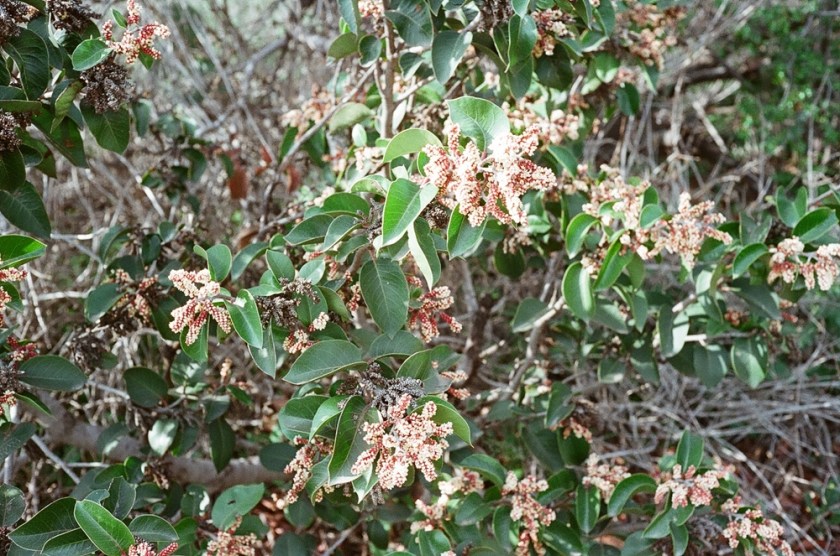
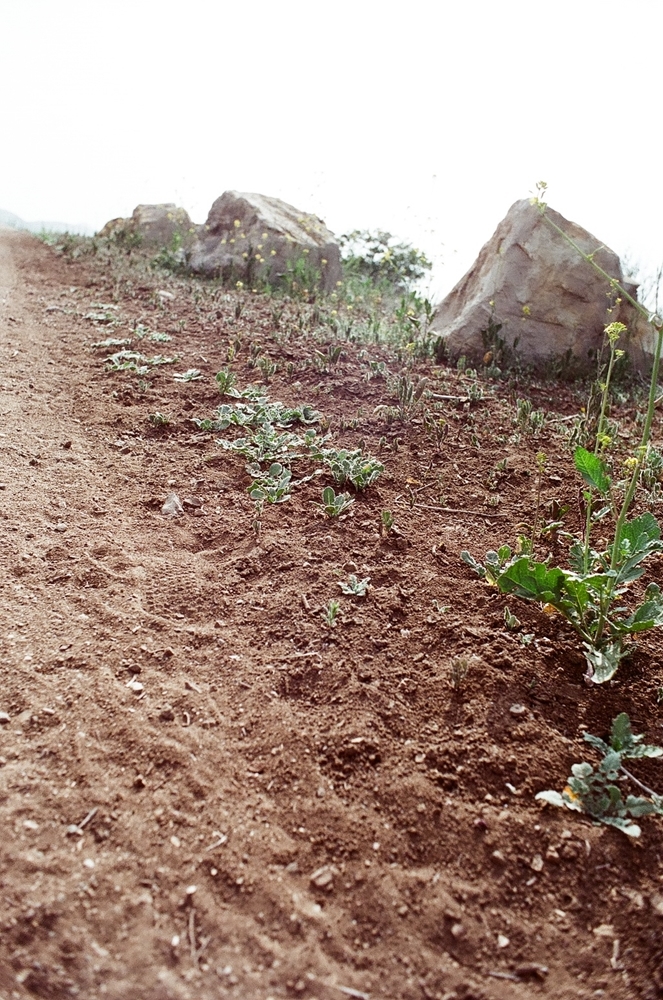
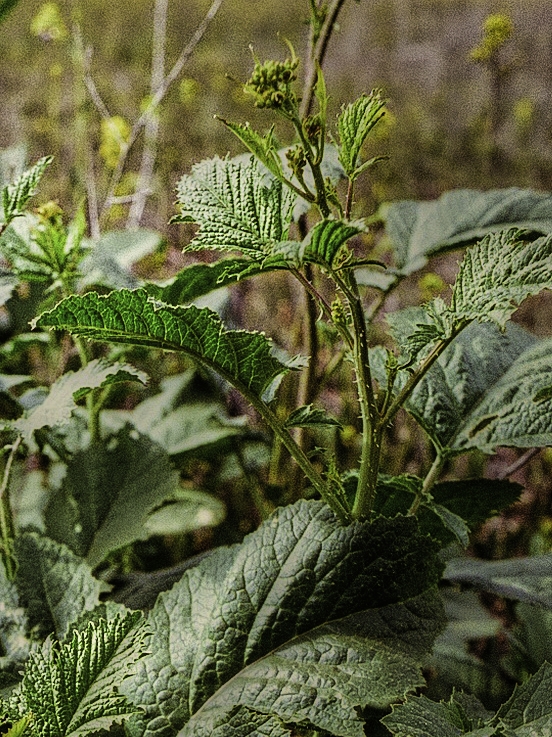
Spring Growth

Spring Growth-Edit

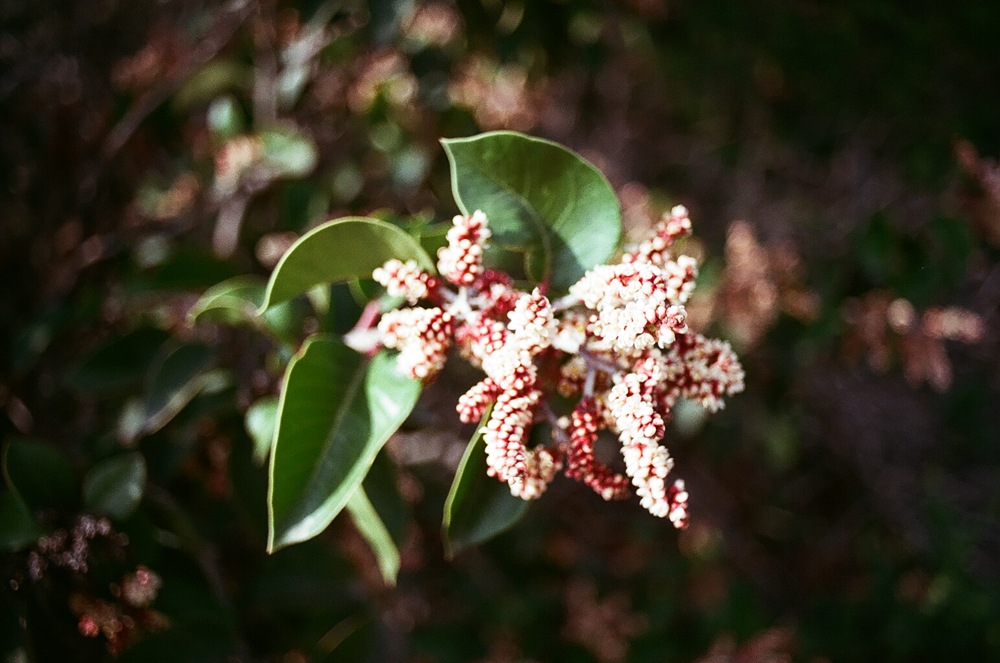
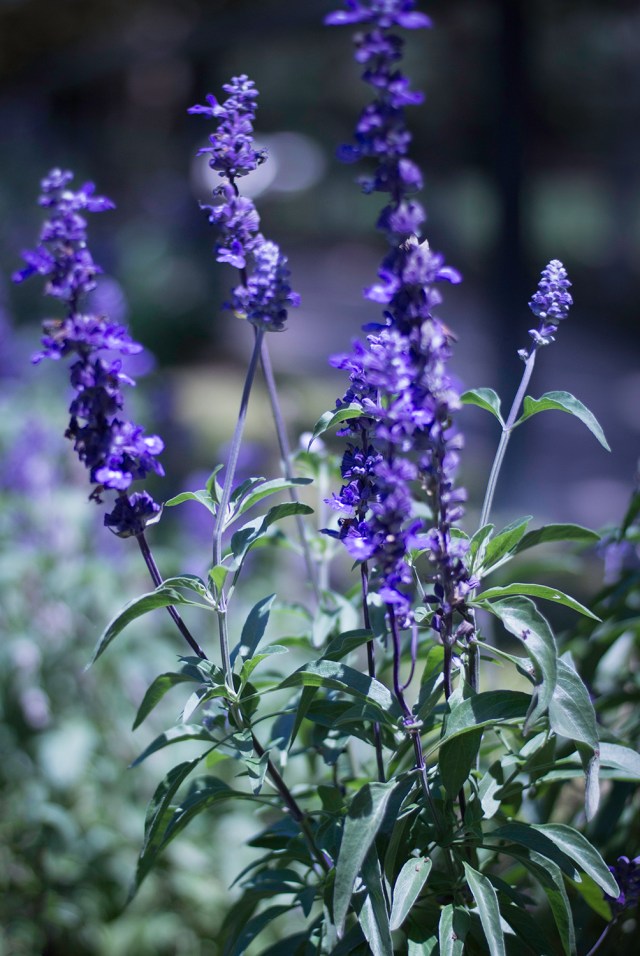
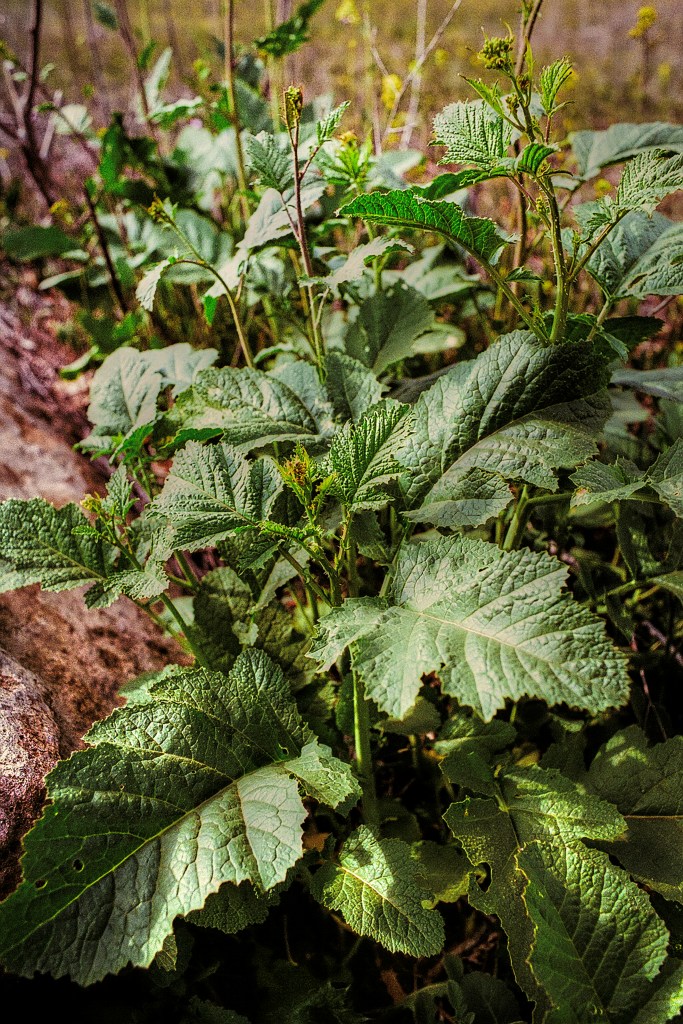
I did a little post-processing of one of the few images I liked from my “checking for a light leak” roll of film. I pushed the colors, and upped the detail a little, as well as the contrast. Below is a detail of the same image.

Spring Growth Detail

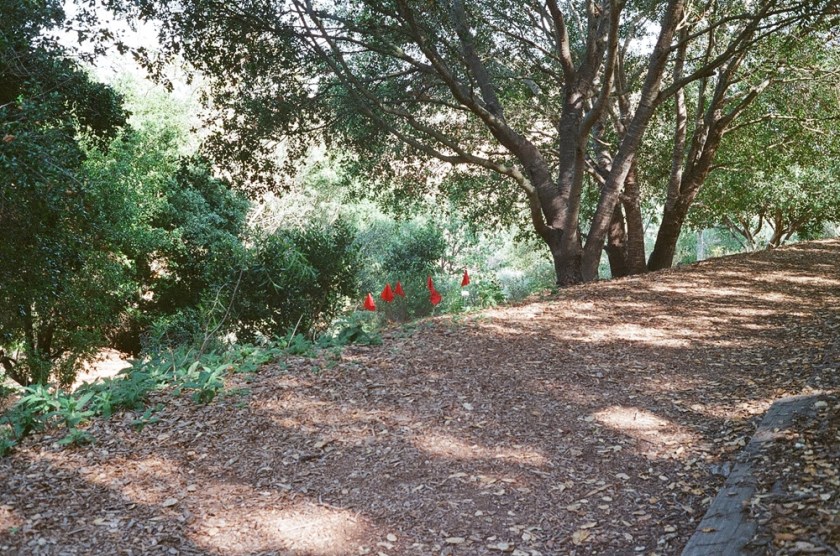
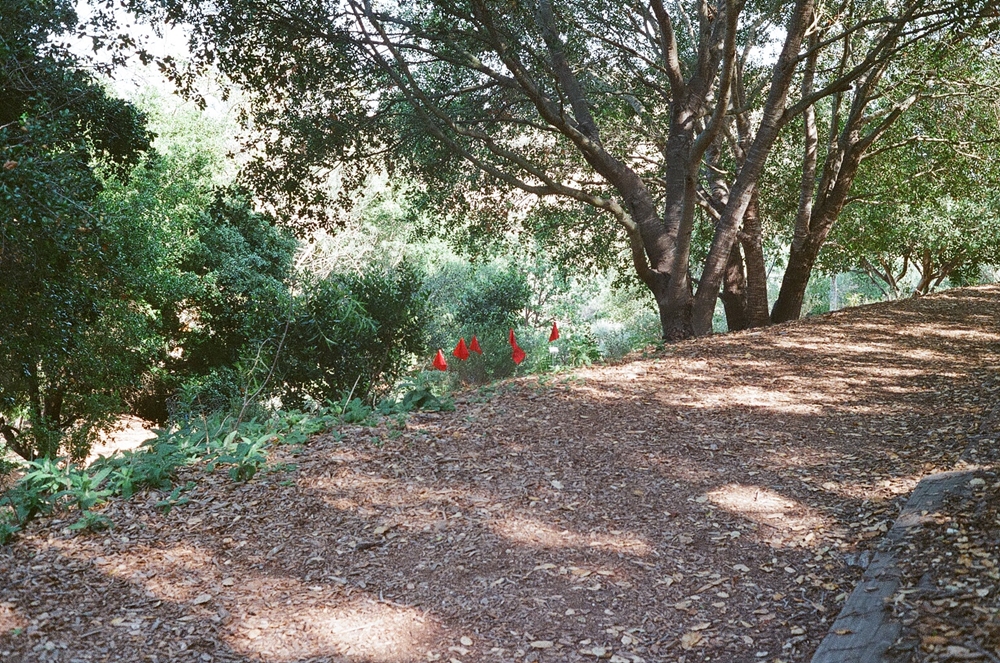
I am rather intrigued by film and how it processes from analog to digital. I now have a roll of Kodak TMax 400 in the Nikon FM2N (same camera that had this image in it), and took it out for a walk under the nearby oaks. Black and white in the woods. I will have the TMax processed and scanned at a professional lab.

First Shots

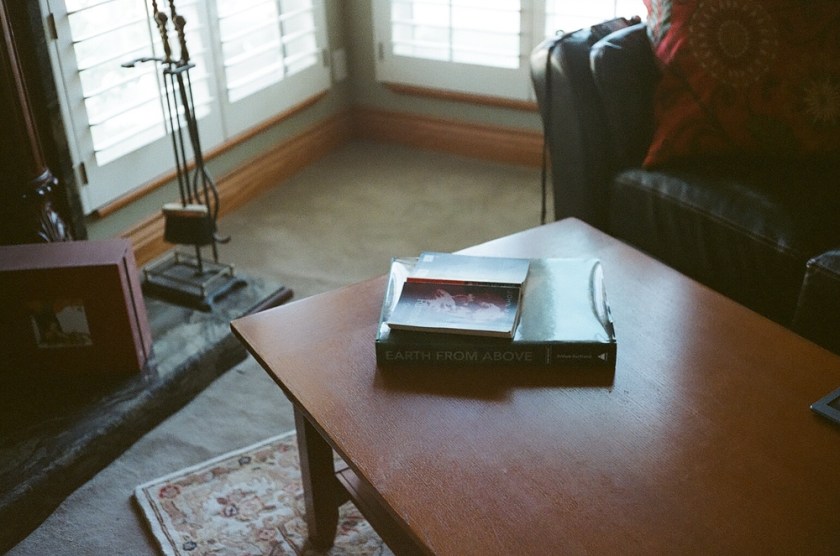
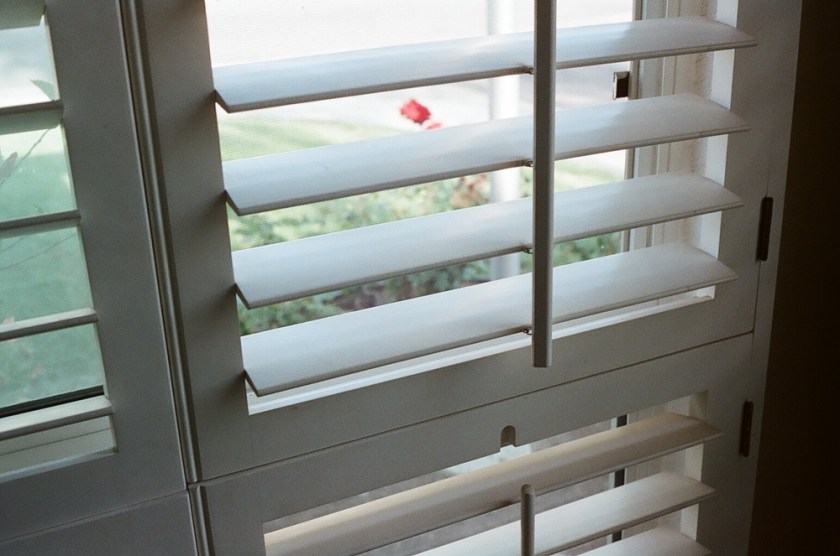
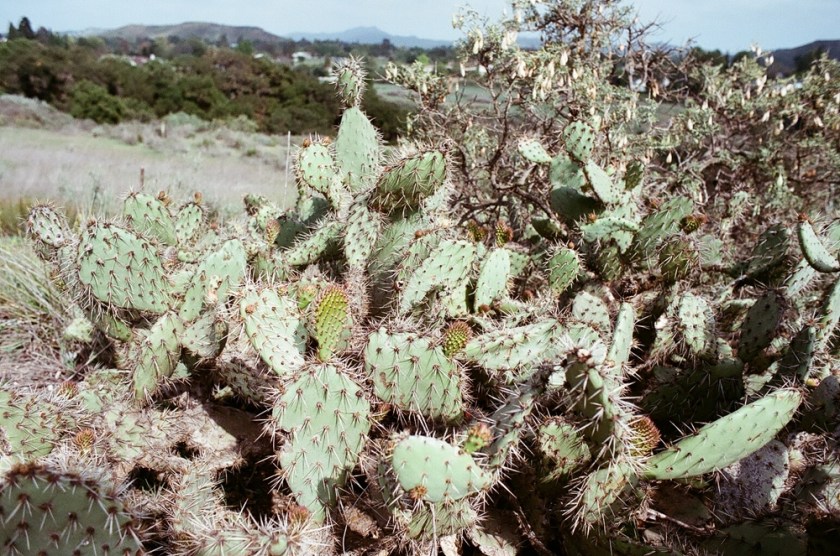
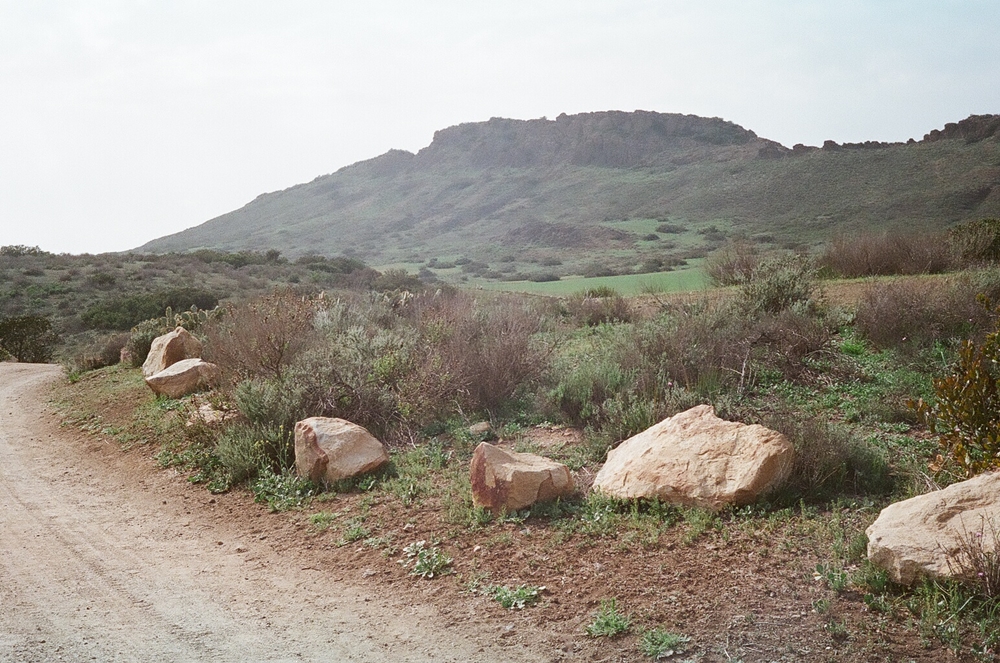
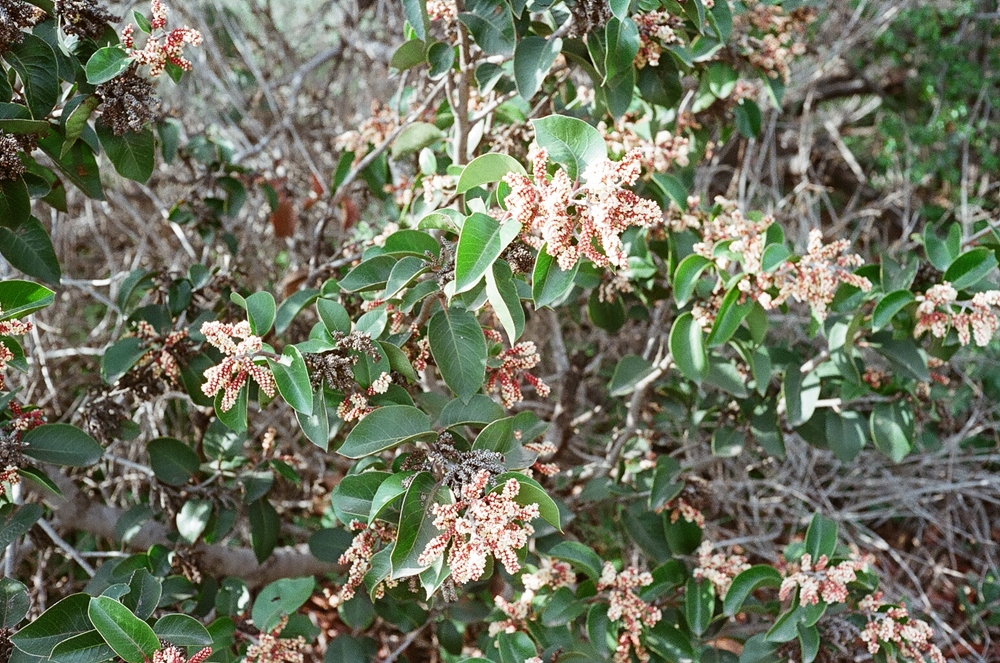
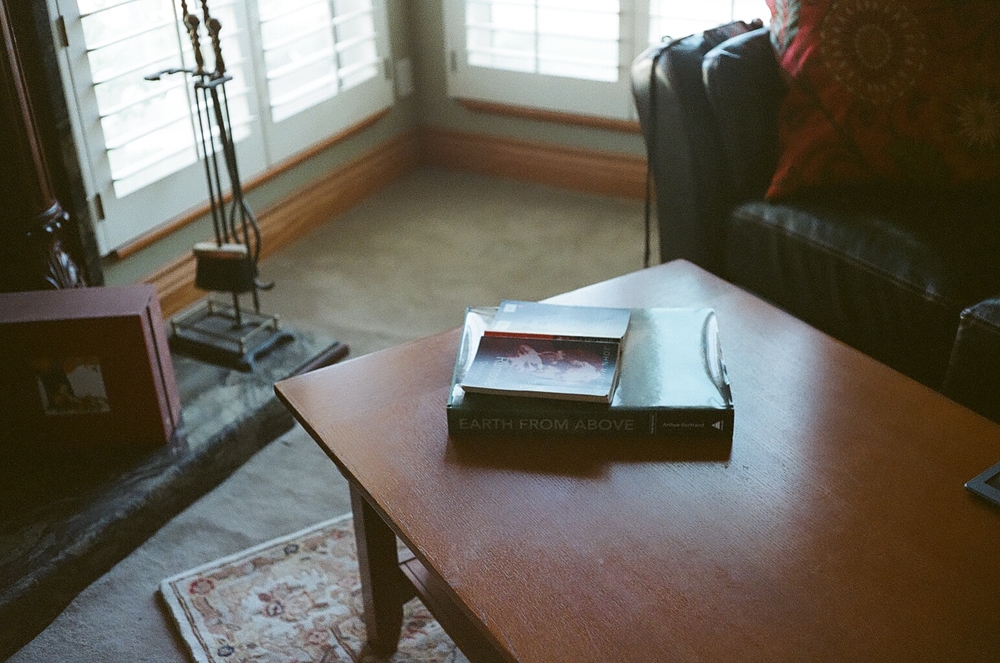
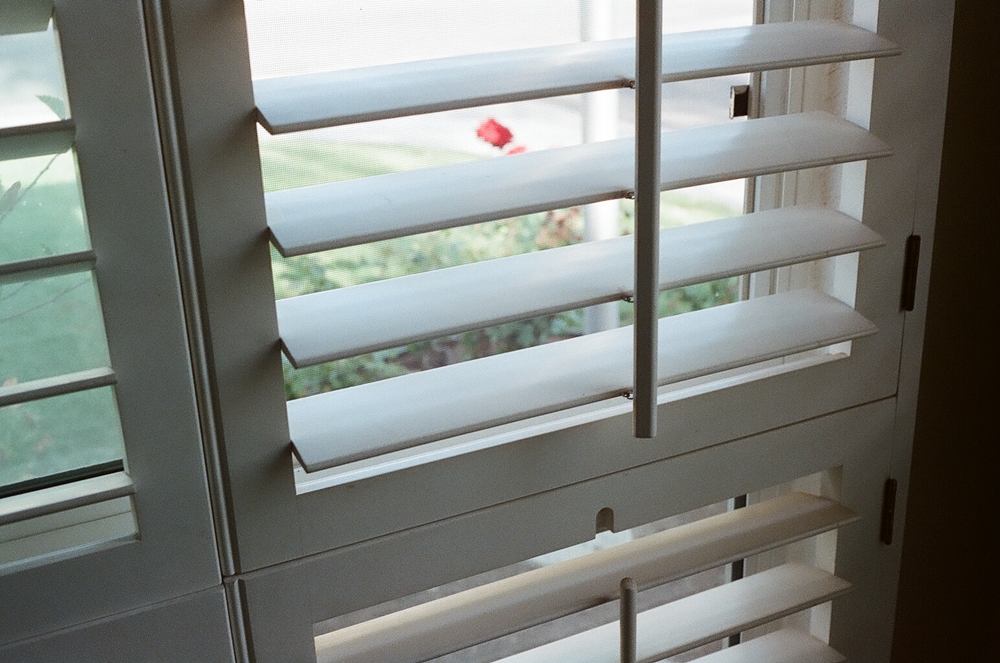
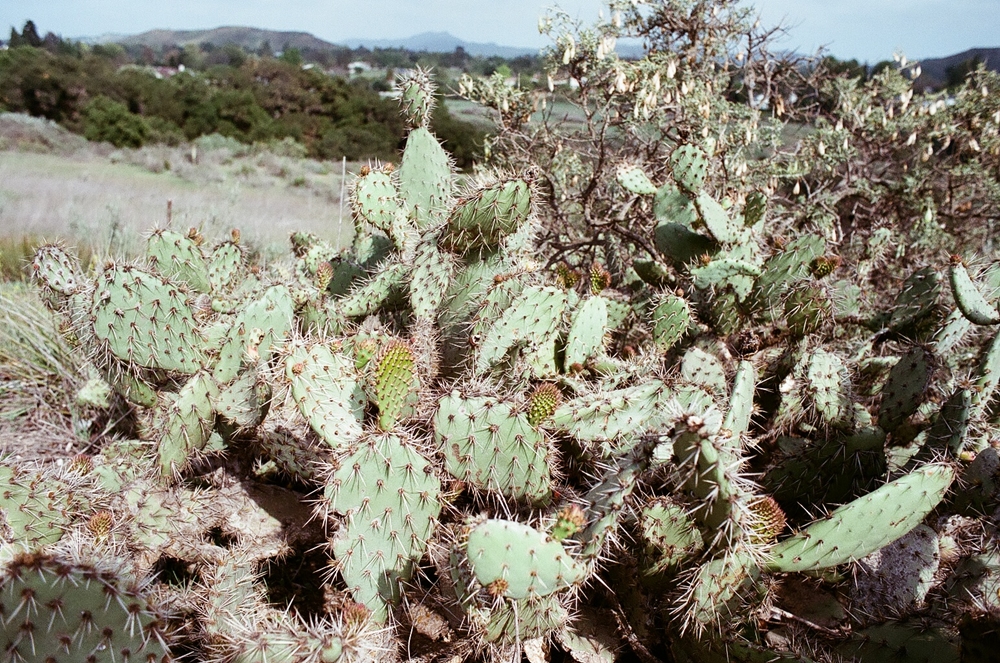
Yesterday I went out with two film cameras – the Canonet QL17 G-III rangefinder, and a new-to-me Nikon FM2N.  The former I have used in the past, and know it is in overall good condition.  The Nikon, though, came from eBay, and is a well-used camera.  There is dust in the prism and mirror set up, but I didn’t know if there were any light leaks, so I needed to test it out before anything else. As a note, none of these pictures have any post-processing; they are as they came from the local pharmacy.

QL17

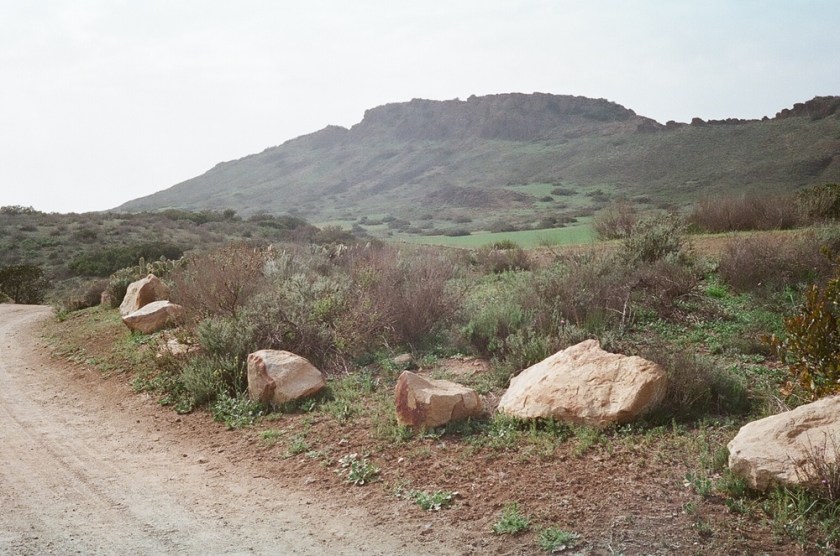
My past complaints with this little camera was my inability to really “get” the focusing.  This time around, it was better.  As with anything, practice helps.  These pictures were for practice on focusing, and getting a feel of the exposures.  The needle for the exposures no longer works except when the camera is on “A” – thus, out comes the light meter.  The light meter did a great job.  Subject content aside, here are some results of my practicing with this camera, indoors and out.
80470002

80470006

80470025

80470026

80470029

This had a Kodak film in it – and I forget which one! I do know that it has been in the camera for a few years. I like the colors. I also see I will need a polarizing filter on it to do justice to the skies, or else use an ND filter for brighter situations.

This little camera has a permanent lens, a 40mm 1.7 that has a good reputation. In general, I am pleased with the camera; now I have to work with it in different situations.

Nikon FM2N

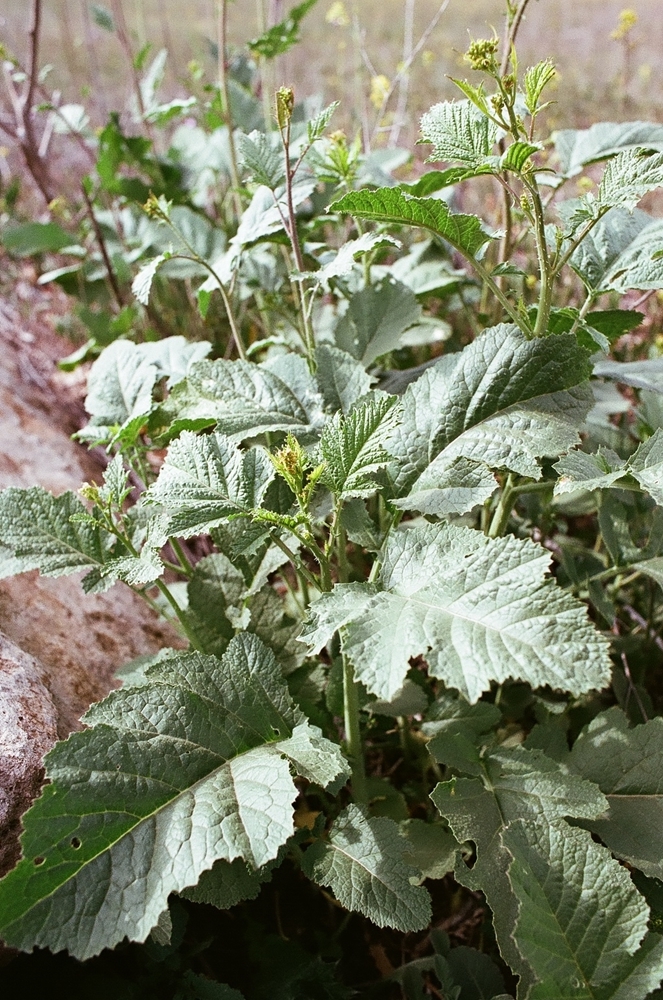
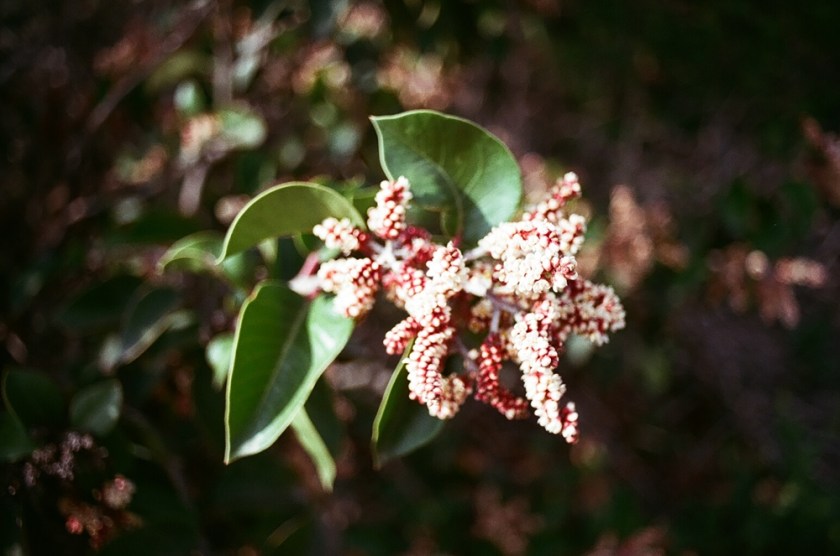
This camera is a small one, and well-rated in general terms of build and quality.  I got it because I can attach any of my Nikon F-mount lenses to it – a definite plus considering my digital camera is a Nikon!  The ones which will not work on it are any of the G lenses, as they interface with digital cameras to focus – there are no focusing rings to use, as there are on the D lenses or earlier.  It can take AI, and AIS, but not the non-AI lenses.  I used a 28mm close-focusing Vivitar lens.  Here are the examples I took, using film from the local drug store, Fuji Superia Xtra 400.
80450009

80450016

80450018

80450022

80450024

The Fuji film is a bit more punchy, perhaps, than the Kodak. Obviously, no light leaks. The metering system in the camera works, using +, 0, -, and a combinations thereof. It was nice to be able to use a different lens, and do some close-up work as permitted by the lens.

Conclusion

I like both cameras. I am indifferent about the quality of the pictures, and this makes me wonder about the quality of the films, but this might have no bearing on anything. I plan to head out to a place I photograph a lot, just to see what I can put together.

Another issue is the processing. Since my needs were pretty simple – light leak? no light leak? – my demands were not high. However, I am not too pleased with the size of the jpgs I got back from the local fast photo – few over 1 meg. Way too small to edit. However, now I can play with some of my resizing software to see what the results might be, and perhaps I won’t be too disappointed.

The Nikon V1 and 32mm f1.2 Lens for Botanical Photography

Multiple reasons routed me to the Nikon 1 system.  A DSLR with a big lens is heavy, so when the Nikon 1 system first came out, I looked, but did not like the initial prices, nor the lack of lenses.  Also, I wasn’t too sure if it would be successful enough to invest in.

Time passed.  When the V1 dropped significantly in price, I looked again.  Seeing images shot by Steve, by Craig Litton, Joe Marquez, Sue Wotton and others at Steve Huff Photo pushed me to look at it.  Finally I bought it.  Since then, I’ve added lenses to the bag, but when the 32mm f1.2 was announced, I was seriously interested, and bought one when I could catch it in stock.

There is no one area of photography I prefer, but flowers have always given me a great deal of pleasure, especially wildflowers.  As it is late in the summer, nearly all our wildflowers are gone in the heat of Southern California, but locally we have some rather lovely gardens with flowers in bloom.  When I finally had some time to test out the 32mm lens, at f1.2 to f1.6, I shot a series of flowers and leaves, using both the auto and manual focus.

The beauty of the lens is the ability to isolate a flower from either background or foreground.  Bokeh varies with what lies in front and behind of the subject, and with the 32mm f1.2, it varies in quality.  It can be rather nervous when leaves in the background are small and fine.   Other times, distance or background blur beautiful, creating an element of serenity.  Color, contrast, and detail are well rendered.  The three pictures below show how the manual focus allows for choosing one’s focal area, and show how the foreground, middle ground, and distance can be chosen.  Click on them to see full detail.

_DSC4480

_DSC4481

_DSC4482

Altogether, I am very pleased with the ability of the Nikon V1 and the 32mm for taking pictures of flowers and other plants.  Some post-processing can add to the beauty of an image, but even just out of the camera, most images are pleasing and need little work.

Dahlia

Fallen-1500Fern-1500Hollyhock-2PurpleSaber-Lily-1500

Out on a Limb

AnxietyToday I am doing a photo shoot with a local meetup group.  There will be professional models and make up and lovely dresses.  Because of my personal preferences, I am traveling light as far as camera gear.  With 8-10 photographers scrambling for access, it seems like it could be almost a free-for-all, so it seems to be even more reasonable I do this.

Coming with me will be the Nikon D7000 with only one lens – the 85mm f1.8G.  And to augment this, the Nikon V1 with a few lenses.  Nothing else – no flashes, no reflectors.  I want to focus on photography, not the peripherals of photography.

This is where the title of this post is coming from – I am out on a limb about using the V1 and a single lens on the DSLR.  With a lot of gear, I feel I would go absolutely crazy with everything else, and everyone else.  This is me – not other people.  When I shoot alone, or one or two others, it is considerably less stressful for me, so more gear is okay.  However, I feel I could miss out on some really good shots . . . but I also know my main focal points of this shoot.  To try to do too many other things could decrease that concentration.  I want to shoot portraits, and panorama portraits.  The D7000 and 85mm are for this purpose.  With the V1, I want to see what it can do under these circumstances with the 10mm f2.8, the 18mm f1.8, and the 30-110mm.

While these meetups are a little crazy, they are also a great learning experience.  Seeing other photographers at work, meeting new people, and chatting about the process are always fascinating.  Doing it myself, in the middle of it all, is a challenge.  There are soooooo many times when I loved what I was seeing on the camera back, only for find my EV was -5 because of the dials on the top of the camera!  Today, the goal is to NOT do that, and to only use the info seen on the back panel for adjustments . . . so, little goals, big goals, and a lot of anxiety because this is one shoot I really want to go perfectly!

Discernment

Well . . . I think I am past the point where every picture I take has to be trotted out and uploaded.  Yesterday the Photo Troupe went out to the beach behind the Ventura Marina, late in the afternoon (3:30 pm to be specific), parked itself at a jetty, and got to work.  I took gobs of photos, but only a few were any good, or worth editing.  Some pictures I edited in different ways, from subtle color movement, to dramatic HDR, and finally black and white.  My main focus was composition of ocean and rocks; for the birds, I just ran around chasing them with a long lens.

My first attempts at really long exposures on water, using an ND10 filter, ended with my camera toppling into the sand – luckily not the ocean! – and getting a lot of sand on the filter.  The filter was saved, set aside, gently brushed off, and cleaned with lens cleaner.  However, the one picture I did get, while not particularly dramatic in contrast with the roughness of the rocks and the smoothness of the sea, was worth saving.  The lens I used was the Tokina 11-16mm, which is wonderful for taking dramatic shots – but hard to use with refinement, simply because it is so wide.

One thing I totally forgot was I can change my iso settings on the Nikon!  It does a really good jobs at high iso, so as the sun went down, I pushed the iso from the 100 I used earlier in the day, to 1600 toward sunset, and using a Tamron 70-300mm lens at that – but it was a grrr moment that made me remember that, when all my pictures were horribly dark.

Although I live in Southern California, the coast is damp and chilly, oftentimes very windy.  The salt air clings to everything, and I end up feeling sticky and damp, even if I am not.  All of us were shivery, with fingers capable of doing very little.  Luckily, there is a rather nice cafe that serves excellent hot chocolate, so we ended up there before returning to our lives elsewhere.