
Needing to travel light, I took only my Chrome Book, my Nikon V3, the Olympus OM-1n, and the Olympus XA4. I used up 3 out of 10 rolls of film, and probably blew one of those. I thought I had used a 4th roll, and maybe I did, but cannot seem to find it. I used a Chrome-OS based editor called Polarr, but found the Chrome Book a bit too small to do much editing. I backed up all my images onto an external HD, a 1.5 TB “My Passport.”
The first stop on our trip was Flagstaff, Arizona, for two nights. We stayed at the England House B&B to use as our jumping-off points for the Grand Canyon and Sedona. Our hosts, Richard and Laurel, were full of great information, and sent us out to the Grand Canyon to a very specific spot from which we could peer into the depths of the Grand Canyon. We made a few stops as we drove into the Grand Canyon National Park.

The Desert View Watchtower is a sublime structure and interesting history.

Looking up into the sky about the canyon.

A view through the tower to the sky beyond.

Josh and Judy looking into the canyon.

Panorama of the view from the Tower.
The first stop was the Desert View Watchtower designed by Mary Colter, who was quite an amazing woman. If you have a chance to visit the Desert View Tower, take the time to do so. Not only is the Tower a piece of fascinating architectural design and execution, the views are worthwhile. Take the time to walk around it, find the little corners, and stop for a moment to appreciate the grandeur of the view and the vision of Ms. Colter.

Fire road to the edge of the Canyon.

Lupines grow among the pines.

The fire road is relatively flat,, with meadows of pine and flower.

Yellow flowers which grow at the very edge of the Canyon.

Cacti are here, too!
From the Desert View Watchtower, we drove deeper into the park, following the specific directions from Richard and Laurel. It is a pullout leading to a fire road, and about a 20 minute walk through a pine wood. The air is aromatic, redolent with the spices of high desert plants – resinous and sweet.
Flowers and grasses grow between the pine trees, and old, dead trees have become architectural designs created by nature, with the details of their structure revealed in their craggy lines and intimate remains.
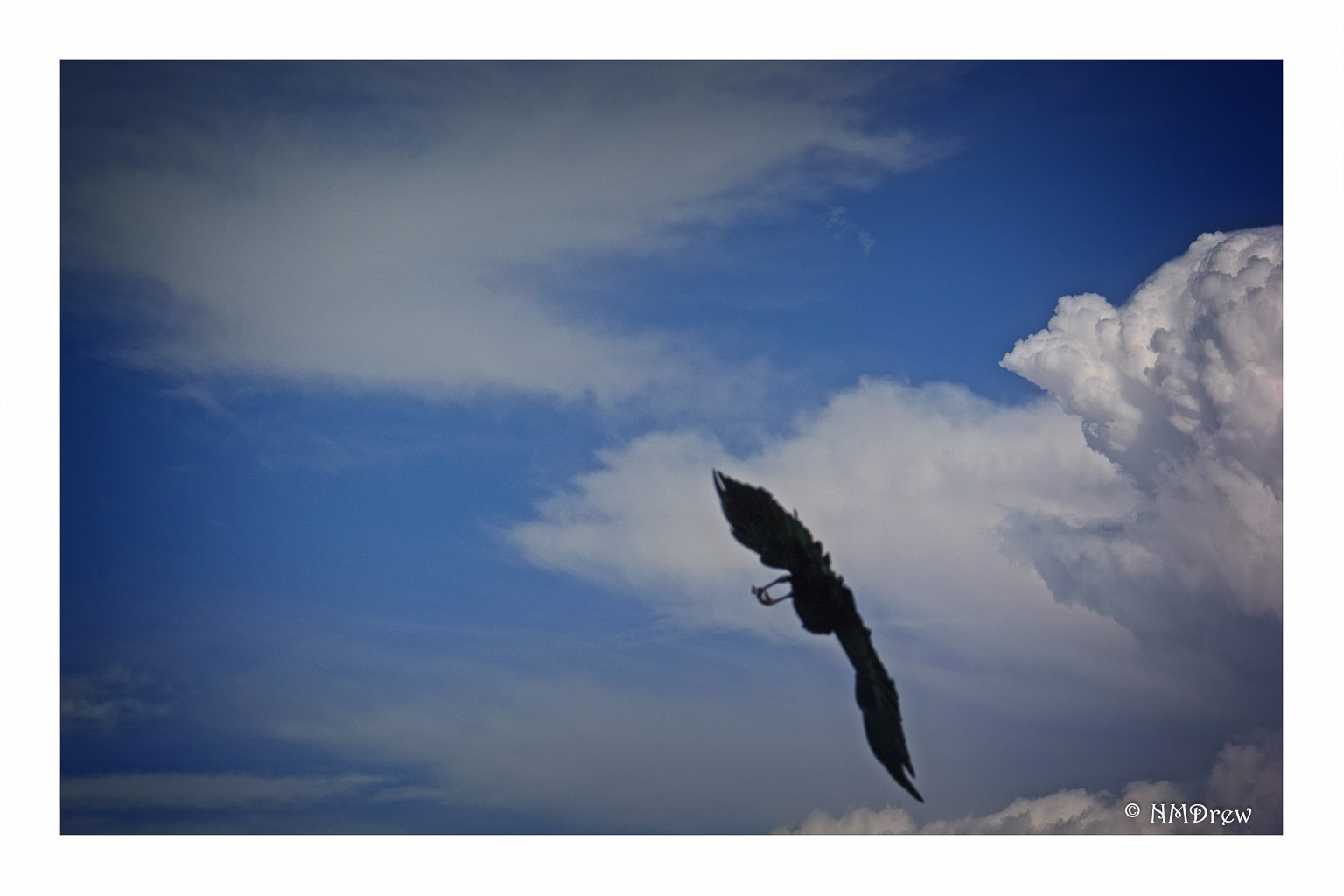
Finally, at the end of the road, a picnic area opens up at the very edge of the Grand Canyon, which drops below you a mile. No fences protect you. No one tells you not to jump. You find a place to stop, and look, to hold on to. Birds such as ravens and raptors fly above you, only to drop down into the Canyon. The Colorado river, a deep muddy red, flows at the very bottom. As the sun shifts and clouds move, the colors of the Canyon change. It’s a mesmerizing, enchanting, and magical place – far too big and grand to be seen in one day.
I used the Nikon V3 with the 1 Nikon 10-100mm lens for most – if not all – of these images, with post in Lightroom and On1.







 Ink, Yarn & Beer