
I have been pondering just removing this blog from the blogosphere, but haven’t done that. I have been ignoring it because I am not so sure that it is going in any direction right now. I am going in some directions, but not necessarily the ones that created the impetus for its existence. The result is something of a conflict, because I have been “doing” photography for a bit, and ignoring other things I really love. The fact is, though, photography gets me outdoors more and more, and I have forgotten how much I like that. Not outdoors at the mall, but outdoors in the wilder parts of town (i.e. places with trees and plants, not crazy drunks!). Suburbia is sadly lacking in open space at times, and that means actually taking time out to travel and drive somewhere to be outdoors.
On the other hand, photography also means packing things to lug along. I have always been a minimalist in hobbies. I don’t like to need a ton of stuff to do anything, but often photography seems to require a few things more than I really want to haul around. The trade off, though, is producing things that are better than just okay. I also think I have reached a point where I have a fairly good handle on some of the technical aspects of photography, along with more thought about composition and light, and not just running around pointing and shooting everything I see.
In a nutshell, I have reached a point of dissatisfaction with photography. That is interesting, don’t you think? For me it is. What this means that I am now at a point where it is necessary to push past the do-able to the less do-able. This may mean making advances in technique. It also means advances in creativity. At this point, photography is rather boring. Sitting at a computer to post process a picture is horribly boring – but useful. Even that, though,I prefer to keep to a minimum.
For me, the most frustrating part of photography is that it is not as manual as I would like it to be. Simply put, I like working with my hands. Cameras are not especially complex when it comes to pushing a button . . . there is not a lot of finesse, as there is in painting. It is different. On the other hand, I do get outdoors and crawl around in the bushes. That is kind of fun. And I don’t do that when I paint or knit.
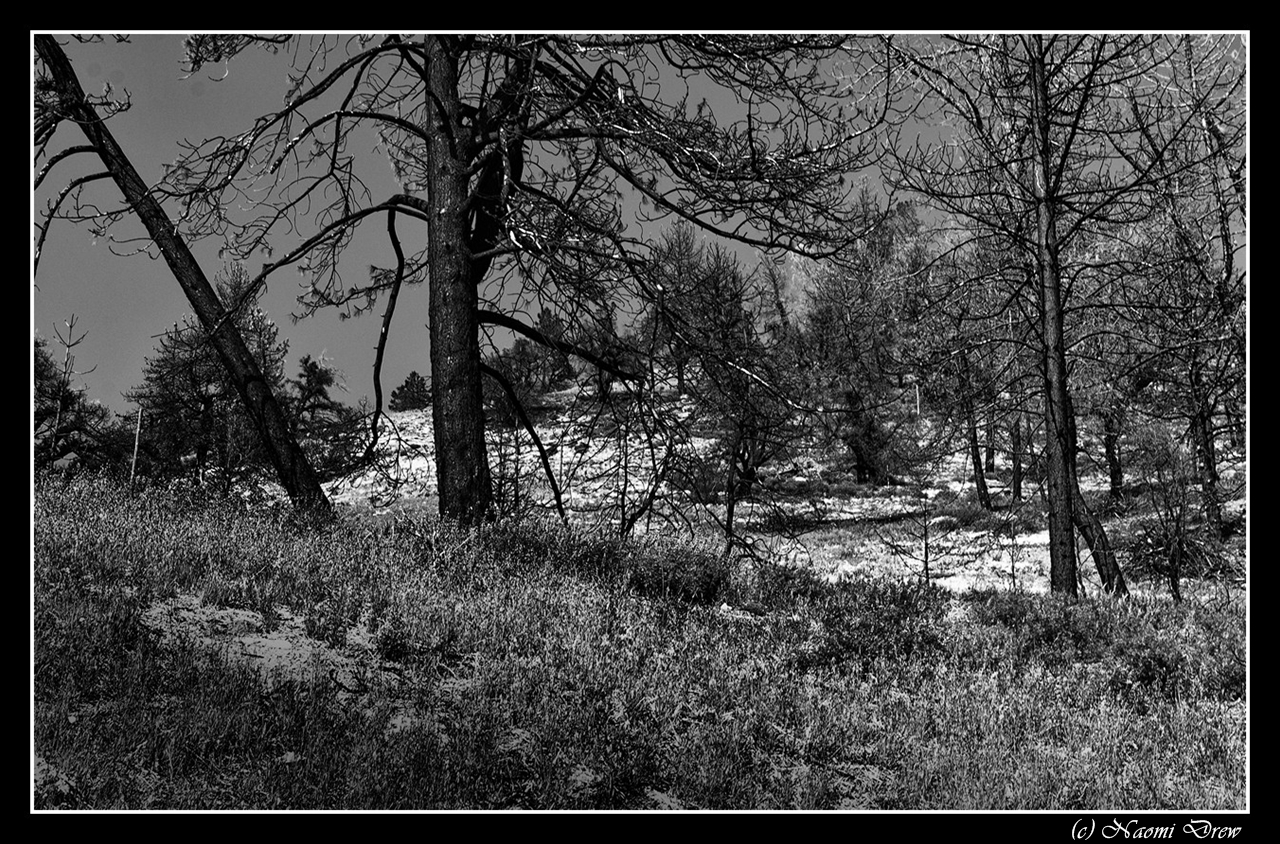
The question, here, is what is my vision as a photographer – person – artist – human? Perhaps by defining my artistic vision I can open the elusive.
So, let me make a start . . .
I want to find the essential and the beautiful in the world around me, whether in nature, in a person, or in an object, whether simple or complex.
Bull? Let’s see where it goes.
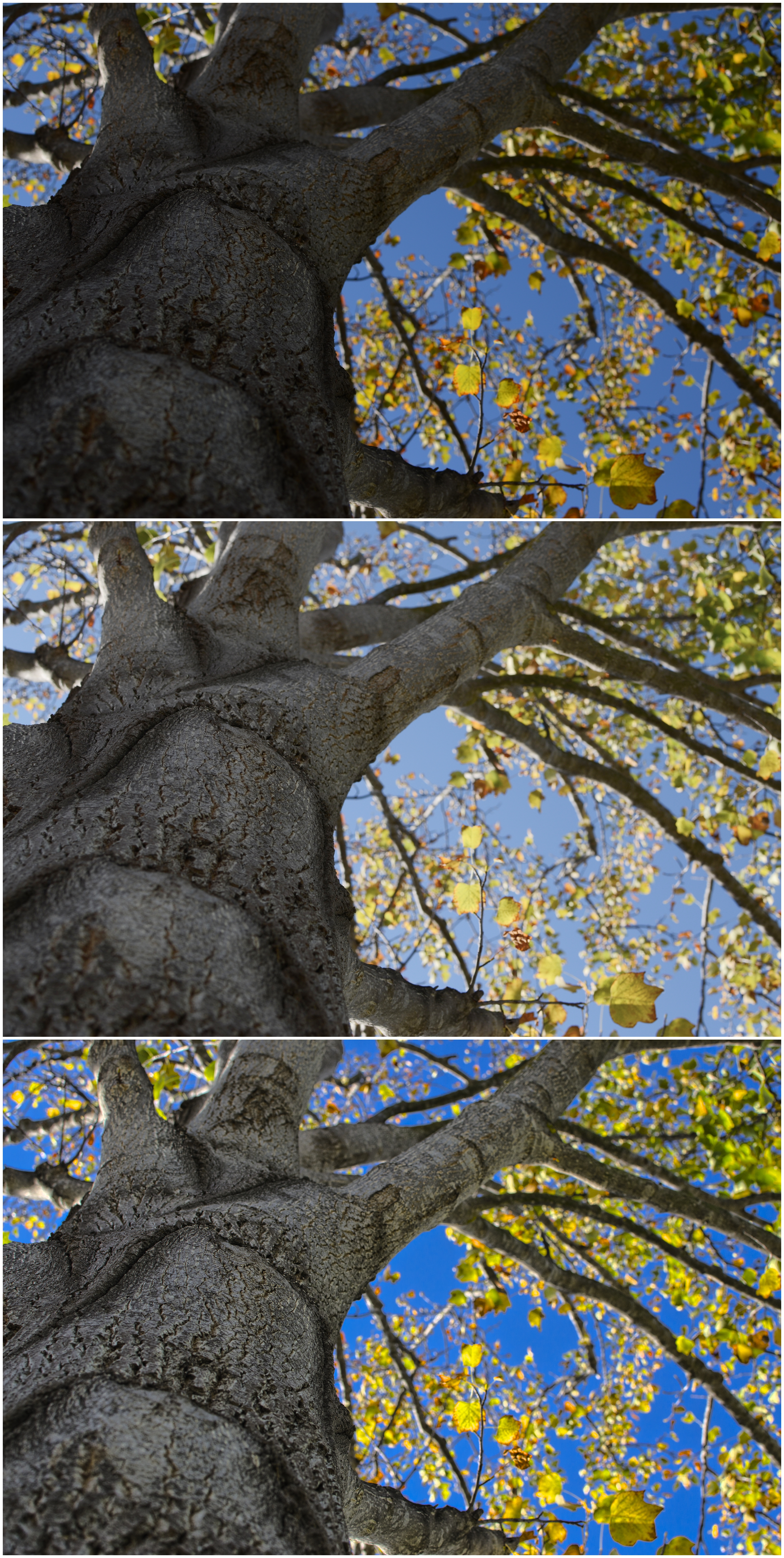
 The visual is a primary part of our lives. Eyesight, unless you have a serious problem, is taken for granted. However, looking and seeing may be two very different things.
 To see is a subjective experience. Seeing is taking the act of looking to a deeper level. This is where we may interpret a facial expression. We may delve deeper into an object, moving in close to gaze on minute detail, or move back to take in a wider vantage point. Whatever we do to see, we do to experience on a personal level, from whatever motivates us to go beyond the cursory glance.
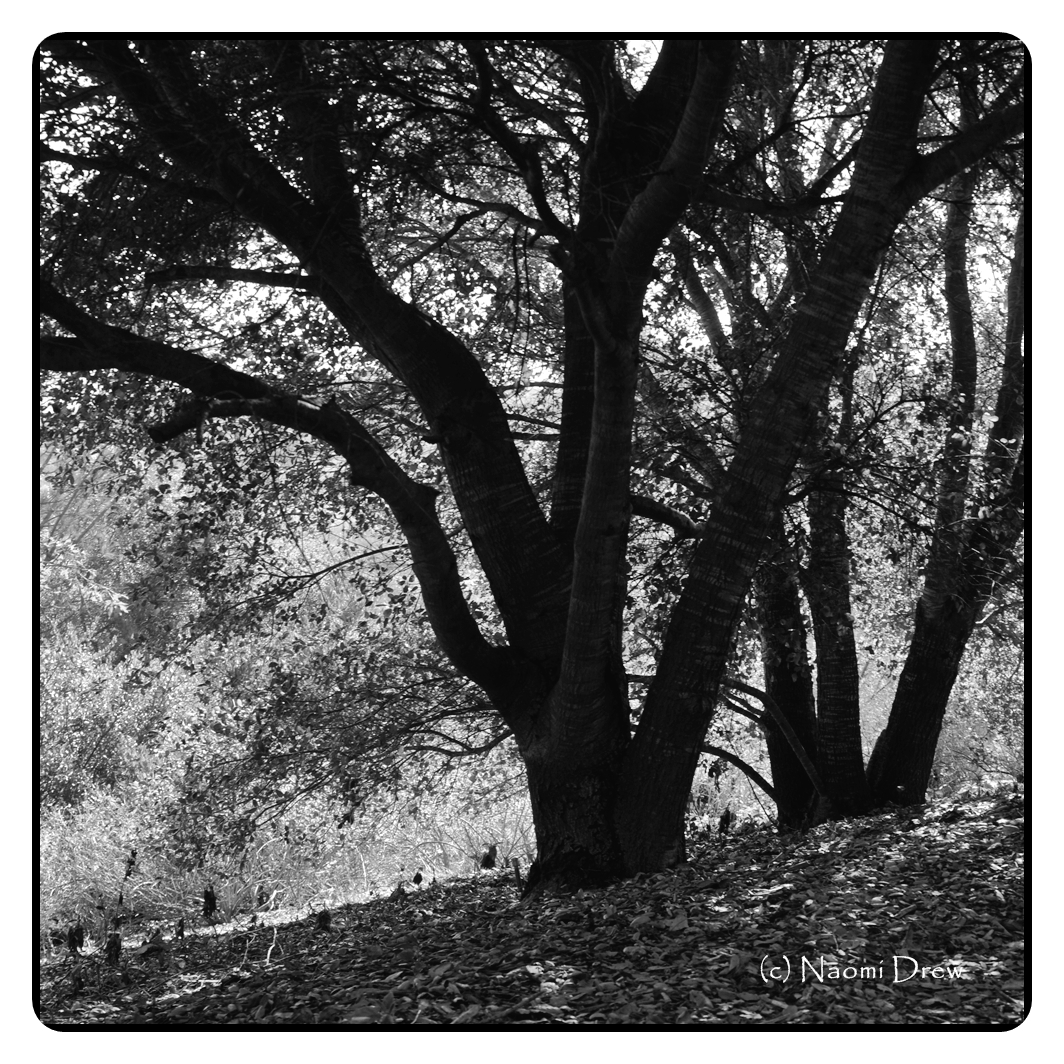
 I find that my photography is influenced by my study of sumi-e where the essential of something is far more important than the actual object. I also enjoy strong, graphical compositions, which can be seen in my favorite photos, and in some of my paintings. Dynamic lines and shapes are visually exciting and interesting as they lead your eye. Lines and shapes can also draw the viewer inward, into the heart of the artist.
 In a gallery, whether physical or virtual, the first thing we do is look. Something suddenly attracts us, we hone in, and then begin to see. All this is subjective. A critic, though, will step back and look more objectively, and contemplate skill, rendering, compositional elements, contrast, detail, color, and so on. An artist must also do the same of his or her own work. The purpose of this is to learn from what we have done, and this becomes an impetus to continue, to learn more, to move in this or that direction. Critiquing one’s own work, and that of others, is an intellectual enterprise, while also being a subjective experience which leads to a complex of new emotions, thoughts, perspectives, and whatever else lies within. It is also another level of the artistic experience which works in strange and wonderful ways on creativity, vision, and expression.
 Artists work to create expressions of an event, an experience, an emotion. Art can be visual, auditory, or experienced by other senses, such as touch or smell. Art can be kinetic – something we do physically. Art must be experienced – watching a play, seeing a painting, listening to a song, The artist experiences his own art by doing it, and then it is shared, and in the sharing, the artist moves beyond the moment and continues to grow. The same must be said for the viewer who participates by listening or seeing or doing. All together, art creates a mesh we all experience in our own unique ways, and binds us together in our humanity, creating a community whether or not we realize it, or choose to recognize or acknowledge it.
 Ink, Yarn & Beer