
I have an old East German camera from the 1950s or 1960s, a Werra 5. There is a rather charming light leak in the last batch of film I ran through it. The lens is a Carl Zeiss Jena 50mm f2.8, which is a pleasantly sharp lens to use. The last film I loaded into it was an extravagance as it was Fuji Natura 1600, which ran about $13.00 for a 36-exposure roll. For nearly a year, the film lived in the camera, too precious to use up, until I got totally tired of it!

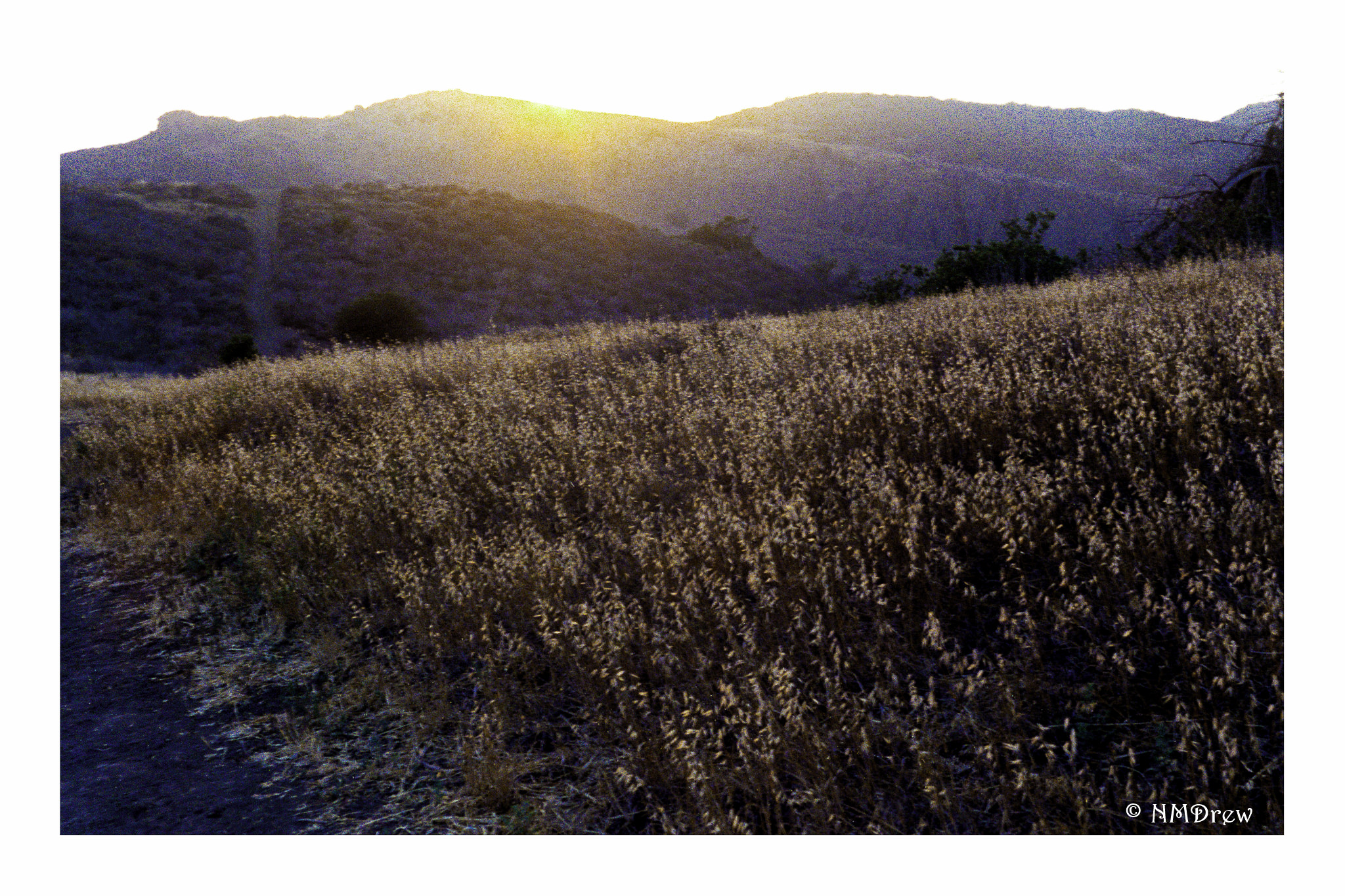
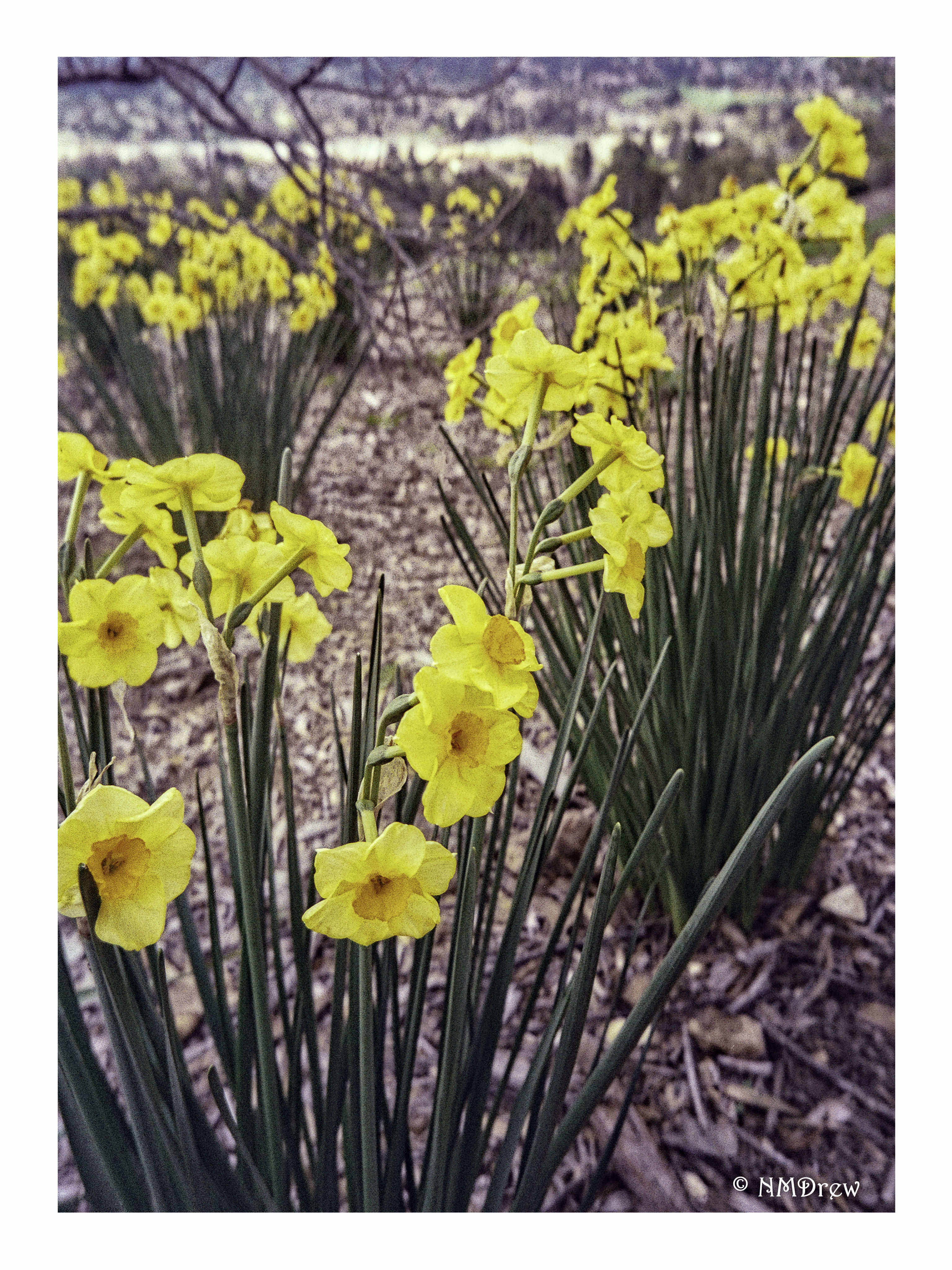
There are pros and cons to using Natura 1600. Like I said, it is expensive. It is also grainy. The image quality is a bit different from what I am used to as I generally shoot 100-400 iso. The colors are also subdued, but therein lies the beauty of the film: it is subtle, but rich.
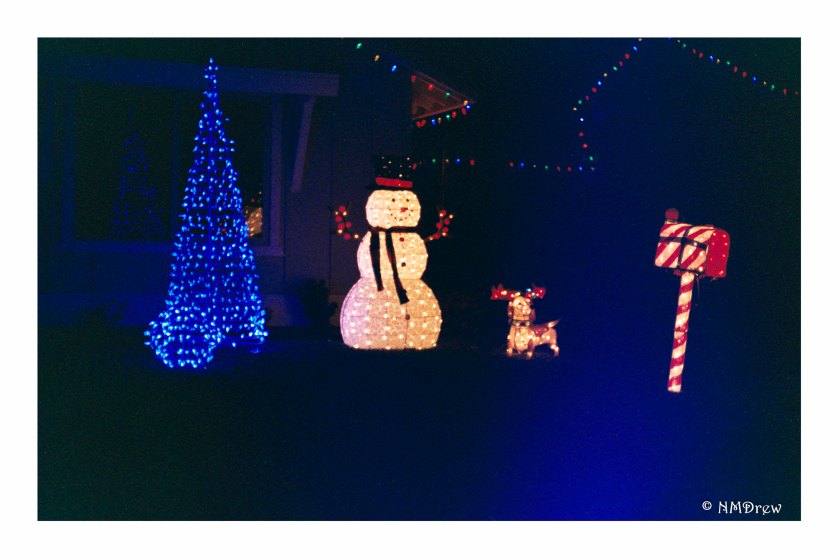
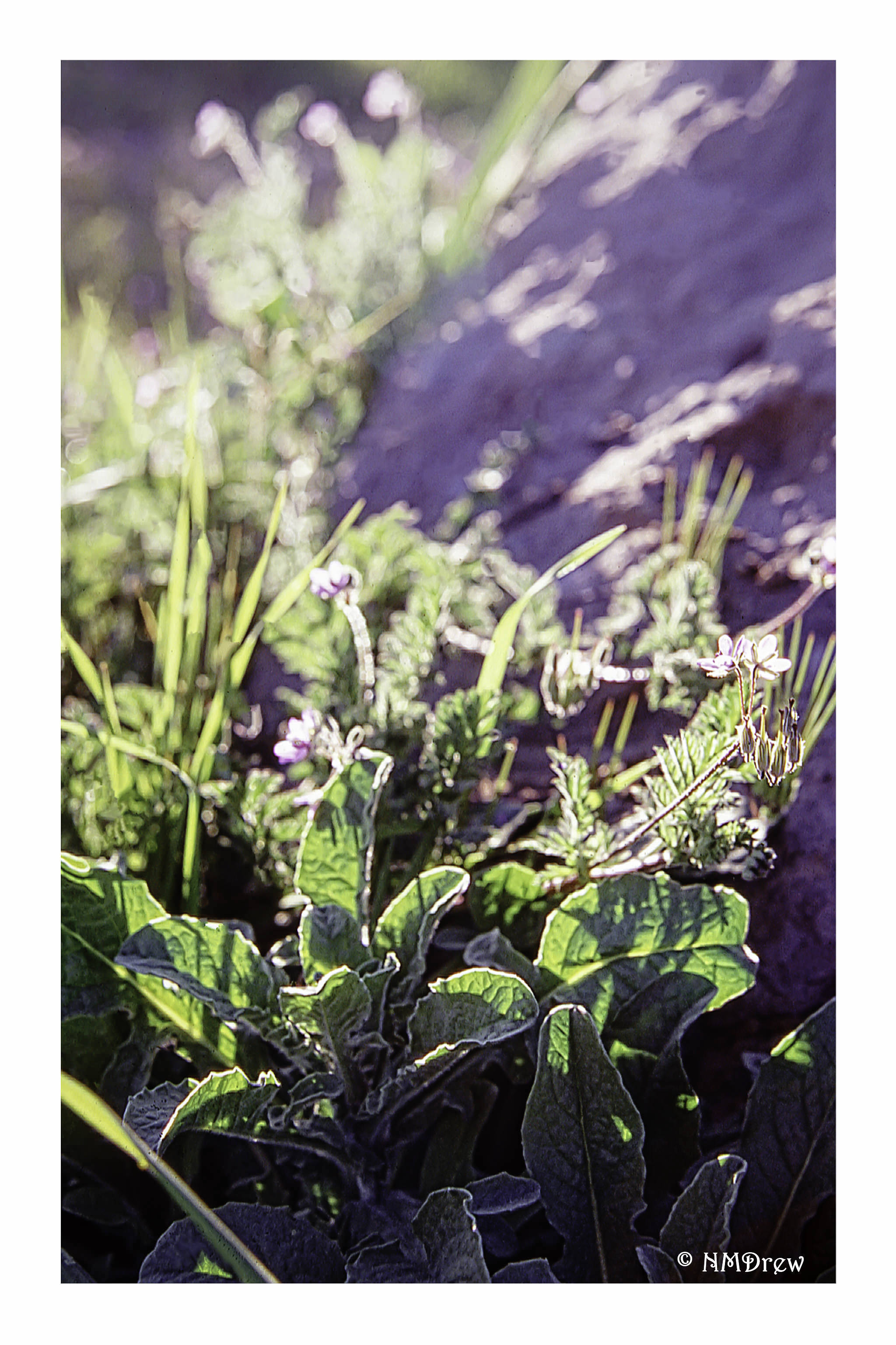
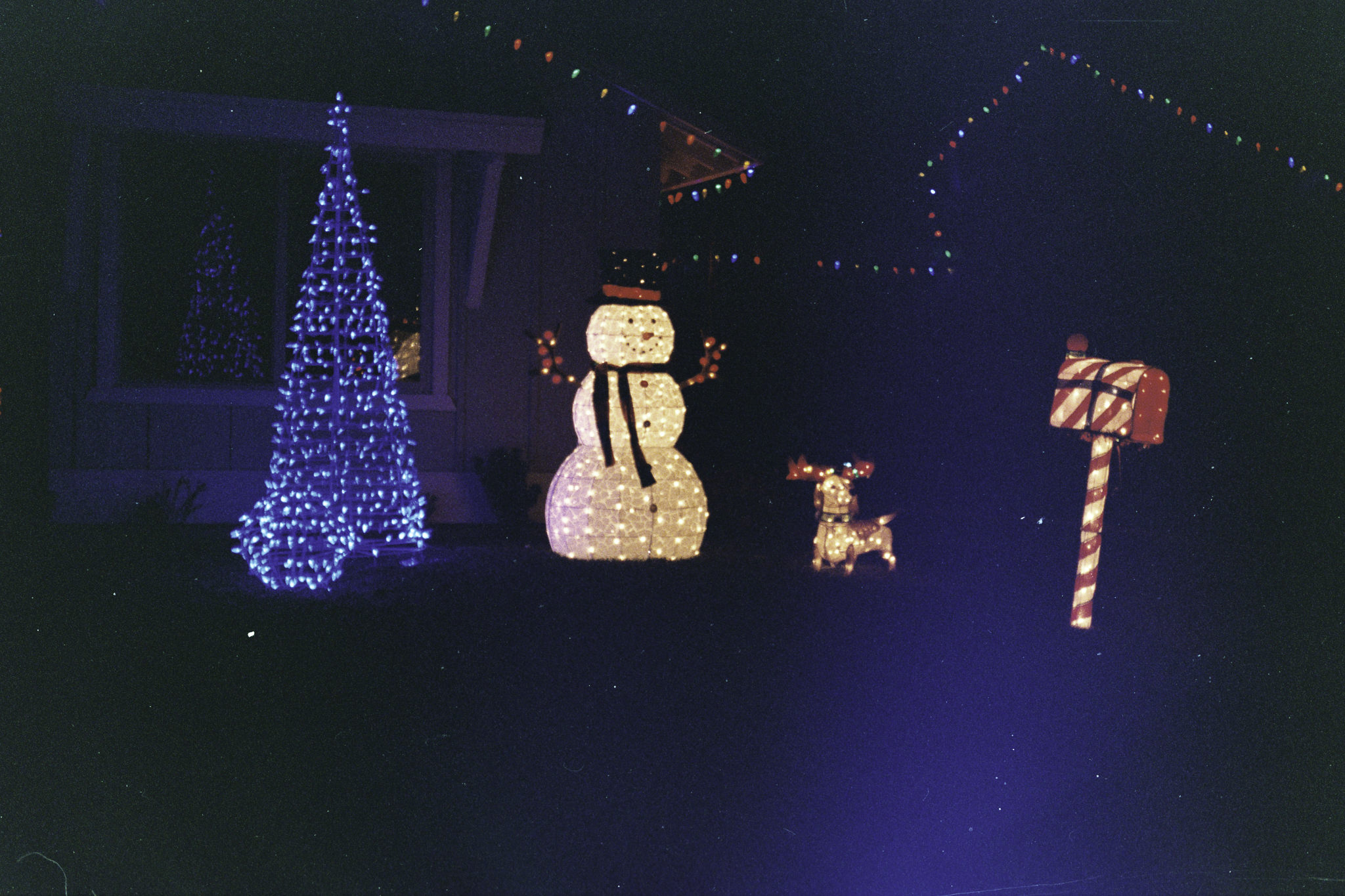
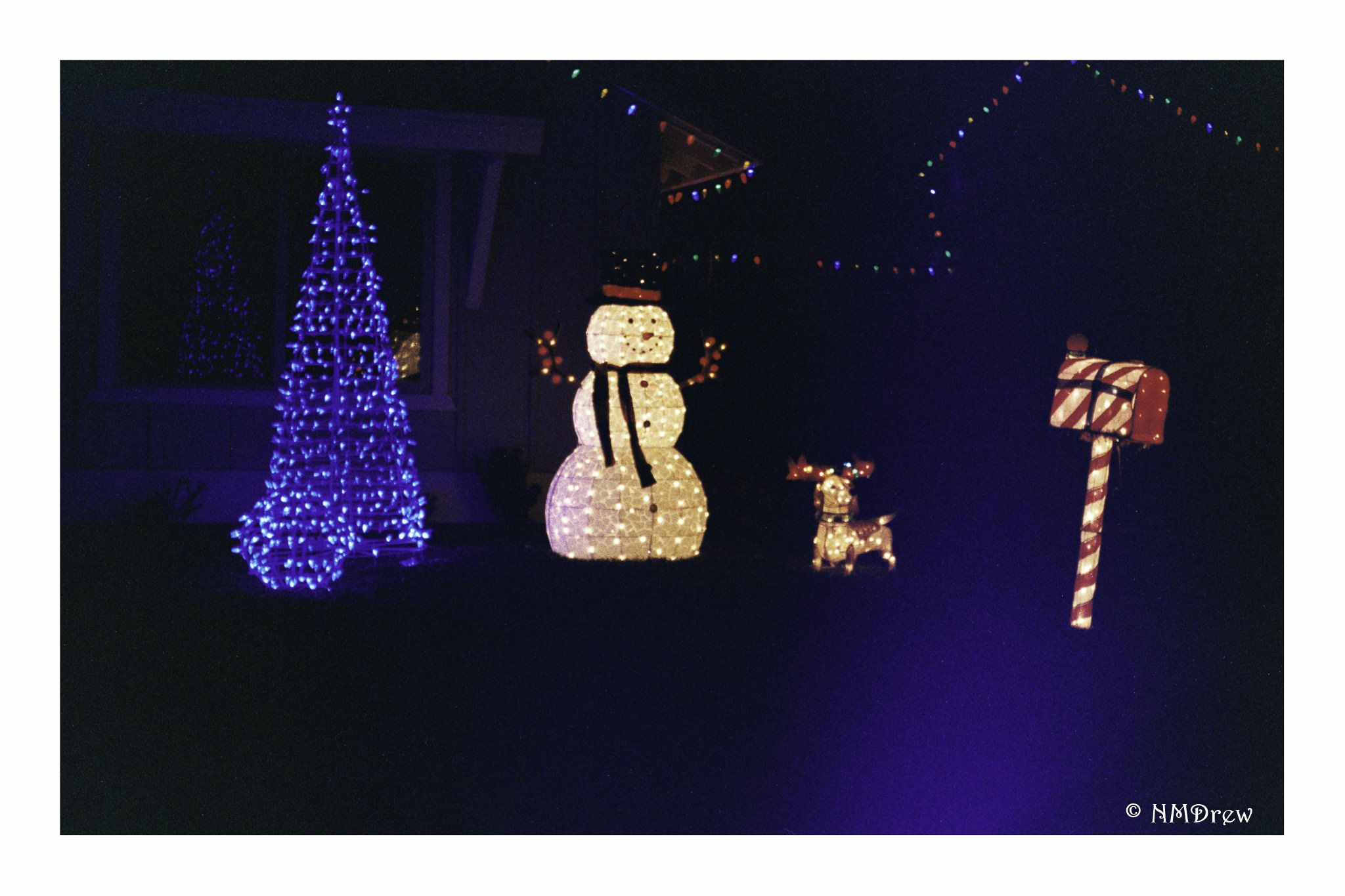
I like to guess at exposures, based on the Sunny 16 rule. Nearly all the pictures I took were in the late afternoon / early evening, or at night, such as last Christmas when I wandered through the neighborhood to test the film out on the lighting displays. Some results were good, some not so spectacular. Additionally, there was a lot of clean-up to do – the film came back covered with spots and hairs, which seem to be more exaggerated by the film, but maybe not.
This series of Christmas lights gives an example of the work I had to do to even make a presentable image (IMO). The images below required the same amount of work. Despite my complaints, a few were salvageable, and in post, produced some pleasant, if rather grainy, images as the light of day decreased.


So, will I use Natura 1600 again? The answer is yes, I will give it one more try. I plan to use it in a more advanced camera, one with a metering system that is reliable. On first use, it seems to have the quiet colors of Portra, but if such is the case on a second run, chances are I will use Portra rather than Natura because of the price point.





 Ink, Yarn & Beer