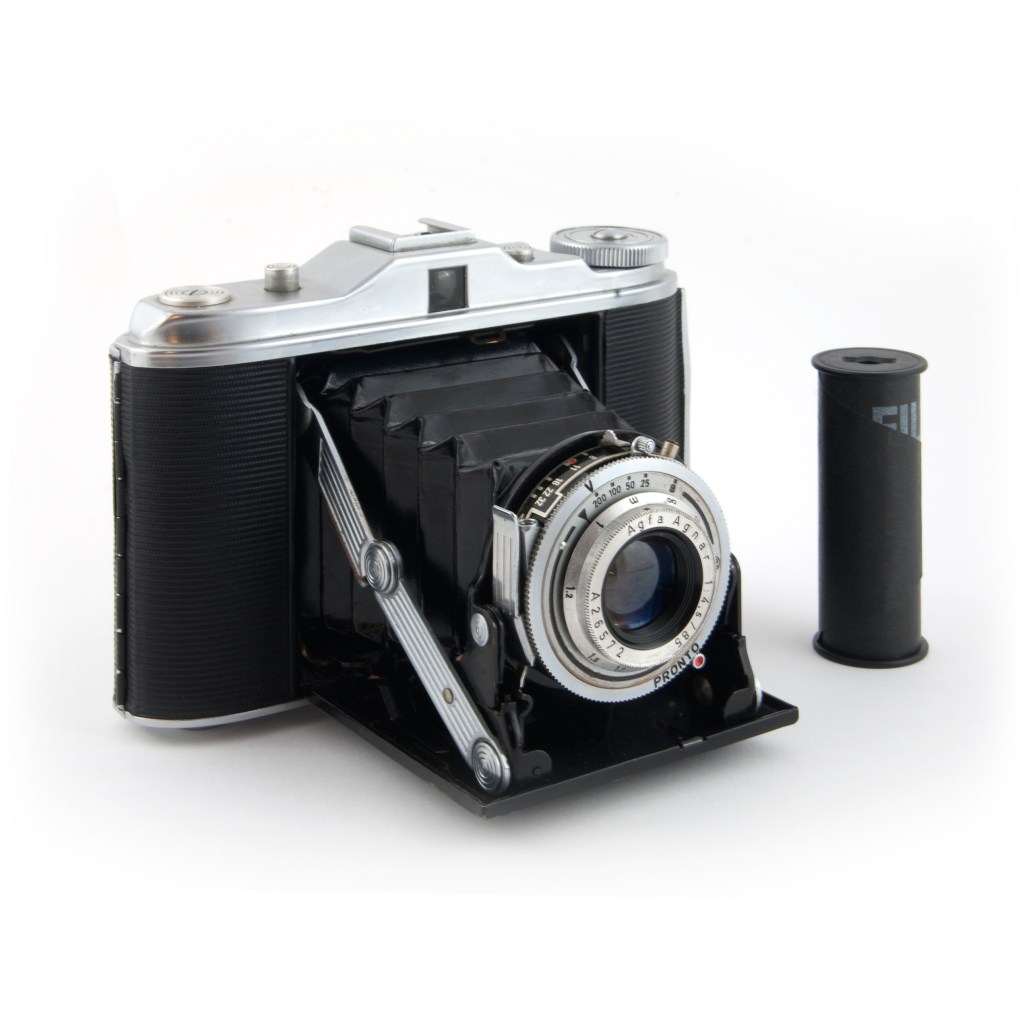
Isolette II / Apotar 85mm f4.5

Image of an Isolette I, Agnar Lens, from Wikipedia

The Agfa Isolette was made over a number of years, sold in the US under the Ansco brand, and is a rather nice camera overall. The issue many of the later ones have is the fact the bellows have deteriorated. Apparently the later models had plastic bellows which developed pinholes and creating, of course, light leaks. I bought my Isolette II from Certo6, from whom I have purchased a number of vintage folding cameras and accessories. I have never been disappointed with the quality of cameras I have from Certo6, so here is a plug for Jurgen Kreckel!

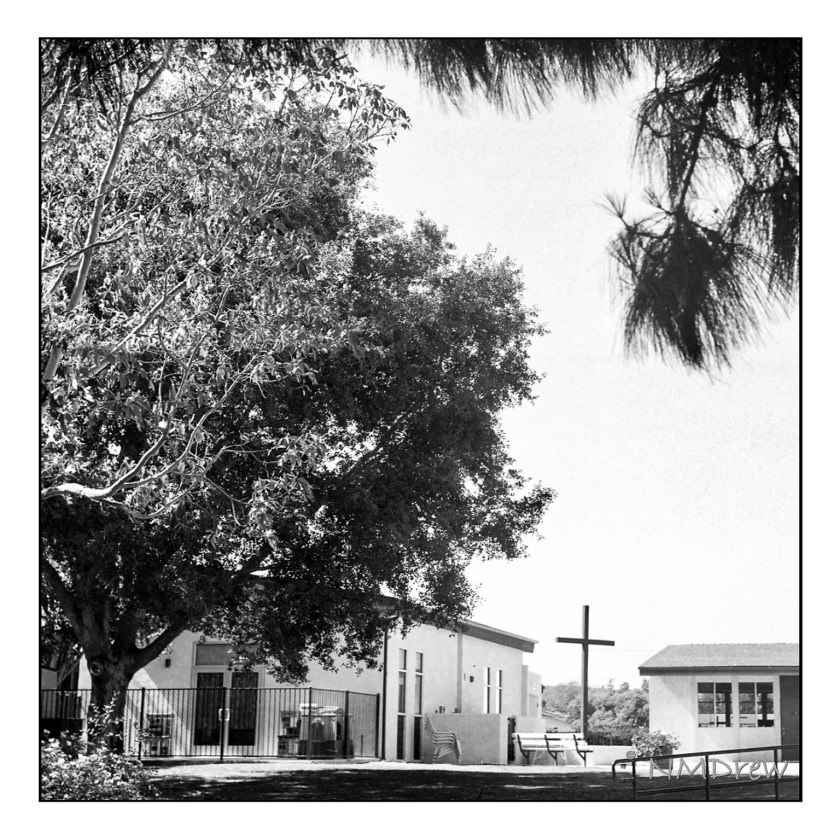
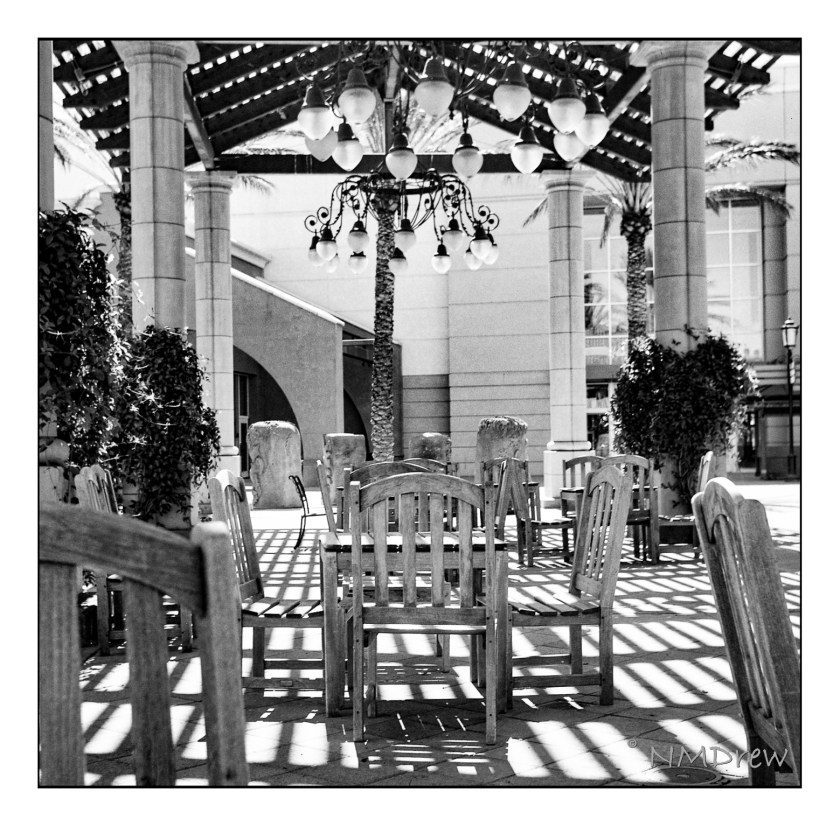
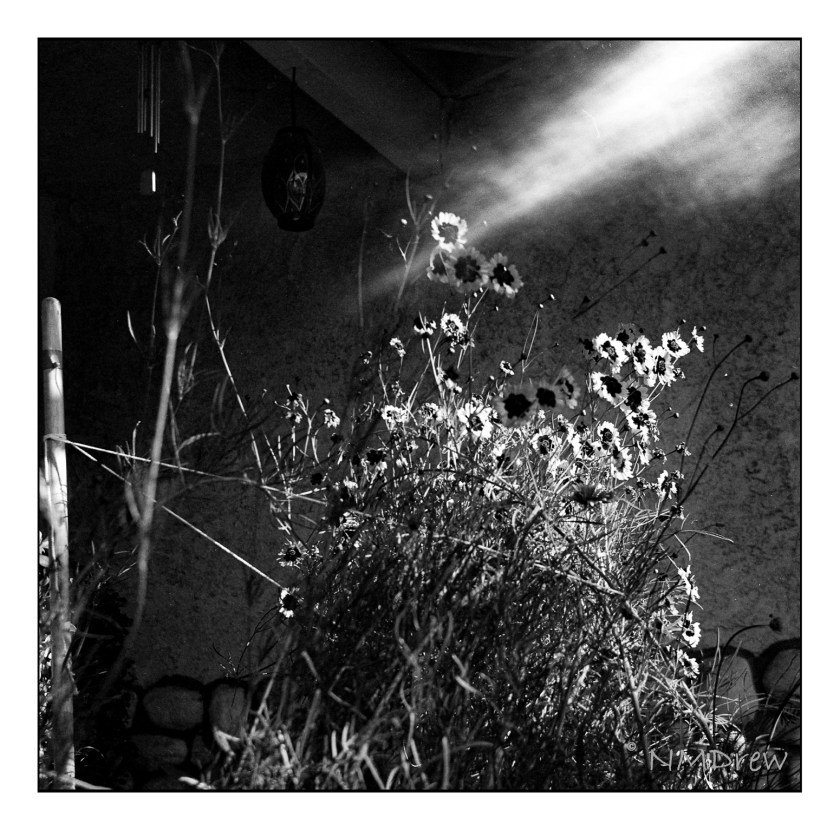
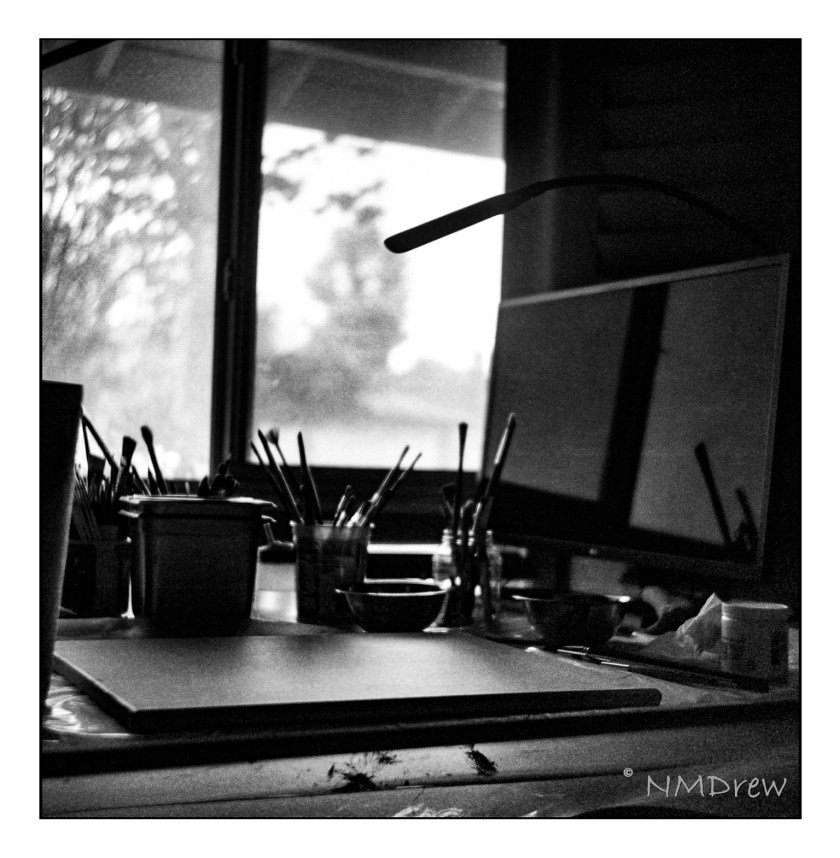
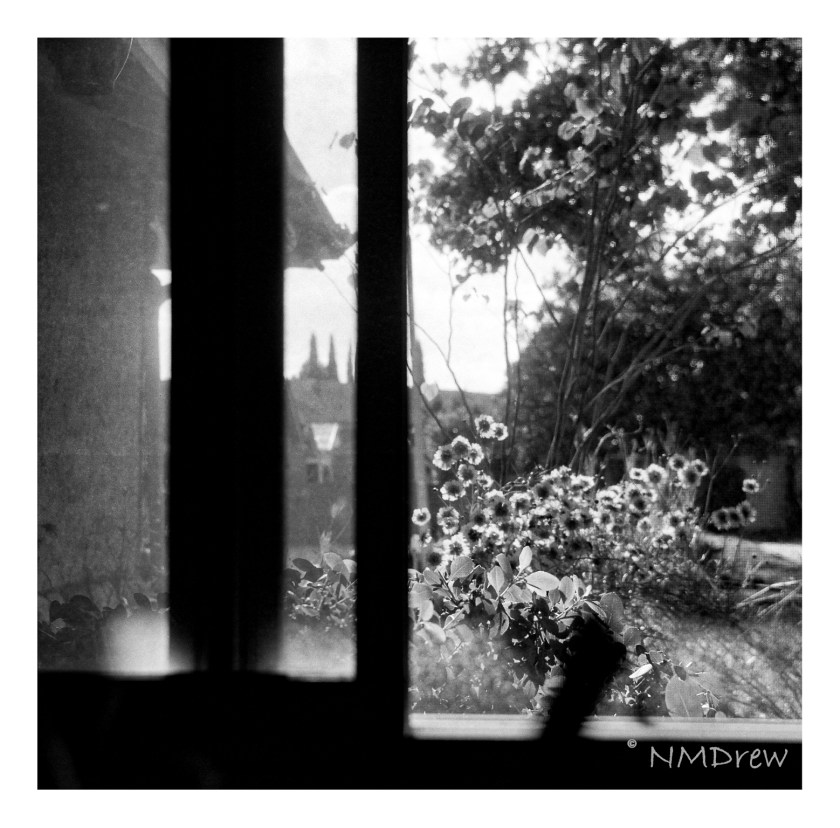
I don’t know about you, but I wander around with my interests – sometimes sewing or knitting, painting, spinning, then on to photography or drawing. It varies, in part with the weather, in part with my mood. Photography has taken a long time out of late, but with summer coming in and a pleasant spring ending, I decided it was time to re-evaluate and re-explore photography. So, with a new-to-me red skinned, black bellowed Agfa Isolette II, a roll of 120 Ilford XP2 Super 400 film, I spent a day wandering around the house and neighborhood, guestimating exposures as well as using a light meter. I got the images back a couple of days ago. All were usable, but below are the best of the lot (I think).

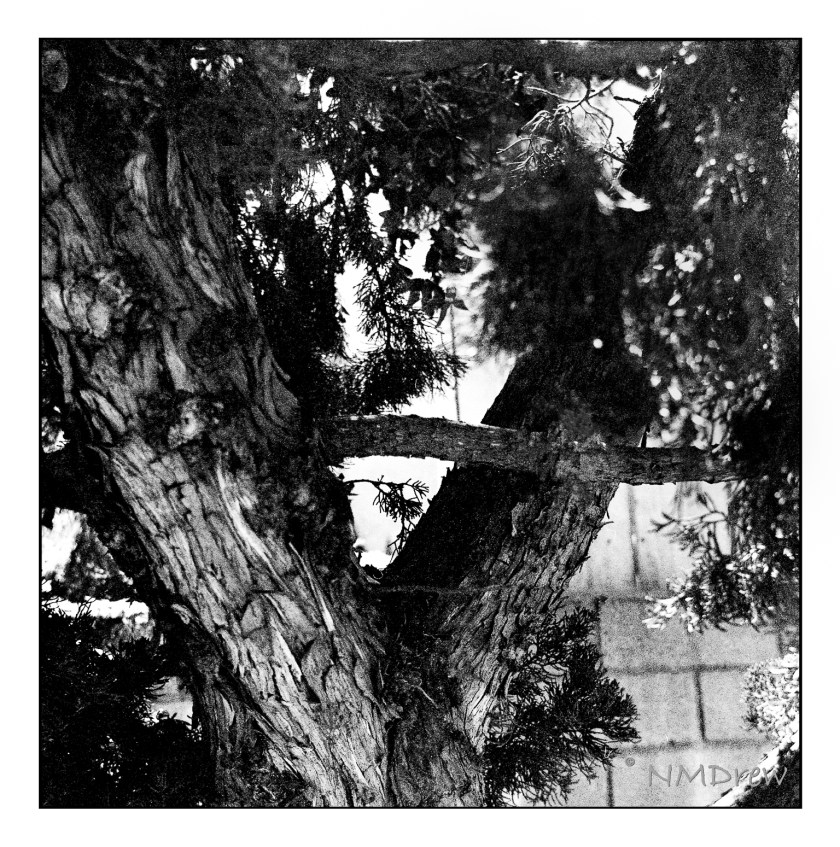
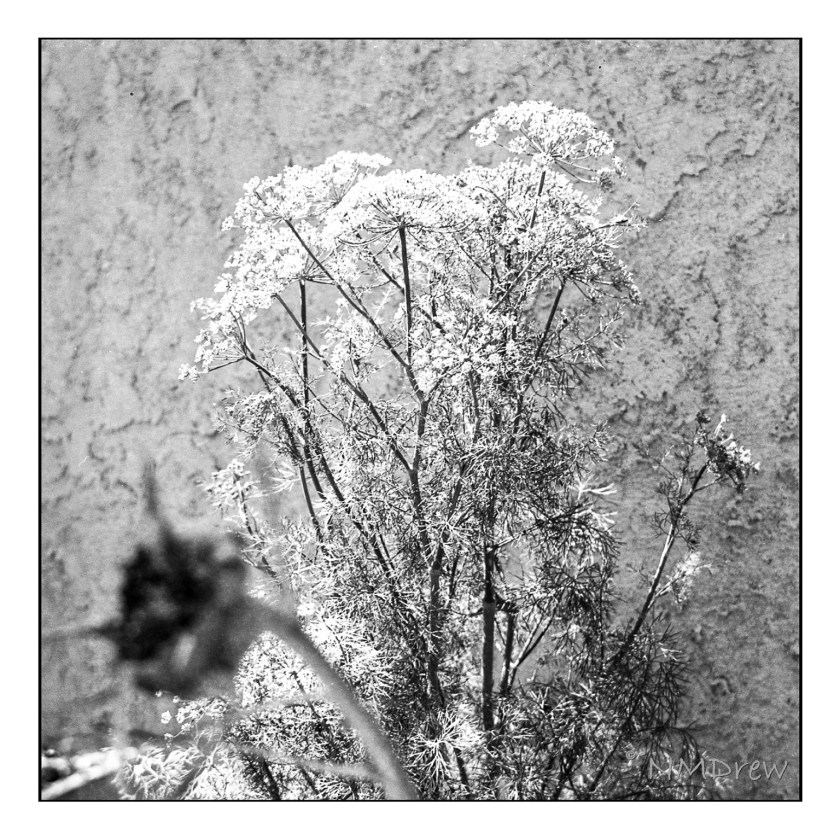
Up front, these photos are not SOOC – I did work on them in post. The Apotar lens is not in the same league as a Tessar, but it is a rather sweet lens. I think the issue more than anything could have been my fault in exposure. The details visible are the result of editing with LR and such, working to bring out detail, increasing contrast, and changing the image to meet my desired goals. Altogether, I like being able to take a folding camera with me – I had it in my pocket while I was oot-and-aboot.
Sunflowers
Empty Field
Church School
Patio Seating
Sunflowers and Sun Flare
Ready to Work
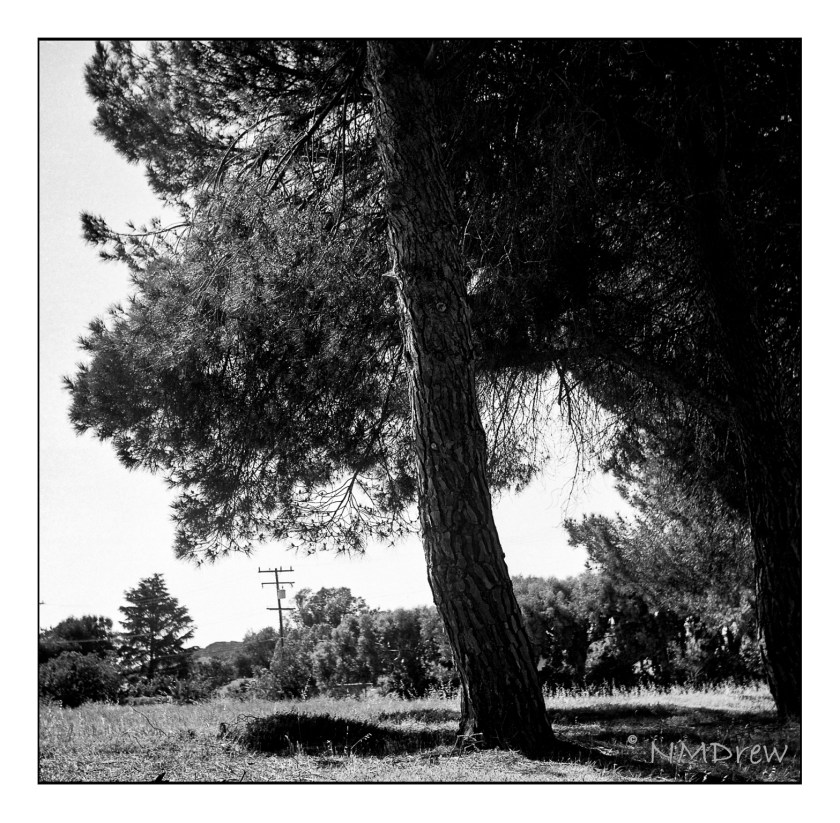
Tree Textures
Dill Flowers

The Apotar lens is uncoated (I believe) and as a result is prone to flare. You can see it in one of the sunflower pictures. I did not use a filter at all. In particular, I think the last one of the Dill Flowers would have benefited from a yellow, orange, or red filter; the dill flowers are yellow and similar to the foliage of the plant. When I looked for pictures to make, my goals were to look for small details, such as the dill leave, strong contrast, as with the trees, and texture, as in the bark.

Altogether, the camera worked beautifully, was simple and direct. Aperture, time, and distance all need to be determined by the user. I used the Sunny 16 rule for the most part and guestimated the distances. Outdoors the usual exposure was f/11, 1/100, and about 6-20 feet (2-6 meters). Inside, most likely f5.6, varying distance, and about 1/50.
The Olde West

Living in California meant traveling across country to move. We did this when I was 12, and I did it as an adult in my 30s.

Driving through the vast reaches of this country always amazes me. First, it is just BIG. Open miles of open land, a house or ranch or roadside attraction.. Huge mountains seen across miles. Winding roads where dust behind you flies in a cloud as you bump along, looking for rocks and holes. Freeways, local highways, dusty country lanes – this is what I enjoy when I travel. This fall we plan a trip across northern Nevada and into Utah, when the weather is cooler, and perhaps we will even enjoy colored leaves at the higher altitudes.

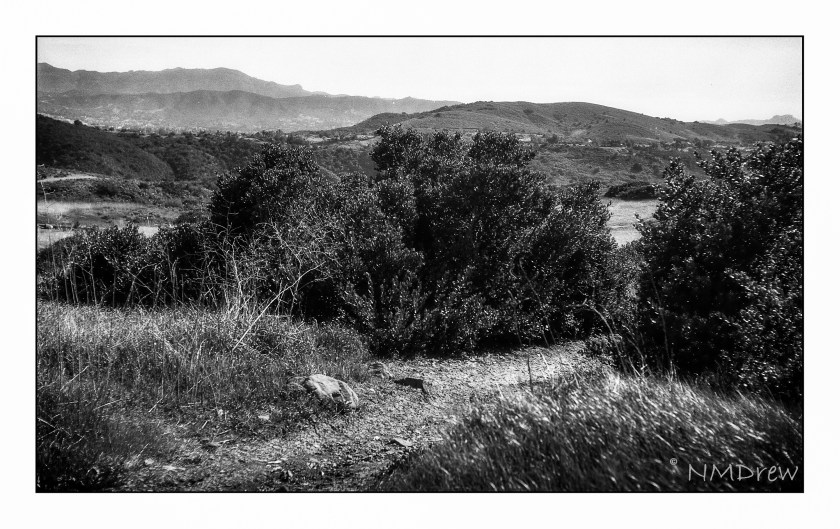
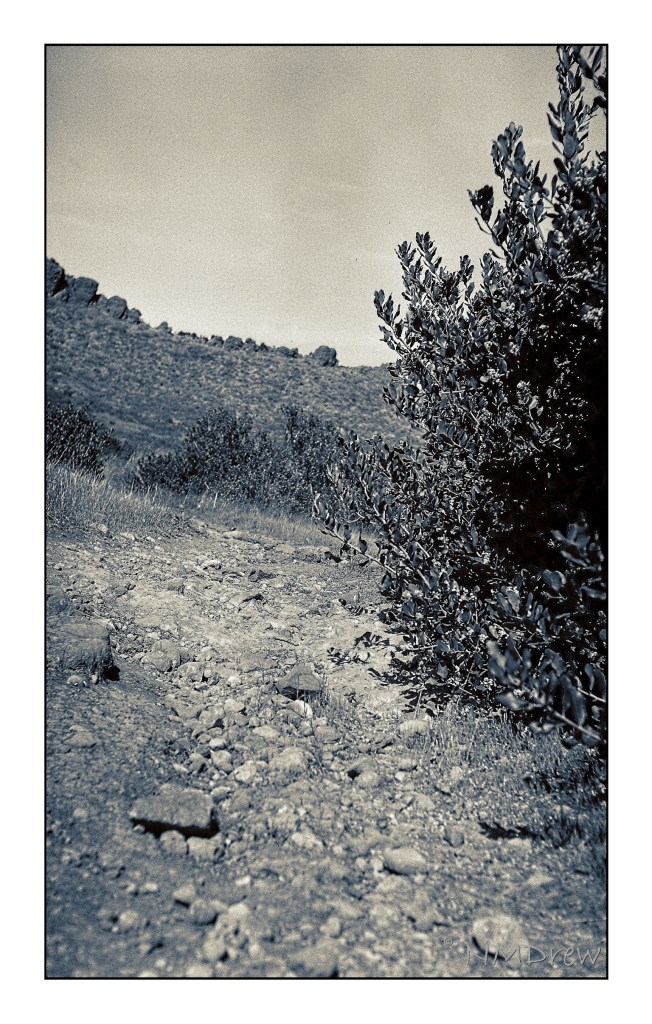
Awhile back I loaded up one of my old cameras – a Voigtlander Bessa RF 6×9 with a Heliar lens, ca. 1935 – with Ilford Ortho 80 Plus film. I forgot about it until I opened the back of the camera and slapped it shut as quickly as possible. As the camera only gets 8 pictures per roll, I lost a few – like 3. One image was too dark for use. But, the remaining 4, while not great, were fun to manipulate in post.

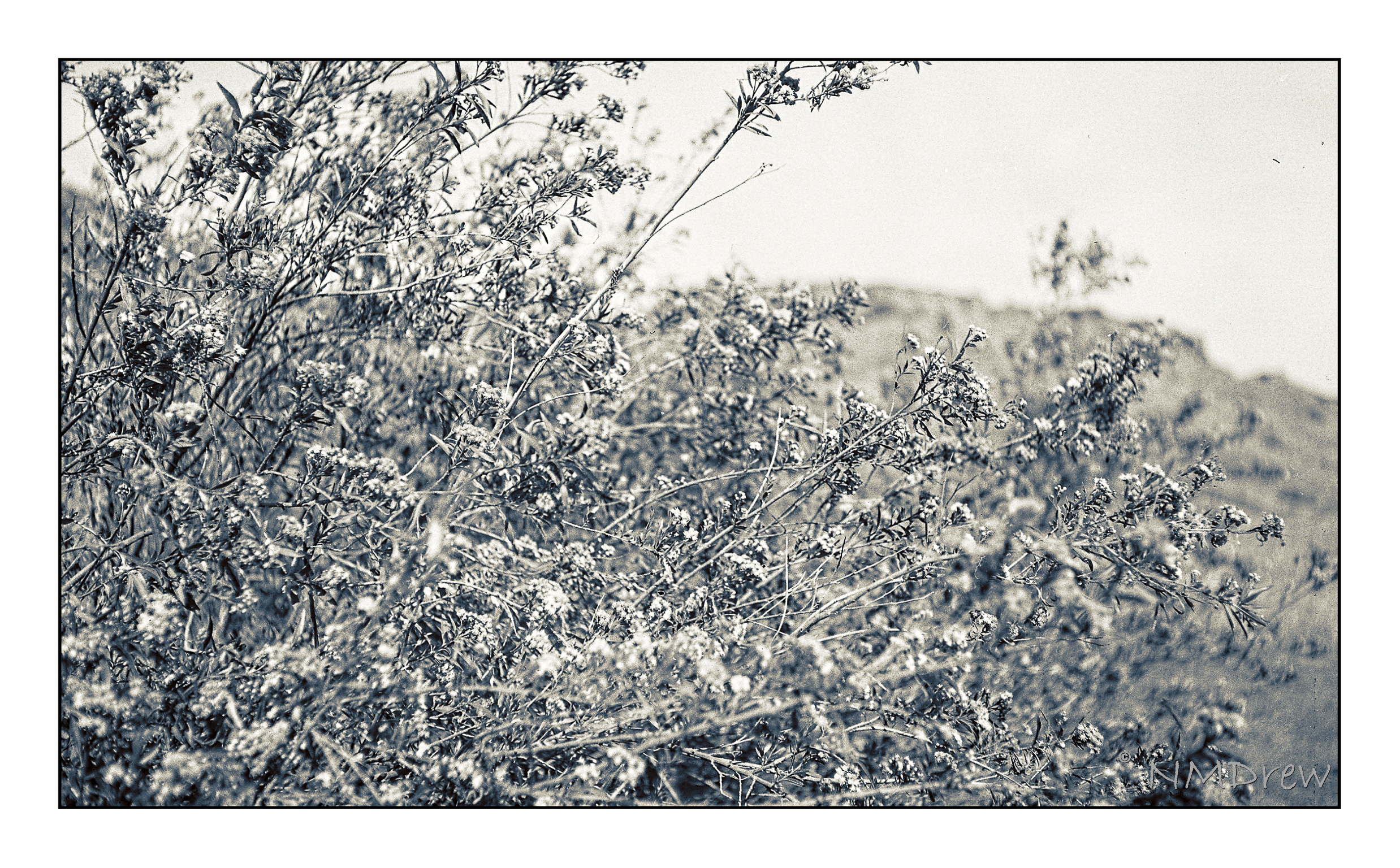
The Ilford film had just been released, so I bought a few rolls to test out. In my 35mm film camera, it worked beautifully, but my exposures were marginal in the 6×9 at best. I worked on them a lot to bring in discernible contrast – most were over-exposed. The lens on the camera is a beautiful Heliar, but my guestimates with 80 speed film were too high. As well, I used no filter since I don’t own one to use with the lens. So, above, a test shot to look at contrast – white flowers on dark green foliage. I created a preset in On1 Camera Raw that I liked; it brings out the details but doesn’t create too much contrast.

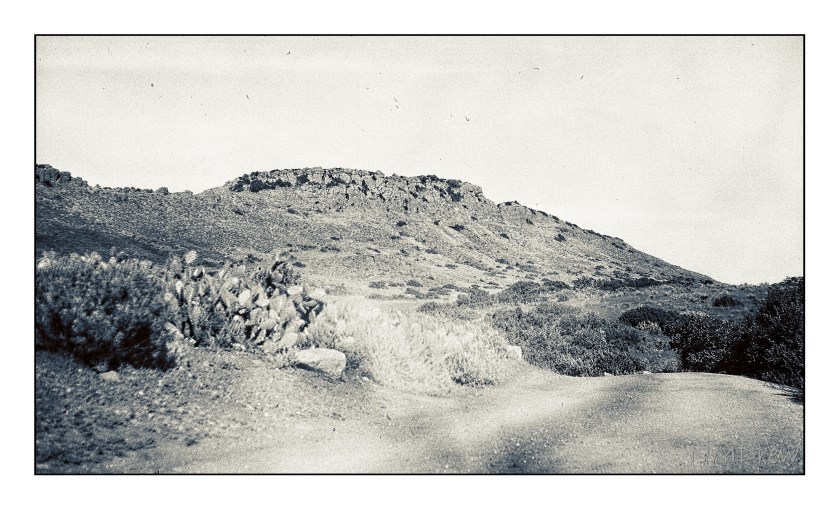
This photo makes me think of old dirt roads and stagecoaches jouncing along – like you see in 50s movies! The image got a light leak, but the details of the distant mountain – Mount Clef – and cacti are worth a look

Again, more detail and a bit of LR dodge-and -burn. This is the dried landscape nearby. When the winters are wet – which ours was not this year – the grasses and mustard can grow up to 8 feet. Easy to get lost in, but don’t – stick to the paths or ticks and other critters will get you.

Backcountry is beautiful and dangerous. I remember turning back here – a rattler was basking in the sun. That’s another good reason to walk where you can see ahead of you!

So, a bit of my West with my old camera and newer film and technology. The Voigtlander did not let me down, nor did the film. I am looking forward to taking this camera with me up to Morro Bay next week – along with more modern cameras – and out to Nevada and Utah. More Olde West to come!

Thoughts on Photographic Creativity

The day after we came back from our jaunt to Monterey I spent editing negatives I had processed while I was there. I scanned them and imported them into Lightroom. The film was Lomography’s Metropolis in 35mm, and I found it interesting to use, rather enjoying the colors it produces. Chances are I will order some more. For the most part, I did little editing in post as I liked what i saw, but a few had weird schmutz on them, probably bubbles that got trapped as the film was developed. Spot removal!

The process of editing images makes me look at them more closely. I worked hard to make some good pictures, and overall I was pleased with the roll. After a day of gardening and cleaning and just organizing life after the chaos of 4 days away, I sat down and just blobbed by watching various YouTube videos. They all seemed to be ones on photography. They included Ted Forbes’ channel and his “assignment” of a month using one lens length. I also watched Frederik Trovatten’s “Shoot Like . . .” series on Vivan Maier, Robert Frank, and Joel Meyerowitz. Totally by accident I came across a video about the Japanese photographer Miyako Ishiuchi.

Up front, I have never really “gotten” photography as an artform for myself. Watching Ishiuchi, I did. She explained her first three series and it made me think about photography as a theme to express emotions by focusing on one thing. That is about as easy a way to explain it. Watching Forbes’ video on one lens length helped me focus (sorry for the pun! Not!) on emotion – which one? – and one lens. Narrowing things down here. Trovatten’s vidoes provided interesting insights on how or why or what various photographers do and did.

Creativity is something that is difficult to find at times – that is, being creative and producing an artwork that is satisfying to me on many levels. These include emotional, intellectual, and proficiency of whatever medium I am using. In general, I can take a decent photo, but I have never been what I would consider to be a creative photographer. I don’t set up still lives or seek out a theme to explore. I like the technical things, such as exposure factors and what I want to see in an image, but I don’t “do” a series of anything. I love landscapes, but the heat limits my wanderings. The pandemic curtails too much travel or traveling with a chauffeur to do a safari.

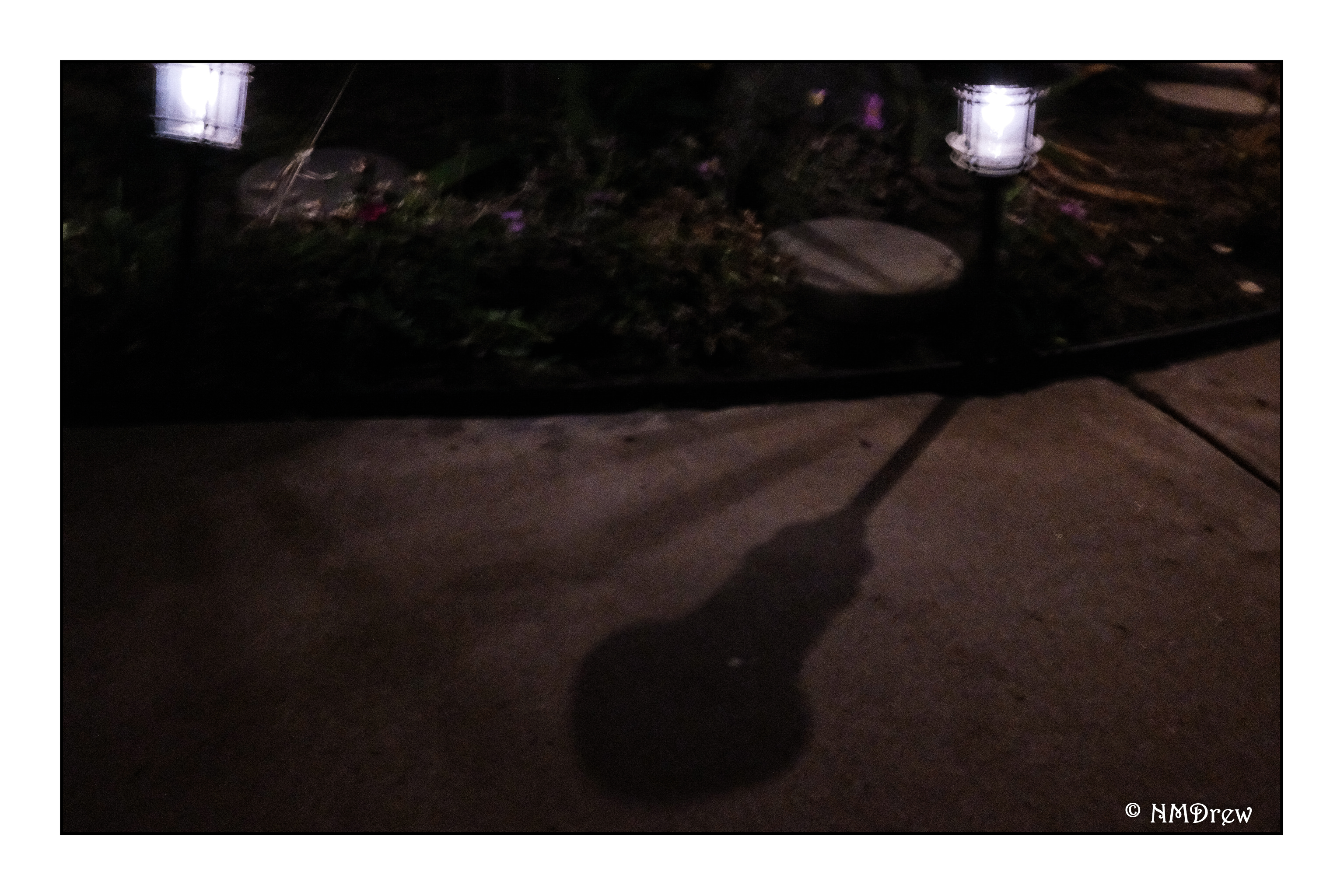
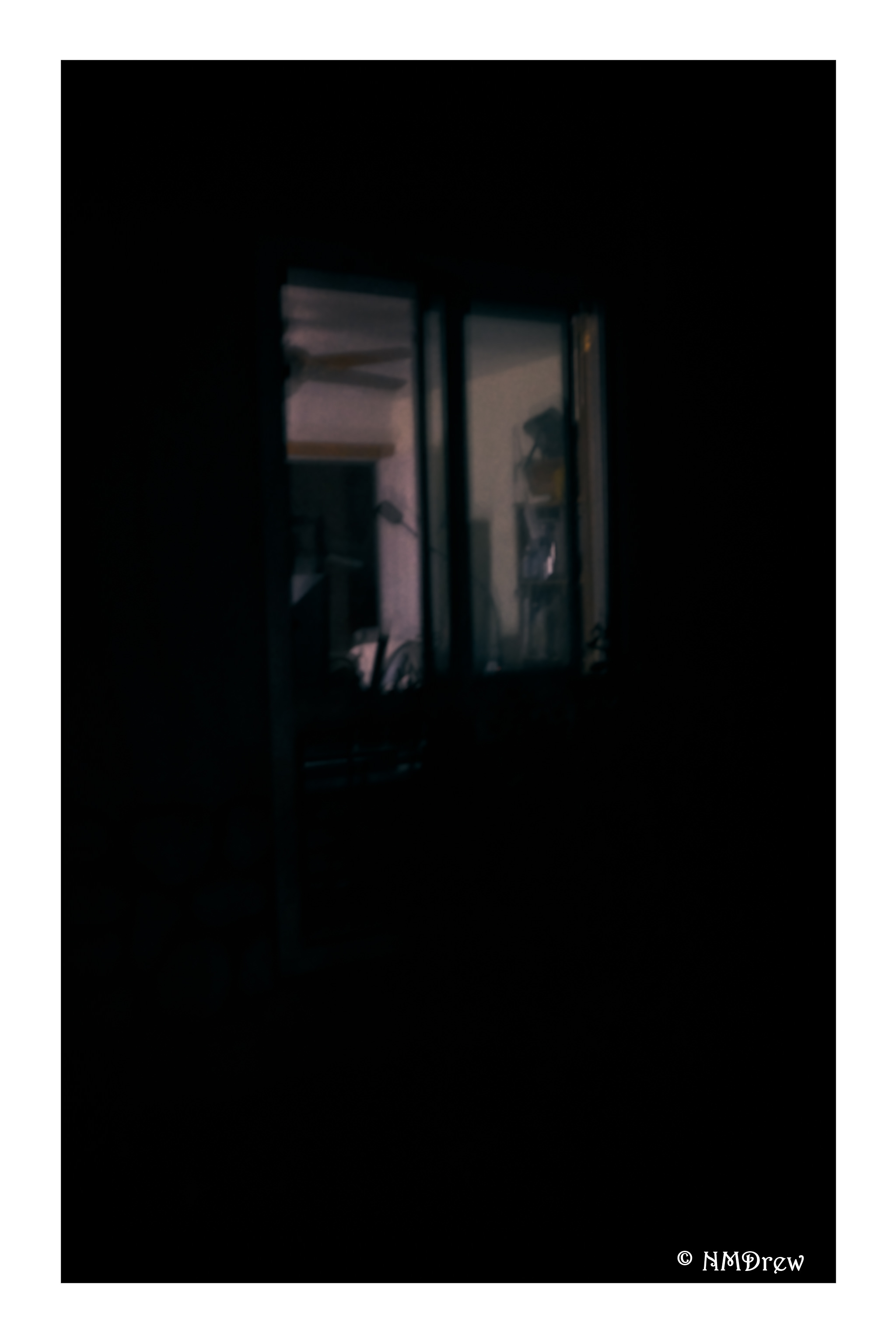
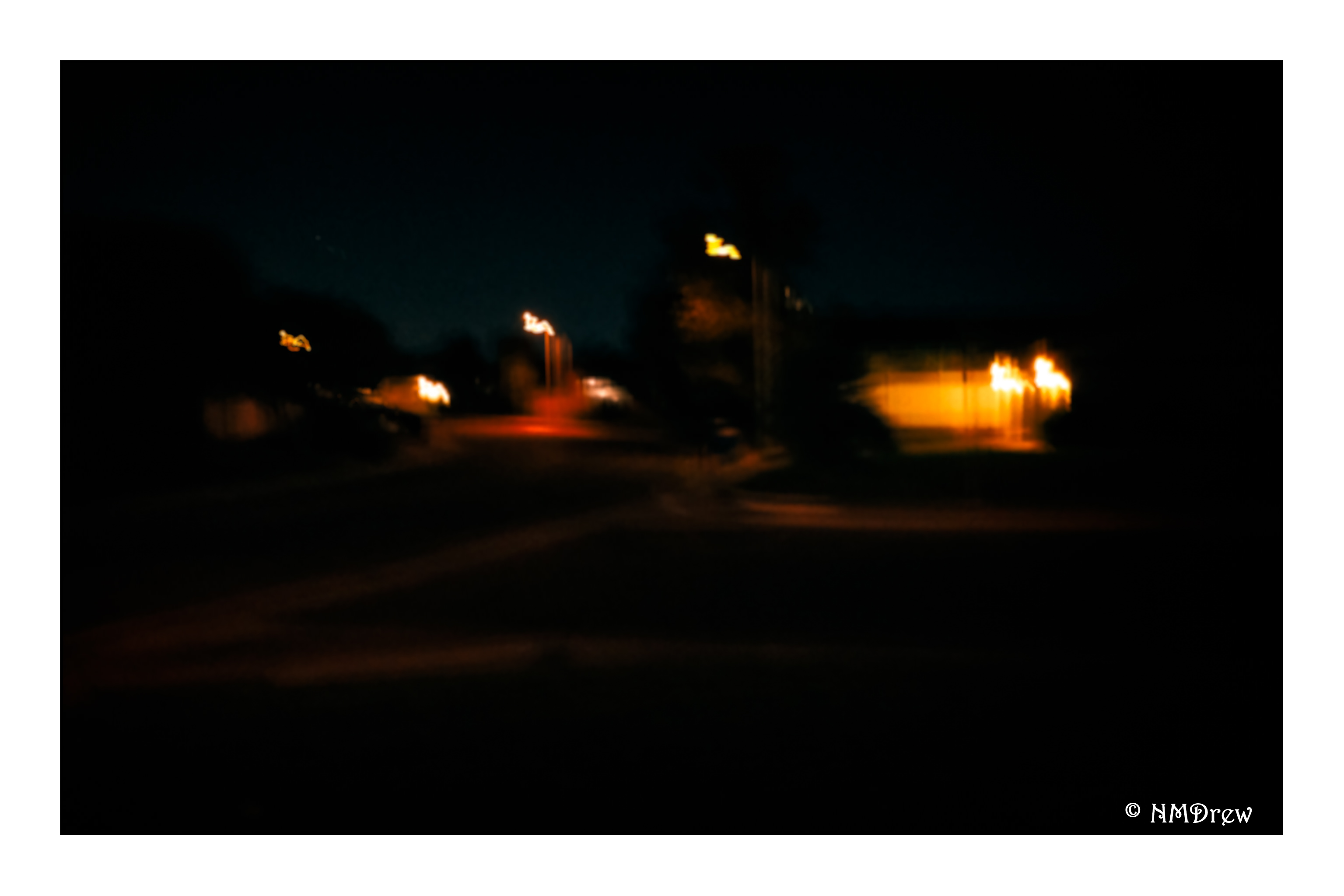
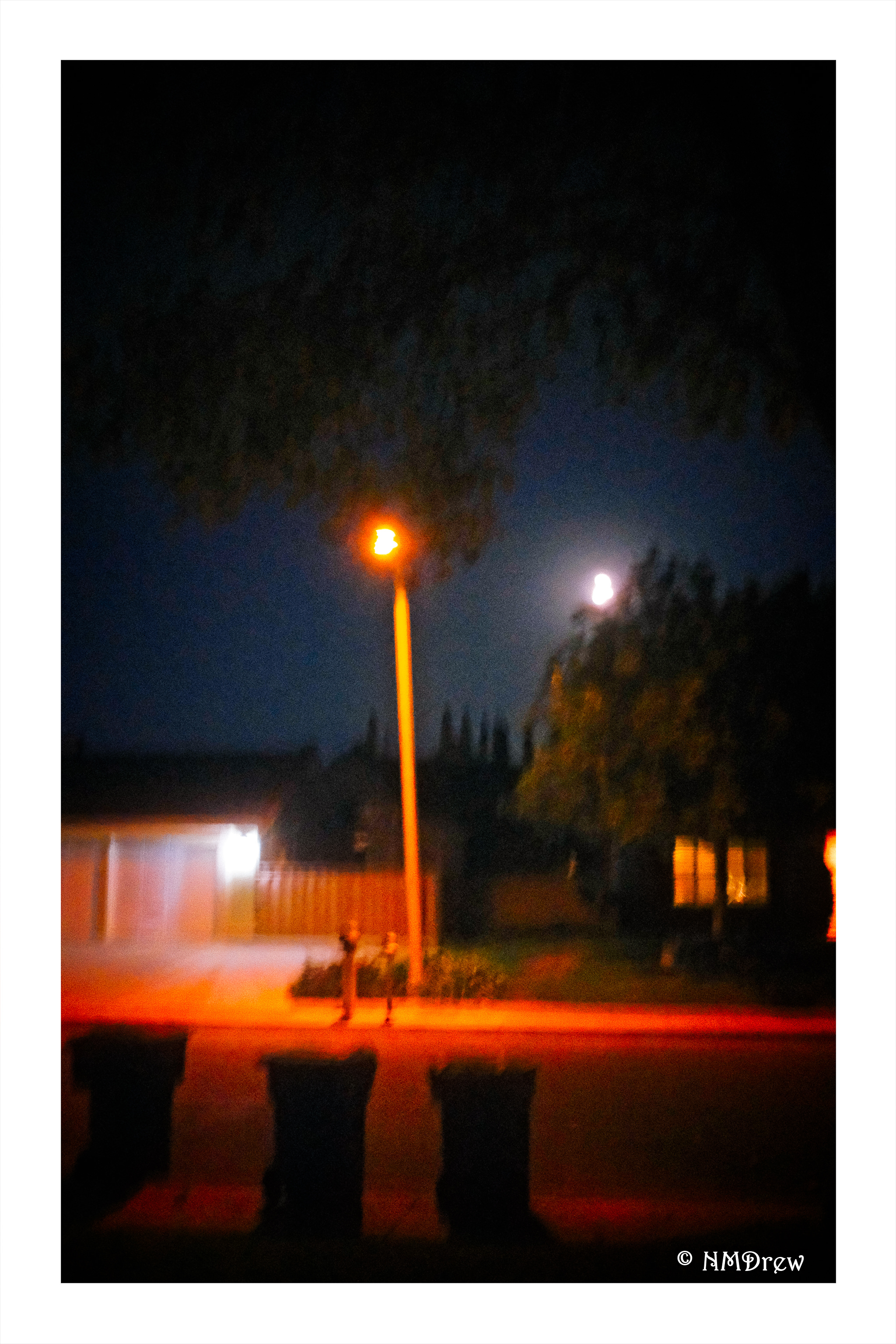
Yesterday’s video watching pulled a lot of things together for me in the area of making photos. Theme, single lens length, mastery. While I plan to continue to try my daily painting, I am also going to begin a month-long study of image making with a single lens length. The lens will be a 35mm. The Fuji X100V is a fixed lens length at 23mm and a 1.5 crop factor, equating 35mm. I have a 35mm series E lens for my Nikon film cameras. It will also work on my Nikon Df full frame. There is a lot of choice here with what I have. The theme that catches me the most is one that has intrigued me the most over the past several months: my neighborhood at night.

I live in the suburbs. It is a nice neighborhood with nice people, curving streets, greenery, a park with a creek. Nearby is a college. A small strip mall is within walking distance.  I consider all these to be within the parameters of My Neighborhood.

I went out last night with this thought in mind, using the X100V, iso set at its highest and the rest on automatic. Everything was done handheld. I will need a tripod. I will need to use flash at times. This will be a great way to dig into the menus of the X00V as well as learn how to use it on a deeper level. And I will need to dig out a tripod and a shutter release cable. These same things will need to be applied to my film cameras and other digital critters.

So begins The Neighborhood at Night.

Escape!

I would say that for the most of the last 6 weeks the weather has been crap. In the 90s-100s F is way too hot. We have low humidity here, so the heat doesn’t drain you as it does when it is high, but day after day, week after week, of heat, is not fun. Throw some smoke and foul air in there, and welcome to what I think is becoming the new normal. California is burning. Colorado is burning. I guess we are not raking the forests enough . . .

Yesterday, though, was the first cool day in a long time. It was overcast and rather dreary because the sky is just a single shade of grey instead of the single shade of blue. When the overcast burns off, there are clouds to be seen, and they are such a delight! I headed out to a local open space area, Wildwood, taking my Instax Wide with me. I used it to shoot a select few images. I used my phone, too, to send some pictures off to friends. Everything is faded and dried up, but many plants adapted to the area sport bright colors though they are also fading for the winter.

There are a lot of fire roads running through Wildwood with trails leading off into more rugged terrain. I seldom venture into those areas unless with someone else. Safety first!

The prickly pear cacti (cactuses?) are laden with ripe fruit – the pears – and they are quite delicious to eat! Using leather gloves, twist the red pear off the paddle or use a knife. Pack it into a bag of some sort to take home. When you get home, turn on your flame thrower to burn off all the spikes. Take your knife and slice – tasty! Some local markets carry the pears, as well as the paddles. The paddles are also tasty and edible, and once their spikes are removed, slice them up and then cook them. Cooked prickly pear paddles are called napales.

Photographing these critters can be a challenge as there are other cactus around, and none are pleasant to fall into.

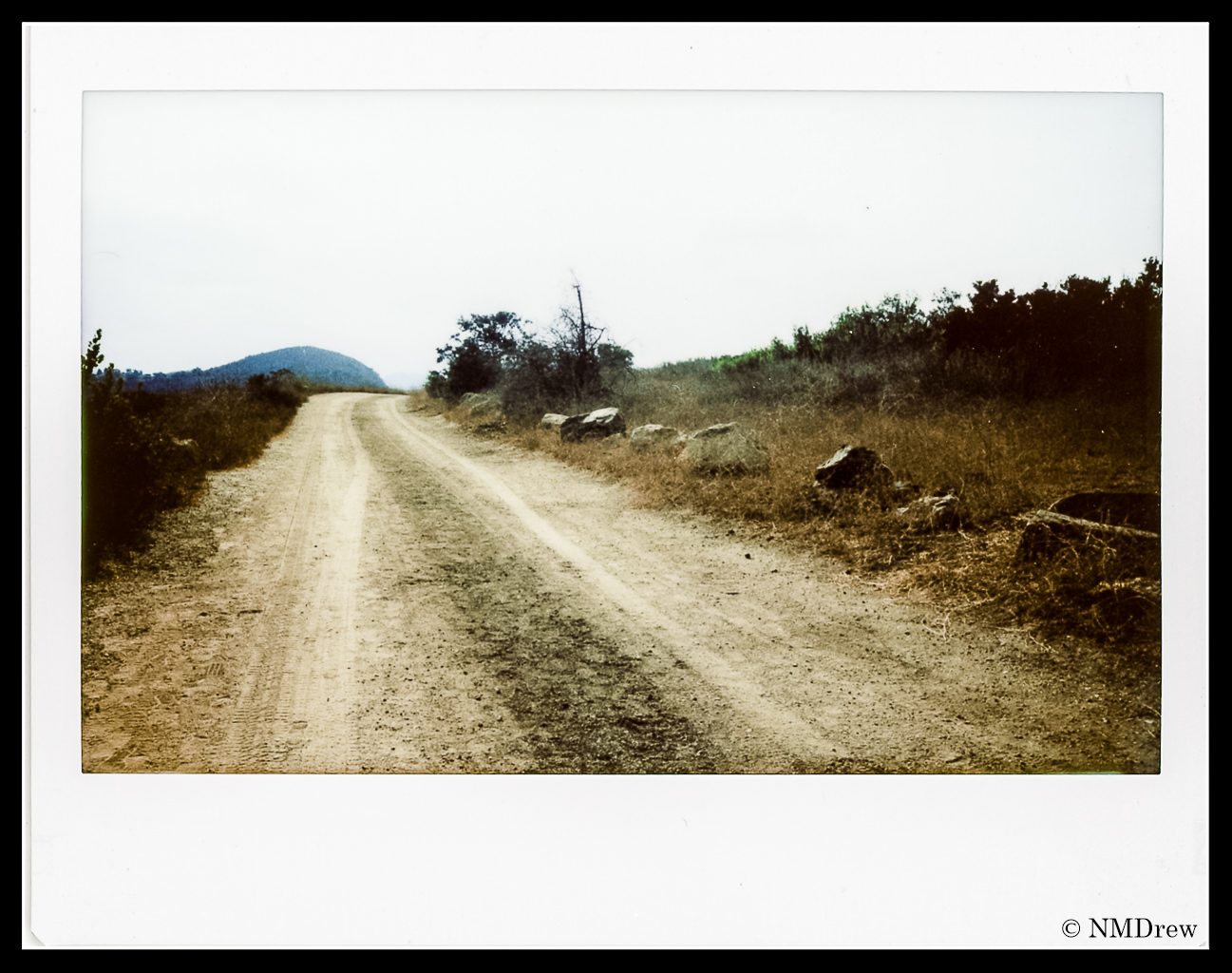
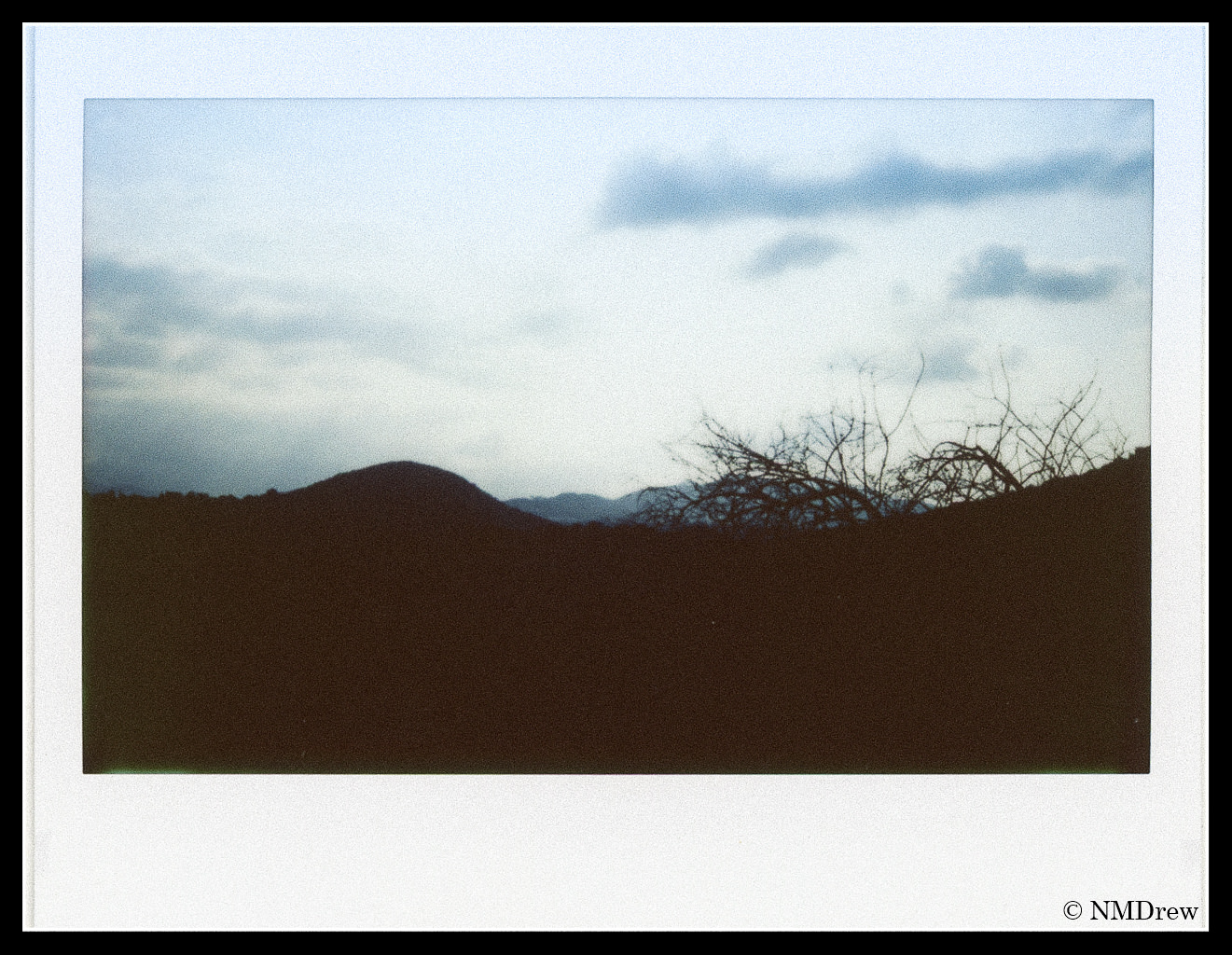
The road curves around a hill and this is the view you get. Mount Clef is part of a ridge that forms the northern part of my city, separating the Conejo Valley from the Santa Rosa Valley.

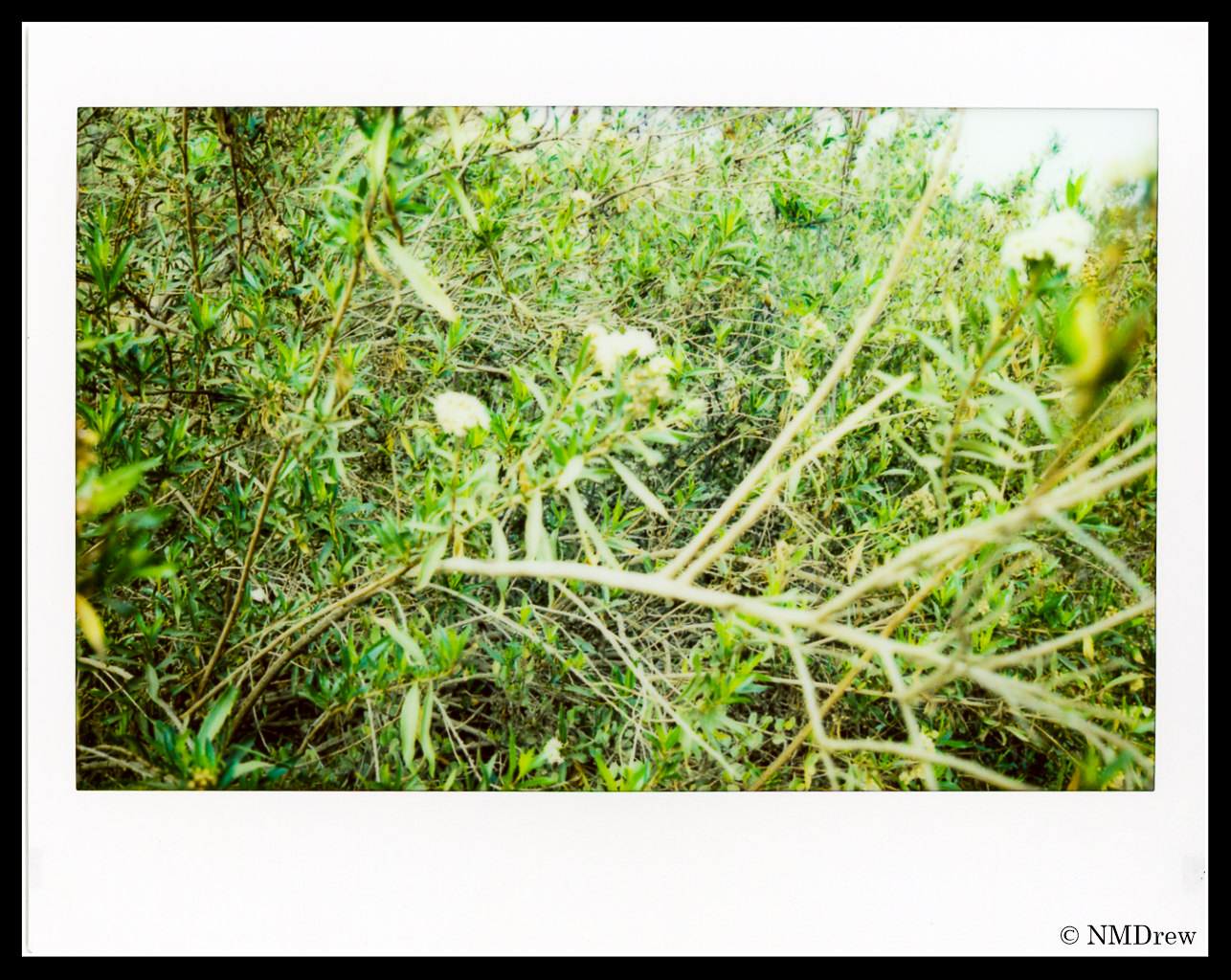
This is an name-unknown shrub which borders trails and roads through Wildwood.

I hiked about another mile and then turned around. I always like to see where I have been and look at the same things from a different viewpoint.

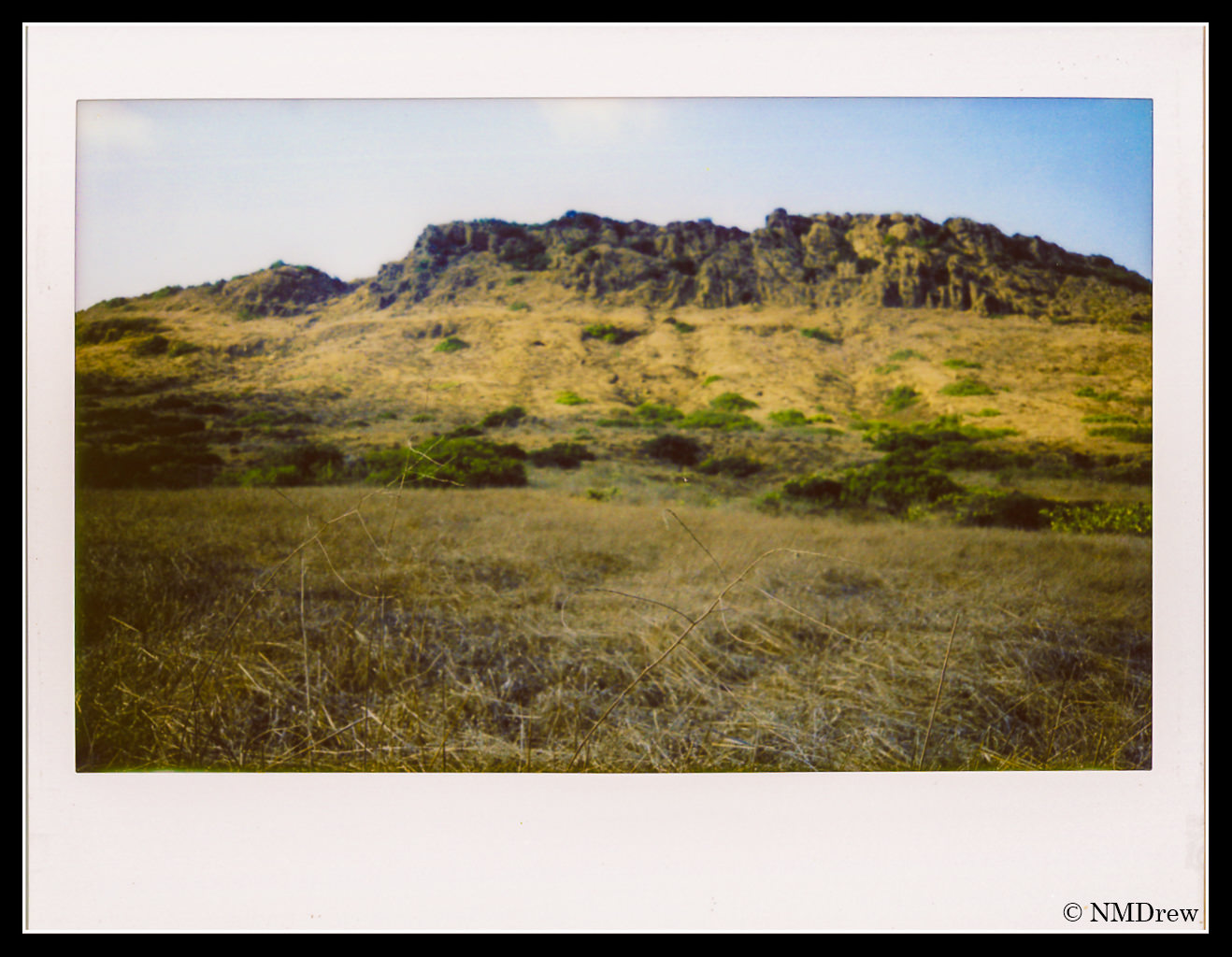
Here, the Mount Clef ridge moving east.

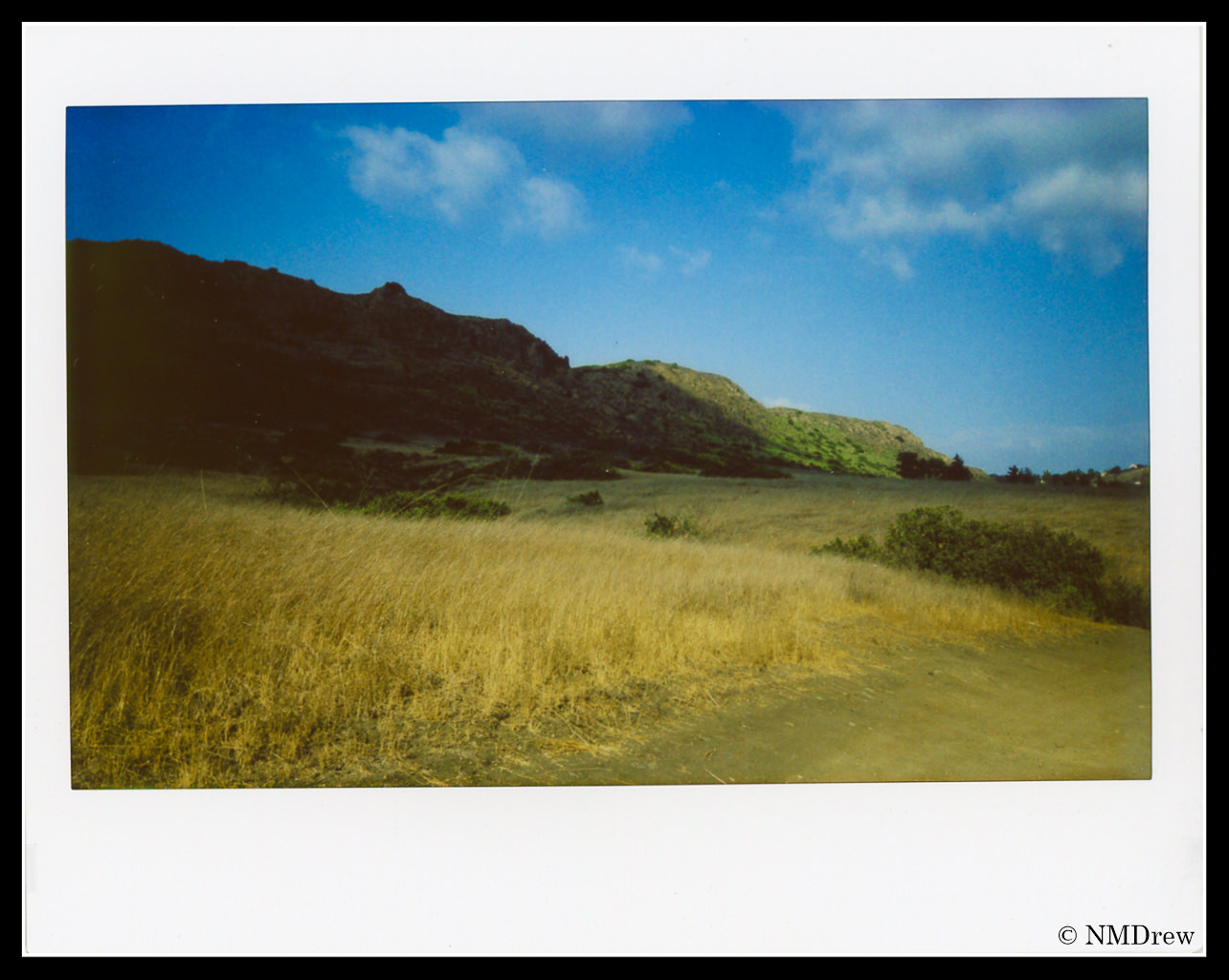
Back on my road, looking south toward the Santa Monica mountains. The day is later, the sun lower, backlighting mountains and trees

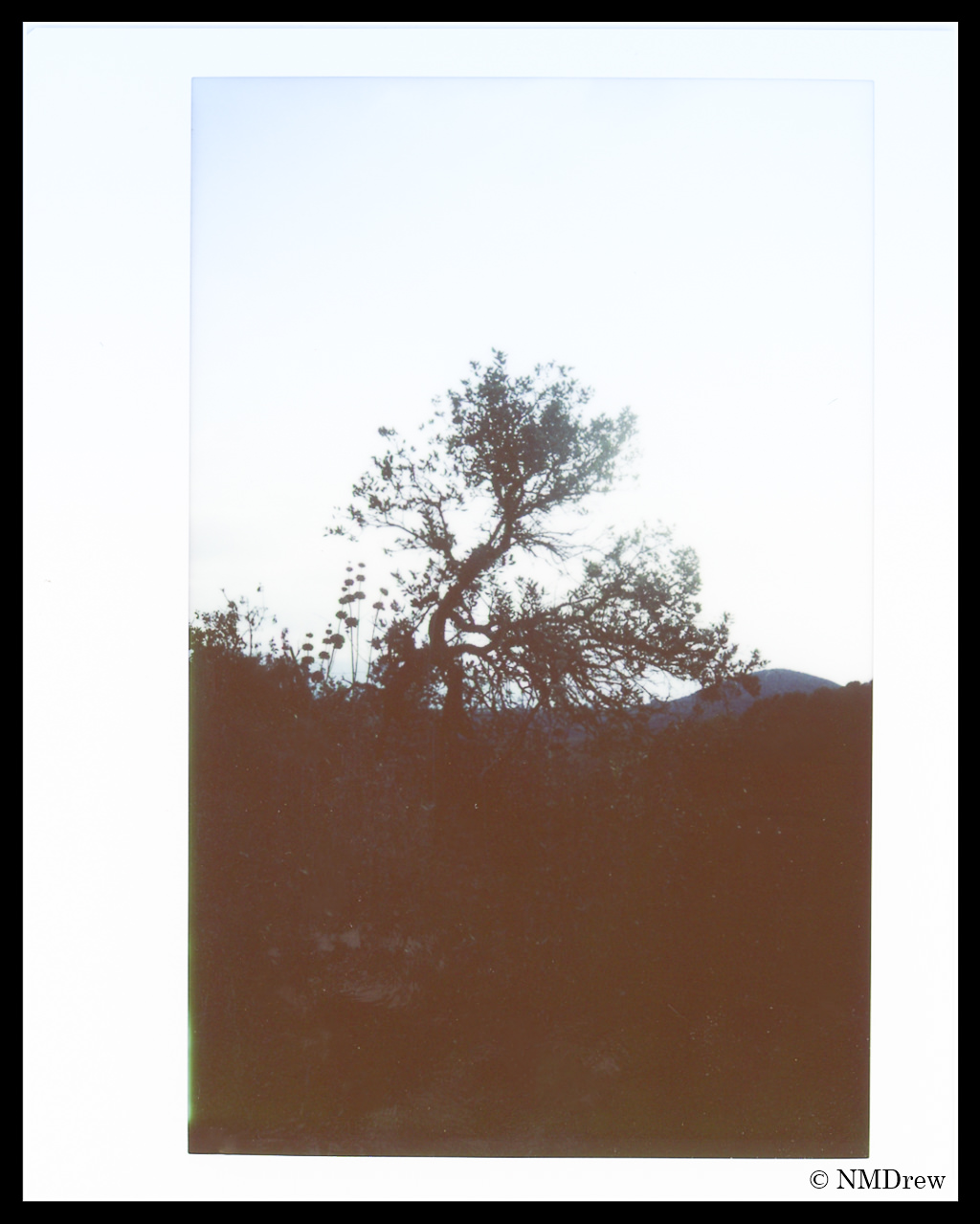
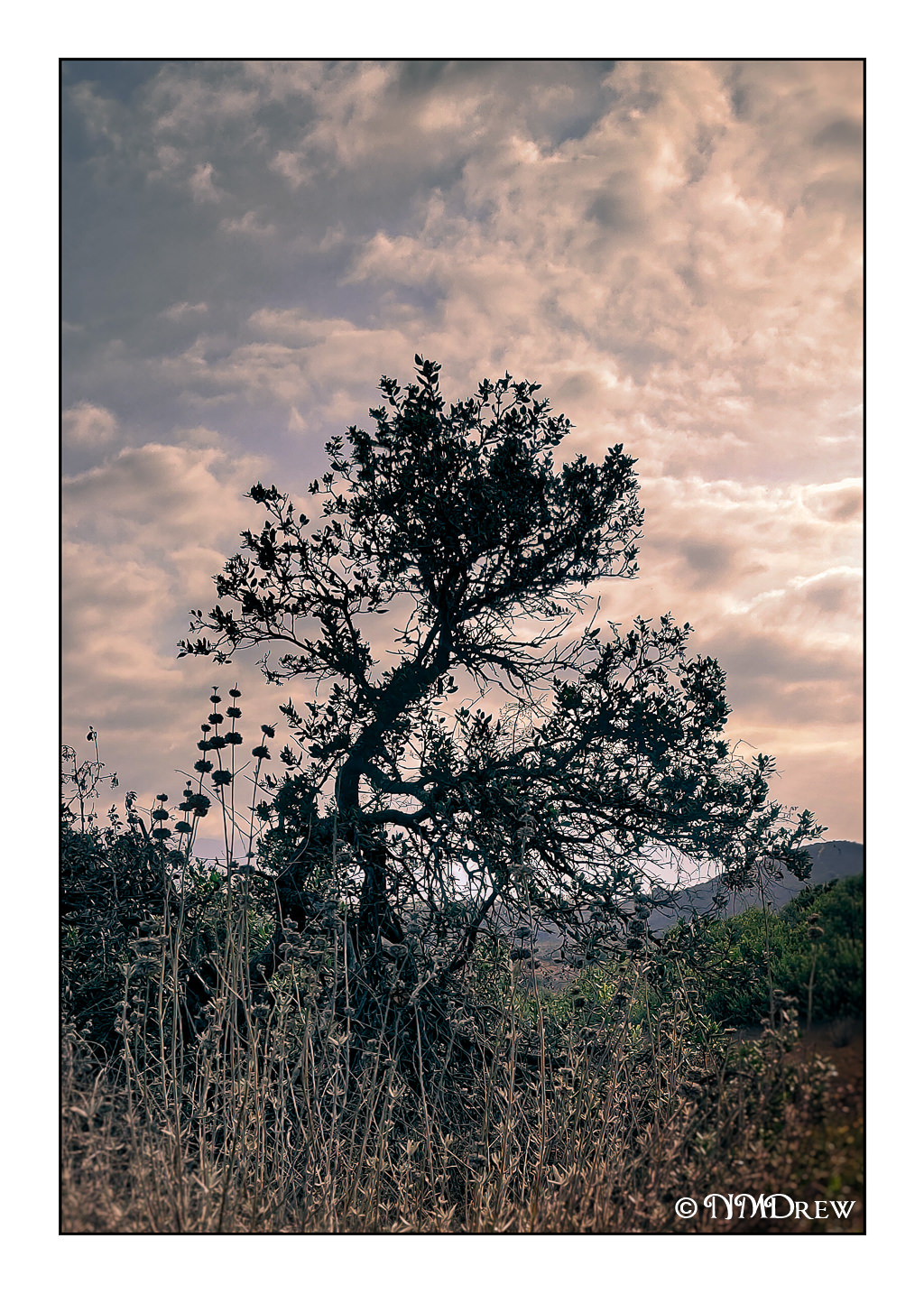
The Instax Wide doesn’t perform well at times, but this little tree’s silhouette is so expressive – the twists of the branches against the sky always catch me when I walk past. Below you can see what the Instax missed and the the phone camera caught.

And home I went.