Crustless Ricotta Spinach Pie

Crustless Ricotta Spinach Pie

Crustless Ricotta Spinach Pie

4 eggs
1 c. heavy cream
1. c. whole milk ricotta cheese
1. c. grated Swiss, Jarlsberg, or Emmenthaler cheese
1 bunch of baby spinach, washed, rinsed, chopped, and squeezed as dry as possible
Fresh nutmeg

Preheat oven to 325 F. Rinse spinach, put in pan, steam until limp, then drain and squeeze and chop. Set aside.

Beat together eggs, cream, ricotta, and nutmeg. Stir in spinach and grated cheese.

Pour into 9 inch pie pan, sprayed with oil. Bake for 30 minutes; remove when pie is set but still jiggles. Cool.

Good with a fresh salad, or for an easy breakfast grab-and-go.

Portrait of the Pears

The other day I went shopping deliberately for fruit to shoot.  Food photography can be fun, but it does require more of a set up than I use when I am shooting pictures as I work in the kitchen.  I bought pears, tangerines, and apples from Whole Foods, checking the produce out for perfect fruit, and because I really think they have the best fruits in the autumn and winter months.  I used flash with the MagMod, backlighting from my eastern-facing studio window, a Lastolite scrim, along with silver reflectors and white foam core.  Not everything was used in every shot, but I did enjoy playing around.  Camera was the Nikon Df and the Nikon 24-85mm f2.8-4 lens.

The purpose of this study was to work with equipment and to work with software. Just practicing a studio set up and then working with the light – which was done in the morning given the eastern window – was fun. Shooting outdoors is not the same as shooting indoors. Doing studio work helps me focus on thinking about light, shadow, texture, composition, color, ad infinitum. It is a good way to focus more than just the camera – it creates a consciousness of the environment, one which I can control to a certain degree.

Besides the learning curve of studio work – and the fun – I really enjoy still lives of plants, food, fruit, and vegetables. For me, it brings the beauty of the natural world and an appreciation of its diversity to the forefront – something easy to forget in the face of just the busy-ness of everyday life.

Enter the MagMod

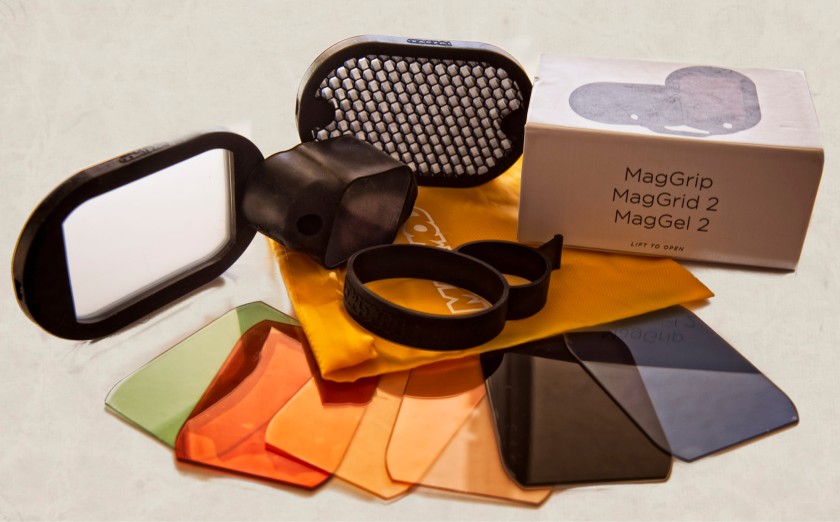
MagMod 2

For Christmas, there were a few photography accessories on my list, one being the MagMod 2.0.  I must have been a good girl, because I got one.  It is an attachment for your speed light, and allows a grid to be added to the flash, along with colored gels, to focus and change the light of the camera.  It is made of rubber – or a rubbery substance – that stretches to fit the speed light.  I put it on my SB600 as well as the SB400 (which is smaller than the SB600) by stretching the MagGrip.

From there, using the MagGrid 2 and the MagGel 2 systems, I could change my image’s character.  Coupled with extra lights from the side, or backlighting, the results were rather nice.  What I liked was the fact the MagMod 2 is very easy to use and is modular – hence the “mod” in MagMod.  The grid reduces the divergence of the light spread from the flash and focuses it to 40 degrees, per the MagMod website; add another, and it reduces it to 20 degrees.  (Will a third halve it to 10 degrees?)  In looking at this site, it appears they are now developing a bounce and a diffuser, but they are not yet for sale on the MagMod web page.

The MagMod 2 is easy to use – and rather fun! The magnets do have north and south poles, and they will remind you of that when you line them up wrong. Quality seems to be very good. I am not sure how the filters are made. There are air bubbles in them, which move around, but they do not affect the image at all from what I can see. Also, a few months back, I emailed them with some questions, and I was very pleased with the promptness of their replies. For the price, some people may find this an expensive item, but the kit is a good place to start, and from there, you can add what you want. Modular they are, and you can buy pieces individually.

Finally, here is a video done by someone in the studio, using a number of them.

And here, you can see all their products in production and available for pre-order.  Altogether, this is a rather exciting product, I think, and look forward to the continuing development of the MagMod system.

Fun & Games with Topaz Glow

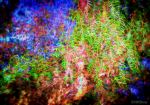
Every now and again a program comes along for photography that is just plain fun. Topaz Glow is one of them.  Essentially a fractal program, Glow gives some interesting results.  Many similar results can be done in different programs, such as different filters in Photoshop, but they could require a bit more work.  Below are some videos about the product.

This is one in greater detail.

I like this next one because it shows a very clear way in which you can incorporate Glow into your workflow from Photoshop.

Using a program like this requires practice and time. Me, I don’t have a lot of it, but I really do think using videos to learn about something can be worthwhile. Companies often provide nice oversights of their products, but individuals can come up with incredibly creative ways to use a program.
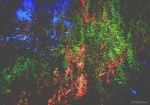
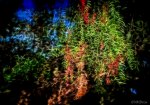
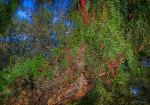
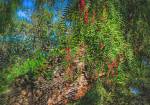
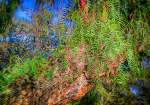
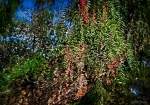
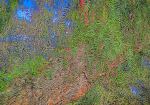
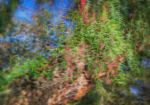
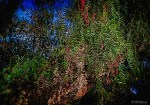
Below is my original picture.
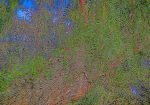
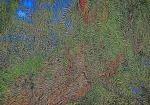
Pepper Tree

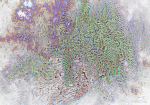
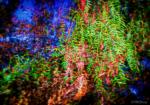
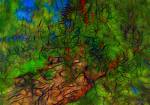
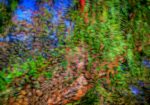
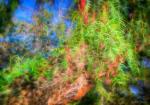
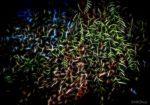
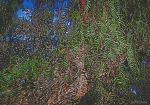
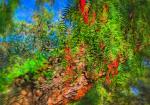
Here, I am simply going to show you some pictures using the default settings for all the presets that come with Glow. Many of the presets are similar, others have light or dark variations.  There is a lot of potential here for the creative . . .

Click on an image to begin a slide show.

Biscotti & Broken Glass

With a few weeks off for the holiday season, the upcoming new year, it is time to get things done that have been put off for a woefully long time.  One of them is cleaning the refrigerator very thoroughly, washing, rinsing, and sanitizing surfaces and nooks and crannies in all its dark recesses.  And dropping a glass shelf, which shattered all over the place.  Hence, the first part of the title for this post.  Cleaned up, we move on to the best part – the biscotti!

Rum-Soaked Dried Fruit & Candied Peel

Holidays are about baking and cooking and eating and celebrating with friends and family and those you love, near and far.  This year, Christmas day will be spent with family elsewhere, so the baking has begun.  For a small contribution, we are bring praline bourbon cake to go with the annual gumbo, along with some biscotti, the recipe for which I found here at Foolproof Living, a cooking blog with a creative approach and lovely photography.

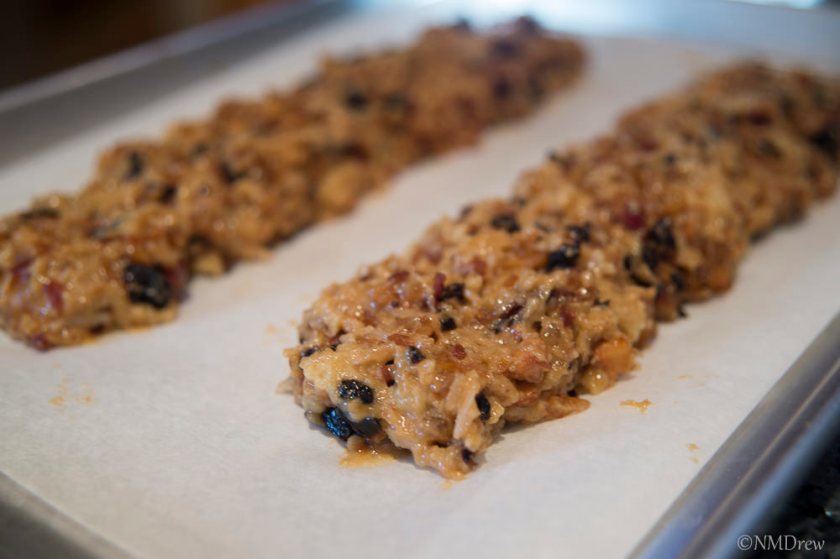
Adding the Fruit, Coconut, and Pecans to the Batter

The recipe is easy enough.  I used leftover candied peel from King Arthur, and chopped up dried peaches, cranberries, and cherries, all finely diced.  The coconut was slightly sweetened and I used pecans instead of walnuts or macadamias.  I also used up a very generous amount of rum.
Yo Ho Ho and a Bottle of Rum!

Follow the recipe – it comes out quite nice.  The batter may seem a bit dry, but when you add the macerated dried fruit, it moistens up quite a bit.  Also, patting out the dough onto the parchment is really necessary as the dough is sticky.  I found putting some water on my hands helped a bit.  Also, our knives are very sharp, so I used a straight-bladed knife (my husband tests the sharpness of our knives by shaving a spot on his arm or cutting paper with the just-sharpened knife) to cut the biscotti.

Biscotti Ready to Bake

Check out Foolproof Living – it has become one of my favorite blogs just because it has such a wonderful variety of recipes and interesting posts.

Biscotti Ready to Eat

Happy Holidays!