2020 Visions

I know I am not the first one who will be making bad jokes about 2020 and eyesight, so at least I have gotten mine out of the way!  Still, I really do hope that the year ahead proves to be one where things improve for many – 2019 has been quite disturbing in many ways.

For myself, every year, at the end and into the new, I look ahead and think about what I want to do.  Personally, I have no grand aspirations.  Certain things keep me rather limited in what I can accomplish, but in other areas the only limitations are my imagination or lack thereof!  And, in truth, my aspirations are more personal than external, though there are some thoughts moving into the areas outside myself.  I realize that sounds rather vague, but that is exactly what some things are – vague.

One thing I have been thinking a lot more about is photography.  I’ve never been especially passionate about it, but I enjoy it as a pastime.  Some people I know are so good at it, take classes, win prizes.  I don’t do any of those things.  Also, in many ways, while I like the convenience of digital, there is a lack of tactility with it because you can snap-snap-snap without thought, and possibly get some good images. This lack of tactility in digital is what keeps me from being a “passionate photographer”.  Digital is great to learn from, too, as it is cost-effective and very instructive if you take the time to, er, focus on the essential parts of what makes a photograph – iso, time, aperture.  I have learned a lot in the digital photographic world and really like certain parts of it – but I also miss the deliberate qualities film forces on me.  It is through the digital photograph that I have been able to improve my film photography, and that is where I am turning more and more.
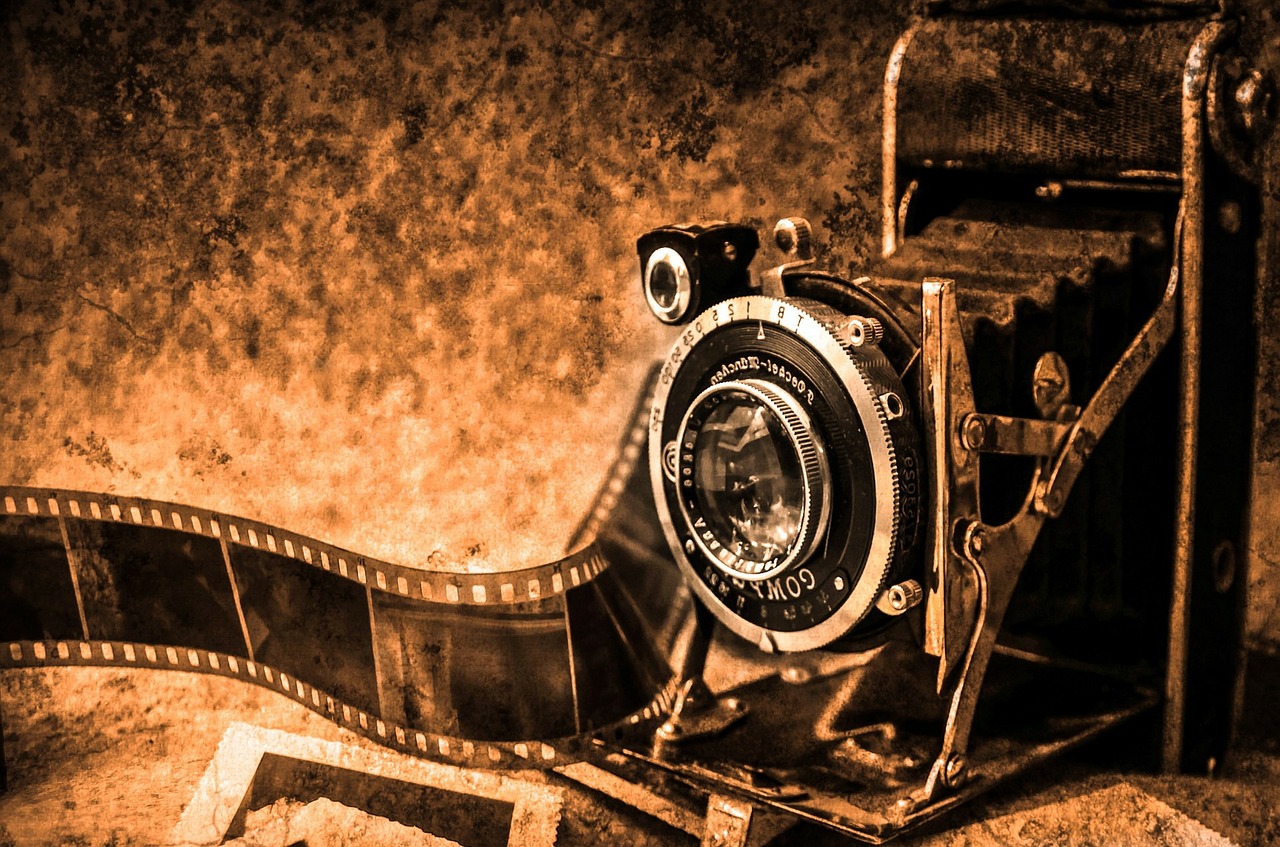
Film has a life that digital does not.  There is that indefinable quality of film.  Combine that with a deft hand, a good lens, and a bit of luck and / or talent, and it becomes something you can drown in with pleasure.  I’ve discovered that in the past year.  I have a small collection of film cameras, some really limited in what they can do, others more sophisticated.  Some are 35mm and others are 120 format, in 645, 6×6, and 6×7.  I’ve only just moved into the modular medium format and plan to explore it in the coming year.  The modular medium format cameras allow for different lenses, as do SLRs and DSLRs.  Being able to work with different systems, their limitations and gifts, is a great experience.  It makes me think differently in each situation.
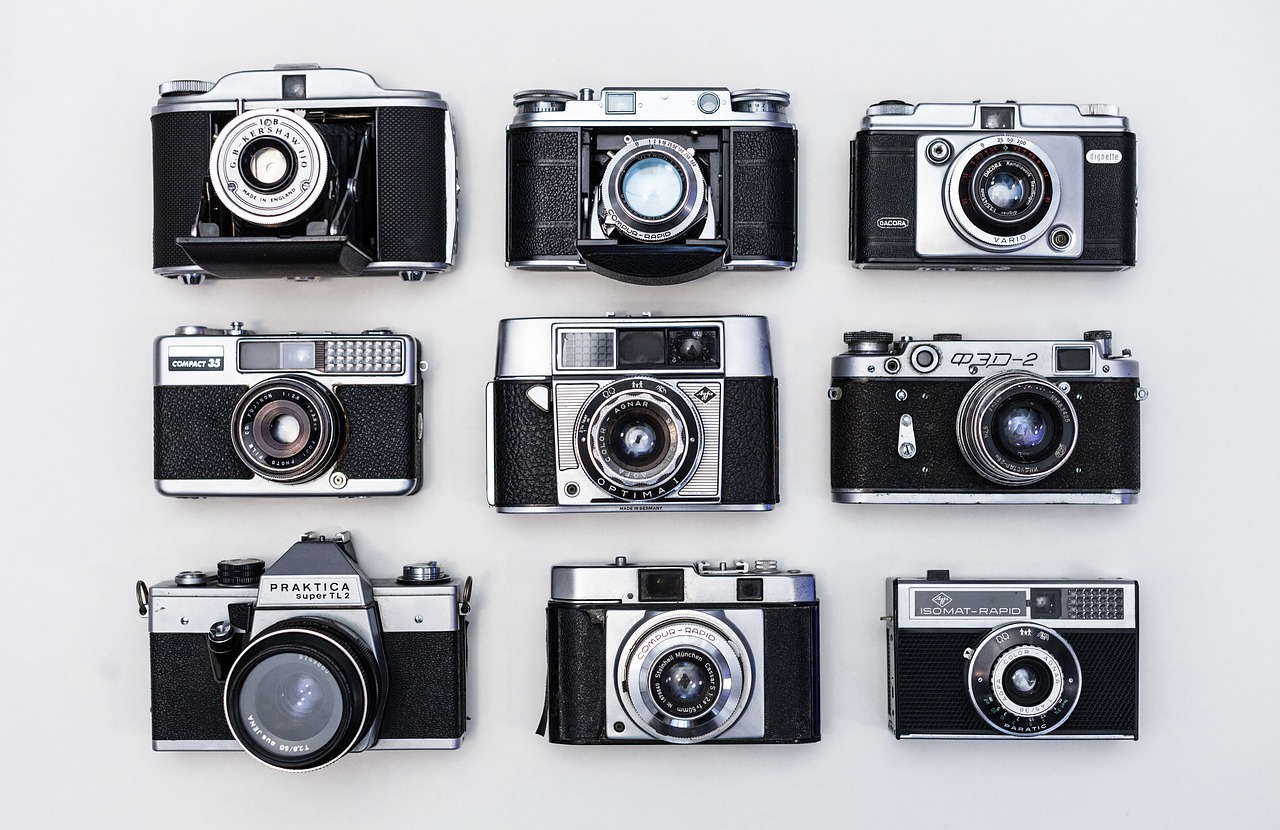
In this next year, I want to learn to develop my own film successfully, both black and white and color, both 35 and 120.  Currently I have a lab which does a decent job – not great – nearby and for a reasonable cost.  I scan my own films using a Pakon for 35mm and, currently, an Epson V600 for 120.  I want to try digitalizing my 120 using a light box and my full frame Nikon with a macro lens.  These are the tactile elements of photography that I find missing in digital photography – the processing on different levels.  Yes, the images are ultimately digitized and edited in Lightroom and other software, but getting them there is part of the fun, and very different than using a memory card!
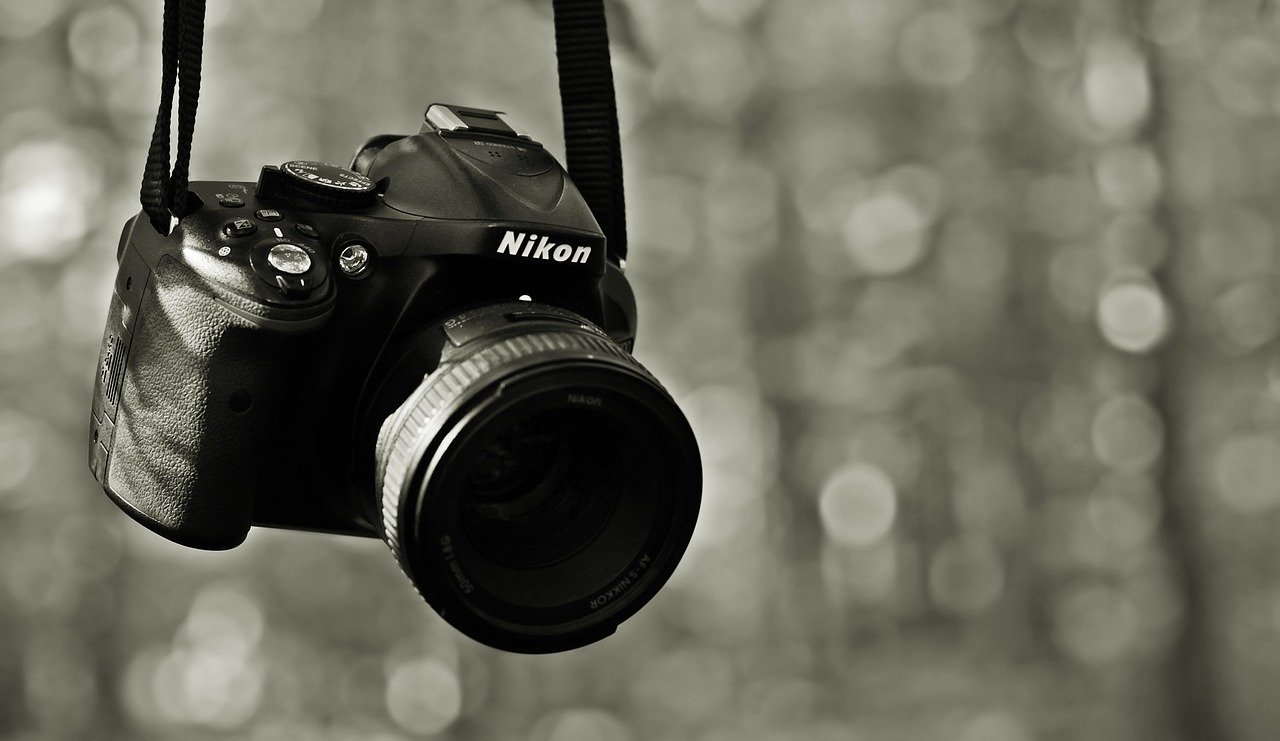
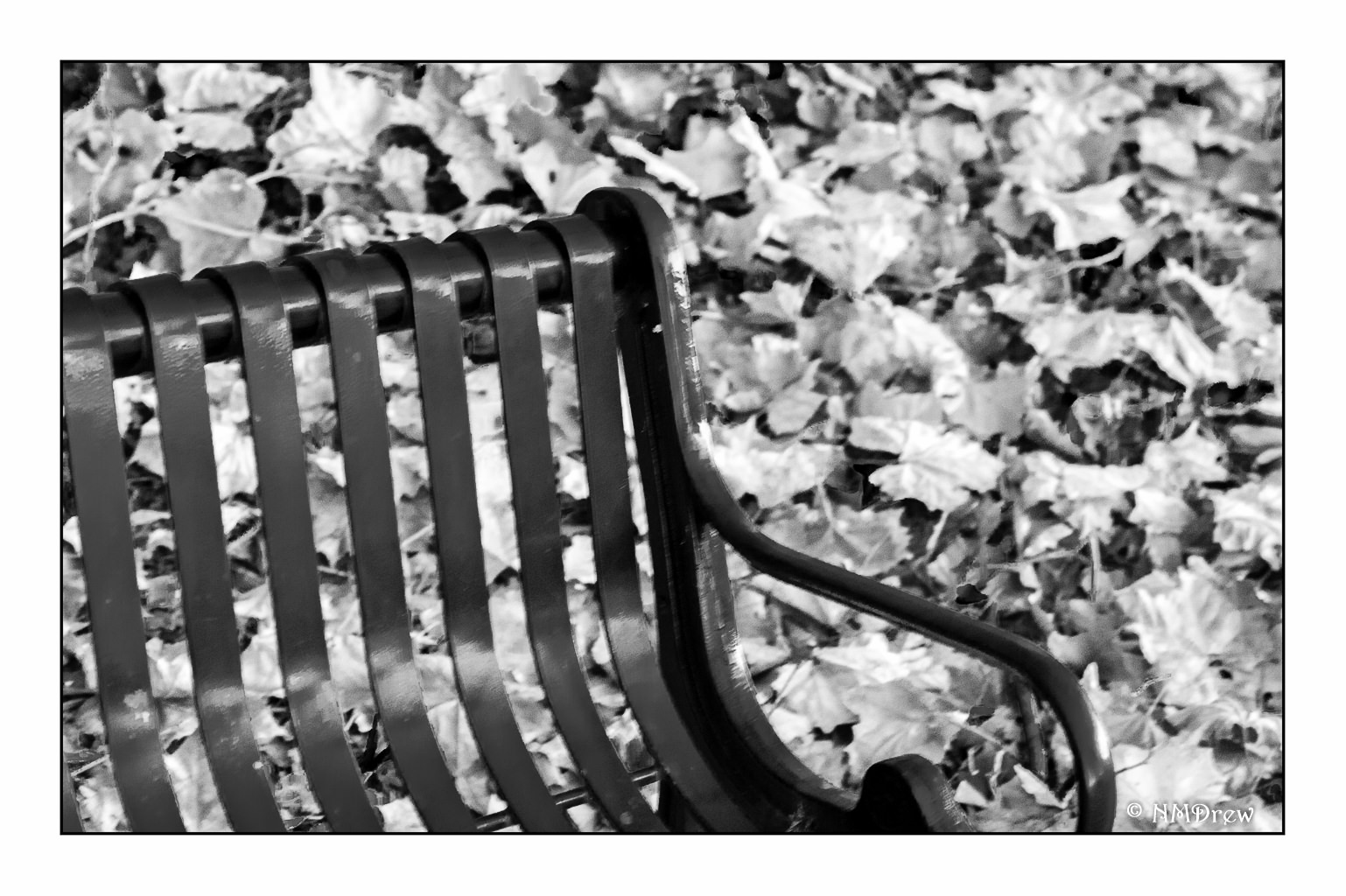
But I also want to do more with my photography.  I am an admitted addict to landscapes; however, I also want to move beyond the natural world and consider other elements of photography.  For instance, look at the images I have put into this post.  They aren’t mine.  They are ones which have been staged and tell a potential story.  It is this I want to explore in greater depth, too.  The creative side of photography in what is put into the photograph itself.  That is perhaps the biggest challenge to me with photography (digital and analog) – creating a scene to convey a thought.
Along with the more intense “doing” of photography, I also want to paint and draw (as I try to do), read more, spin, knit, walk, work out, garden, travel . . . and continue to enjoy the life I have and share it with friends and family and the blogosphere, too – readers and comments, though I seldom mention it, are a pleasure to me.

Here’s to a new year of adventure in 2020!
Color Anon

If you follow my photography blog, The Glass Aerie, you will know that I have spent the last year posting black and white photos I have made.  Some were edited from color images, both digital and film, and changed to black and white, and others were from black and white film.  It’s been quite a journey!

There is a lot to learn from doing black and white.  For one thing, it has changed my perspective – or viewpoint? – concepts – preconceived ideas – about what to look for in a black and white picture.  The simple takeaway is contrast, meaning light against dark.  By asking myself how the light is working I begin to see differently.  This simple question really helps as I see colors far more readily than I see contrast.  I tend to prefer strongly contrasty and graphic expressions of black and white photography, too, and that has been a hindrance in the past.

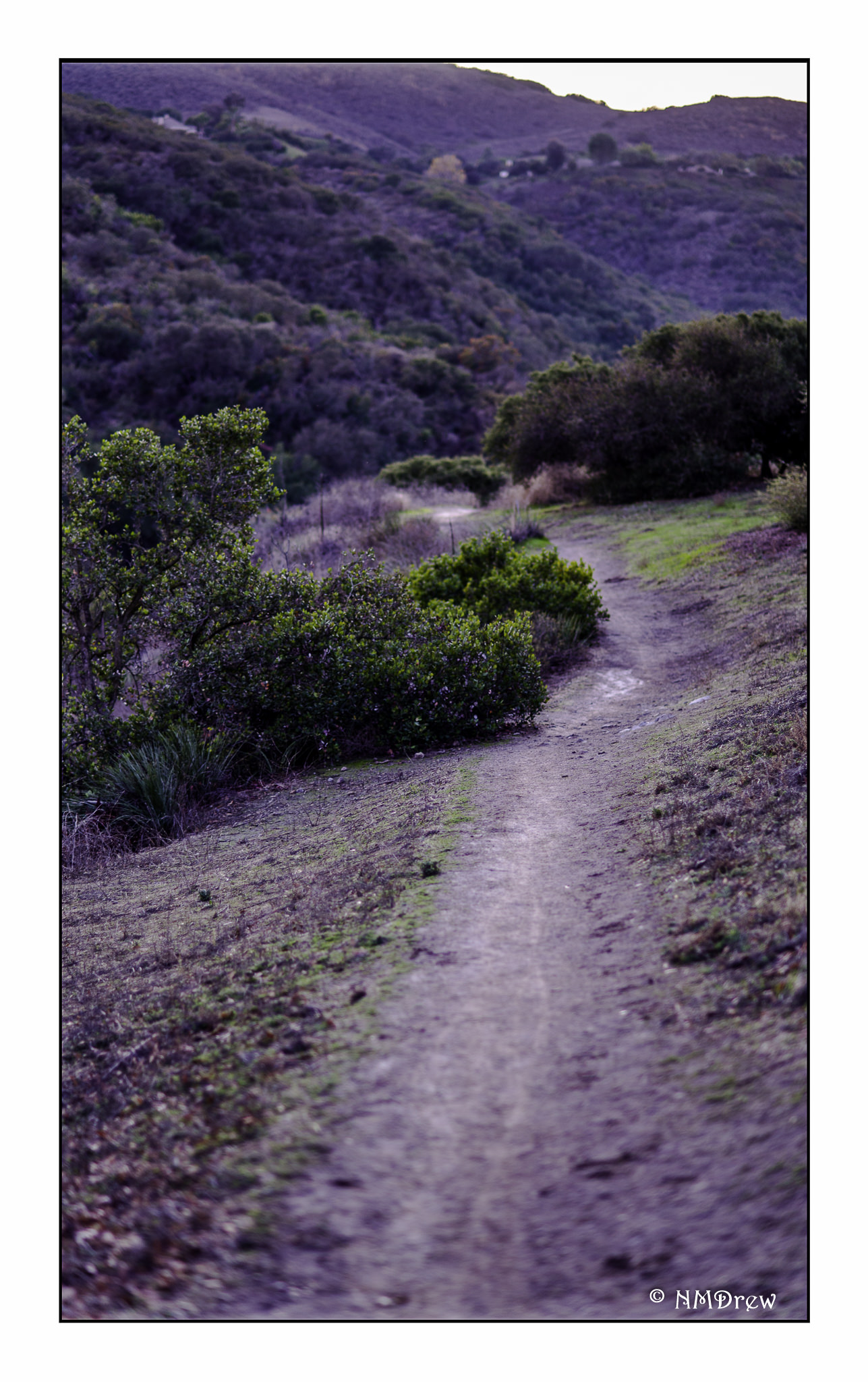
Let’s take a look at the image below.  Other than adding my name and a frame, this is SOOC.  I made it last night when I was out toward sunset, enjoying the world after the week’s rain, and just for the pure pleasure of taking a camera out on my walk.

As you can see, the above picture is really low key. If you like subtle black and white images, it could work. The thing I like about the picture is the line of the trail – straight, and then curving around the bush into the hills and canyon beyond. Other than that, it holds little interest for my eyes. To me, the only thing to make this a worthwhile black and white picture is to really create a mood in it of some kind. Playing will help. However, before moving into black and white, I also like to see what I can do with color and contrast in LR or other editing software.

Using Lightroom, color in the image below was enhanced, as was contrast by moving the highlight slider down, increasing blacks and whites, and opening up the shadows. Vibrance, clarity, and saturation were also changed. I did not think my first image (above) caught the light at all, nor the rich tints of green that come out after a few days of rain. As it was also sunset, there was a glow to the environment, too, but the sun was blocked by vegetation. To catch this glow, I warmed the image up a bit. The result is still subtle, but more expressive of what I saw and felt when I was out.  Now, on to the black and white conversion.  The image below is the SOOC with vibrance and saturation set to zero.Next is the second color image with saturation and vibrance also set to zero.Of the above, the second one is far more interesting to me than the first.  This is why I find increasing and decreasing varying elements in a color image so important prior to converting an image to black and white.  And, at last, my final image of the trail in black and white.  This is the one I prefer to the other B&Ws, and to the original color one as well.  More punch, more contrast, a bit of blue.

Mood is enhanced or created by using contrast to define shapes, and texture.  The play of light is easily lost for me when what I see first is color.  Playing with color in post helps me begin to see the contrast of light play itself.  It is then that I consider the subtlety of long-scale contrast (lots of greys between the black and the white) or strength of short-scale contrast (fewer shades of grey).  The result is by studying black and white and forcing myself to edit in black and white, my ability to see light and its workings has been strengthened.  It is still a weak area for me nonetheless.

Perhaps next year’s project will be to post color pictures, and then a conversion to B&W.


Chasing the Sunset

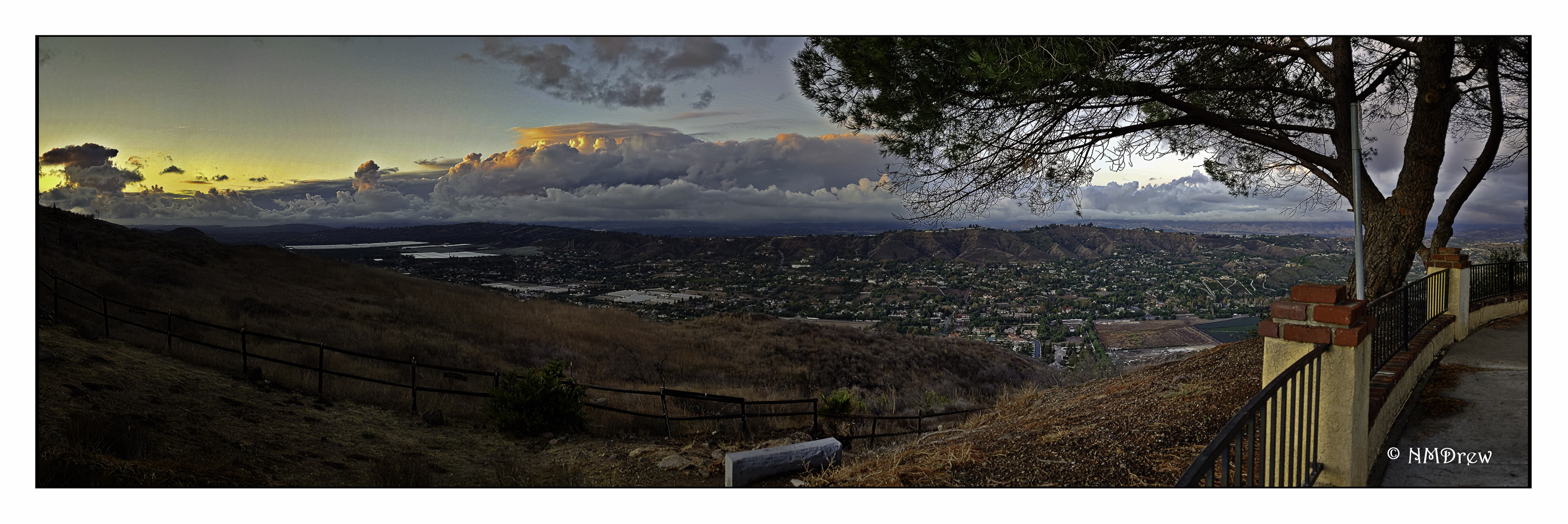
The rains cleared and the sky was filled with clouds!  I went to my usual places but they were all closed – muddy trails, swollen creeks.  So I headed for the hills, following roads I sort of knew might give me a clear view of the sky and city.  This one was a total surprise.  Suddenly I was wondering just what I was looking at, and then it hit me – I was looking into the valley beyond the mountains surrounding my own.  The clouds were beautiful as the sun went down, so I took a series of pictures – 4 or 5 – and made a pano of them in PS.  This made my day, let me tell you!