Sometimes you have to step off the treadmill – road – pathway – of your daily life. All sorts of things can require this: health, family, work, emergency. And then you have to get back into the daily rut.
I’ve done this from Sunday until yesterday. On top of everything, I came down with a 100.3+ F temperature, which is high for me. Misery compounded!
I have no idea why people complain about poor service from the U.S. Post Office. I love it! The idea it could be privatized by our resident He Who Shall Not Be Named irritates the hell out of me – I expect it would destroy it completely.
The U.S. Post Office provides one of the best services available to the consumer. As with all things, costs increase as prices increase. But let’s think about it – I can send a letter 3000 miles for about 50¢. UPS and DHL and FedEx don’t do that. Here are current USPS rates for a variety of things, as shown at stamps.com:
Many times government, whether local, state, or federal, can do a better job than private enterprise. And vice versa. What works depends on the service. Roads should not be privatized, nor police or fire services. Private companies can compete with the government sectors. Not all government sectors work efficiently, nor do private entities.
Personally, I cannot fault the Post Office – it is dependable 99.9% of the time. My mail is delivered. I can track letters and packages. I can get service on Saturday, and even Sundays depending on what it is. I buy stamps so I can mail bills. If email were not so prevalent, I would write letters more frequently.
I was an English major in college, specializing in nothing particular, but rather enjoying it as the profs were fascinating. Have you ever taken a course on Shakespeare taught from a Freudian viewpoint? Enacted Chaucer in the dialect of the time? Well, you get the idea. But if the truth is told, I am truly a reader of modern trash more than classics, and I often wonder about my tastes. It is only in the past few years that I have returned to more classical literature, admittedly in small doses, and of the early 1800s British variety. This means Wuthering Heights and Jane Austen and Frankenstein. The cruelty in Bronte’s book was stunning – I remember the hanging of the puppies, done out of boredom, with horror. Shelley’s monster is heartbreaking. And Austen? She is fluff by comparison, with a lightness that is like a summer breeze that can roll into capricious bursts.
It is quite funny to read Pride and Prejudice on my Kindle. A novel written with a quill and iron gall ink being read on an electronic device is quite a shift in time.
And then the electricity fails mid-afternoon. Sewing is out of the question (though I could use the treadle or hand-crank sewing machines), as is baking (I wanted a coffee cake). I went out to the side patio to listen to an audio book and comb out one of the dogs.
No electricity!
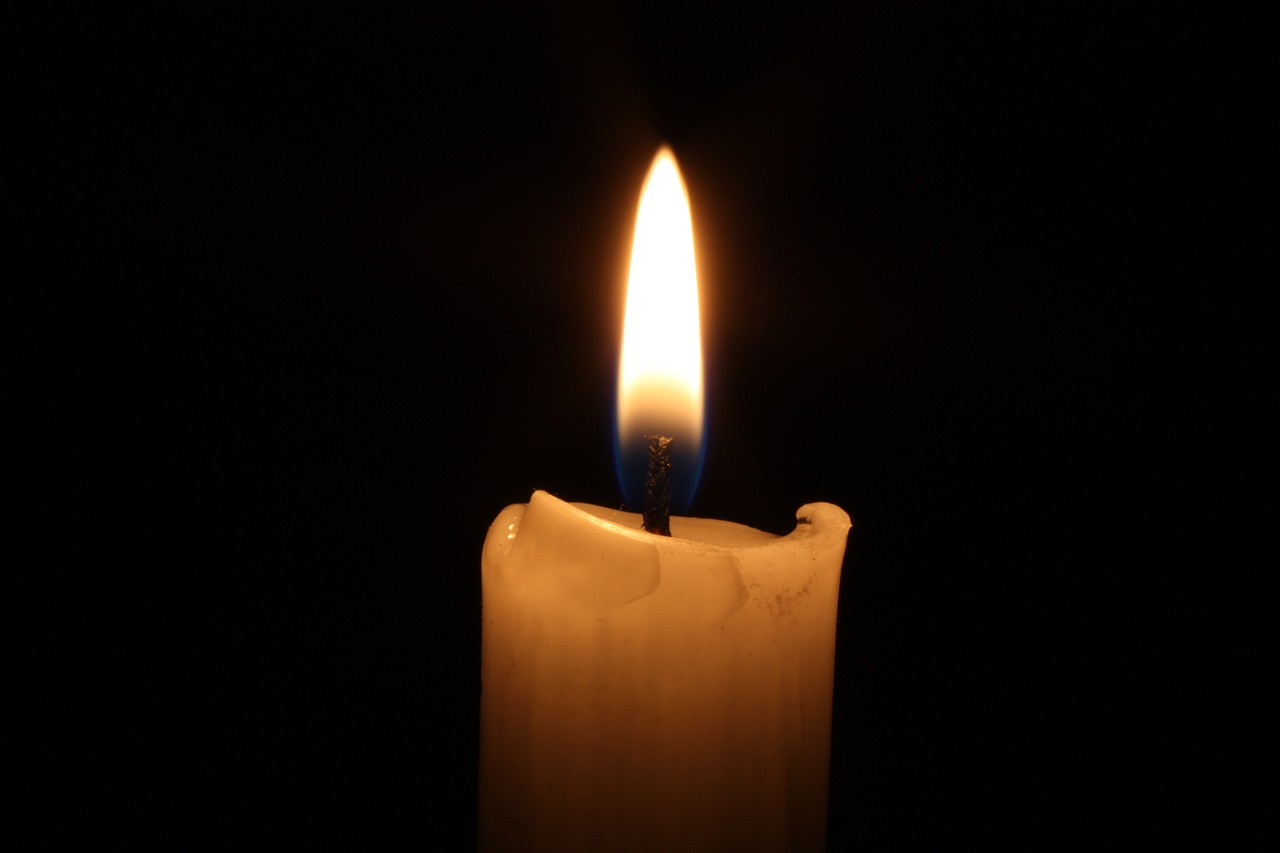
What do you do when it gets dark? All the USB devices were down to their last jolts of current. As light faded, I found my little section of town was dark, but two doors down the lamps were bright. I had a flashlight or two, and I had candles. Out came the candles, out came the Kindle, and on with Jane Austen, Darcy, and Miss Bennet! Wandering around the house, I found my way with the light of my Kindle, not wanting to drip wax on the floor or carpet, much less myself.
When the esposo came home, it was pitch black. We went out to dinner – who wants to scramble eggs using a flashlight to see by (or a candle) over a gas flame? Off to the other world to dine, and then return, once more, to our black hole.
And then to bed with the Kindles, to read Jane Austen and Terry Pratchett, to remember where the flashlights were, and hope there is electricity by dawn after a projection by the electric company that civilization would be restored by noon the next day.
And so it passed . . . the electricity returned in the middle of the night, the lights went on, the devices squawked, and the candles were, once more, obsolete.
I like cream soups more than I like brothy ones. I also like to use items that are kind of not at their peak – not spoiled – but not really the best they could be. However, I don’t think true cream soups – made with half and half, full-fat cream, etc., are the best for overall health. So, I use my own methods. Follows is a spinach soup, but you can use any vegetable you want in its place. I even use lettuce that is not really perky, and it all comes out fine. So, here you go!
Cream of Spinach (or Whatever) Soup
olive oil – 2-3 T.
1/4-1/2 chopped onion
6 oz. spinach
3 c. chicken stock
Pepper, salt, garlic powder, nutmeg – or other flavors for seasoning
1 c. unsweetened, plain almond milk
1 c. Greek yogurt
Parmesan cheese, sour cream, full cream, or whatever you want for garnish
Saute onion in heated oil. Add spinach and saute some more. Pour in chicken broth and cover. Cook until spinach is soft and wilted. If you use other vegetables, you may need to simmer longer. If you do, watch your pot and add more liquid if necessary! Season with your choice of seasoning. Remove to blender – or use immersion blender – and puree until very smooth. Return to pot and stir in almond milk and yogurt. Blend well. Heat through. Strain if you have bits of stuff you want to get rid of or just to be fancy and serve in bowl. Garnish with garnish of your choice.
Awhile ago I decided to move more into the medium format world of film photography. I have a Yashica D TLR (6×6) and a number of 6×6 folders from varying years, a 1930s 6×9 Voigtlander folding rangefinder, and now have a Mamiya 645 (6×4.5) and, the latest, a Pentax 6×7 beast with a 135mm f4 macro lens. This last one is the subject of today’s commentary. You can google it, as well as read about it here on Wikipedia. It’s not something to take lightly – it’s quite the weapon!
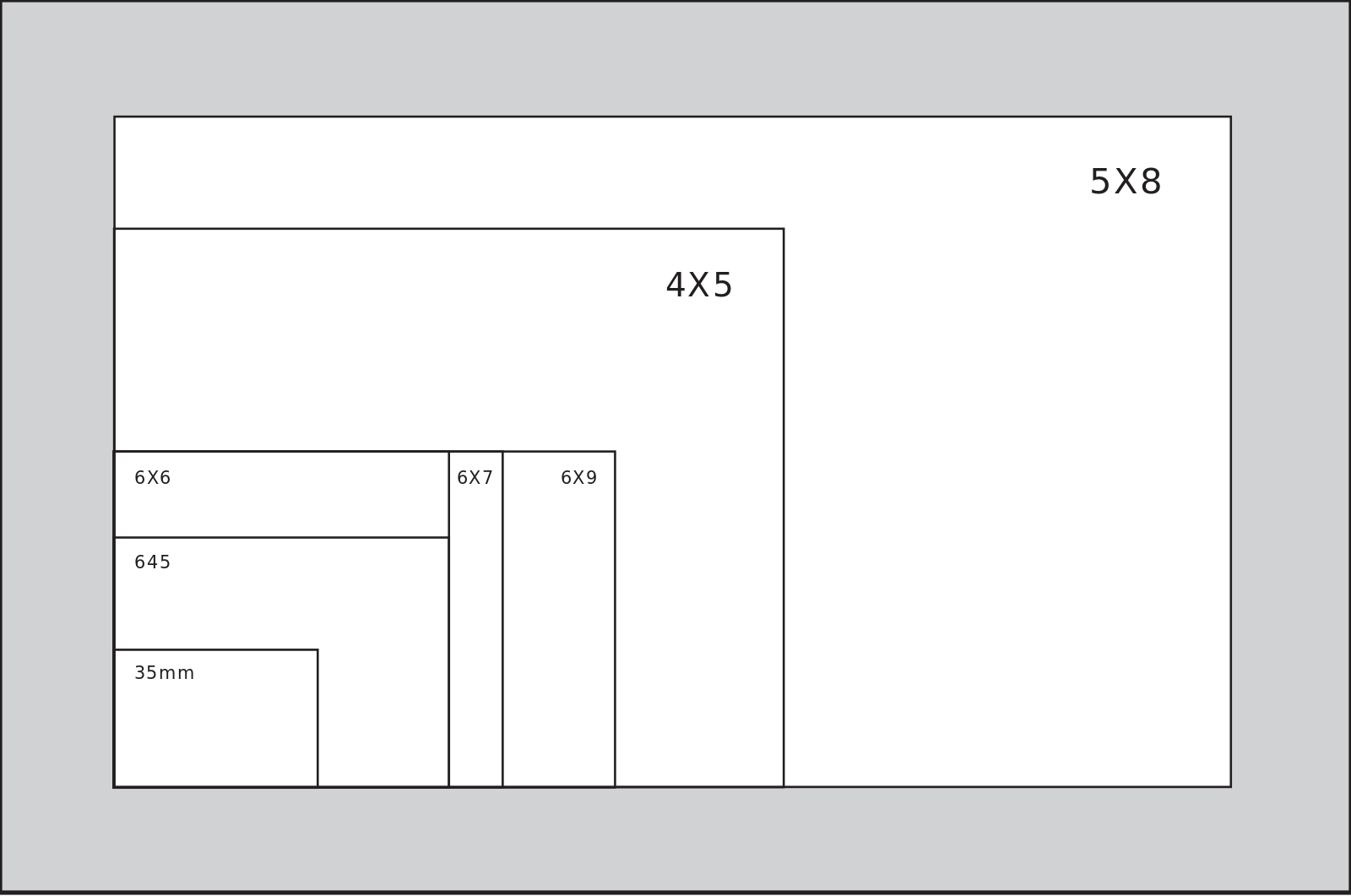
Okay! First, as the name implies, it takes a 6×7 size negative, which is big, big, big. Not as big as a 6×9, but still bigger than a 35mm by a lot. Here is a good article on the size comparisons, complete with images.
I would imagine that, as with digital, the larger the negative, the more important the quality of the image – focus, sharpness, and so on. Of course, film is not digital and has its own personality, but it still needs to meet certain criteria, I am sure.
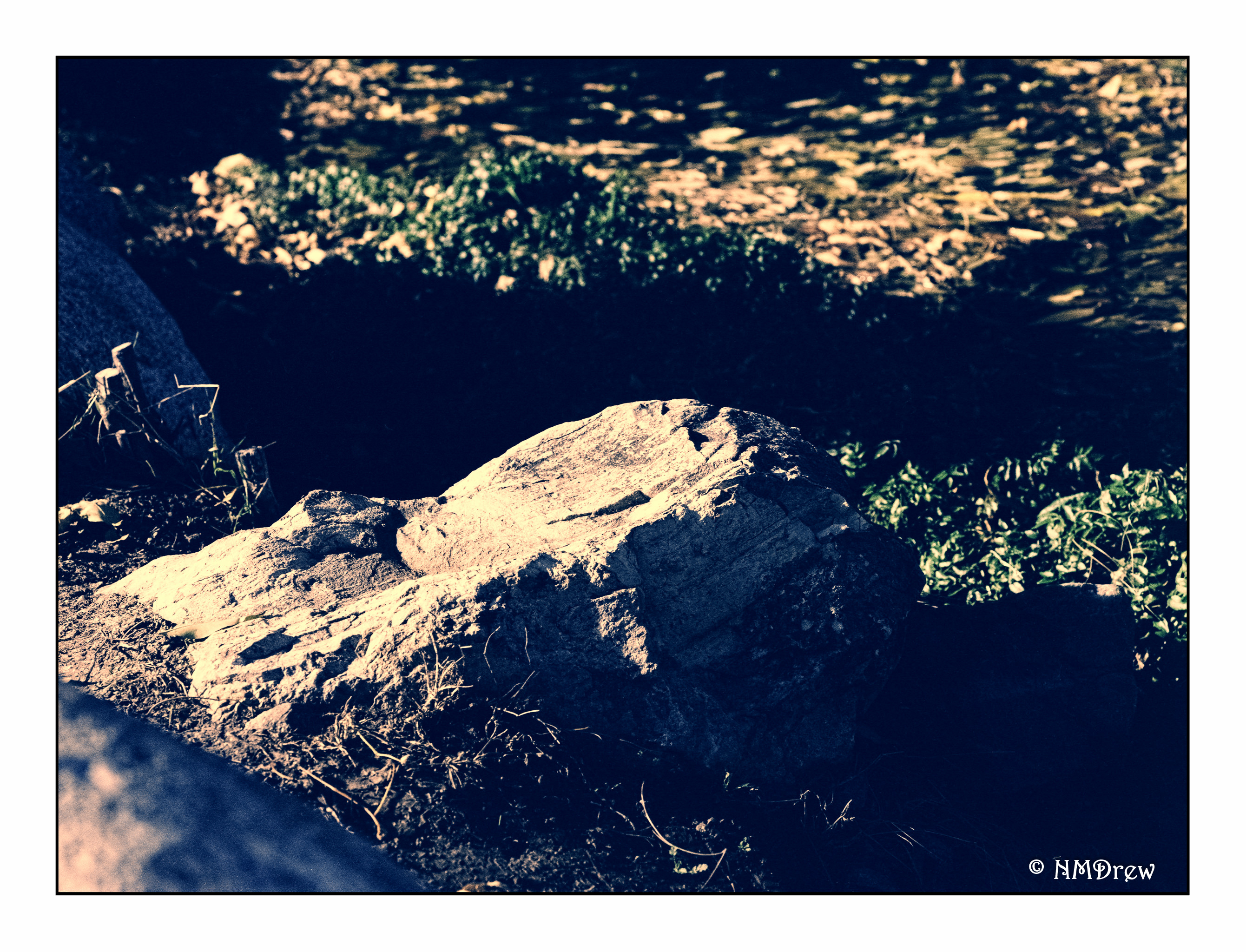
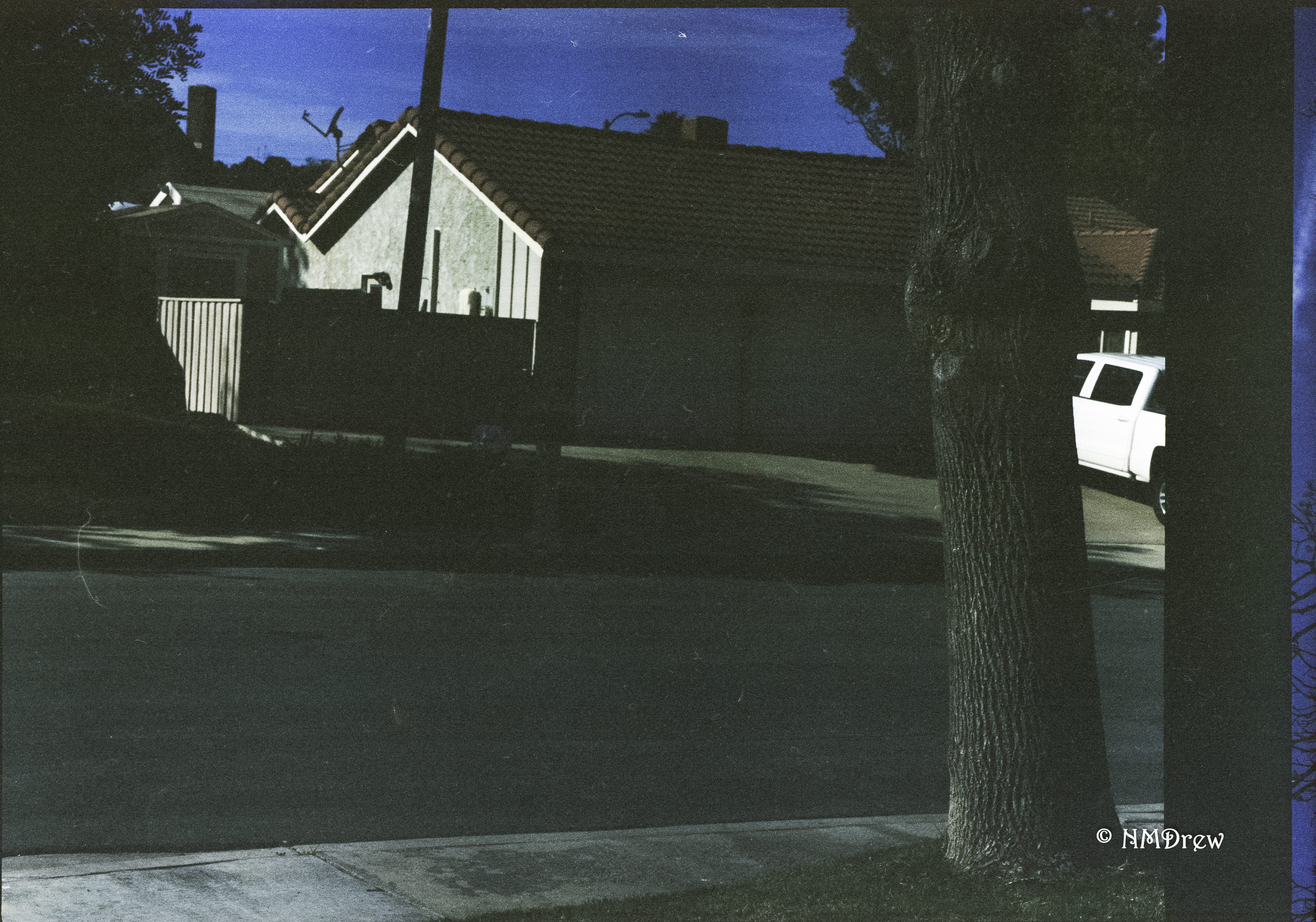
The first roll of film I ran through the camera was basically a disaster. 3 out of 10 images were there, and all were under-exposed. For Portra 400 film, they were trash. This made me wonder about the camera – does it work, are there problems? Having read about the camera and the trickiness of loading the roll of film, I gave it another try with two more rolls. The first three photos below are the first roll.
The one above was worked on in post, just to see if anything could be done with it. Not much could be to save it from its ugly self. The ones below are SOOS (scanner), and they are really awful, too.
To make the decision to keep or return the camera meant I needed to do some photography in a very controlled environment. I needed to check the aperture and exposure factors. Out came the tripod and the light meter. Bracketing and moving things around. I took about 20 pictures in about that much time – maybe longer – and documented what I did. In doing so, I learned a bit more about the camera and the lens, as well as had a rather scientific bit of testing.
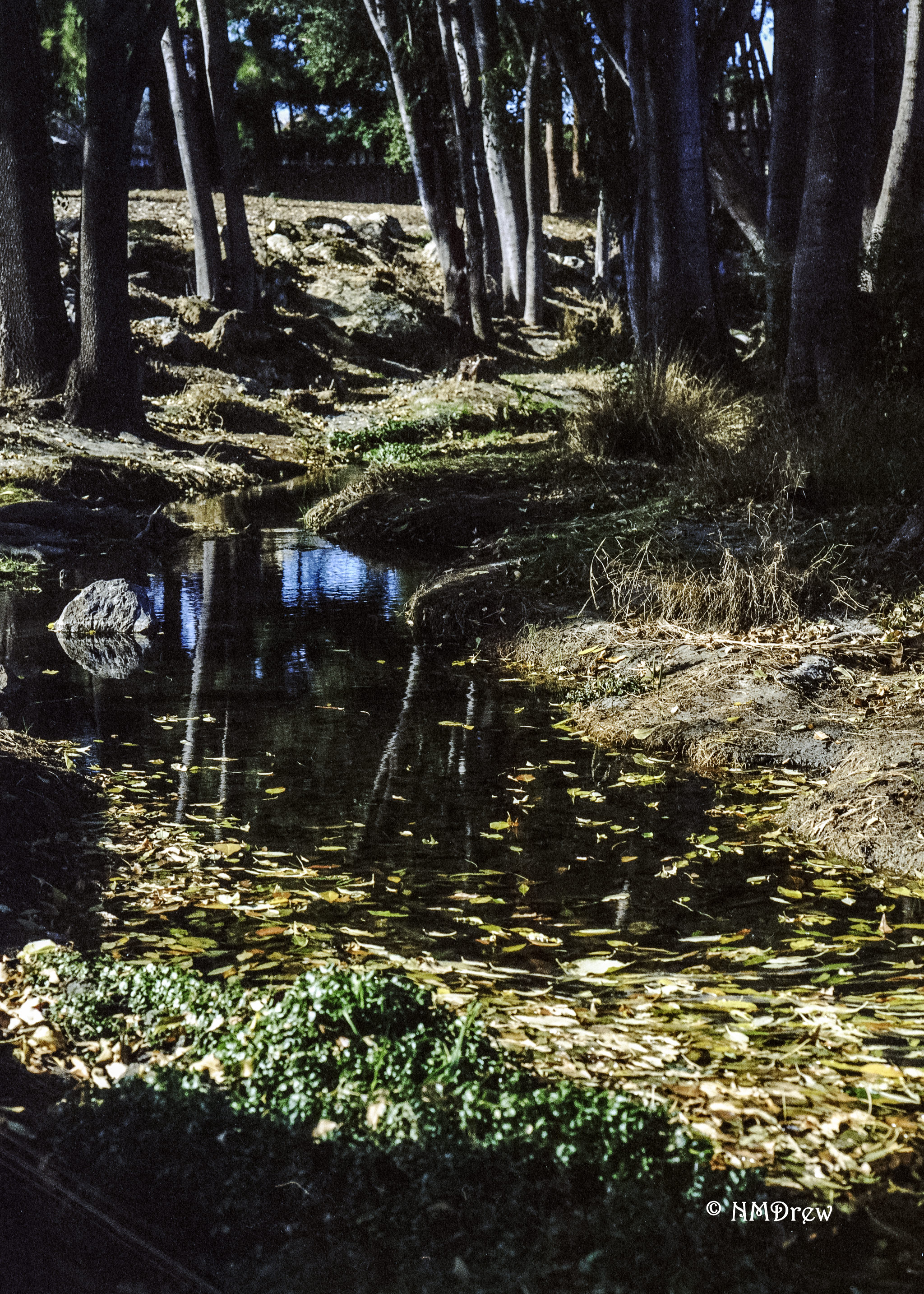
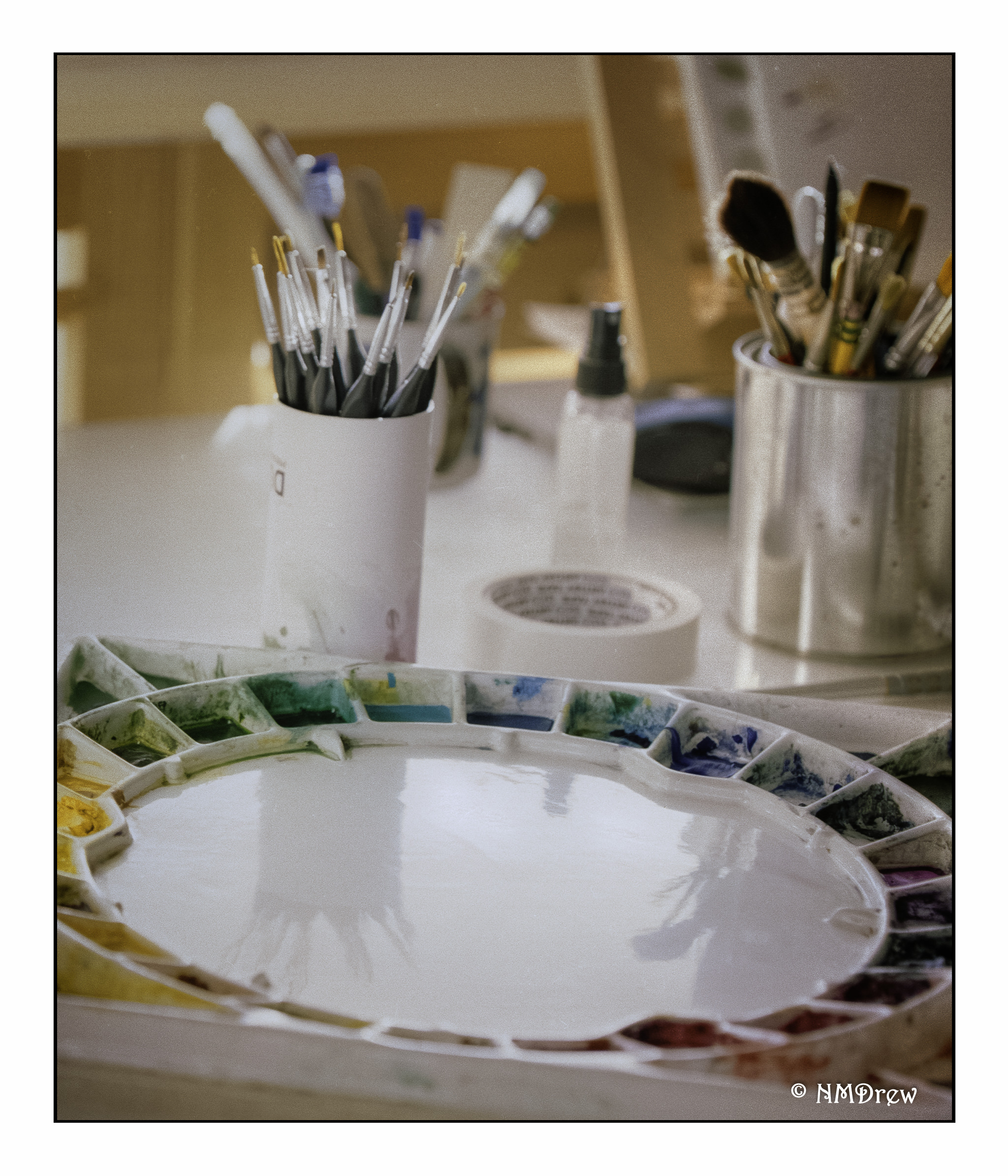
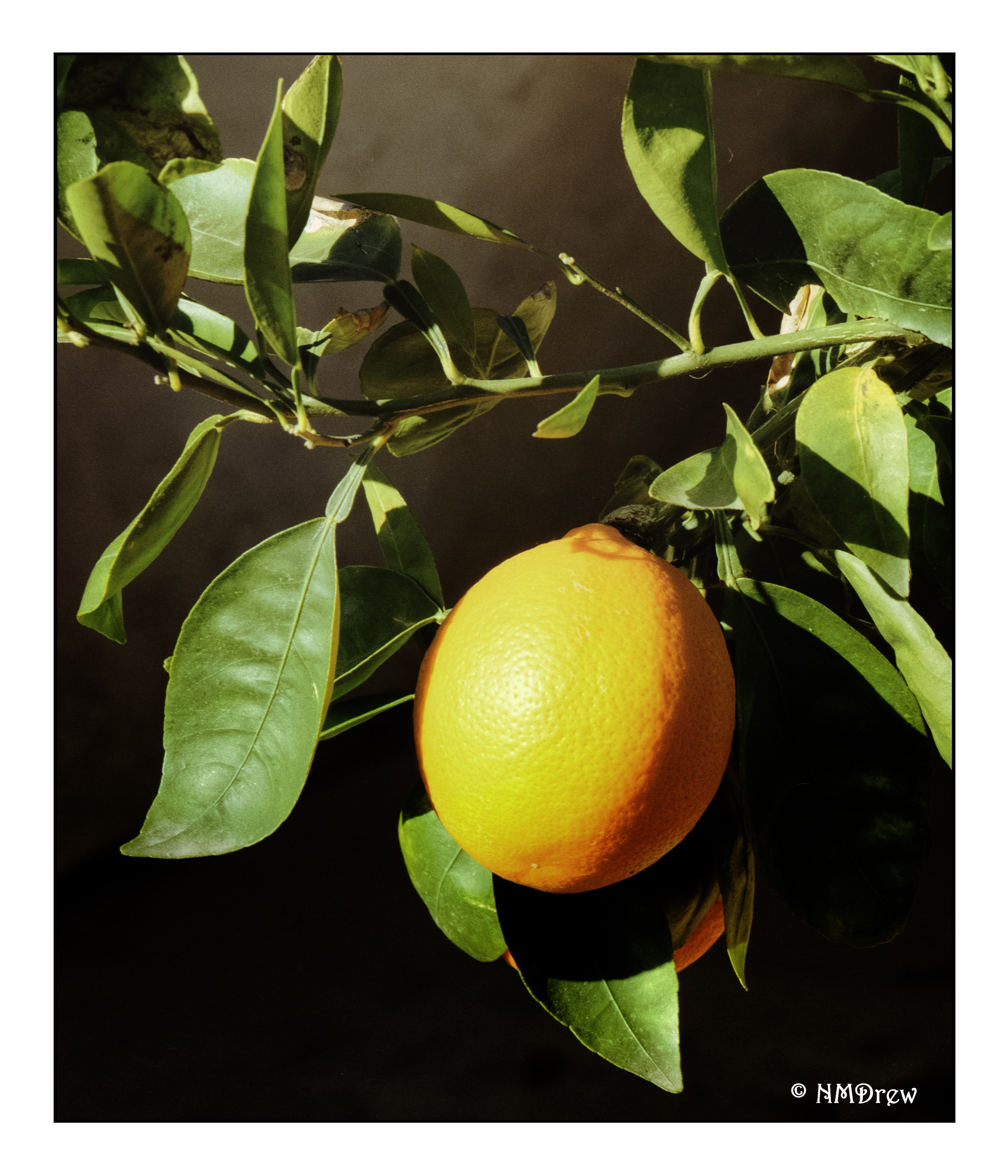
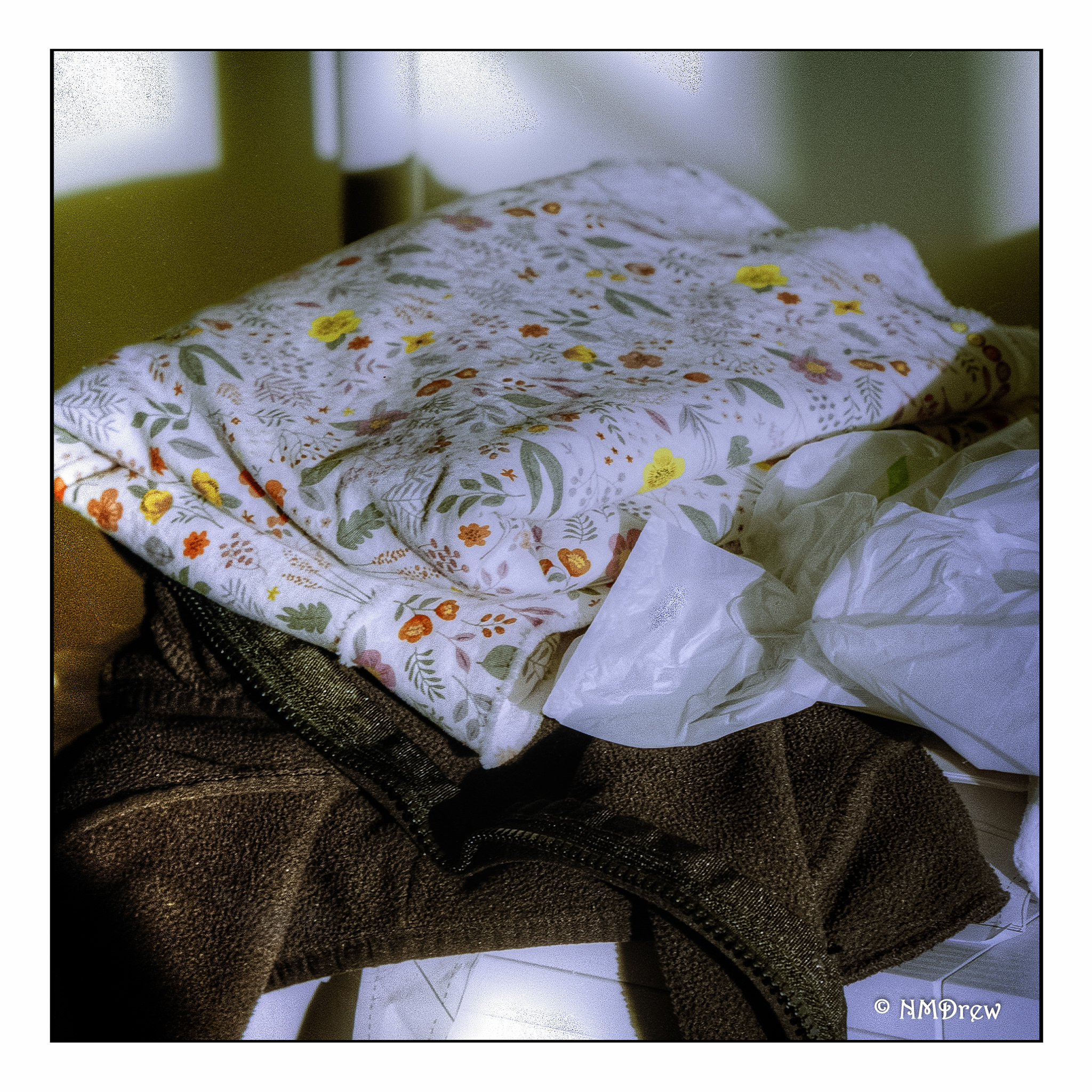
The effort was worth it, and I think that this beastie is going to be fun, and a challenge to my normal scatter gun approach to things. Below are the results, taken using Lomography 100 Color Negative film (120), with some cropping and touching up in post. I didn’t check for spots, come to think of it, so I may need to do that, too. I did clean the negatives before scanning, and used Digital Ice in the scanner . . .
Altogether, very pleased with this camera and the lens. Lomo 100 did a fine job. It’s doing quite well for a camera that dates from ca. 1969 (older than my husband!). I think I want to get a waist-level view finder for it and probably some shorter lenses. The Yashica TLR is a waist-level viewfinder camera, and I really enjoy that; hence, a waist-level viewfinder for the Pentax, and perhaps the Mamiya. Unlike all my other medium format cameras, the Mamiya and the Pentax allow for lens changes and other bits that the Yashica and the folding cameras do not have. That is for the future, though, as I think this camera has a lot to teach me in the meantime.





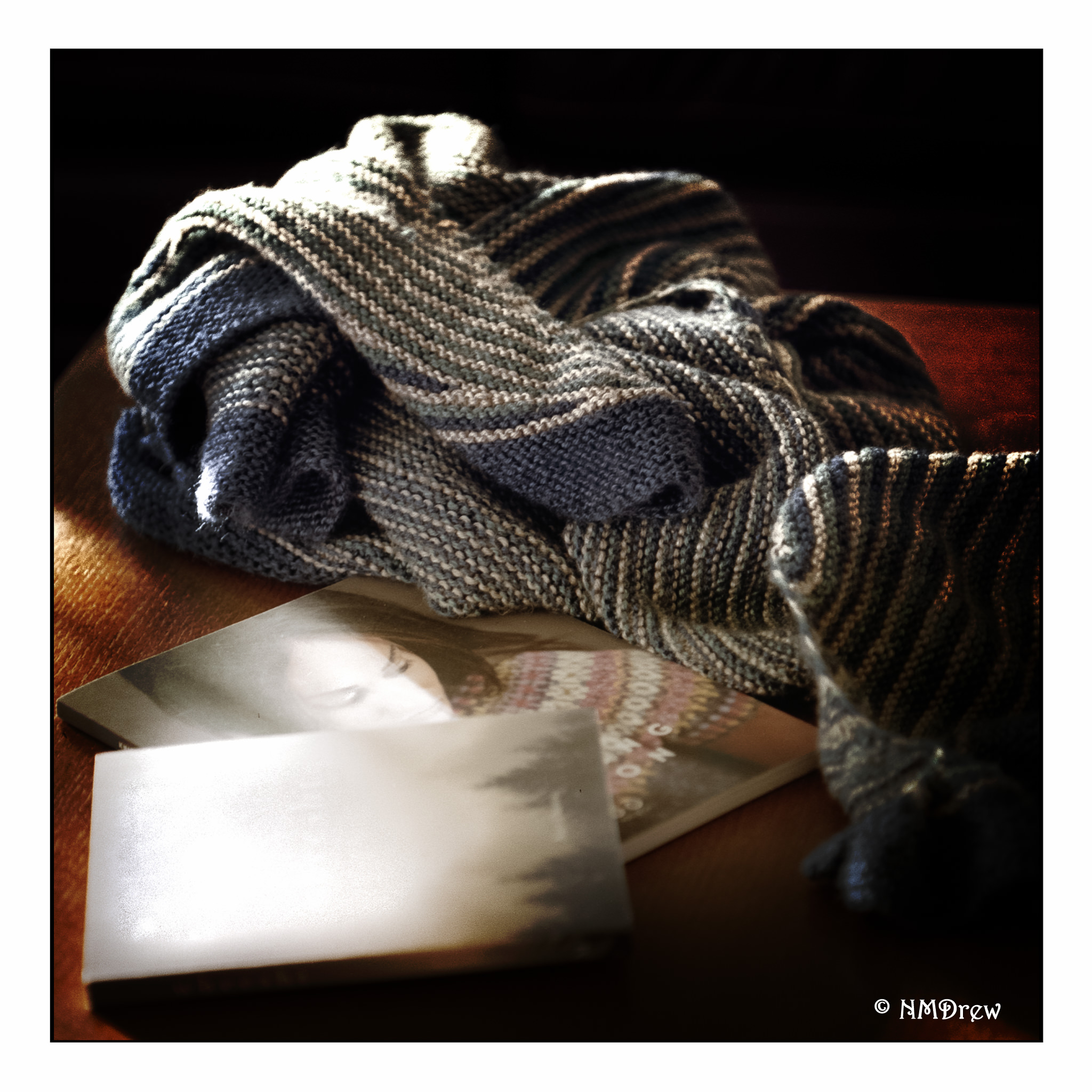
 Ink, Yarn & Beer