Oh, yawn . . .

I have really not been interested in looking at computers, being indoors, thinking, or writing.  The end of summer and beginning of autumn always puts me in a restless, unfocused mood.  Not a bad thing, if I just let it happen.  It’s a hibernation of sorts.  Then, life gets interesting again.

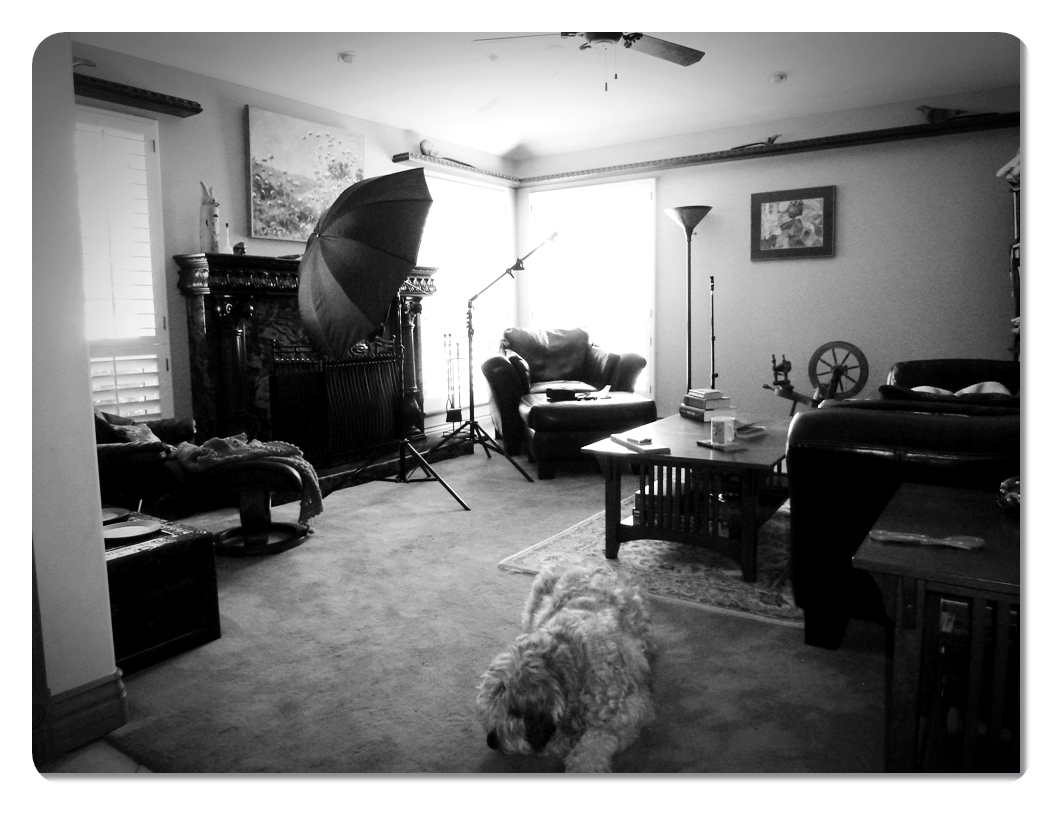
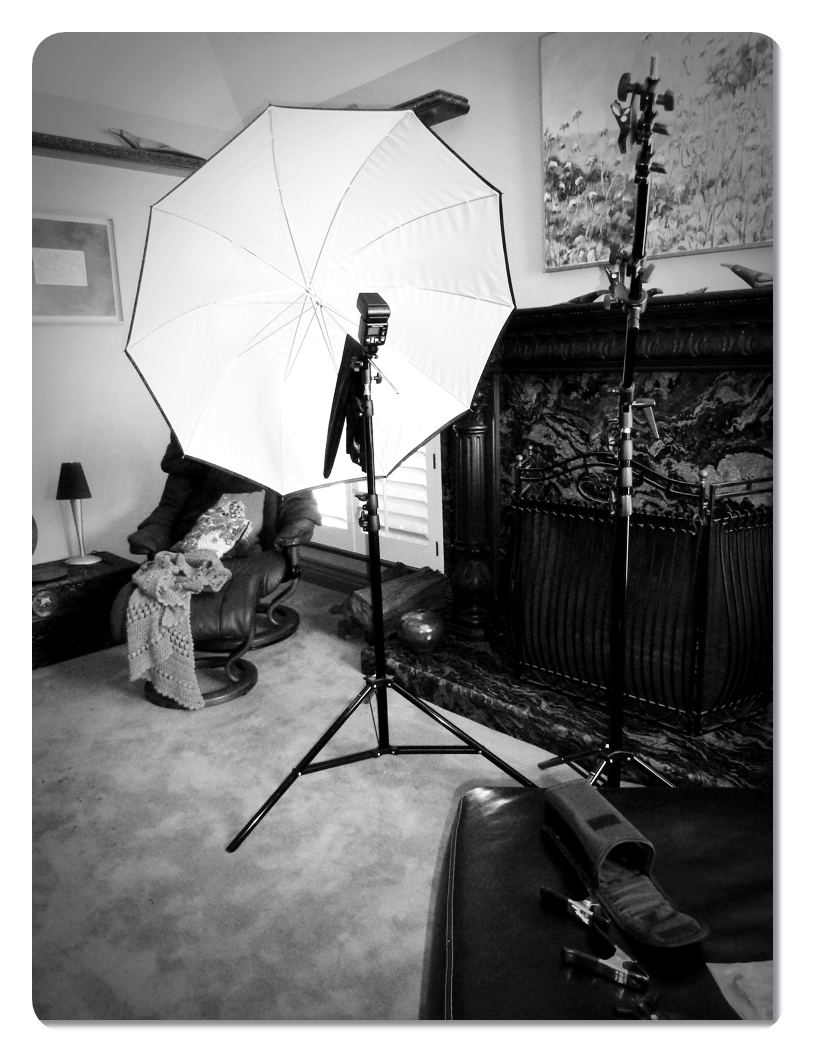
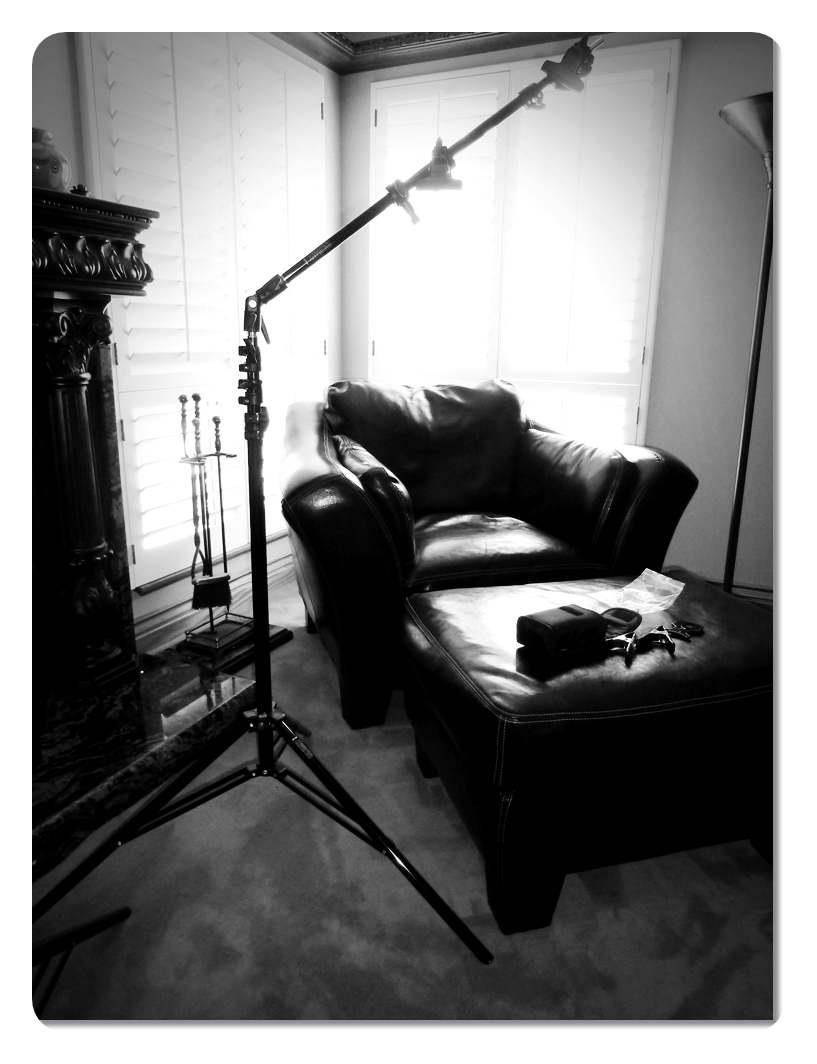
School was closed today, so I decided that as I have a birthday coming up, it was time to take the drive to downtown L.A., into the heart of Hollywood and environs, to venture to Calumet Photography for some lighting equipment.  The Nikon Hit Man came along.  We spent some money – but not a lot because we bought the Calumet brand – and came away with some very solid stuff for very little.  I had wonderful help from a beautiful, friendly woman, and she really made a confusing experience (for someone who has never bought this stuff) a pleasant and educational experience.

Here are the pictures I took after setting it all up in the living room.  Take a look – me, I’m going outside to read, and maybe take a nap!

Contrast

By definition, contrast is (to put it very simply) to be different especially in a way that is very obvious. It also means the differences of light and dark in adjacent areas, as well as in personality, experience, taste, and other areas. Contrast is not always obvious, but subtle and delicate, something for which you must search.

As we move into autumn, the seasonal contrasts become marked with a shift in the lighting, the later sunrises and earlier sunsets, and the cooling of the nights.  In California it is far more subtle than what I recall from my childhood time in the midwest and New England.

These little changes make me so restless.  While flocks of Canadian geese do not fly overhead here, adding to the melancholy of dying summer, the cooler weather, the desire to be outdoors to play, and be indoors to read or knit, make going to work not something I want to do!  I’d rather see what is going on outside!

Lemon Shortbread Cookies

Where I live, people give me lemons.  Lots of them.  I use them in cooking, in my drinking water, and wherever else they might be needed!  Right now I have about 40 sitting around, so yesterday I put them to work.  Here is the result . . .

Lemon Shortbread Cookies
2 1/4 c. white flour
1/4 c. cornstarch
pinch of salt
1/2 c. sugar
2 sticks unsalted butter, softened
1 T. finely grated lemon zest

Preheat oven to 300 F for a glass pan and / or a convection oven, or 325 F for a metal pan, not using convection. Place rack for cookies in lower third of oven.

Pan size: 8×12 pan, or use a 9×13 pan, and don’t spread the dough all the way to the edge of the 9×13 pan’s short side.

Whisk together cornstarch and flour in a bowl. Set aside. In another bowl, beat together the softened butter and sugar until light and creamy. Add the flour-cornstarch mixture and beat in until crumbly. Knead by hand to mix the dough until it is smooth and pliable in the bowl, about two minutes.

Using the butter wrappers, or other fat, lightly grease cookie pan. Pat (I mash!) the cookie dough into the pan. Prick the cookie dough with a fork. If you are feeling creative, you can also use a cookie sheet and parchment paper, and shape the dough into circles. You can also use pie pans for circular cookies. Just be sure, no matter what you use to bake your cookies in, to prick the dough with a fork in several places.

Bake the cookies for 30 minutes, more or less, depending on the size of pan used, and thickness of cookies.

Note
In my opinion, this is the best shortbread cookie recipe, and can be used as the basis for any shortbread you might desire. I’ve added chopped candied ginger, and espresso powder and chocolate chips, just to give you a few ideas. The cookies are light and tender, but very rich. Perfect with ice cream or coffee. We like them for breakfast, too, but shhhh! Don’t tell!

A Gansey for Autumn

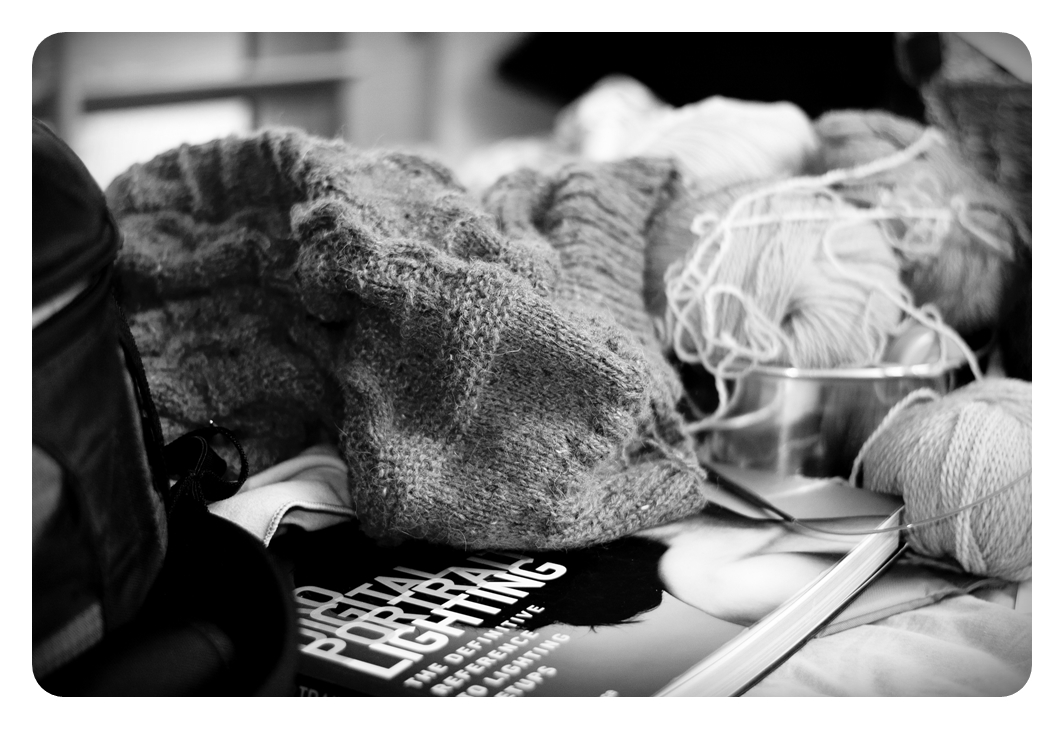
The summer is winding down, and my last two days off work lie ahead.  I have not done much painting as my interest in the visual arts is currently on photography.  On the other hand, knitting, while not prolific, has been steady.  I have been working on a gansey in Rowan’s Felted Tweed for the past several weeks.

The design is sort of original, and sort of not, as it is based on a gansey pattern design by Beth Brown-Reinsel‘s book Knitting Ganseys, specifically the child’s gansey “Snakes and Ladders,” which is pictured on the cover of her book.  I’ve expanded the stitch count – I’m no toddler in size! – and have decided to make it more in the EZ style, with raglan sleeves, and possibly a placket opening in the front or a boat neck, just because in California a high-necked sweater would be too hot for me.

It’s been quite a while since I have made a sweater.  Admittedly, Josh’s sweater fell to the wayside – it was too, too boring.  I needed a brighter color, and texture.  I purchased the Rowan yarn several years ago, but had no idea what I wanted to make out of it, so of course it sat around.  The color is one of my favorites, a rust color or what some might call a spiced pumpkin color, as it is not a deep rust, but more the color of autumn leaves which have not completely faded.

Designing a sweater takes a bit of work!  While the design itself was essentially there in Beth’s book, I needed to expand on it.  In the end, rather than a 6-stitch snake cable, I upped it to an 8-stitch cable.  The bar sections (7 rnds. of stockinette with one rnd. of purl) became 10 stitches.  I thought I had it all set up, and then as I was knitting realized I had not taken into account the fact that centering of a pattern section was critical for success.  Duh!  Once that was solved, though, the body proceeded nicely.

I have finished the body to the point where I am ready to add sleeves.  I am about 2/3 done with the first sleeve, which is knitting up amazingly fast, and I am enjoying the simplicity of the overall sweater pattern quite a bit.  As with the body, the sleeve took a bit of thought, but is going along quite nicely now that I have completed the increases.

It always feels good to see progress on a project – especially after frogging a major sweater elsewhere!

Rye Bread


This is a delicious rye bread, made in the French tradition from a recipe found in The Breads of France by Bernard Clayton. It takes time to make this bread, but is time well spent. It begins with a sponge, which ferments and imparts a wonderful flavor to the final loaf. If you want to make this a lighter loaf, use more white flour, and if you like the taste of dill seed or caraway, do not hesitate to add them to the final product.  I would do it after the sponge has risen, before the first rise.  This recipe is based on Mr. Clayton’s Pain Seigle recipe, with some modifications of my own.

Starter
1 c. dark rye flour (I used Arrowhead Mills Organic Rye Flour)
1 packet active dry yeast (Fleischman’s)
1 c. warm water

Mix all ingredients together in a bowl. Cover with plastic wrap. Let ferment at least 1 day before bread baking day at room temperature. I set mine outside one day in the sun, and it developed a lovely sour smell. I then let it ferment two more days, so on Day 3 I made my bread.

Sponge
1 1/2 c. warm water
1 c. rye flour
1 c. unbleached white flour (I used King Arthur’s Bread Flour)

Add all the above to the starter, stirring all into starter thoroughly. Add any seeds you might like – caraway, dill, or mustard. Let sit for at least 8 hours before making dough.

Dough
1/2 c. warm water
1 tsp. salt
2 c. rye flour (I used the rest of the small bag of rye flour I had boughten)
2 or more c. unbleached white flour, and more for the bread board when kneading

Pour sponge into large bowl. Add 1 c. of each flour, stir in. Add rest of rye flour. Dough is slimey and wet, but mix in the best you can. Dump out onto a floured bread board – be generous with your flour! Get out a spatula or dough scraper to help slap this wet mess into shape, incorporating more flour as needed. Begin to knead dough, adding more flour until dough is firm, no longer slimey, and does not break into wet spots. Do not over-add flour, as you want a firm but soft dough. Too little flour and your final bread will be rather flat.

First Rising
Shape into ball, then place into greased bowl, coating dough with oil in bowl. Cover with plastic or damp towel and let rise 40-60 minutes.

Shaping and Second Rising
Plop dough out of bowl and back onto a lightly floured bread board. Flatten a bit to remove air bubbles, then shape into another ball. Divide ball into 2 or 3 sections (see picture – I cut mine into thirds for small loaves). Shape into balls, pulling dough into smooth surface on top. Place onto baking sheets sprinkled with corn meal or lined with parchment paper. Cover loaves with waxed paper and let rise another 30 minutes.

Getting Ready to Bake
About ten minutes before the end of the second rise, preheat your oven to 400 F, making sure that the rack is in the middle of the oven.

Mix together a glaze of 1 egg yolk and 1 T. or more of milk.

Take a very sharp knife and slash the tops of the loaves, or make slashes on the outside of the bread. This will create nice visual texture and allow the bread to rise during baking without cracking too much.

Make a mop out of a paper towel, or use a pastry brush, and use the egg-milk glaze to cover the tops of the loaves.

Baking
Set timer for 22 minutes. Place bread in oven. When timer goes off, turn the baking sheet around 180 degrees, and reset timer for another 22 minutes. When timer goes off a second time, pull out bread. With a hot pad, pick up loaf and tap the bottom of the bread. If it sounds hollow, it is done; if not, put in for a few more minutes, and then tap again.

When bread is done, place on wire racks to cool, uncovered.

Notes
This bread freezes well. I made 3 small loaves just in case we got tired of the bread. So far, only one is left! This is great for small sandwiches, with sweet butter, or cheese.

For a first loaf, this is a bit of a challenge as rye bread dough is slimey and wet, and really does not develop gluten like whole wheat flour does. The addition of the bread flour increases the overall gluten content of the loaf, letting it rise a bit higher, but if you were to make a loaf of bread with 100% rye flour, it would be heavy and dense, but incredibly delicious!