Little Friend

The local botanical garden is filled with new growth.  Vines, trees, shrubs, bulbs are in bloom.  Birds and lizards and coyotes are to be seen, and the squirrels are fatter than fat.  I was walking home from my visit when a rustling caught my ear . . . this guy was just bopping around within feet of me, and luckily I could get his portrait before he flew off to explore new territory.  This is a Dark-eyed Junco.

The Power of the Pen

I love pens, particularly fountain pens, especially vintage ones. My collection is largish, but not like some people’s. Modern fountain pens seem just be made for making money, but every now and again a new pen hits the market that is worth considering. For me, I often turn to the Japanese companies of Namiki, Pilot, Sailor, and so on. I love the beauty of lacquer or abalone, the hand-ground gold nibs, but they cost so much! When the Vanishing Point came out, I liked it immediately, but it was too large to be comfortable. And then I came across the Decimo, a slimmer version of the VP, and bought one. In lavender or purple, whatever you want to call it, with a broad nib.

I’ve had the pen for one day.  I’ve used it a lot!  I have used it to copy quotes from my current read – Wuthering Heights – to doodle with, to practice cursive.  My checkbook has new entries in it, with a fountain pen.  Next week’s check-paid bills will be with a fountain pen.  Click!  Write.  Click!  Nib contained.

The physical act of writing is my form of meditation these days.  I write on paper with a pen.  I consider a word, then write.  Yes, I do have Scrivener, I have a Chrome book, and I have scrumptious paper that lets a nib glide across its surface.  I practice my roundhand, my Spencerian, my Palmer cursive.  Ascenders and descenders are considered for slope, looping, length.

Ink is also important.  I have bottles; some vintage, some just more than a few years old.  Colors range from trusty black to iron gall for dip pens to ones with exotic names like Poussiere de Lune.  New inks and extra converters are arriving on Monday.  More paper, too.  I can practice my penmanship and write a story or two.  Maybe I’ll write a friend a letter and seal it with wax, or write secret love letters to my husband and hide them, so he can find them years hence to open when I am gone.  Pen and ink dreams in a mechanized world.

The Peace of Flowers

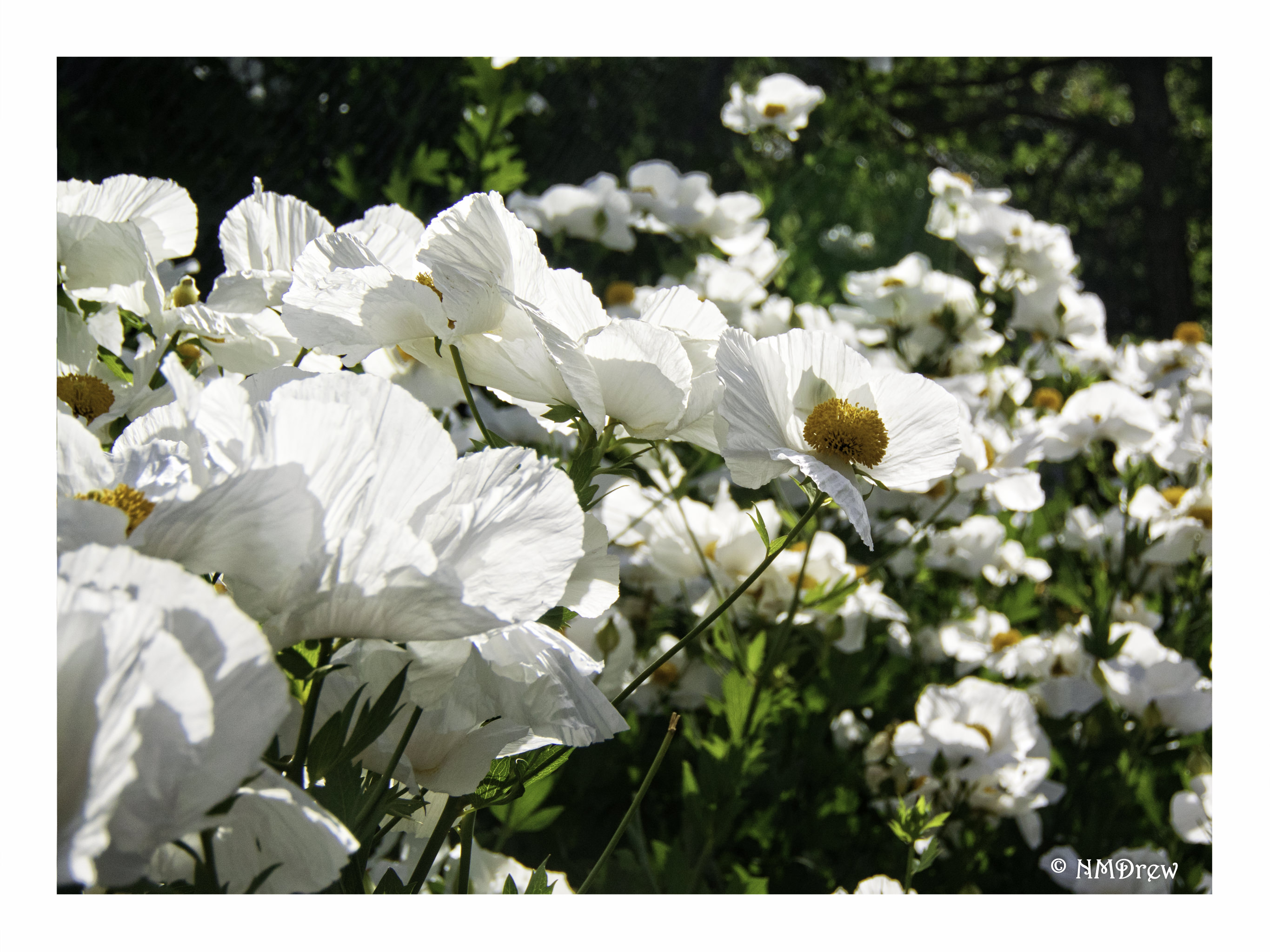
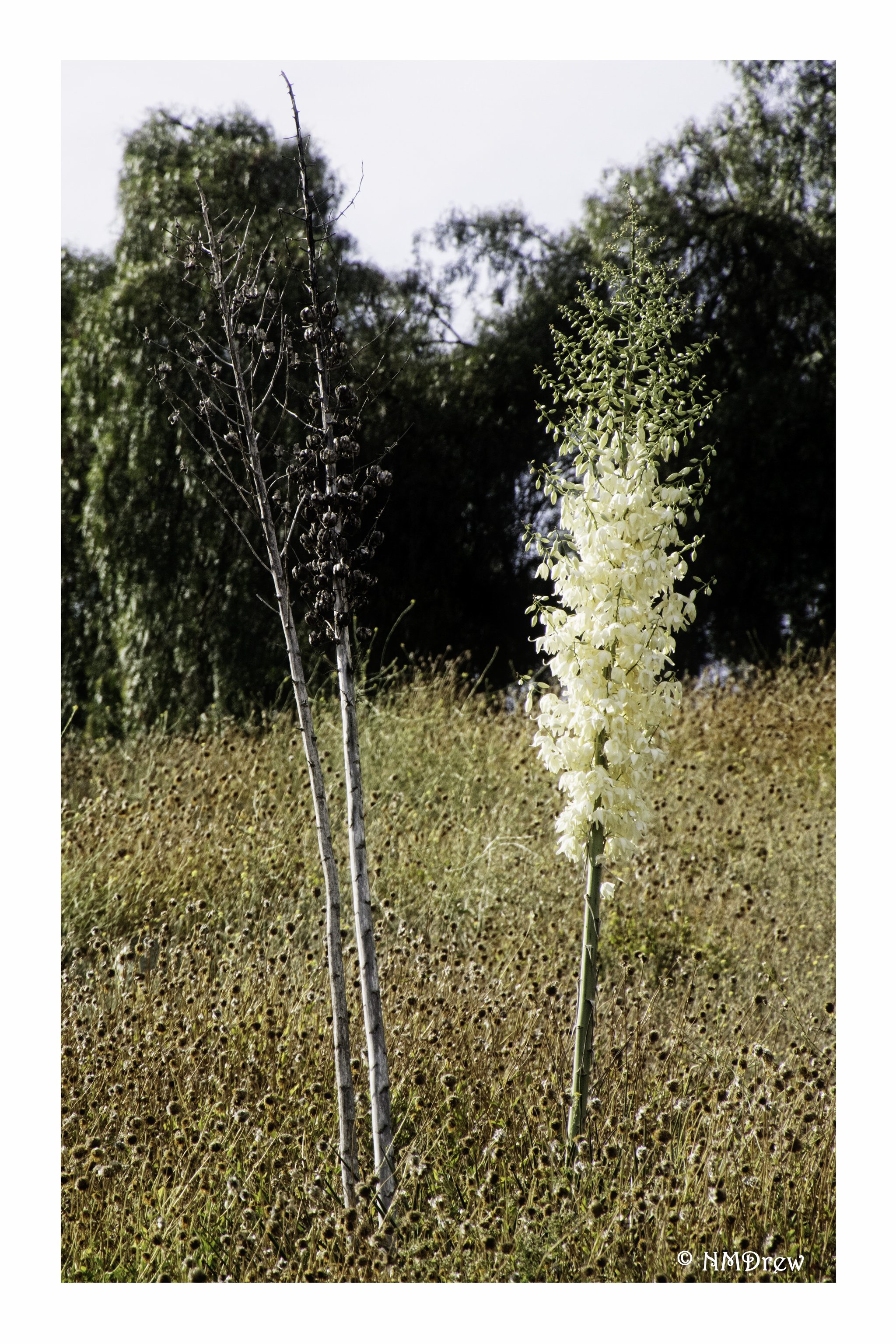
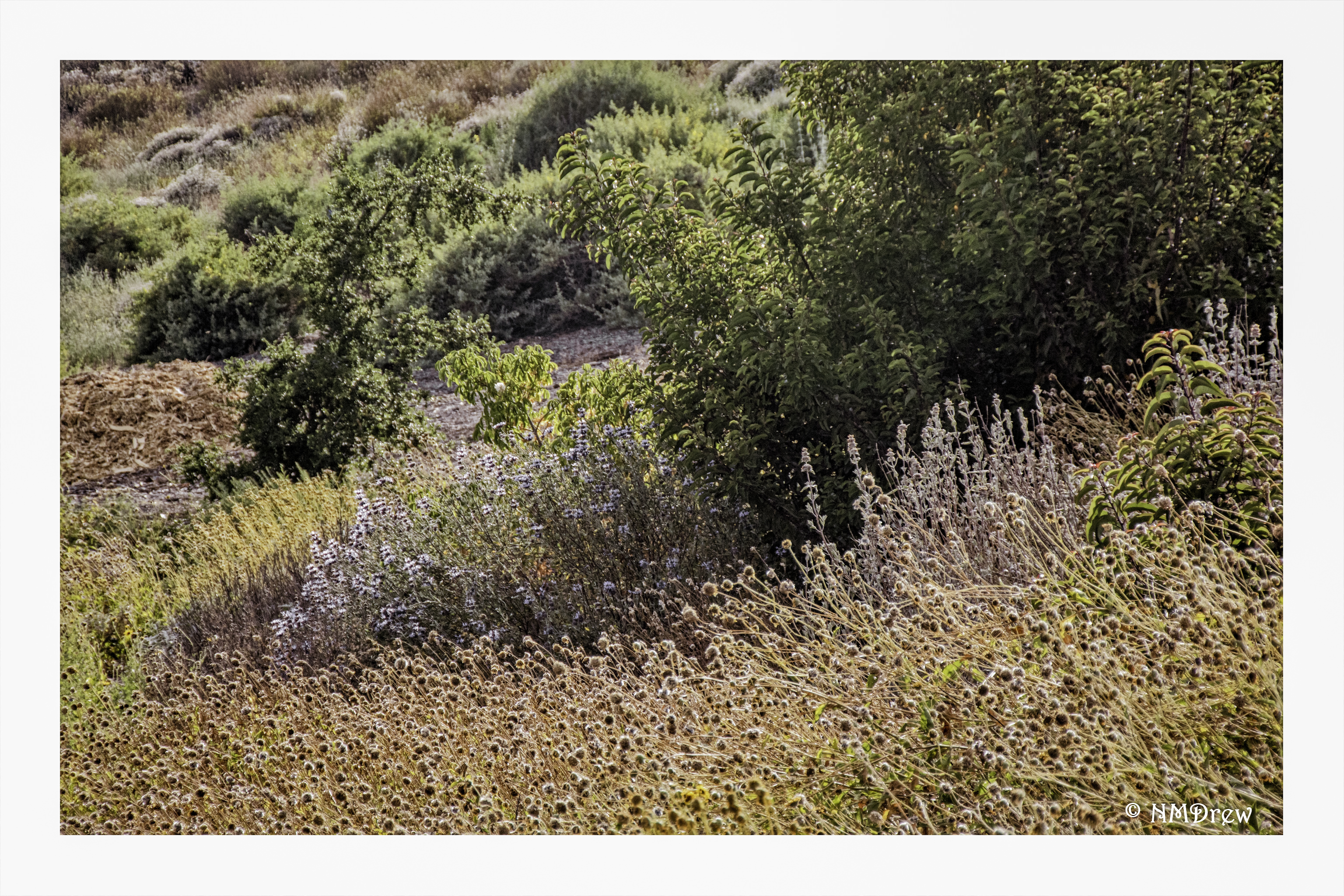
The world is a busy place, sucking you dry.  Newspapers are filled with news, from bombing Syria and worries about being bombed in return, to disgust that Congress has allowed the killing of hibernating bears and wolf cubs in their dens.  It makes me wonder what the world is coming to . . . and what people think.  Yes, I live in an isolated part of the world, one which is relatively safe, but it doesn’t keep me isolated unless I turn off the news.  This is where the walk in the woods, in the fields, and exploring the natural world outside the artifice of man beckons.  As California is now in the midst of a bloom unseen in years, I am out there nearly every day, taking in the blooms, the colors of the hillsides, and listening to the birdsong and buzz of bees.  It brings a peace.

As someone who is getting older, I frequently think of death. People – friends, colleagues, family – have died in the recent years. All my earliest childhood friends are gone. Death is something to be considered in this day and age of every baby must be born, regardless, and everyone must be put on life support, regardless. There is something disrespectful about the quality of life all this means. Keeping people alive by artificial means reaches a point, an ethical point, where it is ridiculous. Killing wolf cubs and hibernating bears for sport is equally unethical. Our destruction of the natural world boggles the mind, and the immediacy of pleasure or self-righteousness fails to address a longer viewpoint: what are we leaving behind? Plundered resources, extinct animals, and warehouses of people on life support. Equally, we kill others with impunity. In 40 to 50 years, the earth’s population will double, and we will be in even more dire straits than we are in now. Even within our own lifetimes we see the destruction, but deny it.

And so, flowers. One part of the natural world, fragrant, beautiful, evanescent. If they disappear? What next?