
I think this says it all.

I think this says it all.
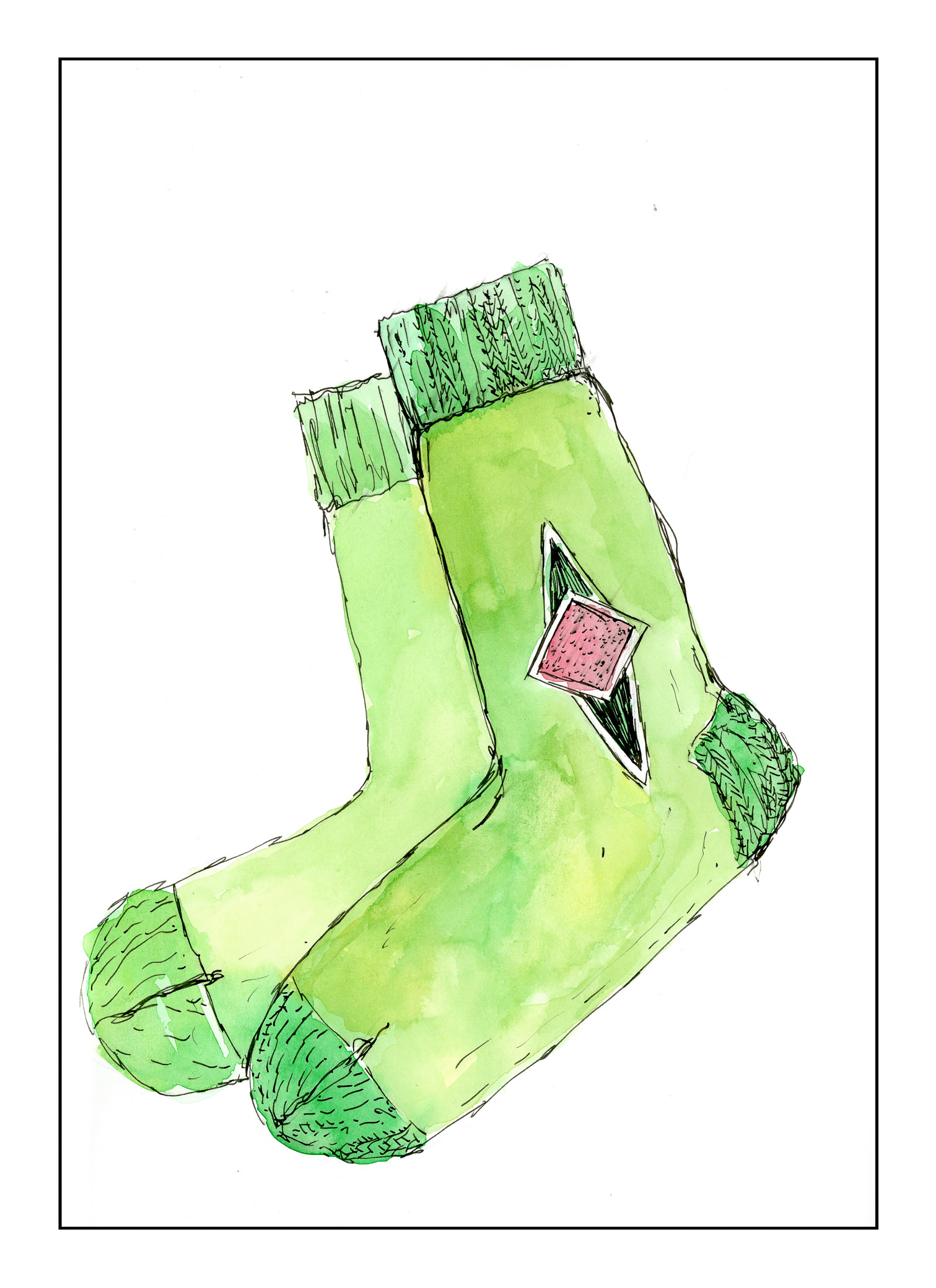
Did you know that those decorative patterns on the sides of your socks are known as “clocks”? Rather than time, as a sock-knitter, I prefer this type of clock rather than the one tick-tocking away on the shelf.
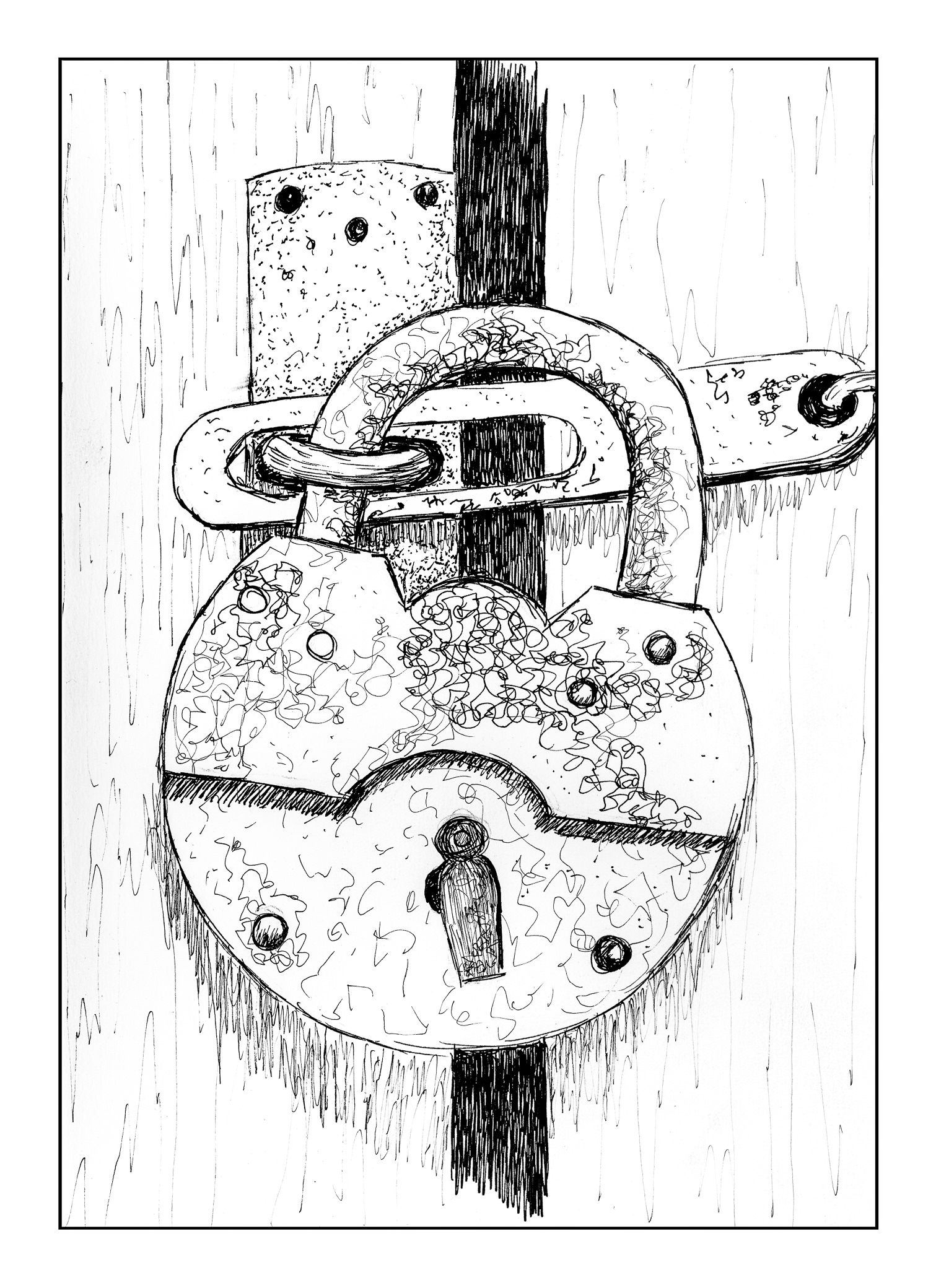
Here I used a fountain pen and a couple of permanent ink drawing pens. The idea here was to express texture, such as the corrosion on the lock and metal parts of the door, or the wood grain. Contrast of both texture and tone were important here. Oh, and to show something “guarded” – what is behind Door Number 13?
Yes, there are really fish called whale sharks! In looking up pictures of whales, I came across this creature, and if you look at online images, you will see it is a beautifully patterned shark, as well as learn that it migrates long distances, and is a gentle animal, feeding on plankton and such as it swims along. I thought it was so beautiful that it had to be the Inktober #12 offering.

The weekend was super busy, so I am a bit behind with my Inktober commitment, but the commitment continues. It would be really easy to let it just fall behind – like a diet – so the focus of Inktober may be more important than the drawings themselves. Inktober is a challenge to not only commitment, but to imagination and dedication to meeting a goal. Harder than I thought it would be – but at least I have some time for commitment these days.
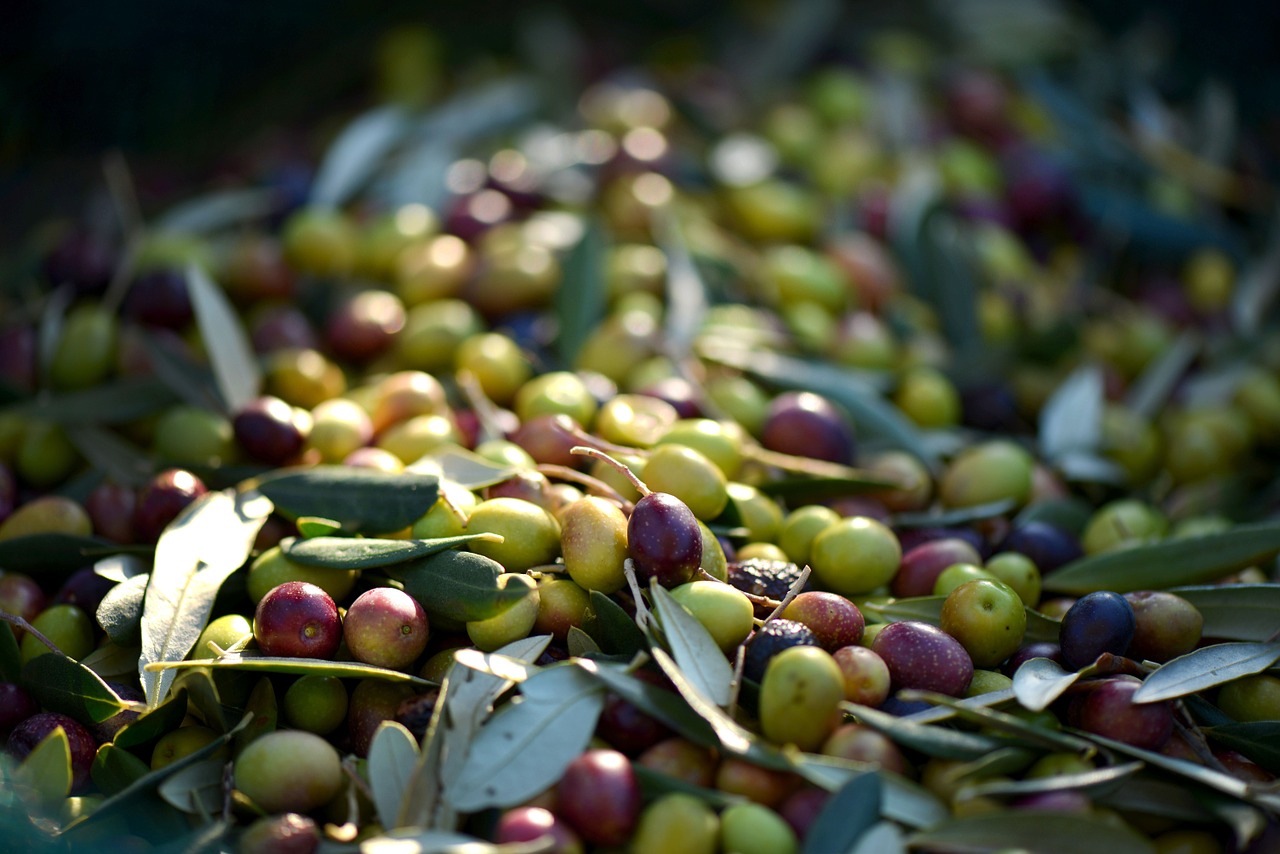
I’ve been on a Mediterranean food kick of late.
This morning I was in the mood to put together some foods to have on hand over the next few days. Since I am off work, it makes sense to do something – particularly when I want to do something! So, I put together a couple of sides, one which we like to have on hand, and another we had in a restaurant the other night.
First side was to make some tzatziki. This is so easy it’s ridiculous, and really worth the bit of time to make it from scratch, because scratch is always better.
Tzatziki
2 c. Greek yogurt (I used homemade!)
1 large English cucumber
5-7 cloves garlic
1 T. fresh dill
juice of 2 lemons
salt
pepper
olive oil
Grate the cucumber. Place in strainer, mix with about a tsp. of salt. Place where the liquid from the cucumber can drain while you do the rest of the prep. Let the cucumbers sit for about 30 minutes.
Finely mince the garlic – we use a microplane. Juice the lemons. Chop the dill. Stir in the yogurt.
Rinse the cucumbers. Squeeze out as much liquid as you can. If you like, put the cucumbers onto a towel, or paper toweling, and squeeze and press out as much liquid as you can. Turn into yogurt-lemon-garlic-dill mixture. Pour in a tablespoon or two of olive oil. Mix well. Taste. Add salt as you wish, and pepper.
Refrigerate in container. Stir before using.
The next thing I did was throw together a sort of tapenade, mixed up from what I had on hand.
Sun-Dried Tomato, Anchovy, and Olive Tapenade
8 oz. / 1 c. sun-dried tomatoes in oil – use all of it
1 small can of anchovy fillets
2-3 T. capers
20 kalamata olives, pitted (if already pitted, slice them where the seeds might be – you don’t want them messing up your food processor!)
2-3 cloves garlic
1-2 finely chopped cayenne peppers (optional)
2 T. balsamic vinegar
salt and pepper to taste; olive oil to thin to your liking
In a mini-blender, put in tomatoes, anchovies, capers, garlic, olives, peppers, and vinegar. Whir together into a chunky paste. Taste. Add seasoning as you wish, and to thin, you may add some of the oil from the anchovies or a bit of olive oil on the side. Refrigerate for a few hours to meld flavors. Store in closed container for up to a week. Good on crackers or bread or straight out of the jar.
And there you have it – Saturday morning sides when you have nothing better to do!

