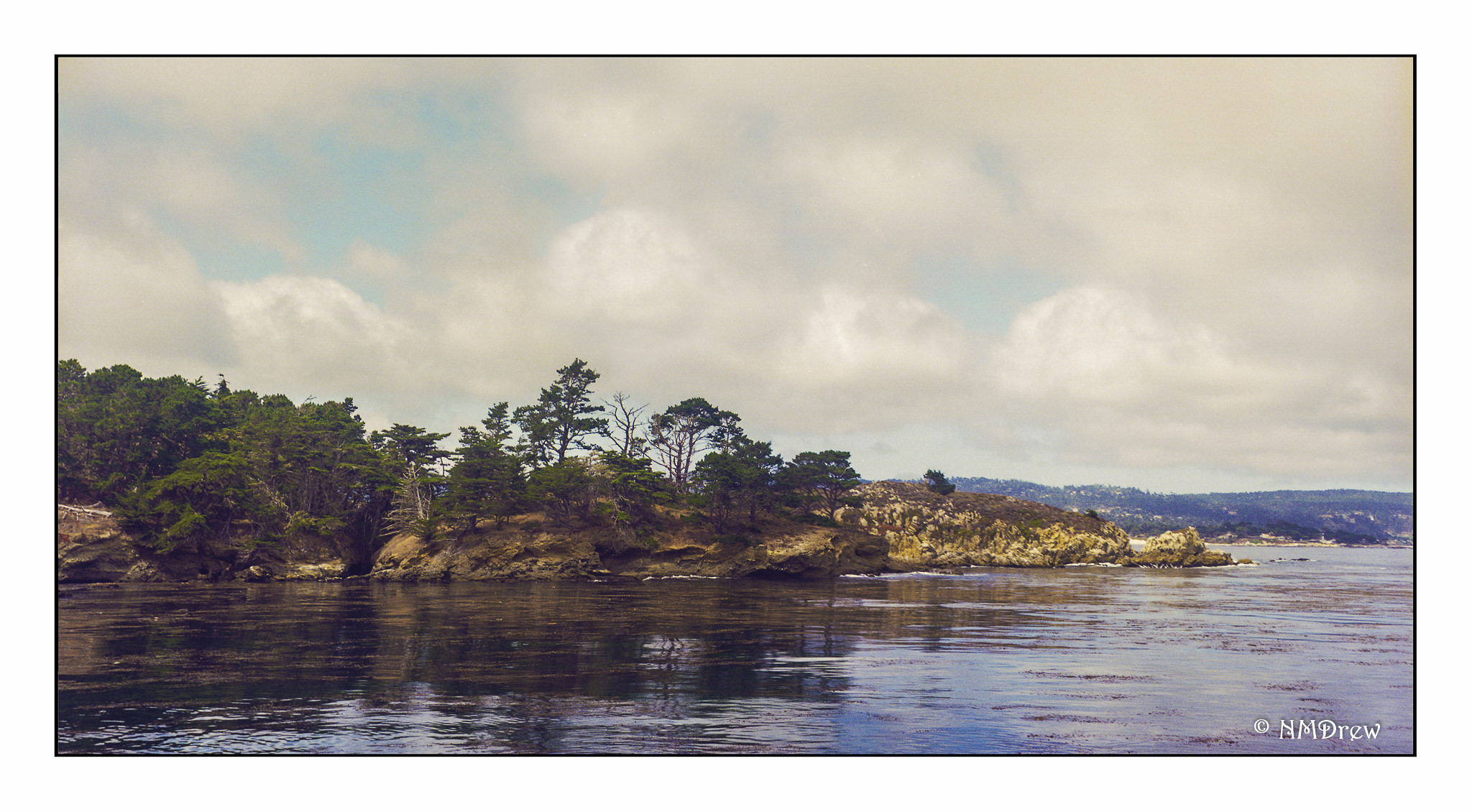
There is something so different in the quality of a photo taken with a film camera, rather than a digital camera. It is apparent even more so when it is done with an uncoated lens from 1937. The lens in question is a lovely Schneider Kreuznach Xenar 2.8, 75mm, taken using 1937 Welta Weltur camera. It is a folding camera that takes the still-available 120mm film. I used Ektar 100 by Kodak, and applied the Sunny 16 rule for manual exposures.
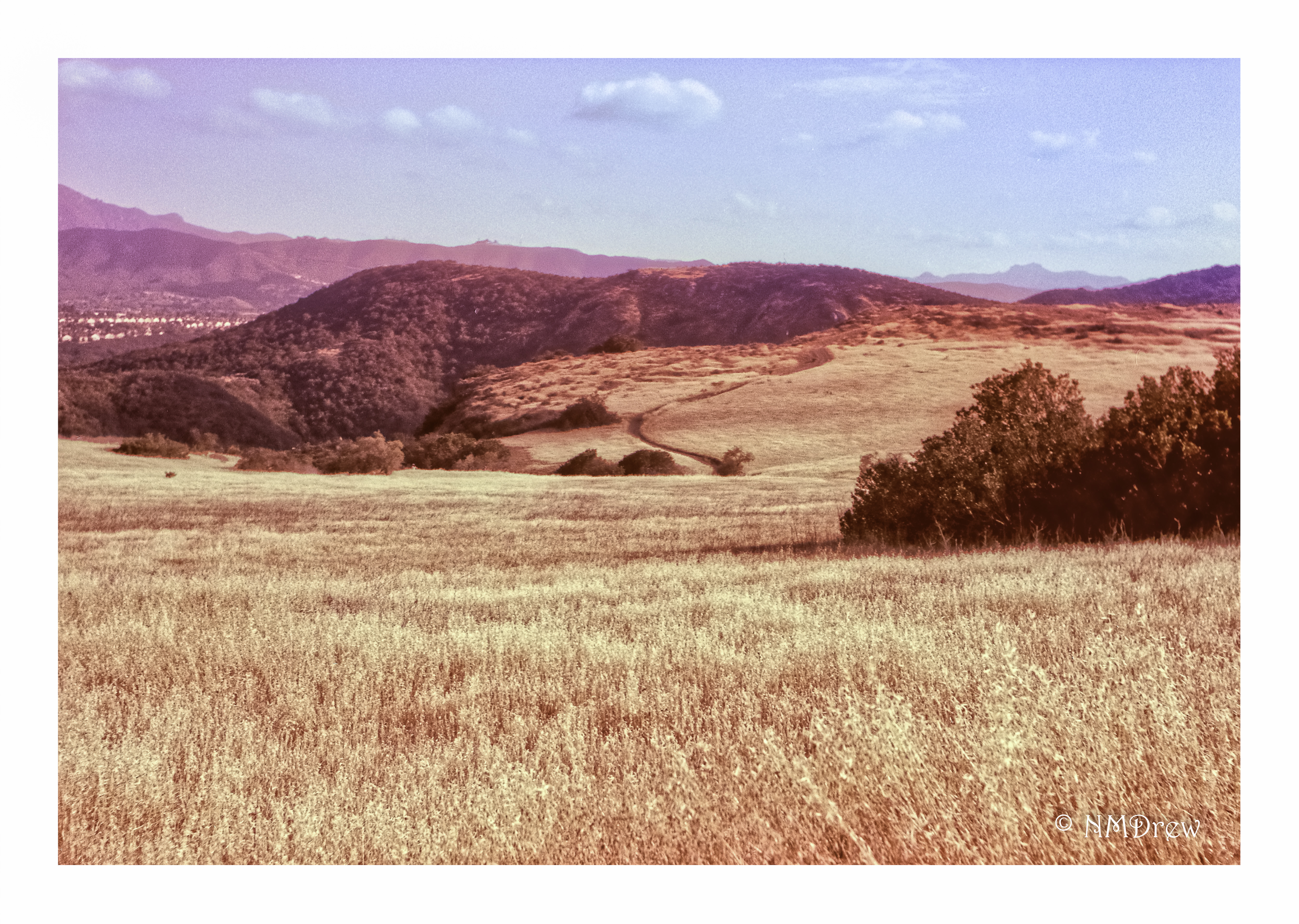
I have a 6×6 version with a 6×4.5 reduction mask. I thought I had removed the mask – but hadn’t. All my supposedly square images came out rectangular! I stitched two images together in PS6 and then tediously removed threads and dots of dust that were apparent even after scanning with Digital Ice on the Epson V600.
This photo makes me think of landscape paintings of the 1700s and 1800s – especially that turquoise sky. Mayhap a painting will follow.
Today is the very, very first day that On1 Photo Raw is available for usage. I think the original idea was to have a product ready to roll in October 2016, but rather than have a “finished” product full of bugs, they realized they had more on their plate, and held off until today, November 23. I’m glad they did – and I am glad, too, that they realize that this really is a “work in progress” as it stands.
Personally, I love On1, and have been using them since version 8, which was a while back. I use it with Lightroom. What makes On1 great as a company is their support, ongoing consistent development, tutorials, and so on. On1 products are sophisticated, and while they do not rival Adobe Photoshop for complexity, On1 products are far easier to use. I prefer their brushes, spot and blemish removal tools, as well as the fact I can create presets which I can store. At this point, the presets from On1 Photo Suite 10 cannot be used in On1 Photo Raw, but I expect they will have the ability to port them later on. The one-up that Photoshop has is its “content-aware” fill.
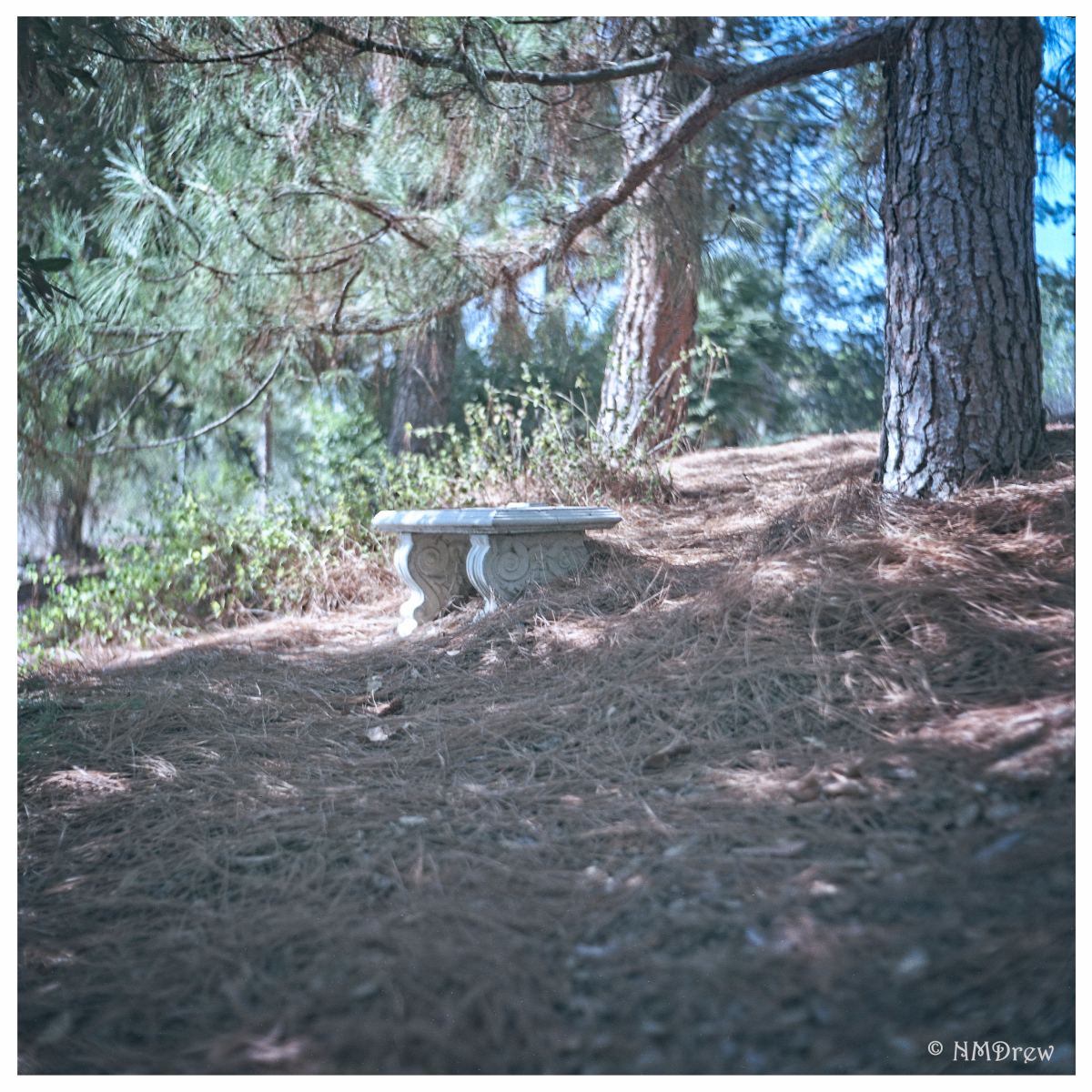
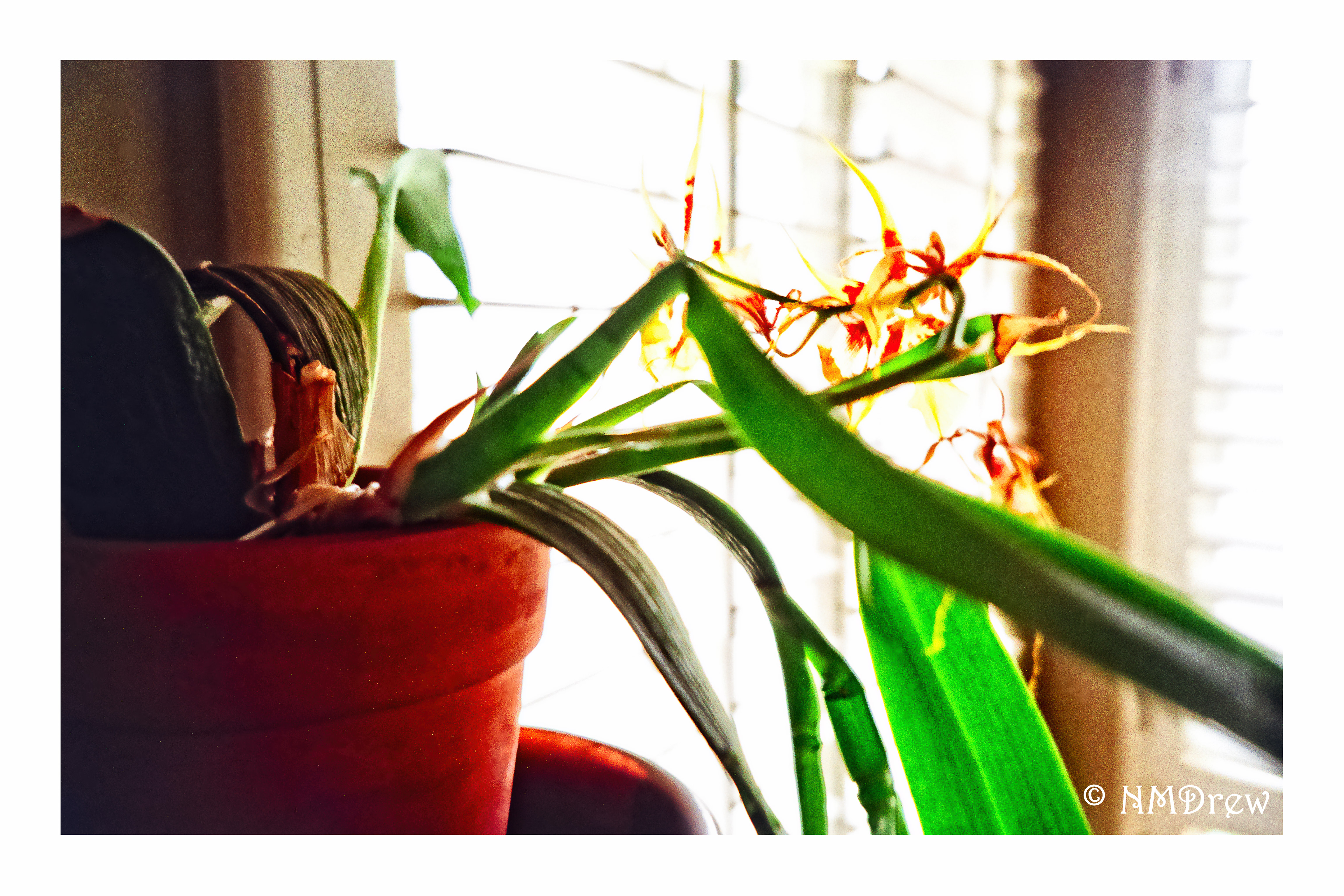
The image above, Waiting for Lovers, was edited using On1 Photo Raw. It is a film image using Kodak Ektar 100 in a 1930s Welta Weltur rangefinder. The lens is an uncoated Xenar – probably about 75mm – which has an ethereal quality to it that I really love. Scanning the image with my rather dirty Epson V600 (I have since cleaned it), I ended up with a blue streak across the entire image. On1 took it out quite nicely. Spots and threads were also easy to remove. I think On1 did something to their processing algorithm (or whatever), as the spot removal works very quickly.
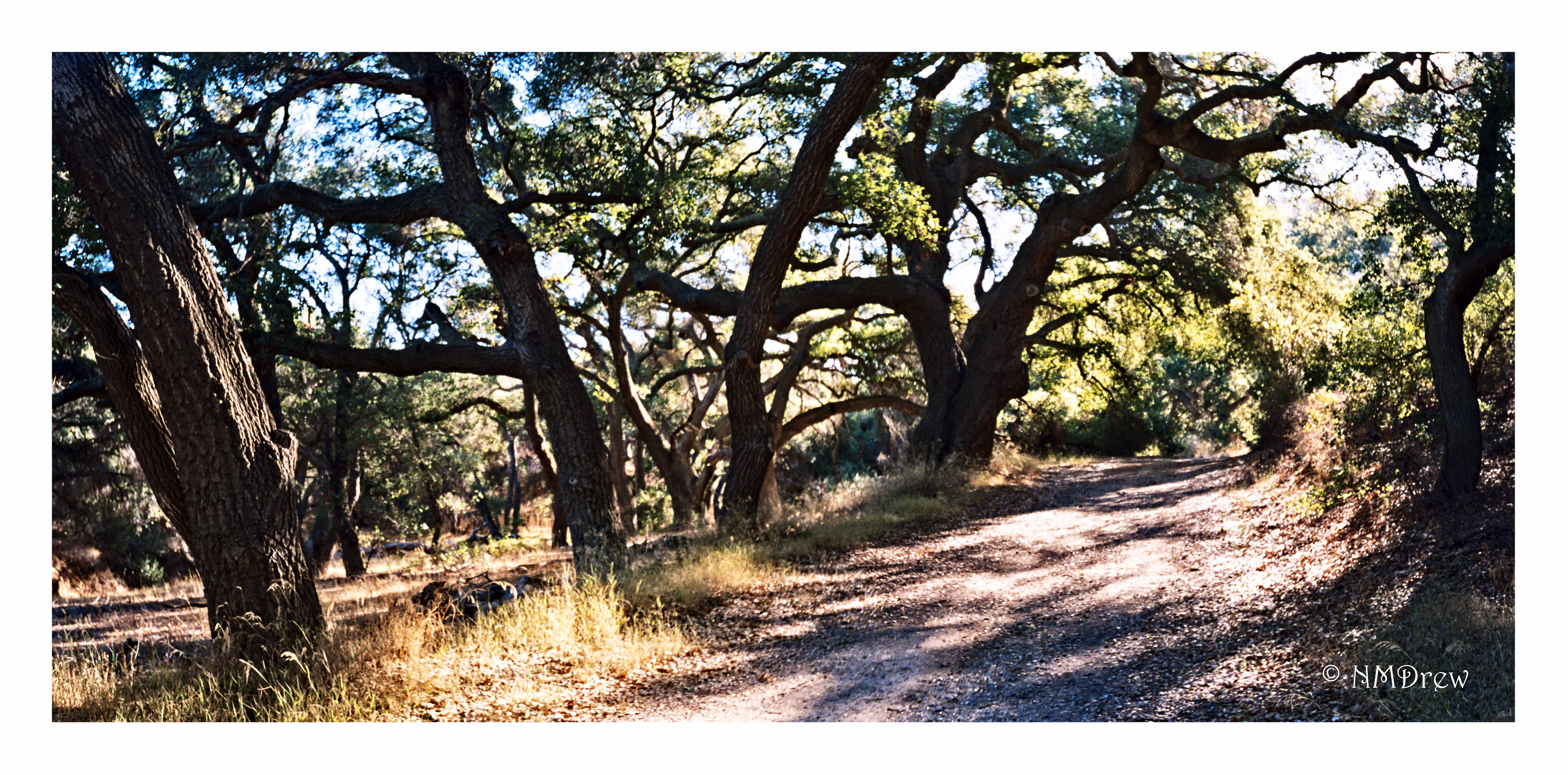
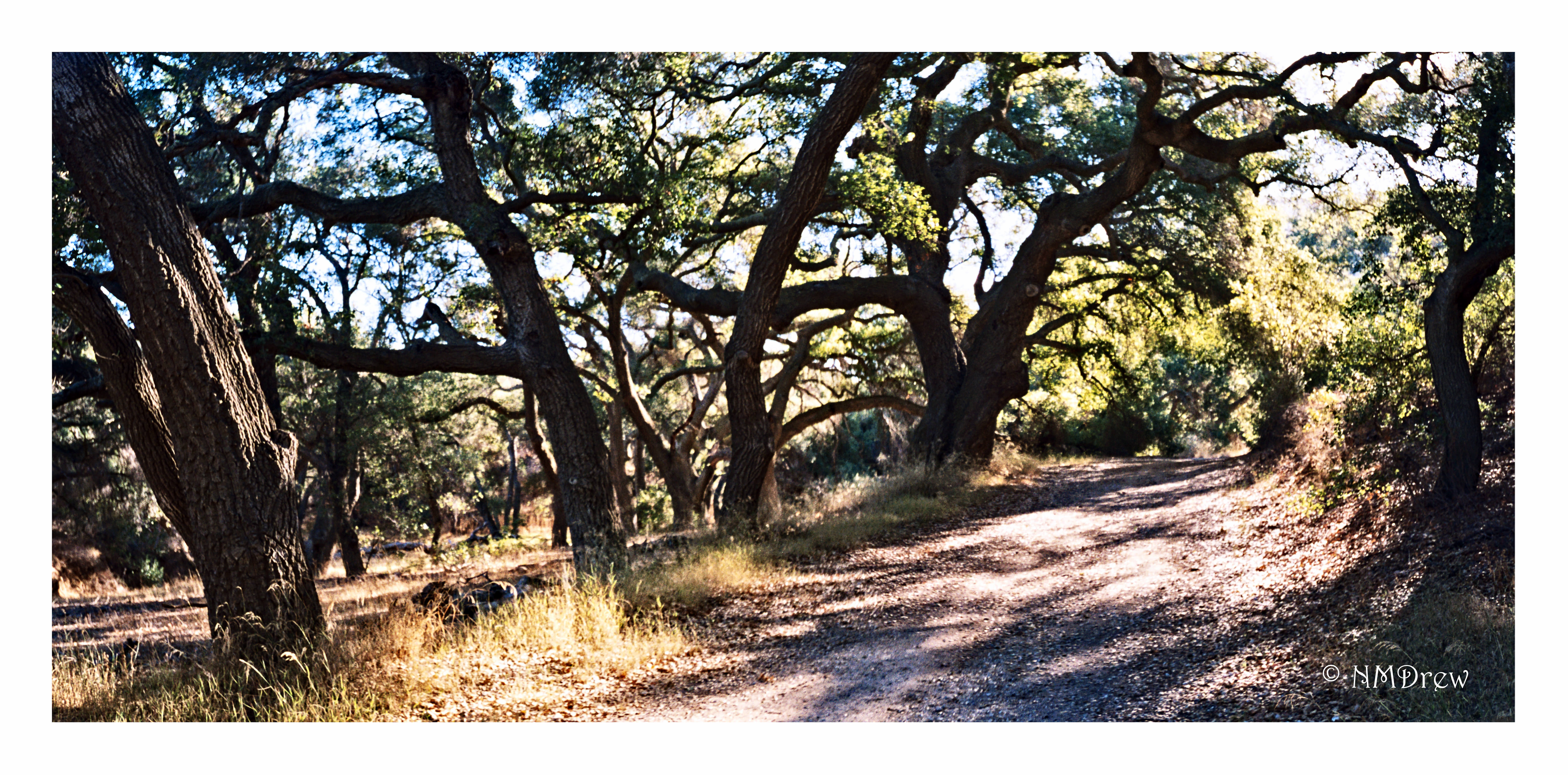
This image is a pano stitched together in LR, and consists of two images taken with the Olympus XA4 and Lomography 100 film. The only thing I did was perk it up a bit with some detail, in LR and in Photo Raw. It is nearly identical to the SOOC image.
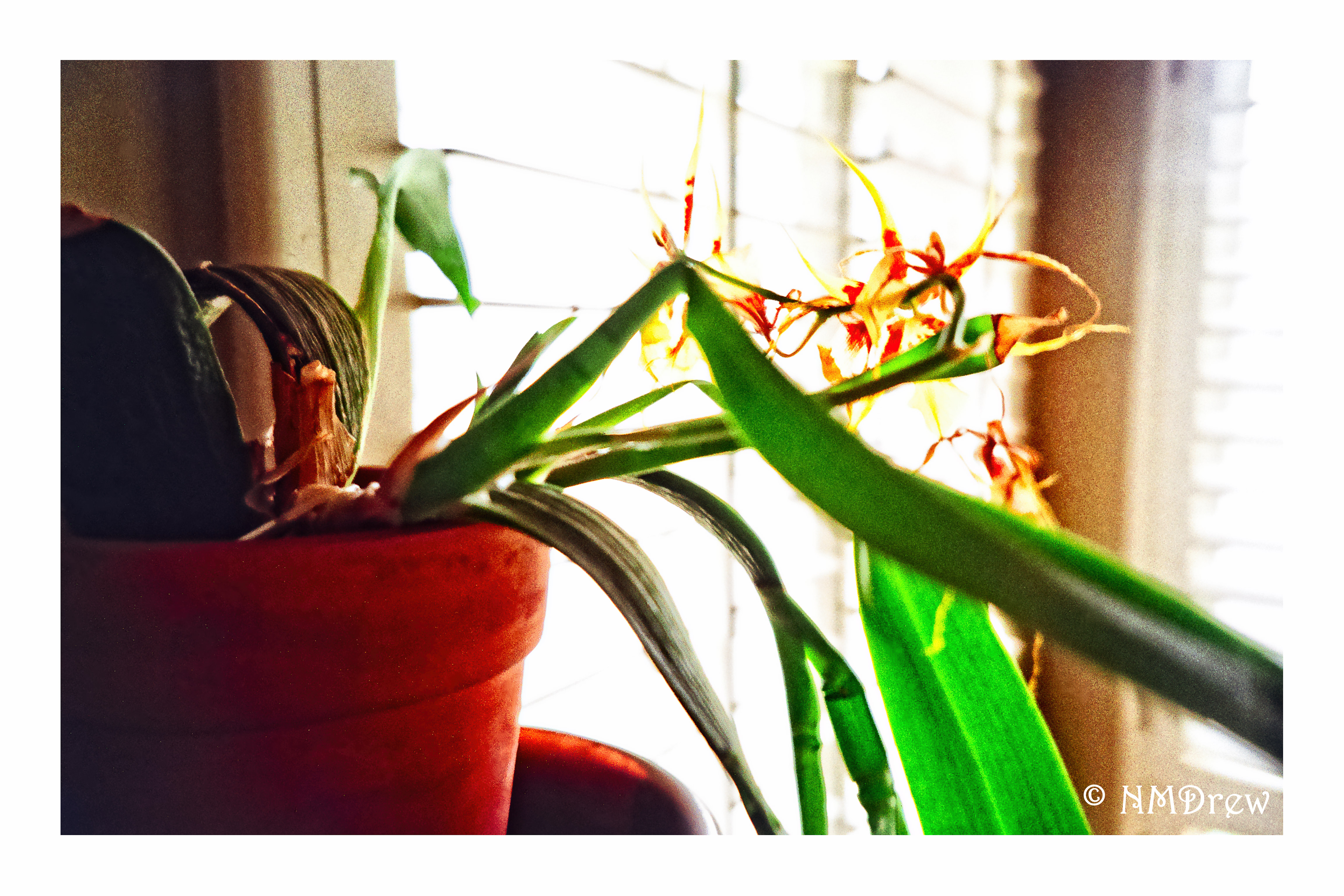
Finally, the above image was really pushed in On1 Photo Raw. Spot removal, brush usage, presets, whatever. This was an overall high-key, pale image, but I set it up to be contrasty and bright – possibly too much so – but wanted see what I could do. This was also taken with the XA4 and Lomo 100 film. Both of these two images were scanned using a Pakon 135 scanner.
There is so much software out there for photographers, that competitors to Photoshop seem to come and go. My favorite and most consistent programs are Lightroom and On1. I also use DxO v. 11, and while it is good for some things, it lacks the diversity of On1. Capture One is good, too, but it makes me crazy as it does not make sense to me at times . . . but I admit, I have not put in time to using it as it has a higher learning curve, and is not, for me, very intuitive. So, two thumbs up to On1 for its Photo Raw software – I think it will prove to be a real winner as they continue to develop it.
Today is the very, very first day that On1 Photo Raw is available for usage. I think the original idea was to have a product ready to roll in October 2016, but rather than have a “finished” product full of bugs, they realized they had more on their plate, and held off until today, November 23. I’m glad they did – and I am glad, too, that they realize that this really is a “work in progress” as it stands.
Personally, I love On1, and have been using them since version 8, which was a while back. I use it with Lightroom. What makes On1 great as a company is their support, ongoing consistent development, tutorials, and so on. On1 products are sophisticated, and while they do not rival Adobe Photoshop for complexity, On1 products are far easier to use. I prefer their brushes, spot and blemish removal tools, as well as the fact I can create presets which I can store. At this point, the presets from On1 Photo Suite 10 cannot be used in On1 Photo Raw, but I expect they will have the ability to port them later on. The one-up that Photoshop has is its “content-aware” fill.
The image above, Waiting for Lovers, was edited using On1 Photo Raw. It is a film image using Kodak Ektar 100 in a 1930s Welta Weltur rangefinder. The lens is an uncoated Xenar – probably about 75mm – which has an ethereal quality to it that I really love. Scanning the image with my rather dirty Epson V600 (I have since cleaned it), I ended up with a blue streak across the entire image. On1 took it out quite nicely. Spots and threads were also easy to remove. I think On1 did something to their processing algorithm (or whatever), as the spot removal works very quickly.
This image is a pano stitched together in LR, and consists of two images taken with the Olympus XA4 and Lomography 100 film. The only thing I did was perk it up a bit with some detail, in LR and in Photo Raw. It is nearly identical to the SOOC image.
Finally, the above image was really pushed in On1 Photo Raw. Spot removal, brush usage, presets, whatever. This was an overall high-key, pale image, but I set it up to be contrasty and bright – possibly too much so – but wanted see what I could do. This was also taken with the XA4 and Lomo 100 film. Both of these two images were scanned using a Pakon 135 scanner.
There is so much software out there for photographers, that competitors to Photoshop seem to come and go. My favorite and most consistent programs are Lightroom and On1. I also use DxO v. 11, and while it is good for some things, it lacks the diversity of On1. Capture One is good, too, but it makes me crazy as it does not make sense to me at times . . . but I admit, I have not put in time to using it as it has a higher learning curve, and is not, for me, very intuitive. So, two thumbs up to On1 for its Photo Raw software – I think it will prove to be a real winner as they continue to develop it.
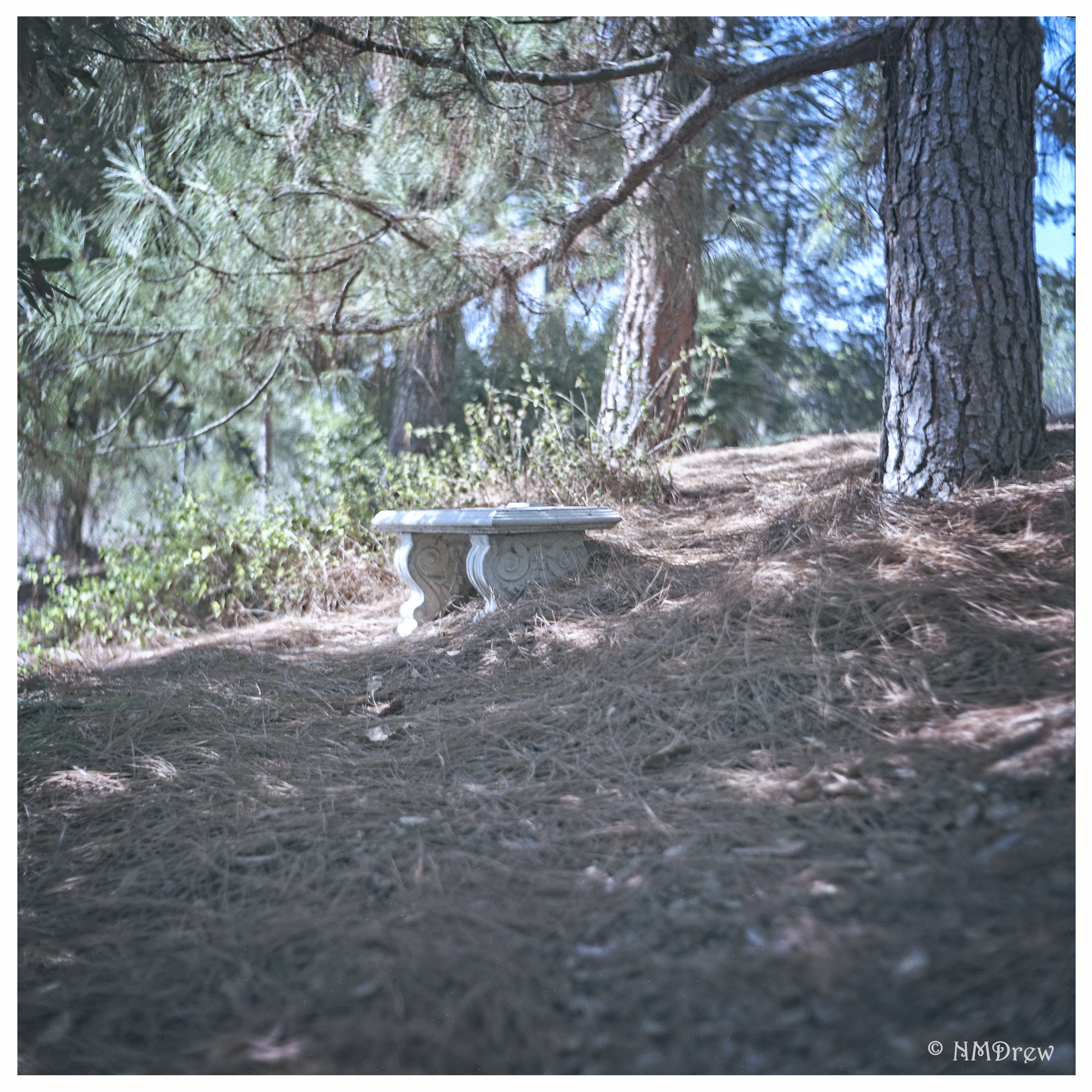
Another cross-processed and rescued Velvia image . . . absolutely hideous in CP and barely salvageable in b&w! What’s a girl to do? The camera, though, does a fine job when the user doesn’t mess up. The lens is a Xenar, uncoated, which gives it a particularly vintage quality that modern digital do not have.
Taken with Velvia 100 film in a pre-WW2 Welta Weltur folder, 6×4.5. While out with the camera, it popped open twice – I had jerry-rigged a strap for it but if obviously didn’t work too well! The film was processed in C41 as a result at the local photo shop – to pay more for slide film and potentially nothing seemed ridiculous – so it was cross-processed. I was quite pleased to see a few out of the 16 survived. A bit of work made this picture salvageable. Below is the original cross-processed image, and then a variant in black and white.





 Ink, Yarn & Beer