
Yesterday Hurricane Hilary came through the neighborhood, dumping lots of rain. We are west of her path and missed a lot of the damage caused elsewhere. Our backyard is basically clay soil, and it doesn’t drain nicely. A pump helps get the water out of the yard and into the street. If we didn’t do that, we could easily be flooded. Patio drains work well, but one in particular gives us problems periodically.
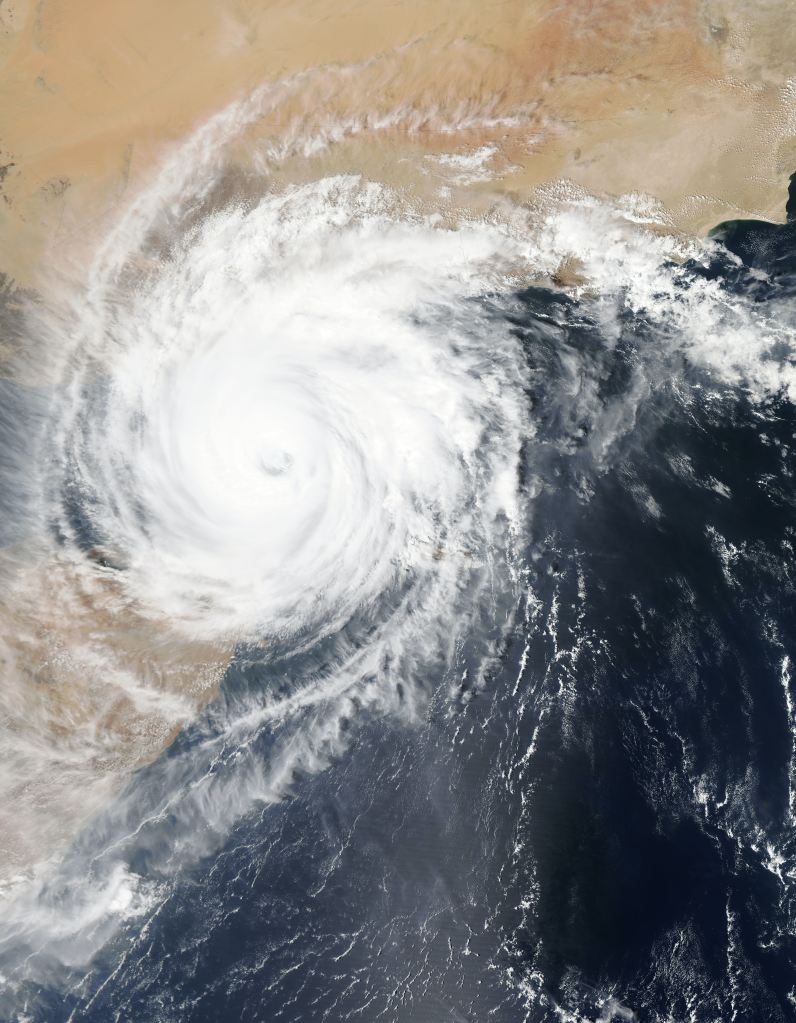
We were fine during the storm although many others were not, particularly in the desert where flash flooding of even an inch can cause a lot of damage. Areas burned by fire, too, are dangerous as the plants holding the soil may be too young or not even present yet. The cliffs and hills, too, are not particularly stable, and many times people living along or in them face trouble from fire and flood. Our house is on a slight incline, on a small hill, so rain water runs down. Storm drains run to the creek and that creek, in turn, runs into a deep canyon. When we were looking for houses, we saw a lot on hills we liked and could afford, but ended up where we are – a bit of good fortune as, so far and knock on wood, our neighborhood has withstood many threats nearby. Hopefully the natural gas main won’t blow up – even if it is a few blocks away, I don’t think it would be much fun . . .
And then there was our earthquake! It was about 5.1 and centered around an area called Sulfur Mountain. For us, it was a quick, sharp jolt and a bit of rolling. My in-laws felt it more intensely as they are south of the epicenter by about 10 miles. Other family members felt it as a roll, and others did not feel it at all. The worst part of it was the loud screeches coming from our cell phones, warning us of the earthquake. We didn’t duck and cover, but stood within door frames until the shaking stopped and then fetched shoes and socks – if glass shatters, you don’t want it in your feet, and if you flee your house, at least you have some protection.
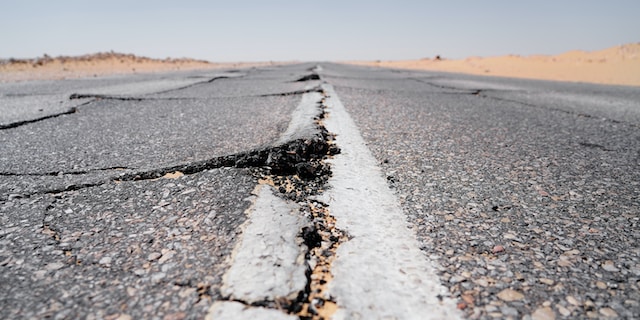
An earthquake in the middle of a hurricane . . . .
We received a few warnings over our phones – loud and noisy, certainly designed to get our attention. Earthquake warnings came twice, and later in the day the flash flood warnings came. It is important to be ready for natural disasters, and though annoying, I appreciate these public announcements. They do get your attention! We pulled out our earthquake food, consolidated charged lamps and flashlights, made sure our coffee was ground (coffee will get you through many things!), and so on.
And now, our lives return to normal. The birds are busy twittering around the bird feeders; dog walkers are out. The air is heavy and moist and quite pleasant. My grass will get a bit greener. I had planned to harvest my potatoes, but that can wait a day or two. We head to visit Josh’s parents to sharpen knives and knit, perhaps some dinner. All these little disasters remind us of connections and family and friends, the beauty and fierceness of nature, and so on.
I could wax philosophical some more, but I need more morning coffee.


 Ink, Yarn & Beer