Covered with Stickers & Ready for Breakfast

Brrrrr!

My hands were so cold this morning!  I wandered out of the house around 6:15 into a chilly morning (for us, for me in a long time!) of 35 F – just a few degrees above freezing!    The goal:  take pictures of the sunrise.

Did it work?  Well, I got a few I like, a few that are hmmmms, and a lot that I think that the delete key is their raison d’etre.

Nonetheless, I did have a blast.  I had forgotten what it is like to be chilly or even cold – where I live, it is very temperate.  I cannot recall the last time I was actually in snow, other than when I was living in Colorado in the 80s.  I ran in and out of the house a few times before setting off – nope, a vest is not enough.  Got a jacket, got a hat.  Wished I’d had some gloves!

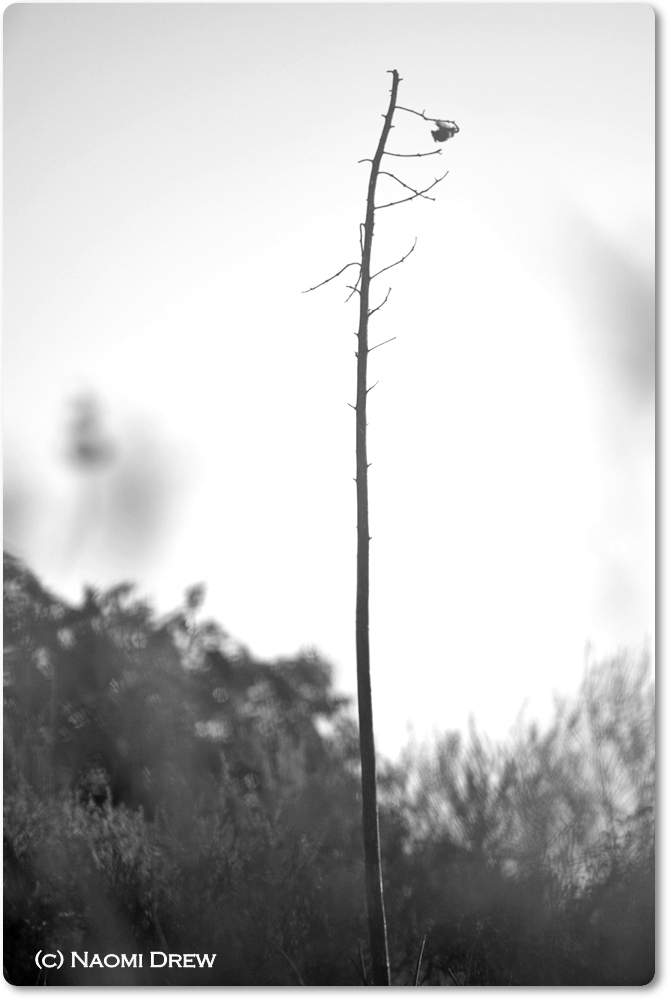
I headed up to Wildwood Park, climbed a slight hill, and parked myself amongst the sage and (I think) toyon and last year’s yucca.  I metered in aperture priority, and shot a few shots.  It was pretty dull stuff.  Dropped the shutter speed to underexpose a bit.  My fingers were getting very numb.  The light was nothing exciting . . . until the sun began to climb over the mountains in the east.  Suddenly, there was magic.  The light began to change, the shadows moved, Mount Clef caught the sunrise and glowed.

I had two Nikon lenses with me.  The one I began with was the 35mm f/1.8 G.  The other was an old classic, the 105mm f2.5 AIS.  The former autofocuses, the latter does not.  Both are really good lenses, for different reasons, and I brought them for different purposes.  I wanted landscape and a broader vista – hence the 35mm – but I found myself wanting an even wider lens.  The 105mm was fine, and I brought it to work on manually focusing, checking if the little dot in the viewfinder really works.  It does, but not if you are skittering about handholding the lens!  Still, I got a few nice shots.

I did not go passionately hiking up hill and down to get my photos . . . nope, I rolled around in the dirt, in the stickers, scared some birds and cottontails.  My clothes were covered in burrs and other debris.  Out for a couple of hours with a few interesting shots, and a wonderful morning.  It’s been awhile since I’ve watched the sun rise, and while there were no dramatic skies to shoot, the cold and activity, followed by a hot cup of coffee and breakfast, made a great way to begin a Sunday.

A Commentary on Leeching and Spam, with Other Stuff

A few months ago, someone came across this blog and posted the patterns page elsewhere online. That site seems to be a spam target – since then I have been inundated with everything from groupon ads to pornography, and in about as many languages as flavors of spam.

Since that site posting, I have a lot of hits from people coming to download and leech the patterns – and no one, absolutely not a single person, has said “thank you” – just a wham-bam, take ’em all.  However, the person who posted the pattern page got a thank-you!

So, this brings me to give some thought about even writing a blog.  In reality, it is for me.  It is my collection of thoughts and links – my own encyclopedia and directory to people and places I enjoy.  I don’t expect to have followers – and those who do, I really am flattered! – but I also think that we all should remember we are connecting with people over the internet, anonymous as that world is.

Into the Trees

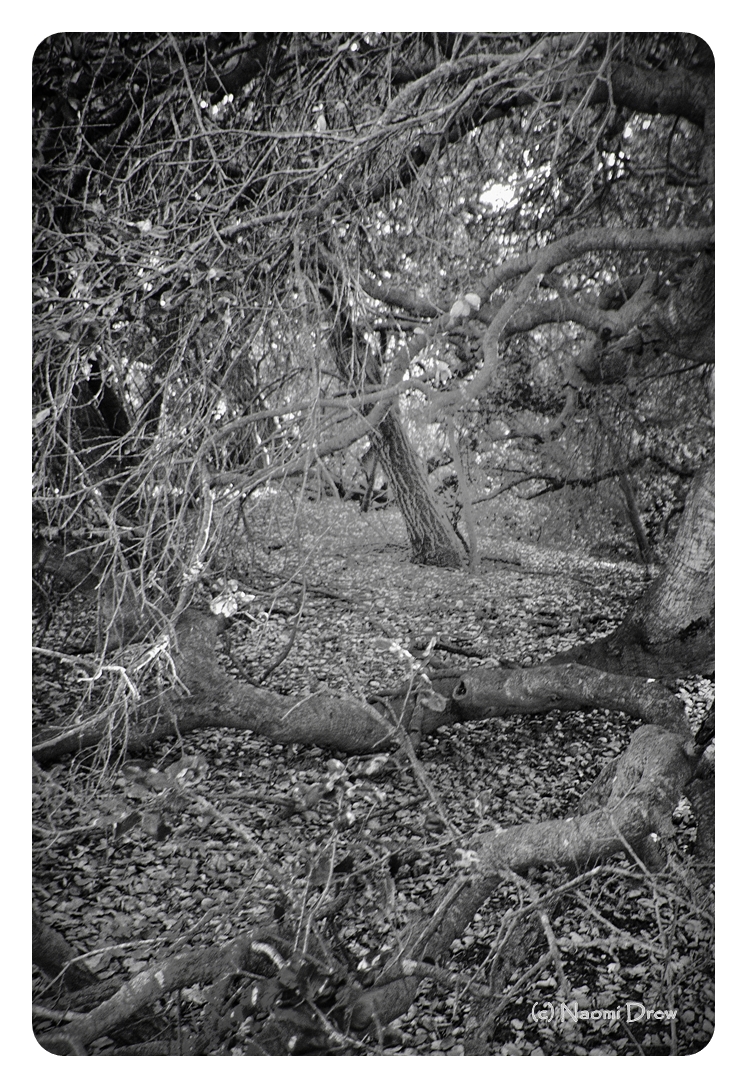
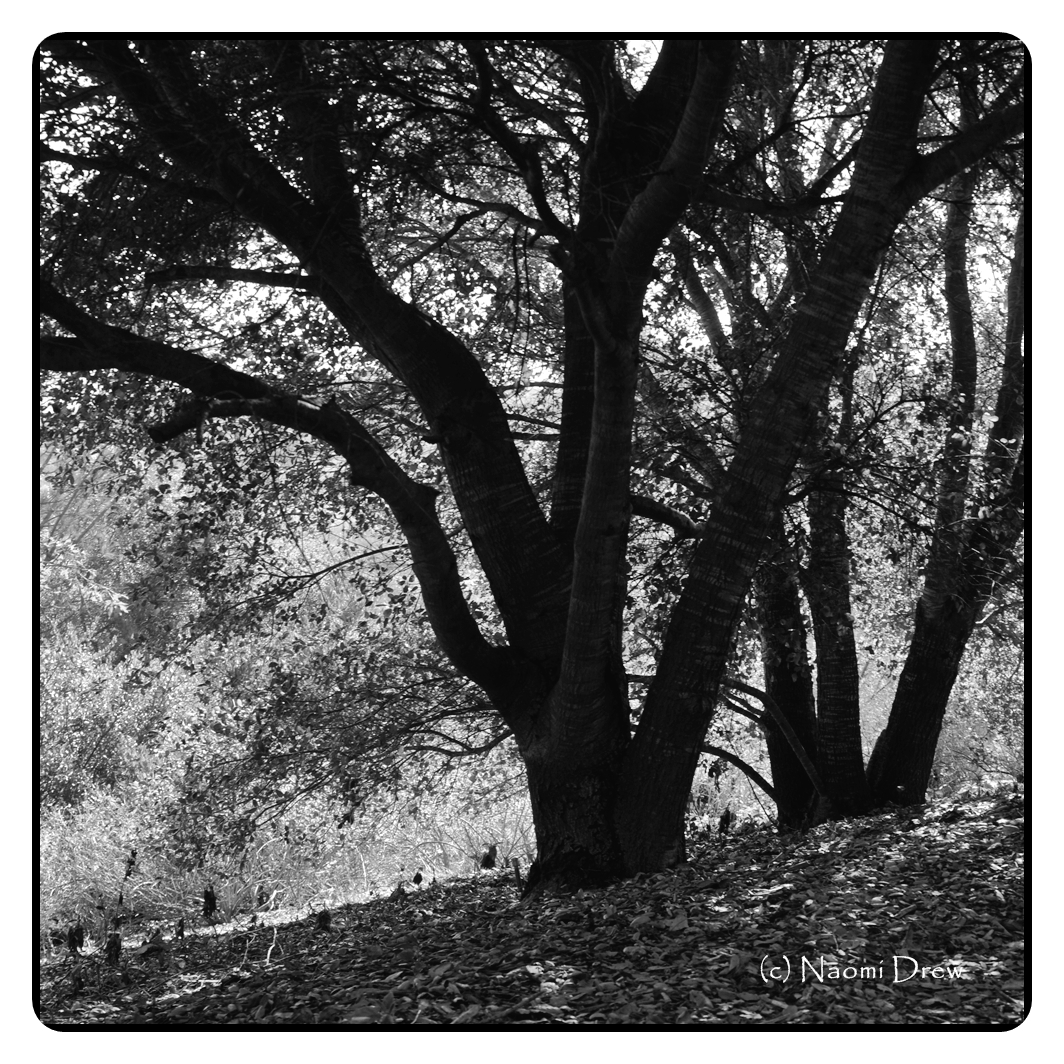
In the meanwhile, I keep trying out different photography software.  Currently, I am testing out Nik’s Silver Efex 2.  I really like the controls it has, and how it moves seamlessly out of Photoshop and Lightroom.  I am probably overdoing the B&W on a number of pictures, but that is something I expect I will learn to temper.

In painting, drawing, design, it seems so easy to balance compositional elements!  Photography, though, is another story altogether.  What you see is what you get.  Then you have to choose – through judicious use of software (as well as hours spent learning it!) – what to keep, what to discard, what to tone down, what focus upon, how to draw the eye.

I have another 13 days of the free trial of Silver Efex.  I like what I see so far.  And, with a week off from work for Thanksgiving (furlough days, such fun!), I think I should be able to do a few things besides eat.

More with HDR Express

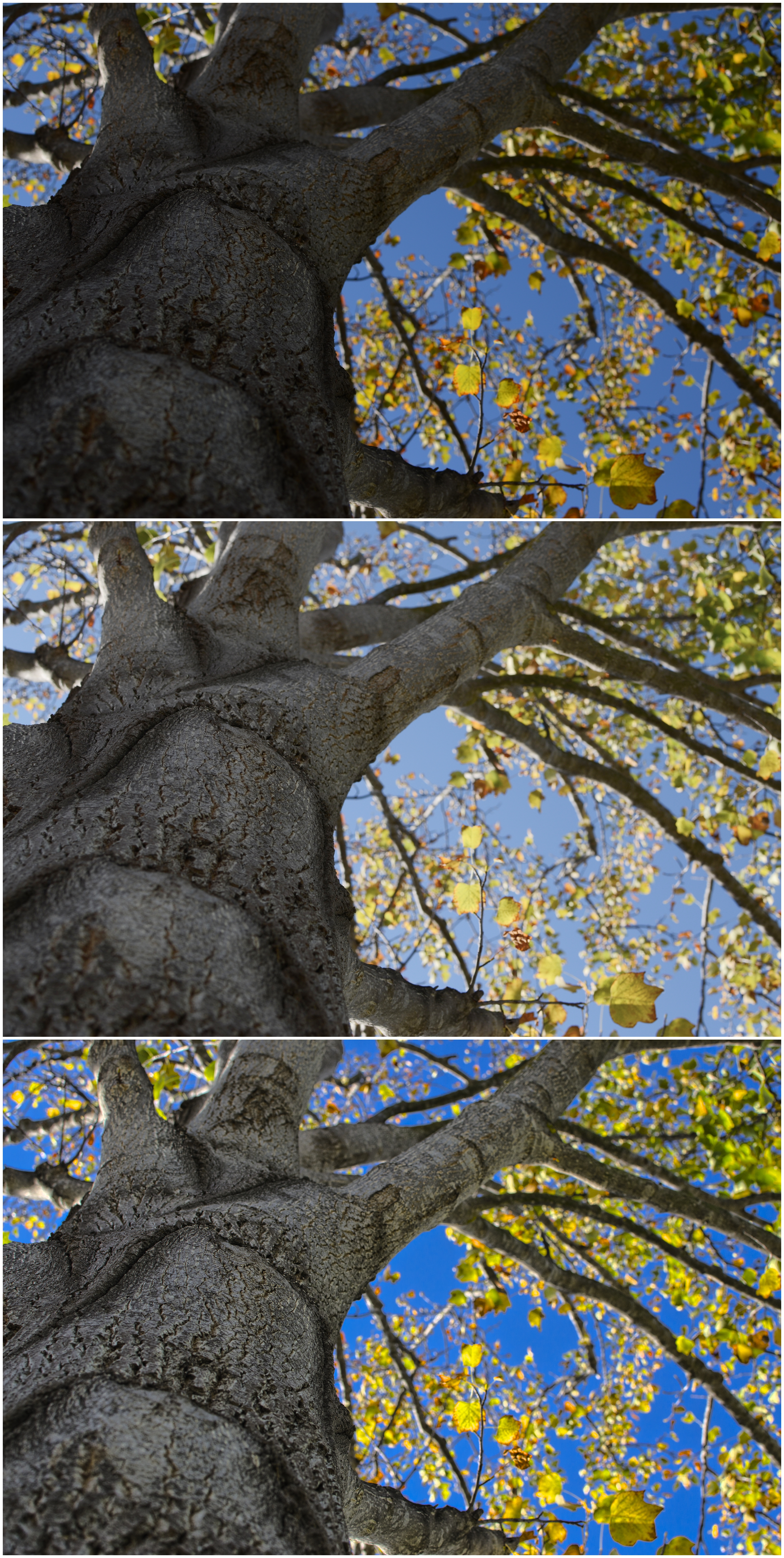
One thing I find I like about HDR, if not pushed too far, is that it can create a good sense of the original light without a loss of detail. I still have 8 days left on my trial version of HDR Express, so that is the toy I chose to play with this morning. Yesterday’s picture shooting up into the tulip tree was the subject.

Manipulating images in other software, such as Photoscape or FastStone, allows me to lighten and darken them. I did this with the idea of merging multiple images in HDR Express, but HDR Express likes being boss, and reads the metadata from the same 3 images, and shuts its processes down – it realizes that you’ve got the same picture. That is a frustrating limitation. Removing all the metadata doesn’t change the situation. However! There is a work-around that is rather nice.

In Lightroom, open up the image you want, adjust the image so it is dark, and then right click on the image and export to HDR Express. It then pops open HDR Express, and HDR Express takes a few minutes, and creates 5 images, ranging from dark to light for your viewing pleasure. The differences are not immense, but if you watch the histogram on the upper right of the screen, you can see what the program is doing to your picture.

Below is a composite picture of the tulip tree out front. The top one is the original one I shot, which was dark to begin with, so I didn’t change it when I sent it to HDR Express via Lightroom. The middle one is my adjustment in Photoscape, which did a good job, but the intensity of the blue sky was a bit lacking. Finally, the bottom image is the one I exported to HDR Express, and it produced a rather pleasant image, with all the detail of the trunk, while retaining the colors of the leaves against that intensely blue sky I saw in my lens.

Top to Bottom - Original Picture - Lightened in Photoscape - HDR Express Image from Original

The Nikon Hit Man doesn’t like the idea of having to use lighting or post-processing to get the perfect image. I disagree.  Post-processing is often necessary, and has been done forever by artists in the darkroom – dodging and burning are forms of post-processing. The thing is, sitting at a computer putzing with software is pretty dull stuff, so for us restless souls, it’s something of a nuisance. In a darkroom, you are moving around, not sitting at a desk. Big difference. Modern technology has its points, but movement is not often one of them!

I am in agreement, though, with the Nikon Hit Man about the original image: it should be as perfect as possible. This means you think about it before hand (if you can) by choosing the right lens, exposure settings on your camera, and so on. Not always easy to do – or remember – because there are so many things you can forget as well! And that is why programs which allow image manipulation are assets to the photographer. Nonetheless, for people who like the physical realities of art, software is more challenging than trying out a new medium, and often far more frustrating.

Life isn’t perfect, but we adapt!

Local Talent, ii

Last night’s workshop was presented by Tom Gamache and Van Webster.  This was the least photographic workshop about photography I have ever seen!

Oh, yes, there were photos, but the key was what makes up a photograph.  This means the history of painting was pulled in, with landscape paintings from the Renaissance and later being used as examples for composition, light, and action.  While this may be obvious to a landscape artist, it was rather an eye-opener to hear someone say what I have thought  – like the little girl in The Emperor’s New Clothes, I needed someone else to point things out to me that I already knew.

The value of this is revisitation to the elements which create drama or visual excitement in a painting.  Triangular shapes.  Repeated patterns.  Contrast in color.  Nuance of light.  Light on dark.  Dark on light.  S curves.  Z curves.  Diagonals.  Soft versus hard.  Graphic versus romantic.  Close focus.  Distant focus.  Foreground.  Background.

One thing that stood out was pointing out that art is planned.  Thinking about it, it is.  The artist pulls together what they know from experience and theory, and create something.  While the results may not be exactly as anticipated, the elements of composition and light and contrast are often considered before work is begun.  This means preliminary drawing, value studies, whatever.  In short, a bit of conscientious effort before will pay off later – and art emerges, not a lucky accident.

Definitely a thought-provoking workshop.

Local Talent, i

I joined our local photography club awhile ago.  For $30.00 a year I’ve made a very wise investment.  The monthly meetings all have contests, with critiques by professionals.  Workshops have included framing and mounting of photos, studies in composition, and so on.  Tonight is another workshop, but as I forgot what the topic is, I decided to look up the instructor . . . and when it did, it all came back.  Landscape!  And looking at this guy’s stuff online, all I could do was say “wow!” and think how lucky we are to have members like this . . .