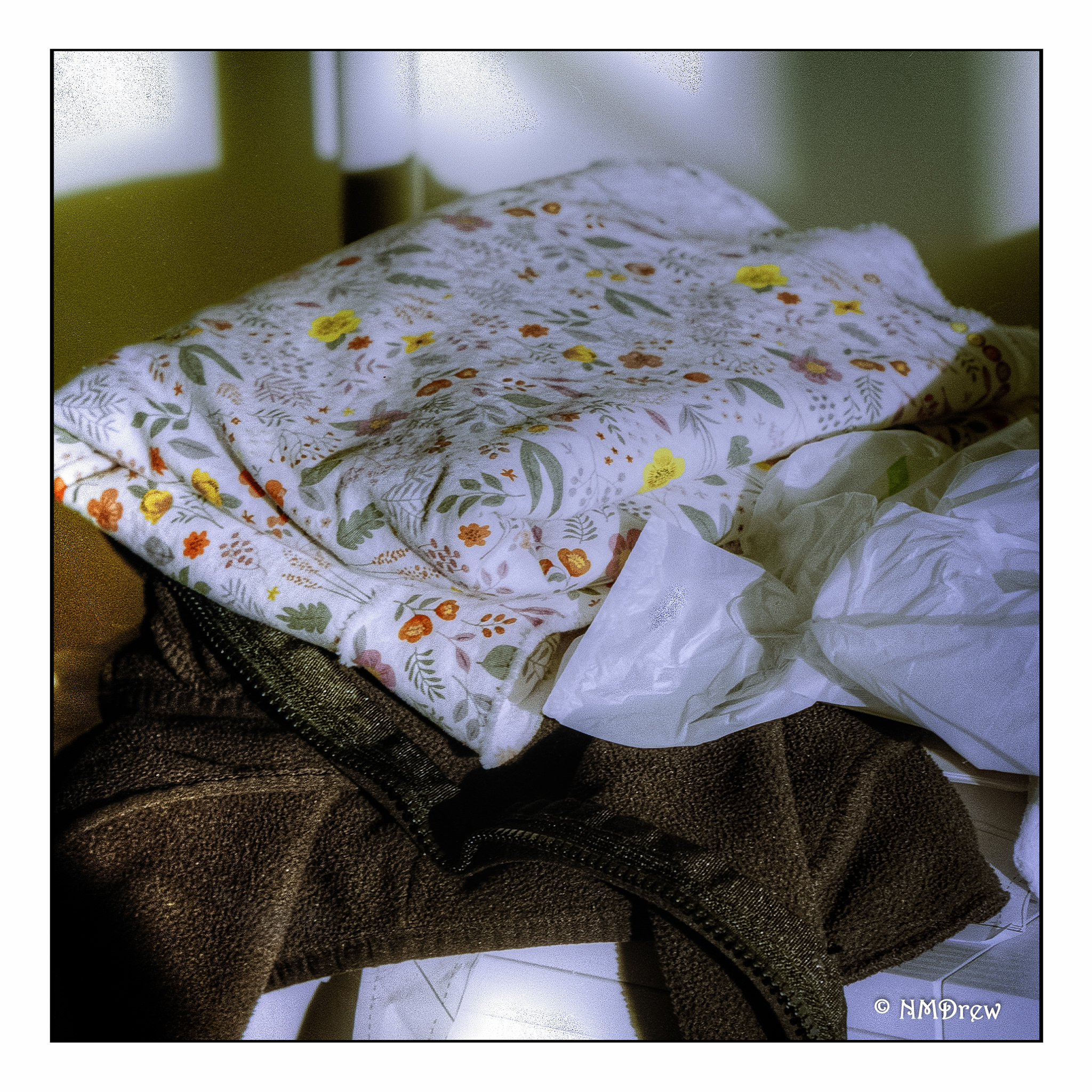
Sewing projects – summer blouses of 100% cotton are nearly impossible to find these days. Everything has spandex. I hate buying clothes these days because of it – all it does is make me sweaty. I guess it’s time to learn how to make pants, too, because of all that crappy spandex. Or start wearing dresses.
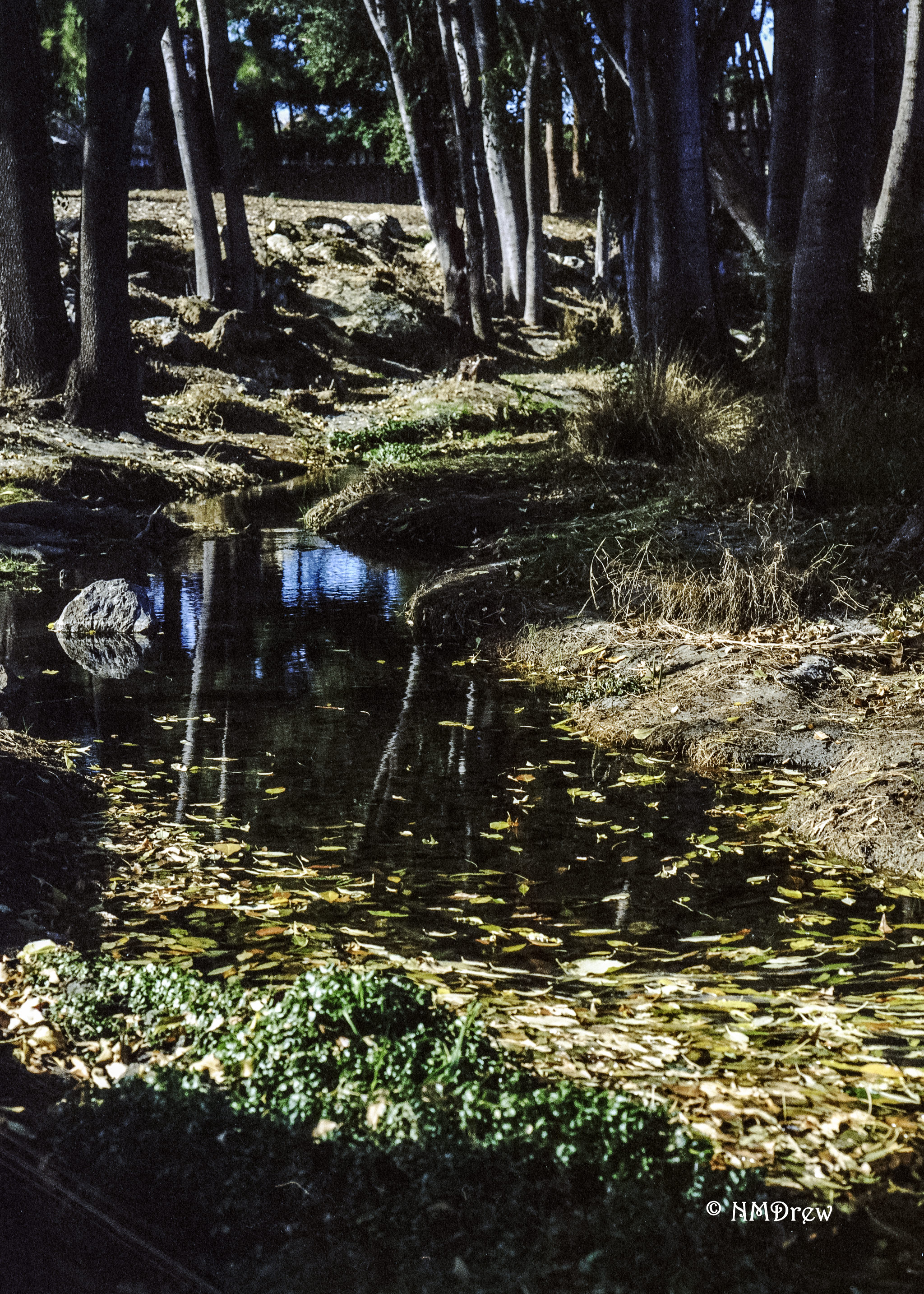
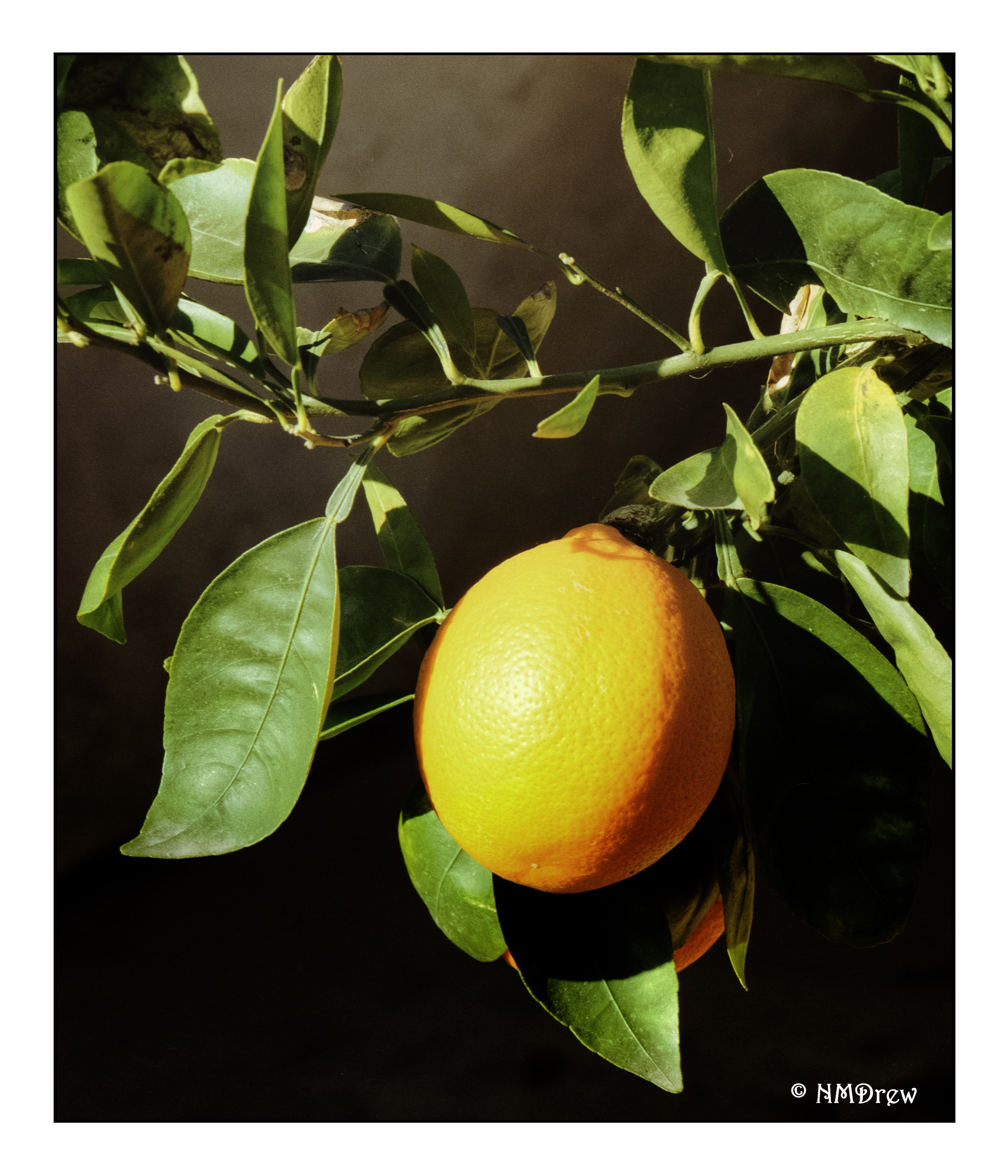
This is another metered image from the Pentax 6×7 on Lomo 100.
Recently I acquired a Pentax 6×7, probably from the earliest manufacturing date of 1969. It came complete with a 135mm f4 macro lens and an eye-level viewfinder. Of course, other lenses are available, as well as a waist-level viewfinder.
The first roll of film I shot was rubbish. Only 3 of 10 images emerged, and all were dreadfully under exposed. Having read that the loading of the 120 into the Pentax 6×7 could be tricky at times, I loaded up Lomo 100 color negative film into it twice. Light meter and tripod.
The results were very good. I had a very limited number of images as the goal was to bracket and see how upping the f/stop and dropping the exposure all worked. I am of the opinion that the shutter needed to be warmed up simply because all my images were exposed.
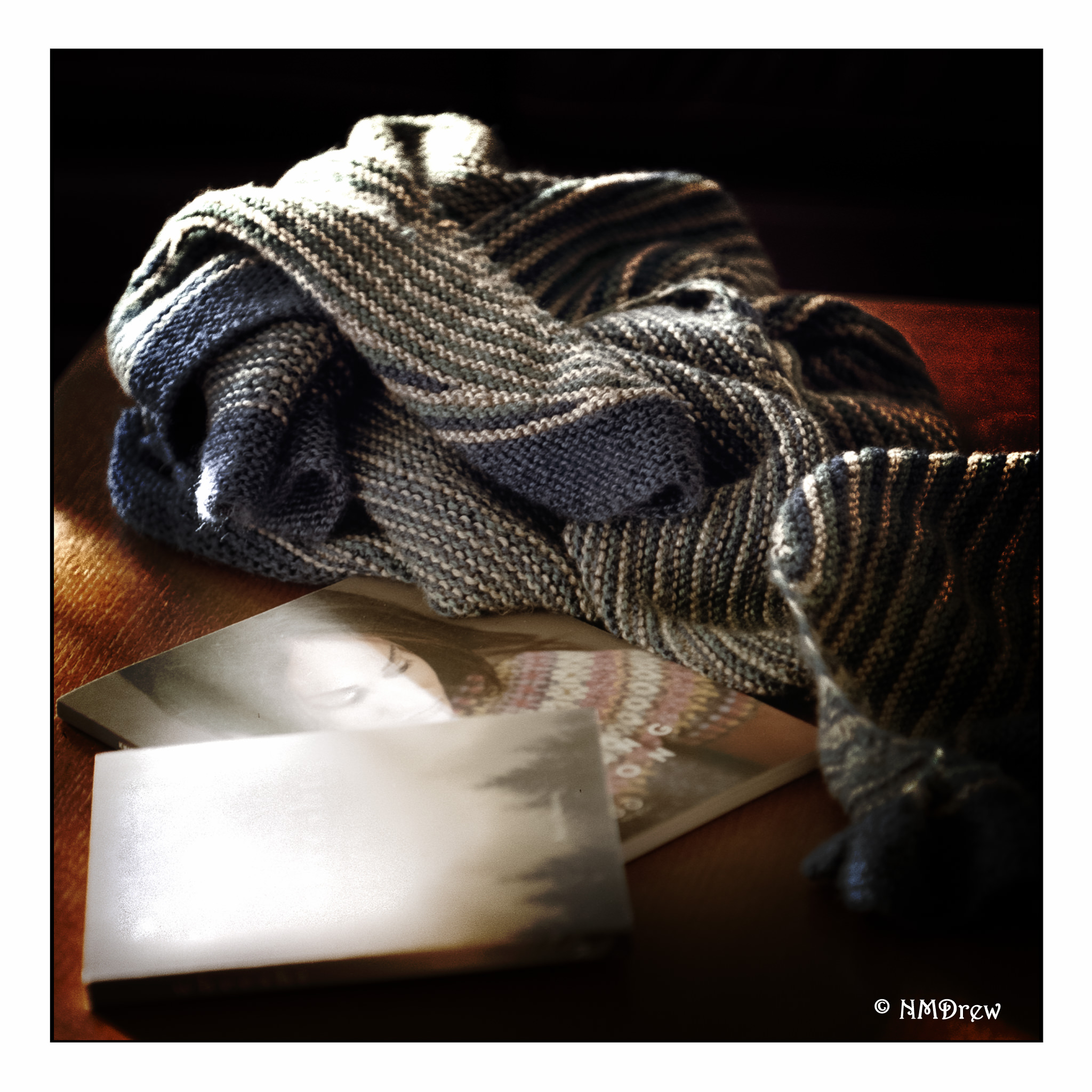
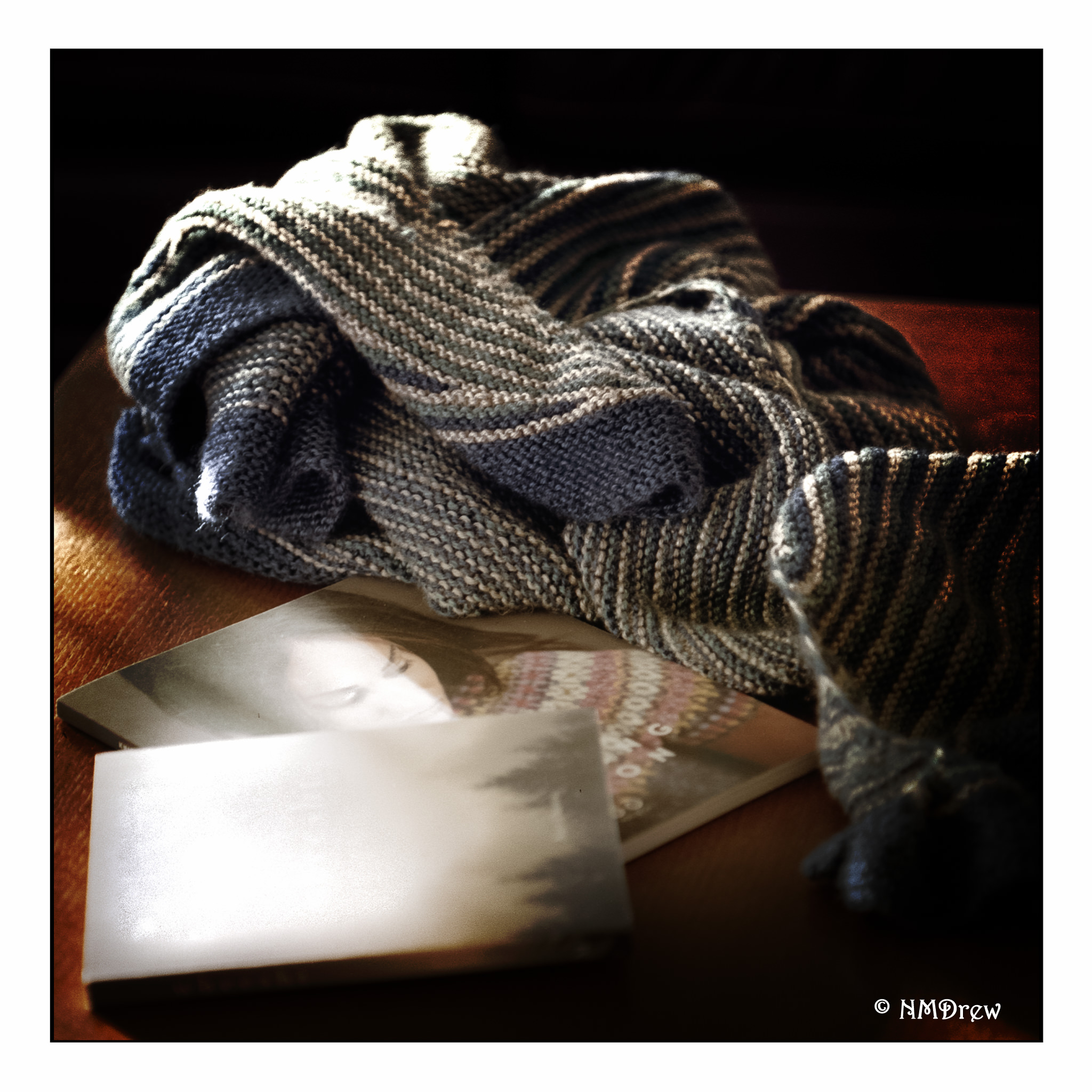
I took this picture to capture the light falling on a table, a couple of books, and a shawl early in the morning. There are 3 or 4 images of this, bracketed, so I decided it would be fun to merge them into an HDR. Photomatix did the trick. Composition isn’t great, but the colors are good. The sharpness of the lens also becomes evident.
The end result is the camera is being kept – I seriously considered returning it. Now I see adventures ahead for the two of us!
Awhile ago I decided to move more into the medium format world of film photography. I have a Yashica D TLR (6×6) and a number of 6×6 folders from varying years, a 1930s 6×9 Voigtlander folding rangefinder, and now have a Mamiya 645 (6×4.5) and, the latest, a Pentax 6×7 beast with a 135mm f4 macro lens. This last one is the subject of today’s commentary. You can google it, as well as read about it here on Wikipedia. It’s not something to take lightly – it’s quite the weapon!
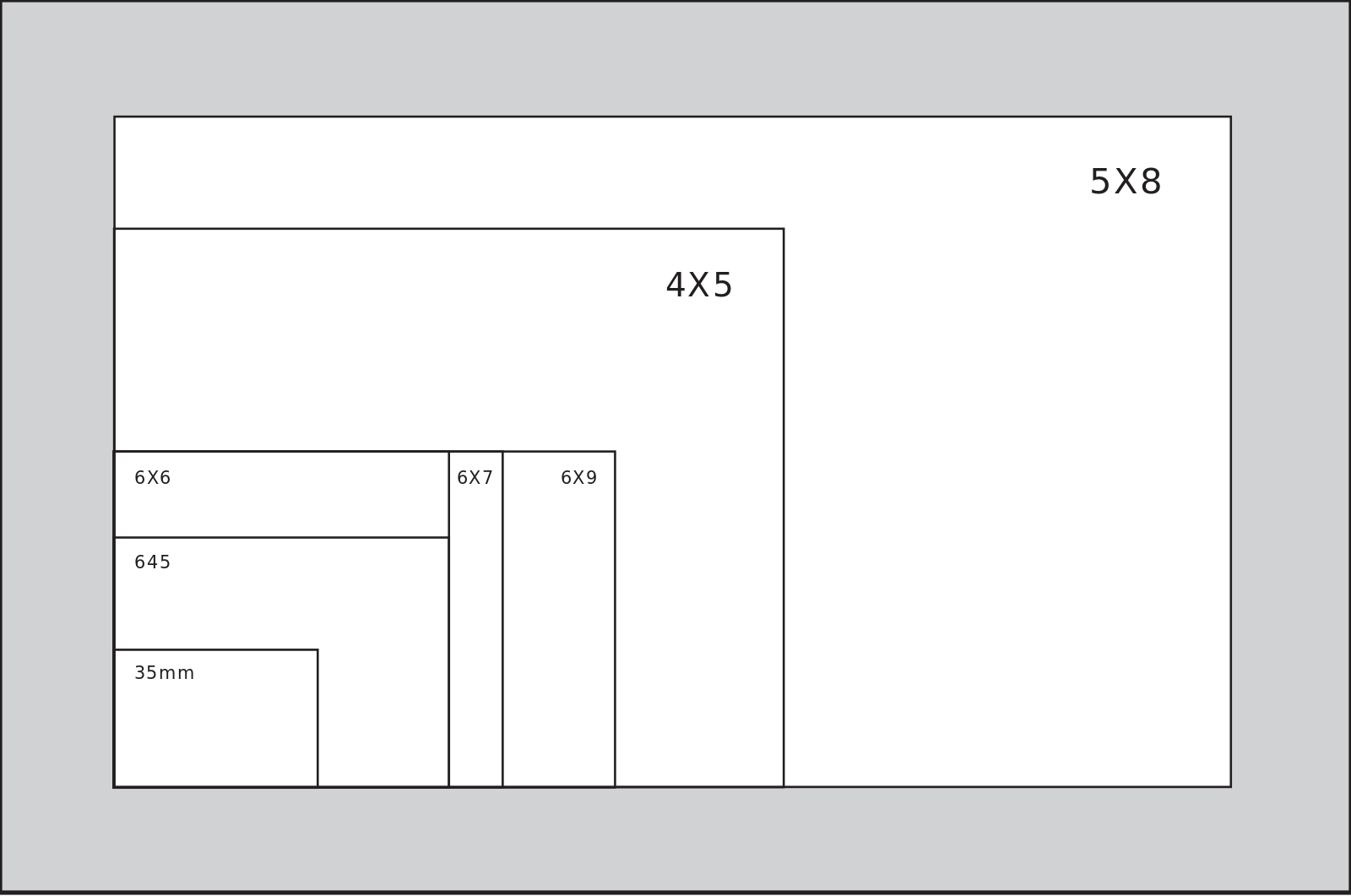
Okay! First, as the name implies, it takes a 6×7 size negative, which is big, big, big. Not as big as a 6×9, but still bigger than a 35mm by a lot. Here is a good article on the size comparisons, complete with images.
I would imagine that, as with digital, the larger the negative, the more important the quality of the image – focus, sharpness, and so on. Of course, film is not digital and has its own personality, but it still needs to meet certain criteria, I am sure.
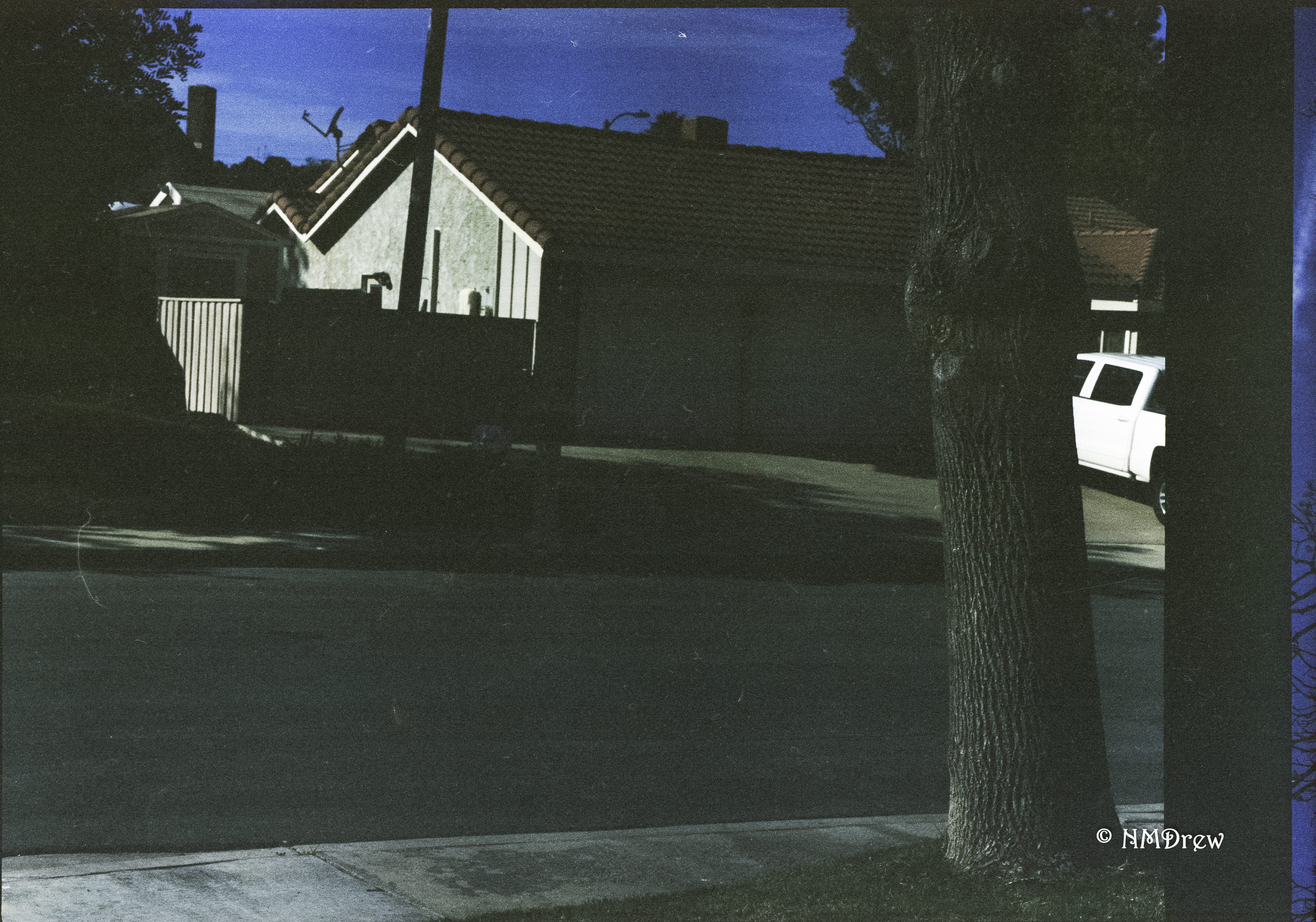
The first roll of film I ran through the camera was basically a disaster. 3 out of 10 images were there, and all were under-exposed. For Portra 400 film, they were trash. This made me wonder about the camera – does it work, are there problems? Having read about the camera and the trickiness of loading the roll of film, I gave it another try with two more rolls. The first three photos below are the first roll.
The one above was worked on in post, just to see if anything could be done with it. Not much could be to save it from its ugly self. The ones below are SOOS (scanner), and they are really awful, too.
To make the decision to keep or return the camera meant I needed to do some photography in a very controlled environment. I needed to check the aperture and exposure factors. Out came the tripod and the light meter. Bracketing and moving things around. I took about 20 pictures in about that much time – maybe longer – and documented what I did. In doing so, I learned a bit more about the camera and the lens, as well as had a rather scientific bit of testing.
The effort was worth it, and I think that this beastie is going to be fun, and a challenge to my normal scatter gun approach to things. Below are the results, taken using Lomography 100 Color Negative film (120), with some cropping and touching up in post. I didn’t check for spots, come to think of it, so I may need to do that, too. I did clean the negatives before scanning, and used Digital Ice in the scanner . . .
Altogether, very pleased with this camera and the lens. Lomo 100 did a fine job. It’s doing quite well for a camera that dates from ca. 1969 (older than my husband!). I think I want to get a waist-level view finder for it and probably some shorter lenses. The Yashica TLR is a waist-level viewfinder camera, and I really enjoy that; hence, a waist-level viewfinder for the Pentax, and perhaps the Mamiya. Unlike all my other medium format cameras, the Mamiya and the Pentax allow for lens changes and other bits that the Yashica and the folding cameras do not have. That is for the future, though, as I think this camera has a lot to teach me in the meantime.
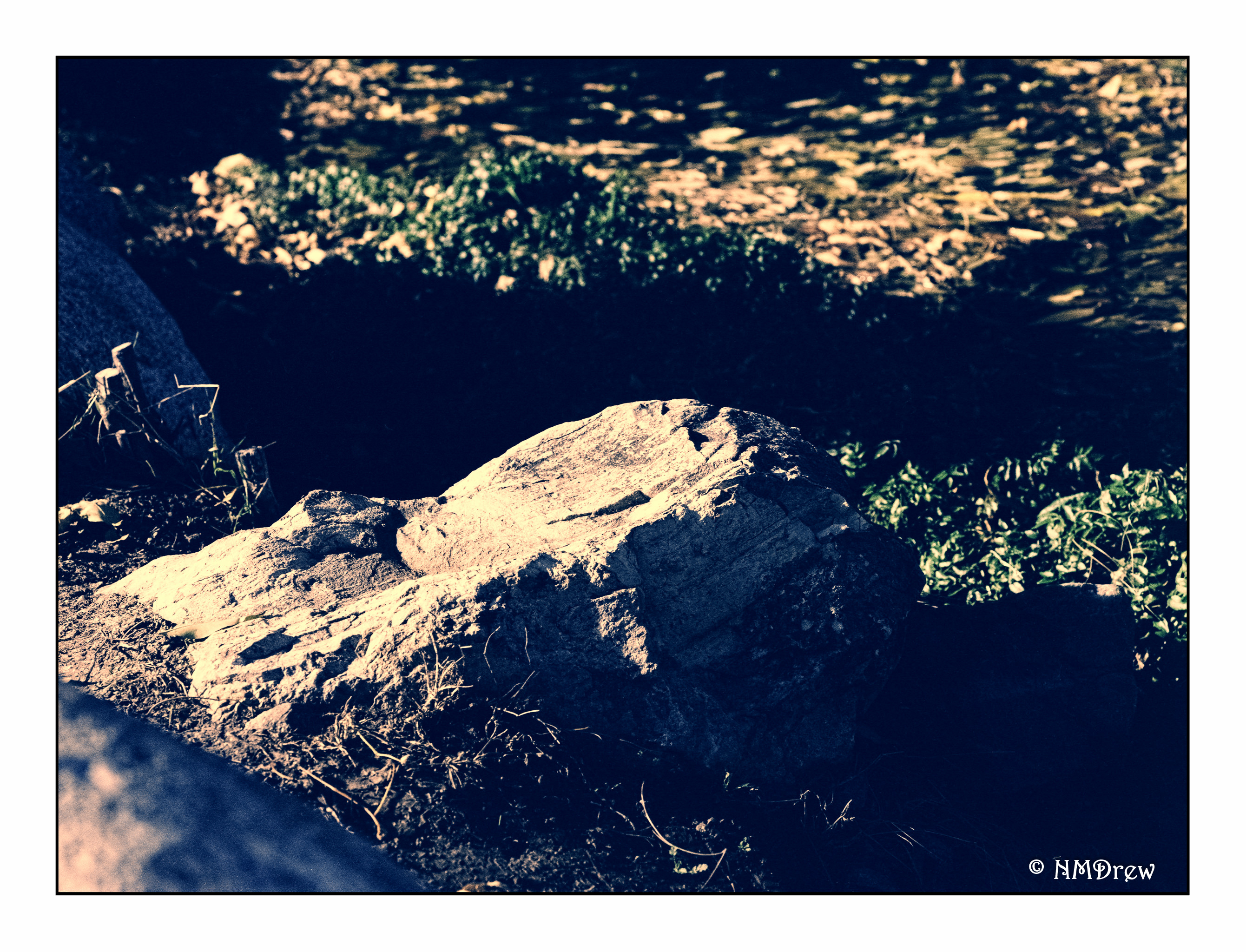
No, not “the rock” known as Alcatraz, but a rock in the park down the way.
This is only one of three images that were exposed on a roll of Portra 400 on my new-to-me Pentax 6×7 with an 135mm f4 macro lens. First roll of film is very disappointing. Apparently, rumors on the ‘net say, there can be issues loading the film.
It also looks as if there could be exposure issues with 7 missing pictures, but let’s ascribe that to user error until I get a second roll through it, logged for subject and exposure, to see what’s up.
This roll was Portra 400, and it’s a sad statement at the present. Sooooo underexposed, and the pictures are essentially worthless except to see what happens.
I am not happy. I have another fortnight within which I can return the camera . . . but I did test the sounds of the exposures and they seem okay. Thus, let’s wait to see what happens in this next roll.
To even make this image somewhat presentable, I messed with it rather a bit – doesn’t even resemble Portra, much less the original image!




 Ink, Yarn & Beer