
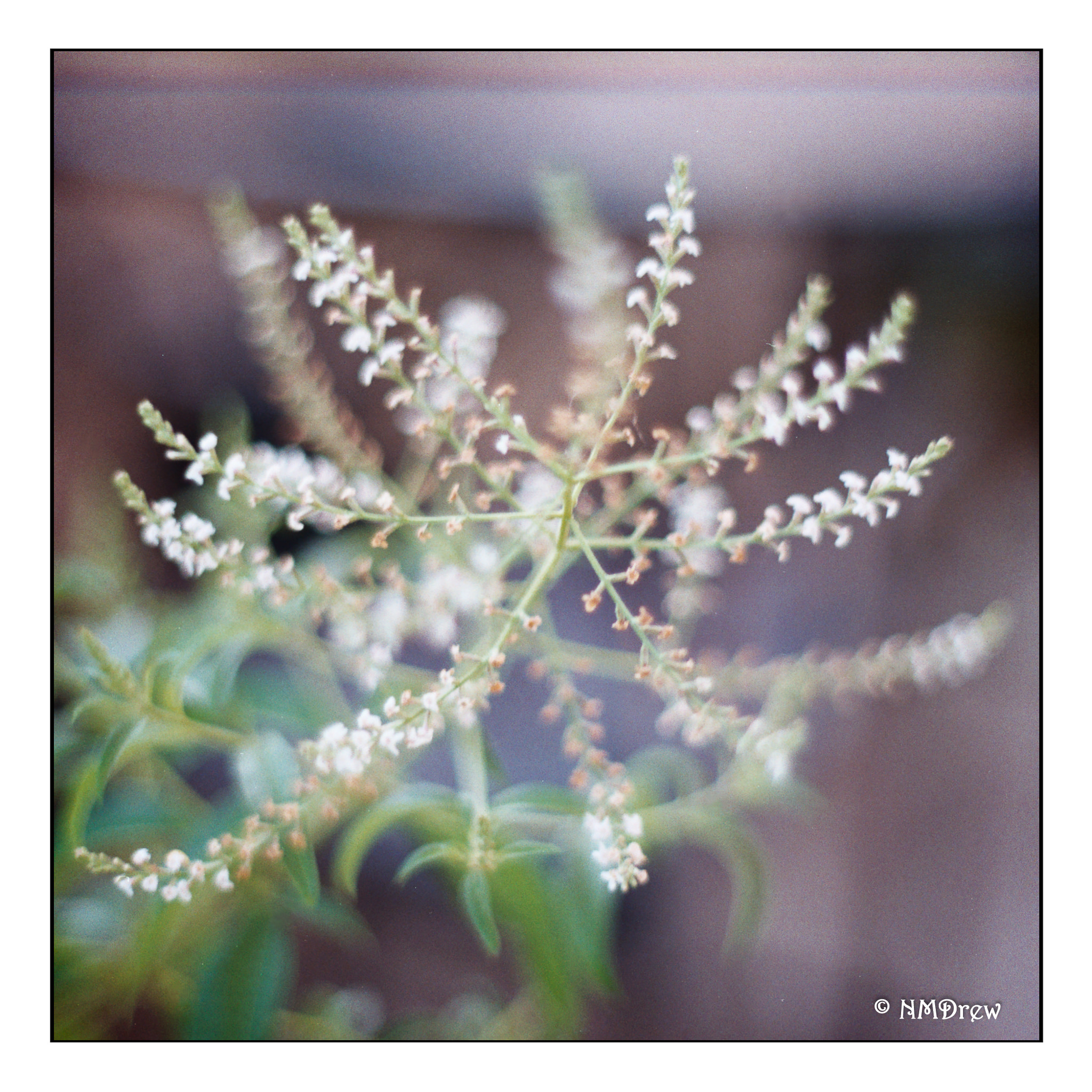
I have a beautiful lemon verbena bush in a pot on the patio, and each time it blooms I think I need to do something with it. For some reason, lemon verbena pound cake struck a cord, and over the past several days I have been looking for something that sounds good. Nothing really did, so with a few web recipes, and some cook books, I made up a recipe. I dragged out the big grey monster (a.k.a. the Kitchenaid Mixer), bowls, pans, and assembled myself a cake with fresh lemons from the neighbor’s tree, lemon verbena from my bush, and a bit of elbow grease.

Lemon Verbena Cake
2 sticks (l c.) sweet butter
2 c. white sugar
4 eggs
2-4 T. fresh lemon verbena leaves, rinsed and chopped fine
Lemon zest from 1 or 2 lemons
Juice of 1-2 lemons, placed in measuring cup
Half-and-half to make one cup, added to measuring cup with lemon juice
1/2 t. salt
1 t. baking powder
1 t. baking soda
3 c. King Arthur’s unbleached white flour
Method
Preheat oven to 325 F for convection oven, or 350 F for regular oven. Place rack in middle of oven.
With about a tablespoon of soft butter and some waxed paper, thoroughly grease a 10-inch bundt pan. Make sure to get every crevasse and nook filled up. Dust with a generous amount of flour, and tap out remainder. Set aside. (I took my butter and pan outdoors to hasten the process – hot sun, melty butter!)
In mixing bowl, beat together butter and sugar until light and creamy. Add eggs, one at a time, beating in thoroughly. Add chopped lemon verbena leaves and lemon zest, beat some more.
In another mixing bowl, sift together flour, salt, powder, and soda. Alternately add the half-and-half with lemon juice (it will be curdled by now) and a third of the flour. Liquid-flour-liquid-flour-liquid-flour. Beat very thoroughly after each addition, scraping down the sides as necessary. Be sure to really beat the batter a lot – the more the beating, the finer the crumb.
Bake for 60 to 75 minutes (1 hour to 1 1/4 hours). Test by inserting toothpick into cake – if it comes out dry, cake is done. Also, check to make sure that the cake is pulling away from the pan edge a bit.
Pray to the cake-baking gods!
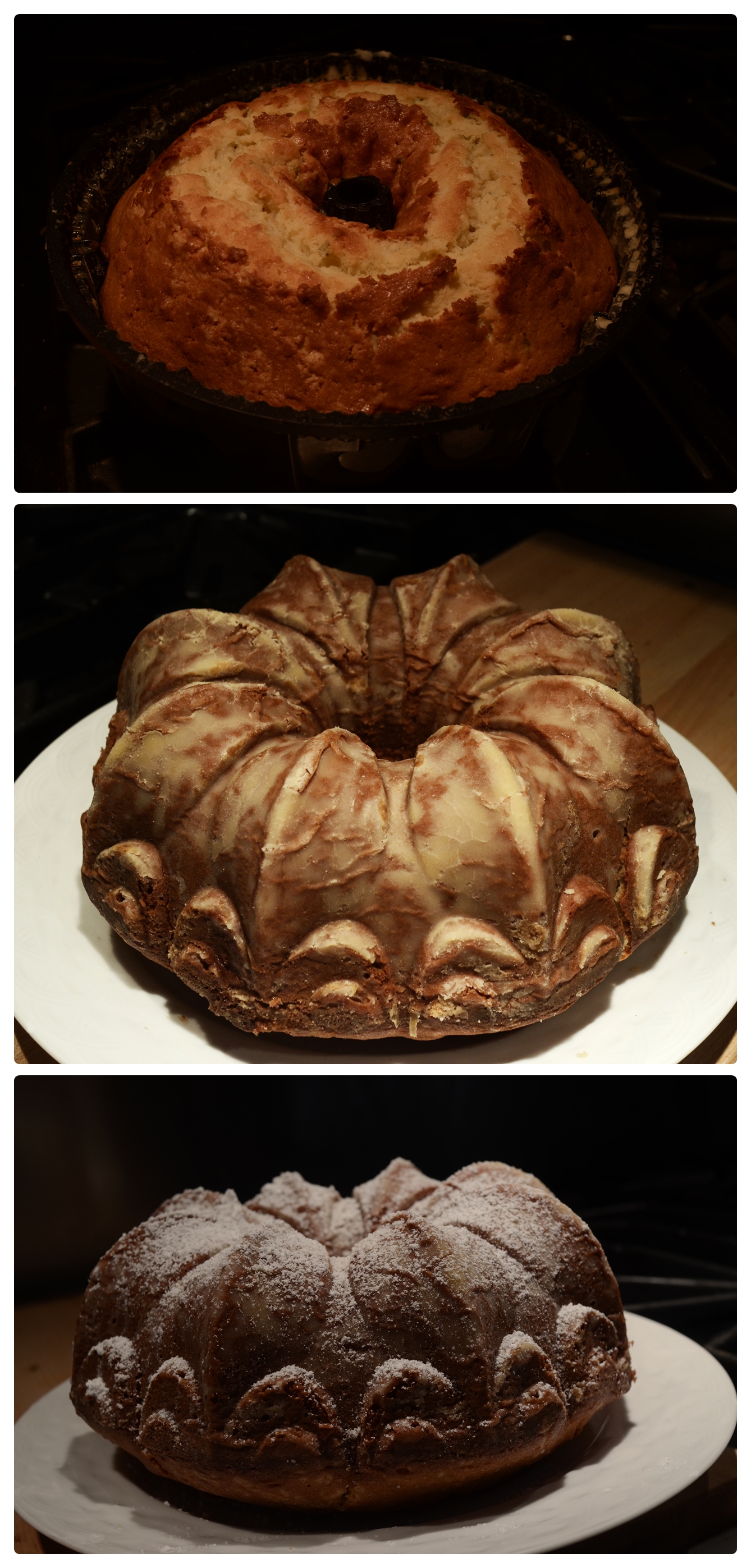
Cool cake on rack 5 – 10 minutes. With small knife, gently pry away cake edges from pan; tap on pan multiple times to loosen. I banged on the bundt pan with a wooden spoon after I took the cake out from the oven, and used a filet knife around the center tube and around the edges of the cake. After this, I placed a plate under the cake, tapped some more, and it came out very nicely.
My cake took about 1 1/4 hrs. to bake; I let it cool 15 minutes before inverting it onto a plate. While the cake was still warm, and I wanted to flatten the bottom a bit, I pushed on the cake with a towel until I was happy. Also, I think my generous buttering of the pan, along with a proper cake-god dance, did the trick. I finally just dusted the cake with a bit of powdered sugar, through a sieve, because I do not care much for glazes.
Altogether, I am rather pleased with myself!




 Ink, Yarn & Beer