Sketching with Iron Gall Ink and Watercolor

Long before we had metal dip pens, artists drew with reed pens and with quills cut from the pinion feathers of a swan, turkey, or goose.  If you look at the ink sketches of artists such as Rembrandt or DaVinci, you will see some very common characteristics.  The ink lines vary in width – narrow, wide.  Often the ink is brown, and so those not in the know think that brown ink was a thing way back when.  In reality, it is the degradation of iron gall ink (aka oak gall ink) through time.  When initially laid down, it was black.  With time, it turns brown, and with a lot of time and depending on its degree of acidity, the iron gall ink can destroy the paper and drawing.

Over the past week, I have been playing with iron gall ink and a quill pen I cut from a turkey feather.  I have some homemade iron gall ink nearly done – come Thursday, it will be ostensibly ready to use.  Today, because I am finally at a point where I have time to play, I drew with iron gall ink and my quill, and then applied watercolors.  The ink took its sweet time drying, and I didn’t blow dry it, but let it air dry or blotted it to see what would happen.  As it is a damp day, it took awhile.  Anyway, the following three pictures were first done with the ink, dried, and then painted in with watercolor.  If you look at the pen strokes, you will see variations.  I’ve never drawn with a quill before, so it was a new experience, one quite different than with a dip pen or fountain pen.

Kumquats – Ink
Kumquats – Ink and Watercolor

The kumquats were the very first drawings I did with the quill and ink.  I had to really think about textures.  You see, when you use iron gall ink, it begins as a light grey, but as it is exposed to the air, it becomes darker and darker until it is black.  This made values a challenge!

Bamboo Forest – Ink
Bamboo Forest – Ink and Watercolor

Here, the ink in the picture was not quite dry, and some bled into the watercolors as I lay them down.

Market Melons – Ink
Market Melons – Ink and Watercolor

For the melons, the ink was taking forever to dry!  I decided to see what would happen if I blotted the ink.  The result was smudges, which you can see throughout the picture.
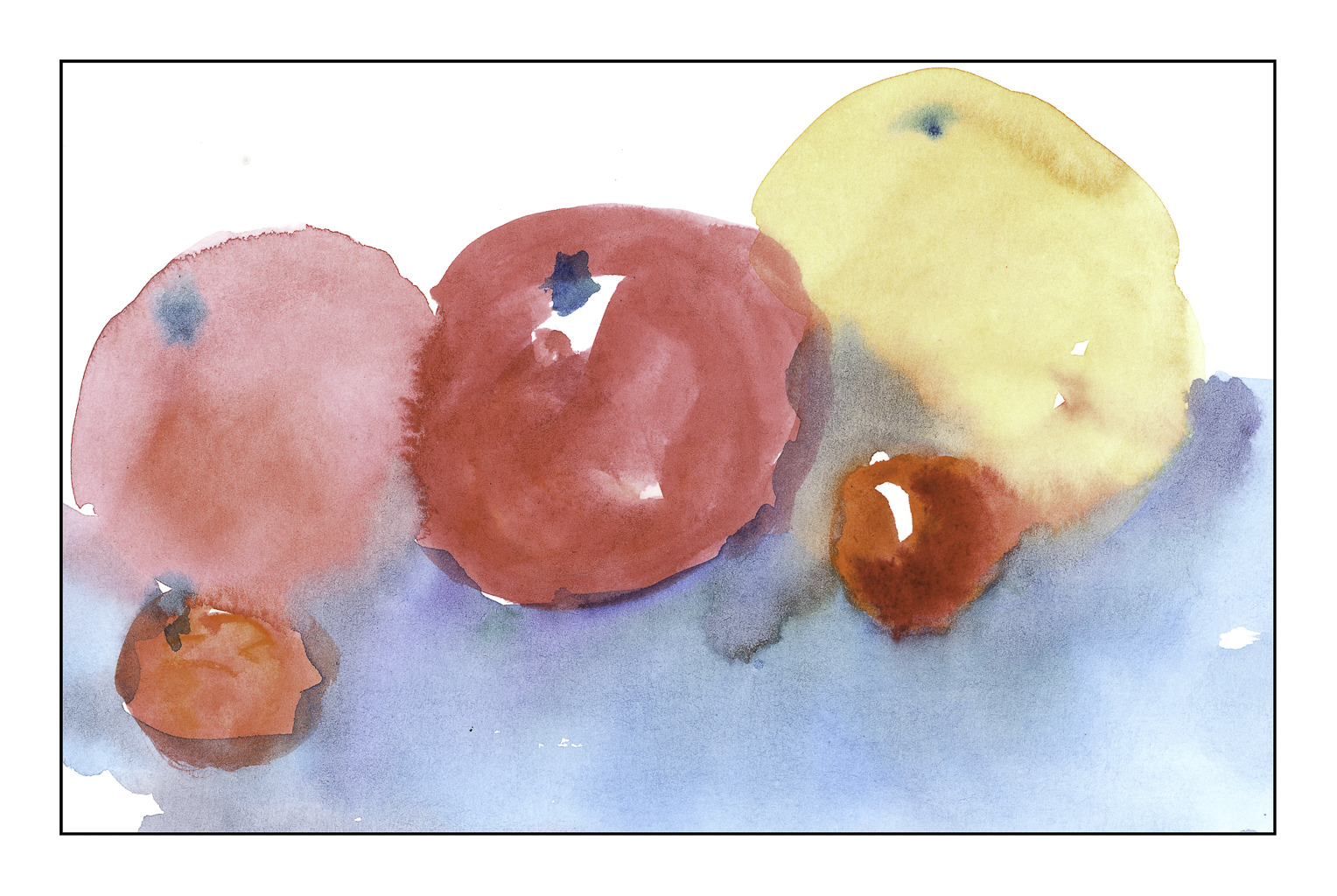
Fruit – Watercolor
Fruit – Watercolor and Ink

This final set was done with a sketchy watercolor.  No thought was really given to composition or to color as I wanted to use the ink to express outlines, shapes, and shadows.

Altogether, this was a lot of fun, and for me there is a potential I hadn’t really thought about in getting a sense of history by using historical tools – quills, iron gall ink – that were once the best technology had to offer.  I wonder what Rembrandt and DaVinci would think about paints in a tube, rather than the task of purchasing, grinding, and creating their own paints . . . perhaps they made their own quills and inks, too.
The Art of the Written Word

This past week or so has found me wandering into another element of water-based media:  Ink.

Ink is used in drawing, but it is also used in writing, whether using the Roman alphabet, Cyrillic, Arabic, Hebrew, Chinese, Japanese, or any other form of an alphabet for any one of the myriad of languages found throughout the world.

Making ink is an art, and that means knowing something of chemistry (no matter how simple) and permanency.  Ink is black and ink is colored – as are paints.  This past week has found me suddenly distracted by the making of iron gall ink, also known as oak gall ink, and cutting quills from feathers.  You can read about my adventures here, here and here for starters.  You can return to Ink, Yarn, and Beer for more updates, too, if you want.

Consequently, I have not had much time to paint or draw as I have been spending a lot of time reading about ink and quills in particular, as well as watching videos on the same.  This morning, I came across one which rather blew me away as it is global in nature, but local in artistry.  Huh – what does that mean?  Take 30 minutes of time to be quiet and to watch . . .

Chemistry Magick & A Quill Scraper

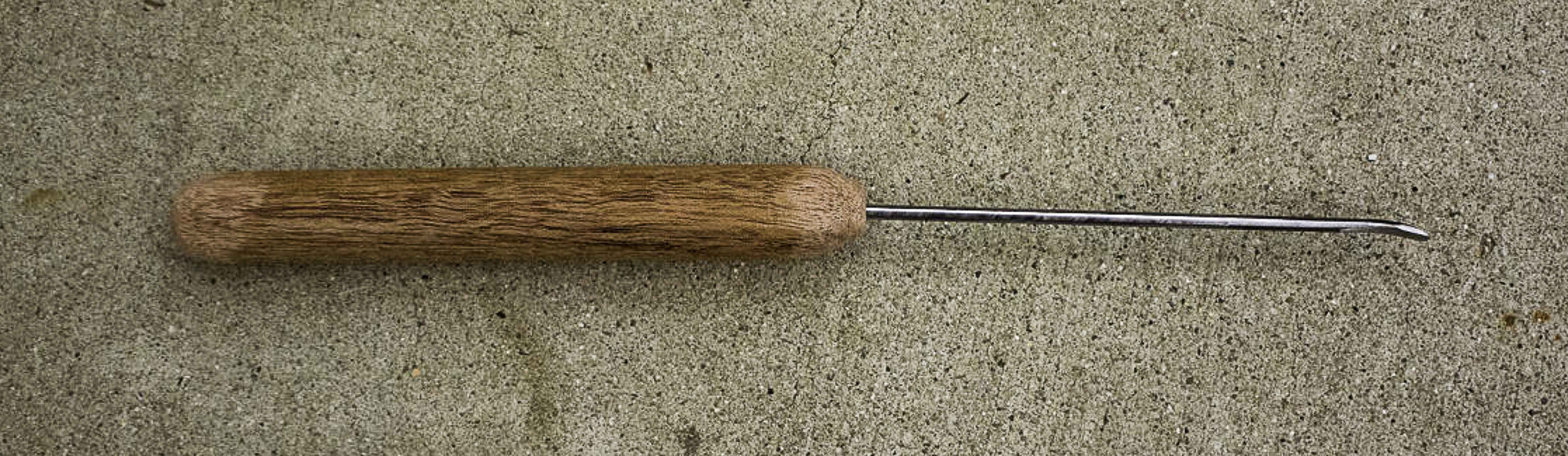
Early this morning, Josh and I went to the hardware store.  We bought supplies for Thursday’s indigo dyeing adventure and a piece of steel wire to make a quill scraper, a tool used to scrape out the membranes inside the feather’s quill, which is where it attaches to the bird.  Once home, Josh headed out to the garage, and within about 45 minutes produced a scraper, similar to the one found in yesterday’s quill cutting video with Mr. Ruud.  All told, it measures about 8″ in length and is a dandy little item.

Quill scraper made with a piece of steel wire, inserted into a wooden handle. End shaped and bent. Total length is about 8 inches / 40 cm. Works very well!

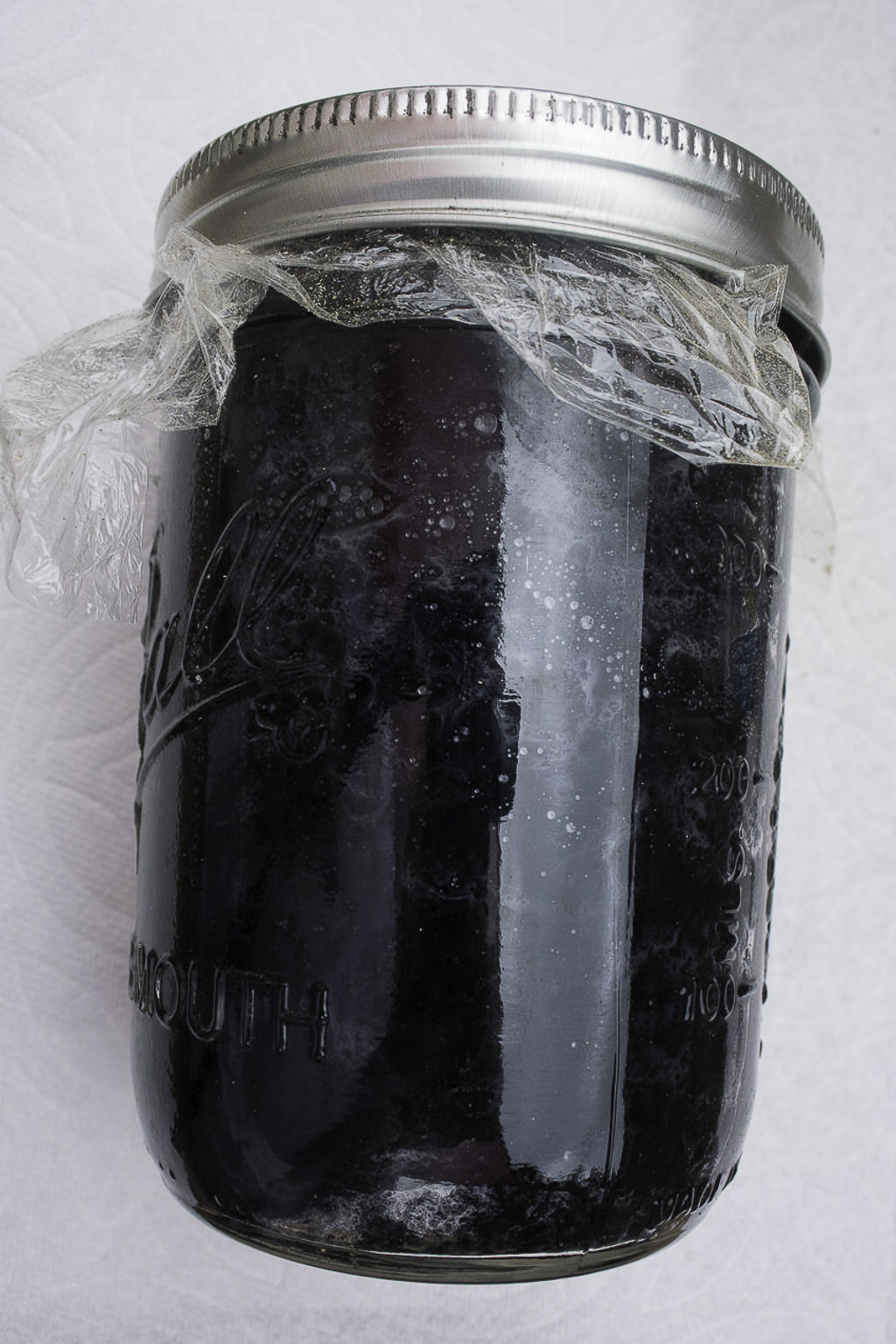
And then, a bit of housework – dusting! It’s gotta be done – a bit of lunch, a nap, and onto the magic of adding Ferrous Sulfate Heptahydrate to my slightly fermented jar of oak galls.

Ferrous Sulfate Heptahydrate was not hard to find.  I bought it from Amazon and had it within a day or so.  The jar is about 113 g. – I need 50 g. for the ink.  Thus, I weighed it out.

From here, it was time to add it to the oak gall mix, which has been out in the sometimes-sun since Saturday. I shook is multiple times everyday.

And now – oh, this was so exciting and beautiful! – the addition of the Ferrous Sulfate Heptahydrate to the oak gall mixture!

Ferrous Sulfate Heptahydrate as it settled into the oak gall and water mixture. So lovely!

And now, shaken up, the dark ink of the Iron Gall Ink!

Shaken mixture of Ferrous Sulfate Heptahydrate and Oak Galls!

And now, another 24 hours out in the sometimes-sun. Stay tuned for the addition of Gum Arabic (25 g) tomorrow!

The First Quill

While we wait for the ink to ferment, along with kimchi (more later!) and the current batch of beer, I have taken some quills to begin to re-learn how to cut them.  What an adventure it has already proven to be.

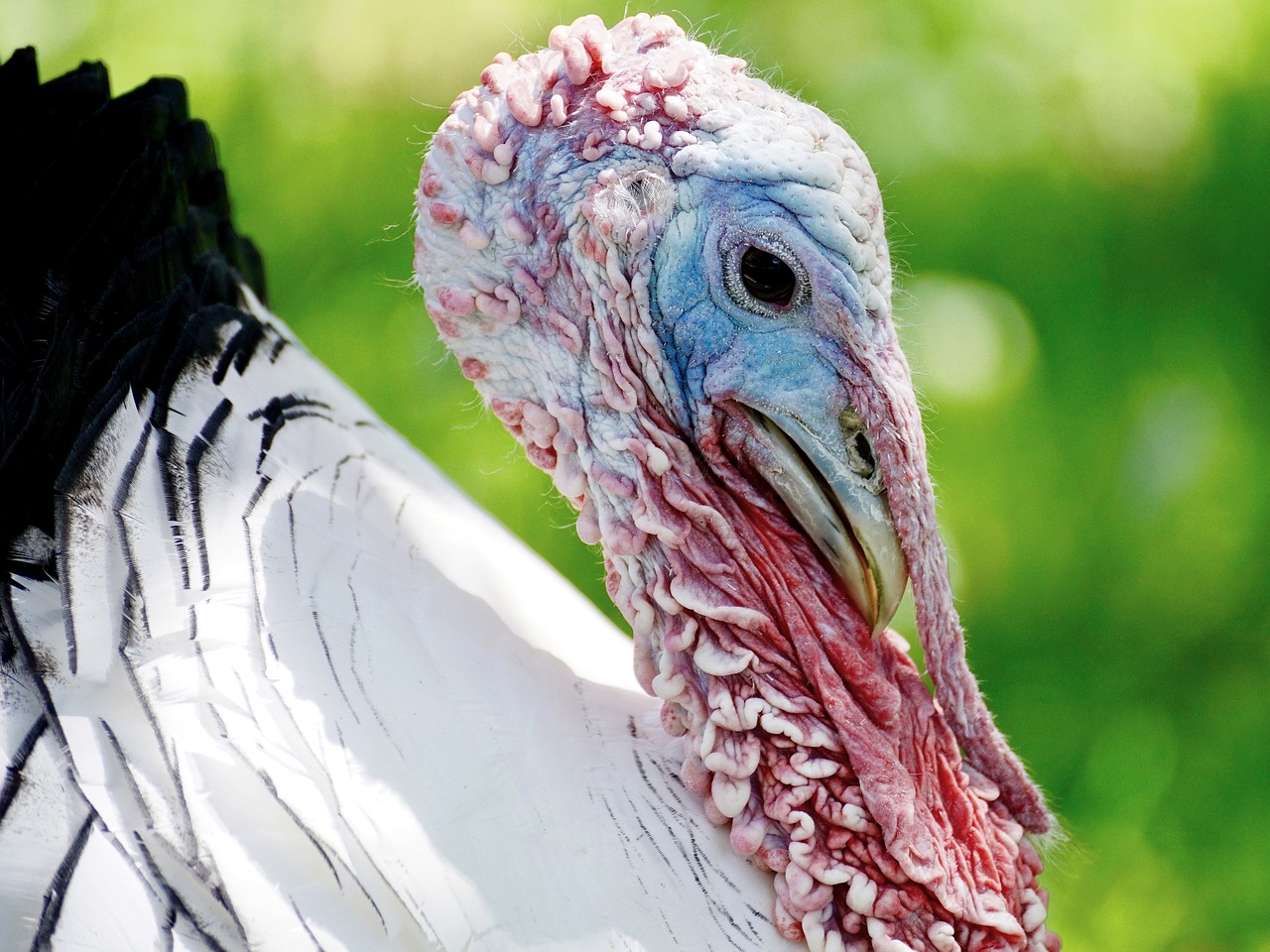
To begin with, I bought a quarter pound of white turkey feathers from a local feather company.  They are white, and what I was able to do was to look at the diameter and width of the quill part – not the feathers, as they are not important – but the thickness and length of the lower end of the feather, the part to create the nib of a quill pen.

Yesterday, I stuck the quills in a glass of water to soak overnight.  I made sure there was enough water to cover the lower end of the quill up to where the first barbs begin.  One feather had its tip intact, but the remaining four had been cut away or removed.  According to varying sites, the end should be cut away prior to soaking.  After soaking the quills, I attempted to do the following, in this order:

  • Scrape out the membrane within the quill.  I used a variety of things, some of which were more satisfactory than others – in particular, I used a couple of threading hooks for my spinning wheels.  They weren’t especially good.  Nor was a bent paper clip or seam ripper.  I have seen scraping tools fashioned out of bicycle spokes and mounted in a handle – I will try to devise one over the next few days.  The soak in the water gave the feathers a rather fowl (yes, deliberate pun!) smell – light and rather disgusting.  Perhaps they soaked too long.  The next round of quills, I will try to remove the membrane without soaking them overnight, and then move into heating them, as in Step 2 below.
  • After scraping out the membranes – none really seem to become clear as suggested by varying videos on YouTube – I hardened the quills in hot sand.  I put some fine sand into a sauce pan on the stove and heated it up.  I heard you can spit on the sand (or sprinkle some water drops if you are disinclined to spit) and if you hear a hiss, the sand is hot enough to harden the quills.  I measured the temperature of mine, aiming for 350 F, and ended up with a bit more.  From there, I moved the pot onto a trivet on the patio, and inserted sand into the quill tips and left each quill to clarify (what it is supposed to do) for about a minute.  I cycled through the quills.  At times I could hear the quills hissing in the sand – water evaporating or the sound of scorching from touching the bottom of the pan?  Three quills were scorched, and two were not.
  • After the hardening / clarifying process I looked at my quills.  They looked kind of sad and did not smell delightful.  After choosing a scorched quill, I watched this video by Dennis Ruud, a master quill cutter. 
  • While I did not follow all his steps, I did attempt to create a quill as he did – with some success.  My first quill was not at all clarified, nor was it especially good.  Still, the process of learning was most important.  The fact the quill was rather scorched and deformed meant I had to cut off a lot of the area that would become the nib.  Wah!  Still, I made the attempt – and was really rather pleased with the result.  I used different Xacto blades for the final product.
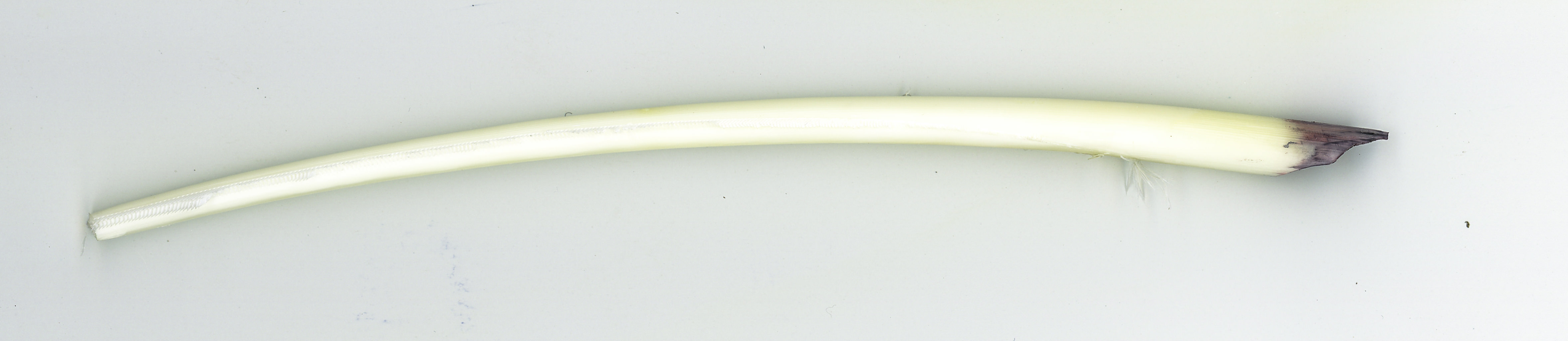
  • Finally, I stripped away all the feathers using slices from the Xacto knife as well as trimming them with scissors.  Ultimately, all I was left with was the shaft and a nib, total length about 8 inches / 20 cm.

  • And then I practiced writing . . .

The quill nib was broader than I would have preferred, but the pen held up well despite all the flaws.  The paper itself is very smooth, and having a hard finish, not especially absorbent.  As a result of both the hard finish on the paper and the broad nib, it took a bit of time for the ink to dry.  I tried script and printing using the quill turned to about 35-45 degrees to create a thick-thin element.  Still, for my very first quill in ages and ages, I was pretty darned pleased with it!


Oak Gall Ink: What To Do


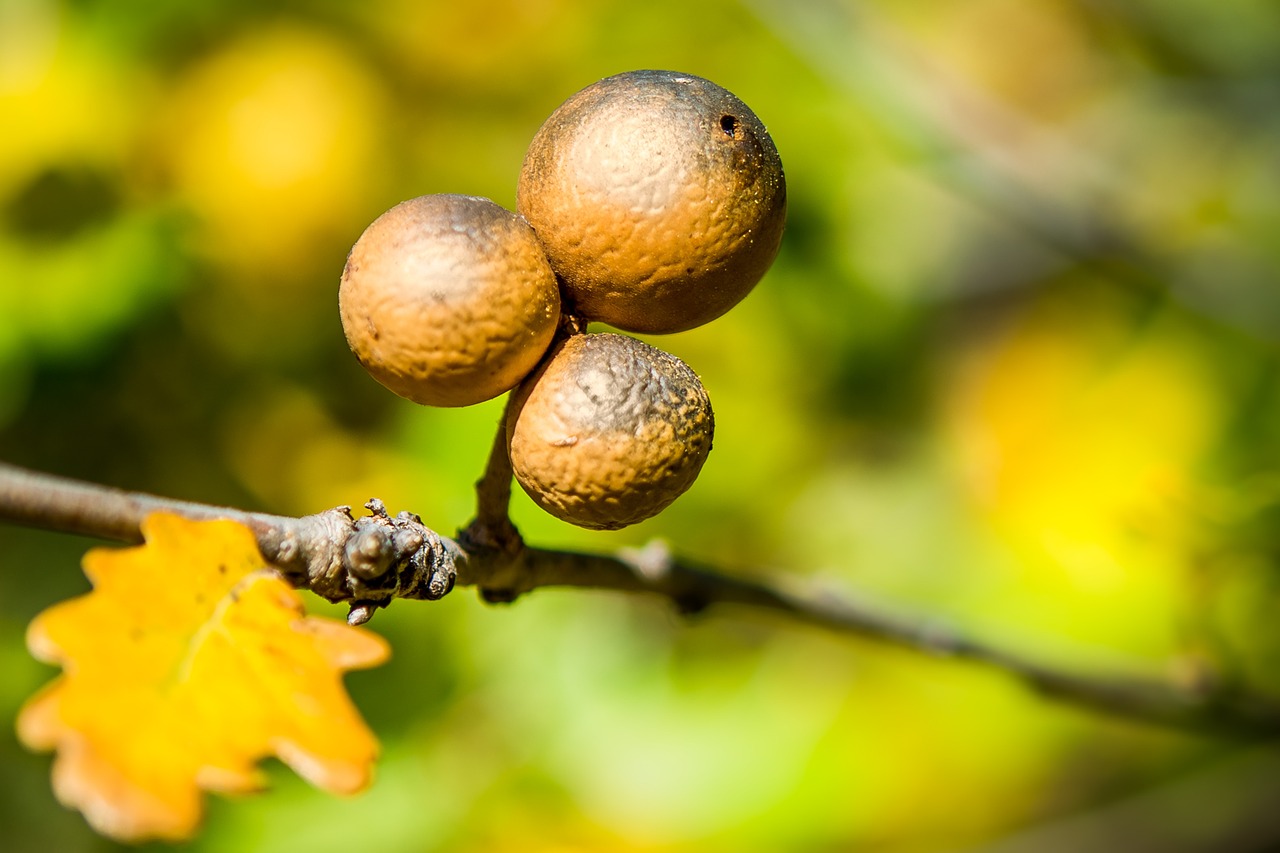
If you were to google “oak gall ink” a bazillion links turn up.  Videos, message boards, recipes, historical documents are revealed to the unwary.  In particular, there are two ways in which oak gall ink – also known as “iron gall ink” – may be made.  One involves the simple crushing of oak galls and then steeping them in water (distilled is probably the best choice as  there are no chemicals to interact with the galls), and the other is a 2-month long ferment which gets (eww, gross) all moldy.  I’m not sure the latter is up to my tastes, but I will give it a shot nonetheless. Today, though, is the “short version” – perhaps a process lasting a week or less.

There are two sites which I think give a good indication as to the process I plan to use.  The first is this video from the British Library:

This next link is from the Schoenberg Institute for Manuscript Studies, out of the University of Pennsylvania Libraries.  I rather like the description, the detail, the grey kitty Chloe, and the historical evidence of a cat with inky paws on a manuscript.  Both are good reads, so take the time to travel a bit.

Receipt for Iron Gall / Oak Gall Ink

  • Oak galls:  80 g.
  • Distilled water:  300 g.
  • Ferrous Sulfate:  50 g.
  • Gum Arabic:  25 g.

Crush oak galls into small pieces or grind into powder using a spice or coffee mill.  Place into jar and cover with 300 ml. of distilled water.  Place in sunny window 3-7 days (depending on your life and schedule).  I plan to do 3 as per the recipe from the Schoenberg Institute.  After 3 days, there should be a dark murky liquid in the jar.

On Day 3, add 50 g. of Ferrous Sulfate to oak gall mixture; replace in sunny windows for another day.  On Day 4 add the Gum Arabic and leave for another day.  On Day 5, strain the liquid into a clean vessel and voila, ink!

Thoughts and Concerns

My first concern is I am using ferrous sulfate heptahydrate, which is apparently a hydrated form of ferrous sulfate that dissolves more readily in water than the normal.  My next concern is the ratio of oak galls to ferrous sulfate – it is 8:5, or much closer than the 5:1 and 3:1 ratios I have seen in other recipes.  The more acidic the ink, the more destructive to pen nibs, quills, and paper.  However, at this point, I’ll take it as the ferrous sulfate heptahydrate may not create such a strong acid.