A hobby is defined as something done in one’s leisure time, for the sheer pleasure of it. We all have a few. Some are solitary hobbies, some are done with others, some are a combination of both.

In today’s tougher economic times, it seems to me that hobbies become ever more important, to keep the world balanced, to keep ourselves balanced. Those of us with jobs are often very worried if they will last. Those without jobs are stressed out about no work, and frequently bored, depressed, and feeling helpless, as if there is not any value on our ability to produce.
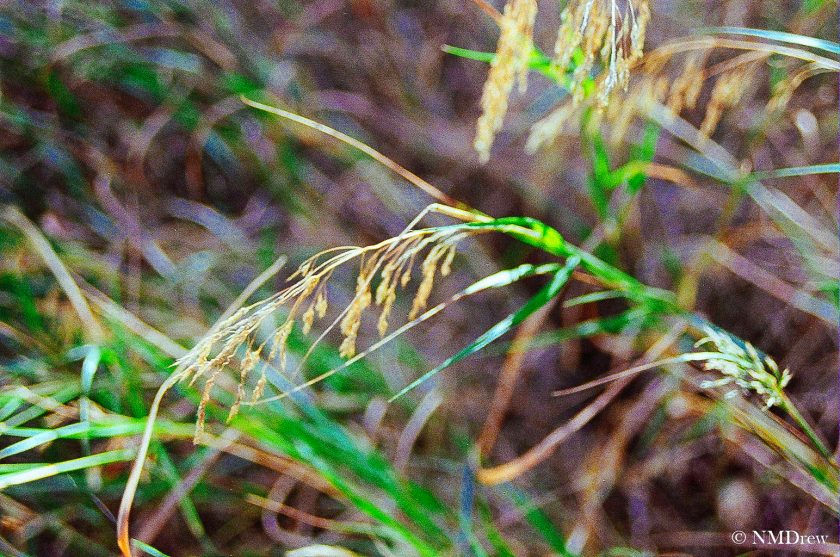
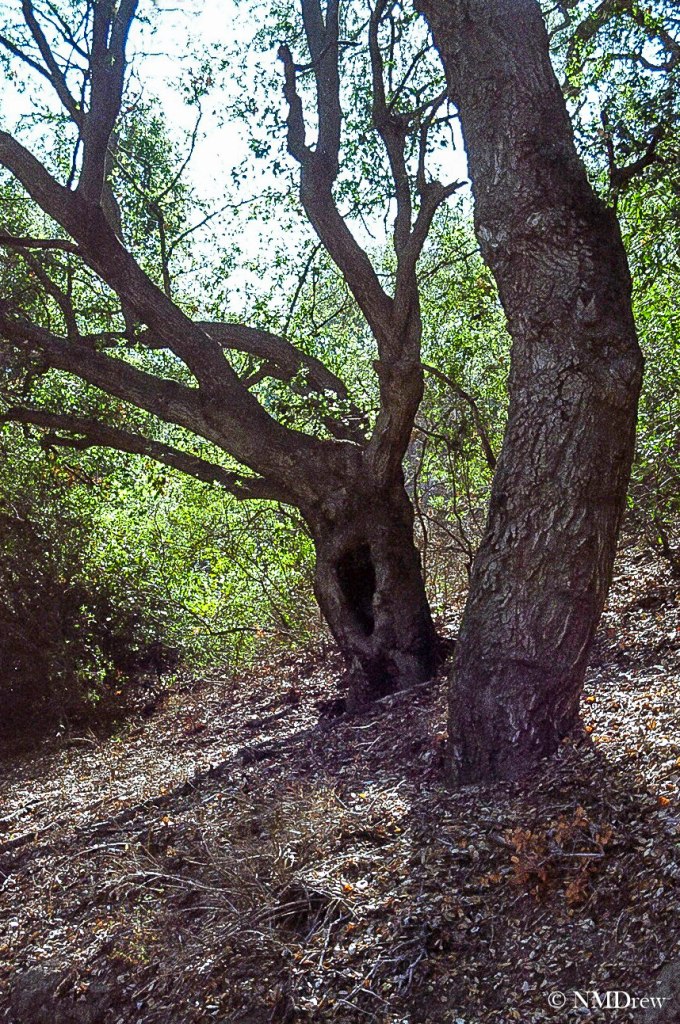
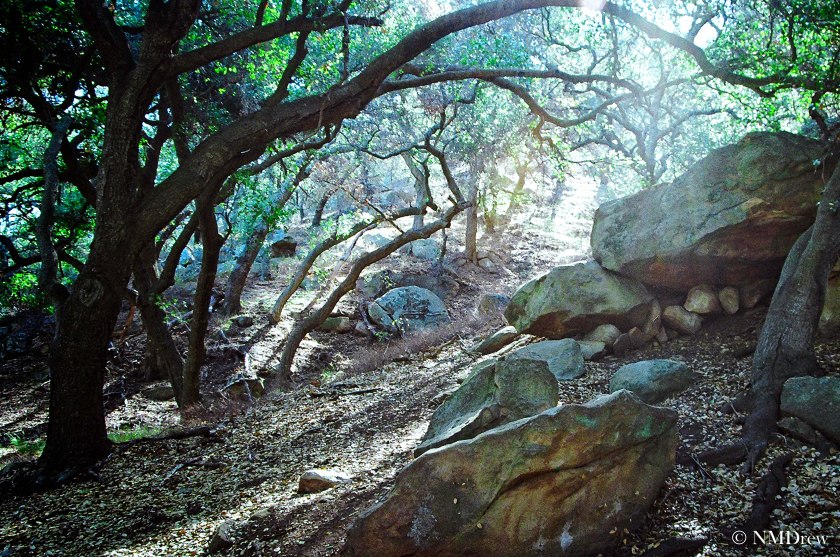
Hopefully I’ll stay employed, and hopefully so will my husband. Unfortunately, hobbies do require a bit of money – some more than others – but do we really need to spend a lot to do what we enjoy? For example, I enjoy being outdoors, but anywhere I want to go hike is easily a minimum of a mile away. That means walk there, and then walk more, or ride a bike or pop into the car. However, the bike I have, so the ride is free. Good enough. My husband brews beer. That needs some ingredients, but the cost can be quite reasonable, but the closest place to drive to buy ingredients is about 30 miles away. Mail order can be done, but there are shipping costs and wait times – gas vs postage? I like knitting . . . well, I have a huge stash of needles and yarn, so no new costs there. The same with photography, and painting – I have my supplies.
For me, and for my husband, and I expect for many people, a constructive hobby, in the sense of making something, is a special and individual experience. The challenge of technique and the expansion of one’s knowledge is part of the process, but there is no work involved in the sense of drudgery, but work in the doing of it. A hobby that is physical is also special and individual, but involves something perhaps less tangible as it involves the bodily experience – seeing, doing, smelling, moving, thinking, going. Hiking, mountain climbing, running, weightlifting are a few examples, but any sport provides the same kind of challenge. And, I expect there are a lot of hobbies which I have not even considered here.
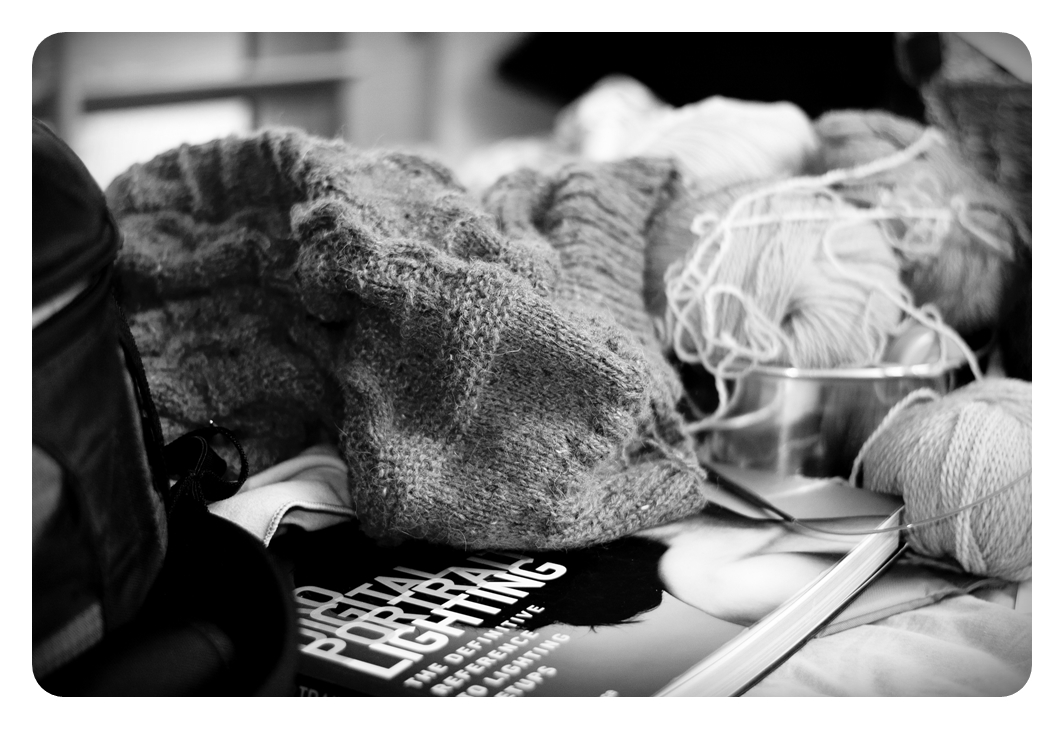
Why these thoughts? Quite simple: I looked at the pile of stuff on the bed in the studio, and realized that the backlighting through window created a strongly contrasting image. In my photo group, we are working with making something visible against a strong backlight, such as a person against the sunset. Here was an opportunity presenting itself for study, and in a few minutes I had the camera out to shoot. Handholding the camera was impossible – time for a good exposure was too long. Mounting the camera on the tripod solved the motion problem. Pictures without flash, pictures with fill flash. And here is an assignment completed as I learn about a new-to-me hobby.

For me, a hobby is an opportunity to both learn and do. Photography is an art, and that is what I want it to be. There is a steep learning curve, but as with any art, understanding the tools of the art and synthesizing the knowledge of the tools creates the vehicle to the creation of art. For me, it is intellectual, spiritual, and physical satisfaction. I think, I value, I interpret, I create, I modify, I produce. There is satisfaction on many levels – for me, the biggest is usually a visual result.
Ultimately hobbies are personal, a way to reach in and remember who we are, tiny speck we may be in the big picture. They bring us in touch with our soul and allow us to reach outside ourselves as well. We grow and share and continue on despite whatever else may be in our way.



 Ink, Yarn & Beer