
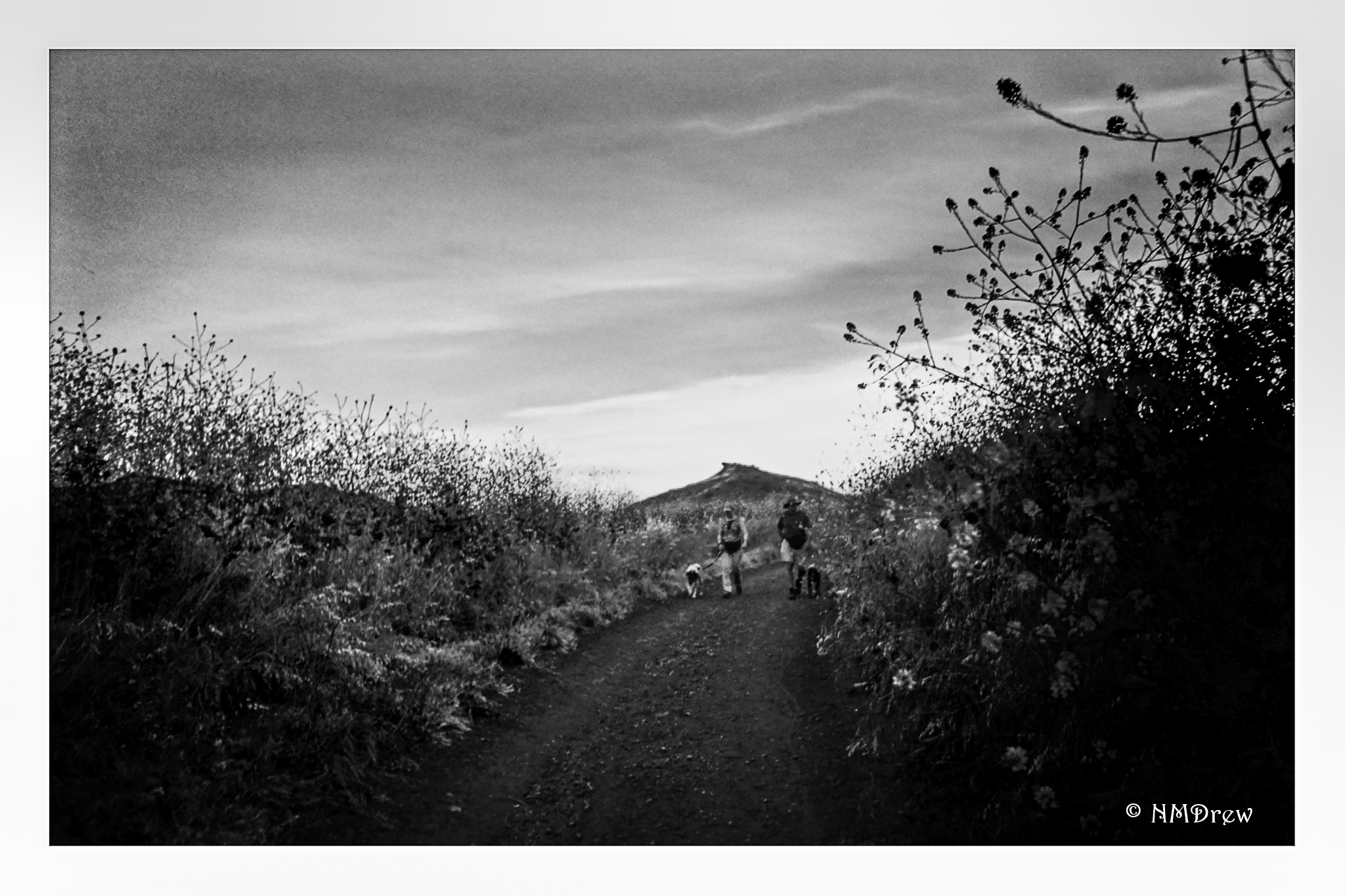
Tag: hiking
Miner’s Lettuce

Yesterday I went out for a bit of a hike, through one of my favorite trails, the Chumash Trail. Last year we had massive fires, and what I saw was the remnants of that fire. Burnt mountainsides, devoid of brush and the usual cover (like poison oak!). Bare and burnt oak trees, rocks. So many things were revealed by the fire as plants were burnt away.
Sounds pretty awful, doesn’t it? Here in California, much of our landscape and plants are fire-dependent, meaning that fire is a normal part of the season. With the drought and firefighting measures – like not letting entire neighborhoods burn down – brush becomes overgrown. With a drought, you have kindling.
Now, with everything burnt away, new growth is beginning to emerge. Flowers, weeds, leaves on the oak trees. I was able to hike into an area that I normally avoid – too much poison oak and a lot of rattle snakes. It is along a creek into a narrowing canyon. And, sitting on a rock, listening to birds and the sound of water, I looked around. That is when I found the first-ever Miner’s Lettuce I have seen in this area. I took a picture, and this is what I painted.
A perfect spring morning!
A View to Mono Lake
We spent the last week up in the area of Mammoth Lakes, located on the eastern slope of the Sierras, up Highway 395. Can you believe I have never been up that road?!?
We hiked and ate and took pictures and saw the sites. The weather was superb. We had to adjust from living at 800 feet above sea level to going up to 8000 feet and higher – shortness of breath (SOB!), dry eyes and nose, and so on. We got comfortable at 8000, but moving up, like in walking uphill, became a challenge at times, so we would rest and then continue. This gave for a lot of wonderful opportunities to look around, take in a breath of sage and pine, and snap away.
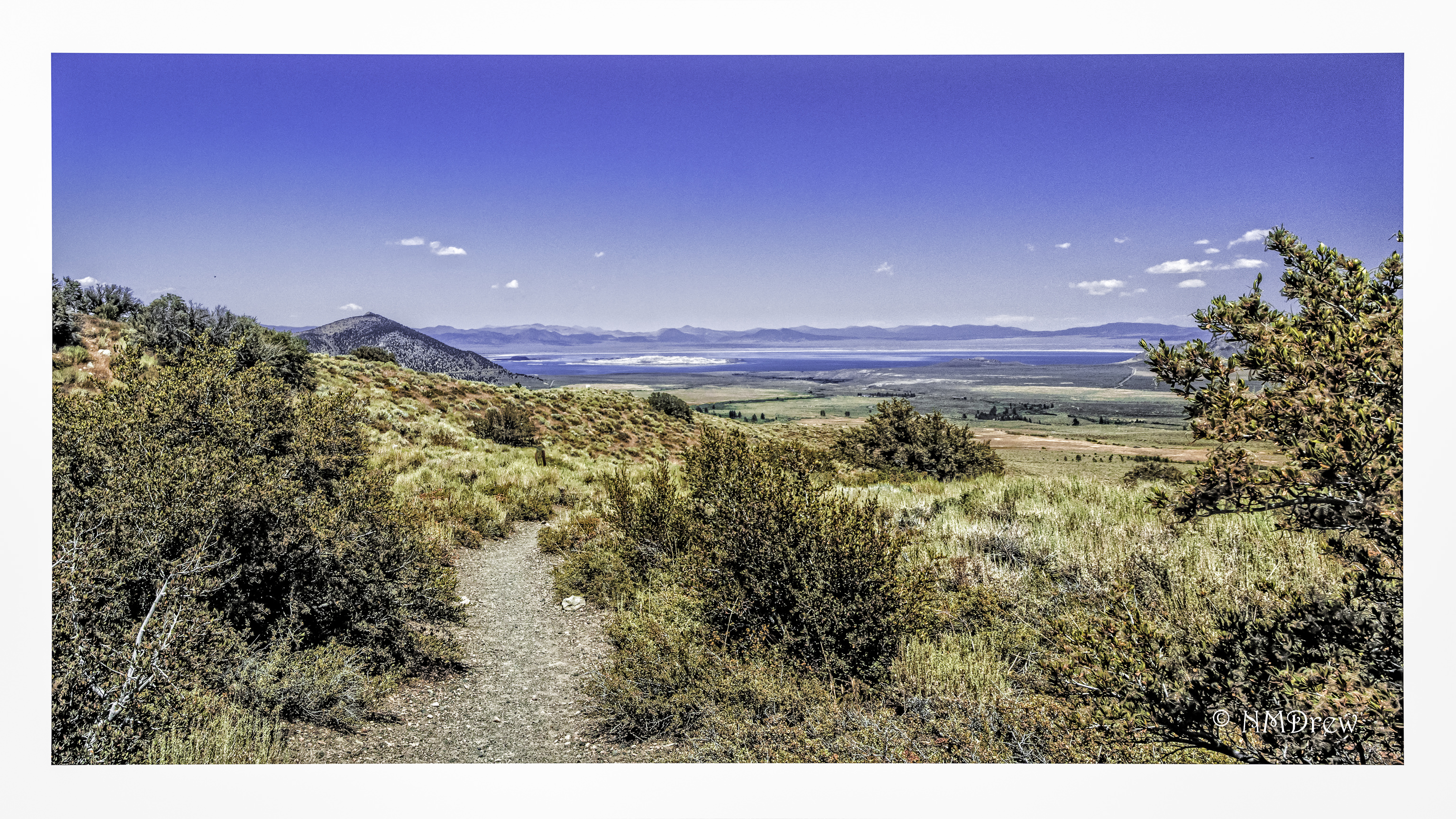
This view of Mono Lake is from the Parker Lake Trail, and is created from a montage of about 8 images. Click on the image for a bigger version.
Another Walk on the Wild Side
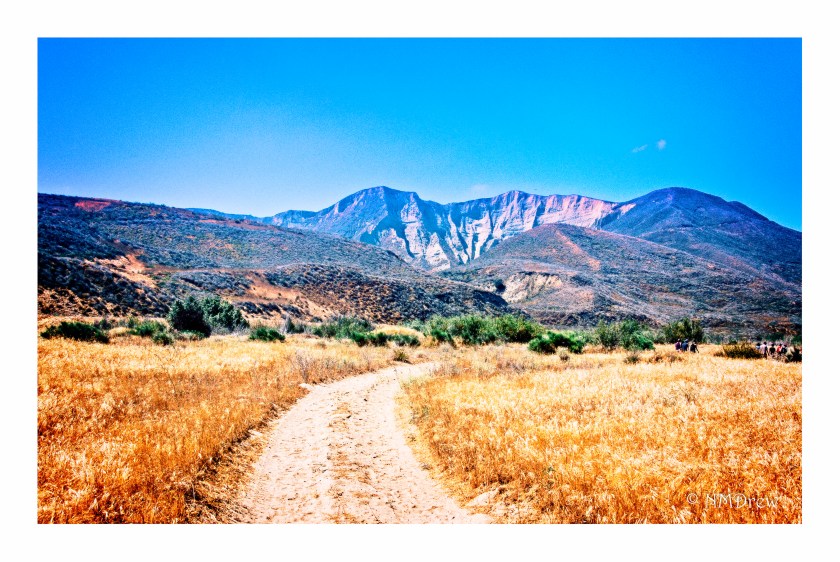
Meetup groups can be a great way to make connections, to do and learn about new things. Lately, I have been going on walks with the local Nature Conservancy group, and enjoying it immensely. I am amazed at what I see and what I learn. There are a lot of sharp eyes – the leaders spot things I wouldn’t notice, like horned lizards, and mountain lion tracks. Yesterday, we wandered over to Santa Paula, California, to explore the property the Nature Conservancy has there. It is up against the mountains and along the Santa Clara river, which is one of the last open rivers in Southern California – “unmolested” as Amy (the leader) says.
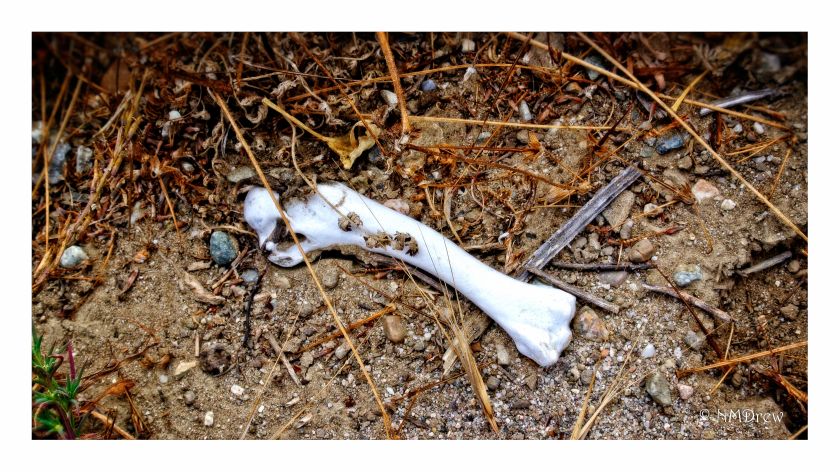
This hike consisted of a group of young men from a church in San Bernardino to a couple of young kids who found a horseshoe with the nails still in it and a feather from a red tail hawk. All told, there were about 15 of us. There were people I had met earlier – I expect they are regulars, as I am becoming – and newbies, too, who weren’t “new” to the world of nature, but just to me. Some had amazing knowledge of plants and animals and the ecosystems involved.
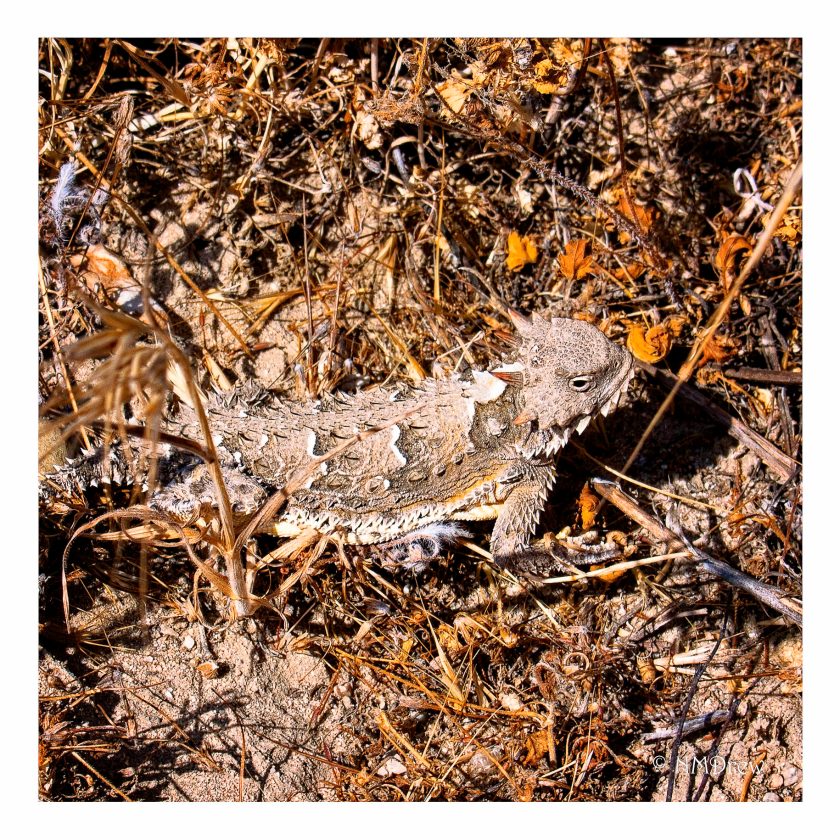
Probably the most interesting part of this hike, for me, was to learn about the invasive species here in California, and their negative impacts. These plants include arundo donax, black mustard, and fennel. They are everywhere. The arundo donax is an import from India and was used to control flooding along rivers. The problem is that it is very invasive and dense, crowding out native species. Black mustard was spread (supposedly) by the Spanish missionaries as the wended their way up from Mexico into California, using it as way to mark the trail from Mission to Mission. Finally, fennel (which has a taste similar to anise or licorice) is an import from the Mediterranean. Each of these plants are very familiar to the California landscape, but extremely, extremely difficult to eradicate. Each has changed the native landscape in its own way, not for the better.
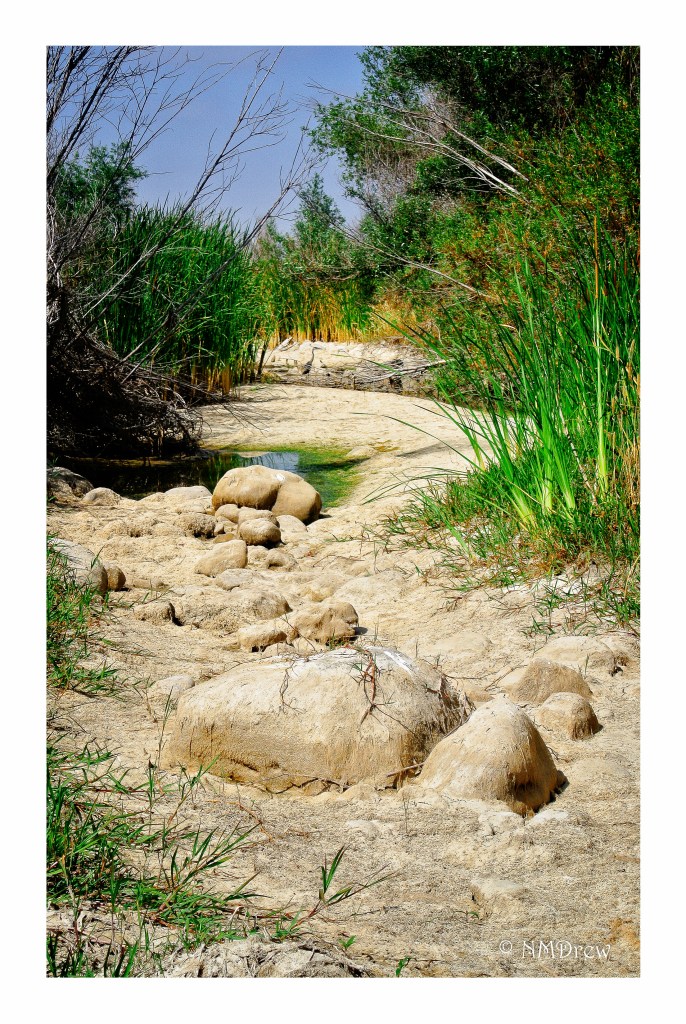
Native species along the Santa Clara river include mountain lions, badgers, egrets, herons, coyotes, pond turtles, yucca, buckwheat, cat tails, bull rushes, black walnut, red tail hawks, and a lot of other plants and animals adapted to the dry climate. The Santa Clara river itself is not a river as one might think – not like the Mississippi – but a seasonal one which varies depending on the rainy season. Some years we might see it wide and filled, other years a bit more than a trickle. Where we trekked there were scattered ponds, low areas surrounded by cat tails and clogged by the arundo.
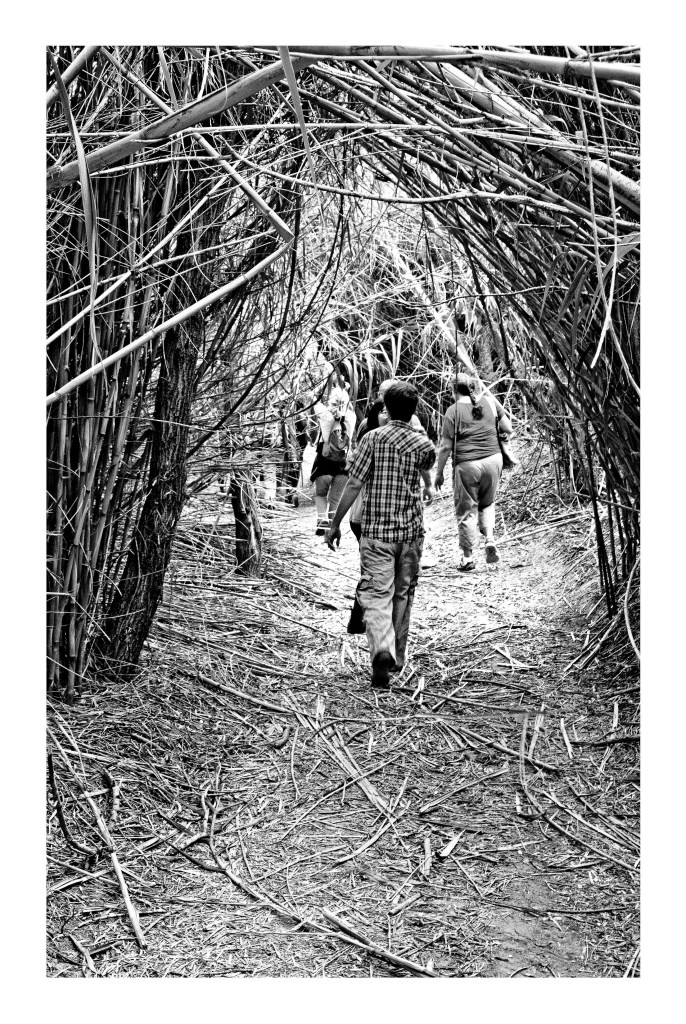
Many people think that everything in So Cal is just a freeway . . . it’s not. There are a lot of open areas filled with life. You just have to get out to look for it! Below is a gallery of images.


Wild Morning Glory

This morning we went on a rather strenuous hike – up and down hills to get to an inland section of the Santa Monica Mountains. I am not a fast hiker – rather plodding actually – because of a long history and experience with falls and broken bones. Every step is conscientiously placed, especially where there is scree and loose rocks. The flowers along the way provided excuses to pause . . .
 Ink, Yarn & Beer