
A morning view in the studio . . .

A morning view in the studio . . .

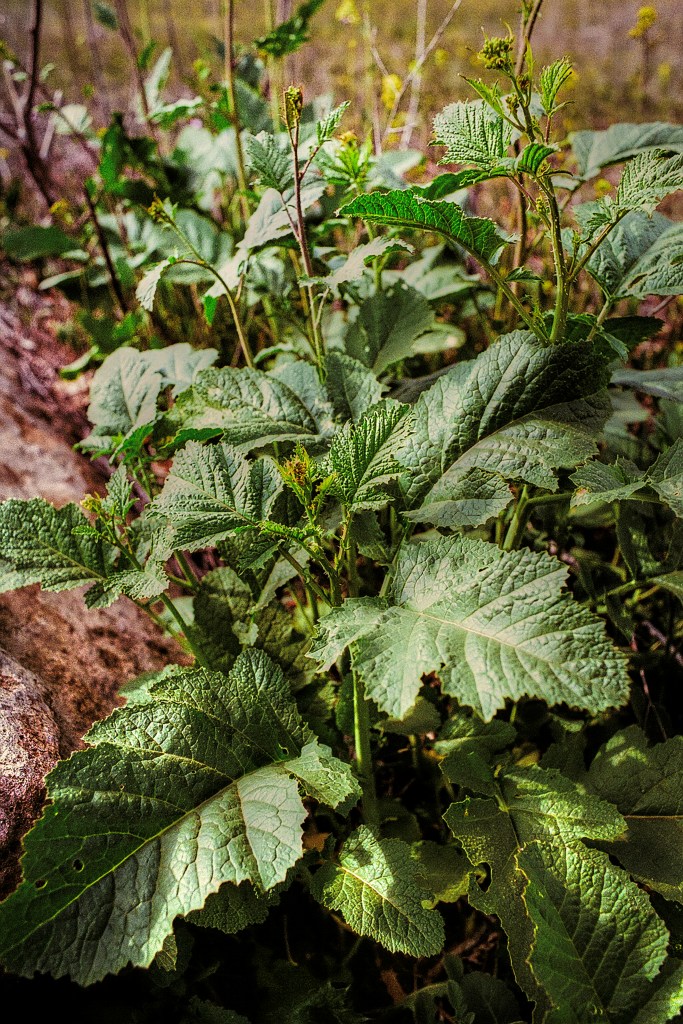
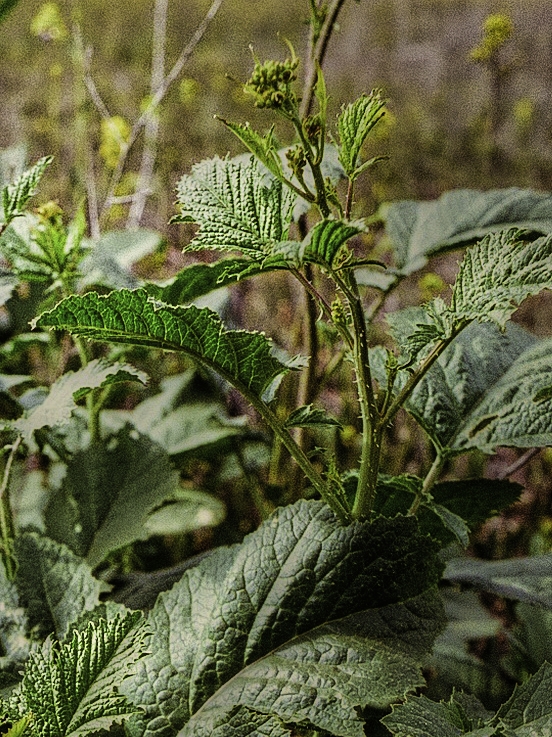
I did a little post-processing of one of the few images I liked from my “checking for a light leak” roll of film. I pushed the colors, and upped the detail a little, as well as the contrast. Below is a detail of the same image.
I am rather intrigued by film and how it processes from analog to digital. I now have a roll of Kodak TMax 400 in the Nikon FM2N (same camera that had this image in it), and took it out for a walk under the nearby oaks. Black and white in the woods. I will have the TMax processed and scanned at a professional lab.
Yesterday I went out with two film cameras – the Canonet QL17 G-III rangefinder, and a new-to-me Nikon FM2N. The former I have used in the past, and know it is in overall good condition. The Nikon, though, came from eBay, and is a well-used camera. There is dust in the prism and mirror set up, but I didn’t know if there were any light leaks, so I needed to test it out before anything else. As a note, none of these pictures have any post-processing; they are as they came from the local pharmacy.
QL17
My past complaints with this little camera was my inability to really “get” the focusing. This time around, it was better. As with anything, practice helps. These pictures were for practice on focusing, and getting a feel of the exposures. The needle for the exposures no longer works except when the camera is on “A” – thus, out comes the light meter. The light meter did a great job. Subject content aside, here are some results of my practicing with this camera, indoors and out.
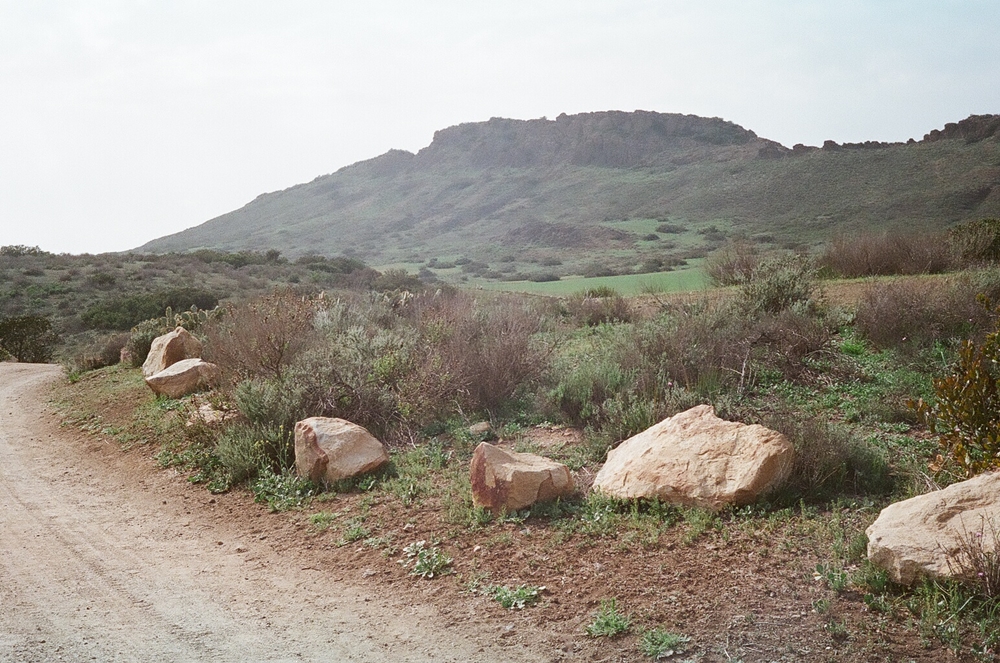
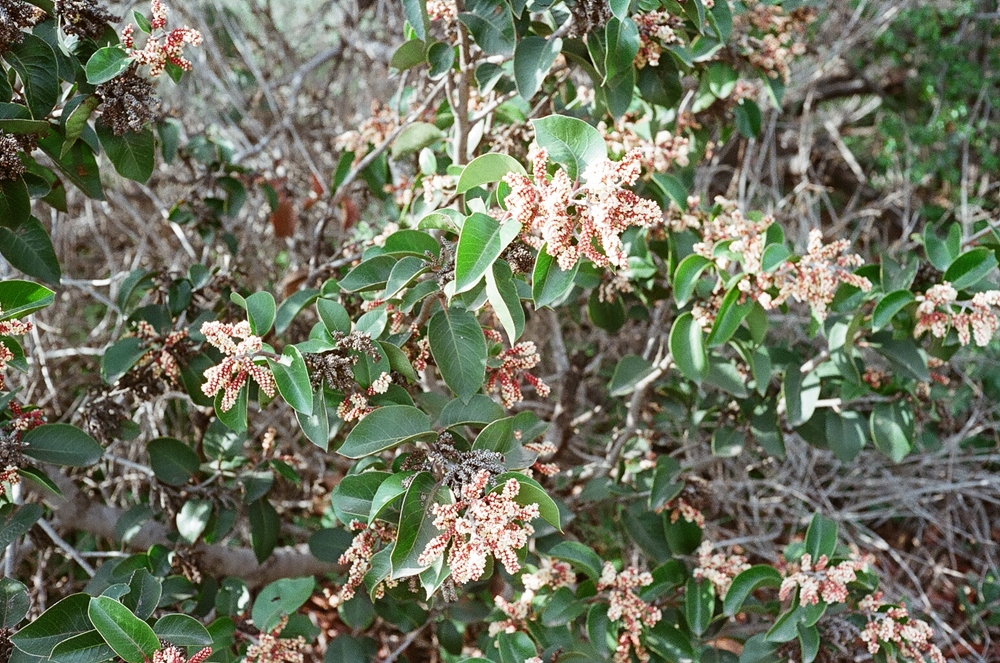
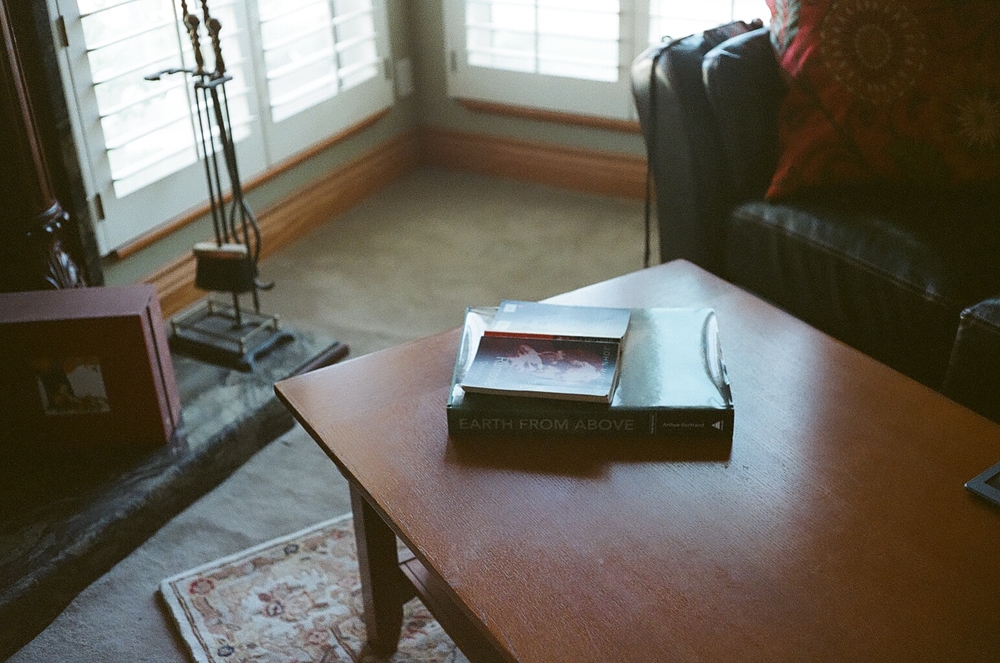
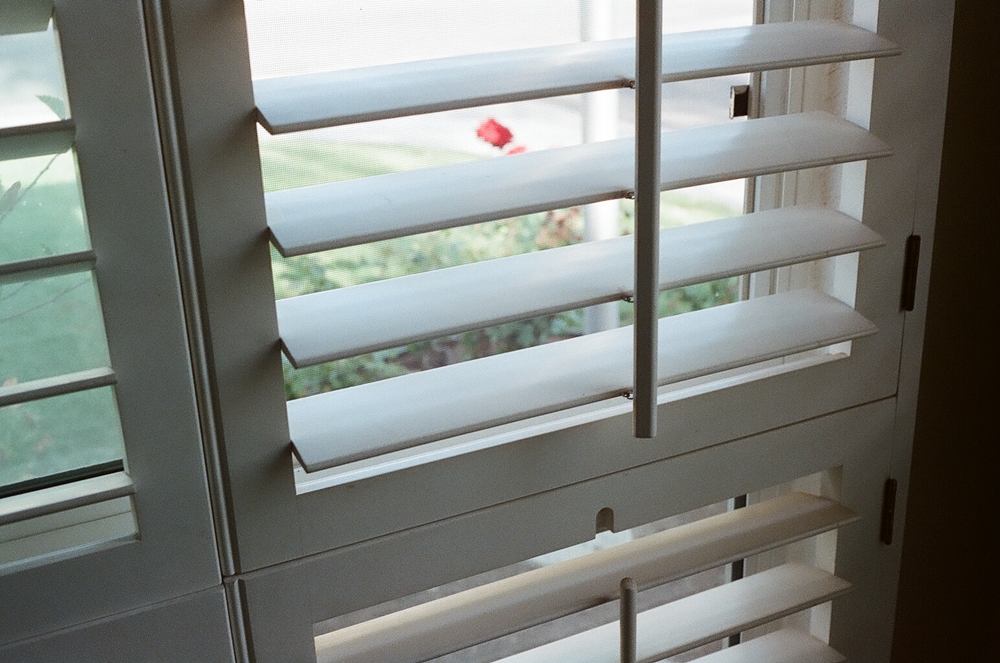
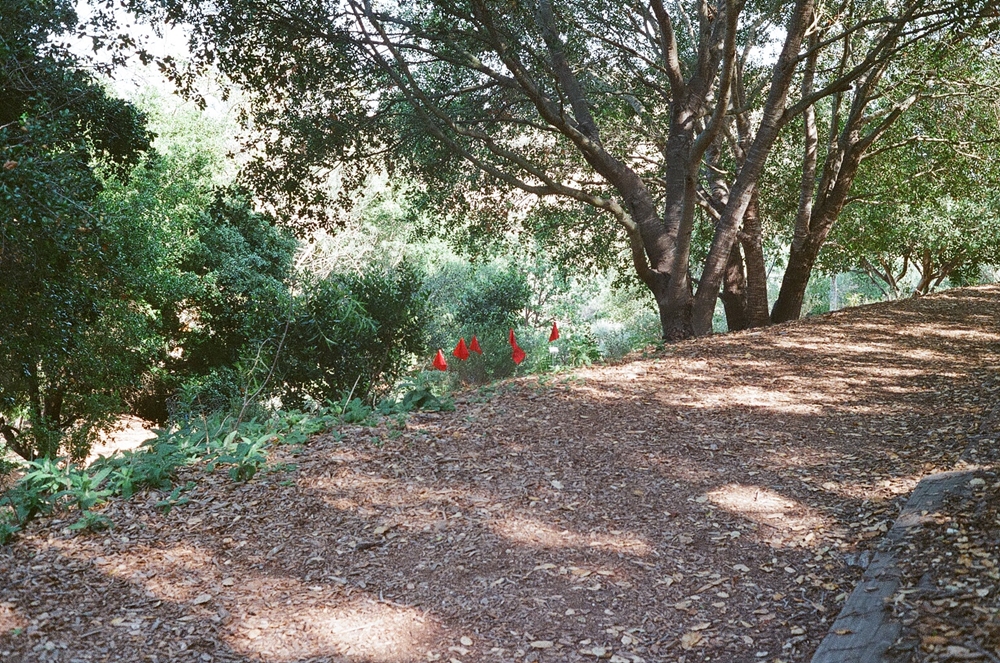
This had a Kodak film in it – and I forget which one! I do know that it has been in the camera for a few years. I like the colors. I also see I will need a polarizing filter on it to do justice to the skies, or else use an ND filter for brighter situations.
This little camera has a permanent lens, a 40mm 1.7 that has a good reputation. In general, I am pleased with the camera; now I have to work with it in different situations.
Nikon FM2N
This camera is a small one, and well-rated in general terms of build and quality. I got it because I can attach any of my Nikon F-mount lenses to it – a definite plus considering my digital camera is a Nikon! The ones which will not work on it are any of the G lenses, as they interface with digital cameras to focus – there are no focusing rings to use, as there are on the D lenses or earlier. It can take AI, and AIS, but not the non-AI lenses. I used a 28mm close-focusing Vivitar lens. Here are the examples I took, using film from the local drug store, Fuji Superia Xtra 400.
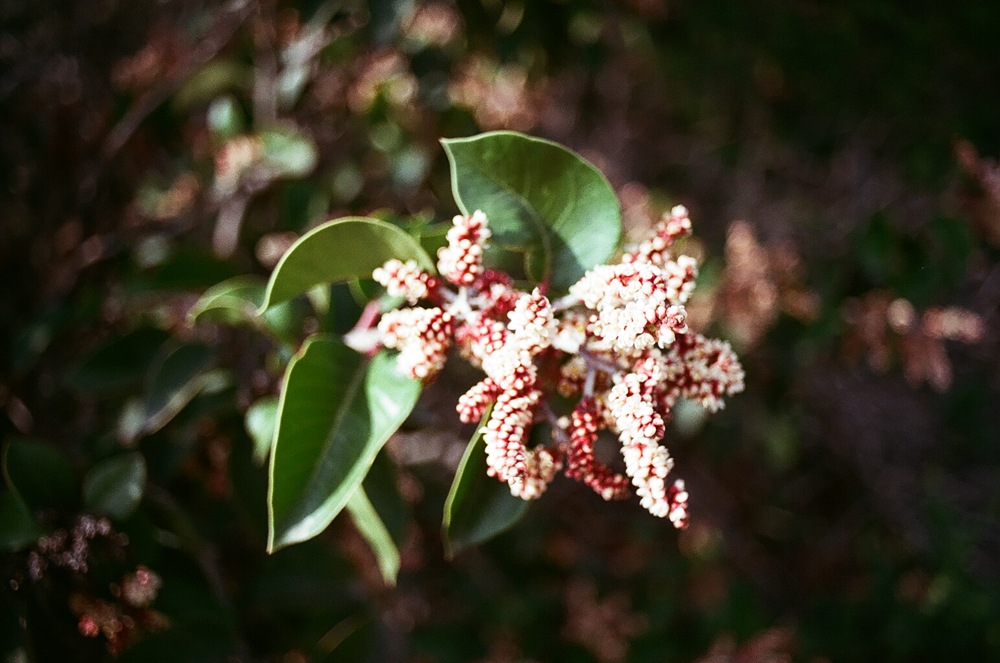
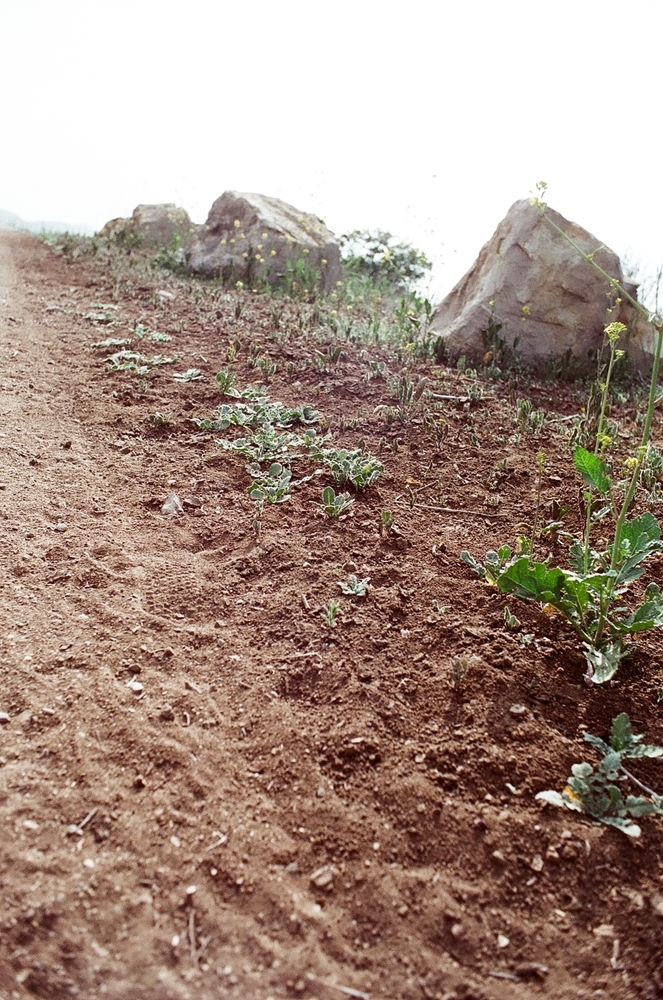
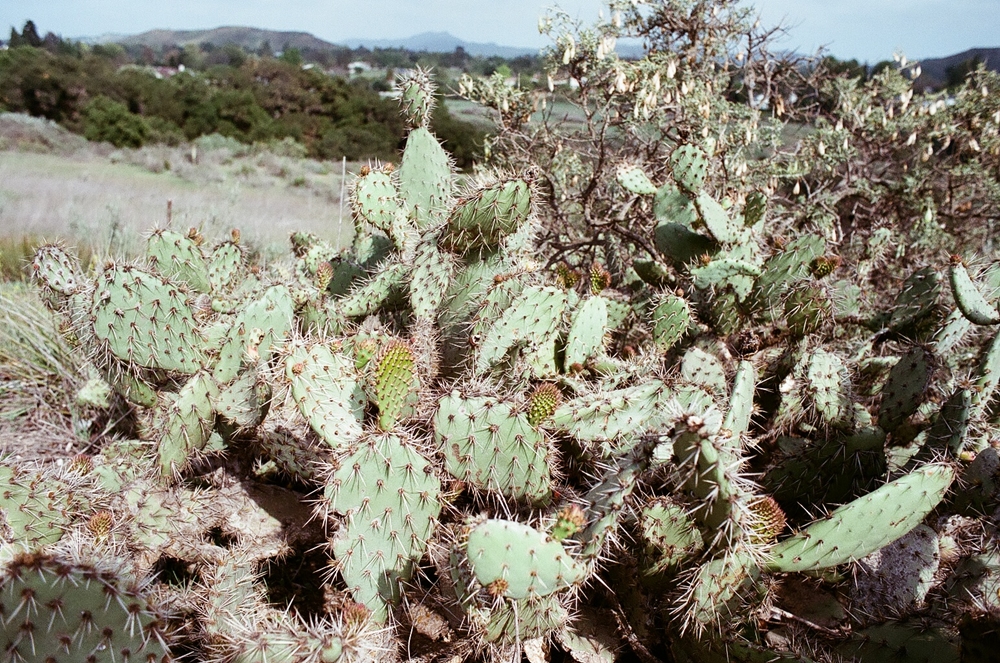
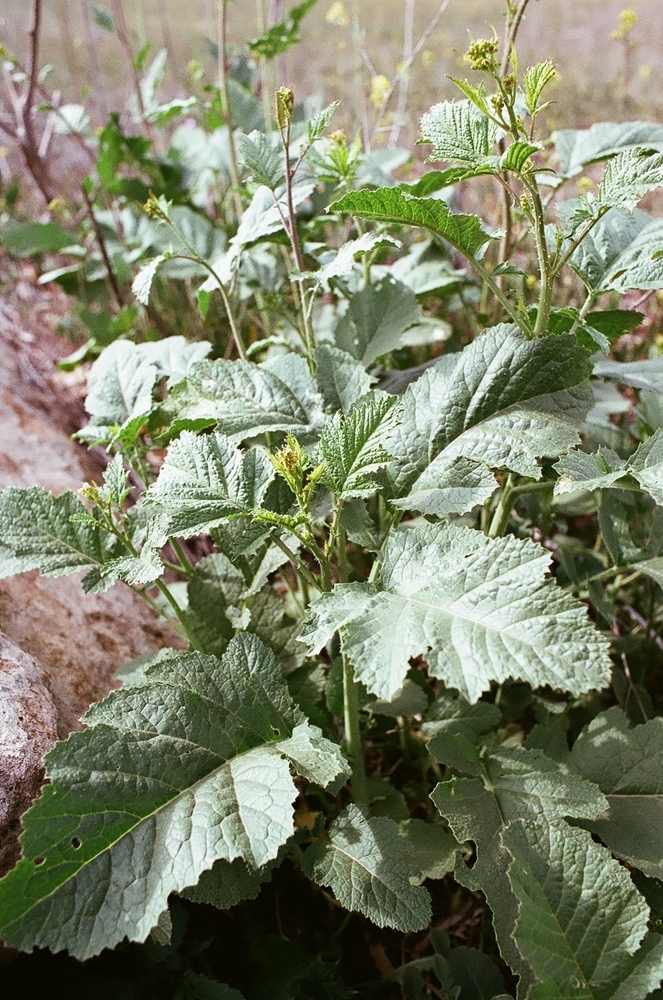
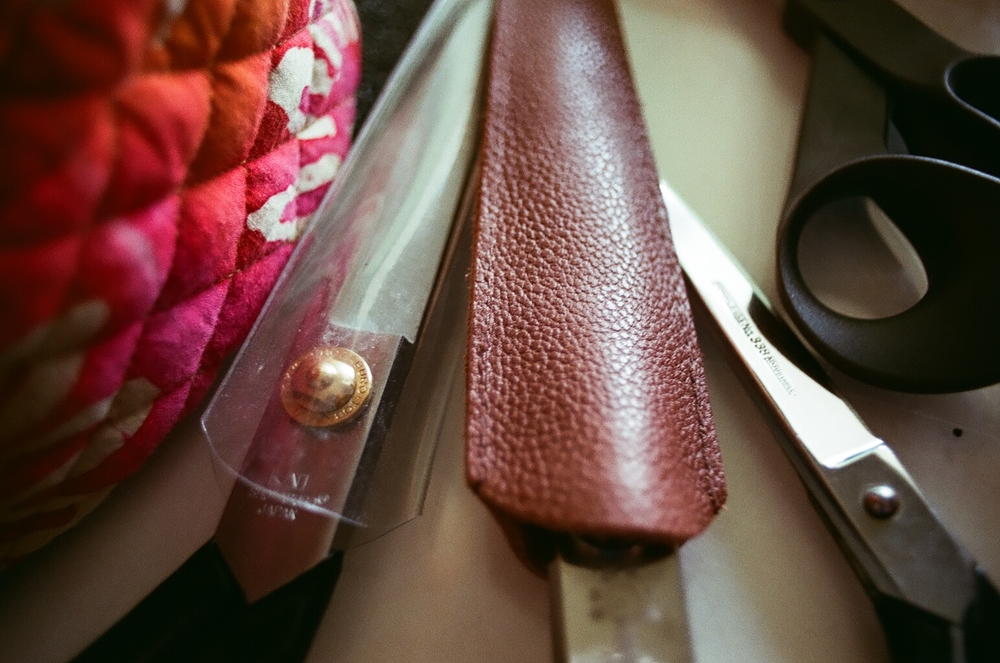
The Fuji film is a bit more punchy, perhaps, than the Kodak. Obviously, no light leaks. The metering system in the camera works, using +, 0, -, and a combinations thereof. It was nice to be able to use a different lens, and do some close-up work as permitted by the lens.
Conclusion
I like both cameras. I am indifferent about the quality of the pictures, and this makes me wonder about the quality of the films, but this might have no bearing on anything. I plan to head out to a place I photograph a lot, just to see what I can put together.
Another issue is the processing. Since my needs were pretty simple – light leak? no light leak? – my demands were not high. However, I am not too pleased with the size of the jpgs I got back from the local fast photo – few over 1 meg. Way too small to edit. However, now I can play with some of my resizing software to see what the results might be, and perhaps I won’t be too disappointed.
 Ink, Yarn & Beer