
Retirement means I have time. So, I have decided to try my hand at developing my own film once again. My low level of patience and tolerance for frustration makes a film bag, reels, and a Paterson tank something I don’t really like. When the Lab-Box came out, I thought it looked pretty good, and bought myself one with both the 35mm and 120 film modules.
Do you know what the Lab-Box is? Well, it is a day-light loading and processing box system for 35mm and 120 film. Learn about it in this video below. What is good about this particular video is that it links to “how to” videos on how to assemble the bits and pieces of the critter. There are a lot of other videos out there, too, so if you are curious, head over to YouTube.
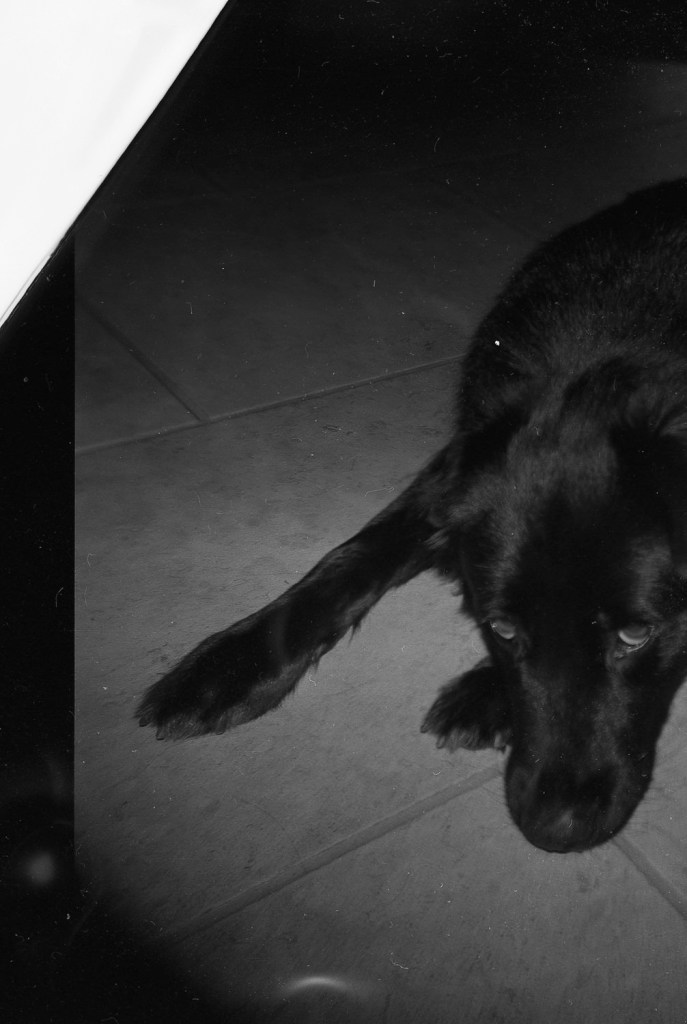
Right up front, I got a bunch of crappy pictures. I had hoped for better using the Lab-Box and black and white 35mm film (Tri-X 400). However, I also really did not expect much as film processing and I have a history of disliking each other it seems. I had a problem rolling the film onto the reel. If the reel is not properly put together, there are problems, which may be why I had the issues I did. As a result, I plan to check my rolling of film with a canister of 35mm play film


The developing itself went okay. The images that did develop were at the beginning and at the end of the roll, but the ones in between must have gotten squashed together as I rolled the film in the box. I also did not attach the crank properly at the beginning of the processing development, and probably had a light leak along with a loss of some chemistry. The reel may also be improperly assembled.
I am going to continue using the Lab-Box. Practice is necessary for this kind of stuff. I will re-check how I assembled it. For processing the film, I used a monobath, an archival rinse, and PhotoFlo 500 before hanging the roll up to dry. The steps I used to process the film seem to be okay, but the light leak, chemistry leak, and so on all need to be sorted out. Others have gotten great results with their Lab-Boxes, in both 35 and 120, and I see no reason I shouldn’t either!


 Ink, Yarn & Beer