
Tag: b&n
Sage & Pine

Another cross-processed and rescued Velvia image . . . absolutely hideous in CP and barely salvageable in b&w! What’s a girl to do? The camera, though, does a fine job when the user doesn’t mess up. The lens is a Xenar, uncoated, which gives it a particularly vintage quality that modern digital do not have.
Open Space
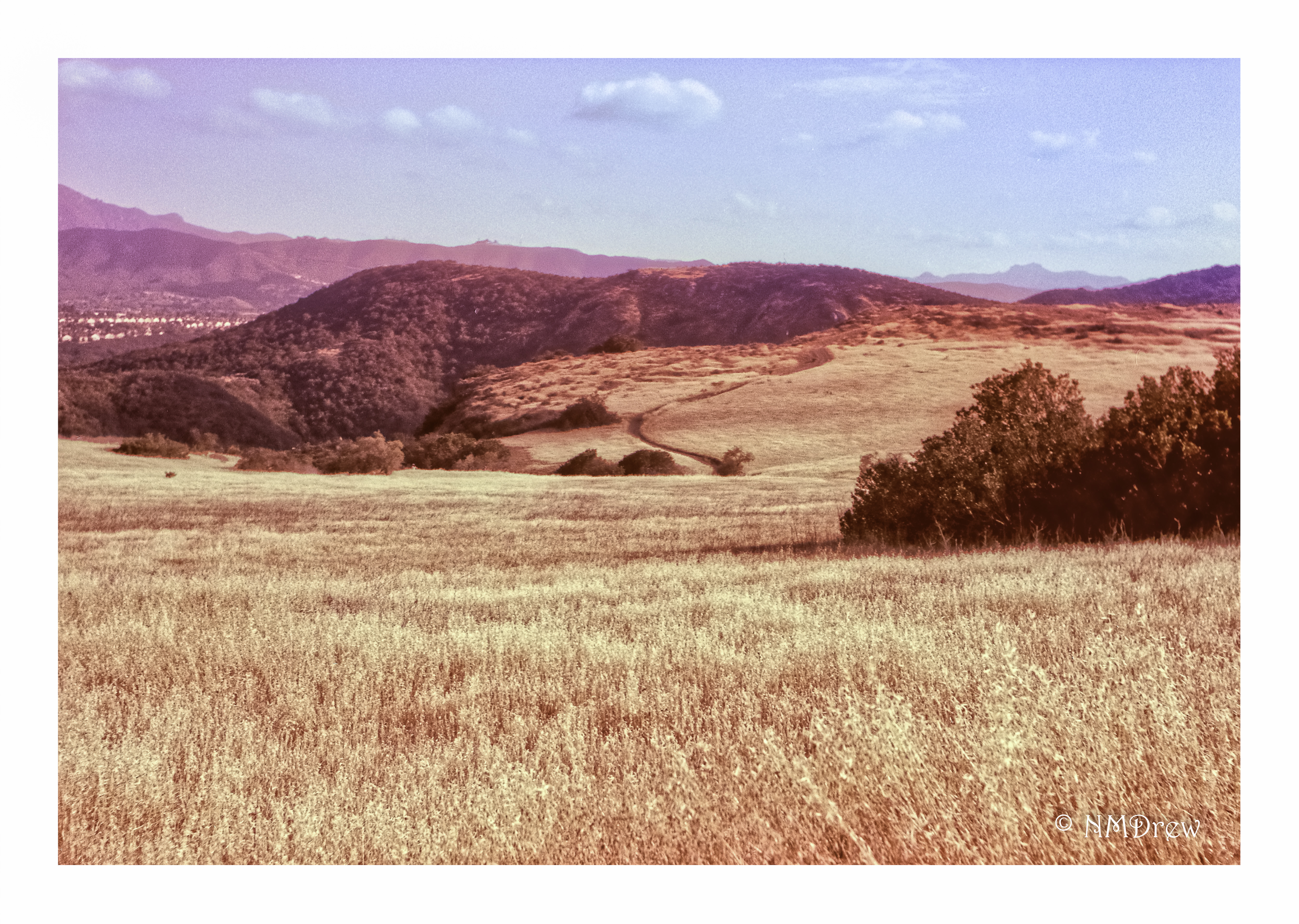
Taken with Velvia 100 film in a pre-WW2 Welta Weltur folder, 6×4.5. While out with the camera, it popped open twice – I had jerry-rigged a strap for it but if obviously didn’t work too well! The film was processed in C41 as a result at the local photo shop – to pay more for slide film and potentially nothing seemed ridiculous – so it was cross-processed. I was quite pleased to see a few out of the 16 survived. A bit of work made this picture salvageable. Below is the original cross-processed image, and then a variant in black and white.


Pine Cone

Used to hardwood forests, pine trees, pine cones, evergreens, and non-deciduous plants still seem miraculous, more so in snowy areas. In California, plants for the most part retain their leaves throughout the year but become a dusky color. We also have pine trees, native and imported. Seldom do we find pine cones that are as grand as this one, nearly a foot long, and not chomped up as a tasty treat by the local squirrel gourmands.
In a Sea of Thorns
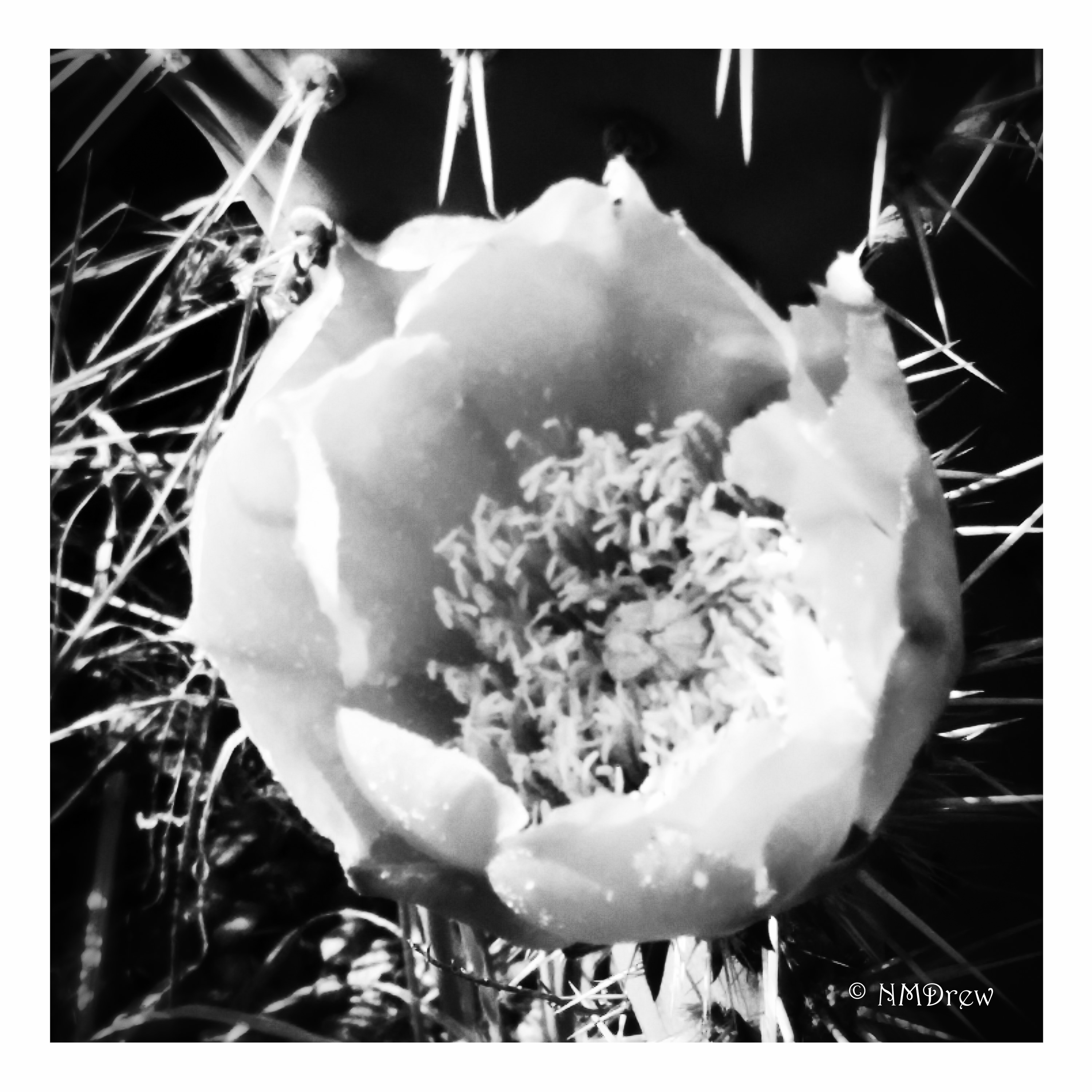
The prickly pear cactus is a beautiful plant. Paddles of green rise up from one another, and the flower buds appear on top. The buds are the “pears” and are very tasty! The paddles of the plant (which are really trunks and branches, with the thorns for leaves) are also quite edible. The paddles are cut off, quite carefully, and held over an open flame to remove the thorns. Once done, slice and stir-fry. Very good in scrambled eggs.
Personally, I like looking at them more than harvesting them!
 Ink, Yarn & Beer