

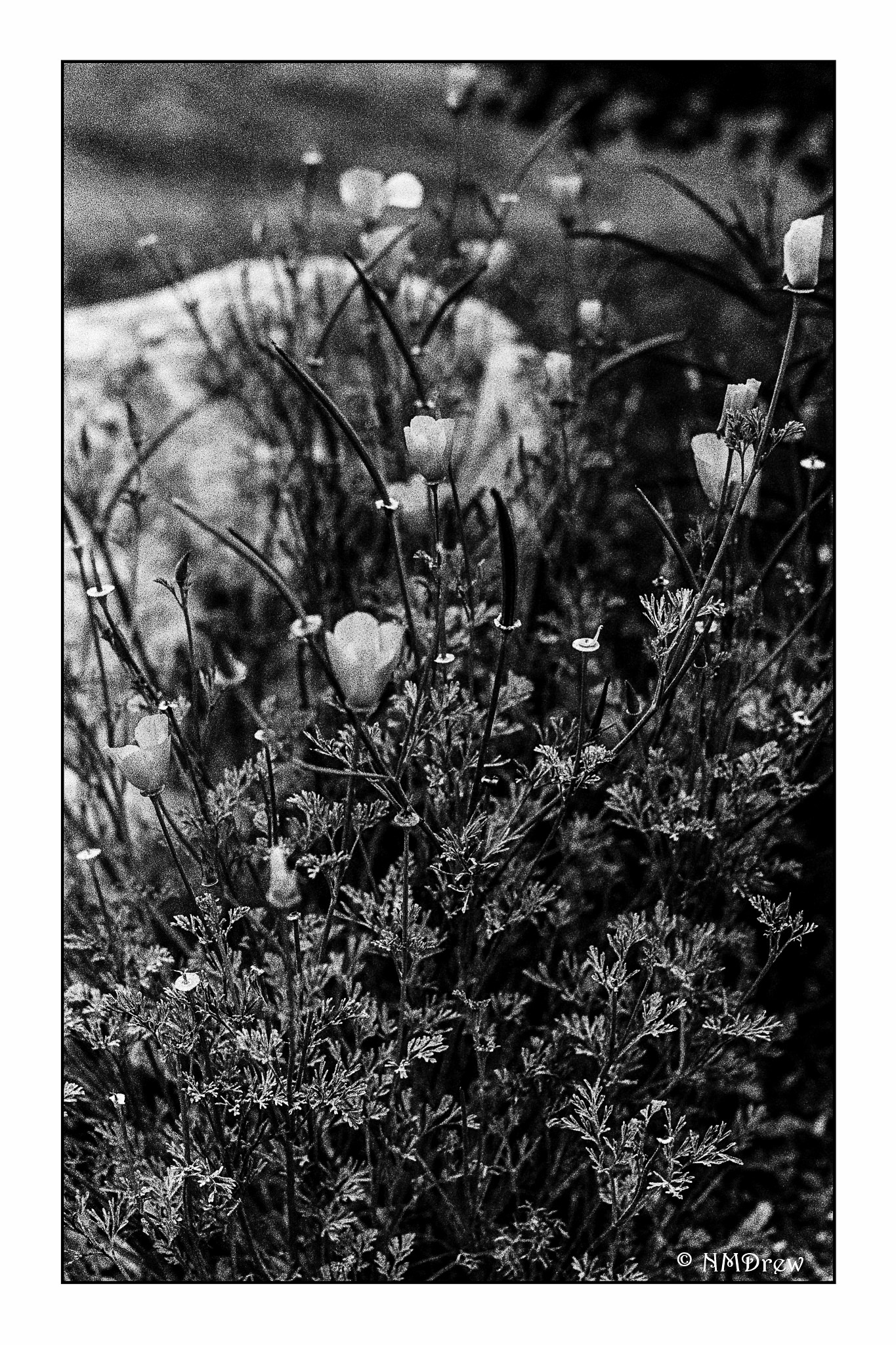
I’m a bit behind on the BW project, but all because of working on the scanning software and getting it to process black and white. I have a Pakon scanner, which is fab for 35mm film. I spent a couple of days ironing out and learning the software, as well as applying patches which allow more than color negative and C-41 black and white film.
This is the first image I have gotten back from the developer doing something I have never done before – pushing film. Mark at If Time Stood Still made a wonderful picture of his youngest daughter, specifically the image called The Lunch Date. He shot Ilford HP5+ and pushed it.
Using his instructions, I did the same. The result is really pleasant, and seems to push contrast to level I like. Since I prefer shorter scaled B&W to longer scale in general, this is a good technique to know.
Mark processes his own film B&W, as well as color, and scans his film, too. (Altogether, I think he is an amazing photographer, especially of his family.) Go visit his site!
So, more to follow!
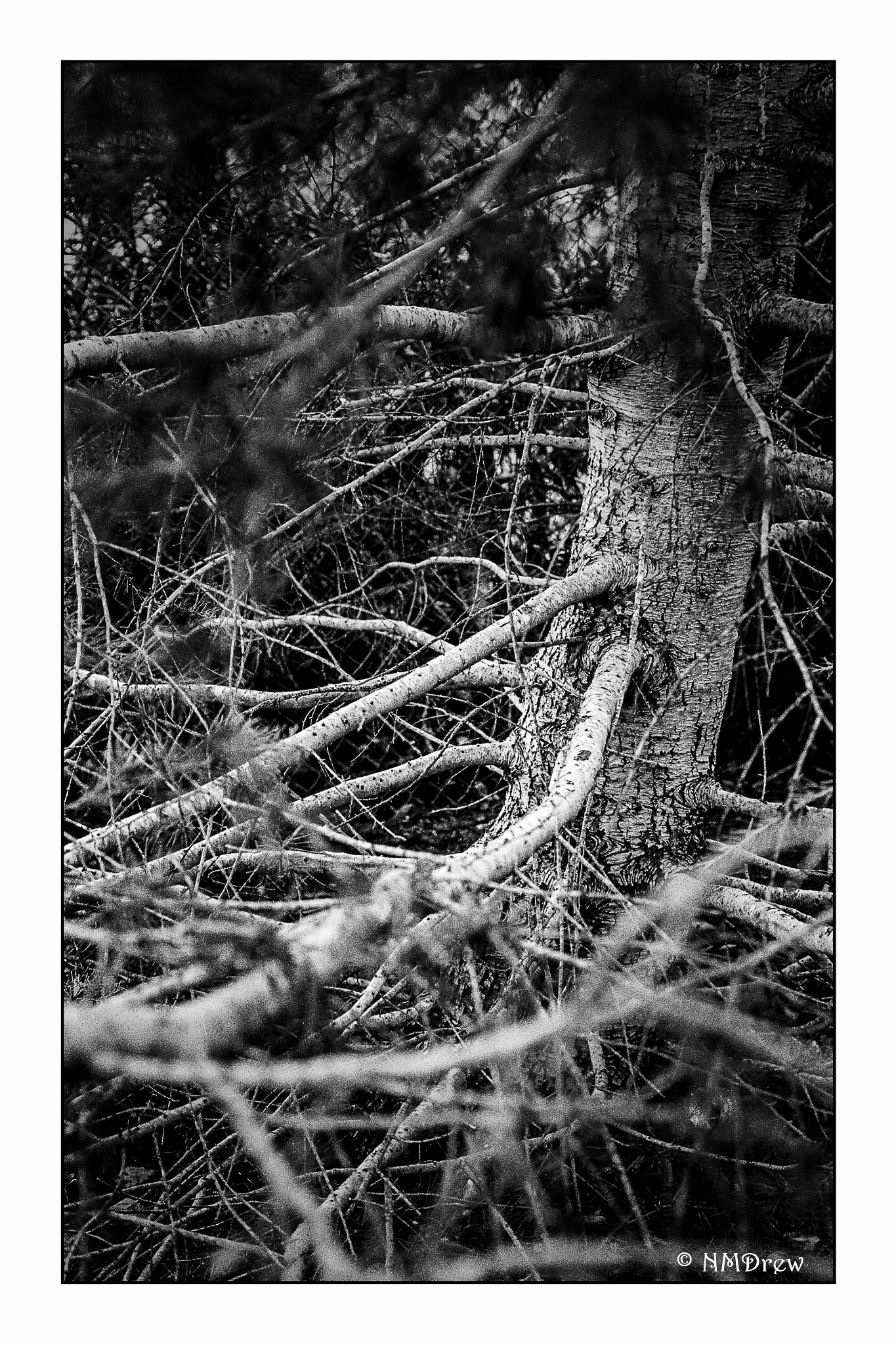
Today I am going to break the silence of the Silent 365 project. I’m a bit behind, but I’ll tell you why.
I have been working for hours on managing the software quirks for the Pakon 135 scanner I use for 35mm film. I finally have it working where I can do color negative film, positive / slide film, C-41 black and white, and genuine black and white. Post processing is done primarily in Lightroom and On1 Photo Raw. It’s a good feeling that I can scan my film in a good scanner which produces better results than a flat bed.
Ah, the benefits of retirement! Time to solve problems and stay focused on them for a long time!

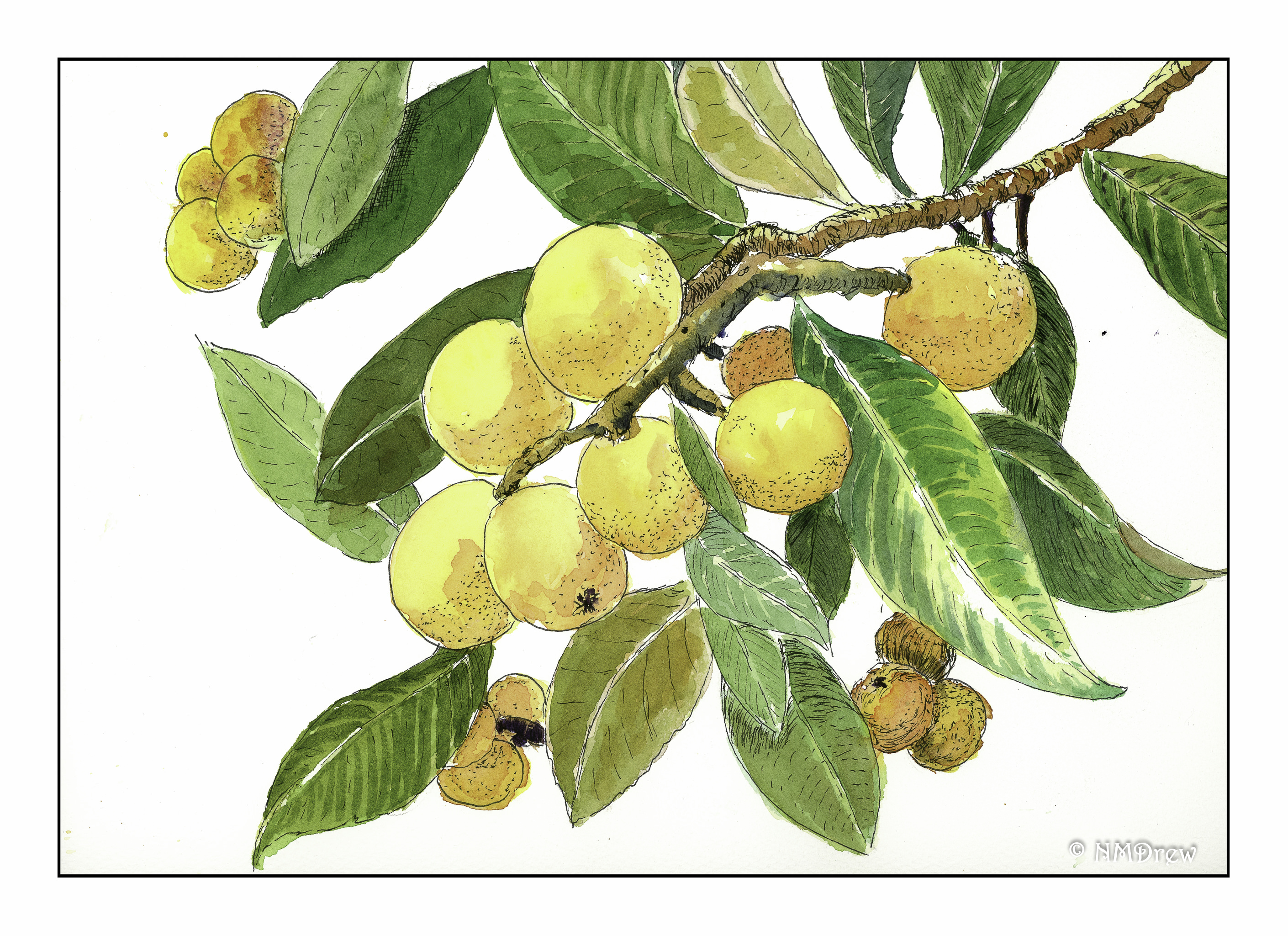
A couple of weeks ago I took a photo of loquats, not really ready to be eaten, but certainly not too much sooner!
The loquat is a fruit tree indigenous to southeastern China. It is frequently grown in California gardens for its fruit and decorative qualities. The fruit is a pale yellow to a golden color, and the leaves are stiff and dark green. The contrast of the roundish fruit with the wide, pointy leaves makes for an interesting painting subject.
The photo from which the drawing evolved:
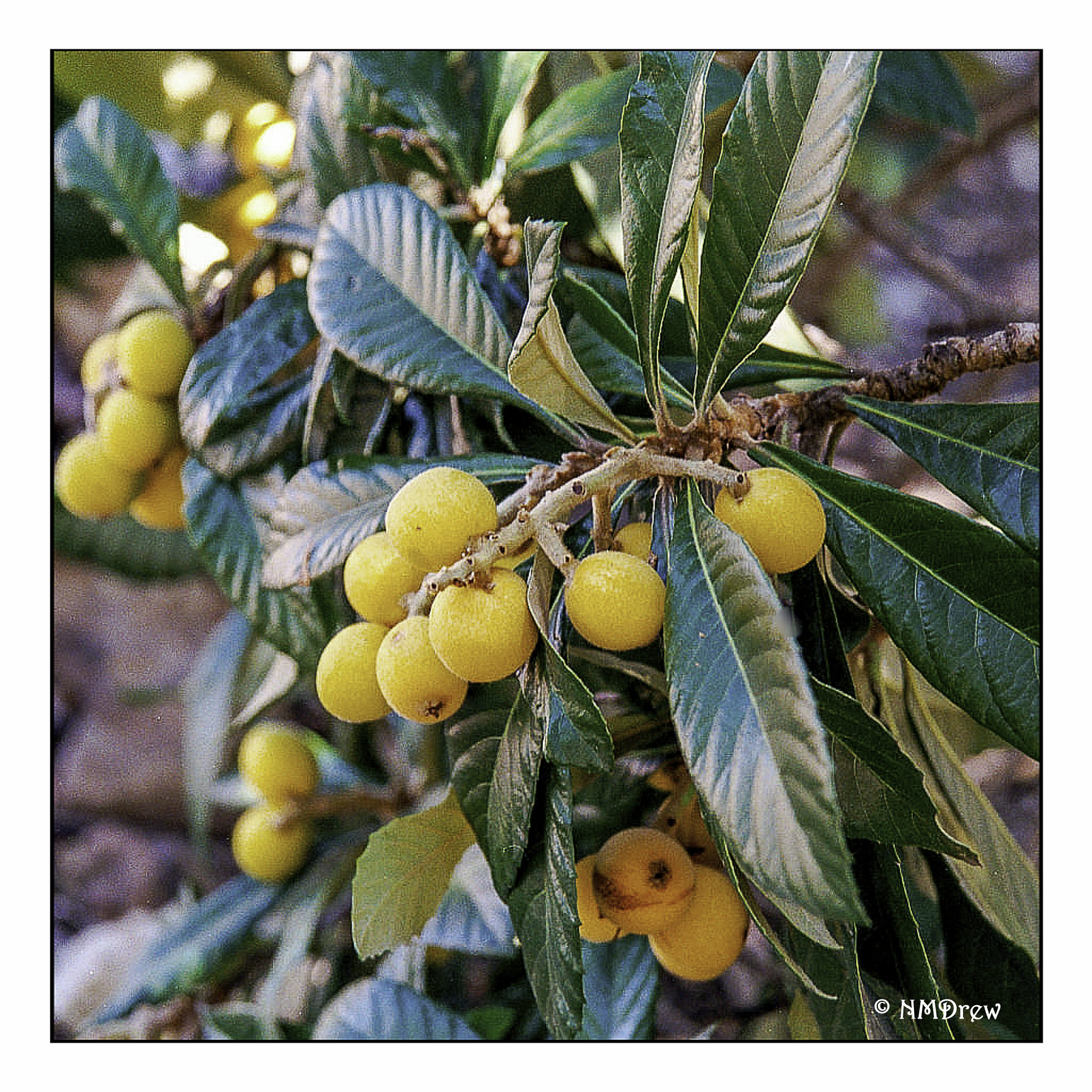
Painting the loquat has a bit of cross-cultural history behind it, too; ink painting tradition honors the loquat in Asia.
It would be easy enough to paint a loquat in watercolors, without ink, as well.
 Ink, Yarn & Beer