I wonder if architects deliberately plan such interesting little details.

I wonder if architects deliberately plan such interesting little details.
It seems as if the worst of the fire in our area (the Easy Fire if you want to look it up) is under control. Part of it is that the wind has dropped. Mandatory evacuations in many areas have ended, power has been restored, and all might be right with the world. The air is cold and smells fresh, just a tang of wood smoke in it, unlike yesterday morning when the house was filled with it. We went for a walk last night, finally able to get out of the house without howling winds, and the sky was clear and bright. Yesterday was surreal. I can only imagine what it might be for people who return to neighborhoods devastated by fires, or those who live through an invasion of their country and find their lives totally overturned.

We spent yesterday morning packing things up. Josh doesn’t have the collections I have, so his packing was pretty straightforward. On the other hand, I had to sort through things, deciding what to take, deciding what to leave. Making those choices is actually rather draining mentally. It forces you to think about what you value. Luckily, nothing happened, but what if? Very strange in my rather settled life.
Fires and natural catastrophes are unavoidable, but the older I get, the more I am sick of the winds and fires of California. I talk about moving, but the fact is, I won’t. We are settled here with family and friends and a job (Josh). In some ways, we are lucky we chose where we moved 13 years ago, but it was luck, not careful planning around potential natural disasters. We are in the middle of a suburb far enough from open land and mountains and canyons to avoid the worst of the fire potential, and have underground utilities. There is a natural gas pipeline (or some kind of major pipeline) not too far from where we live, which could explode and cause a bit of damage, but in general, we are okay. Fires have been on all sides of us over the years, but it seems we have enough distance to be bypassed. Much as I would love to live on a mountain top, I am glad that I am flatlander!
I plan to keep things boxed up for a bit. Josh will work from home all day, We will monitor the fire potential, but get on with daily living. I made moussaka last night for dinner, and this morning I want to get out in the brisk air for a walk and some photography and some badly needed exercise. Air quality looks good as the wind is up, but particulate matter is hard to assess. Painting, reading, and drawing also sound good! We have been pretty fortunate altogether, and while I am at it, those of you who wished us well, your messages were truly appreciated!

Ready for the little monsters . . .
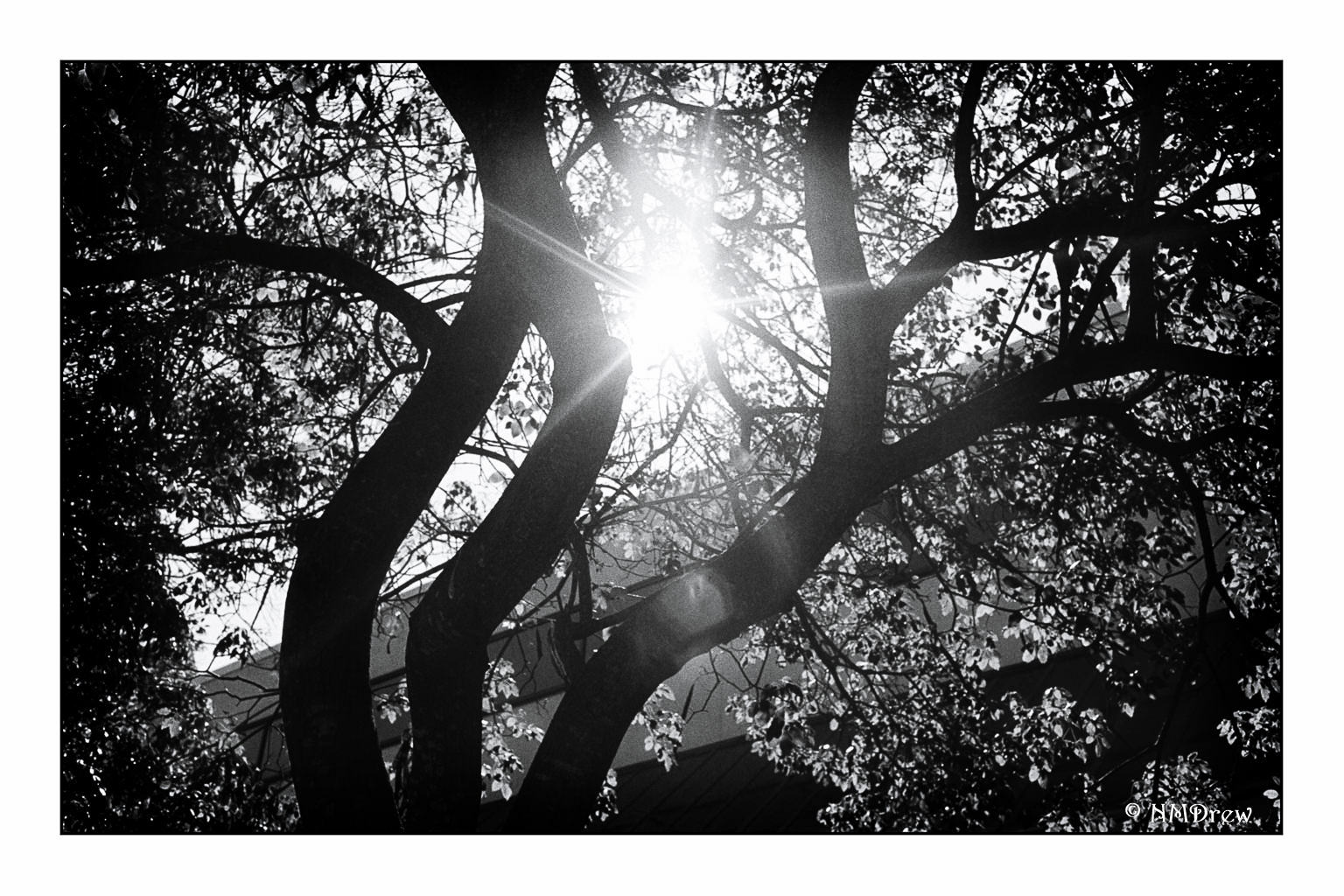
Sometimes the sun is relentless, heat is oppressive, but today, the fear of wind-whipped fires is no joke. In SoCal it has been a dry summer and fires are raging, not just nearby, but up north. We were awakened this morning to phone calls of closing of schools and potential power shut-offs to prevent further fires. The winds could blow sparks and ignite fires miles away. Let us hope things don’t get to the point of being evacuated – which we have been fortunate to avoid thus far over the years – but off I go in a bit to clean up and to begin sorting out what to take. The wind is about 30-70 mph, depending on where you are, but it is strong enough here, and so filled with dust and ash, that all the windows are closed. The wind I so love is now an enemy.
I am not sure where things will end up. This morning I woke up to the smell of smoke filling the house. Somewhere, a fire. The sound of the winds was up, curling around the house and howling. It is fire season and Santa Ana wind season in my neck of the woods. Phone calls from SoCal Edison warning of potential power shut-offs and calls from the school district letting us know schools are closed. I am drinking my coffee to wake up enough to figure out what to do. Writing all this is a way to clear the fog from my morning brain to make a list of what to pack in case we are evacuated.