
I have no head for heights, and just watching this video has made me jump a number of times! Despite that, I have always loved this picture because of the simple fact I could never even think of something as working up so high. There is something so awesome about these men . . . and the photographers as well.
Category: Blitherings
Home Improvement

Home improvement . . . for me, a clean and tidy home is wonderful. I like to see clear surfaces, free of dust. Floors free of dog fur are also nice. I don’t like lots of clutter. My small shelf of framed photos makes me nuts – much as I love those people – I hate dusting them. Nature abhors a vacuum, and I abhor a vacuum cleaner. Housework is great, when it’s finished. Not when doing it, but when it is done. I really hate cleaning, but I hate a cluttered mind more. And a messy house means a messy mind.
Okay, that said, I would say that 80% of the studio has been cleaned up. Lots and lots has been thrown away. My paints are accessible, as are my books. Paper has been reorganized, from watercolor tablets to sketch books to lined and grid paper tablets. Brushes are sorted out and been acquainted with again. Like meeting an old friend, one you really, really like, and one you appreciate, too. I spent about 8 hours doing it all, and finally ran out of space in the trash bins. (Luckily our neighbors let us use theirs when we need to!)
This afternoon, I shall do some reading and some color studies or sketching. I just hope that I will be able to continue this once I return to work as that will be the real challenge.
Looking Ahead to 2017

As I write, I am sitting down to lunch, looking at the total destruction and reconstruction of my studio. Unlike those more fortunate, my studio is really a bedroom in the house that doesn’t even have a closet. As a result, all storage is on shelves with plastic bins, all in the hope of keeping the dust to a minimum. In addition to having shelves of cameras and lenses and other photography equipment in the studio, I also have my sewing supplies, a desk, a drafting table, two filing cabinets, two chairs, a computer, a printer, a scanner, and a couple of monitors. The destruction of the studio is the cleaning out and throwing out of things, as well as reorganizing it to accommodate painting more readily. Things are being moved around to make access to certain items more comfortable.
When I think about my focus on photography over the past several years, I am so glad I feel that I have mastered it to a degree that makes it comfortable, and gives a certain level of satisfaction. Both digital and analog are areas where I feel a level of proficiency – I can take good pictures. I know my cameras, I know my film, and can determine an exposure for a manual technique by looking at the light. This is something that once learned is never lost – the knowledge may get a bit rusty without doing it, but it always comes back once being used again.
Photography, though, is not my first love in the visual arts. Painting is always where I want to come home to roost. The feel of a brush or pencil, the colors of paint or gradations of ink, the physical experience of painting and drawing: all these combine for an experience that photography has never had. I am not interested in painting realistic images – that’s what photography is for – but in the emotional expression or abstraction of whatever that painting provides. Besides painting, I love woodblock printing, and sumi-e. There is a sensual quality to working in these areas that, if I had a darkroom, I might find as satisfying.
With this focus on painting – mostly in watercolor, possibly in acrylic – I will need to revisit the skills I’ve lost over the past several years. Because I tend to be rather fixated on painting in certain ways, I also hope that my sense of exploration and adventure will get piqued. It’s easy to become formulaic in art, I think, but that doesn’t necessarily indicate a lack of focus. Rather, being formulaic means a level of success in given techniques, but it may not open the door to that magical realm of creativity that leads to new insights and processes. This is where I want to go. I want to study botanical illustration because I am too splashy and undisciplined, but I also want to explore different ways of using colors, papers, paints, and pencils. The process, ultimately, is the most important experience to me. Whether or not I become an artistic celebrity is immaterial; it is the doing and being the art itself.
Some thoughts on “On1 Photo Raw”
Today is the very, very first day that On1 Photo Raw is available for usage. I think the original idea was to have a product ready to roll in October 2016, but rather than have a “finished” product full of bugs, they realized they had more on their plate, and held off until today, November 23. I’m glad they did – and I am glad, too, that they realize that this really is a “work in progress” as it stands.
Personally, I love On1, and have been using them since version 8, which was a while back. I use it with Lightroom. What makes On1 great as a company is their support, ongoing consistent development, tutorials, and so on. On1 products are sophisticated, and while they do not rival Adobe Photoshop for complexity, On1 products are far easier to use. I prefer their brushes, spot and blemish removal tools, as well as the fact I can create presets which I can store. At this point, the presets from On1 Photo Suite 10 cannot be used in On1 Photo Raw, but I expect they will have the ability to port them later on. The one-up that Photoshop has is its “content-aware” fill.
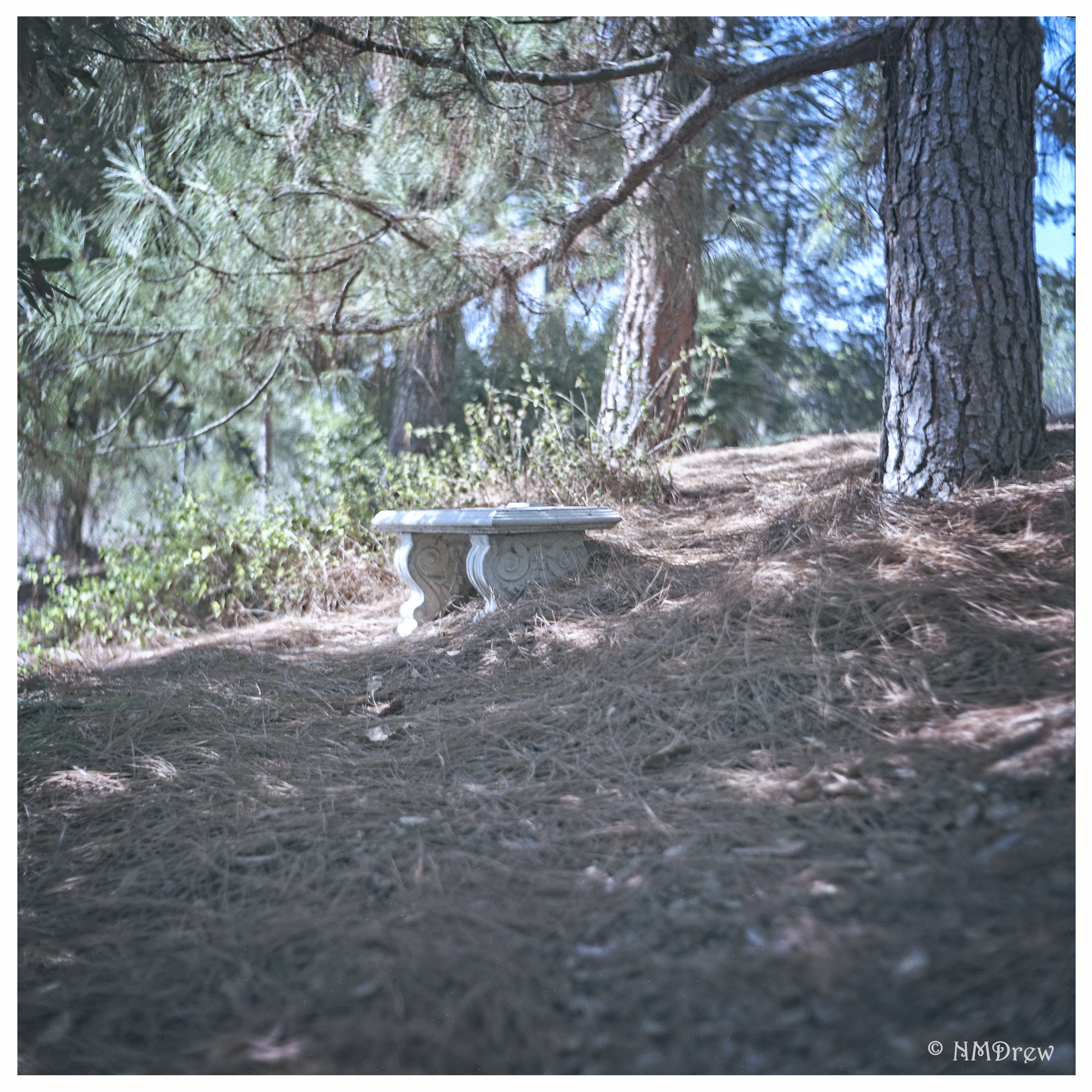
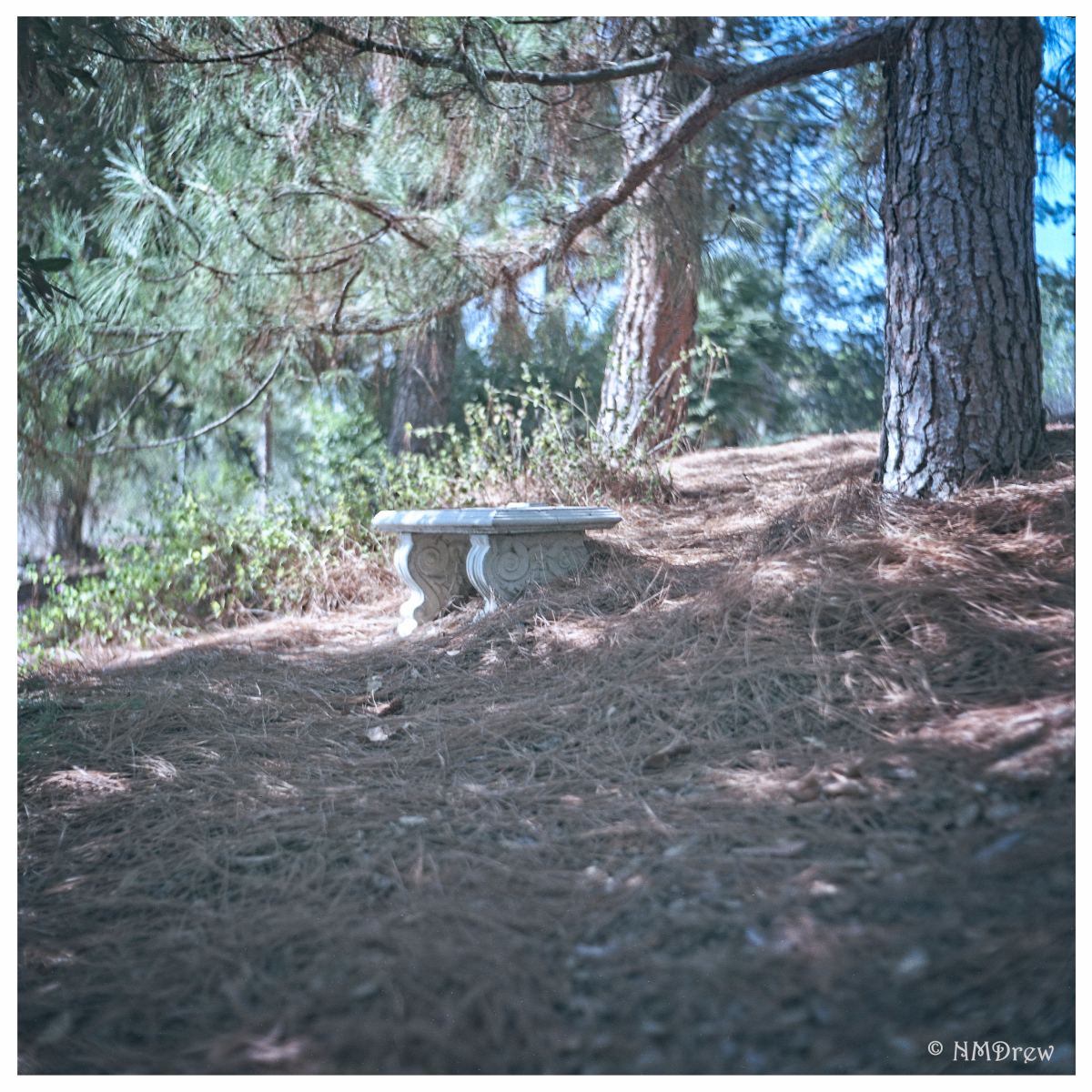
The image above, Waiting for Lovers, was edited using On1 Photo Raw. It is a film image using Kodak Ektar 100 in a 1930s Welta Weltur rangefinder. The lens is an uncoated Xenar – probably about 75mm – which has an ethereal quality to it that I really love. Scanning the image with my rather dirty Epson V600 (I have since cleaned it), I ended up with a blue streak across the entire image. On1 took it out quite nicely. Spots and threads were also easy to remove. I think On1 did something to their processing algorithm (or whatever), as the spot removal works very quickly.
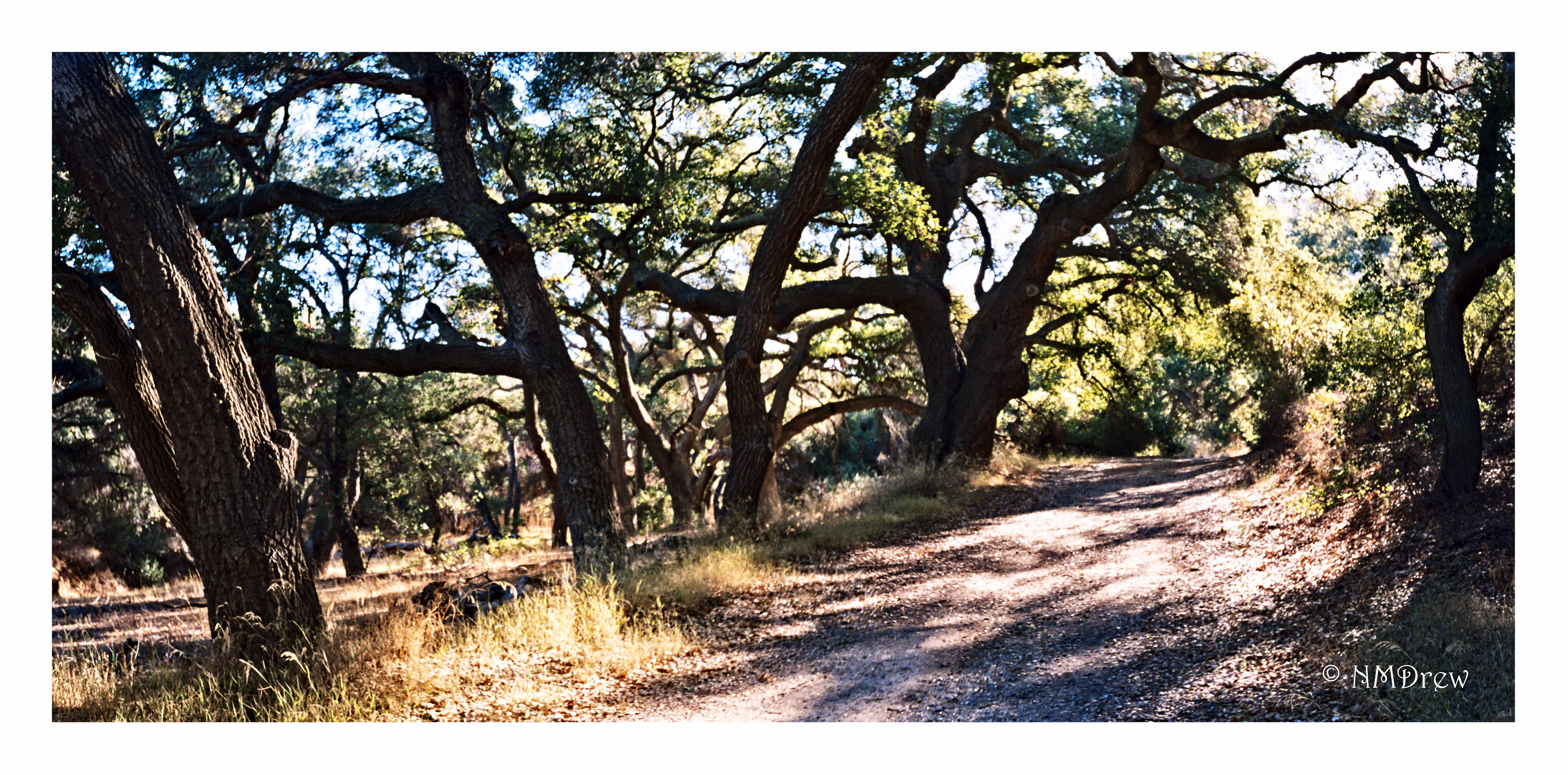
This image is a pano stitched together in LR, and consists of two images taken with the Olympus XA4 and Lomography 100 film. The only thing I did was perk it up a bit with some detail, in LR and in Photo Raw. It is nearly identical to the SOOC image.
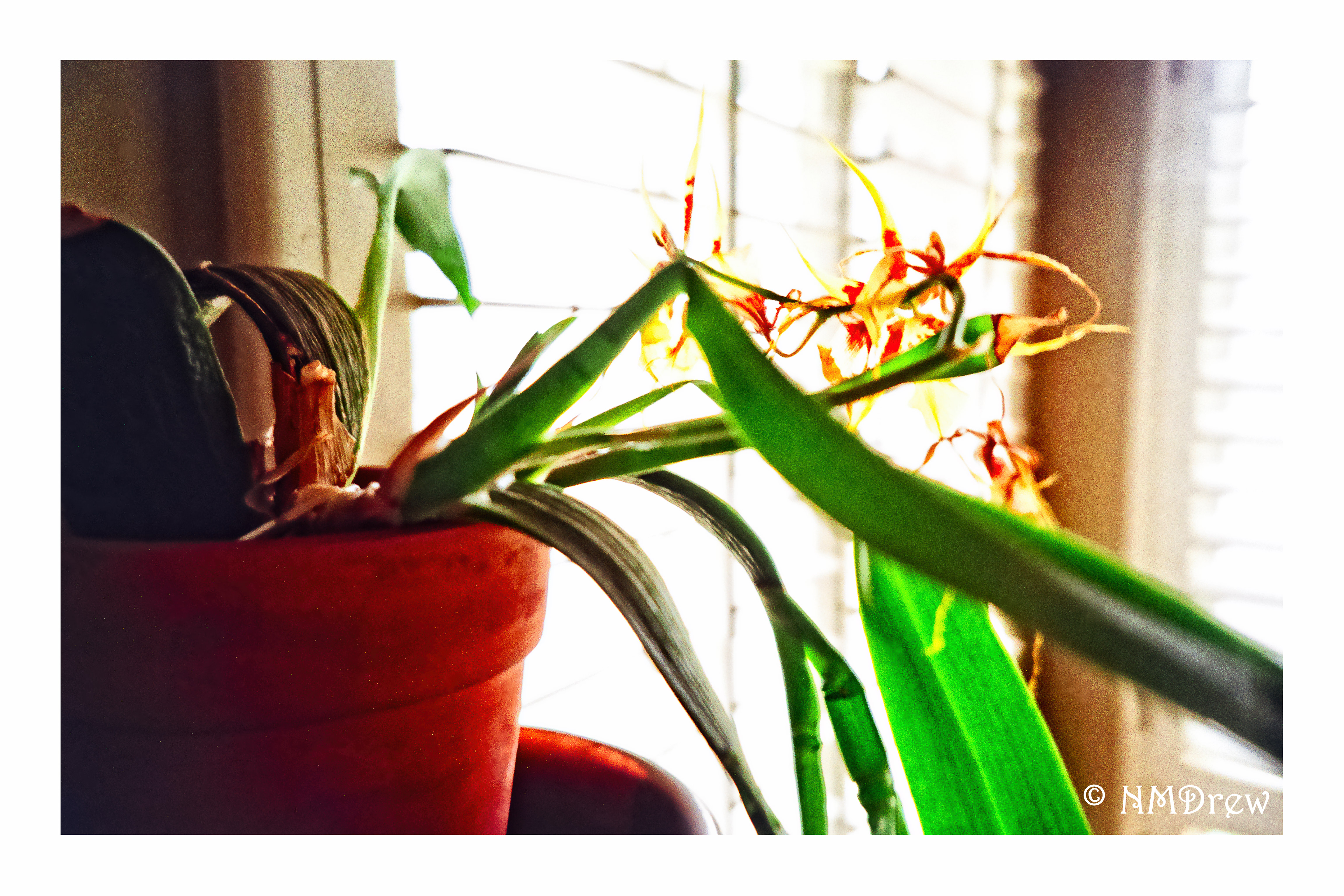
Finally, the above image was really pushed in On1 Photo Raw. Spot removal, brush usage, presets, whatever. This was an overall high-key, pale image, but I set it up to be contrasty and bright – possibly too much so – but wanted see what I could do. This was also taken with the XA4 and Lomo 100 film. Both of these two images were scanned using a Pakon 135 scanner.
There is so much software out there for photographers, that competitors to Photoshop seem to come and go. My favorite and most consistent programs are Lightroom and On1. I also use DxO v. 11, and while it is good for some things, it lacks the diversity of On1. Capture One is good, too, but it makes me crazy as it does not make sense to me at times . . . but I admit, I have not put in time to using it as it has a higher learning curve, and is not, for me, very intuitive. So, two thumbs up to On1 for its Photo Raw software – I think it will prove to be a real winner as they continue to develop it.
Project a la Hockney
I have been playing rather seriously with photography for about ten years now, starting with digital, and then moving into film. However, for me, there is always something missing in photography, and that simply is working with my hands. I get rather bored, to tell the truth, of photography. I would rather do something with it, make something with it.


Coming home from Mammoth in August, seeing the desert, made me recall two things. One was David Hockney. The other was his photo collage – montage – joining – whatever – of the Pear Blossom Highway. There is just something about it I have always enjoyed.
Last weekend I decided to do something about it. I went out to the local botanical garden and took a whole series of images, all digital, to create something similar to Hockney’s Pear Blossom Highway. Altogether, I took enough photos for about a dozen panoramas, ranging from about 20 images to 70. It took a few days to process the images in post, and then to create a panorama, too, just to get an idea of what the final pictures could be.
I chose three that I liked. The pictures above are one of the three I sent to the Costco photo lab to print as 4×6 inch glossy prints. I have no idea if Costco will stick to my colors or not – no idea! That is part of sending them to an inexpensive photo lab. For 112 images, I am paying less than $20.00, so that’s a pretty cheap thrill. And, they will be ready in a couple of hours, so the fun can begin soon enough.
From all the images above, the one below is the merged pano, done in CS6, to give me a bit of a road map – like cheating on a puzzle??

Once I get the collage done with the prints, it will be interesting to see how it actually looks, compared to a computer-merged panorama.
 Ink, Yarn & Beer