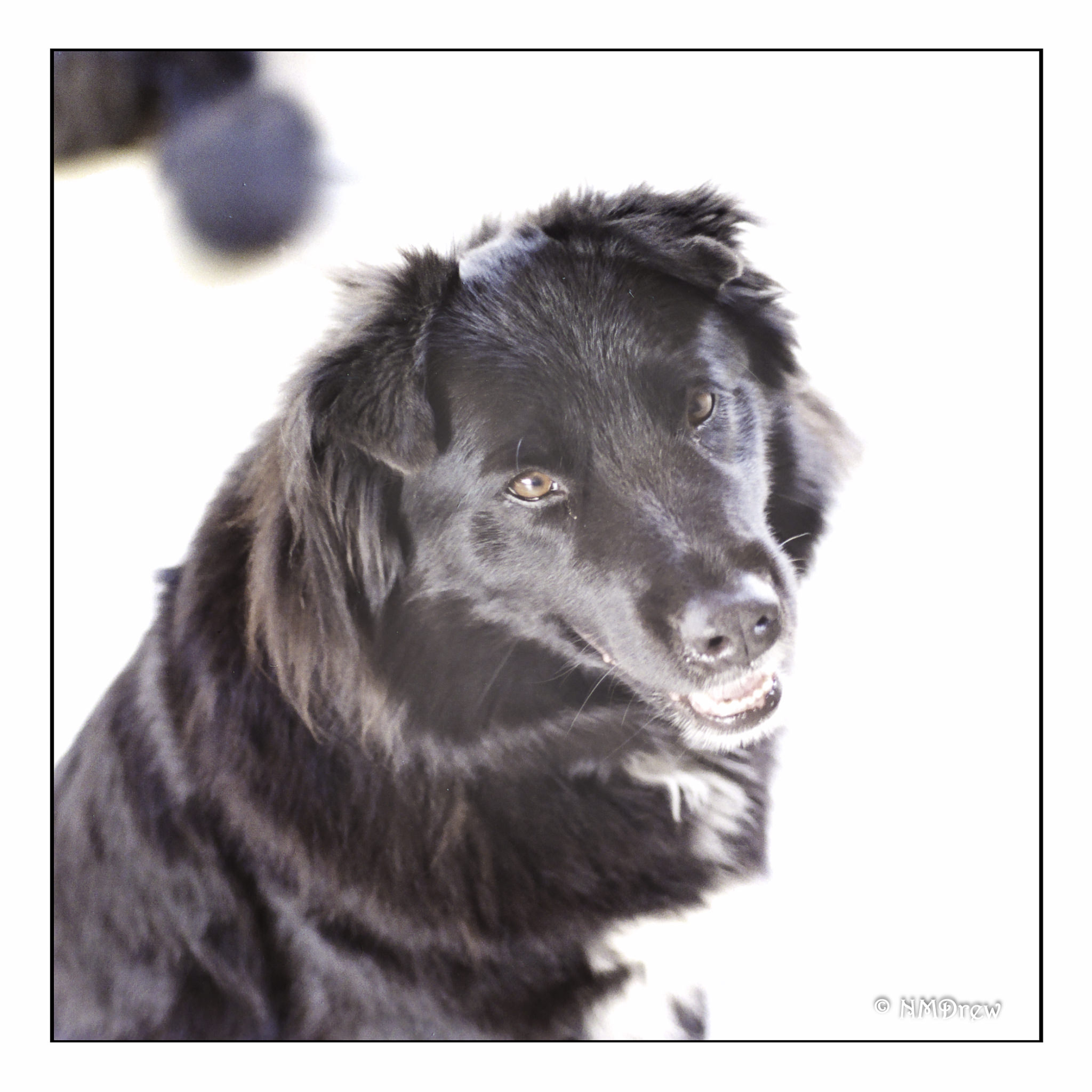
“You go sit in the corner – it’s my turn for a picture.”
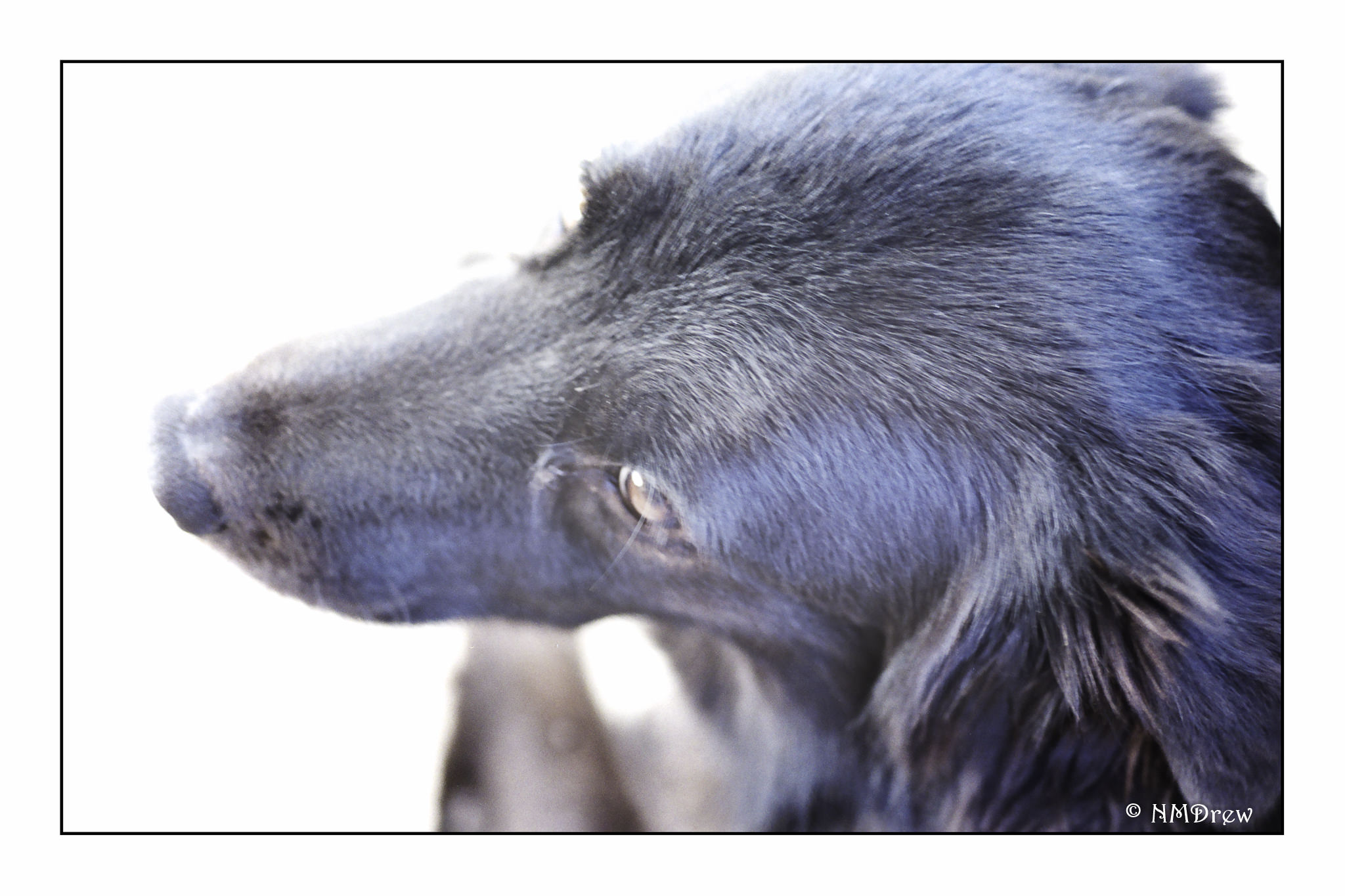
“What? No walks today? You will be damned sorry!”
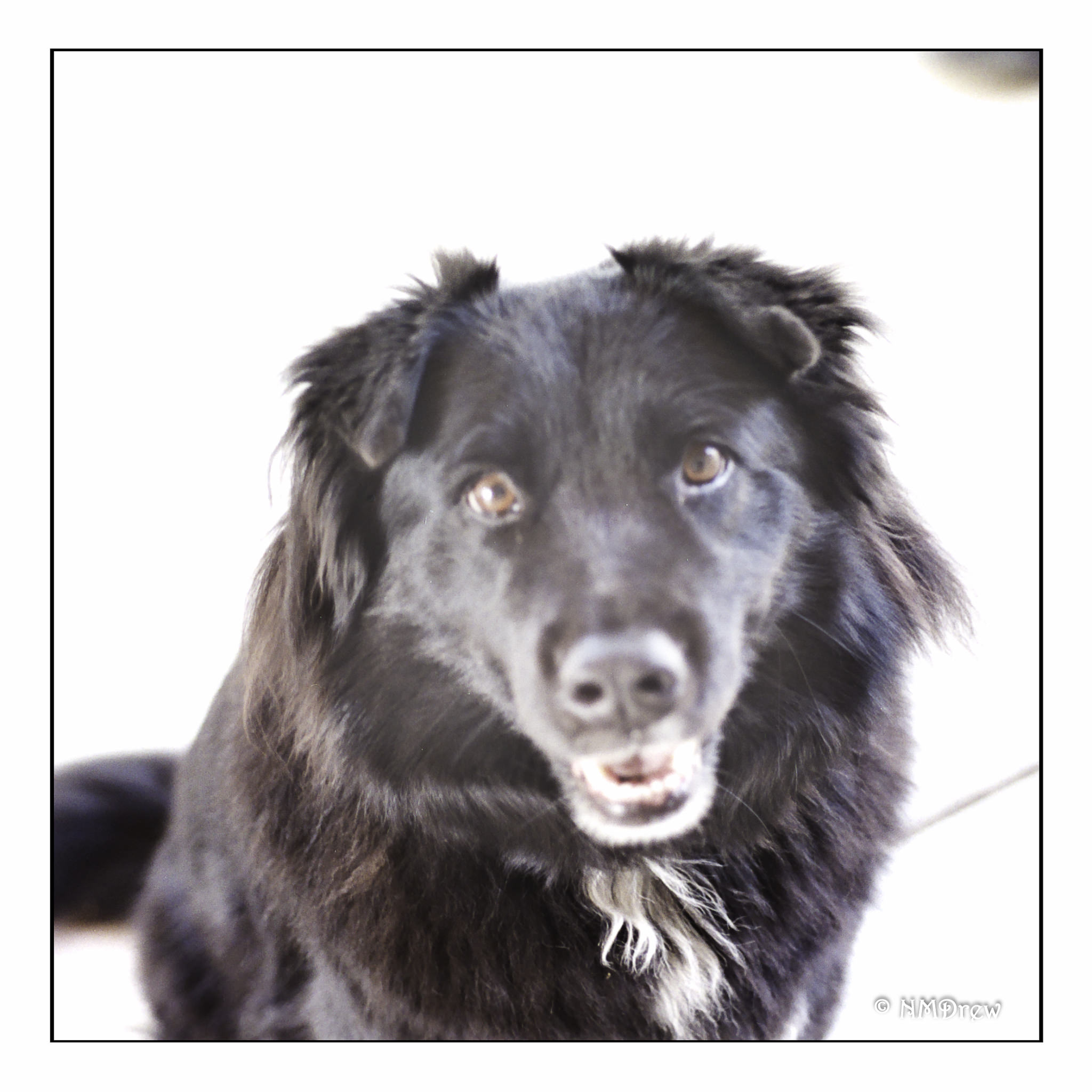
“Okay, stop taking pictures of her! It’s me who is the most important!”

“You go sit in the corner – it’s my turn for a picture.”
“What? No walks today? You will be damned sorry!”
“Okay, stop taking pictures of her! It’s me who is the most important!”
I have tried to “just let things happen” for several weeks now. The truth is I don’t like it. To me, this means just that – let stuff happen – but this is a passive approach to life and retirement as far as I am concerned. I personally like to set daily goals, big or small, creative or chore-ish, because that is how I gauge the value of my time. To let things happens is to wait for things to happen. I like to make things happen, and to be open to other people inviting me to join them in their happenings. However, if I were to wait, and just wait, what would occur? Dishes don’t get done by themselves, photographs aren’t taken, dinner isn’t served. That is really just being non-existent. It is being inactive. It is, essentially, saying no to life and all that it has to offer.

All of us have things we need to do in life. With the free time of retirement, it seems that I should get my chore list done. If I did, though, that is all I would do. That Puritan heritage inculcates duty and chores as the only things of value, not indolence and lazing or creating. Thinking seems almost a sin – that means considering rebellion against societal norms and regulations. That means rocking the boat, having an opinion – in short, living life and experiencing life. As someone brought up to follow rules and regulations, it can be really difficult for me to let them go. I do know that all rules and regulations are ways to help society function, to let me and others get along, to be more constructive than destructive. I also know that breaking these restraints allows me to grow and expand, to re-think my world view (many times over the years) and reconsider life and myself in general.
Patterns provide structure and a framework in which we can explore the world, expand our world, and experience that which is unfamiliar with relative safety. In a bad framework, such as in families where domestic abuse is the norm, these patterns maintain destructive and negative lifestyles. This is what family systems teach us. They also teach us that breaking family systems creates its own chaos, which can be positive or negative, good or bad, expanding or restrictive. For me, breaking certain patterns is necessary for growth and enjoyment, but maintaining others is a form of prison. Chaos is not something I enjoy, though I appreciate the unexpected. Altogether, we each need to find the structures in our lives to live fully and deeply, as well as to give in to the unpredictable and spontaneous.

The image above has the waist level viewfinder, which I would like to have. I have the eye-level viewer complete with automatic exposure and a hand grip with film advance.
There is a really good review of this critter over at Emulsive, which is a great website for reviews on older cameras.
Everything worked out really well, auto-exposures and ones from reading of the Sekonic light meter, as well as my own guestimates! Totally happy! And what I like even better is the distinctive look of the 80mm f2.8 C lens that came with the beast. Add to that, the Negative Lab Pro has been a real worthwhile investment for post-processing.
In order to check out the camera, I loaded a roll of Fuji Pro 400H, a film which has great color and latitude. Its color is not as intense as Ektar, but it comes close with the brilliance of the colors. I just shot around the house and neighborhood. There is absolutely nothing outstanding about these images except to prove the camera works, and works well. The whole point was to learn about the various aspects of the camera, both automatic and manual.


I handheld the camera for all these images. Friday I am expecting some of the proprietary Mamiya lugs to attach to a camera strap so that I won’t be as likely to drop it. The hand grip is a great handle, but I have read of people almost losing the camera from depending on the hand grip – somehow, the grip got disconnected from the body. At some point, I will get the waist level finder as I enjoy using so much on my Yashica D that I know it will be a good accessory. Because it is such a large camera, if I do get any other lenses, I am likely to limit myself to a macro lens. Other than that, at this point I don’t plan to accessorize it too much. I like the way it currently is, but if I want to go hiking, a lighter set-up would be good.
Altogether, I am happy with my decision to go with a modular medium format camera. However! G.A.S. is setting in . . . 6×7? 4×5? Oh, dear me!

I am sure we have all come across stupid manuals. Manuals that are written in English – or your language – so badly they make no sense. Manuals on how to assemble furniture are notorious for this, and the cheaper the furniture it seems the worse the written instructions.
Camera manuals can be equally stupid. They might be written in good English (or French or whatever), but notoriously lacking in details or good illustrations. Even when you get one that is well-written, it can be so wordy it can be worthless. In written manuals I often find the type face is too small to even see – and this when my eyes were a lot younger. The illustrations can also be bad. There are so many reasons why manuals – and for me especially camera manuals – are just plain worthless. Hence, stupid.
I like my old cameras, but sometimes figuring them out is a real pain in the tuckus. A stupid manual leads to confusion and frustration. I have one that is a facsimile of a manual written in the 1930s, but someone annotated it, erased or otherwise obliterated details in the image, resulting in missing information. I was ready to throw the camera into the wall with frustration – but I didn’t!
So what is a frustrated photographer to do? I might just rewrite them, update the pictures, and see what happens. Maybe my literary career will get off to anew start and I will be internationally famous. Or else trapped by men with butterfly nets.
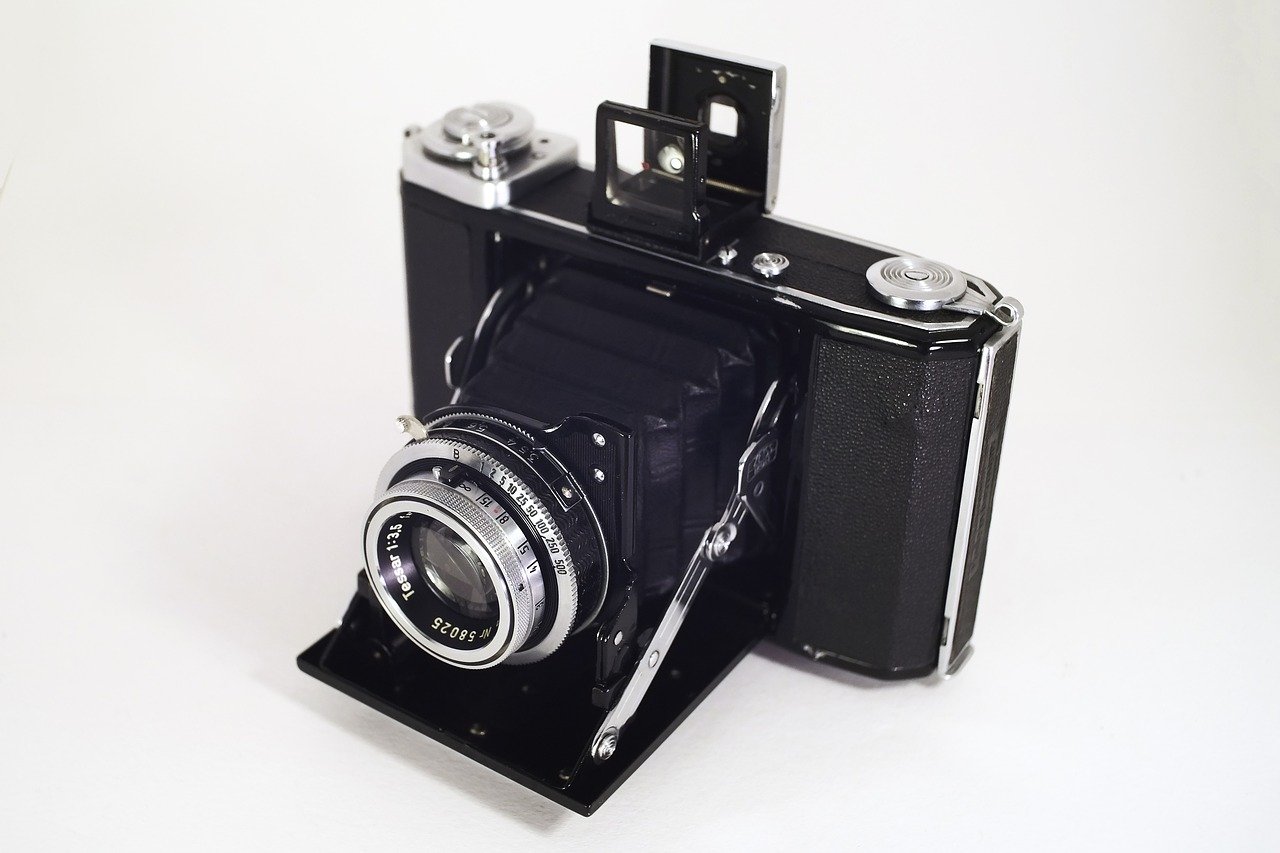
I have a number of medium format cameras, all but one being a German folder, and that one is the Yashica D TLR. What I like about the folders is their compact size when folded up, their vintage qualities (not so vintage in the 1930s through 1950s I expect), and in particular their beautiful lenses. The ones I have range in size from 6×4.5 with and without a mask, to 6×6, to 6×9. All take 120 film. The Yashica D takes 6×6 images and uses 120 film as well. However, the drawback to all of these cameras is the limitations of their lenses in length and focusing capabilities – fixed and immutable as they say. Yes, there are attachments, such as magnifying filters, but none of them can produce the variations available in a system allowing interchangeable lenses.
As a consequence, I have long been contemplating a modular medium format system, and ended up by chance or luck coming across a Mamiya 645 Pro TL with all the parts present in one package. Numerous YouTubers have really excellent videos, from short to long, from cursory to extensive detail. The video below shows the bits and pieces I have – it’s long, it’s detailed, but if you are really curious, follow along. I learned the most about this camera from it, and have watched a number of times.
Truthfully, I just dove into the purchase. I figured it would be best to get one all put together rather than trying to figure out what I needed. Searching around online, I found a Mamiya from a reputable dealer with all the parts that I knew a modular system needed for a reasonable price: A body, a lens, a film back, and a viewfinder. It has a grip, too, instead of a crank to advance the film. It’s big and heavy with everything attached – nearly 4 lbs to take a 6×4.5 image. Is it worth it? I’ll find out when my first roll of film comes back from the lab next week.
I spent about 3 days reading about each part and watching YouTube videos. I gathered PDF manuals from around the net. I fiddled and putzed. I got frustrated and annoyed, too, as well as learned so much . . .
The fact is, there are a lot of parts available for the Mamiya 645 Pro TL. It can be simple, it can be complex. It can be small, it can be big. Truthfully, I rather like small and light myself, and if I keep the critter (30 day return policy), I most likely will look for a waist-level finder and a crank to advance the film. I read about the body, the viewfinder with its auto-exposure, the film cartridge, the grip, the lenses. Everything has to be coordinated to work.
And when it doesn’t work? Pull out that dark slide!
When I take it out, I have to keep it safe in a camera bag as I have no camera strap is available that works with it with the grip in place. The Mamiya has proprietary lugs, and that is a nuisance. With a crank to advance the film, Op-Tech (my favorite camera strap) Style B attachments work, but when the grip is attached, they do not.
So, what do I think about it so far? I rather like it. The grip has that wonderful noise only a grip or automatic film advance in a camera can achieve – a click, a whir – just like an exhaust in a classic sports car! That aside, I really like medium format film photography the more I do it. Those negatives are beautiful. Scanning and editing them is not too big of a deal, and the addition of Negative Lab Pro makes them even better. I hope at some point to develop them using the Lab-Box, both black and white and color.
There are definite aesthetics in the images produced from this camera. You can find them on Flickr. You can also learn a bit about people’s reactions to the camera itself. I always like Max’s commentaries on various cameras found on his channel Analog Insights. He doesn’t go into how to use a camera, but the experience of using a camera. See what you think.
So there we are. Once I get the film back from the lab, I will have a better idea if the camera is worth keeping as I will know if the bits and pieces all work. It has automatic exposure with aperture priority using the viewfinder. I can switch to totally manual techniques. The film back advance works well from the sound of it. The lens is bright and clear, as is the viewfinder. The shutter curtain is not wrinkled. All seems fine mechanically and electronically – but the film will have the final say.
Yeah, another roll or two will be worth running through the Mamiya.
 Ink, Yarn & Beer